


In the quiet laboratories of scientific innovation, a revolutionary approach to wildlife conservation is taking shape. Scientists have successfully cloned endangered wolves, marking a pivotal moment in our battle against species extinction. This groundbreaking endeavor represents not just a triumph of genetic science, but potentially a new chapter in how humanity addresses the ecological crises we’ve helped create. From the birth of the first cloned wolf pups to the ethical questions surrounding genetic intervention in natural populations, the story of wolf cloning offers a fascinating glimpse into conservation’s future. As climate change and habitat destruction continue to threaten countless species, could cloning provide a critical lifeline for wolves and other endangered animals teetering on extinction’s edge?
The Crisis Facing Wild Wolves
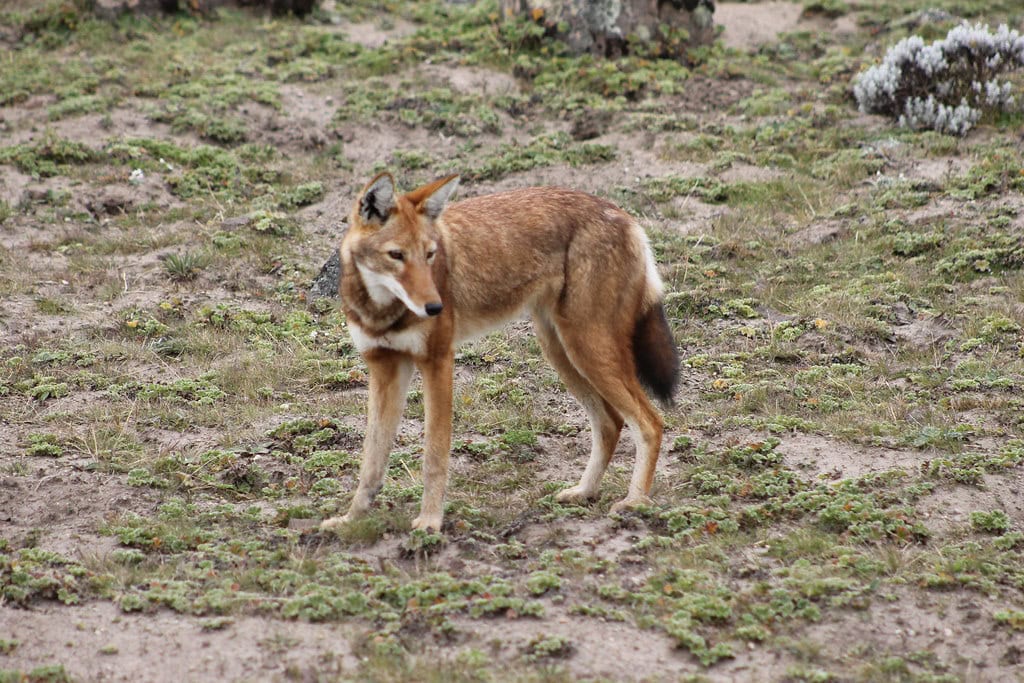
Wolves once roamed vast territories across North America, Europe, and Asia, serving as apex predators that maintained ecosystem balance. Today, many wolf species and subspecies face dire circumstances. The Mexican gray wolf population plummeted to just seven individuals in the 1980s before conservation efforts began. The red wolf has been reduced to fewer than 20 wild individuals in eastern North Carolina.
Meanwhile, the Ethiopian wolf numbers around 500 in the wild, making it Africa’s most endangered carnivore. These precipitous declines stem from habitat fragmentation, human persecution, and diminishing genetic diversity within isolated populations. As these magnificent predators disappear, entire ecosystems suffer cascading effects, highlighting the urgent need for innovative conservation approaches that go beyond traditional methods.
Pioneering Breakthrough: The First Cloned Wolves

The world’s first successfully cloned wolves were born in 2005 at Seoul National University in South Korea. Led by controversial scientist Hwang Woo-suk, the team created two female gray wolves named Snuwolf and Snuwolffy using somatic cell nuclear transfer—the same technique used to clone Dolly the sheep in 1996. The process involved removing the nucleus from an egg cell of a dog, replacing it with a nucleus from a wolf’s somatic cell, and implanting the resulting embryo into a surrogate mother dog.
Despite initial skepticism from the scientific community given Hwang’s previous scientific misconduct allegations in human stem cell research, independent verification confirmed the authenticity of the wolf clones. This achievement demonstrated that canid species could be successfully cloned, opening the door to applying these techniques to endangered wolf subspecies.
The Science Behind Wolf Cloning

Wolf cloning relies primarily on somatic cell nuclear transfer (SCNT), a sophisticated process that has been refined since Dolly the sheep’s creation. Scientists begin by collecting somatic cells—typically skin fibroblasts—from a donor wolf. These cells contain the complete genetic material of the animal. Meanwhile, eggs are harvested from female canids, and their nuclei (containing their genetic material) are carefully removed. The nucleus from the wolf’s somatic cell is then inserted into this enucleated egg, creating a reconstructed embryo with the wolf’s DNA.
Scientists apply a small electrical shock or chemical treatment to activate cell division, mimicking the process that occurs after natural fertilization. The developing embryo is then implanted into a surrogate mother—often a closely related species like domestic dogs—who carries the pregnancy to term. Success rates remain relatively low, with many attempts failing before viable embryos develop, but technological improvements continue to enhance efficiency and outcomes.
The Arctic Wolf Cloning Project
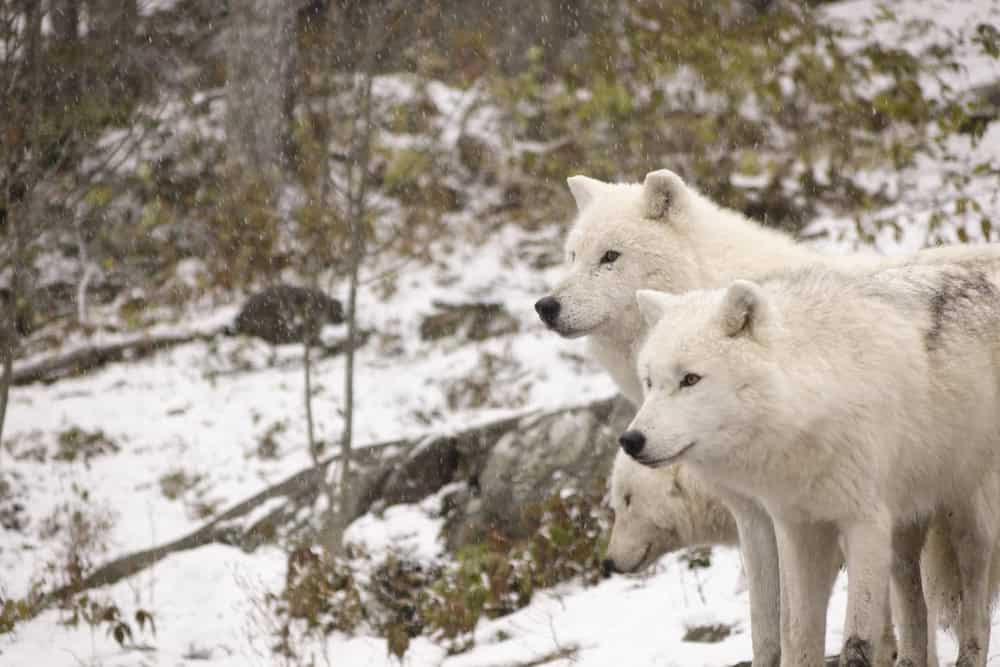
In a landmark achievement for conservation cloning, Chinese scientists announced in 2022 the successful cloning of an Arctic wolf (Canis lupus arctos). The project, led by biotechnology company Sinogene, produced a female Arctic wolf pup named Maya, born from a beagle surrogate mother. Scientists used cells collected from a wild female Arctic wolf at Harbin Polarland, a wildlife park in China.
This represents the first successful cloning of this northern subspecies, which, while not currently endangered, faces mounting threats from climate change and habitat loss in its native range. The scientific team preserved cells from the donor wolf, creating a genetic resource bank that could potentially support conservation efforts if Arctic wolf populations decline severely in the future. This achievement demonstrates how cloning technology can preserve genetic material from existing animals for potential future restoration efforts.
Mexican Gray Wolves: A Prime Candidate for Cloning
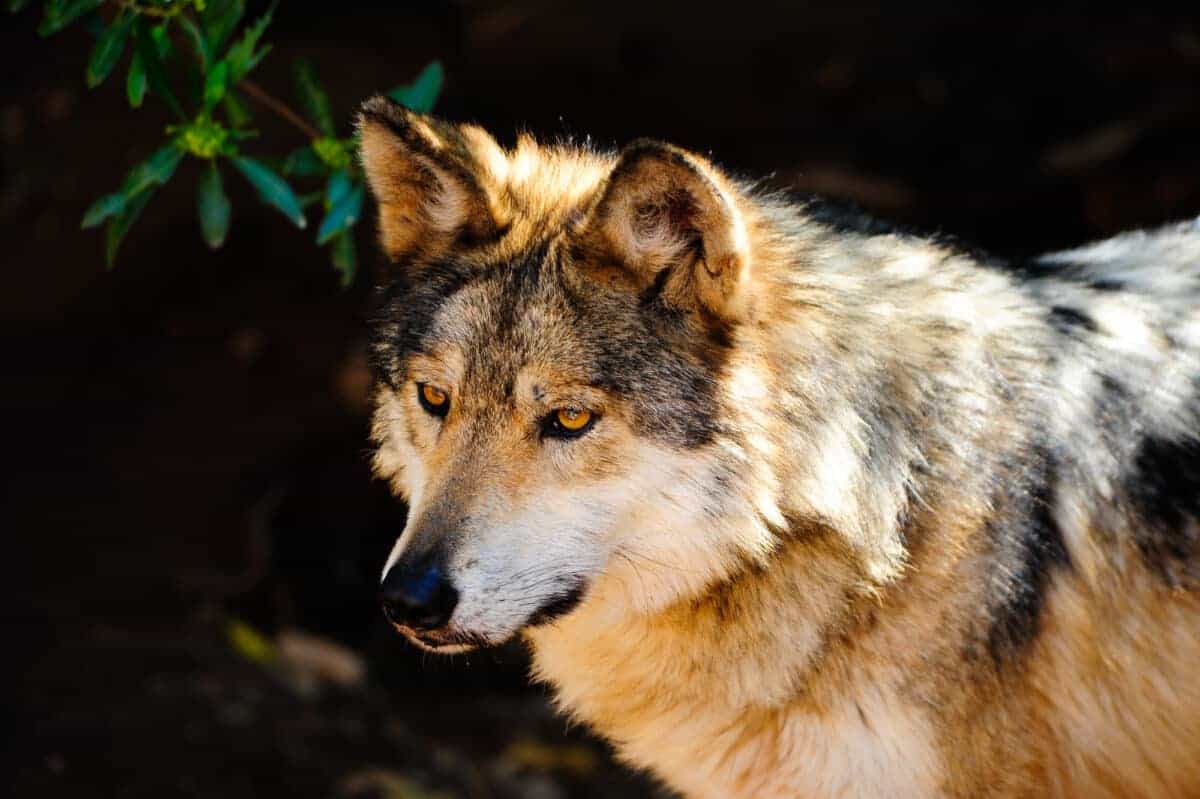
The Mexican gray wolf (Canis lupus baileyi) represents one of the most compelling candidates for conservation cloning. After being declared extinct in the wild in the 1980s, a captive breeding program based on just seven remaining wolves has slowly rebuilt the population. Today, approximately 186 Mexican gray wolves roam their native range in the southwestern United States and Mexico, but genetic diversity remains critically low.
Scientists have preserved genetic material from individuals that died without reproducing, creating an opportunity to reintroduce lost genetic diversity through cloning. The San Diego Frozen Zoo and similar biobanks maintain cell cultures from numerous Mexican wolves, including some from the original founding population. By cloning these preserved specimens and integrating them into breeding programs, scientists could potentially strengthen the genetic health of this subspecies, reducing inbreeding depression and enhancing adaptive potential as these wolves face changing environments and new challenges.
The Technical Challenges of Wolf Conservation Cloning

Despite promising advances, wolf cloning for conservation faces significant technical hurdles. Success rates remain relatively low, with most cloning attempts failing to produce viable embryos or resulting in pregnancy complications. Scientists must optimize protocols specific to wolf species, as techniques developed for livestock don’t transfer perfectly to wildlife. The limited availability of suitable surrogate mothers presents another challenge, as wolves produce only one litter annually, restricting how many cloned embryos can be carried to term.
Critically, researchers must ensure cloned individuals develop normally, monitoring for the telomere shortening and premature aging issues that affected early cloned mammals. These technical challenges translate to high costs—each successful clone may require investments of hundreds of thousands of dollars, raising questions about cost-effectiveness compared to other conservation strategies. Despite these obstacles, technological refinements continue to improve success rates and reduce complications, gradually making conservation cloning more viable.
Genetic Diversity Considerations

While cloning can reproduce individual wolves, conservation scientists emphasize that the technique’s greatest value lies in restoring lost genetic diversity rather than simply increasing population numbers. When wolf populations crash, valuable genetic variants disappear, reducing the species’ ability to adapt to environmental changes or disease challenges. By cloning individuals from preserved tissue samples of wolves that died without reproducing, scientists can potentially reintroduce genetic variants that disappeared from the living population.
This approach is particularly valuable for species like the Mexican gray wolf, where the current population descends from just seven founders. However, cloning alone cannot create new genetic diversity—it can only restore what was previously lost and preserved. For this reason, conservation geneticists view cloning as one component of a broader genetic management strategy that must include protecting remaining wild populations, maintaining studbooks for captive breeding, and potentially using genomic technologies to predict beneficial genetic combinations.
Beyond Wolves: Cloning Other Endangered Species
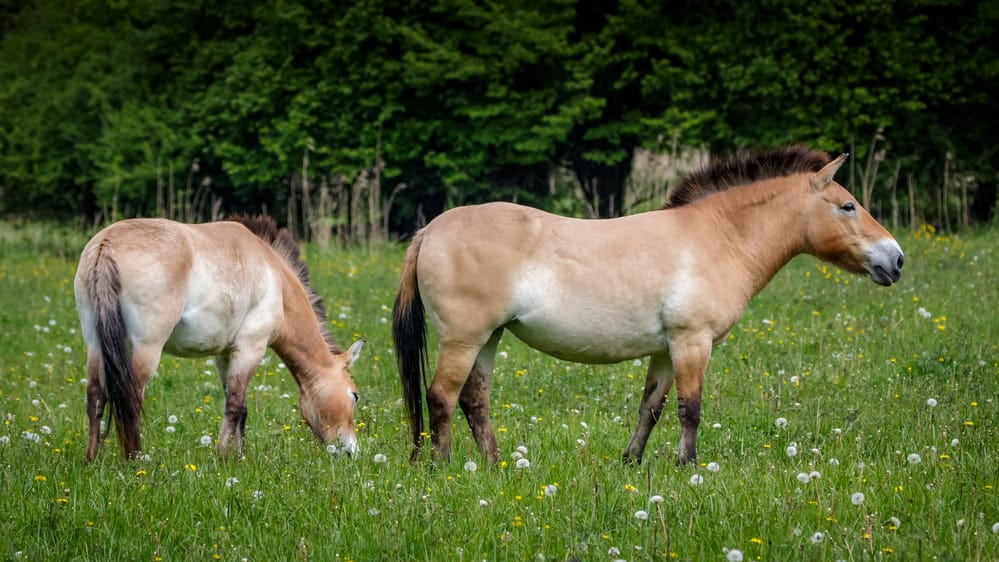
The successful cloning of wolves has encouraged similar efforts for other endangered species. In 2020, scientists cloned the endangered Przewalski’s horse, using cells preserved 40 years earlier from a stallion whose genetics are no longer represented in the living population. The black-footed ferret, North America’s most endangered mammal, saw its first clone born in 2020, using cells preserved from a ferret that died in 1988. Scientists have also cloned the gaur, a wild cattle species, and the banteng, an endangered bovine from Southeast Asia.
These successes demonstrate the potential breadth of conservation cloning applications. However, each species presents unique challenges in terms of reproductive physiology, embryo development, and surrogate availability. Conservation organizations are increasingly establishing biobanks of frozen tissue samples from endangered species, creating genetic libraries that preserve options for future restoration efforts through cloning and other reproductive technologies as they continue to advance.
Ethical Considerations and Controversies

The cloning of wolves for conservation raises profound ethical questions that divide both the scientific community and the public. Some conservationists argue that any technology that might prevent extinction should be pursued, viewing cloning as a last-resort tool for species with no other options. Others express concern that focusing on high-tech solutions diverts resources from addressing root causes of endangerment, such as habitat protection and human-wildlife conflict mitigation.
Animal welfare advocates highlight the suffering involved in the cloning process, including the high rates of failed pregnancies and health problems in some cloned animals. Indigenous communities and traditional knowledge holders often raise questions about humans assuming control over which species survive through technological intervention rather than restoring balanced relationships with nature. These ethical tensions remain unresolved, reflecting deeper philosophical differences about humanity’s proper role in nature and our responsibility toward species threatened by human activities.
The Role of Cloning in Comprehensive Conservation

Conservation biologists emphasize that cloning represents just one tool in a much larger conservation toolbox. Effective wolf recovery programs integrate multiple approaches: habitat protection and connectivity, reduction of human-wildlife conflicts, captive breeding, genetic management, and public education. Cloning serves a specialized role within this framework, particularly for addressing severe genetic bottlenecks or reintroducing lost genetic diversity.
The Mexican Wolf Recovery Program demonstrates this integrated approach, combining traditional captive breeding with genetic analysis to guide pairings while considering cloning to restore genetic variants from preserved samples of founding wolves. Similarly, conservation plans for Ethiopian wolves focus primarily on protecting remaining habitat and vaccinating against diseases like rabies, with reproductive technologies considered supplementary measures. This contextual understanding of cloning’s role helps ensure that high-tech interventions complement rather than replace fundamental conservation actions that address the root causes of endangerment.
Future Prospects for Wolf Conservation Cloning

The future of wolf conservation cloning appears increasingly promising as reproductive technologies continue to advance. Emerging techniques like induced pluripotent stem cells (iPSCs) may eventually allow scientists to generate wolf gametes (eggs and sperm) from preserved somatic cells, potentially increasing reproductive options beyond direct cloning. Improvements in artificial reproductive techniques specific to canids continue to increase success rates while reducing health risks to surrogates and offspring.
Genetic biobanks are expanding their collections of wolf tissue samples, particularly from genetically valuable individuals and critically endangered subspecies like the red wolf. These preserved genetic resources may become increasingly valuable as wild populations face mounting pressures from climate change and habitat fragmentation. Conservation organizations are developing more sophisticated decision frameworks to determine when and how cloning interventions might be justified, ensuring these technologies complement broader conservation strategies. As costs decrease and success rates improve, cloning may become a more routine component of genetic management for small, isolated wolf populations worldwide.
Conclusion: Balancing Technology and Nature in Wolf Conservation

The cloning of wolves represents both a remarkable scientific achievement and a poignant reflection of the desperate situation facing many of our planet’s most iconic predators. While this technology offers a potential lifeline for genetically impoverished wolf populations, it cannot substitute for addressing the fundamental threats of habitat loss, persecution, and ecosystem degradation that have brought these magnificent animals to the brink of extinction.
The most successful approach will likely integrate cloning as one component of comprehensive conservation strategies that prioritize protecting wild wolves and their habitats while using advanced reproductive technologies to overcome specific genetic challenges. As we navigate the ethical complexities of intervening in natural processes, we must remain mindful that our goal should be not just to prevent extinction, but to ensure wolves can fulfill their ecological roles in functioning ecosystems. The story of wolf cloning ultimately reminds us that while human ingenuity may help mitigate the damage we’ve caused, our greatest responsibility remains preventing harm to wild species and their habitats in the first place.

From exploring the marine wonders in the Azores and witnessing the vast savannas of Kenya, to delving deep into the rich biodiversity of South Africa and traversing iconic landscapes in Australia and the US like Yellowstone, Chris's experiences are vast.
With a penchant for diving alongside sharks, the ocean holds a special place in his heart.
Through his academic insights, he champions wildlife conservation, striving with 'Animals Around The Globe' to cultivate a profound connection between humans and animals, enhancing our mutual appreciation.
Connect with him at Feedback@animalsaroundtheglobe.com.
- The Largest Clam Ever Dredged Up From U.S. Waters - July 22, 2026
- How Animated Films Shape What Kids Believe About Animals - July 22, 2026
- The Most Iconic Animals Saved from Extinction in the U.S. - July 22, 2026