

The golden morning light breaks through the canopy, revealing a rare bird perched delicately on a branch. As a wildlife photographer, your finger hovers over the shutter button—this is the shot you’ve waited months to capture. But the bird appears stressed, and your presence has drawn unwanted attention from predators nearby. What do you do? This ethical dilemma represents the heart of responsible wildlife photography: knowing when to capture that perfect moment and when to prioritize the welfare of your subject by walking away.
Wildlife photography has transformed from a niche hobby into a powerful conservation tool and a popular pastime enjoyed by millions worldwide. With powerful cameras now accessible in nearly everyone’s pocket, the impact photographers have on wildlife has never been more significant. Understanding the ethical considerations behind every shot isn’t just good practice—it’s essential for protecting the very subjects we seek to celebrate through our lenses.
The Photographer’s Prime Directive: Do No Harm
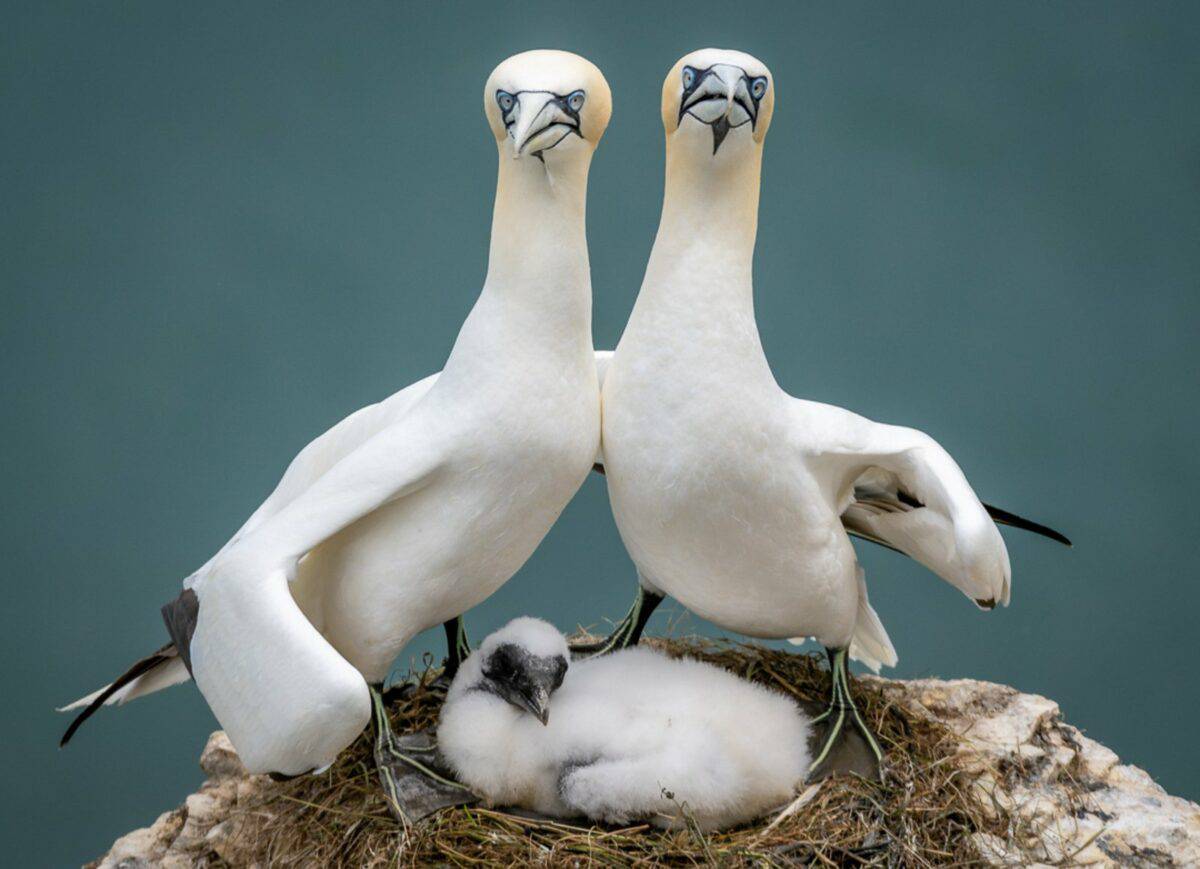
At the core of wildlife photography ethics lies a fundamental principle: the welfare of the subject must always come first. This “do no harm” approach should guide every decision a photographer makes in the field. Unlike landscape or street photography, wildlife photography involves living, sentient beings that can be stressed, disturbed, or endangered by human presence.
Responsible photographers understand that no photograph—regardless of its potential impact, beauty, or monetary value—is worth harming an animal or disrupting its natural behavior. When animals show signs of stress, change their behavior, or flee due to your presence, it’s a clear signal that it’s time to back away. The International League of Conservation Photographers emphasizes that photographers should be “observers, not participants” in wildlife interactions, maintaining sufficient distance to allow animals to behave naturally.
Understanding Animal Behavior: Reading the Signs

Recognizing when wildlife is stressed requires knowledge of species-specific behaviors. Birds may engage in alarm calling, repetitive movements, or feather fluffing. Mammals might display flattened ears, raised hackles, or unusual vocalizations. Even subtle changes like interrupted feeding patterns can indicate discomfort with human presence.
Professional wildlife photographer Melissa Groo recommends studying your subject species before ever picking up a camera. “Understanding natural behavior is crucial because you can’t recognize disruption without knowing what’s normal,” she explains. This knowledge helps photographers make informed decisions about appropriate distances and shooting techniques. For example, nesting birds deserve special consideration during breeding season, while nocturnal animals may be particularly sensitive to artificial light. When animals display defensive postures, warning calls, or redirected attention, it’s almost always time to increase your distance or leave entirely.
The Baiting Debate: Crossing Ethical Lines

Few practices in wildlife photography generate more controversy than baiting—the use of food, calls, or decoys to attract animals for photographs. While some argue that minimal baiting with natural foods can create valuable conservation images without harm, others maintain that any manipulation crosses an ethical line by altering natural behavior and potentially creating dependency.
The North American Nature Photography Association (NANPA) explicitly discourages baiting in its ethical guidelines, noting that it can disrupt feeding patterns, create dangerous human associations, and lead to habituation. This is particularly problematic with predatory species like owls and foxes, where baiting with live prey or inappropriate foods can cause serious harm. Furthermore, images captured through baiting rarely show authentic wildlife behavior, raising questions about their value as documentary work. When considering whether to employ any attractant, photographers should weigh not just immediate consequences but long-term impacts on the individual animal and its ecosystem.
Digital Manipulation: Where to Draw the Line

The ethics of wildlife photography extend beyond field practices to post-processing decisions. In an era where digital manipulation is increasingly sophisticated, photographers face complex questions about authenticity and representation. Basic adjustments like exposure correction, reasonable cropping, and removal of sensor dust are generally considered acceptable. However, more substantial alterations—adding or removing animals, changing backgrounds, or compositing multiple images—can misrepresent natural behavior and mislead viewers.
Major photography competitions and publications have established strict guidelines on permissible editing. The Wildlife Photographer of the Year competition, for instance, requires RAW files for verification and disqualifies images with significant manipulation. Ethical photographers typically disclose substantial edits and never present manipulated images as documentary work. This transparency maintains the credibility of wildlife photography as a medium for education and conservation. The guiding principle should be whether your processing choices maintain the biological and ecological truth of the scene you witnessed.
Sensitive Species and Locations: Special Considerations

Certain wildlife subjects require exceptional caution due to their conservation status, sensitivity to disturbance, or vulnerability to exploitation. Endangered species, nesting birds, denning mammals, and animals with young deserve additional protection from photography-induced stress. Similarly, locations like nesting colonies, winter concentration areas, and newly discovered habitats for rare species may warrant complete avoidance or extremely limited visitation.
Geotagging presents a particular challenge in the social media age. While sharing precise locations can promote appreciation for wildlife, it may also lead to overtourism and disruption of sensitive habitats. Conservation photographer Morgan Heim recommends a thoughtful approach: “With common species in robust ecosystems, sharing locations can inspire connection to nature. But with rare, threatened, or easily disturbed species, vague location information is more responsible.” Many photographers now adopt the practice of delayed posting, sharing images only after breeding seasons have concluded or waiting months before revealing locations of sensitive subjects.
Legal Frameworks: Knowing the Regulations

Wildlife photography is governed by a complex patchwork of international treaties, national laws, and local regulations designed to protect animals and their habitats. In the United States, the Migratory Bird Treaty Act, Marine Mammal Protection Act, and Endangered Species Act establish legal boundaries for wildlife interactions, including photography. National parks, wildlife refuges, and protected areas typically have additional rules regarding minimum approach distances, prohibited activities, and permit requirements.
Internationally, the Convention on International Trade in Endangered Species (CITES) regulates photography of certain species, particularly when commercial use is involved. Photographers have a responsibility to research and comply with all relevant regulations before entering the field. This may include obtaining permits, respecting closure areas, maintaining mandatory distances, and avoiding restricted activities like using drones near wildlife. Beyond legal compliance, ethical photographers often adopt more conservative practices than the minimum requirements, recognizing that laws establish a floor, not a ceiling, for responsible behavior.
The Impact of Drones and Remote Technology
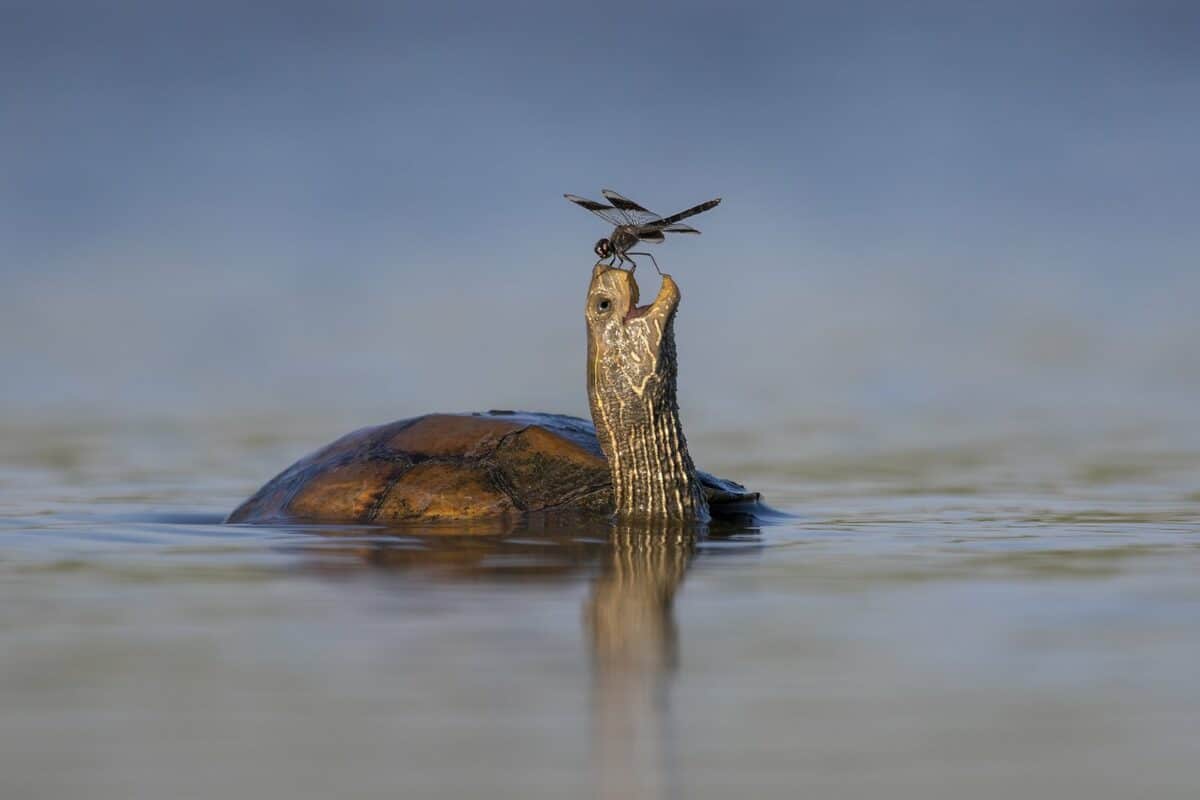
The proliferation of drones and remote camera technology has revolutionized wildlife photography, offering unprecedented perspectives and reducing the need for physical proximity to subjects. However, these tools introduce new ethical considerations. Drones, while allowing for minimal ground disturbance, can cause significant stress to wildlife, particularly birds and mammals sensitive to aerial threats. Studies have documented behavioral changes, nest abandonment, and physiological stress responses in animals exposed to drone photography.
Remote camera traps present fewer direct disturbance issues but raise questions about habitat modification and animal habituation. Best practices for these technologies include minimizing flight time, maintaining substantial altitude above wildlife, avoiding sensitive periods like breeding season for drone use, and ensuring camera traps are non-intrusive in placement and operation. The International League of Conservation Photographers recommends that photographers prioritize subject welfare over technological capabilities, recognizing that “just because you can get closer with technology doesn’t mean you should.” When used responsibly, these tools can actually reduce photographer impact while creating compelling conservation imagery.
The Power of Context: Storytelling with Integrity
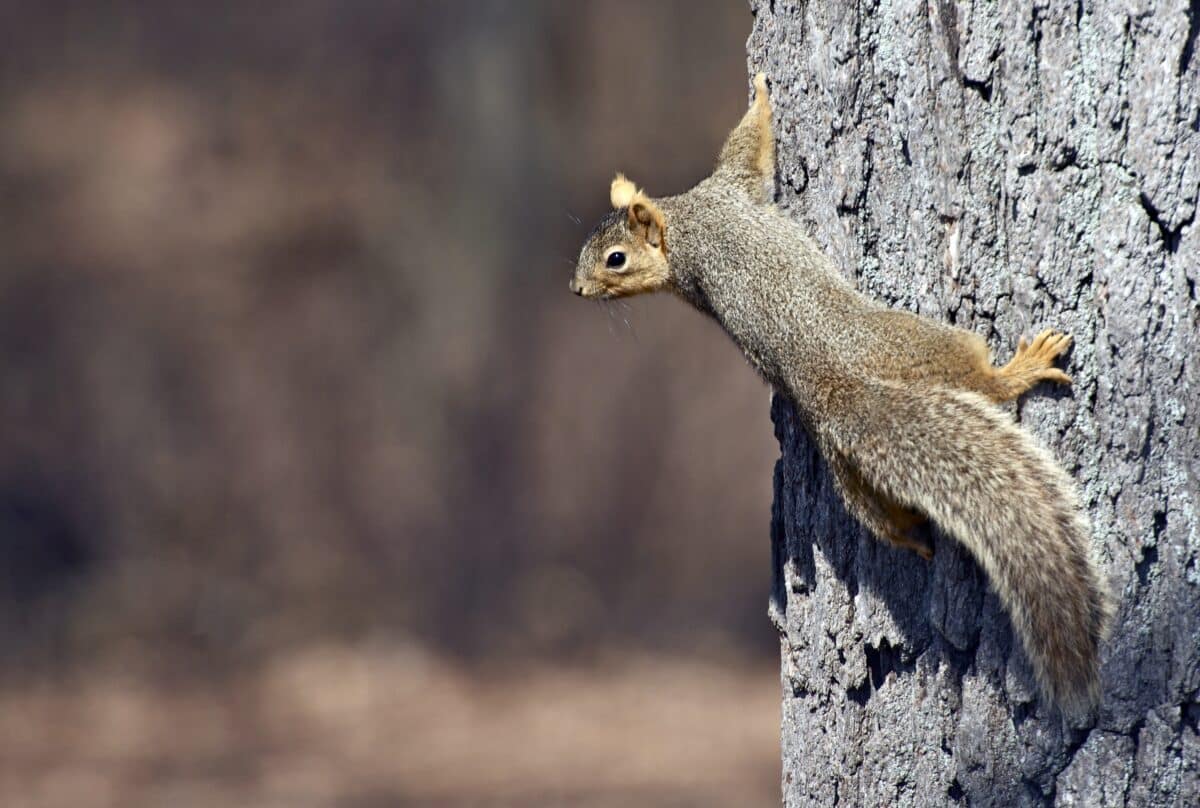
Ethical wildlife photography extends beyond technical considerations to how images are presented and contextualized. Photographers have significant power to shape public perceptions of species, ecosystems, and conservation issues through their work. This influence carries responsibility for accuracy and honesty in presentation. Captive animals should never be presented as wild, staged interactions should be disclosed, and conservation messaging should be scientifically accurate.
Conservation photographer Cristina Mittermeier emphasizes the importance of this contextual integrity: “A photograph without honest context is incomplete at best and misleading at worst.” Responsible photographers provide accurate captions, avoid anthropomorphizing wildlife, and present balanced perspectives on conservation challenges. This approach recognizes that wildlife photography is not just about creating beautiful images but about fostering understanding and connection between viewers and the natural world. When photographers commit to storytelling with integrity, their work becomes a powerful tool for education and conservation advocacy.
Balancing Access and Impact: The Inclusive Ethics Approach
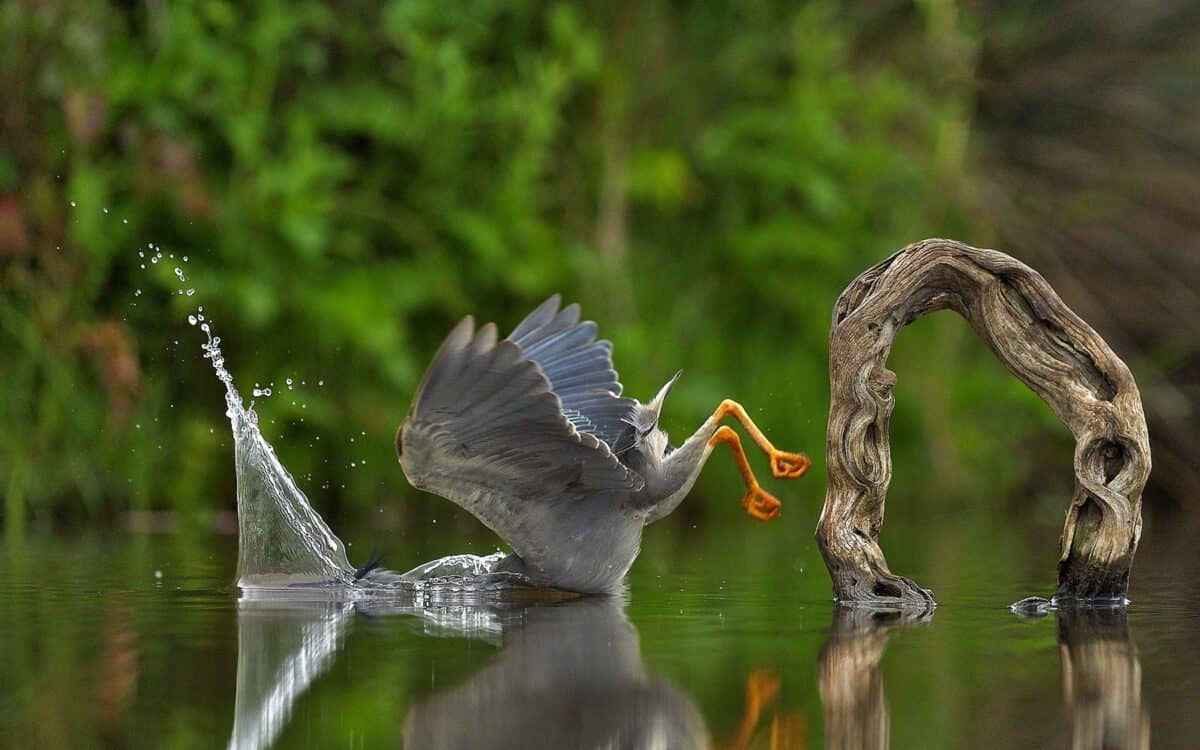
Wildlife photography ethics must acknowledge the tension between encouraging broad participation in nature appreciation and minimizing collective impact on wildlife. As photography becomes more accessible, more people seek close encounters with animals, potentially increasing disturbance. However, exclusionary approaches that privilege professional photographers over enthusiasts can undermine conservation by limiting who develops connections to wildlife.
An inclusive ethical approach focuses on education rather than restriction, teaching best practices while recognizing that connection to nature motivates conservation. Wildlife refuges and photography guides increasingly offer ethical photography workshops, blinds that minimize disturbance, and guided experiences that demonstrate responsible techniques. Organizations like the North American Nature Photography Association provide ethical field practices guides for photographers at all levels. This educational approach recognizes that fostering a community of ethical photographers creates more sustainable outcomes than restricting access to a privileged few.
When to Walk Away: Clear Signals
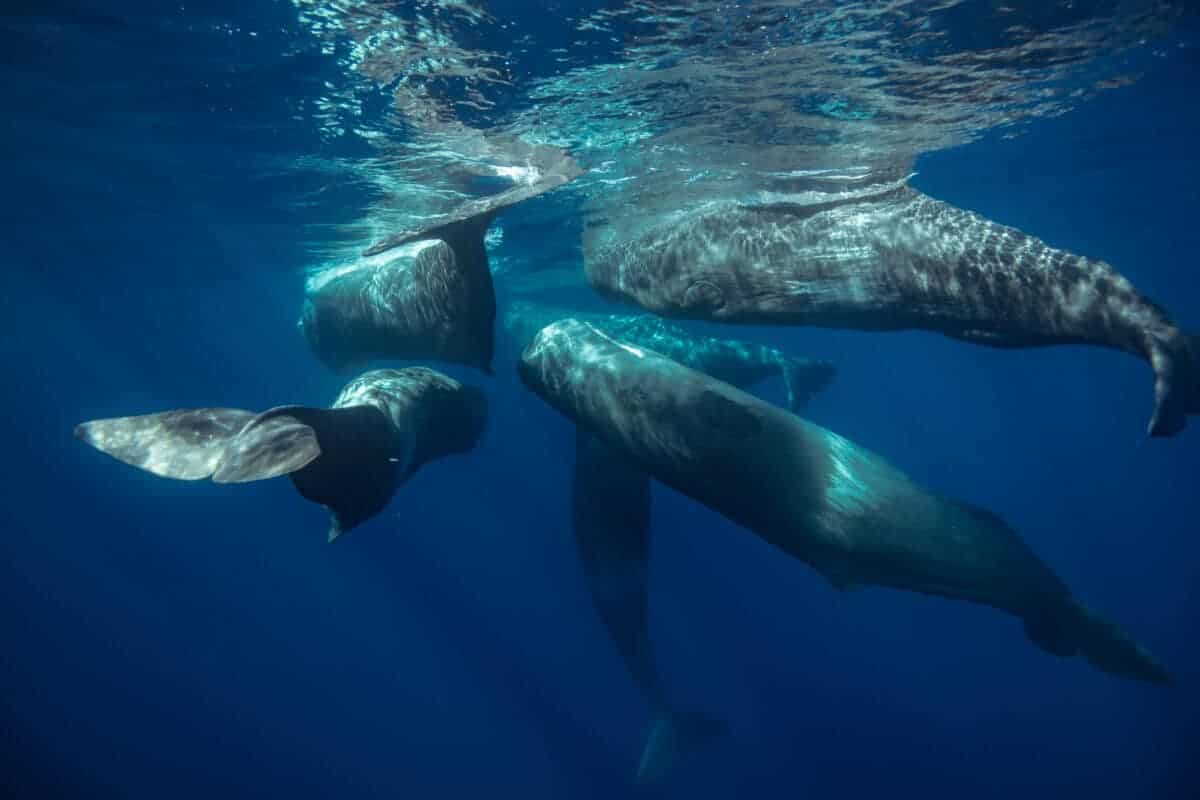
While many ethical considerations require judgment and context, certain situations present clear signals that photographers should pack up their gear and leave. Any circumstance where an animal displays obvious stress responses—alarm calls, defensive postures, repeated attention to the photographer, or flight attempts—demands immediate retreat. Similarly, photography that requires breaking laws, violating protected area regulations, or approaching beyond established minimum distances is never justified, regardless of the potential image quality.
Photographers should walk away when capturing an image would require disturbing essential behaviors like feeding, nesting, or caring for young. Weather conditions that would make animals vulnerable to predation or energy depletion if disturbed also signal times to prioritize subject welfare over photography. Wildlife photographer Gerrit Vyn suggests a simple guideline: “If you’re wondering whether you’re too close or causing stress, you probably are. The ethical path is to assume impact and back away.” These clear boundaries protect both wildlife and the integrity of nature photography as a conservation-oriented pursuit.
Creating Your Personal Ethical Framework

Beyond industry guidelines and legal requirements, responsible wildlife photographers develop personal ethical frameworks that guide their field decisions. This individual code often exceeds minimum standards and evolves with experience and education. Developing your framework begins with honest self-reflection about your motivations, impact tolerance, and values regarding wildlife interaction.
Questions to consider include: What is your primary purpose in wildlife photography? What compromises are you unwilling to make for an image? How will you handle ethical dilemmas in the field? What standards will you apply to image presentation and processing? Documentary photographer Jaymi Heimbuch recommends writing down your personal guidelines and revisiting them regularly: “Having a concrete ethical framework helps you make consistent decisions when faced with exciting photographic opportunities that might challenge your principles.” By establishing these boundaries in advance, photographers can approach wildlife encounters with clarity and confidence about when to press the shutter and when to walk away.
The Ethical Journey: Conclusion

The ethics of wildlife photography represents not a destination but a continuing journey of learning, reflection, and adaptation. As technology evolves, scientific understanding of wildlife disturbance improves, and conservation challenges intensify, photographers must remain engaged with emerging ethical considerations. The most responsible practitioners recognize that mistakes will occur, but commit to learning from them and continuously improving their approach.
Wildlife photography at its best serves as a bridge between humans and the natural world, fostering connection, understanding, and conservation action. When practiced ethically, it celebrates wild subjects while respecting their autonomy and welfare. The photographs that truly inspire rarely come from manipulation or disturbance but from patience, knowledge, and genuine respect for wildlife.
The decision to click the shutter or walk away ultimately reflects not just what kind of photographer you aspire to be, but what kind of relationship you seek with the natural world. By prioritizing ethics over expediency and wildlife welfare over personal gain, photographers contribute to a culture of conservation that extends far beyond their images. In this approach, the greatest wildlife photographs become not just beautiful documents but testaments to responsible coexistence between humans and the wild creatures with whom we share our planet.
As wildlife photographer Thomas Mangelsen once observed, “The best wildlife photographers are those who understand they are guests in another being’s home—and act accordingly.” This perspective transforms ethical considerations from limitations into opportunities for more meaningful, authentic connections with the subjects we seek to photograph.

- Why Sharks Are Critical for Coral Reef Survival - July 25, 2026
- Beginner’s Guide to Birdwatching in Your Backyard - July 25, 2026
- Humpbacks Defend Other Animals from Orcas—A Mystery Explained - July 25, 2026