

America’s diverse landscapes—from the frozen tundra of Alaska to the steamy Everglades of Florida—harbor some of the world’s most extraordinary creatures. The geographical isolation and varied ecosystems of North America have given rise to unique evolutionary paths, resulting in species that exist nowhere else on Earth. These endemic treasures represent the biological heritage of the nation, each adapted perfectly to their native habitats through millions of years of evolution. Let’s explore 16 remarkable wildlife wonders that can only be found within the borders of the United States, each telling a story of adaptation, survival, and the rich biodiversity that makes America’s natural heritage so special.
16. The Majestic American Bison

Once roaming the Great Plains in herds of millions, the American bison (Bison bison) stands as an iconic symbol of the American wilderness. Though technically not entirely endemic since a close relative exists in Europe, the American bison represents a uniquely North American evolutionary path. These massive mammals can weigh up to 2,000 pounds and stand six feet tall at the shoulder. Despite being nearly hunted to extinction in the 19th century—with populations plummeting from an estimated 30-60 million to just a few hundred—conservation efforts have helped bison numbers recover to around 500,000 today. Yellowstone National Park harbors the only continuously wild population that has existed since prehistoric times, making these particular bison genetically distinctive and especially valuable from a conservation perspective.
15. California Condor A Conservation Triumph

With a wingspan stretching nearly 10 feet, the California condor (Gymnogyps californianus) ranks as North America’s largest flying bird. This magnificent vulture once soared above much of the continent but was driven to the brink of extinction by the late 20th century. In 1987, with only 27 individuals remaining, all wild condors were captured for an intensive breeding program. This last-ditch conservation effort has proven remarkably successful—today, over 500 condors exist, with more than half flying free in California, Arizona, Utah, and Baja California. Though their recovery remains fragile, threatened by lead poisoning from ammunition in scavenged carcasses, the California condor represents one of America’s most dramatic wildlife comeback stories.
14. The Mysterious Desert Tortoise

The Mojave desert tortoise (Gopherus agassizii) has evolved remarkable adaptations to survive in one of America’s harshest environments. These resilient reptiles can live up to 80 years and have developed sophisticated strategies for desert survival, including the ability to store over a quart of water in their bladder as a reservoir during drought. They dig elaborate burrows that can extend 30 feet in length, providing shelter not just for themselves but also for dozens of other desert species seeking refuge from extreme temperatures. Unfortunately, these ancient desert dwellers face multiple threats, including habitat destruction, disease, and predation by ravens, whose populations have boomed due to human activity. The tortoise’s federally threatened status highlights the fragility of desert ecosystems across the American Southwest.
13. Hawaiian Honeycreepers An Evolutionary Marvel

Perhaps no group of American birds better illustrates evolution’s creative power than Hawaiian honeycreepers. Descended from a single finch species that arrived on the islands roughly 5 million years ago, these birds have diversified into an array of specialized species with dramatically different bill shapes—from straight needles for insect-eating to curved sickles for sipping nectar from specific flowers. Of the original 56 known species, only 17 remain, making them one of the most endangered bird groups in the world. The ‘i’iwi, with its brilliant scarlet plumage and curved bill, exemplifies this extraordinary adaptive radiation. Sadly, introduced diseases, habitat loss, and invasive species have devastated honeycreeper populations, with several species teetering on the edge of extinction despite intensive conservation efforts.
12. Channel Islands Fox The Miniature Marvel
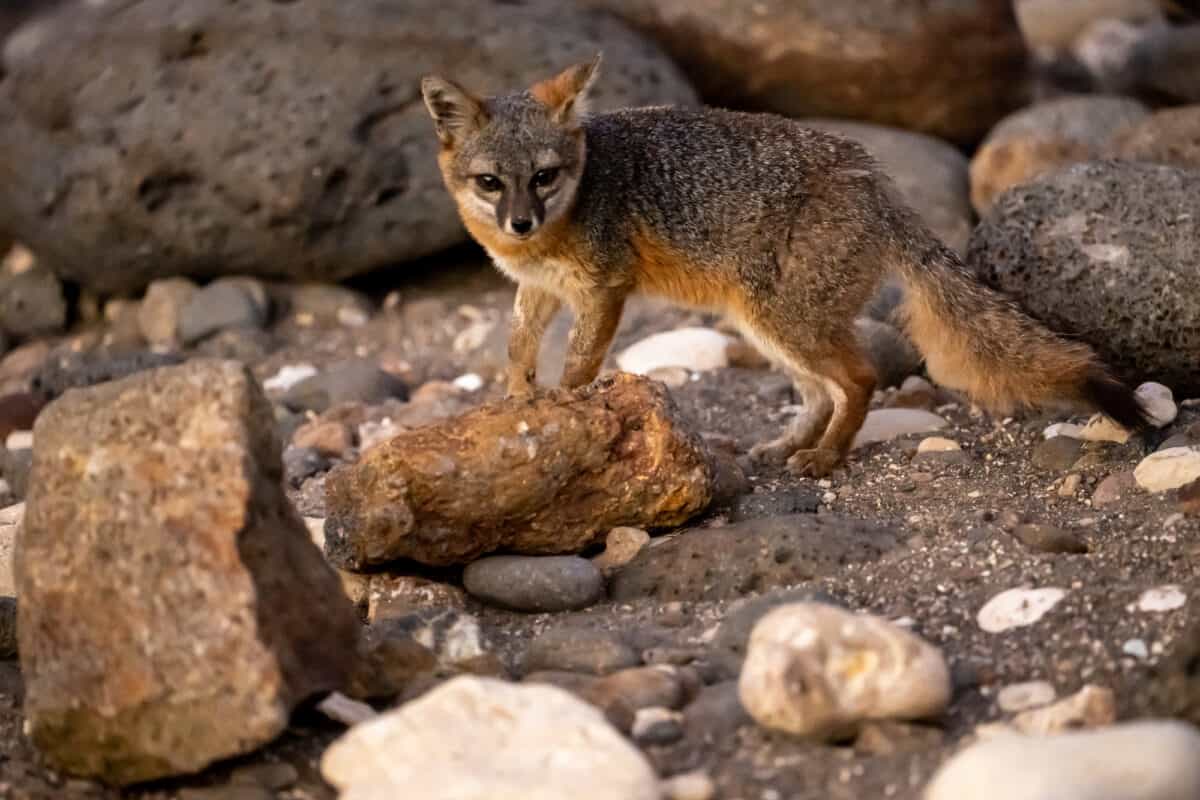
The Channel Islands fox (Urocyon littoralis) represents one of the most remarkable examples of island dwarfism in the mammal world. Found only on six of California’s Channel Islands, these diminutive foxes evolved from mainland gray foxes that somehow reached the islands thousands of years ago. Weighing just 3-6 pounds—about the size of a house cat and roughly 40% smaller than their mainland ancestors—these foxes adapted to the islands’ limited resources by becoming smaller. Each island has its own distinct subspecies, making the Channel Islands fox story even more extraordinary. After nearly disappearing in the 1990s due to predation by golden eagles, intensive conservation efforts have restored fox populations on all six islands, creating one of the fastest recoveries of an endangered species in U.S. history.
11. The Elusive Ocelot

Though once ranging throughout much of the southern United States, the elegant ocelot (Leopardus pardalis) now barely maintains a toehold in America, with fewer than 50 individuals remaining in Texas’ Lower Rio Grande Valley and surrounding areas. These medium-sized wild cats, adorned with distinctive rosettes and stripes on their golden coat, lead secretive lives in dense thornscrub habitat. Twice the size of a house cat but smaller than a bobcat, ocelots hunt primarily at night, using their exceptional vision and hearing to capture rabbits, rodents, birds, and lizards. Habitat fragmentation represents their greatest threat, as roads and development divide their limited territory. Conservation efforts focus on protecting remaining habitat corridors and establishing wildlife crossings to help these rare felines move safely through their range.
10. American Alligator The Southern Survivor

As living relics from the age of dinosaurs, American alligators (Alligator mississippiensis) have patrolled the waterways of the southeastern United States for millions of years. These massive reptiles, which can grow to 14 feet long and weigh over 1,000 pounds, serve as keystone species in their wetland habitats. The “gator holes” they create and maintain provide crucial water sources for countless other species during droughts. Once hunted nearly to extinction for their valuable hides, alligators have made a remarkable recovery thanks to legal protection and conservation management. Today, approximately 5 million alligators inhabit the coastal wetlands from North Carolina to Texas, making them one of America’s greatest conservation success stories. Their unique biology includes specialized adaptations like armored skin, extraordinary bite force (up to 2,000 pounds per square inch), and remarkable longevity—they can live more than 50 years in the wild.
9. Gila Monster America’s Venomous Lizard
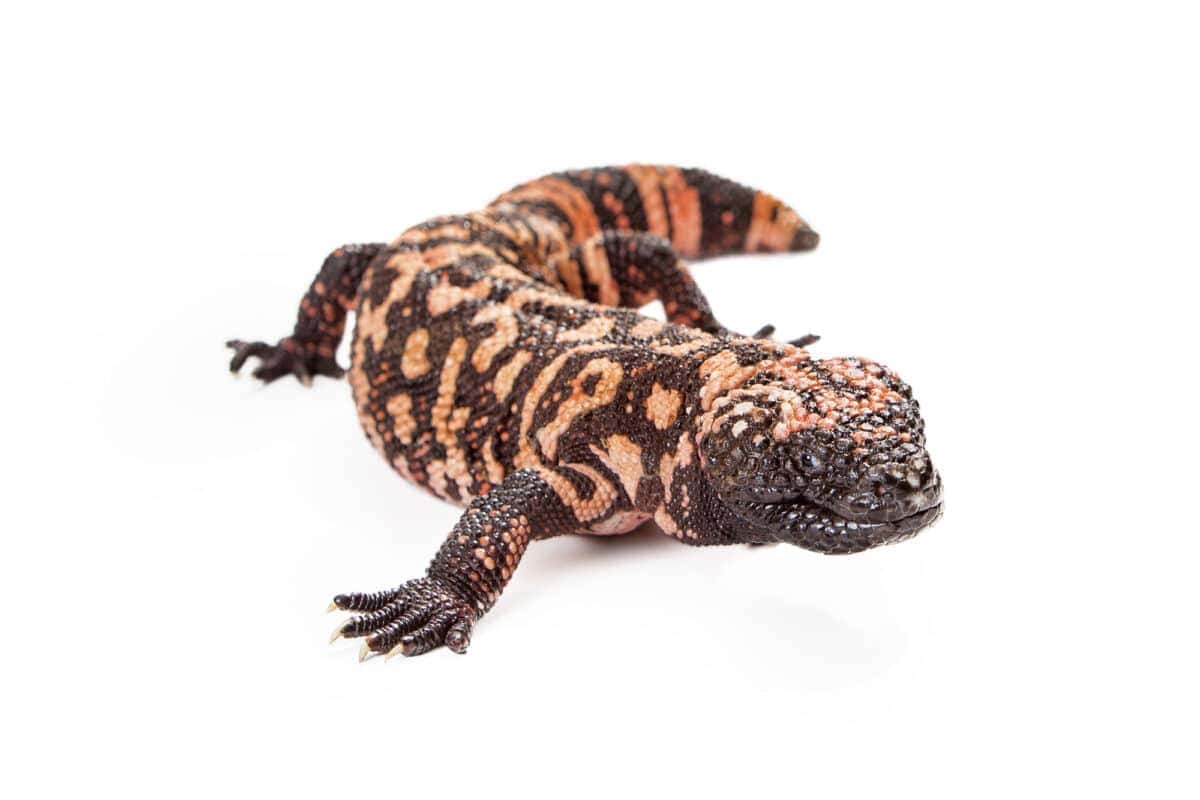
The Gila monster (Heloderma suspectum) holds the distinction of being one of only two venomous lizard species in the world—and the only one native to the United States. Found in the Sonoran, Mojave, and Chihuahuan deserts of the Southwest, these distinctive reptiles are unmistakable with their black bodies patterned with pink, orange, or yellow beadlike scales. Unlike venomous snakes that inject venom through hollow fangs, Gila monsters have venom glands in their lower jaws and deliver toxin through grooved teeth by chewing. They spend up to 95% of their time underground, emerging primarily during the brief spring breeding season. Their remarkable metabolism allows them to store fat in their tails and liver, enabling them to eat just 3-4 large meals per year. Perhaps most fascinating, a component of Gila monster venom has been developed into a medication (exenatide) used to treat type 2 diabetes, highlighting the potential medical value of preserving biodiversity.
8. Polar Bears in Alaska

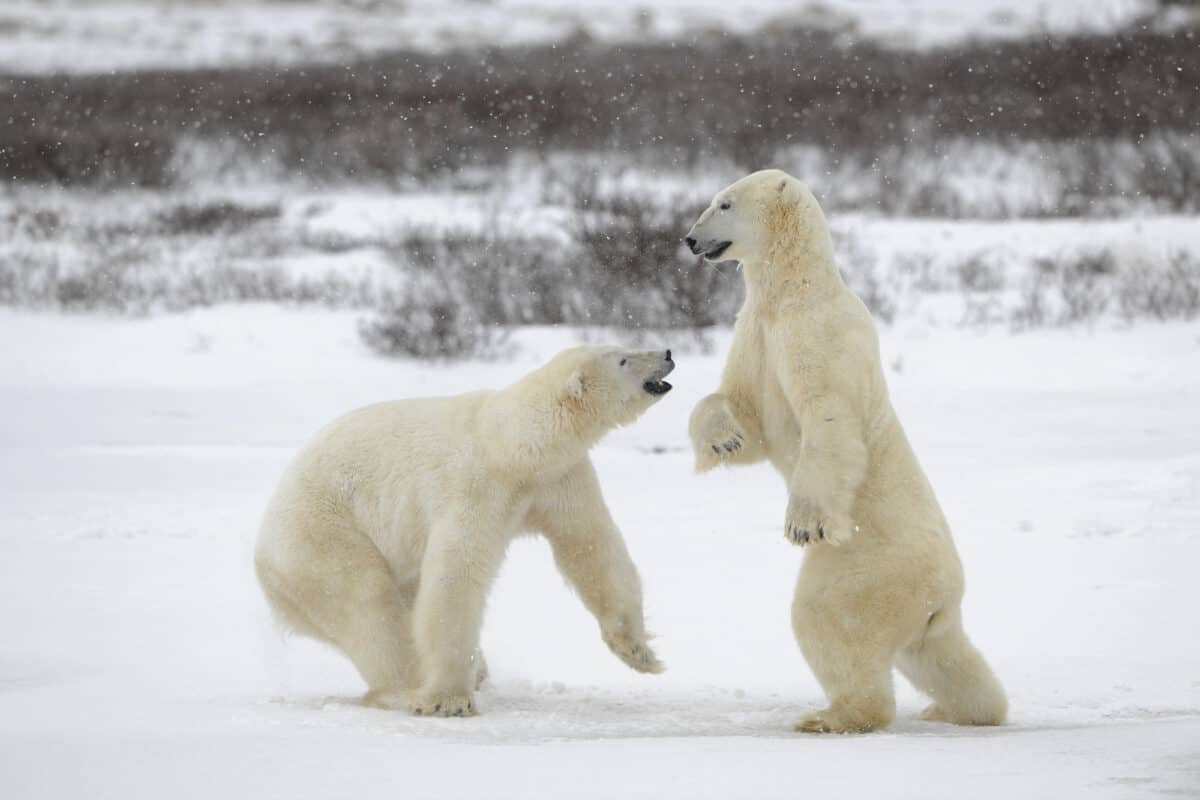
While polar bears (Ursus maritimus) exist in several Arctic nations, America’s Alaskan population represents the only U.S. occurrence of these magnificent marine mammals. Approximately 4,500 polar bears inhabit the Beaufort and Chukchi seas off Alaska’s northern coast, spending much of their lives on sea ice hunting their primary prey—seals. Perfectly adapted for Arctic life, polar bears have black skin beneath their transparent, hollow fur, which appears white and provides exceptional insulation. They can swim for days across open water, with documented journeys exceeding 400 miles. As climate change rapidly reduces Arctic sea ice, polar bears face unprecedented challenges, forcing them to spend more time on land where food is scarce. In 2008, they became the first species listed as threatened under the Endangered Species Act primarily due to climate change, highlighting the far-reaching impacts of global warming on America’s wildlife.
7. The Resilient American Crocodile

The American crocodile (Crocodylus acutus) represents the northernmost occurrence of true crocodiles in the world, with the United States population limited to the southern tip of Florida. More slender and less aggressive than their alligator cousins, these reptiles possess specialized glands that allow them to tolerate both freshwater and saltwater environments. Once severely endangered in the U.S. with fewer than 300 individuals in the 1970s, conservation efforts have helped their population recover to approximately 2,000 today. The cooling canals of Turkey Point Nuclear Generating Station near Miami have unexpectedly become a crucial nesting habitat, with Florida Power & Light biologists monitoring and protecting nests in this unusual sanctuary. Unlike alligators, American crocodiles are particularly sensitive to cold, which naturally limits their U.S. range to South Florida, though climate change may gradually expand their potential territory northward.
6. The Prehistoric Paddlefish
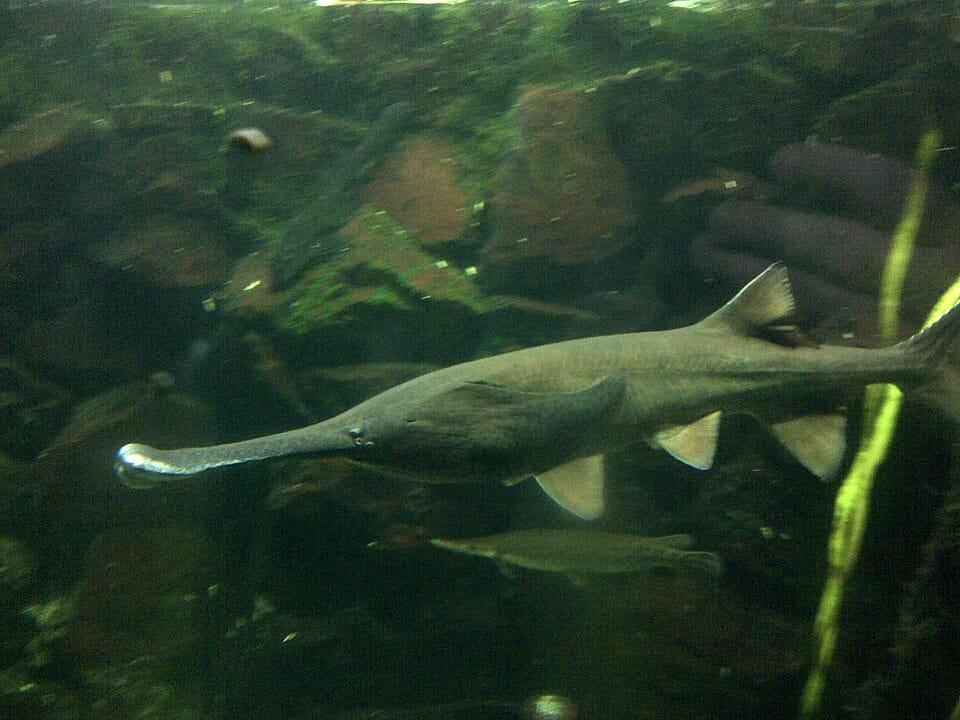
The American paddlefish (Polyodon spathula) might be the most remarkable fish most Americans have never heard of. Often called “spoonbills” or “spoonbill cats,” these primitive fish have changed little in 125 million years, making them living fossils that swam alongside dinosaurs. Found in the Mississippi River basin and Gulf Coast drainages, paddlefish can grow to 7 feet long and weigh over 200 pounds. Their most distinctive feature is their elongated, paddle-shaped rostrum (snout) which contains electroreceptors that detect the tiny zooplankton they filter from the water. Unlike most fish, paddlefish have primarily cartilaginous skeletons rather than bone, similar to sharks. Dam construction has severely impacted their ability to reach traditional spawning grounds, leading to population declines, though carefully managed fishing regulations and restoration efforts are helping stabilize remaining populations in states like Missouri, Arkansas, and Tennessee.
5. The Desert Bighorn Sheep
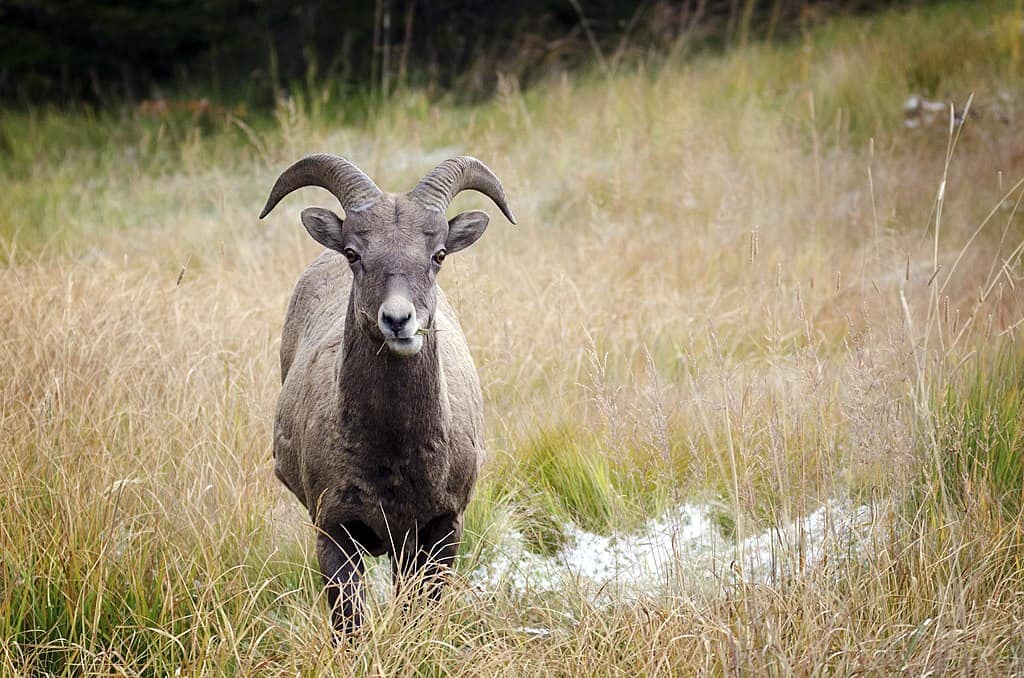
Adapted to some of America’s most extreme environments, desert bighorn sheep (Ovis canadensis nelsoni) navigate the rugged mountain ranges of the Southwest with remarkable agility. Their specially adapted hooves feature concave, rubber-like surfaces that provide exceptional grip on steep, rocky terrain that would be impassable to most other mammals. These desert specialists can go for weeks without drinking water, obtaining moisture from the vegetation they consume, and can lose up to 30% of their body weight to dehydration—then rehydrate completely in just minutes when water becomes available. Males grow massive curved horns that can weigh up to 30 pounds, which they use in spectacular head-butting contests during the fall rut. By the early 1900s, hunting, disease, and competition with livestock had reduced their numbers from tens of thousands to just a few hundred. Conservation efforts, including reintroductions and habitat protection, have helped populations recover to around 10,000 today across Arizona, California, Nevada, Utah, and New Mexico.
4. The Colorful Regal Ringneck Snake

The regal ringneck snake (Diadophis punctatus regalis) showcases nature’s unexpected beauty in America’s more arid regions. This small, secretive serpent—typically less than 15 inches long—features a striking color pattern with a bluish-gray or black back contrasted by a vibrant yellow, orange, or red collar around its neck and a matching brightly colored belly. When threatened, ringneck snakes coil their tails into a corkscrew shape and flip over to display their vivid underside as a warning to potential predators. Though mildly venomous, their toxin is harmless to humans but effective against their prey of salamanders, worms, and small lizards. These beneficial reptiles often live near human habitations without being noticed, hiding under rocks, logs, and leaf litter where they help control pest populations. Several distinct subspecies exist across America, each adapted to local conditions, from forests to deserts.
3. The Mysterious Hellbender
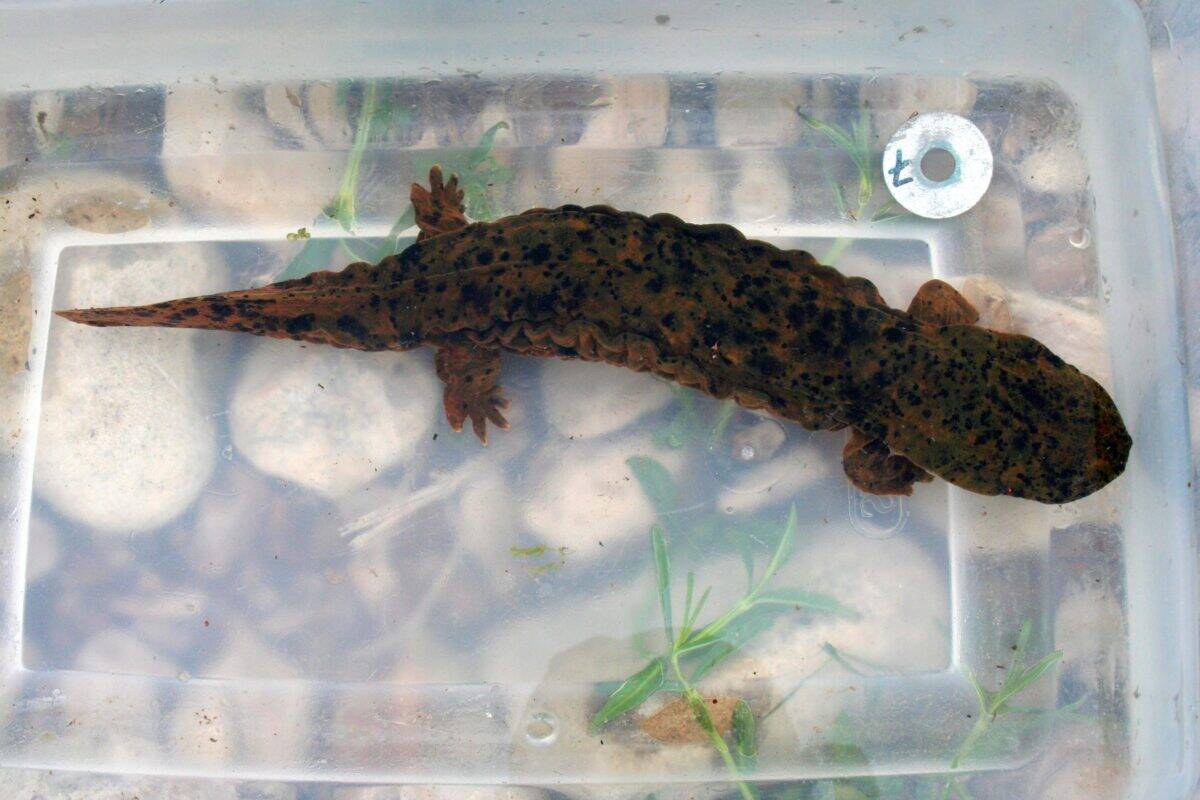
The hellbender (Cryptobranchus alleganiensis), sometimes called “snot otter” or “devil dog,” is North America’s largest salamander, growing up to 29 inches long. These fully aquatic amphibians inhabit cool, fast-flowing streams and rivers in the Appalachian region from New York to Georgia and west to Missouri. Their flat bodies, wrinkled skin, and tiny eyes give them a prehistoric appearance—fitting, as they belong to a family of amphibians that has changed little in 65 million years. Hellbenders breathe primarily through their skin, absorbing oxygen directly from the water, which is why they require clean, well-oxygenated streams to survive. Male hellbenders build and defend nest sites under large rocks, where females lay up to 500 eggs that the males then guard and aerate for 45-80 days until hatching. Sadly, these remarkable creatures have disappeared from much of their range due to water pollution, sedimentation, and dam construction, with some populations declining by over 80% in recent decades.
2. The Elusive Fisher

The fisher (Pekania pennanti) remains one of North America’s most mysterious forest predators. Despite its name, this member of the weasel family rarely eats fish, instead specializing in hunting porcupines—one of the few predators capable of regularly taking down these well-defended rodents. Fishers are agile tree climbers with bodies reaching up to 47 inches long, including their bushy tails. They possess partially retractable claws and can rotate their hind feet nearly 180 degrees, allowing them to descend trees headfirst like squirrels. Native to northern forests across the continent, they were nearly eliminated from much of their U.S. range by the early 1900s due to trapping and habitat loss. Conservation efforts have helped them recover in some areas, with successful reintroductions in states like Washington and Pennsylvania. However, they remain rare and elusive, with researchers still learning about their complex ecological role in American forests.
1. The Axolotl’s American Cousin The Tiger Salamander
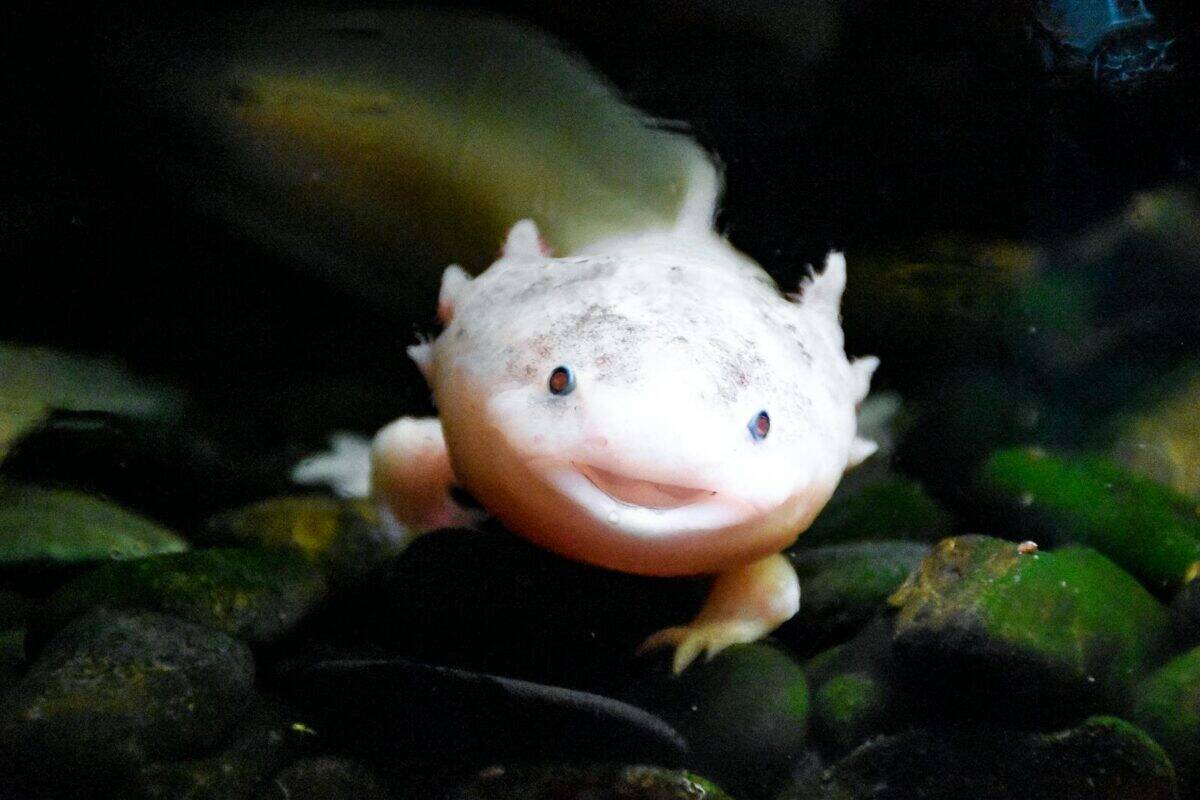
While Mexico’s axolotl has gained worldwide fame, few realize that America has its own remarkable relative—the tiger salamander (Ambystoma tigrinum). As the largest terrestrial salamander in North America, reaching lengths up to 14 inches, these striking amphibians feature distinctive yellow or olive spots or stripes on a dark background. Unlike many amphibians that undergo complete metamorphosis from aquatic larvae to terrestrial adults, some tiger salamander populations retain their juvenile characteristics into adulthood—a phenomenon called neoteny—allowing them to remain aquatic throughout their lives. This adaptation, similar to the axolotl’s, enables them to thrive in habitats where metamorphosis might be disadvantageous. Found across much of the continental United States, different subspecies have adapted to environments ranging from deserts to mountains, demonstrating remarkable evolutionary flexibility. Their complex life history and widespread distribution make them important indicators of ecosystem health and vital components of America’s natural heritage.
Conclusion: Preserving America’s Unique Wildlife Legacy

America’s endemic wildlife represents an irreplaceable natural heritage shaped by millions of years of evolution in isolation. From the tiny Channel Islands fox to the massive American bison, these species have adapted to the continent’s diverse environments in ways that continue to amaze scientists and nature enthusiasts alike. Their continued survival faces unprecedented challenges from habitat destruction, climate change, pollution, and invasive species, requiring dedicated conservation efforts at local, state, and federal levels. As we’ve seen with species like the California condor and American alligator, committed conservation can bring species back from the brink of extinction, but such efforts demand ongoing vigilance and support

As a little kid, I fell in love with nature, wildlife, and animals. Living in the USA, South Africa, Italy, China and Germany gave me the opportunity to discover the world's Wildlife. My favorite animals are Mountain Gorillas, Siberian Tigers, and Great White Sharks.
I'm a certified PADI Open Water Diver, went to Everest Base Camp and Trekked Gorillas in Uganda. I hold a Master of Science in Economics and Finance.
Please send any feedback to feedback@animalsaroundtheglobe.com
- 10 Ocean Conditions Sharks Prefer And 3 They Dislike - July 19, 2026
- The 10 Most Remote US Locations Where Wild Animals Still Rule - July 19, 2026
- 10 Reasons Lions Are the True Kings of the Wild - July 19, 2026