

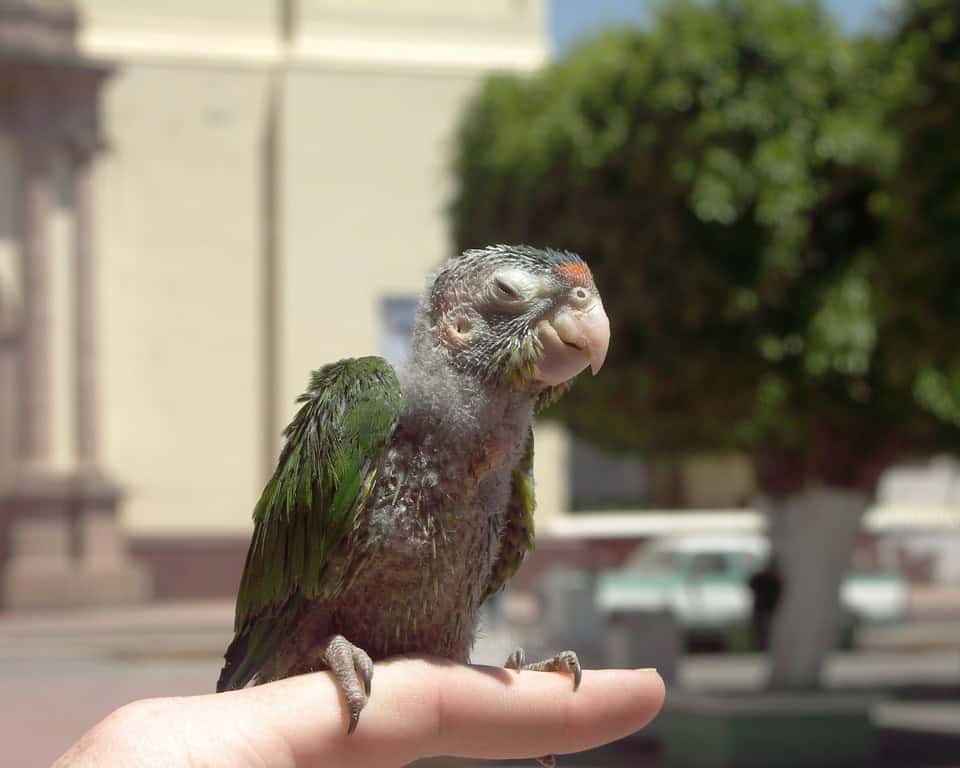
Wild parrots, with their vibrant plumage and remarkable intelligence, represent some of the most charismatic birds on our planet. From the dense rainforests of the Amazon to the dry bushlands of Australia, these birds have adapted to diverse habitats across the globe. Yet despite their resilience and adaptability, wild parrot populations face unprecedented challenges in the modern world. Nearly one-third of all parrot species are threatened with extinction, making them one of the most endangered groups of birds globally. This crisis, largely human-driven, encompasses habitat destruction, illegal wildlife trade, invasive species, climate change, and numerous other threats that continue to push these magnificent birds toward the brink. This article explores the complex web of challenges confronting wild parrots today and the conservation efforts working to secure their future.
Habitat Loss and Deforestation

The most significant threat to wild parrot populations worldwide is habitat loss, primarily through deforestation. Many parrot species depend on specific forest types for nesting, roosting, and feeding. The Amazon rainforest, home to dozens of parrot species, loses approximately 10,000 square kilometers annually to agriculture, logging, and mining operations. In Australia, land clearing has devastated populations of iconic species like the Swift Parrot, which requires specific eucalyptus forests for breeding. Habitat fragmentation compounds these issues, creating isolated parrot populations that become vulnerable to genetic bottlenecks and local extinction events. Research indicates that specialized forest-dependent parrots such as macaws are particularly susceptible to habitat changes, often requiring mature trees with specific characteristics for nesting cavities that may take centuries to develop. When these crucial habitat features disappear, parrots cannot simply relocate to new areas, especially if they have evolved alongside particular food plants or nesting trees.
The Devastating Impact of the Wildlife Trade

The illegal wildlife trade continues to decimate wild parrot populations despite international protection under CITES (Convention on International Trade in Endangered Species). Between 2 and 5 million parrots are captured from the wild annually, with mortality rates often exceeding 50% during capture, transport, and quarantine. The African Grey Parrot, prized for its exceptional intelligence and ability to mimic human speech, has seen population declines exceeding 90% in some regions due to trapping for the pet trade. Poaching for this trade often targets the healthiest breeding adults, creating a devastating demographic impact on wild populations. The economics of this illicit trade are staggering – a single Hyacinth Macaw can fetch upwards of $40,000 on the black market, creating powerful financial incentives for continued poaching. The trade extends beyond live birds to include feathers, eggs, and body parts used in traditional practices in various cultures, further threatening already vulnerable populations.
Competition from Invasive Species
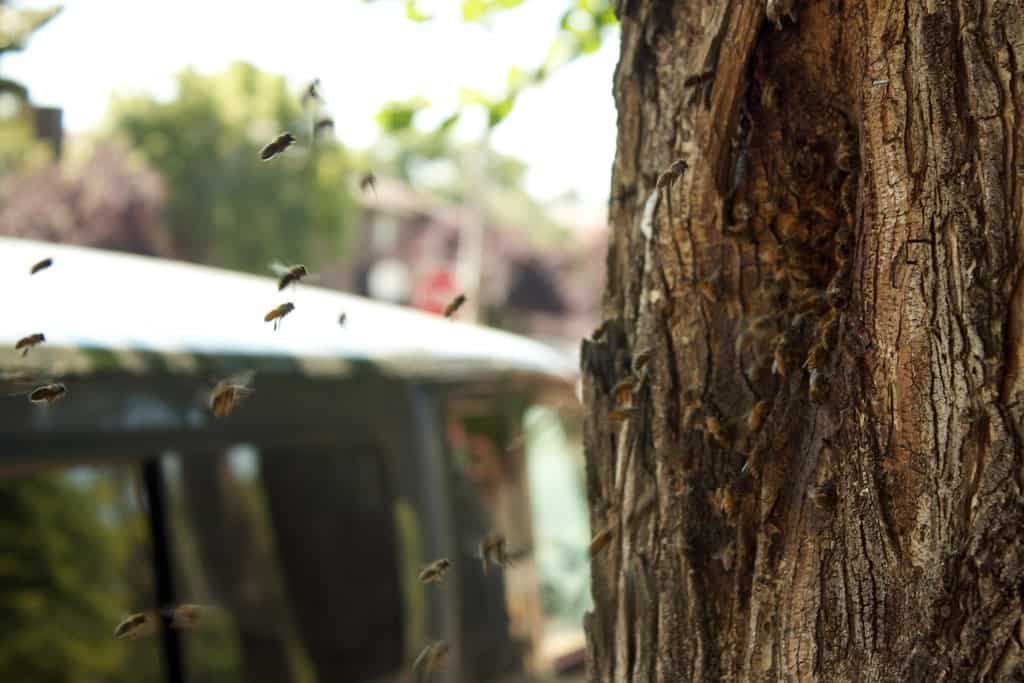
Introduced species pose a significant threat to native parrot populations through competition for food and nesting sites. European honeybees, introduced to Australia, compete with parrots for tree hollows, which are already in short supply due to deforestation. Invasive rats and cats prey on parrot eggs and nestlings, particularly devastating for ground-nesting species like the Kakapo of New Zealand. In some cases, introduced parrot species themselves become problematic – populations of naturalized Monk Parakeets in the United States compete with native cavity-nesting birds, while escaped pet Rose-ringed Parakeets have established invasive populations across Europe, potentially threatening local bird communities. Research in Spain has documented aggressive displacement of native nuthatch species from nesting cavities by these invasive parakeets. The delicate ecological balances that evolved over millennia are being disrupted by these non-native competitors, creating additional pressures on wild parrot populations already struggling with anthropogenic challenges.
Climate Change Effects on Parrot Populations

Climate change represents an emerging threat to parrot species worldwide, with complex and far-reaching impacts. Changing rainfall patterns affect food availability, with drought conditions limiting fruit and seed production that many parrot species depend upon for nutrition. Rising temperatures alter breeding cycles, potentially creating mismatches between peak food availability and the energetic demands of raising young. Extreme weather events like cyclones and hurricanes destroy nesting sites and habitat, with devastating consequences for island-dwelling species with limited ranges. Research on Swift Parrots in Australia has documented breeding failures during drought years when eucalyptus flowering is suppressed. For montane species like the Thick-billed Parrot of Mexico, habitat zones are shifting upward in elevation as temperatures rise, potentially shrinking their available range. Models predict that by 2050, up to 25% of parrot species may experience significant range contractions due to climate-induced habitat changes, threatening their long-term survival prospects.
Disease Threats to Wild Populations
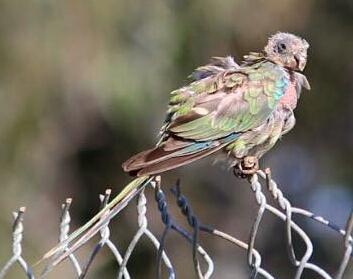
Disease represents an underappreciated but significant threat to wild parrot populations. Psittacine Beak and Feather Disease (PBFD), a highly contagious viral infection, affects numerous species including the endangered Orange-bellied Parrot of Australia, where it has contributed to population declines. Avian influenza, West Nile virus, and other pathogens pose additional risks, particularly to isolated island populations with limited genetic diversity and therefore potentially reduced immune resilience. The risk of disease transmission increases with human encroachment into wild habitats and through the release of captive birds, which may introduce novel pathogens to wild populations. Climate change is exacerbating disease risks by altering the ranges of vectors like mosquitoes and ticks. Conservation programs for critically endangered species like the Kakapo now incorporate rigorous disease screening and biosecurity protocols to protect remaining populations, which have become so small that a single disease outbreak could potentially cause extinction.
Agricultural Conflicts and Persecution
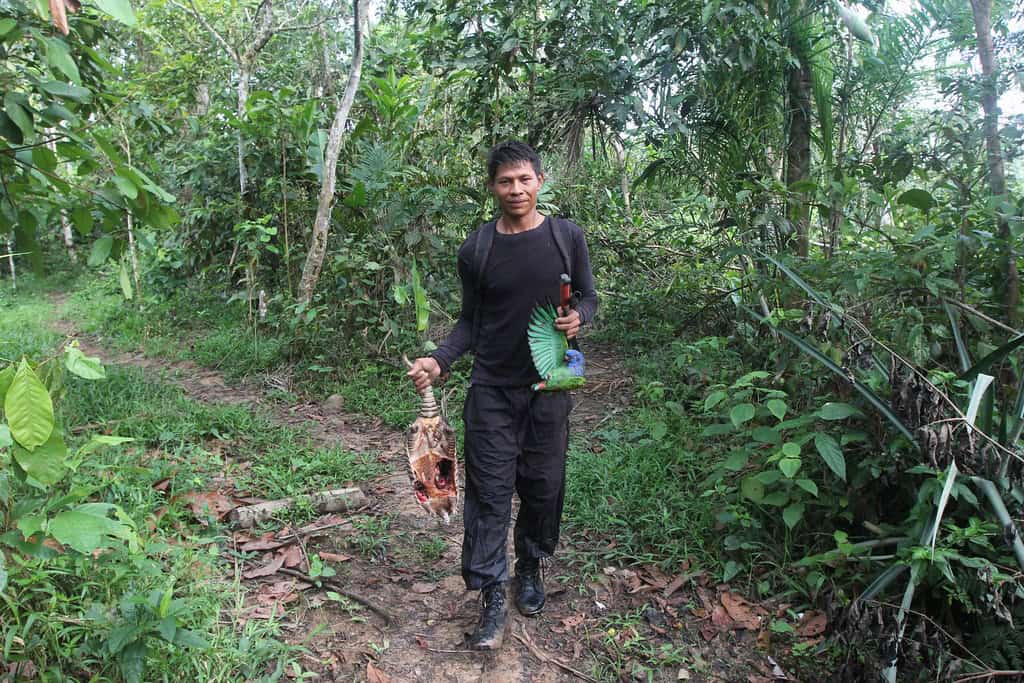
Parrots’ intelligence and adaptability sometimes lead them into conflict with human agricultural activities, resulting in persecution. Many species readily feed on crops, with flocks capable of causing significant economic damage to farmers. In Australia, Galahs and Sulphur-crested Cockatoos are sometimes shot or poisoned when they feed on grain crops. In parts of Africa and South America, local farmers kill parrots to protect fruit orchards and cereal crops. The Cape Parrot of South Africa faces persecution from farmers protecting pecan orchards, adding pressure to a species already threatened by habitat loss. These conflicts intensify as natural food sources diminish through habitat destruction, forcing parrots to seek alternative food sources. Research indicates that large-bodied parrots like cockatoos and macaws are particularly vulnerable to persecution due to their visibility and capacity to cause noticeable crop damage. Sustainable solutions require addressing both the legitimate concerns of farmers and the conservation needs of parrot populations through deterrent methods that don’t harm the birds.
Urban Challenges for Adaptable Species
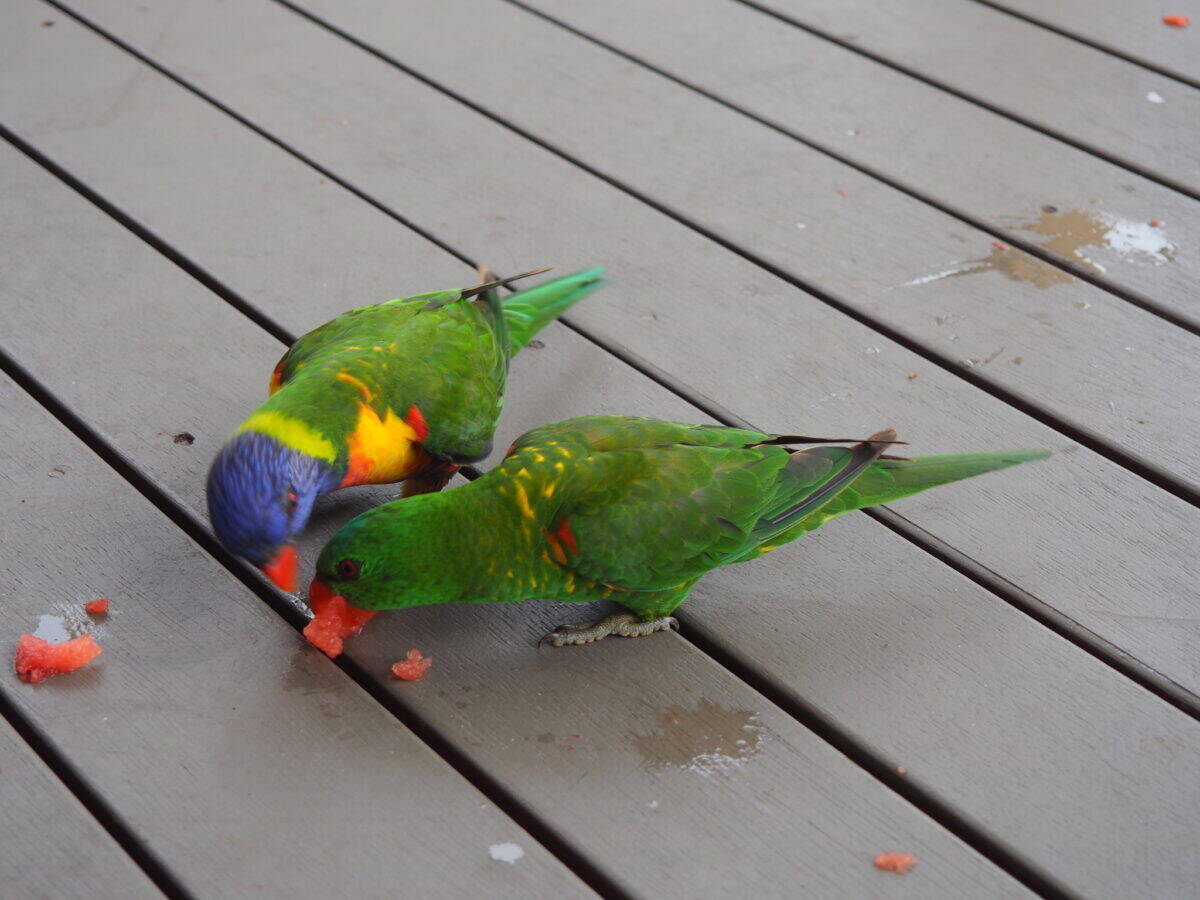
While some parrot species have adapted to urban environments, these settings present unique challenges. Urban-dwelling parrots face hazards including collisions with vehicles and buildings, electrocution on power lines, predation by domestic pets, and exposure to pesticides and other toxins. Species like Rainbow Lorikeets in Australia and Mitred Parakeets in California have established urban populations, but these birds often struggle with limited appropriate nesting sites and may rely on artificial food sources that don’t provide proper nutrition. Urban heat islands can affect breeding timing and success, while light pollution disrupts natural behaviors and sleep patterns. Despite these challenges, some species show remarkable adaptability – Sulphur-crested Cockatoos in Sydney have learned to open garbage bins to access food, demonstrating cultural transmission of this behavior through social learning. While urban adaptation demonstrates parrots’ resilience, it represents a compromise rather than optimal habitat, and conservation efforts must focus on preserving natural ecosystems rather than relying on urban adaptation as a conservation strategy.
The Genetic Bottleneck Crisis
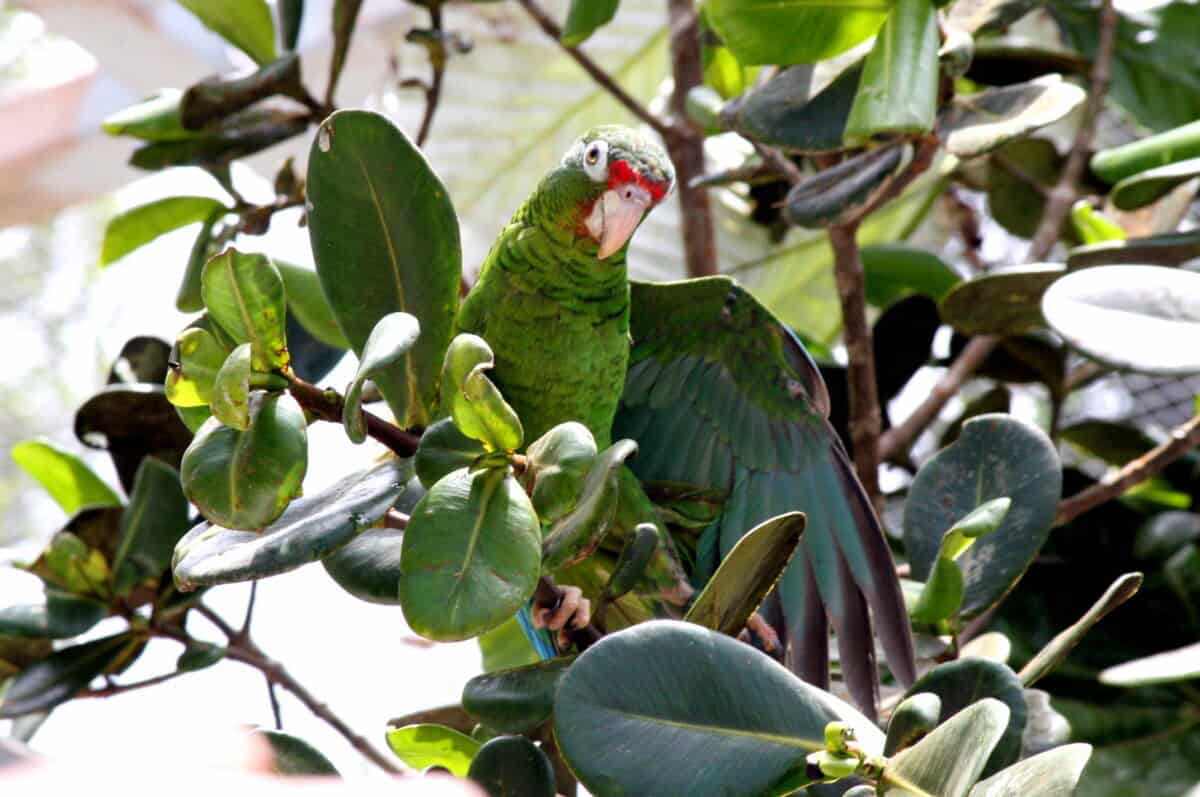
As wild parrot populations decline, they face increasing risks from reduced genetic diversity. Small, isolated populations experience genetic bottlenecks, leading to inbreeding depression that manifests as reduced fertility, compromised immune function, and decreased adaptability to environmental changes. The Puerto Rican Amazon, which declined to just 13 individuals in the 1970s, continues to struggle with the genetic consequences of this bottleneck despite intensive conservation efforts that have increased numbers. Similarly, the Kakapo of New Zealand, with fewer than 250 individuals remaining, requires careful genetic management to maintain viability. Loss of genetic diversity can have subtle but critical effects, such as reduced disease resistance and adaptability to changing environmental conditions. Conservation breeding programs must carefully manage genetic diversity through studbook management and sometimes incorporate assisted reproductive technologies. Research using genomic tools now guides conservation efforts by identifying individuals with unique genetic attributes that should be prioritized for breeding to maximize genetic diversity in future generations.
Specialized Ecological Requirements

Many parrot species have evolved highly specialized ecological niches, making them particularly vulnerable to environmental changes. Palm cockatoos in Australia require specific tree hollows that may take over 200 years to form naturally. Thick-billed Parrots depend on high-altitude pine forests and seasonal pine nut crops in Mexico and the southwestern United States. The Pesquet’s Parrot of New Guinea has evolved to feed almost exclusively on the fruits of a few fig species. These specializations, which evolved over millennia, become liabilities when ecosystems are rapidly altered by human activities. For example, the Glossy Black-Cockatoo of Australia feeds primarily on the seeds of she-oak trees, making it vulnerable to habitat changes affecting these specific trees. The Blue-throated Macaw of Bolivia nests almost exclusively in palm cavities and feeds on fruits from specific palm species, limiting its ability to adapt to habitat changes. Conservation strategies must account for these specialized requirements, often necessitating the protection of entire ecological communities rather than focusing solely on the parrot species themselves.
Conservation Approaches and Challenges

Conservation efforts for wild parrots face numerous challenges but have achieved important successes through diverse approaches. Protected area establishment has been crucial for species like the Scarlet Macaw, which benefits from reserves in Costa Rica and other Central American countries. Nest box programs have boosted breeding success for hollow-dependent species like the Major Mitchell’s Cockatoo in Australia. Community-based conservation initiatives, such as those protecting the Yellow-eared Parrot in Colombia, engage local stakeholders as conservation partners. Rehabilitation and release programs address the impacts of wildlife trafficking, with organizations like the World Parrot Trust supporting the rehabilitation and release of confiscated parrots. Ex-situ conservation breeding provides insurance populations for critically endangered species like the Spix’s Macaw, extinct in the wild but maintained in captivity with hopes for future reintroduction. However, these efforts face challenges including limited funding, political instability in range countries, conflicting land-use priorities, and the difficulty of monitoring elusive species in remote areas.
Success Stories and Reasons for Hope

Despite the numerous challenges facing wild parrots, several conservation success stories provide hope for the future. The Echo Parakeet of Mauritius recovered from just 12 individuals in the 1980s to over 750 birds today through intensive management including supplemental feeding, nest protection, and captive breeding. The Yellow-eared Parrot of Colombia increased from fewer than 100 birds in the 1990s to over 1,500 currently, thanks to protection of crucial wax palm habitat and community education programs. The Puerto Rican Amazon has gradually increased from a low of 13 wild birds to approximately 600 individuals through decades of dedicated conservation work. These successes demonstrate that even severely endangered parrot populations can recover with appropriate interventions and sustained commitment. Technological advances in tracking, genetic analysis, and remote monitoring are enhancing conservation capabilities, while growing public awareness of biodiversity loss is generating political will for conservation action. The resilience of parrots themselves, with their adaptability and intelligence, provides additional reason for cautious optimism about their future prospects.
How Individuals Can Support Wild Parrot Conservation

Individual actions can significantly contribute to wild parrot conservation efforts worldwide. Supporting reputable conservation organizations financially enables vital field programs, with groups like the World Parrot Trust, Parrots International, and the Loro Parque Foundation leading effective conservation initiatives. Responsible pet ownership decisions are crucial – acquiring captive-bred rather than wild-caught birds, providing lifetime care, and never releasing pet parrots into the wild where they may become invasive or introduce diseases. Ethical tourism choices matter, with responsible ecotourism providing economic incentives for habitat protection in parrot range countries. Consumer choices also impact parrots – purchasing sustainably-produced timber, palm oil, and coffee helps protect critical habitat. Reducing carbon footprints addresses climate change impacts affecting parrot populations globally. Participating in citizen science projects like eBird helps monitor wild parrot populations, while educational outreach through social media raises awareness of conservation challenges. By combining individual actions with support for systemic change, ordinary people can contribute meaningfully to securing a future for wild parrots.
The plight of wild parrots encapsulates broader patterns of biodiversity loss worldwide, with these intelligent, social birds facing multiple threats that have driven many species to the edge of extinction. Their future depends on coordinated conservation action addressing the complex web of challenges from habitat destruction and wildlife trafficking to climate change and human conflict. The success stories of species like the Echo Parakeet and Yellow-eared Parrot demonstrate that recovery is possible with sustained commitment, scientific management, and community engagement. Yet for every conservation success, numerous species continue to decline, indicating the urgent need for expanded protection efforts, sustainable development practices, and policy reforms supporting biodiversity conservation. Wild parrots, with their remarkable adaptations and charismatic presence, serve as powerful ambassadors for conservation, connecting people emotionally to the broader challenges of preserving our planet’s natural heritage for future generations.

- Fastest Fish in American Waters Identified - July 15, 2026
- How Ants Build Living Bridges - July 15, 2026
- Why Foxes Scream at Night—and What It Means - July 15, 2026