


Wetlands are among the most productive ecosystems on Earth, serving as crucial habitats for countless species while providing essential environmental services for human communities. From the vast Everglades of Florida to the coastal marshes of Louisiana, America’s wetlands represent diverse and vital landscapes that support extraordinary biodiversity. These transitional zones between land and water filter pollutants, buffer against floods, and sequester carbon while nurturing specialized plants and animals that have evolved unique adaptations to thrive in these dynamic environments. Despite their ecological significance, wetlands face unprecedented threats from development, pollution, climate change, and invasive species. This article explores America’s most important wetland ecosystems and highlights the remarkable creatures that depend on these irreplaceable habitats for their survival.
The Everglades: America’s River of Grass

Spanning approximately 1.5 million acres in southern Florida, the Everglades represents one of the most famous wetland systems in North America. Often described as a “river of grass,” this unique ecosystem consists of a slow-moving sheet of water flowing from Lake Okeechobee toward Florida Bay. The Everglades comprises sawgrass marshes, cypress swamps, mangrove forests, and hardwood hammocks, creating a mosaic of habitats that supports extraordinary biodiversity.
This wetland system serves as a vital water source for millions of Floridians while providing essential habitat for endangered species like the Florida panther, American crocodile, and wood stork. Despite protection efforts, including the establishment of Everglades National Park in 1947, this ecosystem has lost nearly half its original area to development and faces ongoing challenges from water diversion, pollution, and invasive species like Burmese pythons.
The Louisiana Coastal Wetlands: America’s Disappearing Treasure
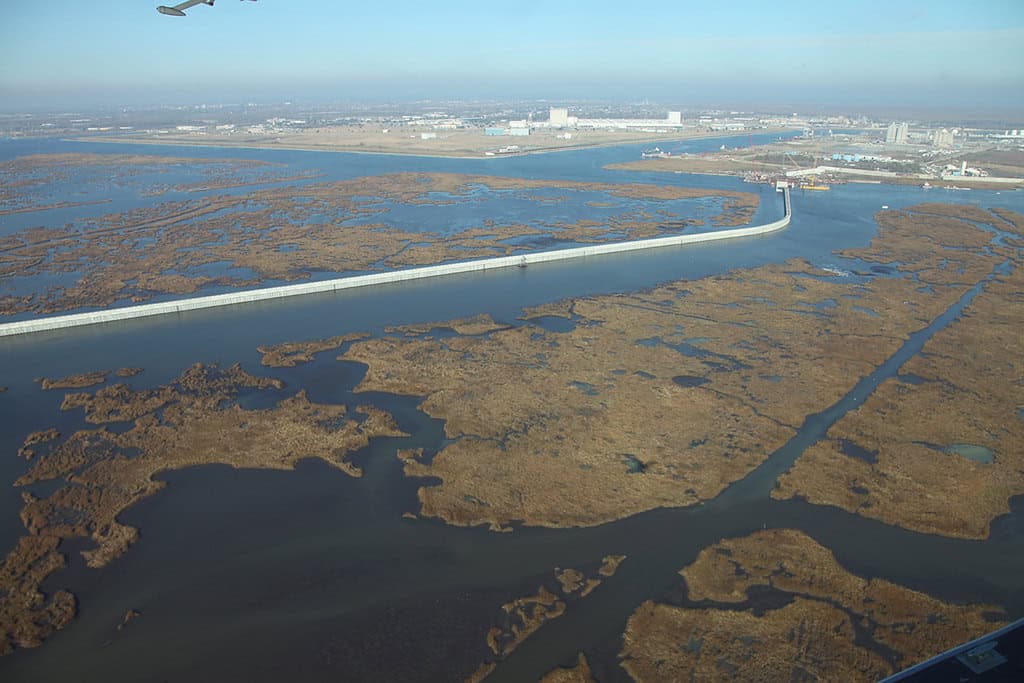
Louisiana’s coastal wetlands represent one of the most productive yet imperiled ecosystems in North America. These vast marshes, swamps, and bayous comprise approximately 40% of all wetlands in the continental United States but are vanishing at an alarming rate—approximately a football field every 100 minutes. This rapid loss stems from a complex interplay of factors including oil and gas extraction, river management practices, sea-level rise, and hurricanes.
The Mississippi River Delta wetlands provide crucial habitat for over 400 bird species and support commercial fisheries that yield approximately 30% of the nation’s seafood harvest. These wetlands also buffer inland communities from storm surges, with each mile of wetland reducing storm surge by 3-5 feet. Signature species of these wetlands include the American alligator, roseate spoonbill, and Louisiana black bear, along with economically important species like blue crabs, shrimp, and oysters that support the region’s distinctive culture and economy.
Chesapeake Bay Wetlands: The Atlantic’s Great Estuary

The Chesapeake Bay, North America’s largest estuary, features extensive tidal wetlands that serve as ecological powerhouses for the mid-Atlantic region. This 200-mile-long bay and its associated wetlands support more than 3,600 plant and animal species, including 348 species of finfish and 173 species of shellfish. The Chesapeake’s wetlands act as natural filters, removing excess nutrients and sediments that would otherwise degrade water quality.
They also provide essential spawning and nursery habitat for commercially important species like blue crabs, striped bass, and oysters—all cornerstone species of the regional economy. Notable wetland-dependent wildlife includes the endangered Delmarva fox squirrel, saltmarsh sparrow, and diamondback terrapin. Despite their ecological and economic importance, the Chesapeake’s wetlands face significant threats from agricultural runoff, development pressure, and sea-level rise, with approximately 1.5 million acres lost since European colonization.
The Prairie Pothole Region: America’s Duck Factory
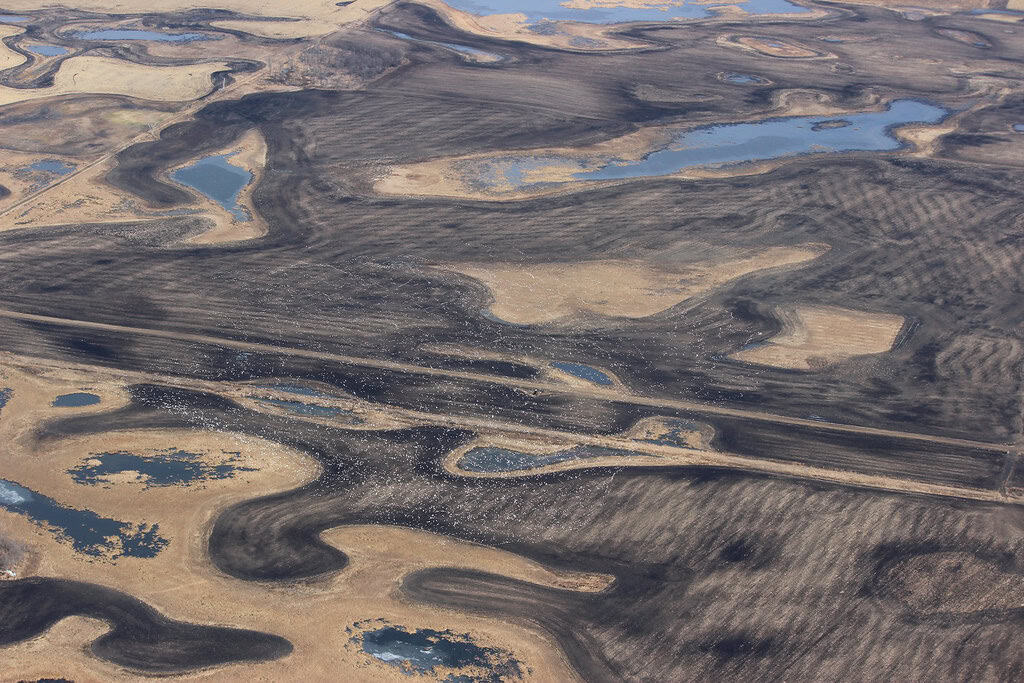
Stretching across parts of Montana, North Dakota, South Dakota, Minnesota, and Iowa, the Prairie Pothole Region represents one of the most significant wetland systems in North America. This landscape features millions of shallow depressions—formed by retreating glaciers approximately 10,000 years ago—that fill with snowmelt and rain each spring. Though they may appear unassuming, these seasonal wetlands produce approximately 50-80% of North America’s waterfowl population, earning the region its nickname: “America’s Duck Factory.”
During breeding season, these wetlands support densities of up to 100 breeding duck pairs per square mile. Beyond waterfowl, these wetlands provide habitat for more than 200 migratory bird species, including sandhill cranes, yellow-headed blackbirds, and American avocets. Since European settlement, approximately 50-90% of the region’s wetlands have been drained for agriculture, with ongoing losses threatening this globally significant breeding ground for migratory birds.
The Great Dismal Swamp: An Ancient Refuge
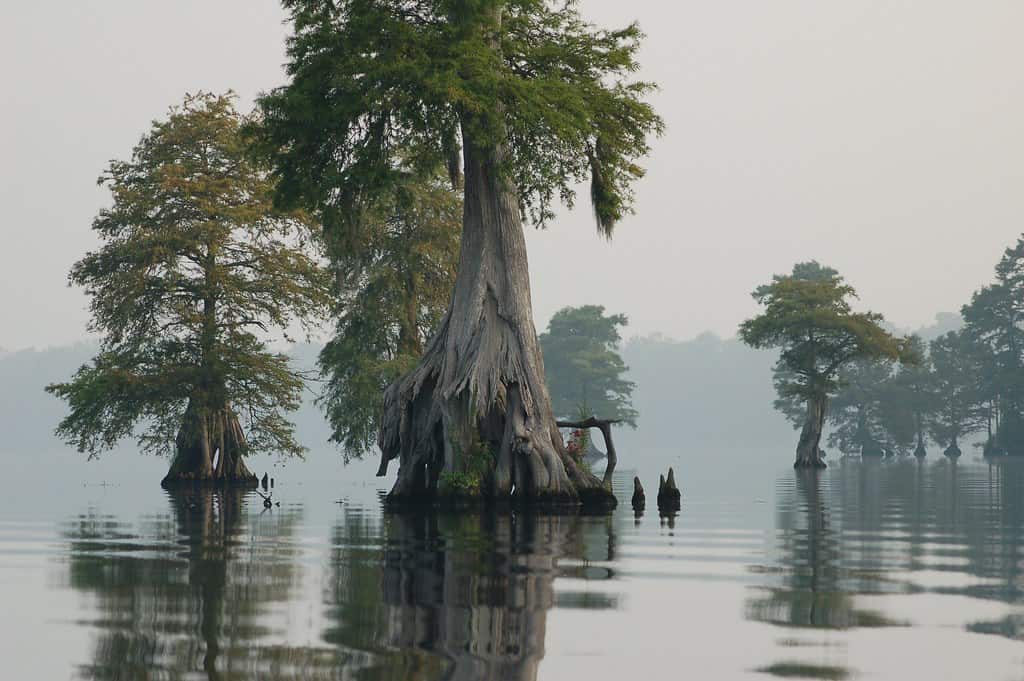
Straddling the Virginia-North Carolina border, the Great Dismal Swamp represents one of the largest remaining forested wetlands in the eastern United States. This atmospheric landscape of cypress-gum swamps and Atlantic white cedar forests has captured the American imagination since colonial times, featuring prominently in literature and folklore. Historically spanning over one million acres, today approximately 112,000 acres remain protected within the Great Dismal Swamp National Wildlife Refuge.
This ancient wetland provides habitat for more than 200 bird species, including the prothonotary warbler and Swainson’s warbler, along with rare mammals like the southeastern shrew and eastern big-eared bat. The swamp’s peat soils, which can reach depths of 12 feet, represent a significant carbon sink, sequestering greenhouse gases that would otherwise contribute to climate change. The Great Dismal Swamp also holds important cultural significance as a refuge for Indigenous peoples and escaped slaves who formed maroon communities within its protective boundaries from the 1600s through the Civil War.
Okefenokee Swamp: Land of Trembling Earth
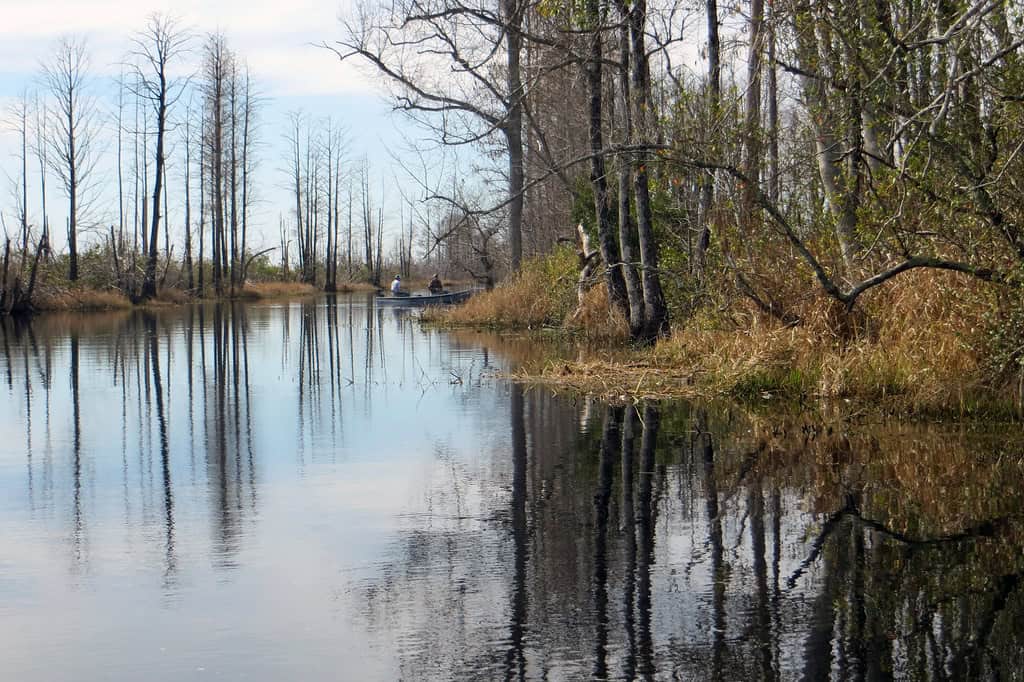
Covering approximately 438,000 acres along the Georgia-Florida border, the Okefenokee Swamp represents one of the oldest and best-preserved freshwater wetland systems in North America. Its name derives from the Choctaw words meaning “Land of Trembling Earth,” referring to the floating peat mats that quake beneath one’s feet. This vast blackwater swamp features diverse habitats including cypress forests, marsh prairies, and open water “prairies” dotted with floating islands.
The Okefenokee serves as the headwaters for both the Suwannee and St. Marys Rivers and has been designated as a National Natural Landmark, National Wildlife Refuge, and Wetland of International Importance. The swamp supports extraordinary biodiversity, including approximately 15,000 American alligators, 233 bird species, 49 mammal species, and 60 reptile species. Notable inhabitants include the endangered red-cockaded woodpecker, round-tailed muskrat, and sandhill crane. The Okefenokee’s relative isolation has preserved unique genetic lineages of several species, including a distinctive population of black bears.
San Francisco Bay Wetlands: Urban Marsh Habitat
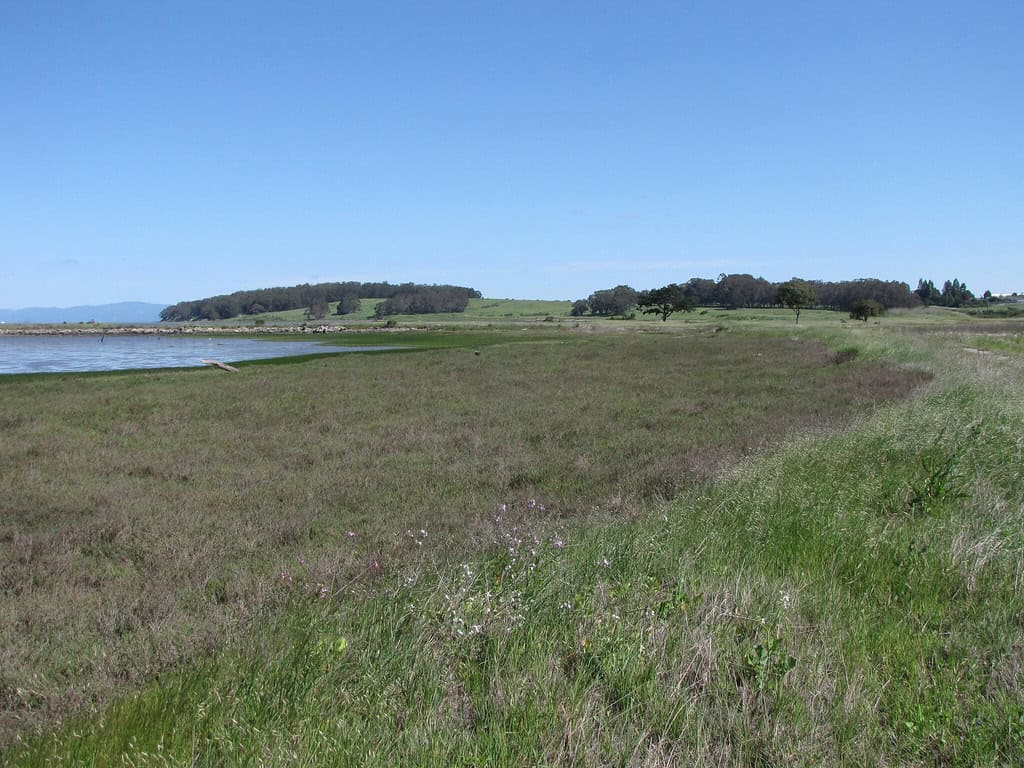
The San Francisco Bay represents the largest estuary on the Pacific coast of North America, featuring extensive tidal marshes, mudflats, and seasonal wetlands that support remarkable biodiversity despite their urban setting. Historically, these wetlands covered approximately 190,000 acres, but development has reduced them to roughly 40,000 acres today. These remaining wetlands provide critical habitat for more than one million migratory shorebirds annually along the Pacific Flyway and support endangered species like the salt marsh harvest mouse, California Ridgway’s rail, and Delta smelt.
The bay’s wetlands also deliver essential ecosystem services to the region’s 7.5 million human residents, including flood protection, water purification, and carbon sequestration. Restoration efforts aim to recover 100,000 acres of tidal marsh by 2030, representing one of the largest wetland restoration programs in the United States. These urban wetlands demonstrate how ecological recovery can occur alongside dense human settlement, providing recreational opportunities while supporting biodiversity.
Alaskan Coastal Wetlands: Remote Arctic Nurseries
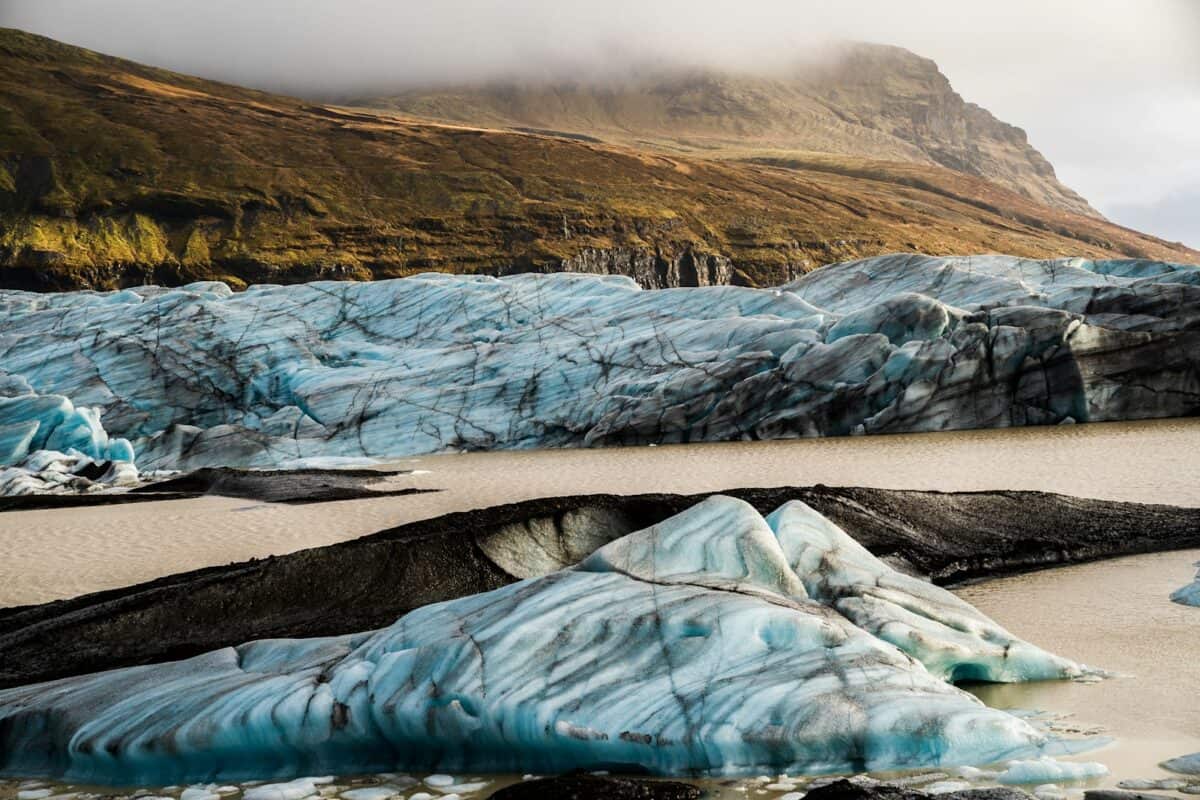
Alaska contains approximately 63% of America’s wetlands, with the state’s coastal wetlands representing some of the most pristine and productive ecosystems in North America. The Copper River Delta alone encompasses over 700,000 acres of wetlands and supports the world’s largest spring concentration of migratory shorebirds, with approximately 12 million birds using the area during migration. The Yukon-Kuskokwim Delta represents another globally significant wetland, supporting 80% of the world’s population of Pacific black brant geese and 50% of emperor geese.
These remote wetlands provide essential breeding habitat for waterfowl populations that migrate throughout the Americas and support commercially important salmon runs that sustain both wildlife and human communities. Notable wetland-dependent species include brown bears, moose, muskox, and all five species of Pacific salmon. Unlike many lower-latitude wetlands, Alaska’s coastal marshes remain relatively intact but face growing threats from climate change, with warming temperatures altering vegetation patterns and permafrost thaw transforming wetland hydrology.
Vernal Pools: Ephemeral Wetland Wonders
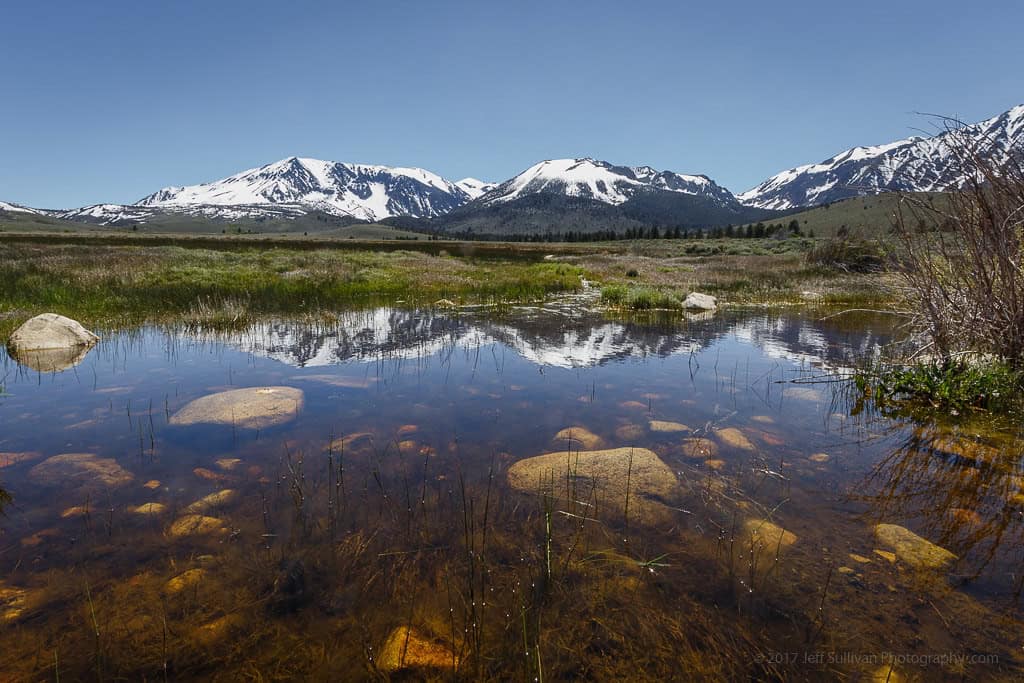
Vernal pools represent small, seasonal wetlands that fill with water during spring rains but typically dry completely by summer’s end. Though modest in size, these ephemeral wetlands support specialized communities of plants and animals adapted to their unique hydrological cycles. Particularly significant vernal pool complexes occur in California, the Northeast, and the Upper Midwest, each supporting distinct assemblages of species. These temporary wetlands provide crucial breeding habitat for amphibians, including wood frogs, spotted salamanders, and fairy shrimp—species that cannot reproduce successfully in permanent waters due to fish predation.
Some vernal pool species exhibit remarkable adaptations, such as the ability of fairy shrimp eggs to remain dormant for decades until appropriate water conditions return. In California, vernal pools harbor extraordinary plant diversity, with approximately 200 plant species restricted to these habitats, including many endangered wildflowers that create spectacular spring displays. Despite their ecological importance, vernal pools receive limited protection under wetland regulations because of their small size and seasonal nature, making them particularly vulnerable to development.
Playa Lakes: Prairie Oases
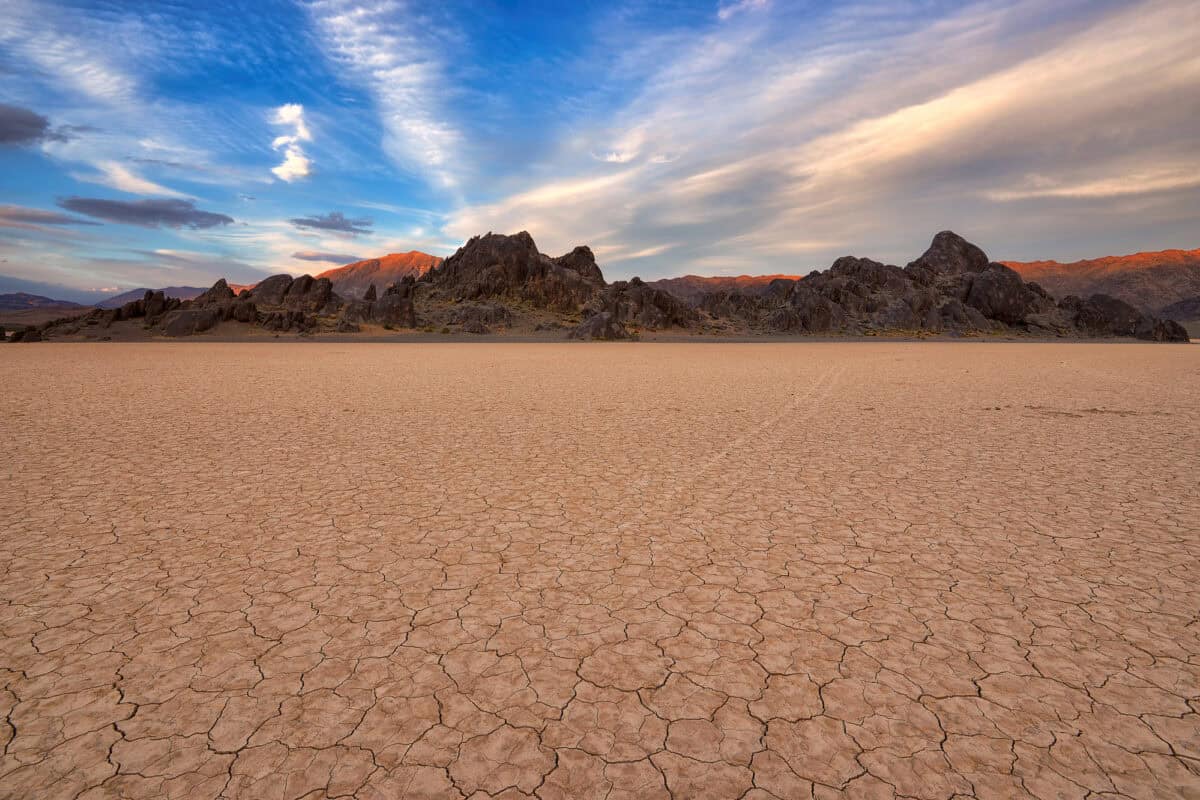
Scattered across the southern High Plains from Texas to Nebraska, playa lakes represent shallow, ephemeral wetlands that form in natural depressions on the landscape. The region contains approximately 80,000 playas, with most measuring less than 30 acres in size. Despite their modest dimensions, these seasonal wetlands provide crucial habitat for wildlife in an otherwise arid landscape. During migration, playas support approximately 90% of the Central Flyway’s waterfowl population, with a single playa capable of hosting tens of thousands of birds during peak migration.
Beyond their wildlife value, playas serve as primary sources of groundwater recharge for the Ogallala Aquifer—the principal water source for agricultural and municipal use across much of the High Plains. Notable playa-dependent species include sandhill cranes, white-faced ibis, and the federally threatened piping plover. Agricultural activities threaten many playas through sedimentation, chemical runoff, and direct modification, with approximately 60% showing significant degradation from these impacts.
Pocosins: The Forgotten Wetlands of the Southeast
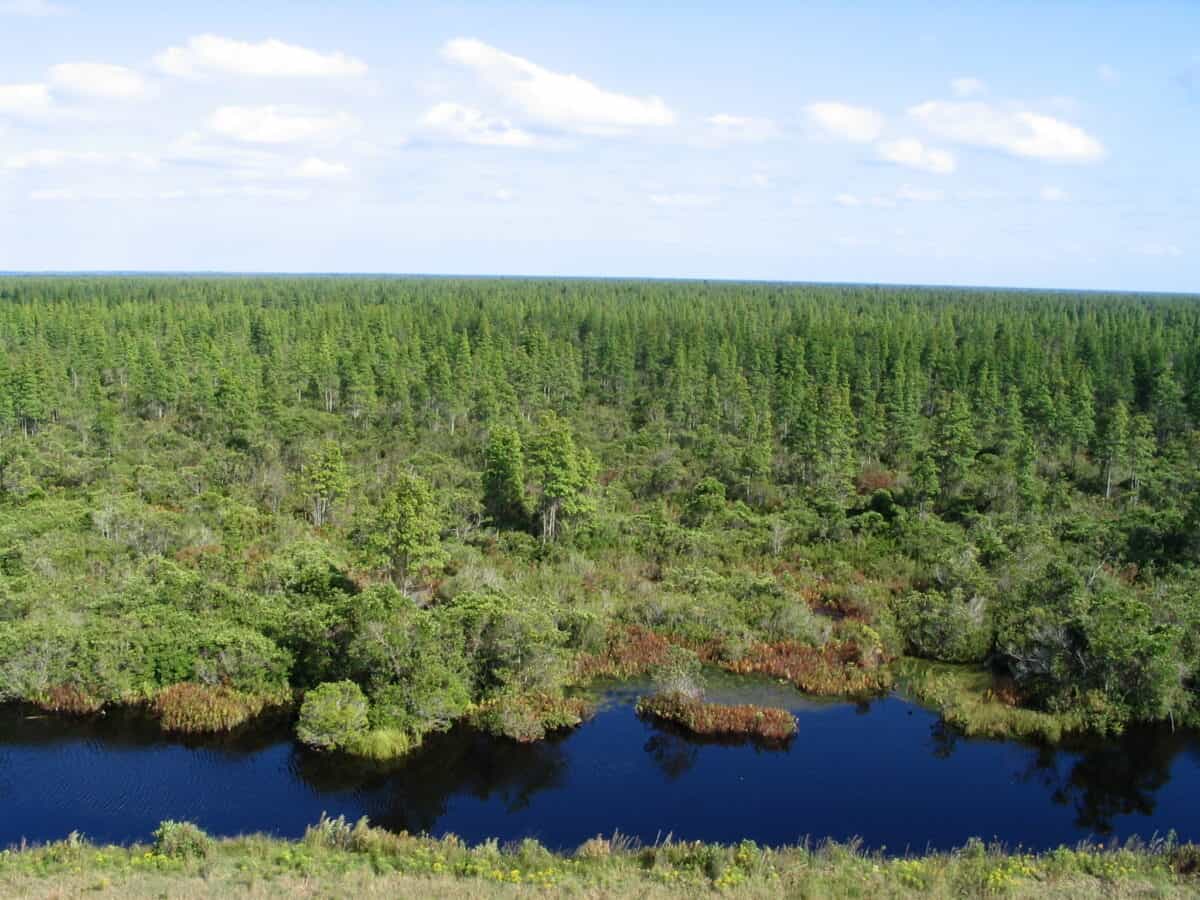
Pocosins represent a distinctive type of shrub-dominated wetland found primarily in the coastal plain of North Carolina and Virginia. The term “pocosin” derives from an Algonquian word meaning “swamp on a hill,” reflecting these wetlands’ unique position on slightly elevated areas between streams. Characterized by waterlogged, acidic, peat soils and dense thickets of evergreen shrubs like sweet bay, red bay, and gallberry, pocosins represent one of the most overlooked wetland types in North America.
These wetlands serve crucial ecological functions, including water filtration, flood control, and wildfire regulation through their water-retention capacity. Pocosins provide habitat for rare species like the red-cockaded woodpecker, Bachman’s sparrow, and American black bear, with the North Carolina coastal plain supporting the highest concentration of black bears in the eastern United States. Historically, approximately 2.5 million acres of pocosins existed in North Carolina alone, but drainage for agriculture, forestry, and development has reduced this area by roughly 50%.
The Future of America’s Wetlands: Conservation Challenges and Opportunities

America’s wetlands face unprecedented challenges in the 21st century despite growing recognition of their ecological and economic value. Climate change represents perhaps the most significant threat, with rising sea levels projected to inundate coastal wetlands, altered precipitation patterns affecting inland wetlands, and warming temperatures disrupting the timing of critical life cycle events for wetland-dependent species. Development pressure continues to claim approximately 80,000 acres of wetlands annually despite regulatory protections, while agricultural runoff contributes excess nutrients that trigger harmful algal blooms and oxygen-depleted “dead zones” in many wetland systems. Invasive species like nutria, purple loosestrife, and Phragmites australis transform wetland communities by outcompeting native species and altering ecosystem functions.
Despite these challenges, significant conservation opportunities exist. Wetland restoration projects demonstrate that degraded systems can recover when given appropriate hydrological conditions and protection from further disturbance. The recognition of wetlands as natural infrastructure for flood control and water purification has sparked innovative funding mechanisms that value these ecosystem services. Public appreciation for wetlands continues to grow through ecotourism, environmental education, and citizen science initiatives that connect people with these dynamic ecosystems. The future of America’s wetlands ultimately depends on balancing human needs with the preservation of these irreplaceable natural systems that support both biodiversity and human well-being.

From exploring the marine wonders in the Azores and witnessing the vast savannas of Kenya, to delving deep into the rich biodiversity of South Africa and traversing iconic landscapes in Australia and the US like Yellowstone, Chris's experiences are vast.
With a penchant for diving alongside sharks, the ocean holds a special place in his heart.
Through his academic insights, he champions wildlife conservation, striving with 'Animals Around The Globe' to cultivate a profound connection between humans and animals, enhancing our mutual appreciation.
Connect with him at Feedback@animalsaroundtheglobe.com.
- The Bull as a Symbol of Power in Minoan and Hindu Stories - July 22, 2026
- This Monkey Has a Mustache - July 21, 2026
- How Steve Irwin Changed the World’s View of Wildlife - July 21, 2026