


In a groundbreaking expedition to Peru’s lush and biodiverse rainforests, scientists have unveiled a remarkable discovery of 27 previously unknown species, highlighting once again the incredible wealth of undiscovered life lurking in Earth’s most precious ecosystems. This expedition, conducted by an international team of researchers over a six-month period, ventured into some of the most remote and unexplored regions of the Peruvian Amazon. The findings not only demonstrate the extraordinary biodiversity of this threatened habitat but also underscore the urgent need for conservation efforts as climate change and deforestation continue to pose existential threats to countless species, many of which remain unknown to science. The discovery includes a fascinating array of creatures from tiny insects to amphibians, reptiles, and plants that have evolved unique adaptations to thrive in this complex ecosystem.
The Expedition’s Origins and Goals

The ambitious rainforest expedition was launched in early 2022 as a collaborative effort between Peru’s National Service of Natural Protected Areas (SERNANP), the Smithsonian Tropical Research Institute, and several international universities. Led by Dr. Elena Ramirez, a renowned Peruvian biologist, the team set out with the primary goal of cataloging biodiversity in previously understudied regions of the Peruvian Amazon, particularly focusing on areas around the Cordillera Azul and Pacaya-Samiria National Reserve.
The expedition was funded through a $3.5 million grant from the Global Biodiversity Foundation, with additional support from various conservation organizations invested in preserving the Amazon’s irreplaceable ecosystems. The research team comprised 32 scientists from 14 countries, bringing together experts in entomology, herpetology, botany, ornithology, and mammalogy to ensure comprehensive coverage of all major taxonomic groups.
Remarkable Amphibian Discoveries

Among the most visually striking discoveries were six new amphibian species, including a vibrant orange glass frog with translucent skin that allows observers to see its internal organs, aptly named Hyalinobatrachium solaris for its sun-like coloration. Another notable find was a miniature poison dart frog measuring just 1.2 centimeters in length, making it one of the smallest frogs ever discovered. Scientists named it Ranitomeya minuscule and determined that despite its diminutive size, it produces a potent neurotoxin that indigenous communities have long known to avoid.
Perhaps most extraordinary was the discovery of a unique tree-dwelling salamander (Bolitoglossa peruviana) that has evolved specialized adaptations for gliding between trees—an extremely rare trait for amphibians. Using flaps of skin between its toes and along its flanks, this salamander can slow its descent when jumping, allowing it to travel up to 10 meters horizontally before landing safely on another branch or trunk.
Invertebrate Innovations

The expedition uncovered eleven new invertebrate species, representing the largest category among the discoveries. These included a stunning electric blue tarantula (Pamphobeteus caeruleus) that builds elaborate funnel-shaped webs unlike any previously documented for its genus. Researchers were particularly intrigued by this spider’s unusual hunting strategy, which combines elements typically seen in both ambush predators and active hunters.
Another fascinating invertebrate discovery was a previously unknown mantis species (Acanthops crypticus) with remarkable camouflage abilities. This insect can change its coloration from bright green to brown over a period of 48 hours to match its surroundings, a capability previously undocumented in mantids. Additionally, the team discovered three new beetle species, including one that produces a bioluminescent glow believed to attract both mates and prey in the dark understory of the forest.
Botanical Breakthroughs

Plant discoveries accounted for five of the newly identified species, including a carnivorous bromeliad that traps insects in its water-filled center before slowly dissolving them with specialized digestive enzymes. Named Brocchinia amazonica, this plant represents only the second known carnivorous bromeliad species and may have important implications for understanding plant evolution.
The team also discovered a new orchid species (Phragmipedium luminoso) with fluorescent pollen that glows under ultraviolet light, likely as an adaptation to attract specific nocturnal pollinators. Perhaps most medicinally promising was the identification of a previously unknown relative of the cinchona tree, whose bark contains compounds similar to quinine but with potentially different pharmacological properties that could prove valuable in treating resistant strains of malaria.
Reptilian Revelations

Three new reptile species were identified during the expedition, including a cryptic arboreal snake (Imantodes perplexus) with vertically elliptical pupils and a highly specialized diet consisting almost exclusively of sleeping lizards and amphibians. The snake’s body is extraordinarily thin, even for vine snakes, allowing it to traverse the thinnest branches in search of prey.
Another significant discovery was a small lizard species (Anolis iridescens) with scales that change color based on temperature rather than emotion or threat—a previously undocumented thermal adaptation that helps the animal regulate its body temperature in the variable microclimate of the rainforest canopy. Researchers also documented a new type of river turtle with unusually soft shell adaptations that allow it to navigate rocky rapids without injury.
The Microhabitat Mystery
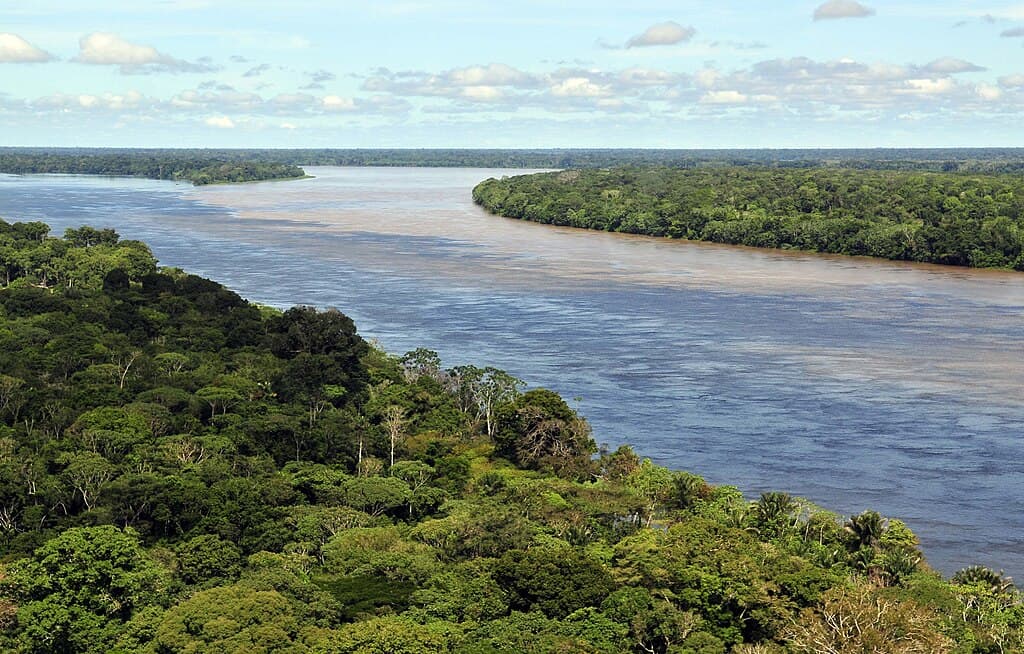
One of the expedition’s most important findings was the identification of highly specialized microhabitats within the broader rainforest ecosystem. Scientists discovered that many of the new species occupy incredibly specific ecological niches, sometimes restricted to areas as small as a few hundred square meters. This extreme specialization helps explain how so many species can coexist in the Amazon and why many remain undiscovered despite centuries of exploration.
The team identified a particularly unique microhabitat around mineral licks—areas where soil has higher than normal concentrations of essential minerals that attract various animals. Near these licks, they found specialized plant communities and several of the newly discovered invertebrate species that have evolved to benefit from the increased animal traffic. This finding has significant implications for conservation, suggesting that even small-scale habitat disruption could lead to extinction of highly specialized species.
Advanced Technology Driving Discoveries

The expedition employed cutting-edge technology that proved crucial to its success. Environmental DNA (eDNA) sampling allowed researchers to detect the presence of organisms by collecting and analyzing genetic material they leave behind in soil, water, or air. Using portable DNA sequencers, the team could conduct preliminary genetic analysis in the field, helping to immediately identify potentially new species for further investigation.
Thermal imaging drones equipped with high-resolution cameras captured nighttime activity in the canopy, revealing behaviors and species that might otherwise remain hidden. Additionally, automated sound recording devices positioned throughout the study areas continuously monitored for animal calls, helping to detect the presence of species that might avoid visual detection. This technological approach complemented traditional field methods and significantly increased the expedition’s efficiency in identifying new species.
Indigenous Knowledge Contributions

Local indigenous communities played an essential role in the expedition’s success. Members of the Asháninka and Shipibo-Conibo tribes served as guides and shared generations of knowledge about the forest’s plants, animals, and seasonal patterns. In several cases, species that were “new to science” had long been known to indigenous peoples, who provided valuable information about their behaviors, habitats, and potential uses.
The research team worked under formal agreements that acknowledged indigenous intellectual property rights regarding traditional knowledge and ensured that any potential commercial applications arising from the discoveries would provide benefits to local communities. This collaborative approach represents an important evolution in scientific expeditions, recognizing that indigenous knowledge systems offer valuable perspectives that complement Western scientific methods.
Conservation Implications

The discovery of these 27 new species carries profound conservation implications. Many were found in areas currently lacking formal protection, including forest fragments adjacent to expanding agricultural frontiers. Based on their findings, the expedition team has submitted a proposal to the Peruvian government recommending the establishment of new protected areas and the expansion of existing ones to safeguard these unique species.
Of particular concern is that preliminary assessments suggest at least eight of the newly discovered species would immediately qualify as critically endangered under IUCN criteria, primarily due to their extremely limited ranges and specific habitat requirements. The expedition findings have already catalyzed new conservation initiatives, including a $12 million commitment from international donors to expand protected area management in the regions where these discoveries were made.
Evolutionary Significance
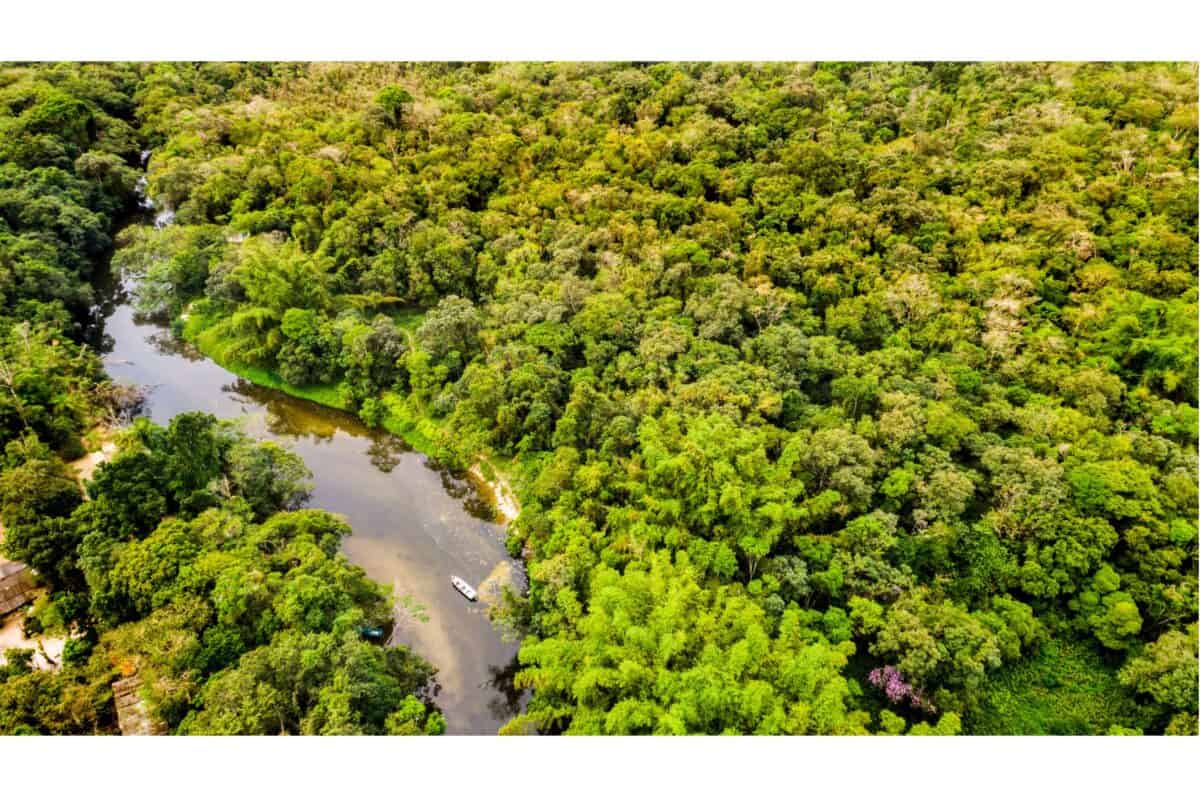
Beyond their conservation value, these discoveries provide important insights into evolutionary processes. Several of the newly identified species represent examples of convergent evolution, where similar traits evolved independently in unrelated organisms facing similar environmental challenges. Others demonstrate unique adaptations not previously documented in their taxonomic groups, expanding scientific understanding of evolutionary possibility.
The discovery of three species that appear to have diverged relatively recently (within the last 10,000 years) offers a rare opportunity to study speciation in action. By analyzing the genetic relationships between these closely related species and examining the geographic and ecological factors that may have driven their divergence, scientists hope to gain deeper insights into how new species form—particularly important knowledge as climate change forces rapid adaptation or extinction.
Bioprospecting Potential

Several of the newly discovered species show promising potential for bioprospecting—the exploration of natural sources for biochemical compounds with beneficial applications. The poison dart frog’s unique toxin is already being studied for potential pain management applications, as it appears to block pain receptors through a previously unknown mechanism that might avoid the addictive properties of opioid pain relievers.
Similarly, a fungus found growing exclusively on one of the newly discovered plant species produces compounds with strong antimicrobial properties, potentially effective against antibiotic-resistant bacteria. The expedition team has established research partnerships with pharmaceutical companies under agreements that ensure benefits would be shared with Peru and local communities should commercially viable products be developed from these discoveries.
The Future of Amazonian Exploration

The success of this expedition has inspired plans for similar research efforts in other understudied regions of the Amazon. The team is currently developing proposals for expeditions in the border regions between Peru, Brazil, and Colombia, areas that remain poorly documented despite their exceptional biodiversity. Using the methodological blueprint established during this expedition, future research efforts aim to combine traditional field techniques with cutting-edge technology and indigenous knowledge.
However, researchers face a race against time as deforestation, climate change, and infrastructure development threaten to eliminate species before they can be discovered. Current estimates suggest the Amazon may house up to 30% of Earth’s terrestrial species, many still unknown to science. This expedition’s findings suggest that current biodiversity estimates may actually underestimate the true richness of Amazonian ecosystems, making continued exploration and documentation all the more urgent.
Conclusion: A Call to Action and Hope
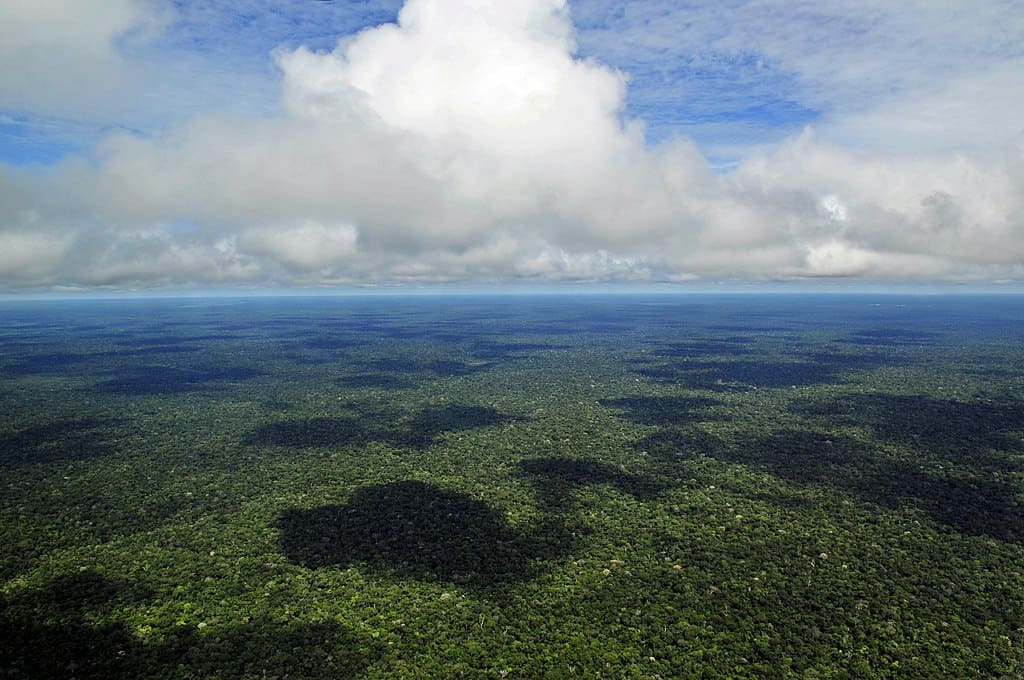
The discovery of 27 new species in Peru’s rainforest serves as both a celebration of our planet’s extraordinary biodiversity and a sobering reminder of how much remains unknown and at risk. These findings illuminate the irreplaceable value of tropical forests not just as carbon sinks in the fight against climate change, but as living libraries of evolutionary innovation developed over millions of years. The expedition demonstrates that despite centuries of scientific exploration, our planet still holds countless secrets waiting to be revealed, particularly in biodiverse hotspots like the Amazon. As we face unprecedented biodiversity loss globally, these discoveries provide compelling evidence for the urgency of conservation efforts while simultaneously offering hope that with proper protection, these remarkable ecosystems can continue to thrive and reveal their secrets for generations to come.

From exploring the marine wonders in the Azores and witnessing the vast savannas of Kenya, to delving deep into the rich biodiversity of South Africa and traversing iconic landscapes in Australia and the US like Yellowstone, Chris's experiences are vast.
With a penchant for diving alongside sharks, the ocean holds a special place in his heart.
Through his academic insights, he champions wildlife conservation, striving with 'Animals Around The Globe' to cultivate a profound connection between humans and animals, enhancing our mutual appreciation.
Connect with him at Feedback@animalsaroundtheglobe.com.
- 27 New Species Discovered in Peru’s Rainforest Expedition - August 18, 2026
- Tigers Are Known to Swim—and They LOVE it! - August 17, 2026
- All the Best Places to See Lynx - August 17, 2026
Leave a comment
You must be logged in to post a comment.