


The vast, mysterious realms of our oceans continue to surprise scientists with their biodiversity. In a groundbreaking revelation, researchers participating in the global Ocean Census initiative have announced the discovery of more than 800 previously unknown marine species. This remarkable scientific achievement has significantly expanded our understanding of marine ecosystems and highlighted the incredible diversity that exists beneath the waves. The discoveries span various ocean depths and regions, from coastal shallows to the darkest abyssal plains, demonstrating how much of our ocean world remains unexplored and undocumented despite covering over 70% of our planet’s surface.
The Ocean Census Initiative: A Global Collaboration

The Ocean Census represents one of the most ambitious marine exploration programs in history. Launched as a collaborative effort between scientists from over 40 countries, this decade-long initiative aims to create a comprehensive catalog of marine life. The project combines traditional taxonomy with cutting-edge technologies including environmental DNA sampling, deep-sea submersibles, and autonomous underwater vehicles.
This international scientific coalition has established research stations across all major ocean basins, enabling unprecedented access to previously inaccessible marine environments. By pooling resources and expertise, the Ocean Census has accelerated the pace of marine discovery far beyond what any single institution could accomplish, creating a model for future large-scale scientific endeavors.
Breakthrough Technologies Enabling Discovery

The remarkable number of new species discovered can be largely attributed to technological innovations that have revolutionized marine exploration. Advanced deep-sea submersibles capable of withstanding crushing pressures have allowed scientists to observe living organisms in their natural habitats rather than relying solely on collected specimens.
Environmental DNA (eDNA) sampling has proven particularly valuable, detecting genetic material shed by organisms into the water column and revealing the presence of species without direct observation. Additionally, high-resolution imaging systems have captured detailed photographs of microscopic organisms, while autonomous underwater vehicles have mapped vast areas of the seafloor, identifying biodiversity hotspots. These technological advances have fundamentally changed how marine biologists conduct research, enabling discoveries at a pace previously thought impossible.
Deep-Sea Discoveries: Life in Extreme Environments

Nearly 40% of the newly discovered species were found in deep-sea environments, challenging long-held assumptions about the limits of life. These deep-dwelling organisms have evolved remarkable adaptations to survive in conditions of extreme pressure, near-freezing temperatures, and complete darkness. Among the most striking discoveries is a new species of “glass octopus” with nearly transparent tissues, allowing its internal organs to be visible through its skin—a possible adaptation for camouflage in the deep ocean’s twilight zone.
Scientists also documented several new species of bioluminescent fish that produce their own light through chemical reactions, using this ability for communication, attracting prey, or deterring predators. These findings demonstrate that even in the most inhospitable environments on Earth, life has found ingenious ways to adapt and thrive.
Microscopic Marvels: The Unseen Ocean

Some of the most numerous discoveries in the Ocean Census were of microscopic organisms that play crucial roles in marine ecosystems. Over 200 new species of phytoplankton—microscopic plants that drift with ocean currents—were identified, including several with unique cellular structures never before documented. These tiny organisms collectively produce approximately half of Earth’s oxygen through photosynthesis while forming the foundation of marine food webs.
Researchers also discovered dozens of new microorganisms living in symbiotic relationships with larger marine animals, from specialized bacteria in coral polyps to previously unknown parasites on deep-sea fish. These findings highlight the complexity of marine ecological networks and the importance of even the smallest organisms in maintaining ocean health. Advanced microscopy and genetic sequencing techniques were essential in identifying these minuscule yet ecologically vital species.
Coral Reef Revelations: Hotspots of Biodiversity

Despite being among the most studied marine environments, coral reefs continued to yield new species discoveries throughout the Census. Researchers documented over 150 previously unknown species associated with reef ecosystems, including several cryptic species—organisms that were previously misidentified as known species due to their similar appearance but are genetically distinct.
These discoveries included 28 new species of reef-building corals, 42 species of reef fish, and numerous invertebrates such as nudibranchs, crustaceans, and mollusks. The most productive research sites were in the Coral Triangle region of Southeast Asia, often called the “Amazon of the seas” due to its extraordinary biodiversity. Many of these newly discovered species occupy highly specialized ecological niches, highlighting the intricate relationships that maintain reef ecosystems. These findings come at a crucial time, as coral reefs face unprecedented threats from climate change, pollution, and overfishing.
Abyssal Plains: The Ocean’s Last Frontier
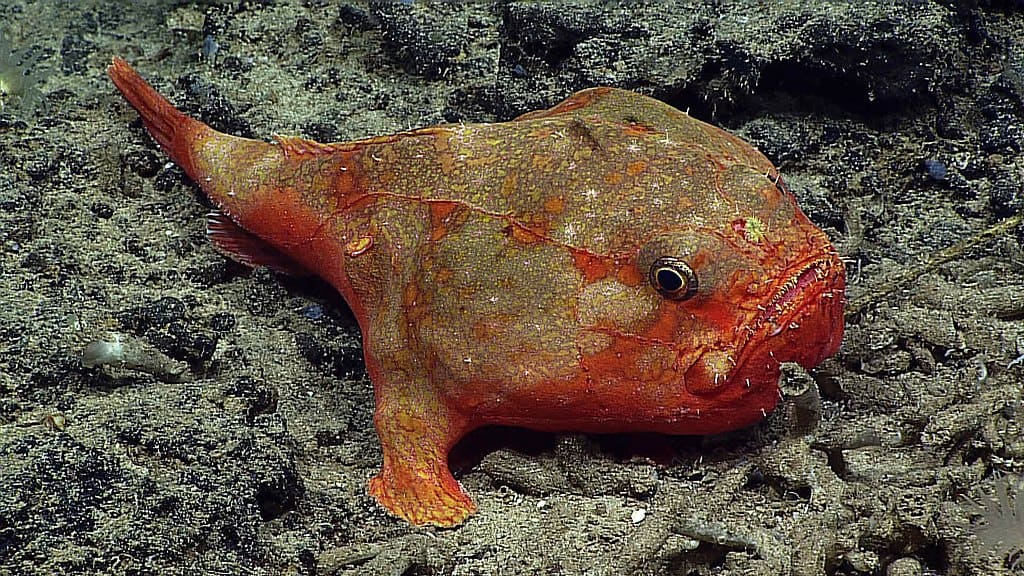
The vast abyssal plains that cover much of the ocean floor yielded some of the most unusual new species in the Census. These flat expanses of seafloor, typically found at depths between 3,000 and 6,000 meters, have been largely inaccessible to researchers until recent technological advances. Among the discoveries was a new family of deep-sea sea cucumbers with elaborate feeding appendages that extract organic particles from seafloor sediments.
Scientists also documented several new species of giant single-celled organisms called xenophyophores, some growing to the size of tennis balls despite consisting of just one cell. Perhaps most intriguing was the discovery of several new species of “bone-eating” worms from the genus Osedax, which specialize in consuming the skeletons of dead marine mammals that sink to the ocean floor. These findings demonstrate that even in seemingly barren environments, specialized life forms have evolved to exploit available resources.
Hydrothermal Vent Communities: Extreme Life Forms
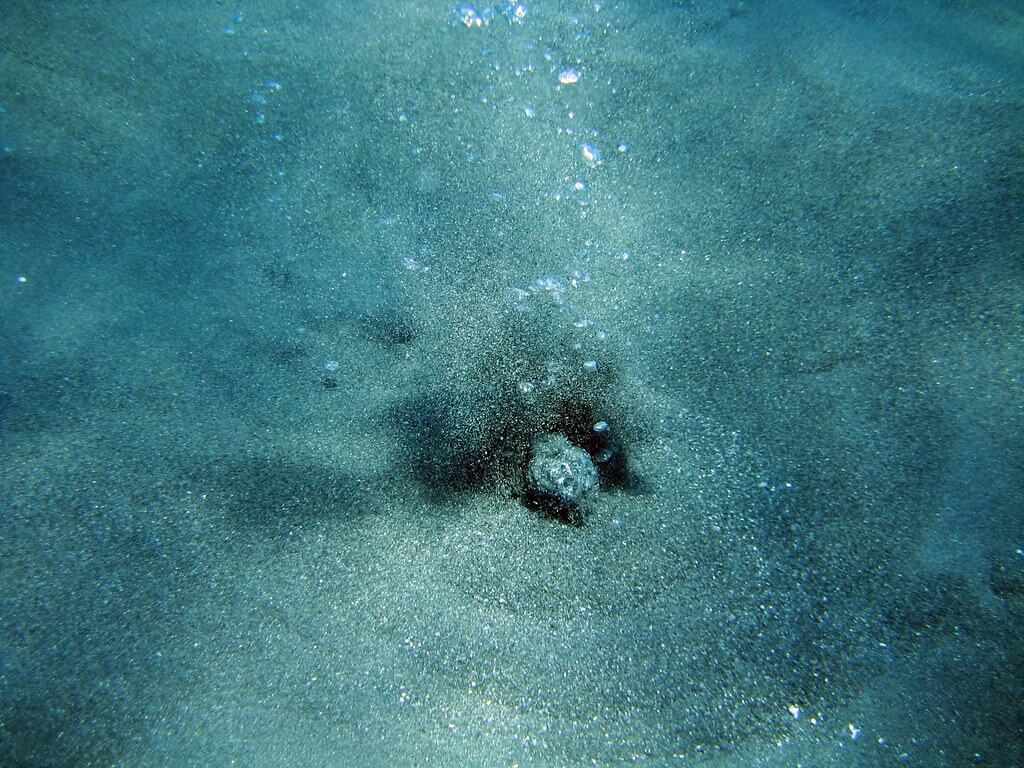
Hydrothermal vents—underwater hot springs that release mineral-rich water heated by volcanic activity—continued to prove fertile ground for new species discoveries. These remarkable ecosystems support life through chemosynthesis rather than photosynthesis, with specialized bacteria converting chemicals from the vent fluid into energy.
The Census documented 56 new species associated with these extreme environments, including several new species of Pompeii worms that can withstand temperatures approaching 80°C (176°F)—among the most heat-tolerant animals known. Researchers also discovered new species of blind shrimp with light-sensing organs on their backs that detect the faint glow of the superheated vent water. These findings have implications beyond marine biology, informing theories about how life might exist on other planets and moons with similar environmental conditions, such as Jupiter’s moon Europa with its subsurface ocean.
Antarctic Marine Life: Cold-Water Specialists

The frigid waters surrounding Antarctica proved to be an unexpected hotspot for new species discoveries. The Census documented over 75 previously unknown species adapted to the extreme cold of the Southern Ocean, including several species of ice fish with antifreeze proteins in their blood that prevent ice crystal formation at temperatures below freezing. Researchers also discovered new species of glass sponges that create complex reef-like structures on the Antarctic seafloor, providing habitat for numerous other organisms.
Particularly noteworthy was the discovery of several new species of giant sea spiders, some with leg spans exceeding 30 centimeters—far larger than their temperate and tropical relatives. These findings underscore the unique evolutionary pressures of polar environments and raise questions about how these highly specialized species will respond to warming ocean temperatures. Many Antarctic species have evolved in isolation for millions of years, making this region a living laboratory for studying the processes of adaptation and specialization.
Conservation Implications of New Discoveries
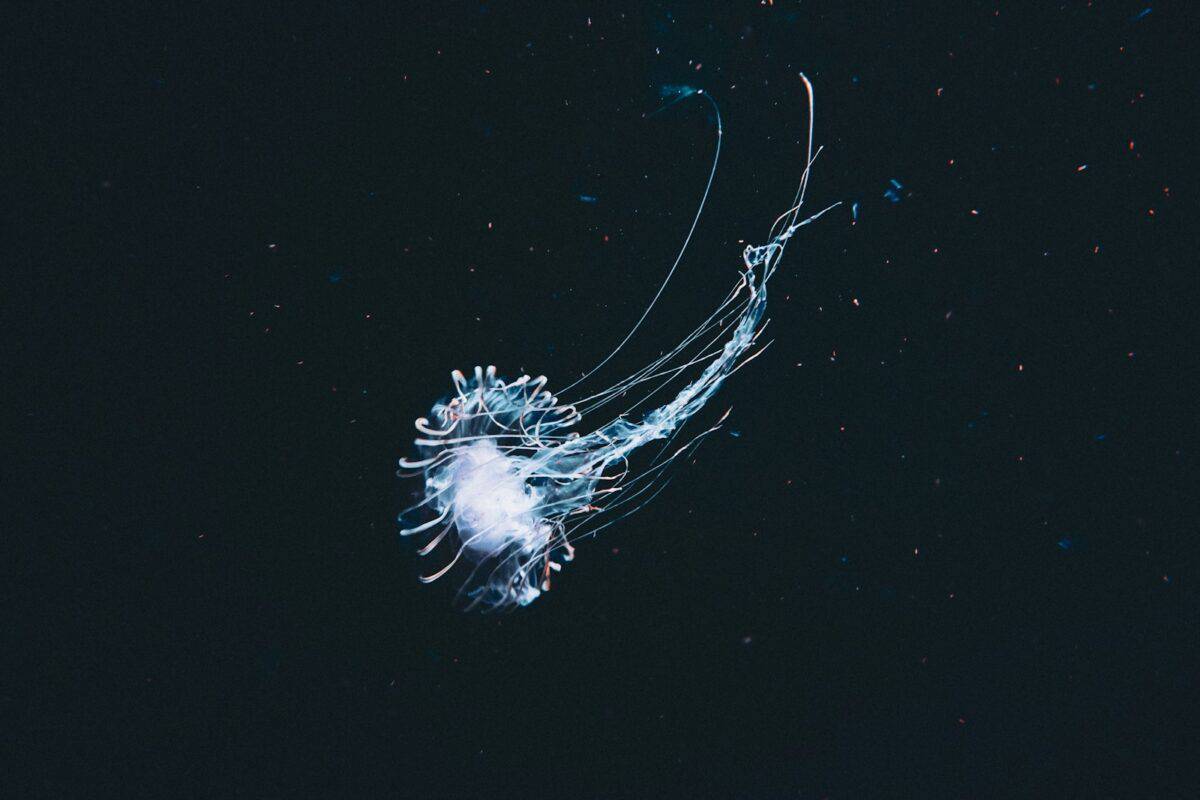
The discovery of so many new marine species carries significant implications for ocean conservation efforts. Many of these species were found in areas currently lacking legal protection from fishing, mining, or other potentially destructive activities. The Census findings have already led to the establishment of several new Marine Protected Areas (MPAs) and the expansion of existing ones, particularly around biodiversity hotspots such as seamounts and deep-sea coral gardens.
Conservation biologists have emphasized that many of these newly discovered species likely have extremely limited geographic ranges, making them particularly vulnerable to habitat disruption. Additionally, several of the new species possess unique biochemical compounds with potential applications in medicine and biotechnology, providing economic arguments for their conservation. The Census has underscored that effective marine conservation requires protecting not just charismatic megafauna but entire ecosystems, including species we’re only just beginning to discover.
Taxonomy Challenges in the Genomic Era
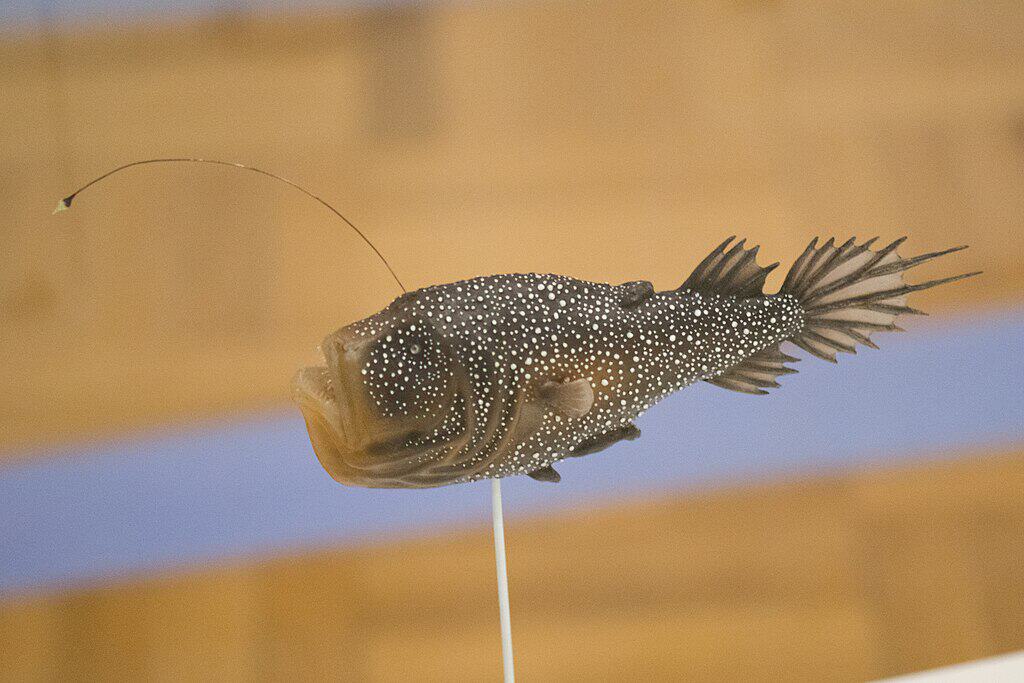
The massive influx of new species has created significant challenges for the field of taxonomy—the science of classifying and naming organisms. Traditional taxonomic methods rely heavily on physical characteristics, but many of the newly discovered species differ from their closest relatives in subtle genetic ways rather than obvious morphological features. This has accelerated the adoption of integrated taxonomic approaches that combine genetic, morphological, and ecological data.
The Census has established a dedicated database and tissue repository, ensuring that holotype specimens and genetic material are preserved for future study. Additionally, researchers have implemented a standardized approach to naming new species, including detailed photographic documentation and genetic barcoding. These practices help ensure that taxonomic classifications remain stable despite the rapid pace of discovery and evolving scientific methodologies. The Census has also highlighted the critical shortage of trained taxonomists, particularly for less-studied groups like marine invertebrates.
Future Exploration: What Remains Undiscovered
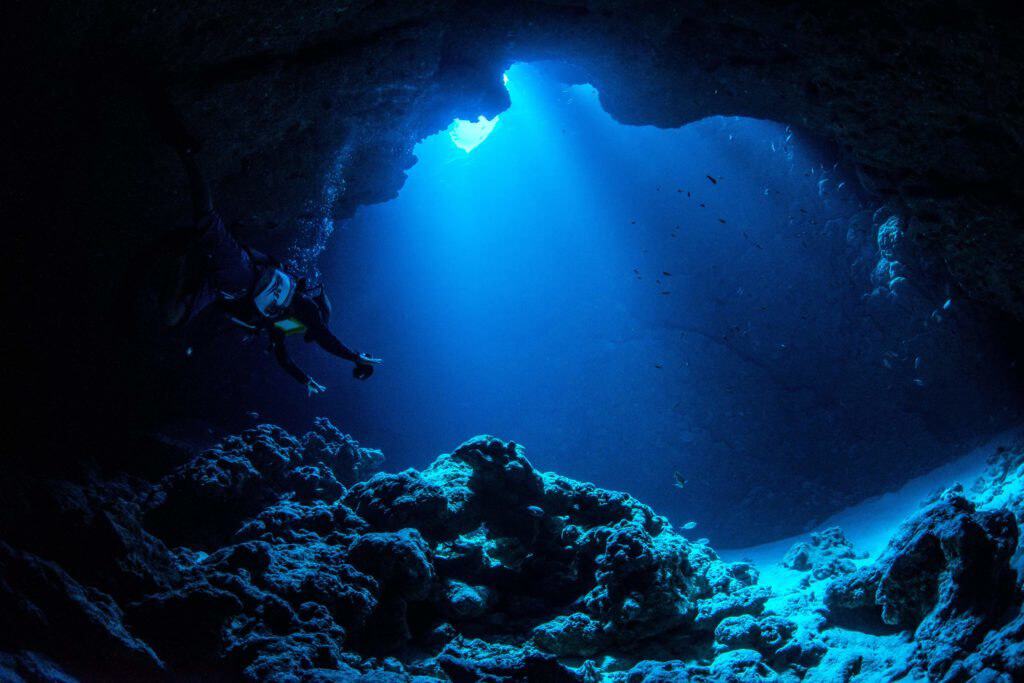
Despite the impressive number of new species documented, scientists involved in the Ocean Census estimate that between two-thirds and three-quarters of all marine species remain undiscovered. Particularly understudied are the ocean’s mesopelagic zone (200-1000 meters deep) and the deep seafloor of the southern hemisphere. Based on statistical models incorporating discovery rates and habitat diversity, researchers project that the total number of marine species likely exceeds 2.2 million—far more than the approximately 240,000 formally described to date.
The Census has identified priority areas for future exploration, including seamounts in the South Pacific, deep-sea trenches, and under-ice environments in polar regions. Plans are already underway for a second phase of the Census, incorporating even more advanced technologies such as soft robotics for collecting fragile specimens and artificial intelligence systems for analyzing the massive datasets generated by exploration. The ocean’s continuing ability to surprise even the most experienced marine biologists suggests that many more remarkable discoveries await in future exploration efforts.
Conclusion: Redefining Our Understanding of Ocean Life
The discovery of over 800 new marine species represents a watershed moment in our understanding of ocean biodiversity and underscores how much remains to be learned about our planet’s largest ecosystem. These findings challenge us to reconsider fundamental assumptions about marine biology while providing crucial baseline data for conservation efforts as oceans face unprecedented threats from human activities.
The Census has demonstrated the value of international scientific collaboration and technological innovation in expanding the frontiers of knowledge. As we continue to explore and document marine life, each new species discovered not only adds to our scientific understanding but also enriches our appreciation for the extraordinary diversity and resilience of life on Earth. The oceans, it seems, will continue to surprise and inspire us for generations to come.

From exploring the marine wonders in the Azores and witnessing the vast savannas of Kenya, to delving deep into the rich biodiversity of South Africa and traversing iconic landscapes in Australia and the US like Yellowstone, Chris's experiences are vast.
With a penchant for diving alongside sharks, the ocean holds a special place in his heart.
Through his academic insights, he champions wildlife conservation, striving with 'Animals Around The Globe' to cultivate a profound connection between humans and animals, enhancing our mutual appreciation.
Connect with him at Feedback@animalsaroundtheglobe.com.
- 10 Creepy-Crawly Spiders That Are Surprisingly Fascinating - July 26, 2026
- The Unseen World of Animals That Thrive in Darkness - July 26, 2026
- Why the Return of Apex Predators Could Save Entire Ecosystems - July 26, 2026