


Foxes have captivated human imagination for centuries with their striking beauty, mysterious nature, and playful antics. With their fluffy tails and adorable faces, it’s no wonder many people feel drawn to these charismatic wild canids. Social media has only amplified this fascination, with viral videos showing seemingly friendly interactions between humans and foxes. However, the reality of fox-human interactions is far more complex and potentially dangerous than these curated moments suggest. This article explores the numerous reasons why, despite their appeal, you should never attempt to pet a wild fox, and offers insights into respecting these animals from a safe distance.
Wild Foxes Are Not Domesticated Animals

Unlike dogs, which have undergone thousands of years of selective breeding for companionship, wild foxes remain just that—wild. Even though foxes belong to the Canidae family like domestic dogs, they lack the genetic adaptations that make dogs suitable as pets. A landmark study from Russia that began in the 1950s demonstrated that domesticating foxes takes generations of selective breeding for specific behavioral traits. The wild foxes you encounter in your neighborhood or in natural areas have not undergone this process. Their instincts remain intact, including defensive behaviors that can manifest as aggression when they feel threatened or cornered. This fundamental difference means that even a fox that appears calm could unpredictably react with fear or defensiveness if approached.
The Risk of Serious Bites and Scratches
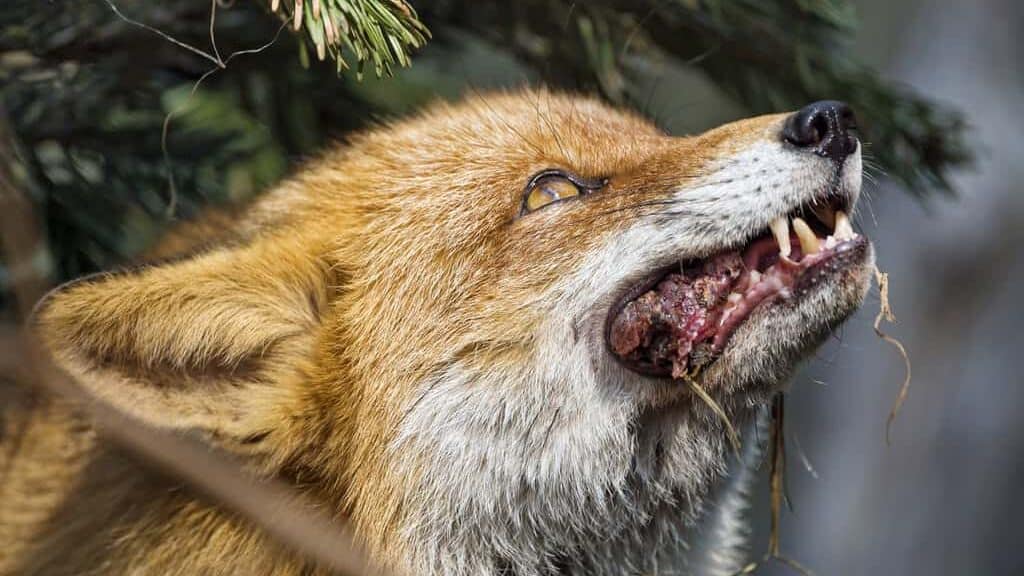
Approaching a wild fox puts you at risk of receiving painful and potentially dangerous bites or scratches. Foxes have sharp teeth and claws designed for hunting and self-defense. When frightened, they can deliver a powerful bite—their jaw strength is adapted for crushing the bones of their prey. Statistics on fox attacks are limited, but wildlife rehabilitation centers regularly report treating people who have been bitten after attempting to handle wild foxes. These injuries can require medical attention, including treatments for infection and, in some cases, rabies prophylaxis. The physical damage from a fox bite can be severe, potentially resulting in deep tissue damage, nerve injury, or significant scarring.
Foxes Can Carry Rabies and Other Zoonotic Diseases

One of the most serious risks associated with fox contact is disease transmission. Foxes are known carriers of rabies, a viral disease that is almost always fatal once symptoms appear. According to the Centers for Disease Control and Prevention (CDC), foxes are one of the primary wildlife reservoirs for rabies in many parts of North America. Beyond rabies, foxes can harbor other zoonotic diseases (those that can be transmitted from animals to humans), including mange, leptospirosis, and various parasites like Echinococcus, which can cause serious illness in humans. Fox saliva, urine, and feces can all be vehicles for disease transmission, making any close contact potentially hazardous, even if you aren’t bitten.
Human Contact Damages Wild Fox Behavior

When humans feed or attempt to pet wild foxes, it fundamentally alters their natural behavior in ways that are harmful to their survival. Foxes that become habituated to humans often lose their natural wariness, which serves as a crucial protection mechanism in the wild. This habituation can lead to foxes approaching humans for food, venturing closer to roads and populated areas, and taking greater risks—all of which significantly increase their mortality rates. Research has shown that urban foxes with reduced fear of humans have shorter lifespans on average than their more cautious counterparts. By attempting to interact with a fox, you may be inadvertently contributing to a behavioral change that could ultimately lead to that animal’s premature death.
Legal Implications of Handling Wildlife

In many jurisdictions, attempting to pet or handle wildlife, including foxes, is illegal. Wildlife protection laws exist to safeguard both the animals and public health. In the United States, state wildlife agencies generally prohibit the handling of wild animals without proper permits. Penalties can be significant, ranging from fines to potential criminal charges in serious cases. Additionally, if a fox you’ve interacted with later bites someone else, you could potentially bear some liability for having habituated the animal to human contact. These legal ramifications extend beyond mere fines—they can involve mandatory testing of the animal for rabies, which unfortunately requires euthanasia to examine brain tissue.
The Misleading “Friendliness” of Some Foxes
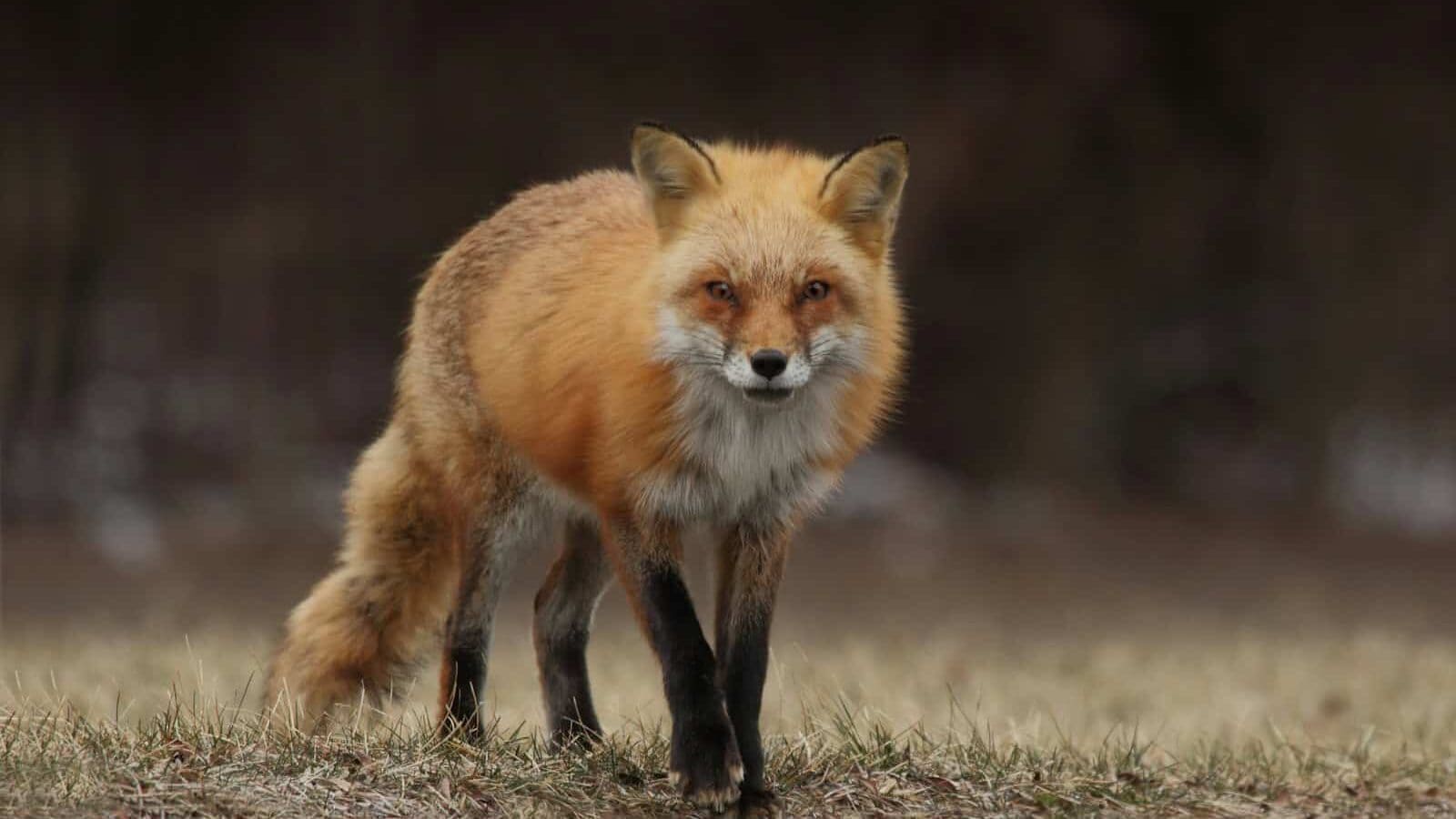
A fox that appears unusually friendly or unafraid of humans is not necessarily seeking companionship—it may actually be displaying warning signs of illness. Rabies, distemper, and other neurological conditions can cause wild animals to lose their natural fear of humans and exhibit uncharacteristic behaviors. What might seem like a docile or curious fox could actually be a sick animal whose behavior is being altered by disease. Wildlife experts caution that any wild animal that seems abnormally approachable should be given extra space, not less. This counter-intuitive reality means that the fox that seems most “pettable” may actually be the most dangerous to approach.
Foxes’ Complex Stress Responses
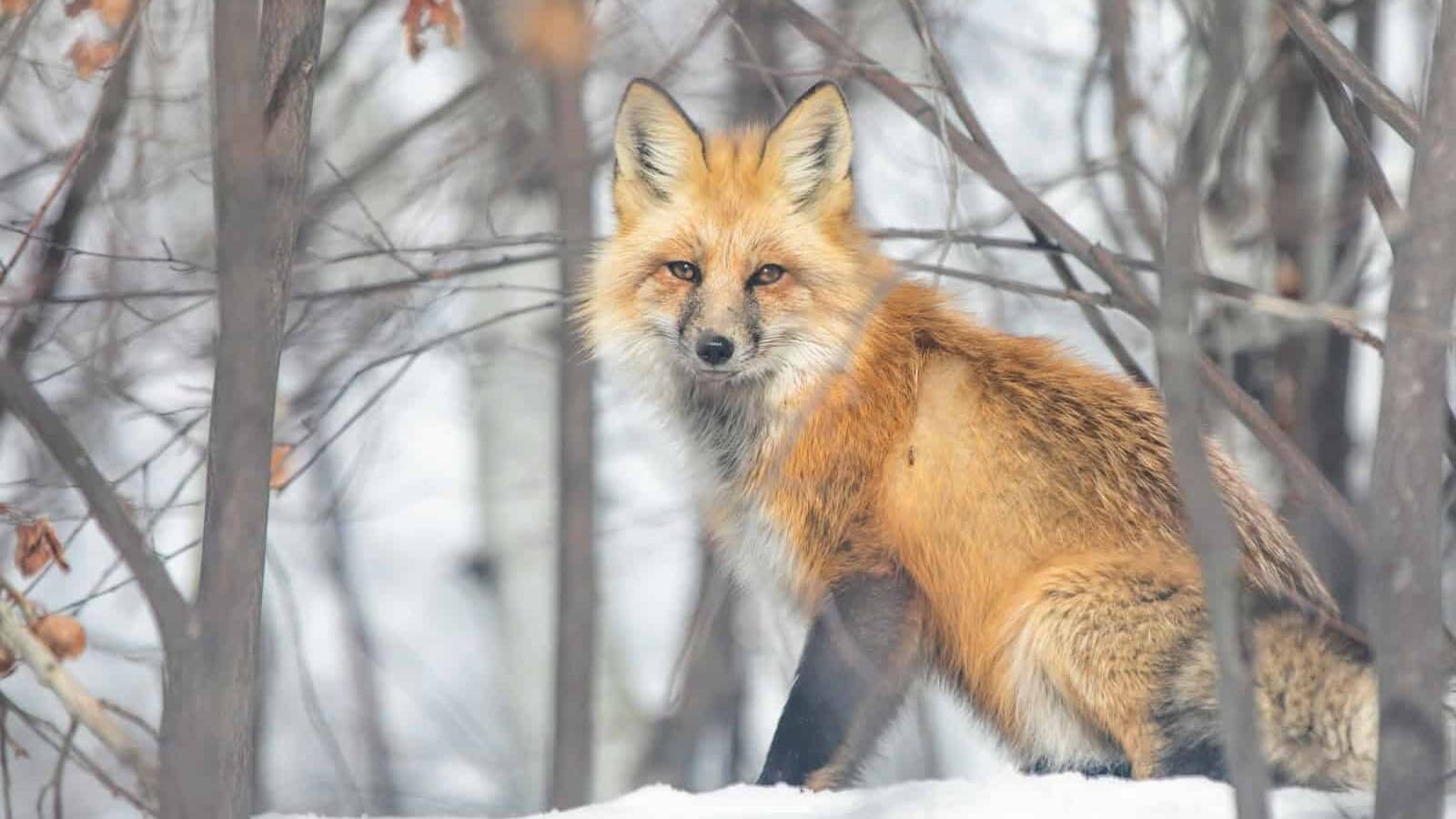
Even when a fox doesn’t immediately flee or show obvious signs of distress, human proximity can trigger significant physiological stress responses. Studies measuring stress hormones in urban wildlife have found that human interactions can cause elevated cortisol levels in foxes, even when the animals don’t display obvious external signs of fear. This chronic stress can compromise their immune systems, affect reproductive success, and alter natural behaviors. A fox that freezes when approached isn’t necessarily comfortable—it may be experiencing extreme fear while evaluating escape options. This “freezing” behavior is often misinterpreted as acceptance or curiosity, when it actually represents a state of high stress for the animal.
The Ecological Importance of Maintaining Fox Behavior
Foxes play crucial roles in their ecosystems as both predators and prey. They help control populations of rodents and rabbits, disperse seeds through their scat, and serve as prey for larger predators like coyotes, wolves, and birds of prey. When humans interfere with fox behavior through feeding or attempted handling, it disrupts these ecological functions. Foxes that become dependent on human food sources may hunt less, affecting rodent populations. Those that lose fear of humans may avoid natural predators less effectively, disrupting predator-prey dynamics. The ecological ripple effects of human-habituated foxes can be far-reaching and difficult to predict, potentially impacting everything from vegetation patterns to insect populations in a given area.
The Difference Between Observation and Interference
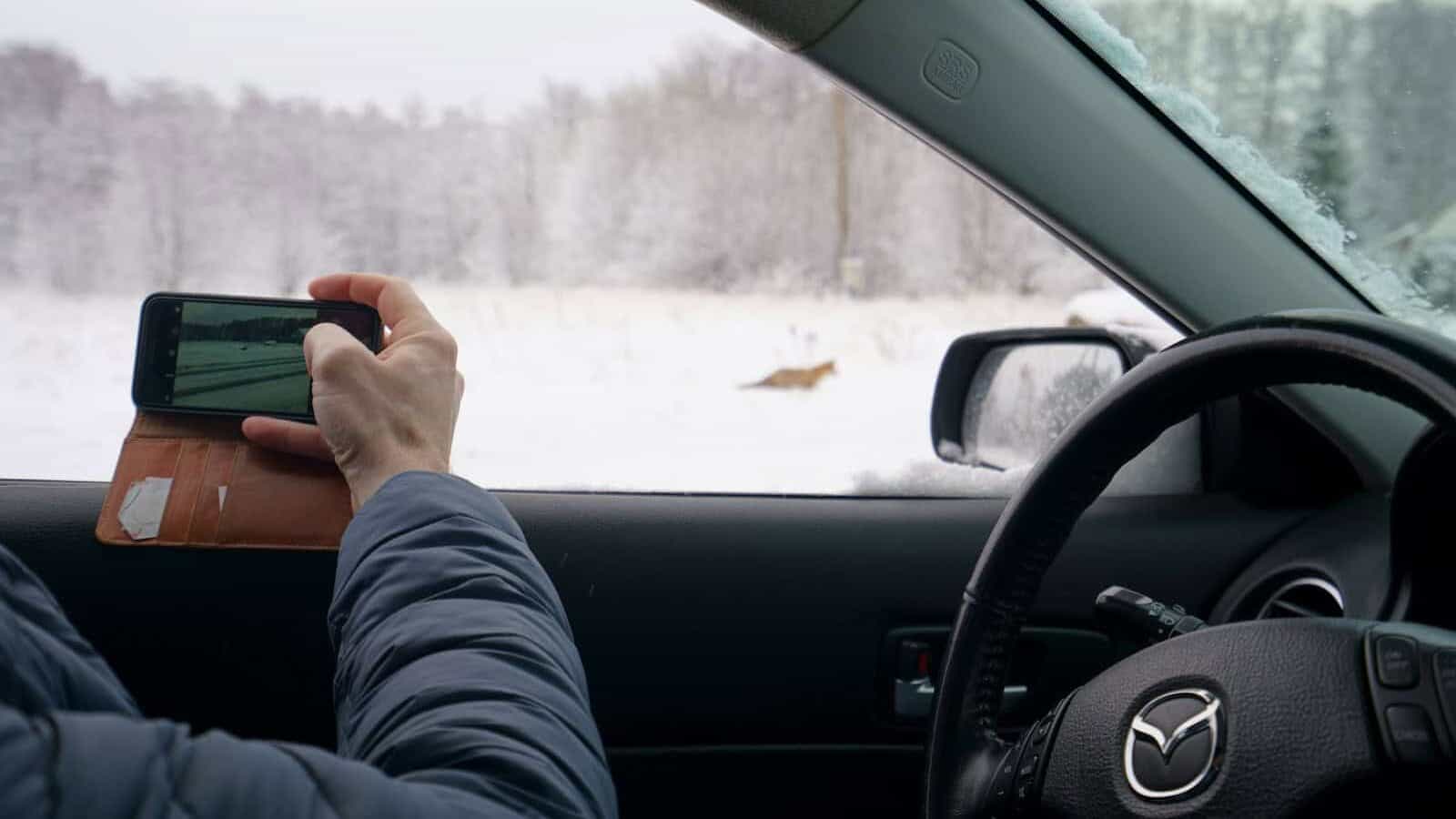
There are meaningful, responsible ways to appreciate foxes without attempting to pet them. Wildlife photography from an appropriate distance, using binoculars or spotting scopes for observation, or participating in citizen science projects that monitor fox populations all provide opportunities to connect with these animals without disrupting their natural behaviors. Many wildlife experts recommend maintaining a minimum distance of at least 50 feet from foxes in the wild. This distance allows for observation while minimizing stress to the animal. By shifting your approach from direct interaction to respectful observation, you can develop a deeper appreciation for foxes’ natural behaviors and their role in the ecosystem.
The Reality of Fox Temperament
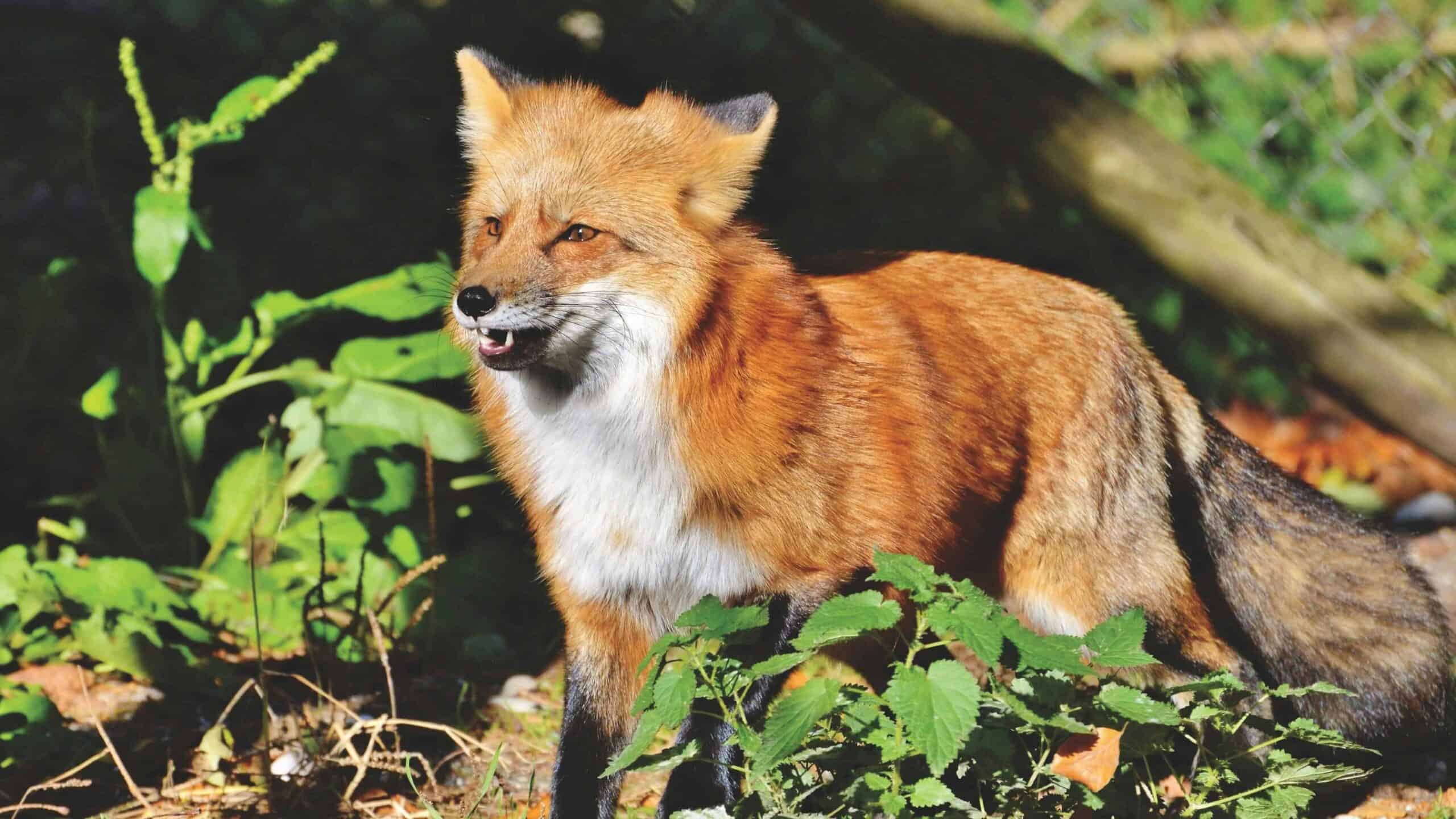
Despite their sometimes playful appearance, foxes possess a temperament that is fundamentally different from domestic dogs. They are naturally skittish, independent, and territorial. Even captive foxes bred for several generations in fur farms retain many wild instincts and behaviors that make them challenging to handle safely. Fox experts note that these animals are highly sensitive to environmental stimuli, with acute hearing and smell that can make human presence overwhelming for them. Their natural behavior includes marking territory with strong-smelling urine, a habit that persists even in the rare cases of foxes kept in captivity. This combination of wariness, sensitivity, and territorial behavior makes them inherently unsuitable for the kind of physical interaction that people might enjoy with domestic pets.
When Foxes Approach Humans

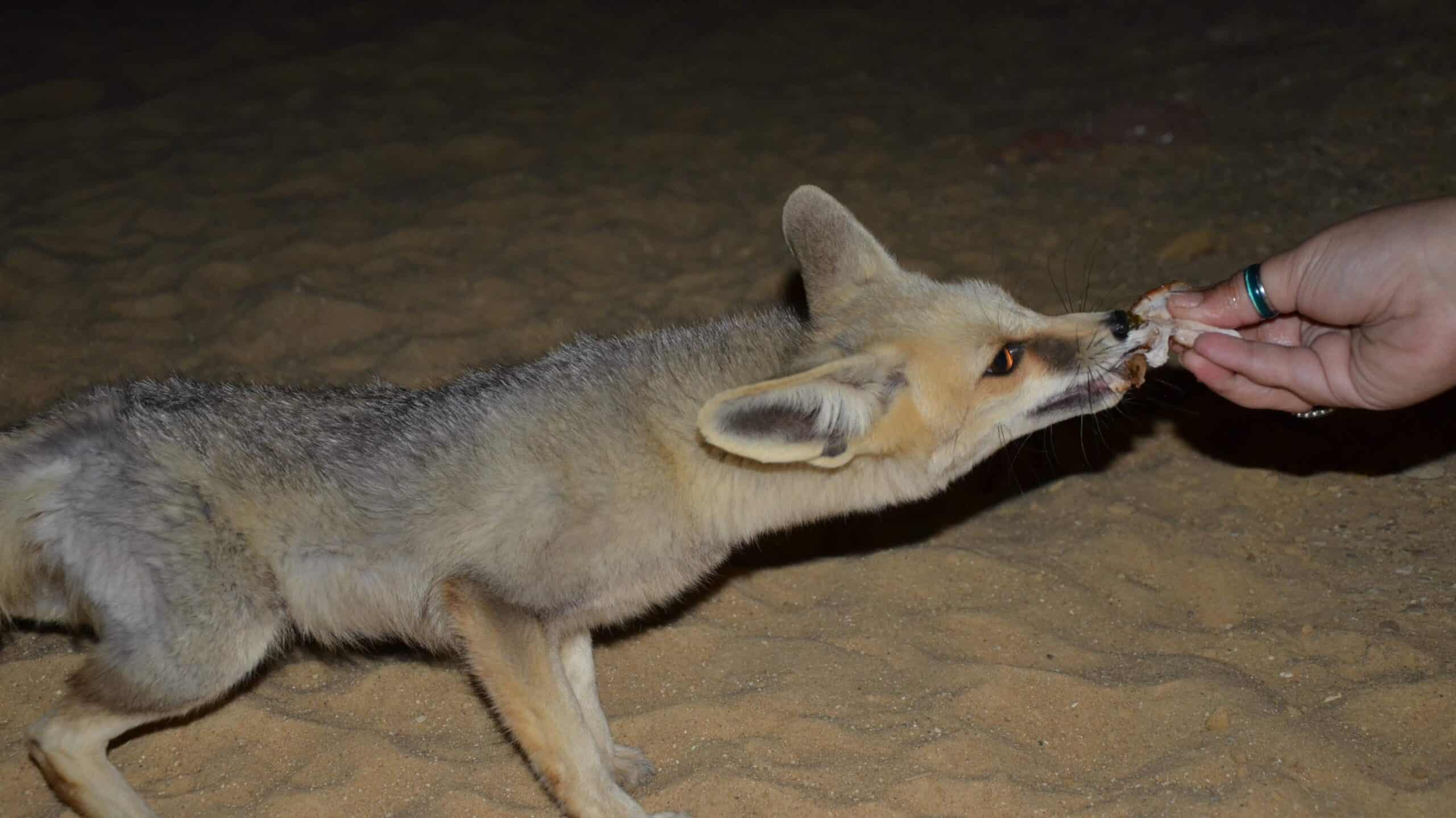
In some urban and suburban settings, foxes may approach humans, particularly if they’ve been fed by people previously. This behavior doesn’t indicate tameness or suitability for petting—rather, it reflects a problematic breakdown in the natural wariness that helps foxes survive. Urban wildlife researchers have documented that food-conditioned foxes often meet tragic ends through vehicle collisions, conflicts with domestic dogs, or euthanasia following complaints from concerned residents. If a fox approaches you, the most responsible action is to back away slowly, avoid eye contact, and create distance. Never offer food or attempt to engage with the animal. In areas where fox-human interactions are common, contacting local wildlife authorities can help address the situation through community education or, if necessary, humane deterrents.
Ethical Wildlife Viewing Practices

Developing ethical wildlife viewing practices allows us to enjoy encounters with foxes without causing harm. Wildlife management experts recommend using the “rule of thumb”—if you extend your arm and can cover the animal with your thumb, you’re at an appropriate distance. Early morning and dusk offer the best opportunities to observe foxes naturally as they’re most active during these crepuscular hours. Creating wildlife-friendly spaces in your yard, such as natural areas with native plants that attract small mammals foxes prey upon, can increase chances of ethically observing these animals. Many communities also offer guided nature walks led by naturalists who can help you spot foxes and other wildlife while teaching proper observation etiquette. These approaches allow for meaningful connections with wildlife while respecting their need for space and natural behavior.
Our fascination with foxes reflects a deeper human desire to connect with the natural world, but this connection must be built on respect rather than physical contact. By understanding the risks to both humans and foxes that come with attempting to pet these wild animals, we can develop more meaningful and responsible ways to appreciate them. The most compassionate action we can take toward foxes is to maintain appropriate distance, avoid feeding them, and appreciate their beauty and ecological importance from afar. True respect for wildlife means acknowledging and honoring their wild nature, not trying to domesticate it through direct interaction. In doing so, we not only protect ourselves from potential harm but also ensure these magnificent animals can continue to fulfill their natural roles in the ecosystems we share.

- How to Create a Bee-Friendly Backyard This Spring - July 20, 2026
- The Lethal Colors of the Poison Dart Frog: Nature’s Warning - July 20, 2026
- The Most Powerful Volcanic Eruption Ever in World History - July 20, 2026