

When most people think of New York City, they envision towering skyscrapers, bustling streets, and the constant hum of human activity. However, beneath this metropolitan facade lies a surprisingly diverse ecosystem teeming with wildlife that has adapted to urban living. From the depths of the city’s waterways to the canopies of its parks, New York City hosts an impressive array of animal species that many residents and visitors never notice. This hidden natural world exists in parallel with the human experience, creating a unique urban ecosystem that defies expectations. Let’s explore some of the remarkable wildlife that calls the Big Apple home, surviving and sometimes thriving amid the concrete jungle.
Coyotes in the Concrete Jungle
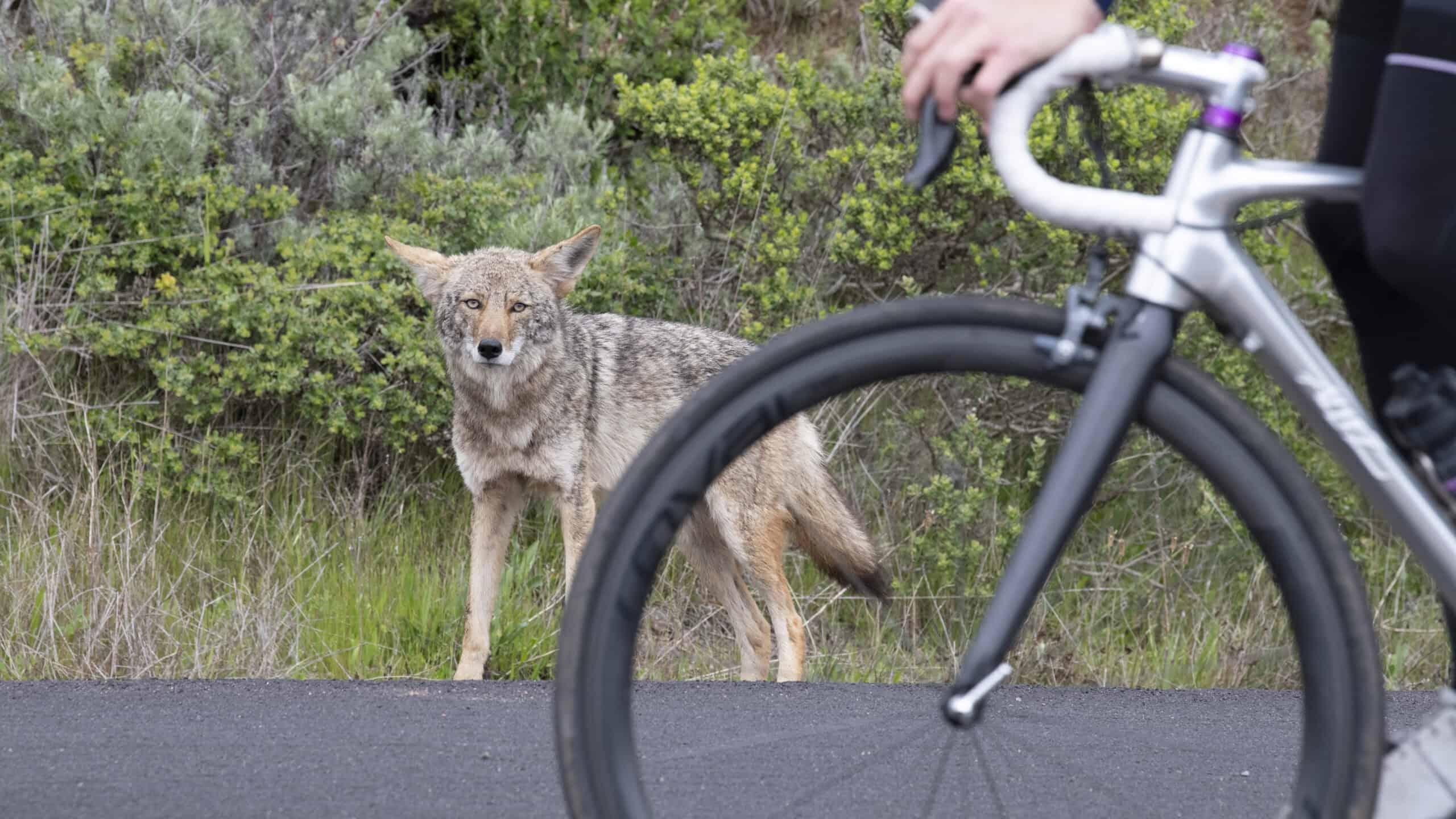
Perhaps one of the most surprising urban residents, coyotes have established themselves in all five boroughs of New York City. These adaptable canids first appeared in the Bronx in the 1990s and have since expanded their territory throughout the city. They primarily inhabit larger parks like Van Cortlandt Park and Pelham Bay Park but have been spotted in Central Park and even Times Square. NYC coyotes are typically smaller than their rural counterparts, weighing around 35 pounds, and have adapted their diet to include urban food sources like rats and human food waste alongside natural prey. Wildlife experts estimate there are several dozen coyotes living within city limits, with most active during dawn and dusk hours when human activity is reduced. Despite living in close proximity to millions of people, coyote-human conflicts remain remarkably rare.
Peregrine Falcons: Manhattan’s High-Rise Hunters
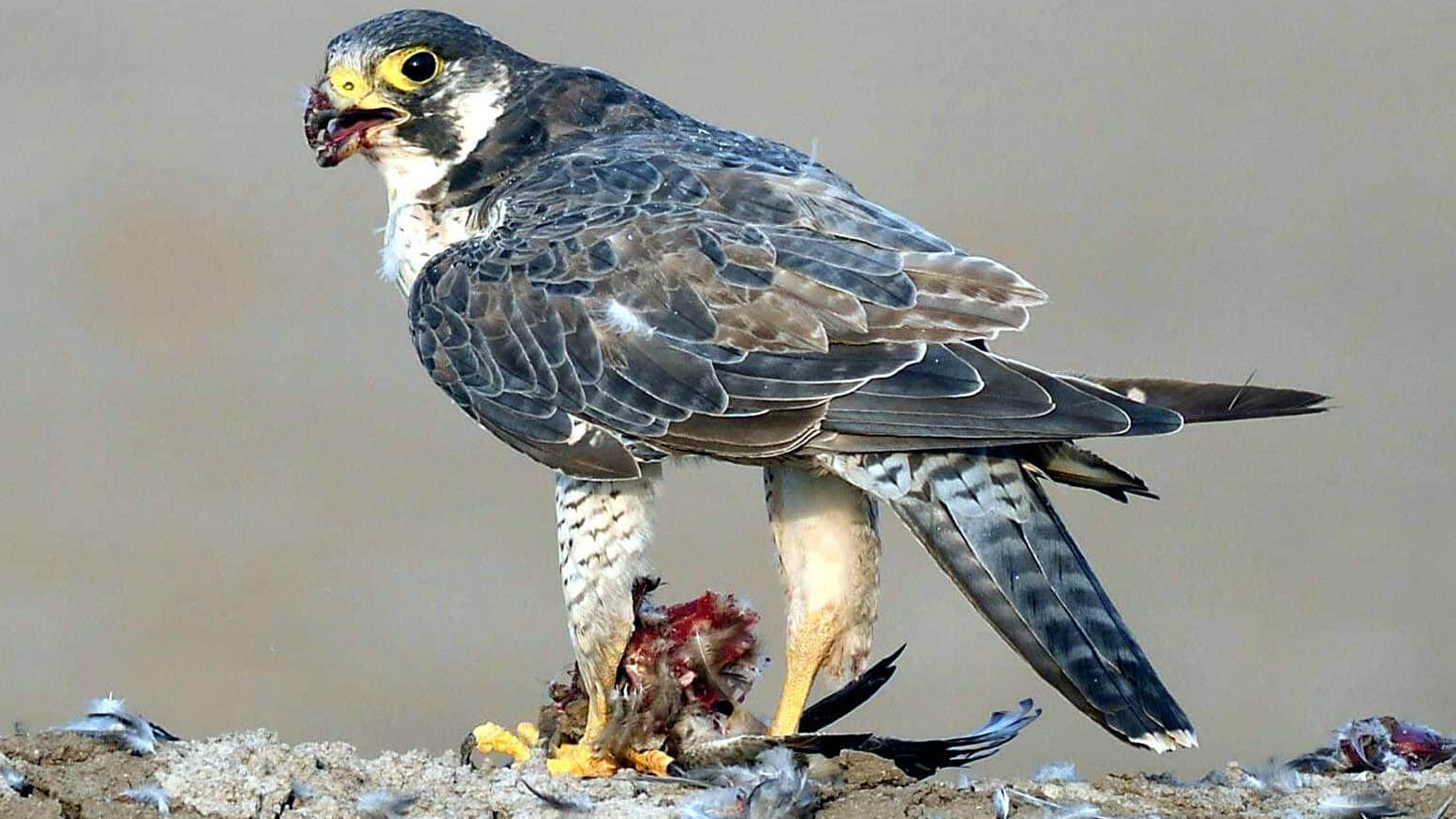
New York City hosts the highest concentration of nesting peregrine falcons in the world, with over 20 breeding pairs making their homes on bridges, church steeples, and skyscrapers. These remarkable birds of prey, which can dive at speeds exceeding 200 mph, were nearly extinct in the 1970s due to DDT poisoning but have made an incredible comeback in urban environments. The city’s tall buildings mimic the cliff faces peregrines naturally nest on, while the abundance of pigeons provides a reliable food source. Notable nesting sites include the Verrazano-Narrows Bridge, the Cathedral of St. John the Divine, and the 55 Water Street building. The NYC Department of Environmental Conservation monitors these urban raptors, and several nests have webcams that allow the public to observe these magnificent birds raising their young against the backdrop of the city skyline.
Harbor Seals in New York Harbor
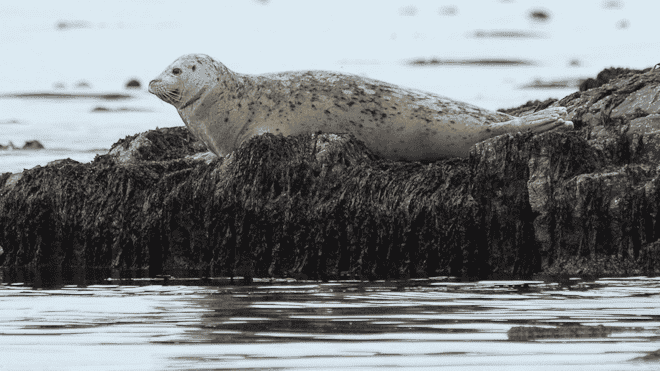
The waters surrounding New York City have experienced a remarkable ecological recovery in recent decades, allowing marine mammals like harbor seals to return in significant numbers. These charismatic pinnipeds can be regularly observed hauling out on rocky outcroppings in areas like Swinburne Island and Hoffman Island in the Lower New York Bay. Winter months bring the highest concentrations, with researchers documenting over 100 seals during peak season. This resurgence reflects improved water quality following the Clean Water Act and local conservation efforts. The seals are drawn to the harbor’s increasing fish populations, particularly Atlantic menhaden and striped bass. Organizations like Gotham Whale conduct regular seal surveys, and public seal-watching tours have become increasingly popular, highlighting the environmental recovery story of New York’s waterways. The return of these marine mammals serves as a living indicator of the improving health of the urban marine ecosystem.
Wild Turkeys of Staten Island
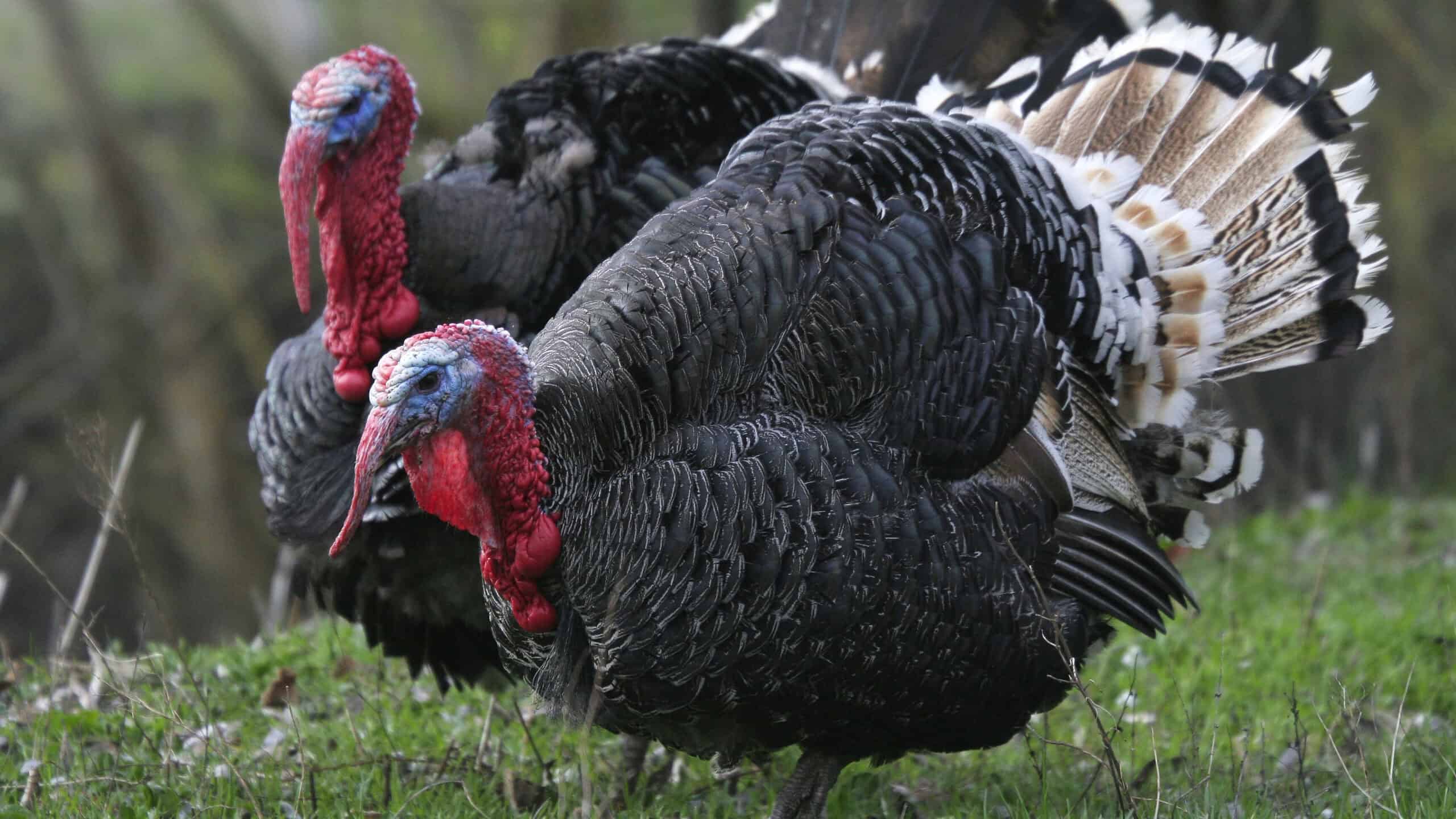
Staten Island hosts a surprising population of wild turkeys that have become local celebrities, particularly in the Ocean Breeze and South Beach neighborhoods. These birds, which can weigh up to 20 pounds and stand nearly 4 feet tall, are believed to have originated from a small group released by a local resident in the 1990s. The population has since grown to several hundred birds that roam residential areas, parks, and even healthcare facility grounds. Unlike their rural counterparts, these urban turkeys have become remarkably habituated to human presence, often causing traffic delays as they leisurely cross streets. The NYC Parks Department has implemented management plans to address growing human-turkey conflicts while ensuring the birds’ welfare. Staten Island’s turkeys represent a unique example of wildlife reclaiming urban space, though their semi-domesticated origins make them a complex conservation case study.
Beavers Return After 200 Years
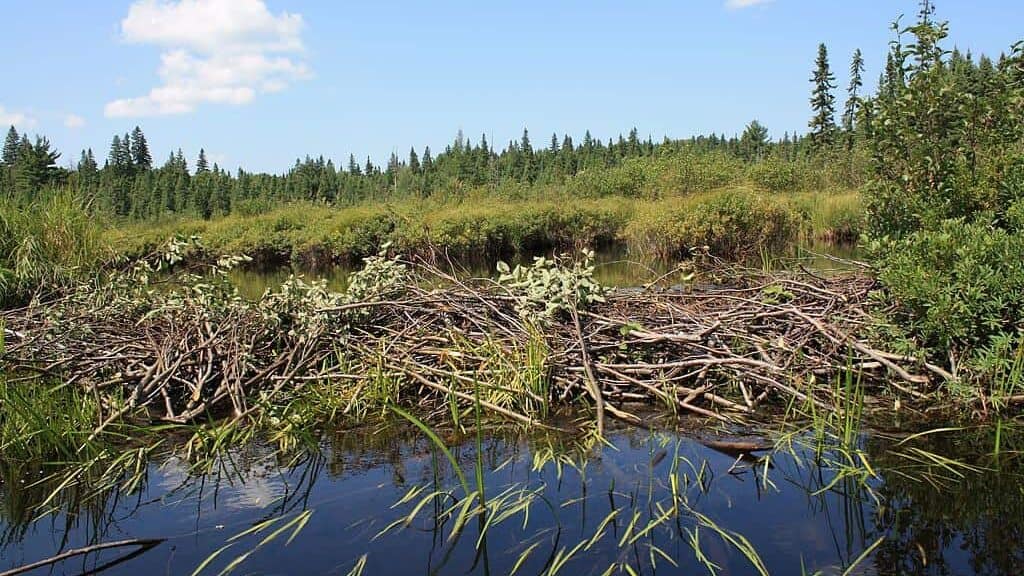
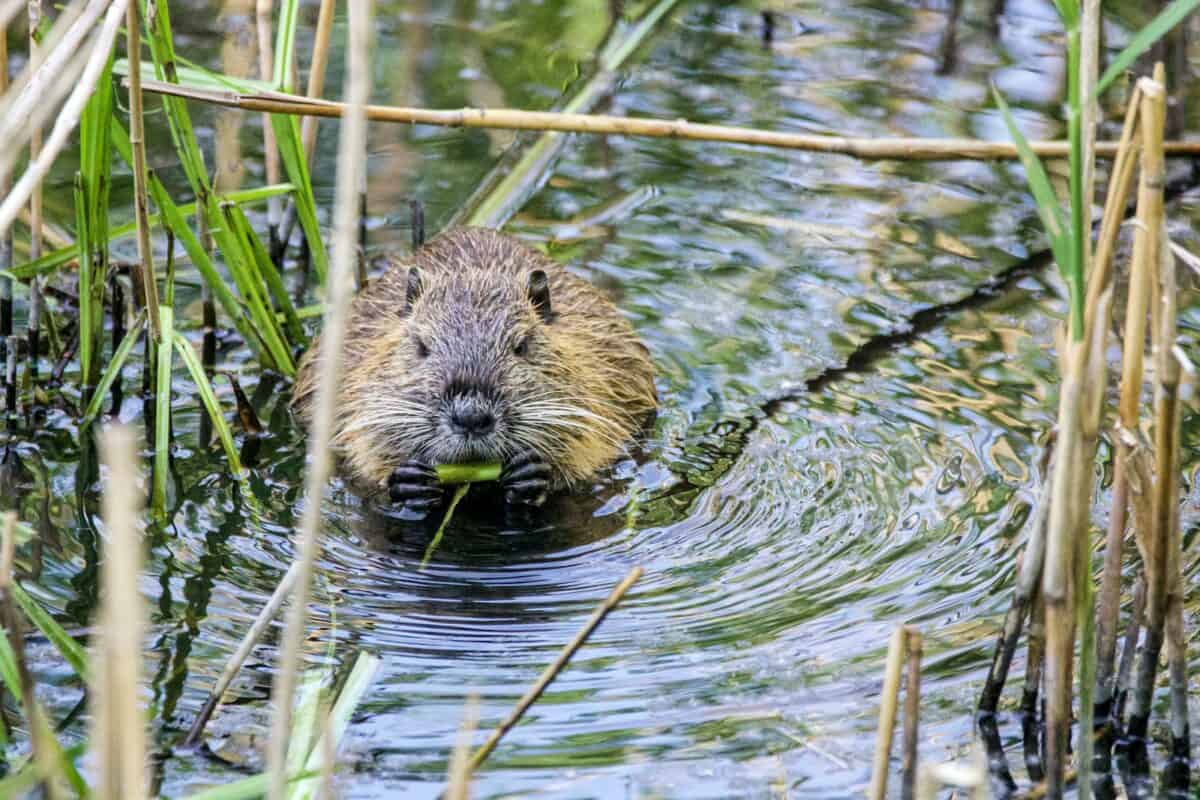
In 2007, New Yorkers witnessed a historic ecological moment when a beaver, nicknamed “José” by officials, was discovered building a lodge in the Bronx River—the first documented beaver in New York City in over 200 years. These ecosystem engineers had been completely eliminated from the city due to the fur trade and habitat destruction by the early 1800s. Since José’s arrival, several more beavers have established territories in the Bronx River, creating dams and lodges that transform aquatic habitats. Their presence is considered a triumph for the Bronx River restoration efforts, as beavers require relatively clean water and healthy ecosystems to thrive. Beaver dams create wetland environments that benefit numerous other species, from fish to amphibians to birds, effectively increasing urban biodiversity. The Bronx River Alliance monitors these industrious rodents, documenting their positive ecological impacts while managing potential conflicts with urban infrastructure.
Eastern Coyotes: Not Your Average Coyote
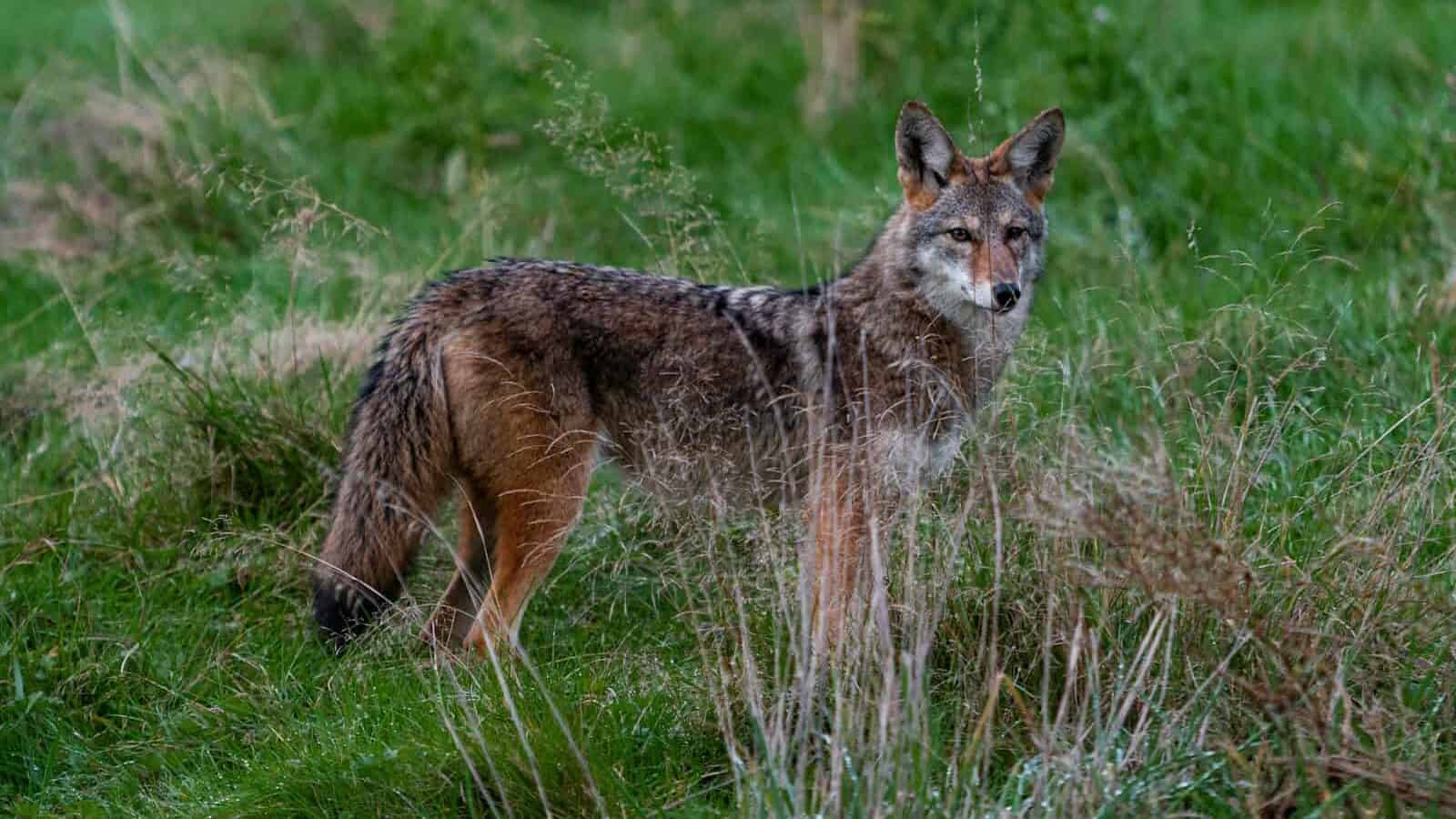
The coyotes inhabiting New York City belong to a unique hybrid population known as Eastern coyotes, which contain wolf DNA resulting from historical interbreeding between western coyotes and eastern wolves. This genetic heritage gives NYC coyotes distinctive characteristics—they’re typically larger than western coyotes, have more varied coat colors, and display some wolf-like behaviors. Genetic studies of coyotes captured in the Bronx have confirmed this mixed ancestry, with approximately 10% wolf genetics present. These urban canids have demonstrated remarkable adaptability, adjusting their activity patterns to avoid human contact by becoming primarily nocturnal within city limits. They’ve also modified their traditional pack structure, with urban coyotes typically living in smaller family groups or even as solitary individuals. Wildlife biologists at the American Museum of Natural History have been studying these adaptations, providing valuable insights into rapid evolutionary responses to urbanization.
Bats in the Boroughs
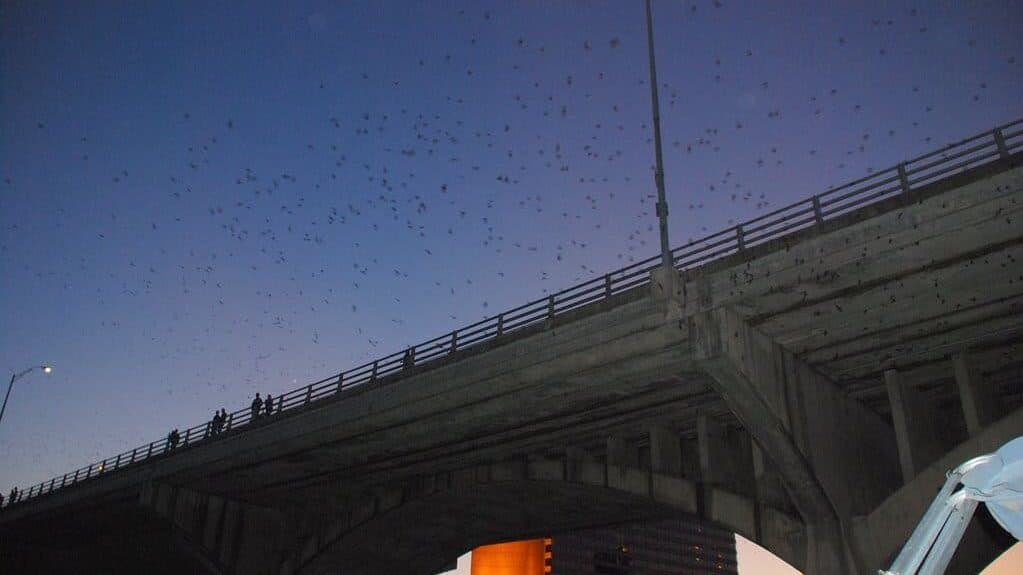
At least six species of bats call New York City home, though most residents remain unaware of these nocturnal neighbors. The most common species include the big brown bat, little brown bat, and eastern red bat, with Central Park serving as a particular hotspot for bat activity. These urban bats roost in tree hollows, under bridges, and occasionally in building crevices, emerging at dusk to consume vast quantities of insects—a single bat can devour over 1,000 mosquitoes in a single night. Unfortunately, NYC’s bat populations have declined due to white-nose syndrome, a fungal disease that has devastated bat colonies across North America. The NYC Urban Bat Project conducts regular acoustic monitoring throughout the city, recording the ultrasonic echolocation calls of bats to track population trends and distribution. Conservation efforts include installing specialized bat houses in parks and educating the public about the ecological importance of these misunderstood mammals.
Horseshoe Crabs: Living Fossils on NYC Beaches
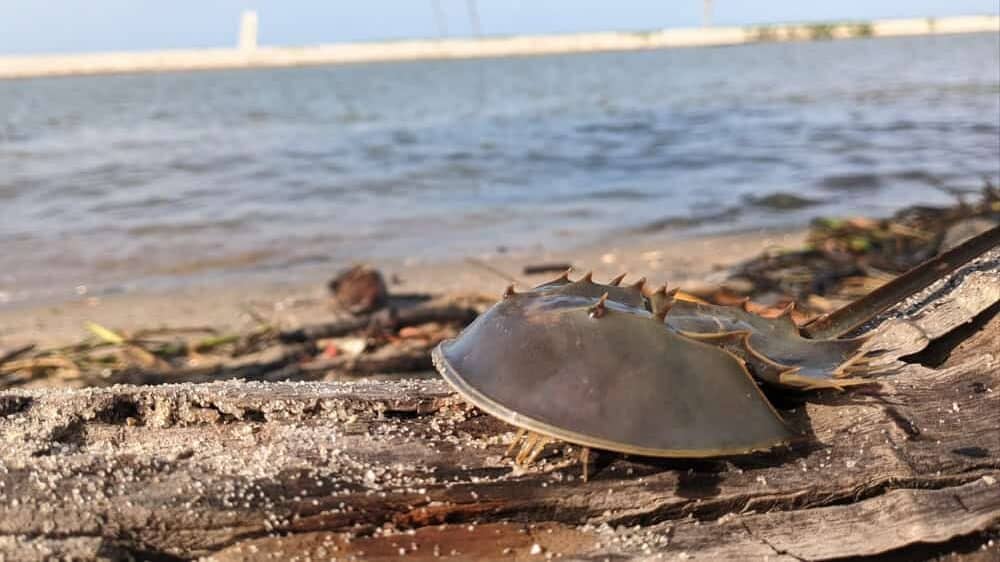
Each spring, an ancient ritual unfolds on the beaches of Jamaica Bay, Plumb Beach, and other shoreline areas around New York City—the spawning of Atlantic horseshoe crabs. These remarkable “living fossils” have remained virtually unchanged for over 450 million years, predating the dinosaurs. During May and June full moons, thousands of horseshoe crabs emerge from deeper waters to mate and lay eggs along the shoreline. A single female can lay up to 90,000 eggs, which become a critical food source for migratory shorebirds like the red knot. NYC’s horseshoe crab populations have declined due to habitat loss and harvesting for bait and biomedical purposes—their copper-based blue blood contains a compound essential for testing medical equipment for bacterial contamination. Conservation organizations like the American Littoral Society conduct annual spawning surveys and tagging programs along NYC beaches, collecting vital data to inform protection efforts for these ecologically important creatures.
Monk Parakeets: Brooklyn’s Tropical Transplants

The bright green monk parakeets that have established colonies in Brooklyn represent one of the city’s most colorful wildlife stories. Native to Argentina, these vocal birds first appeared in NYC in the 1960s-70s, likely escaped or released pets. They’ve since established self-sustaining populations, most notably in Brooklyn neighborhoods like Marine Park, Midwood, and Bay Ridge. Unlike most parrot species, monk parakeets build large communal stick nests that can weigh hundreds of pounds, often constructed around utility poles and transformers. These subtropical birds have developed remarkable cold-tolerance, surviving New York winters by building well-insulated nests and foraging opportunistically. The NYC Audubon Society estimates there are several hundred monk parakeets living in the city, with their distinctive squawking calls becoming a familiar sound in certain neighborhoods. While technically an invasive species, they appear to have minimal ecological impact and have become beloved local characters in their adopted Brooklyn neighborhoods.
Diamondback Terrapins in Jamaica Bay
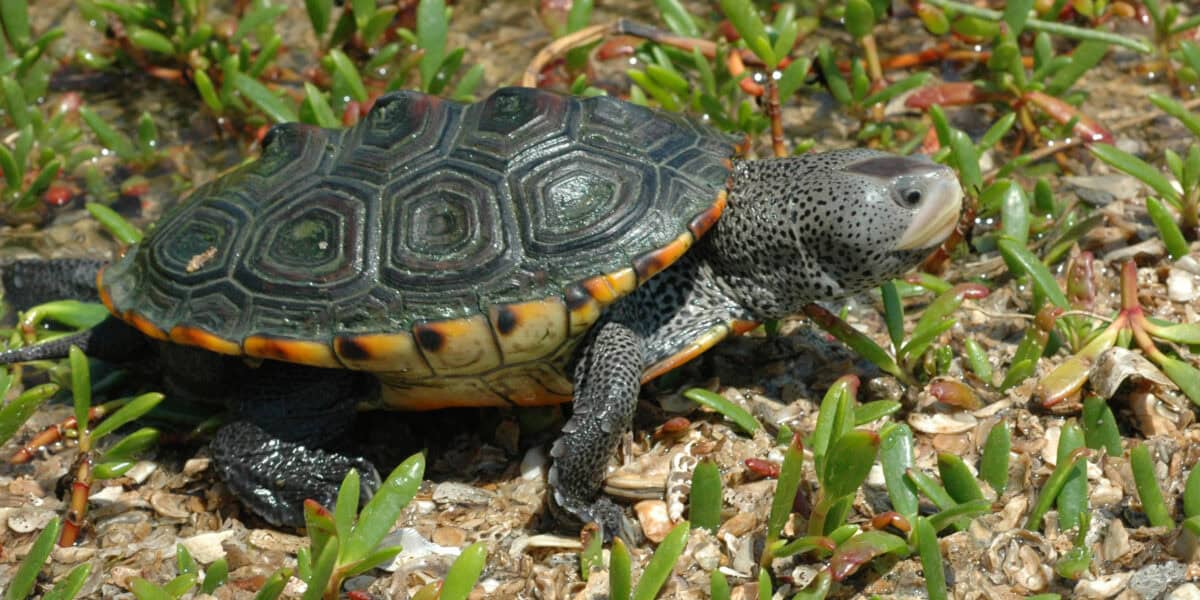
Jamaica Bay Wildlife Refuge hosts New York City’s only breeding population of diamondback terrapins, distinctive brackish-water turtles with diamond-patterned shells and speckled skin. Each summer, female terrapins emerge from the bay to lay their eggs in sandy areas, with a single turtle capable of laying up to 18 eggs per clutch. These elegant reptiles face numerous urban challenges, including habitat loss, road mortality while searching for nesting sites, and predation of eggs by raccoons and other animals. The Gateway National Recreation Area has implemented protective measures, including fencing to guide females safely across roads and monitoring programs to track population health. Historically harvested to near-extinction for turtle soup in the early 20th century, NYC’s terrapin population has gradually recovered but remains vulnerable. Volunteer-led terrapin monitoring programs engage local communities in conservation efforts, collecting valuable data while fostering public stewardship of these uniquely urban turtles.
Red-Tailed Hawks: NYC’s Celebrity Raptors
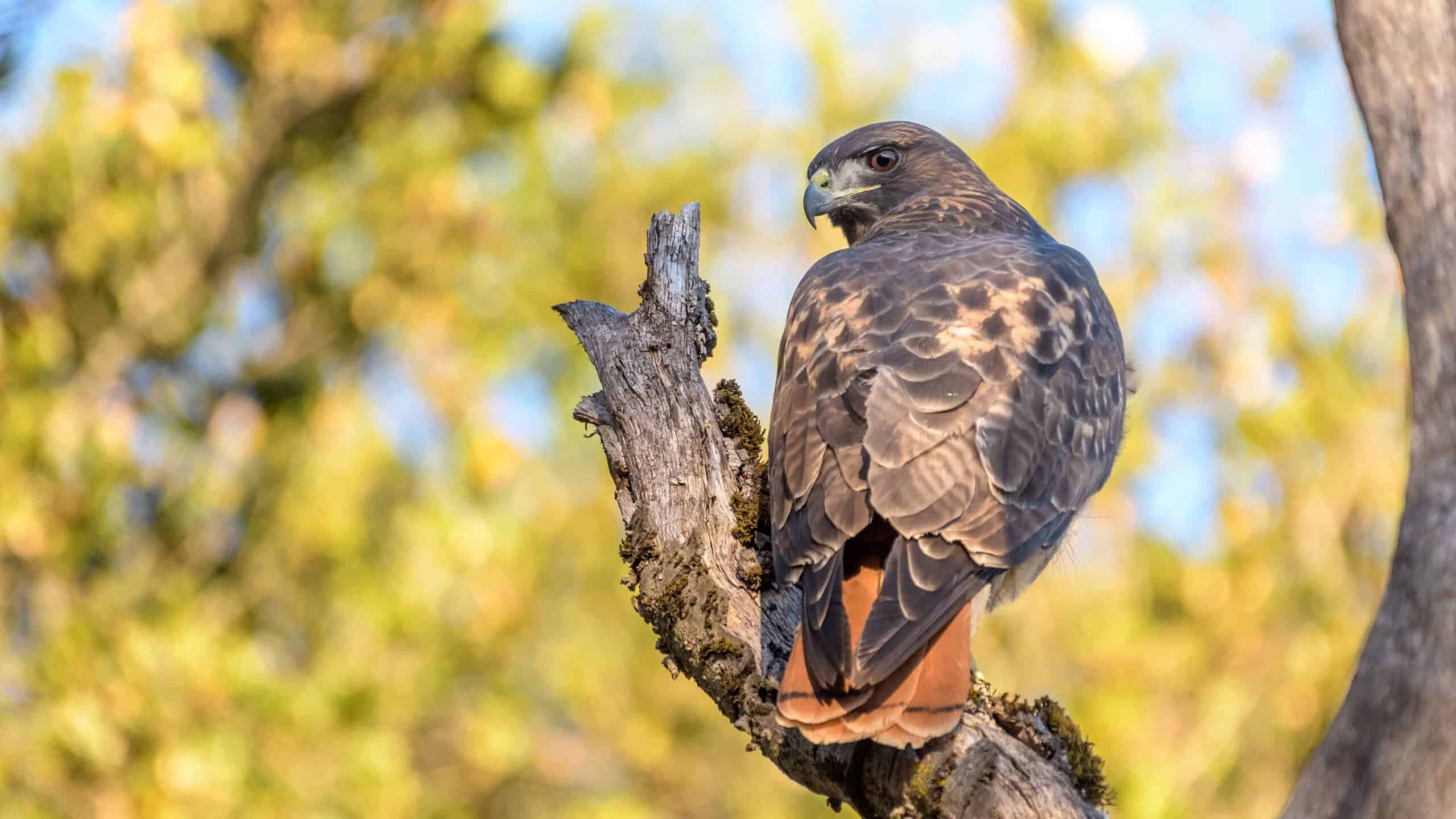
Red-tailed hawks have become some of New York City’s most famous wild residents, particularly following the saga of Pale Male, a hawk who established a nest on a Fifth Avenue luxury apartment building overlooking Central Park in the 1990s. Today, ornithologists estimate over 100 red-tailed hawks nest within city limits, adapting remarkably well to urban living. These powerful raptors build large stick nests on building ledges, water towers, and in large park trees, typically producing 2-3 chicks each spring. NYC’s hawks have adjusted their hunting techniques for urban prey, primarily targeting rats, pigeons, and squirrels—effectively providing natural rodent control services. Several hawk pairs have achieved local celebrity status, with dedicated webcams and social media accounts following their daily lives. The NYC Urban Raptor Study, a citizen science initiative, tracks hawk nesting sites throughout the five boroughs, documenting the ongoing success story of these adaptive predators in one of the world’s most developed urban environments.
The Unexpected Biodiversity of NYC
New York City’s wildlife extends far beyond the species highlighted here, with ongoing research revealing surprising biodiversity throughout the five boroughs. Recent biological surveys have documented over 2,000 species of plants and animals within city limits, including 350 bird species, 32 mammal species, and 24 reptile and amphibian species. This remarkable diversity exists despite centuries of intense urbanization, demonstrating nature’s resilience and adaptability. Much of this wildlife persists in the city’s 30,000 acres of parkland, but increasingly, researchers are finding species utilizing unexpected urban niches—from green roofs to abandoned lots to the margins of infrastructure. The NYC Parks Department’s WildlifeNYC initiative works to monitor and protect urban wildlife while promoting coexistence between human and animal residents. Citizen science programs like iNaturalist NYC engage thousands of residents in documenting wildlife sightings, creating a comprehensive picture of biodiversity across the urban landscape. As climate change and other pressures affect ecosystems worldwide, New York’s urban wildlife may offer important insights into adaptation and survival in altered environments.
New York City’s surprising wildlife presence reveals that the boundary between urban and wild is far more permeable than we often assume. From beavers engineering ecosystems in the Bronx to peregrine falcons diving from skyscrapers, these animals have found ways to adapt to and even thrive in one of the most intensely developed landscapes on Earth. Their persistence challenges our perception of cities as biological deserts and offers hope for conservation in an increasingly urbanized world. As New Yorkers become more aware of their wild neighbors, opportunities emerge for deeper connections to nature even within the context of city life. The wild heart beating within the concrete jungle reminds us that ecological relationships continue even in the most human-dominated environments, creating a complex and fascinating urban ecosystem worthy of both scientific study and simple appreciation.

- Fastest Fish in American Waters Identified - July 15, 2026
- How Ants Build Living Bridges - July 15, 2026
- Why Foxes Scream at Night—and What It Means - July 15, 2026