


In the depths of winter, when landscapes transform into pristine white wonderlands, a remarkable survival strategy unfolds within the fox community. The sight of a fox curled tightly into a ball, nestled in the snow, represents one of nature’s most elegant adaptations to harsh winter conditions. This behavior, both practical and endearing, has evolved over thousands of years to help these resourceful canids survive in some of Earth’s most challenging environments. Across the Northern Hemisphere, from the Arctic tundra to temperate forests, foxes employ this distinctive sleeping position not merely for comfort, but as a sophisticated thermal regulation strategy essential to their winter survival.
The Science Behind the Fox Ball

When a fox curls into its characteristic tight ball formation, it’s engaging in a scientifically sound thermoregulation strategy. This position minimizes the surface area exposed to cold air, significantly reducing heat loss. The fox tucks its nose and paws—areas with less fur coverage—under its bushy tail, which acts as a natural blanket. Research has shown that this position can preserve up to 30% more body heat compared to other resting postures. The physics behind this behavior is the same principle that explains why spherical objects retain heat more efficiently—they have the lowest possible surface area to volume ratio, making the ball shape ideal for conserving precious body warmth in sub-zero temperatures.
Different Fox Species, Similar Strategies
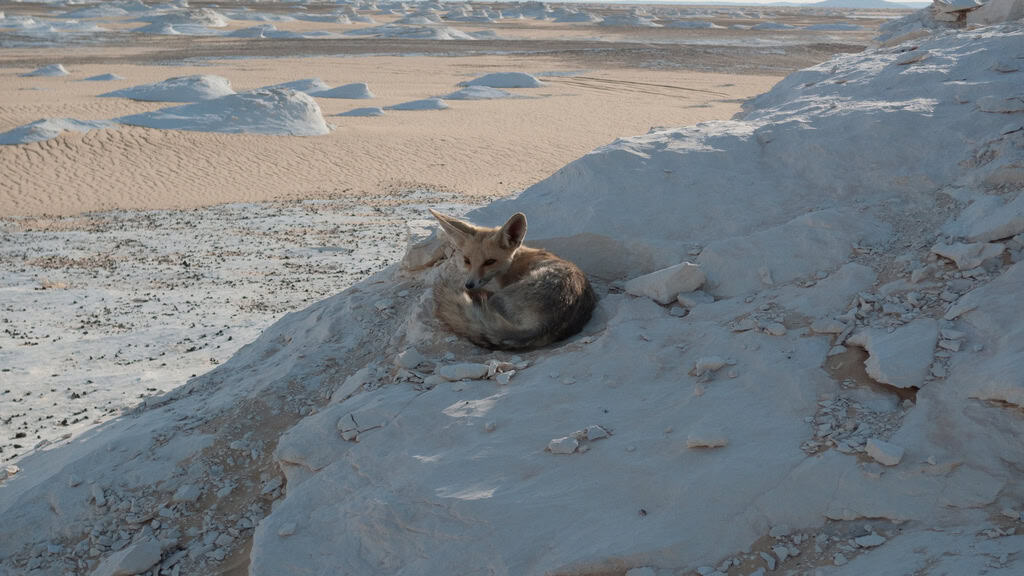
While the red fox (Vulpes vulpes) is perhaps the most recognizable practitioner of the snow-ball sleeping technique, this behavior is observed across multiple fox species adapted to cold climates. The Arctic fox (Vulpes lagopus) has perfected this technique to an art form, capable of surviving in temperatures as low as -70°F (-57°C). The gray fox (Urocyon cinereoargenteus) and kit fox (Vulpes macrotis) also employ similar strategies, though with variations suited to their respective habitats. Even the desert-dwelling fennec fox curls into a ball, though primarily to conserve moisture rather than heat. This convergent evolution across different fox species underscores the effectiveness of the ball-sleeping strategy as a survival mechanism in challenging environmental conditions.
The Role of the Tail
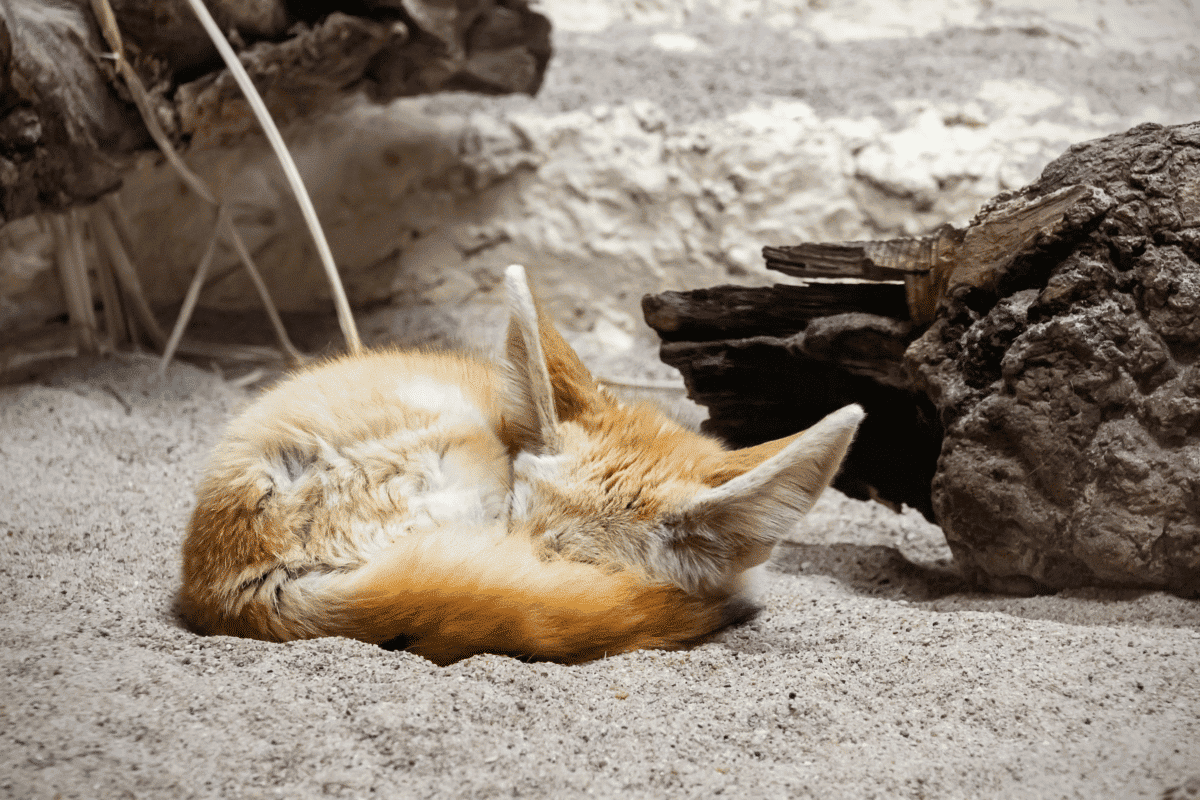
A fox’s bushy tail—often comprising up to one-third of its total body length—serves as the centerpiece of its winter sleeping strategy. When curled up, the tail wraps around the body like a customized insulating blanket, covering the nose, paws, and underbelly. This remarkable appendage contains a dense network of blood vessels that helps regulate body temperature. Additionally, the tail’s thick fur provides superior insulation compared to other body parts. Some fox species, particularly the Arctic fox, have tails with insulation properties comparable to high-quality winter clothing. When the fox wraps its tail around its body, it creates a microclimate that can be up to 40 degrees Fahrenheit warmer than the surrounding air, essentially turning the tail into a portable heating system.
The Perfect Snow Bed

Contrary to what might seem intuitive, foxes don’t avoid snow—they embrace it as an insulating material. When preparing to rest, foxes often dig shallow depressions in the snow, creating what biologists call “snow beds” or “snow nests.” These depressions serve two critical purposes: they shield the fox from wind, which is a major factor in heat loss, and they take advantage of snow’s natural insulating properties. Fresh snow contains trapped air pockets that provide remarkable insulation. The temperature within a properly constructed snow bed can be significantly warmer than the air above. Some observations have recorded temperature differences of up to 30 degrees Fahrenheit between the inside of a fox’s snow bed and the surrounding environment, demonstrating how these clever canids turn what seems like a hostile element into a protective shelter.
Metabolic Adaptations

The fox’s ball-sleeping position works in concert with seasonal metabolic adaptations. During winter, foxes undergo physiological changes that complement their behavioral strategies. Their metabolism slows slightly during rest periods, particularly when food is scarce, allowing them to conserve energy. This reduced metabolic rate, combined with their insulating sleeping position, creates an efficient energy conservation system. Unlike true hibernators, foxes remain active throughout winter, but they can enter a state of torpor during particularly harsh conditions, lowering their body temperature and heart rate slightly. Research has shown that a fox’s respiratory rate can decrease by up to 20% when curled tightly in its sleep ball, further preserving energy during the challenging winter months when calories are precious and difficult to obtain.
Weather Prediction and Sleeping Habits
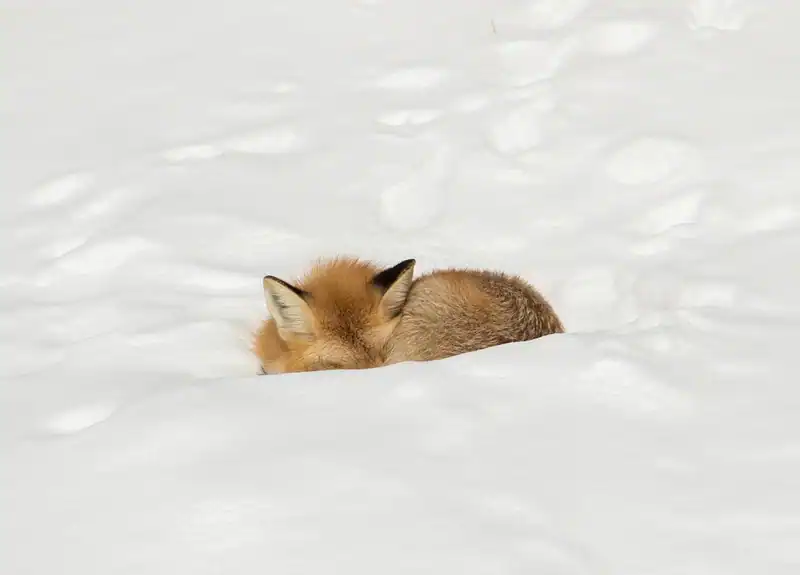
Foxes display remarkable sensitivity to weather patterns, often adjusting their sleeping behavior in anticipation of changing conditions. Wildlife biologists have observed that foxes tend to curl more tightly before storms or temperature drops, seemingly able to detect barometric pressure changes or other environmental cues that signal worsening weather. During steady cold conditions, foxes may sleep for extended periods of 8-10 hours, conserving energy when hunting would be less productive. However, during warming trends or just before major weather shifts, their sleep becomes lighter and more fragmented, with frequent position adjustments. This weather-responsive behavior highlights the fox’s adaptive intelligence and deep connection to environmental rhythms, allowing them to prepare for challenging conditions before they arrive.
Social Sleeping Arrangements

While foxes are often portrayed as solitary animals, their winter sleeping arrangements can involve social components that enhance survival. During particularly harsh weather, foxes—especially family members—may sleep in close proximity, creating collective heat islands in the snow. Young foxes from the same litter frequently sleep together in a pile, maximizing heat retention through shared body warmth. Adult foxes generally maintain individual sleeping balls but may position themselves near family members in communal dens. Research in several northern regions has documented family groups of 3-5 foxes sleeping in rough circular formations, each individual curled into its own ball but benefiting from the collective heat of the group. This social sleeping strategy provides thermal advantages while maintaining the independence characteristic of these adaptable predators.
Fur Adaptations for Winter Sleep

The fox’s winter sleeping strategy is enhanced by remarkable seasonal changes in their coat. As winter approaches, foxes undergo a process called hyperphagia, eating more to build fat reserves, while simultaneously growing a winter coat with approximately 30% more fur density than their summer pelage. This winter coat contains specialized guard hairs that are hollow, creating additional insulation similar to how fiberglass insulation works in buildings. The undercoat becomes particularly dense around the chest, neck, and tail—all critical areas when assuming the ball position. When curled up, these areas of enhanced insulation create a continuous thermal barrier. Specialized sebaceous glands increase production of natural oils that coat the fur, providing water resistance that prevents melting snow from penetrating to the skin and causing deadly heat loss. This sophisticated coat adaptation works in perfect synergy with the ball-sleeping position to create an extraordinarily efficient cold-weather survival system.
Regional Variations in Sleeping Behavior

Fox ball-sleeping behavior shows fascinating regional adaptations based on local climate conditions. Arctic foxes in the far north may remain in their tightly curled position for up to 20 hours during the darkest winter days, emerging only briefly to hunt. In contrast, red foxes in temperate forests adjust their curling tightness based on temperature fluctuations, loosening their ball position during milder days. Mountain-dwelling foxes, such as those in the Rockies or Alps, have developed particularly thick tail fur and tend to select snow beds on south-facing slopes to capitalize on available sunlight. Coastal foxes often choose sleeping locations that balance protection from oceanic winds with the moderating temperature effects of nearby water. These regional variations demonstrate the remarkable plasticity of fox behavior and their ability to fine-tune their sleeping strategies to perfectly match local environmental challenges.
The Vulnerable Moments of Uncurling
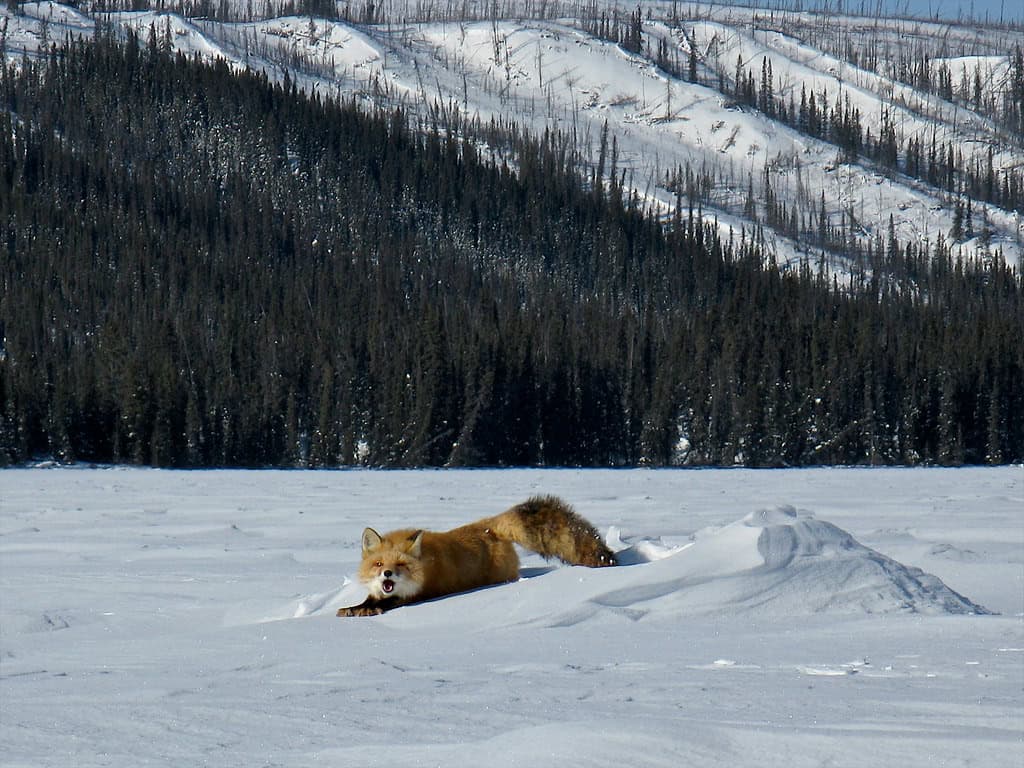
The transition from the tightly curled sleeping ball to an alert, ready-to-move state represents one of the most vulnerable periods in a fox’s winter day. As the fox uncurls, it experiences a rapid increase in exposed surface area, potentially losing significant body heat in just seconds. To manage this vulnerable transition, foxes have developed a graduated uncurling process that begins with increased respiration and subtle muscle contractions that generate heat before movement. They typically begin by slightly extending their front legs while keeping their tail wrapped around the body core, then gradually stretching while performing quick shivering motions that rapidly generate warmth. Observations have shown that foxes are particularly vigilant during this uncurling phase, frequently pausing to scan their surroundings, as their temporarily compromised thermal state coincides with reduced mobility—a dangerous combination in predator-rich environments. This carefully choreographed waking process highlights the precarious balance foxes maintain between energy conservation and survival readiness.
Photographing the Sleeping Fox Phenomenon

The image of a fox curled into a perfect ball amid pristine snow has become an iconic wildlife photography subject, though capturing it presents significant challenges. Wildlife photographers seeking this image must contend with extreme weather conditions, the fox’s natural wariness, and the ethical considerations of approaching resting wildlife. The most successful photographs typically come from remote camera setups or photographers who have spent weeks habituating specific fox families to their presence. The visual appeal of these images stems from the perfect geometrical contrast—the circular fox against linear snowfall or wind-sculpted drifts. Some of the most renowned images have emerged from places like Hokkaido, Japan, where red foxes curl up during snowstorms, and the Canadian Arctic, where white Arctic foxes create nearly perfect circles against the blue shadows of snow. These photographs have done much to increase public appreciation for fox adaptations and raise awareness about protecting the winter habitats these remarkable animals depend upon.
Cultural Significance of the Sleeping Fox
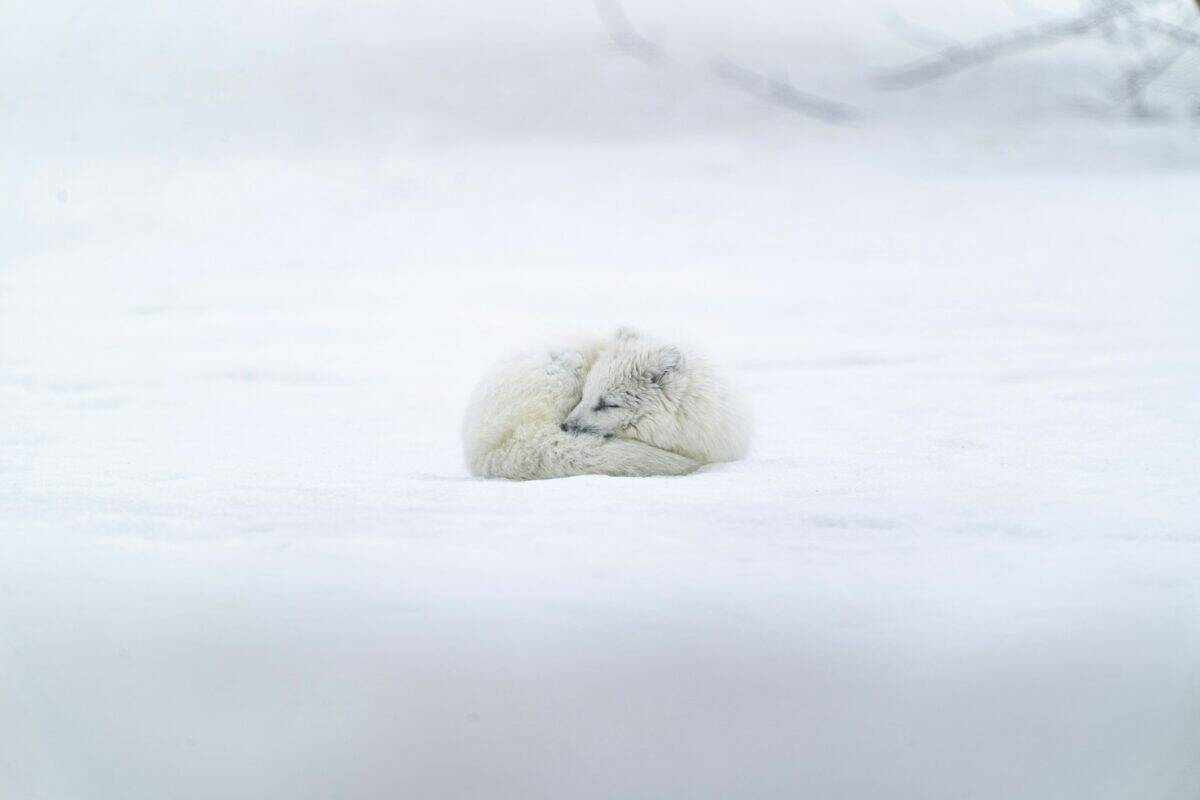
The image of the fox curled in snow has permeated cultural expressions across northern societies for centuries. In Japanese folklore, sleeping foxes (kitsune) are believed to dream of ways to transform and interact with the human world. Inuit traditions speak of the “fox circle” as a symbol of resourcefulness and adaptation, qualities highly valued in Arctic cultures. European fairy tales frequently feature the sleeping fox as a symbol of patient cunning—appearing vulnerable while remaining aware. In modern times, the sleeping snow fox has become a popular motif in winter-themed art, appearing on everything from holiday cards to high-end nature photography collections. The universal appeal of this image seems to transcend cultural boundaries, perhaps because it represents the perfect visual metaphor for resilience in the face of adversity—a small, warm life force persisting amid the stark challenge of winter, protected only by its own adaptations and intelligence.
The fox’s ability to transform itself into a living sphere of warmth amid the snow represents one of nature’s most elegant solutions to the challenge of winter survival. This behavior, refined over thousands of years of evolution, combines physical adaptations, behavioral flexibility, and remarkable ecological awareness into a survival strategy that continues to fascinate scientists and nature enthusiasts alike. As climate change alters winter patterns across the Northern Hemisphere, researchers are closely monitoring how fox populations adapt their sleeping strategies to less predictable snow conditions and temperature fluctuations. Despite these challenges, the fundamental effectiveness of the fox’s ball-sleeping technique ensures it will remain a key survival strategy. The image of the sleeping fox—perfectly curved, tail wrapped precisely, nestled in its snow depression—serves as a powerful reminder of nature’s ingenuity and the remarkable adaptations that allow wildlife to thrive in even the most challenging environments on Earth.

- What It Means When Dolphins Play With Seaweed - July 23, 2026
- How Sea Turtles Navigate Thousands of Miles - July 23, 2026
- How Termites Build Ventilated Mounds Without Technology - July 23, 2026