


In the vast and mysterious depths of our oceans, extraordinary creatures have evolved remarkable adaptations for survival. Perhaps none are more fascinating than the diverse array of marine animals that function without a brain as we typically understand it. While humans and many other animals rely on a centralized brain to process information and coordinate bodily functions, these brainless sea creatures have developed alternative biological systems that allow them to thrive in their environments. From ancient jellyfish to peculiar sea sponges, these organisms challenge our understanding of what constitutes life and consciousness. Their existence raises profound questions about the nature of intelligence and the different evolutionary paths that life can take. This article explores these remarkable brainless wonders of the deep, examining how they navigate, feed, reproduce, and survive without what we consider a vital organ.
Understanding Brainless Biology
Before delving into specific creatures, it’s important to understand what it means to be “brainless” in biological terms. A brain is typically defined as a centralized mass of neural tissue that serves as the primary control center for an organism’s nervous system. However, many simpler animals function without this centralized control system, instead utilizing decentralized nerve nets, simple ganglia (clusters of nerve cells), or even no nervous system at all.
These alternative biological systems allow brainless creatures to respond to their environment, find food, avoid predators, and reproduce successfully. Their existence demonstrates that evolution has found multiple solutions to the challenges of survival, and a centralized brain is just one of many possible adaptations. Some of these organisms have existed for hundreds of millions of years, predating even the earliest brains, and their continued success proves the effectiveness of their alternative biological organization.
Jellyfish: Ancient Masters of Brainless Existence
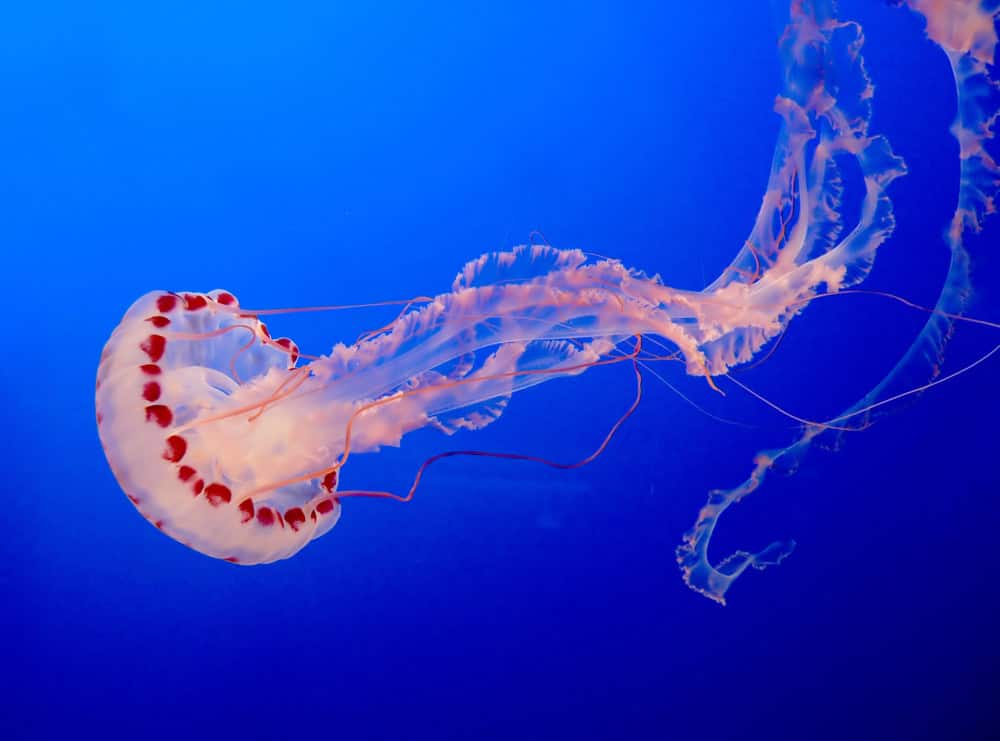
Jellyfish are perhaps the most recognized brainless sea creatures, having thrived in Earth’s oceans for at least 500 million years. These mesmerizing animals belong to the phylum Cnidaria and lack not only brains but also hearts, bones, and even true centralized nervous systems. Instead, jellyfish possess a simple nerve net—a diffuse network of nerves that can detect basic sensory information from their environment and coordinate responses.
This nerve net allows jellyfish to respond to touch, light, orientation, and chemicals in the water. Despite their simplicity, jellyfish can perform complex behaviors such as directed swimming, predator avoidance, and sophisticated feeding strategies. Some species even have rudimentary sensory structures called rhopalia that contain balance organs and primitive light-sensing capabilities. The box jellyfish, for example, has 24 eyes of four different types, allowing it to navigate through murky waters despite lacking a central processing organ.
Sea Sponges: Life Without Neurons

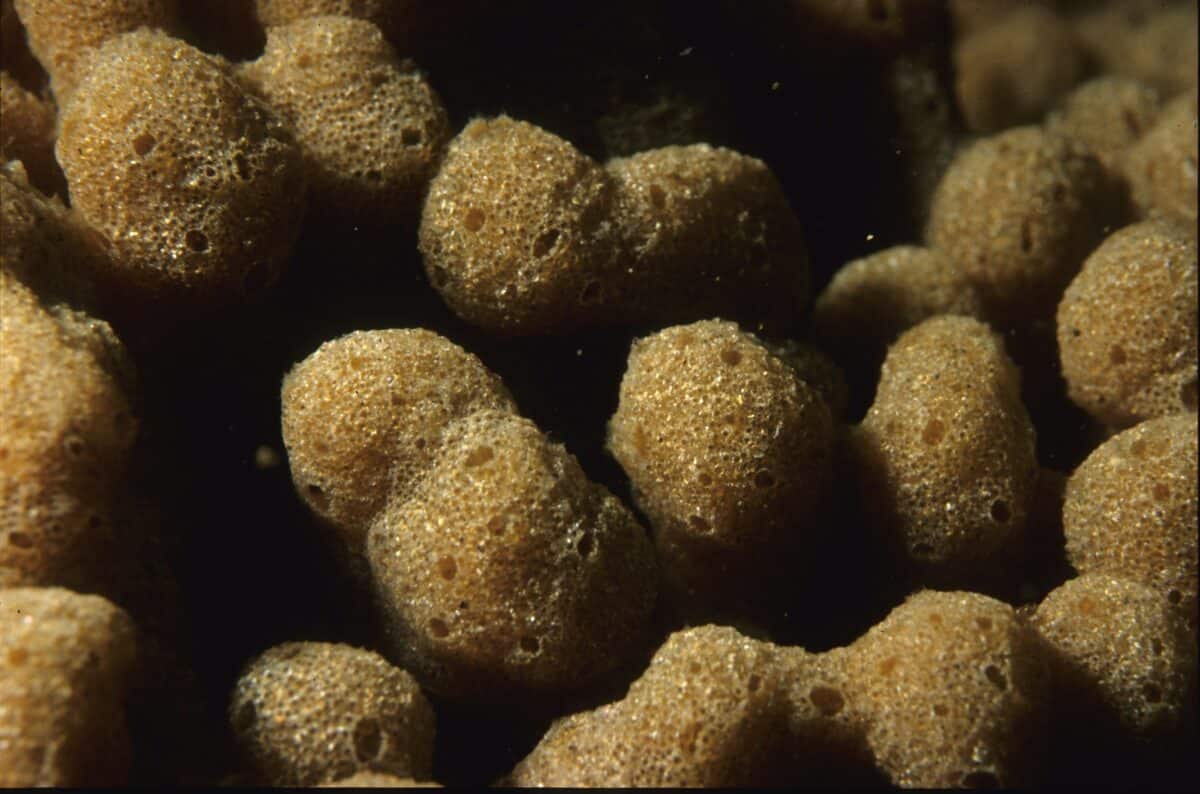
Sea sponges (phylum Porifera) take brainless existence to an even more extreme level than jellyfish. These ancient organisms not only lack a brain but have no nervous system whatsoever—no neurons, no nerve net, nothing that resembles neural tissue. As some of the oldest animal lineages on Earth, dating back over 600 million years, sponges represent a fascinating glimpse into early animal evolution before the development of nervous systems.
Despite this seemingly extreme limitation, sponges have successfully colonized diverse marine environments worldwide. They respond to their environment through direct cell-to-cell communication and chemical signaling. Sponges can filter water for food, respond to physical stimulation by closing their pores (oscula), and even distinguish between their own cells and foreign material. Some species can even move slowly across surfaces or contract their bodies when disturbed, all without a single neuron to coordinate these actions. This remarkable capability demonstrates that complex behavior doesn’t necessarily require a complex nervous system.
Sea Stars: Decentralized Control Systems
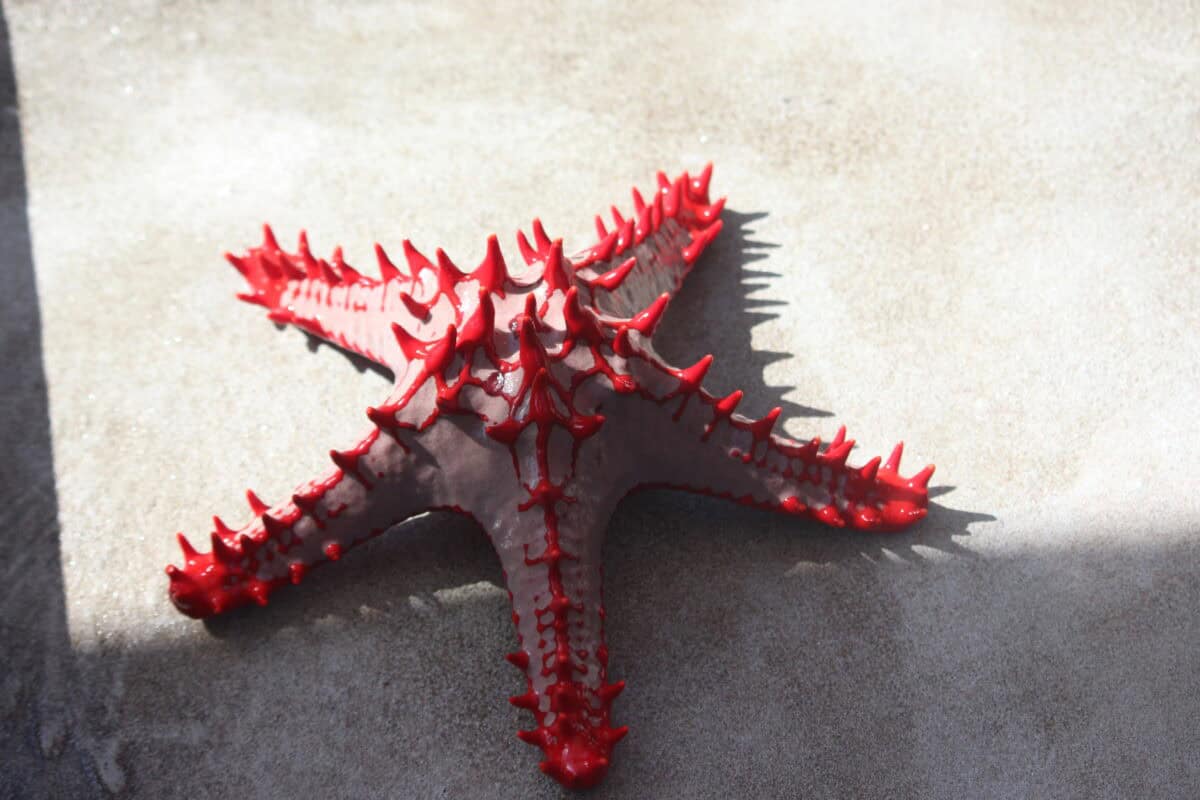
Sea stars (or starfish) belong to the phylum Echinodermata and represent another fascinating example of brainless marine life. Rather than having a centralized brain, sea stars possess a radial nerve ring around their mouth and nerve cords extending into each arm. This decentralized nervous system allows each arm to function somewhat independently while still coordinating with the whole organism. If an arm is severed, it can continue to move and respond to stimuli on its own, and many species can regenerate lost arms.
This unique nervous system architecture enables sea stars to perform surprisingly complex behaviors. They can navigate their environment, locate prey through chemoreception, coordinate the movement of hundreds of tube feet to travel and pry open shellfish, and even engage in sophisticated hunting strategies. Some species can evert their stomachs outside their bodies to digest prey externally. All these complex behaviors occur without the benefit of a centralized brain, challenging our assumptions about what types of nervous system organization are necessary for complex behaviors.
Sea Urchins: Sophisticated Simplicity
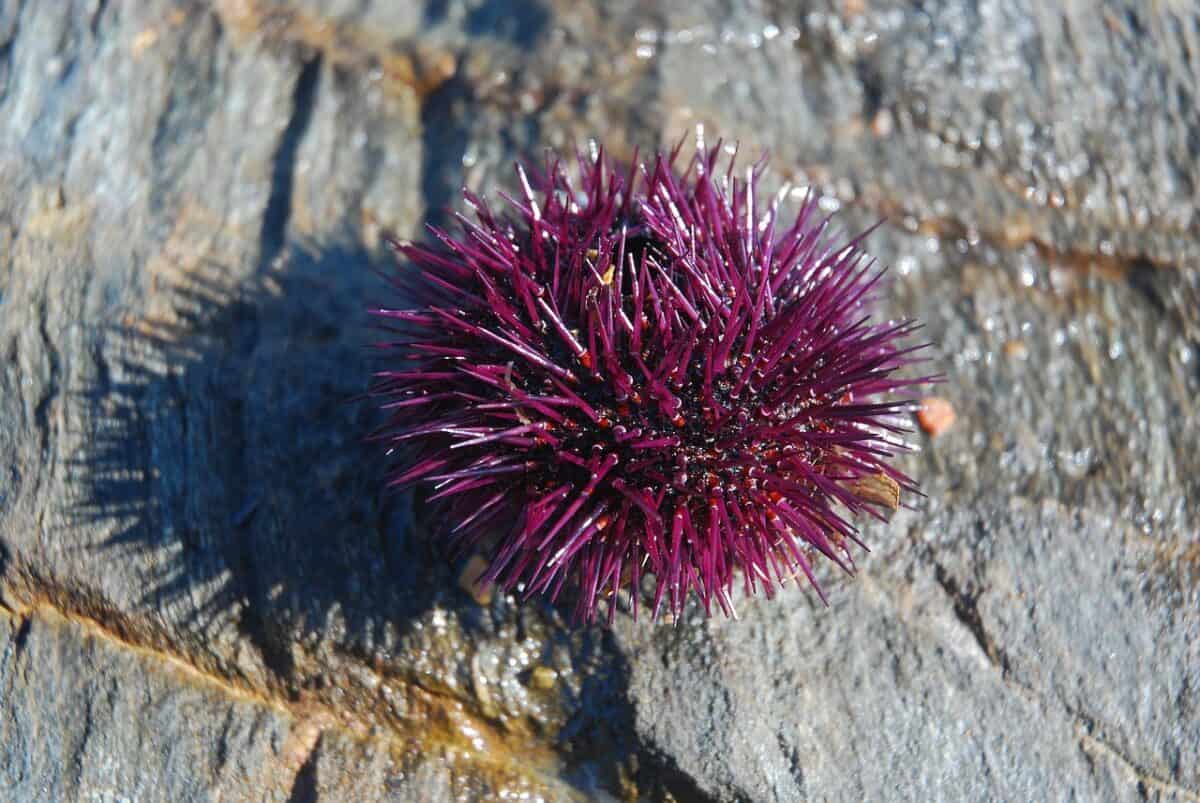
Closely related to sea stars, sea urchins are another group of echinoderms that function without a centralized brain. These spiny, globular creatures possess a nerve ring around their mouth with radial nerves extending outward, similar to their starfish cousins. What makes sea urchins particularly fascinating is their ability to demonstrate learning and memory despite lacking a brain. Research has shown that sea urchins can learn to associate certain stimuli with food rewards and retain this information over time.
Sea urchins also exhibit remarkable coordination of their numerous tube feet and spines, allowing them to move efficiently across the ocean floor, defend themselves against predators, and even create protective shelters by covering themselves with shells and rocks. Some species have specialized jaw-like structures called Aristotle’s lanterns that they use to scrape algae from rocks and chew through various foods. The precise control of these complex structures—all without a centralized command center—demonstrates the remarkable capabilities of decentralized nervous systems.
Sea Cucumbers: Brainless Survival Specialists
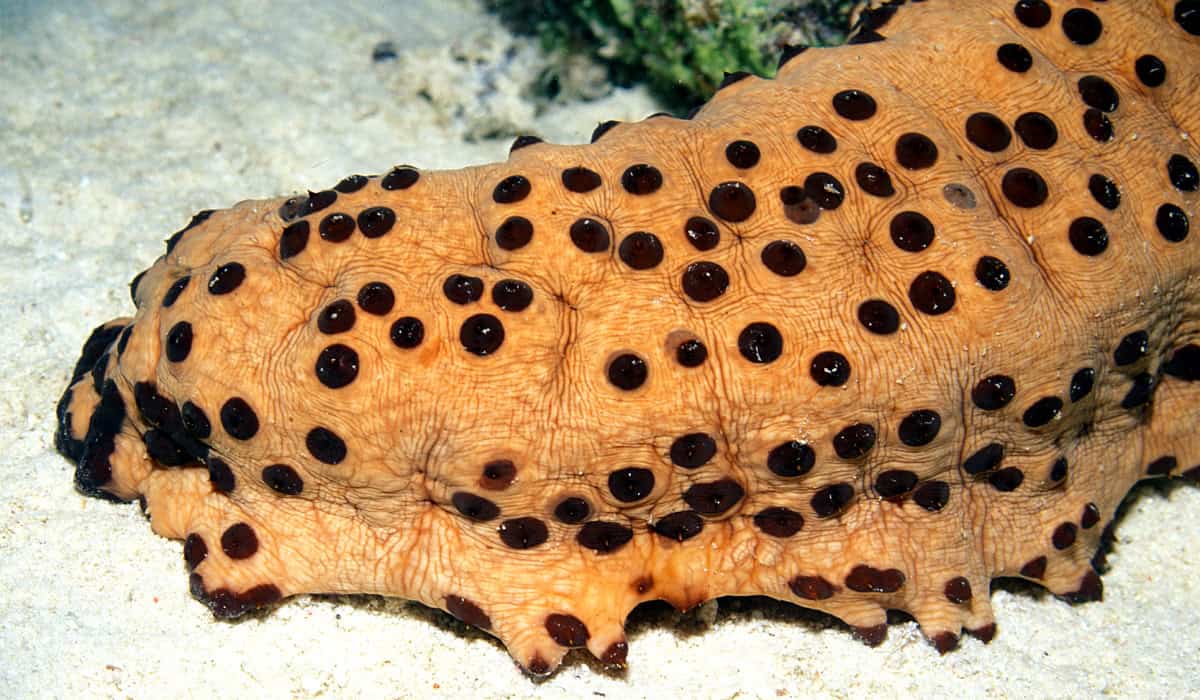
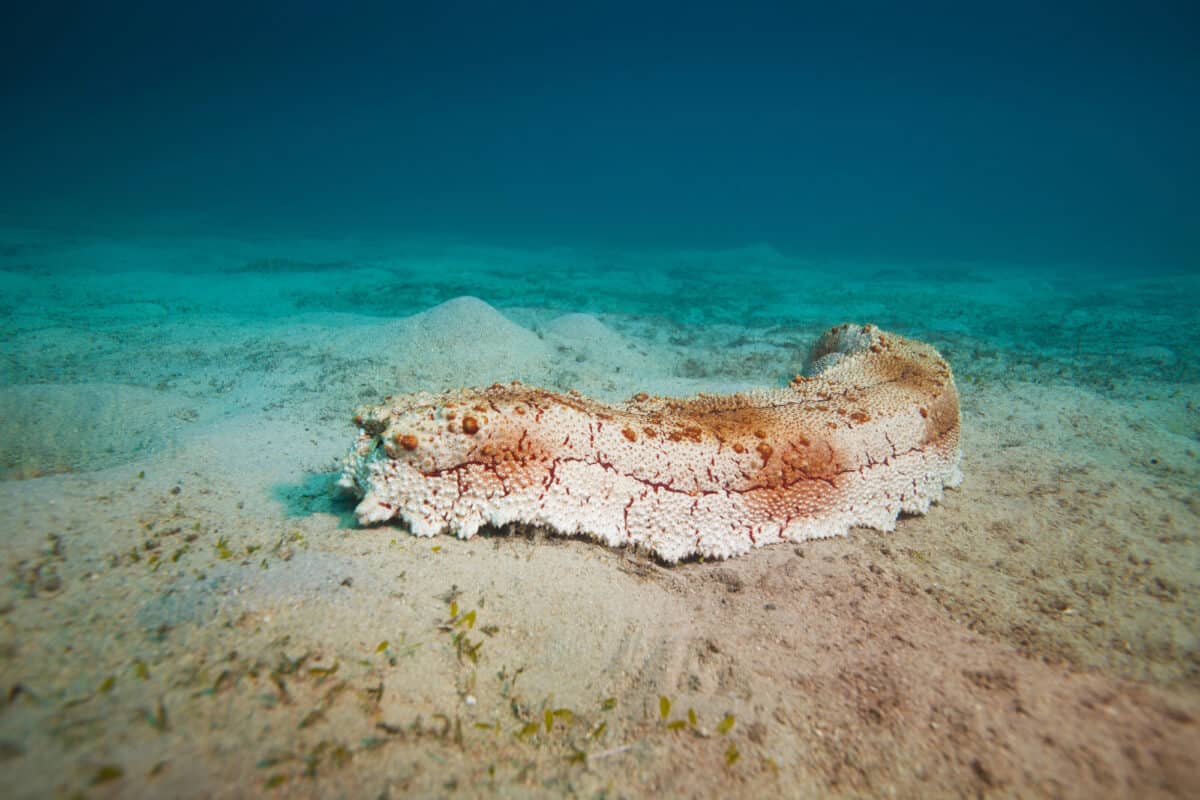
Sea cucumbers, also echinoderms, are soft-bodied marine animals that have developed extraordinary survival strategies despite lacking a brain. Like their echinoderm relatives, they possess a nerve ring around their mouth with radial nerves extending through their bodies. What makes sea cucumbers particularly fascinating is their array of defense mechanisms. When threatened, some species can expel their internal organs (evisceration) as a distraction before regenerating them later—a complex process coordinated without centralized neural control.
Others can transform their body consistency from solid to liquid-like, allowing them to squeeze through tiny cracks and crevices. Some tropical species even eject sticky threads (Cuvierian tubules) to entangle predators. Sea cucumbers also play a crucial ecological role as ocean cleaners, processing sediment through their gut and returning cleaner sand to the environment. Their digestive systems can break down organic matter that other animals cannot, all coordinated by their simple nervous system rather than a brain.
Corals: Colonial Intelligence Without Brains
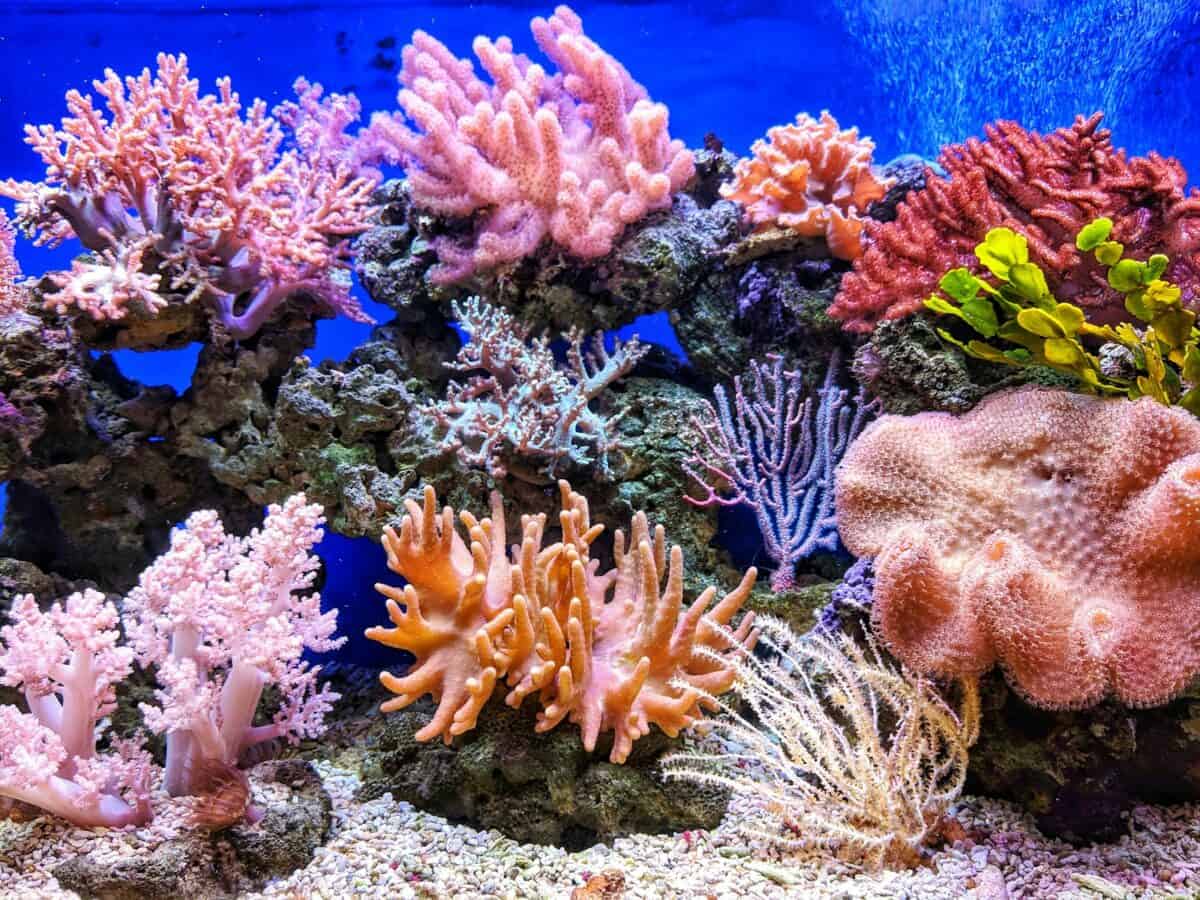
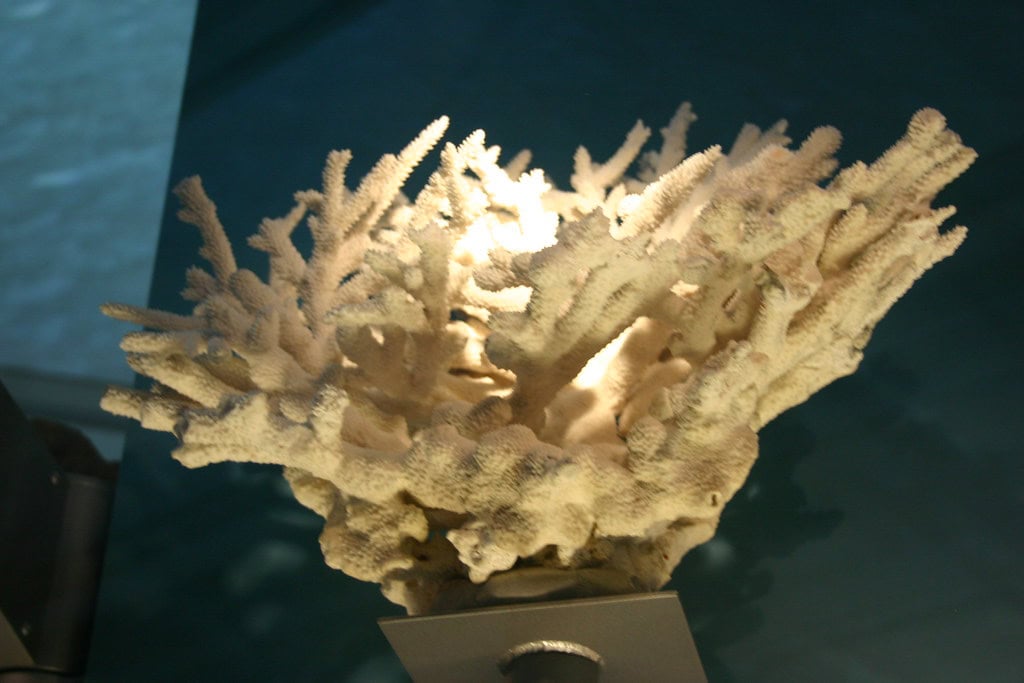
Corals are colonial organisms composed of thousands of individual polyps, each similar to a tiny sea anemone. Like other cnidarians, coral polyps lack a centralized brain but possess a simple nerve net that allows them to respond to their environment. What makes corals remarkable is how these brainless individuals create complex colonial structures that can dominate marine ecosystems and build massive reef systems visible from space.
Individual coral polyps coordinate their activities to capture prey, defend against predators, and reproduce. Some species can even coordinate mass spawning events, releasing gametes simultaneously across vast reef systems on specific nights of the year, typically tied to lunar cycles. This synchronization across miles of reef, involving billions of individual brainless polyps, represents one of nature’s most spectacular coordination events. The coral reef itself can be viewed as a kind of distributed intelligence, with each polyp playing its role in maintaining the greater colony without any centralized control system.
Sea Anemones: Brainless Predators
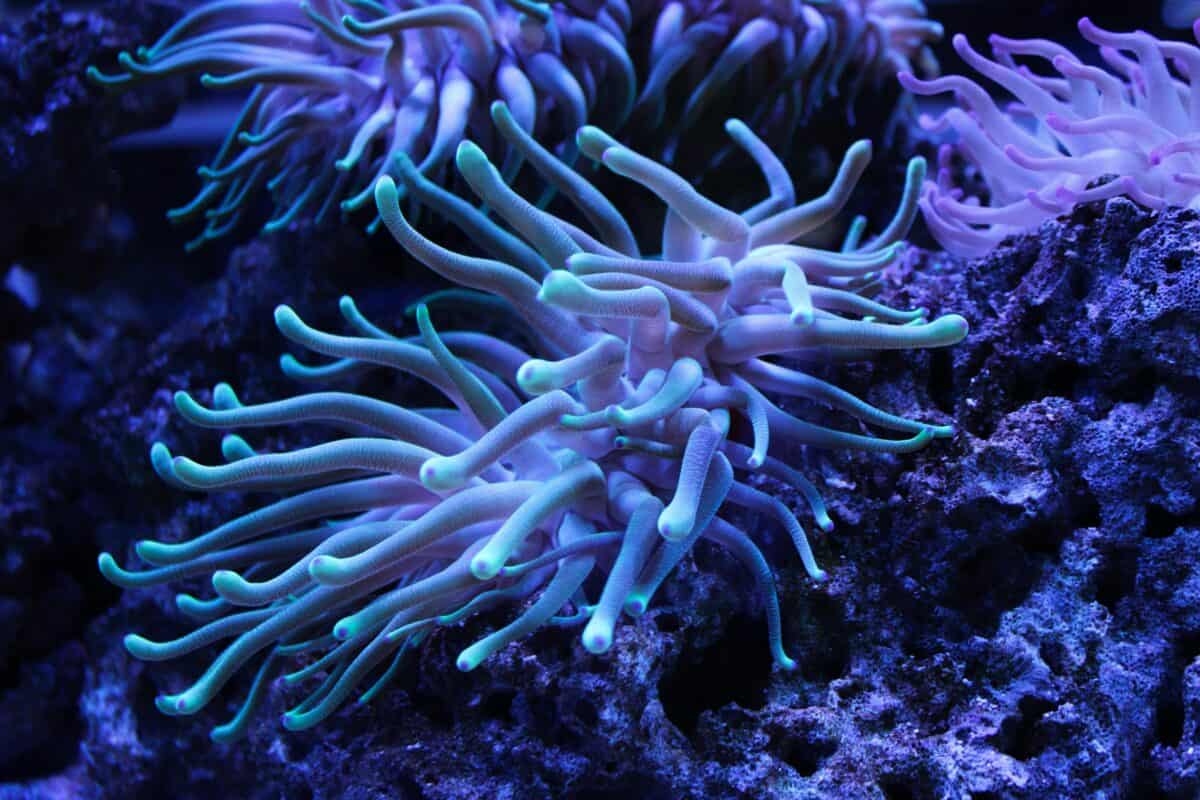
Sea anemones are cnidarians related to jellyfish and corals, lacking a brain but possessing a simple nerve net that allows them to coordinate their tentacles and body column. Despite this simple nervous system, sea anemones are effective predators, capturing fish and other marine organisms with their stinging tentacles. They can respond to touch, chemical signals, and light, and some species form symbiotic relationships with clownfish or hermit crabs.
Particularly fascinating is how sea anemones can “decide” when to release their powerful stinging cells (nematocysts). They can distinguish between prey, predators, and neutral stimuli, preserving their stinging resources for appropriate targets. Some species can even detach from their substrate and slowly “walk” to a new location if conditions become unfavorable. Others engage in aggressive territorial behavior against neighboring anemones. All these complex behaviors are coordinated through their diffuse nerve net rather than a centralized brain, demonstrating how alternative neural architectures can support sophisticated behaviors.
Comb Jellies: Ancient Alternative to Brains

Comb jellies (ctenophores) represent one of the oldest animal lineages on Earth and offer a fascinating case study in brainless existence. Unlike jellyfish, which they superficially resemble, comb jellies belong to a completely different phylum (Ctenophora) and have evolved a unique nervous system. Rather than a centralized brain, they possess a diffuse nerve net with a slightly more concentrated nerve ring around their mouth. What makes comb jellies particularly interesting to scientists is that their nervous system appears to have evolved independently from all other animals.
These beautiful, translucent creatures propel themselves through the water using rows of cilia (comb rows) that refract light, creating rainbow-like patterns. They are voracious predators, using sticky cells called colloblasts to capture prey. Some species can produce bioluminescence, creating stunning light displays in the deep sea. Remarkably, comb jellies have sophisticated balance organs and can rapidly repair damaged tissue. Recent research suggests they may have been the first animals to evolve neurons, developing a unique type of neural system separate from the evolutionary path that led to brains in vertebrates and other complex animals.
Tunicates: Brainless Adult, Brained Larvae
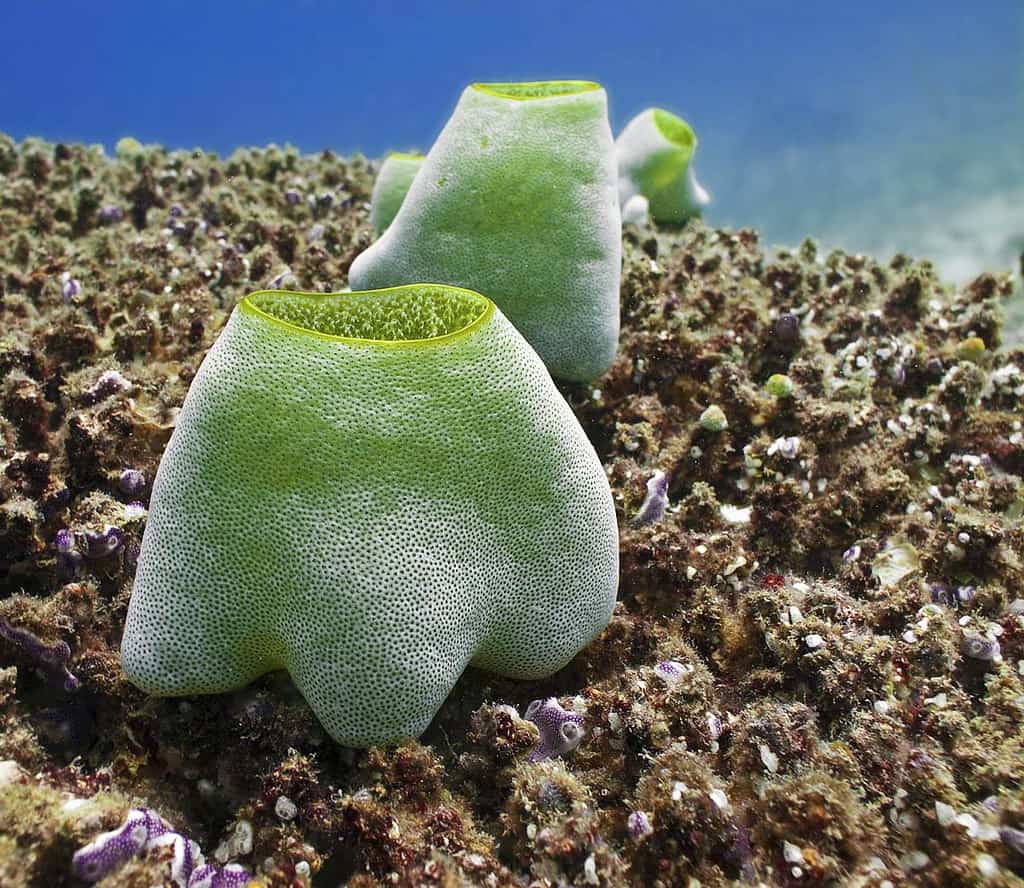
Tunicates, also known as sea squirts, present a fascinating case in the discussion of brainless sea creatures. These animals begin life as free-swimming larvae with a primitive brain-like structure called a cerebral vesicle, complete with a notochord (a precursor to a spine) and a nerve cord. At this stage, they somewhat resemble tiny tadpoles. However, in one of nature’s most dramatic metamorphoses, when a tunicate larva finds a suitable spot to settle, it attaches itself headfirst to the substrate and undergoes a remarkable transformation.
During this metamorphosis, the tunicate absorbs its own tail, notochord, and cerebral vesicle, essentially “eating its own brain.” The adult tunicate bears little resemblance to its larval form, becoming a sessile filter feeder with a simple nerve ganglion rather than a brain. This dramatic regression has led to the famous quip that the sea squirt “eats its brain and settles down to a life of quiet contemplation.” Despite this simplification, adult tunicates can still perform complex functions such as filtering water for food, reproducing sexually, and responding to environmental changes—all without the benefit of a true brain.
Placozoans: The Simplest Animals
Placozoans represent perhaps the simplest free-living animals known to science, with Trichoplax adhaerens being the most studied species. These tiny, flat organisms (typically less than 3mm across) lack not only brains but also muscles, internal organs, and even distinct tissues. Their body consists of just a few thousand cells arranged in three layers, yet they move, feed, and reproduce successfully. Placozoans glide along surfaces using the beating of cilia on their ventral (bottom) surface.
Despite their extreme simplicity, placozoans exhibit directed behavior. They can detect food sources, move toward them, and secrete digestive enzymes to break down food externally before absorbing the nutrients. They can change direction when they encounter obstacles and avoid negative stimuli. Remarkably, they can even reproduce both sexually and asexually. All this occurs without neurons or any recognizable nervous system. Instead, they likely use direct cell-to-cell signaling and possibly hormonal communication to coordinate their activities. These animals provide valuable insights into the minimal cellular requirements for animal life and behavior.
Conclusion: Evolutionary Significance of Brainless Sea Creatures
The diverse array of brainless sea creatures offers profound insights into evolutionary biology and neuroscience. These organisms demonstrate that brains are not a prerequisite for successful animal life—many alternative biological solutions exist for sensing, responding to the environment, and coordinating complex behaviors. The continued success of these ancient lineages challenges our brain-centric view of animal intelligence and capability, suggesting that we should broaden our understanding of what constitutes biological intelligence.
Studying these brainless organisms also provides valuable glimpses into early animal evolution. Many of these creatures, such as sponges, ctenophores, and cnidarians, represent some of the earliest branches of the animal tree of life. By examining how they function without brains, scientists can better understand the evolutionary pressures that eventually led to the development of centralized nervous systems in other lineages. These creatures remind us that evolution is not a linear march toward complexity but rather a branching process that has produced many successful solutions to life’s challenges. Their continued existence in our oceans is a testament to the effectiveness of their alternative biological organizations.

From exploring the marine wonders in the Azores and witnessing the vast savannas of Kenya, to delving deep into the rich biodiversity of South Africa and traversing iconic landscapes in Australia and the US like Yellowstone, Chris's experiences are vast.
With a penchant for diving alongside sharks, the ocean holds a special place in his heart.
Through his academic insights, he champions wildlife conservation, striving with 'Animals Around The Globe' to cultivate a profound connection between humans and animals, enhancing our mutual appreciation.
Connect with him at Feedback@animalsaroundtheglobe.com.