

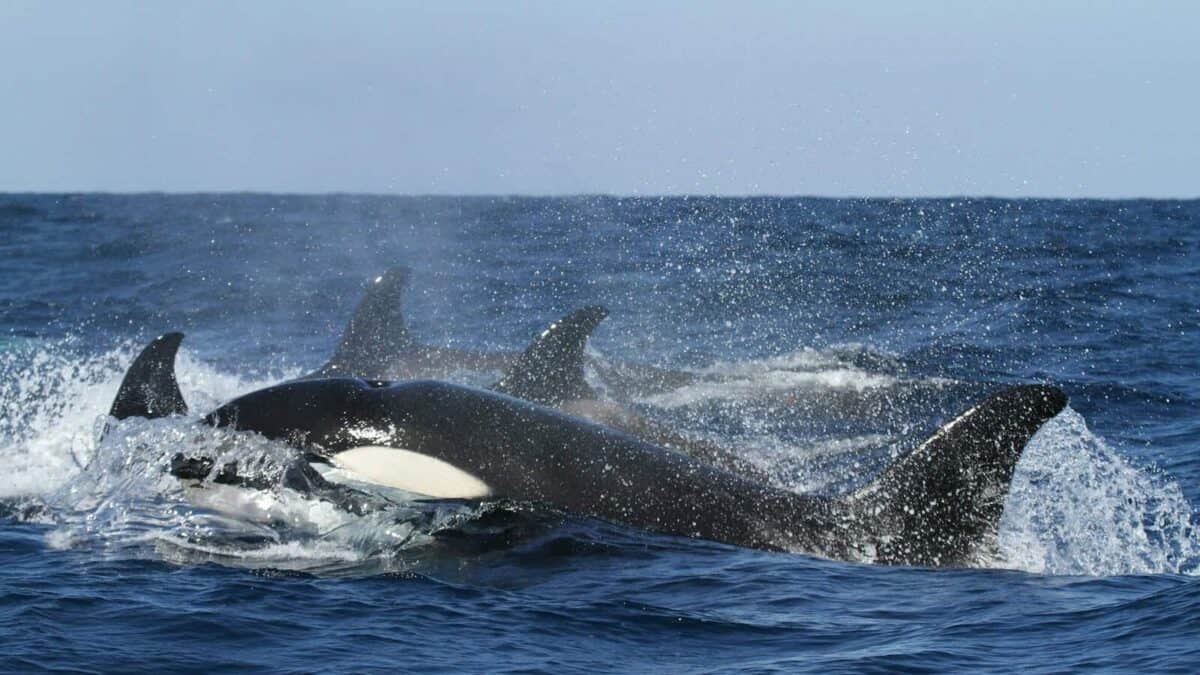
Beneath the waves of our planet’s oceans lives one of nature’s most intelligent, social, and formidable predators—the killer whale or orca (Orcinus orca). Far from being mere instinct-driven animals, these magnificent marine mammals exhibit astonishingly complex social behaviors that mirror human societies in surprising ways. From distinctive cultural practices passed down through generations to regional dialects that vary between pods, and hunting strategies that demonstrate both problem-solving intelligence and coordinated teamwork, killer whales have fascinated marine biologists and challenged our understanding of animal cognition. Their sophisticated social structures and behaviors reveal a depth of cultural complexity once thought to be uniquely human, making them one of the most intellectually and socially advanced non-human species on Earth. This exploration into the world of killer whales unveils how these apex predators have developed rich cultural traditions, distinct communication systems, and hunting tactics that showcase their remarkable intelligence and adaptability.
The Cultural Lives of Killer Whales
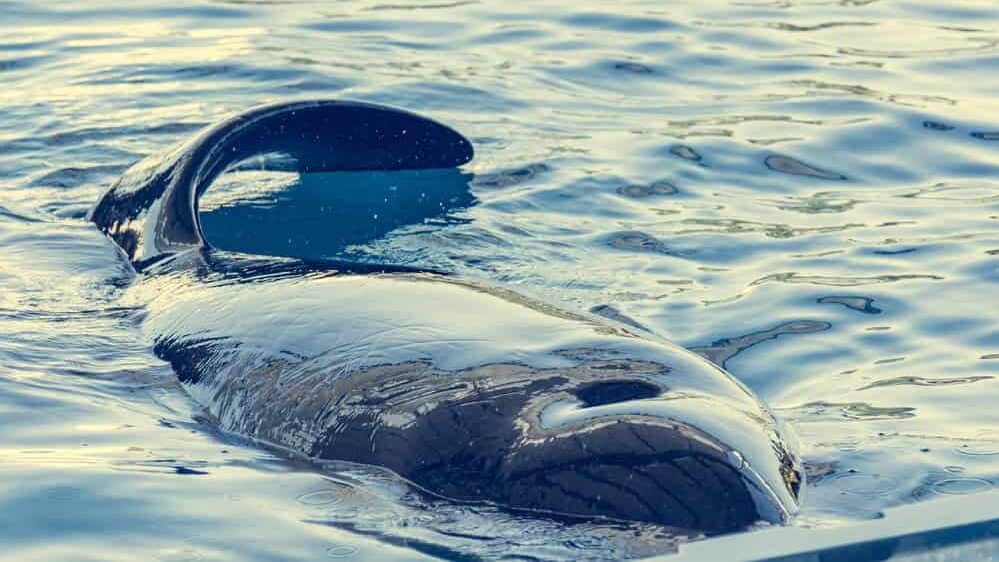
Killer whales demonstrate one of the most sophisticated cultural systems found in any non-human species. Culture, defined as behaviors and knowledge transmitted through social learning rather than genetics, flourishes in orca communities. Different pods around the world have developed distinct practices, preferences, and traditions that are passed down through generations through observation and teaching. These cultural differences are not simply minor variations but represent significant distinctions in how different groups live, communicate, and hunt.
Scientists have documented numerous examples of cultural transmission among killer whales. For instance, some pods specialize in hunting seals by intentionally beaching themselves on shorelines, while others have learned to create waves to wash seals off ice floes. In the waters off New Zealand, certain orca groups have developed techniques for hunting rays by flipping them over to induce tonic immobility. These complex behaviors aren’t instinctual—young whales observe their elders performing these techniques and practice them repeatedly, gradually refining their skills through social learning. This cultural knowledge becomes an essential part of each pod’s identity and survival strategy, demonstrating how killer whales have developed cultural systems comparable in some ways to human societies.
Resident vs. Transient Orcas: Cultural Distinctions

One of the most striking examples of cultural diversity among killer whales can be observed in the differences between resident and transient (or Bigg’s) orcas in the North Pacific. These two types of orcas inhabit the same waters but maintain completely different lifestyles, diets, and social structures—essentially living as culturally distinct societies despite their genetic similarity. Resident orcas primarily feed on fish, particularly salmon, and live in large, stable family groups that can include three or four generations. They are highly vocal, using a rich repertoire of calls to maintain contact with pod members while hunting and socializing.
In stark contrast, transient orcas specialize in hunting marine mammals such as seals, sea lions, and even other whale species. They travel in smaller, more fluid groups and are remarkably silent when hunting, using stealth to avoid alerting their acoustically sensitive prey. These two ecotypes rarely interact and do not interbreed despite sharing the same waters—a separation maintained not by physical barriers but by cultural differences. This phenomenon, known as cultural sympatry, demonstrates how cultural preferences can create significant behavioral boundaries similar to those seen in human societies, making killer whales one of the few animal species to exhibit such pronounced cultural differentiation.
Orca Dialects: The Acoustic Fingerprints of Pods

Among the most fascinating aspects of killer whale culture is their sophisticated vocal communication system, which includes distinct dialects that vary between different pods. These dialects function somewhat like human accents or language variations, with each family group possessing a unique acoustic signature. Researchers have identified specific call patterns that remain consistent within pods but differ significantly between them, even when pods inhabit the same geographical area. These vocalizations are so distinct that researchers can identify specific pods simply by listening to their calls, much as humans might recognize different accents.
These vocal dialects are learned rather than inherited, with young orcas adopting the specific call patterns of their natal pod through a process of vocal learning. Studies have shown that closely related pods often share similar call repertoires, creating what scientists call “vocal clans.” Over time, these dialects gradually evolve and change, but remain distinct enough to maintain group identity and potentially serve as a mechanism for group recognition. This sophisticated communication system provides evidence of cultural transmission and may help explain how orcas maintain complex social structures and cooperative behaviors across generations. The development and maintenance of these dialects represent one of the clearest examples of cultural learning in the animal kingdom.
Teaching and Learning: Knowledge Transfer in Orca Society

Killer whales exhibit remarkable teaching behaviors that facilitate the transmission of crucial survival skills and cultural practices to younger generations. Unlike many species that rely primarily on instinct or simple observation, orcas engage in active teaching—a behavior once thought to be uniquely human. Experienced adults have been observed deliberately slowing down or modifying their behaviors when young calves are present, seemingly to demonstrate complex hunting techniques. In some pods, mothers will intentionally beach themselves on shorelines to show their calves how to hunt seals, even when they aren’t hungry themselves, suggesting a deliberate educational purpose.
This knowledge transfer extends beyond hunting to include migration routes, feeding grounds, and social protocols. Young orcas spend years learning from their mothers and other pod members before becoming proficient at complex tasks. In fact, the long post-reproductive lifespan of female orcas—one of the longest among non-human animals—may have evolved specifically to allow grandmothers to share accumulated knowledge with multiple generations of descendants. This “grandmother effect” has been shown to significantly increase survival rates for younger whales, particularly during times of food scarcity, demonstrating how cultural knowledge transmission provides concrete survival benefits. This sophisticated system of teaching and learning represents one of the most advanced examples of cultural transmission in the animal kingdom.
Wave-Washing: Coordinated Hunting Innovation

One of the most dramatic demonstrations of killer whale intelligence and cooperative hunting is the technique known as wave-washing. This strategy, documented in regions like Antarctica and parts of the Arctic, involves killer whales working together to create waves that wash seals off ice floes. The coordinated hunt begins with orcas swimming in formation toward an ice floe where a seal is resting. Then, in perfect synchrony, they dive beneath the surface and swim upward, beating their tails to create a powerful wave that washes over the ice, sweeping the seal into the water where it becomes vulnerable to attack.
What makes this hunting technique particularly remarkable is the level of coordination required. The orcas must communicate, time their movements precisely, and adapt their strategy based on the size and shape of the ice floe. In some cases, if the initial wave fails to dislodge the seal, the pod will regroup and try again with a different approach, showing both persistence and tactical flexibility. Researchers have observed pods teaching this technique to younger members through demonstration and guided practice. The wave-washing technique represents a culturally transmitted hunting innovation that has allowed killer whales to access prey in challenging environments, showcasing their problem-solving abilities and social coordination.
Carousel Feeding: Collective Hunting Brilliance
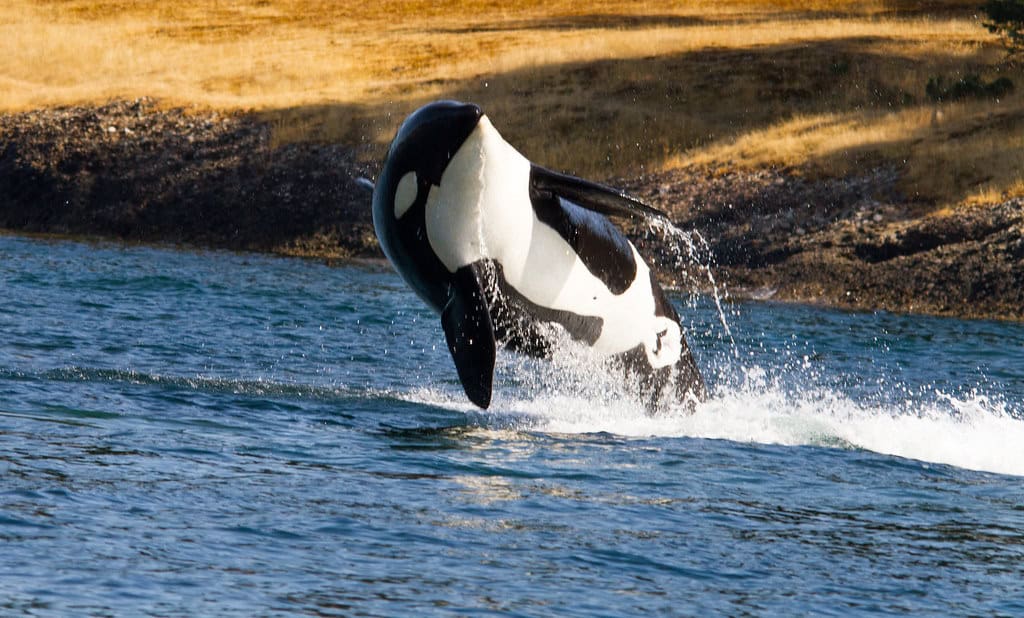
Carousel feeding represents one of the most sophisticated cooperative hunting techniques employed by killer whales, particularly among Norwegian and Icelandic populations that target herring. This complex strategy begins with orcas locating a school of herring, often at depths of several hundred feet. Working together, the whales then herd the fish toward the surface, corralling them into an increasingly tight ball by swimming around them in a coordinated manner and releasing streams of bubbles to create a “net” that keeps the fish contained. Once the herring are compressed into a dense sphere, the orcas take turns slapping the ball with their tails, stunning or killing several fish with each powerful blow.
What makes carousel feeding particularly remarkable is the high degree of role specialization and coordination involved. Different pod members perform specific tasks—some drive the fish upward, others maintain the perimeter, while still others deliver the stunning tail slaps. The whales communicate constantly through vocalizations during this process, coordinating their movements with remarkable precision. Young whales learn this technique by observing and gradually participating under the guidance of experienced adults. Carousel feeding demonstrates not only the killer whales’ cognitive abilities to plan and coordinate complex actions but also their capacity for cooperation and role specialization within a group—social qualities once thought to be uniquely advanced in human societies.
Intentional Beaching: Calculated Risk for Reward

Perhaps one of the most dramatic and risky hunting techniques employed by killer whales is intentional beaching—a behavior where orcas deliberately propel themselves onto shorelines to capture seals and sea lions. This remarkable strategy has been documented in only a few locations worldwide, most notably among pods in the Crozet Islands, Patagonia, and the Punta Norte region of Argentina. During these hunts, killer whales ride incoming waves to partially beach themselves on shorelines where seals are resting, seize their prey, and then wriggle back into deeper water with powerful body movements. The technique requires precise timing, knowledge of tides, and an intimate understanding of beach topography.
What makes this hunting method particularly extraordinary is the considerable risk involved. A miscalculation could result in the whale becoming stranded—a potentially fatal situation. Yet the cultural transmission of this technique continues, with adult whales carefully teaching it to younger pod members through demonstration and supervised practice. Young orcas often spend years observing before attempting their first beach hunting forays, typically starting with smaller waves and gentler slopes. The intentional beaching technique represents not just a remarkable hunting adaptation but also provides compelling evidence of cultural learning and risk assessment in killer whale societies. This willingness to temporarily enter a dangerous environment to secure prey demonstrates both the intelligence and behavioral flexibility that characterize orca hunting cultures.
The Tonic Immobility Tactic: Scientific Exploitation

Some killer whale populations have developed a sophisticated hunting strategy that exploits a neurological response in their prey known as tonic immobility. This phenomenon—a natural state of temporary paralysis that certain animals enter when placed in specific positions—is particularly evident in the hunting techniques used by orcas that target sharks. In a remarkable display of biological knowledge, these killer whales have learned to flip sharks upside down, inducing a trance-like state that renders them helpless. Once immobilized, the shark can no longer defend itself, allowing the orca to feed with minimal risk of injury from the shark’s teeth or thrashing movements.
This technique has been most famously documented with great white sharks off the coast of California and South Africa. In these encounters, killer whales precisely target and ram sharks to flip them over, maintain this inverted position for several minutes, and then feed primarily on the shark’s nutrient-rich liver. What’s particularly fascinating is that this knowledge appears to be culturally transmitted within certain pods. Not all killer whale populations hunt sharks, and even among those that do, not all employ the tonic immobility technique. The selective use of this strategy among specific pods suggests it represents specialized cultural knowledge passed down through generations. This remarkable hunting tactic demonstrates the killer whales’ ability to discover and exploit specific biological vulnerabilities in their prey—a level of hunting sophistication that combines observational learning, problem-solving, and cultural transmission.
Play and Innovation: Cultural Creativity

Beyond their sophisticated hunting techniques, killer whales demonstrate remarkable cultural creativity through play behaviors and innovation. Play serves multiple functions in orca society—it strengthens social bonds, develops physical skills, and provides opportunities for experimentation that can lead to new behaviors and techniques. Researchers have documented orcas engaging in various forms of play, from tossing objects like seaweed or ice between pod members to creating and popping air bubbles underwater. These playful activities often involve complex social rules and turn-taking, suggesting they serve as practice for more serious cooperative endeavors.
What’s particularly significant about orca play is how it can transition into cultural innovation. Novel behaviors that emerge during play sometimes develop into useful techniques that spread through the pod. For example, in captivity, some killer whales have invented new behaviors that were subsequently copied by others. In the wild, unique hunting strategies like the “karate chop” technique—where orcas use their tails to stun fish—may have originated as playful experimentation before becoming established hunting methods. This pattern of innovation, social learning, and cultural adoption demonstrates how killer whale societies can evolve new cultural elements through a combination of creativity and social transmission. The presence of such cultural creativity challenges traditional views about the uniqueness of human cultural evolution and suggests that orcas possess a form of cultural dynamism previously underappreciated in non-human species.
Social Hierarchies and Family Bonds

Killer whale societies feature complex social hierarchies and extraordinarily strong family bonds that form the foundation of their cultural systems. Unlike many mammalian species, orcas maintain lifelong maternal bonds, with offspring remaining with their mothers well into adulthood and often for their entire lives. This creates multi-generational family units called matrilines, typically consisting of a matriarch, her offspring, and her offspring’s offspring. These matrilineal groups form the core social structure through which cultural knowledge and practices are preserved and transmitted. The oldest females often hold leadership positions within pods, drawing on decades of accumulated experience to guide group movements, hunting activities, and social interactions.
These tight-knit family structures foster exceptional social stability and cohesion, creating the perfect environment for cultural transmission. Young orcas grow up immersed in their pod’s distinctive vocal dialects, hunting techniques, and social customs. The extraordinary lifespan of killer whales—females can live up to 80 years or more in the wild—allows for extensive cross-generational knowledge sharing. Interestingly, different orca populations around the world show variations in social structure, with some maintaining more fluid associations while others adhere to strict matrilineal organization. These differences themselves appear to be cultural rather than purely ecological, suggesting that even social organization itself may be a culturally transmitted aspect of killer whale society. The enduring nature of these family bonds provides the social framework that enables the remarkable cultural complexity observed across killer whale populations worldwide.
Cultural Evolution and Adaptation
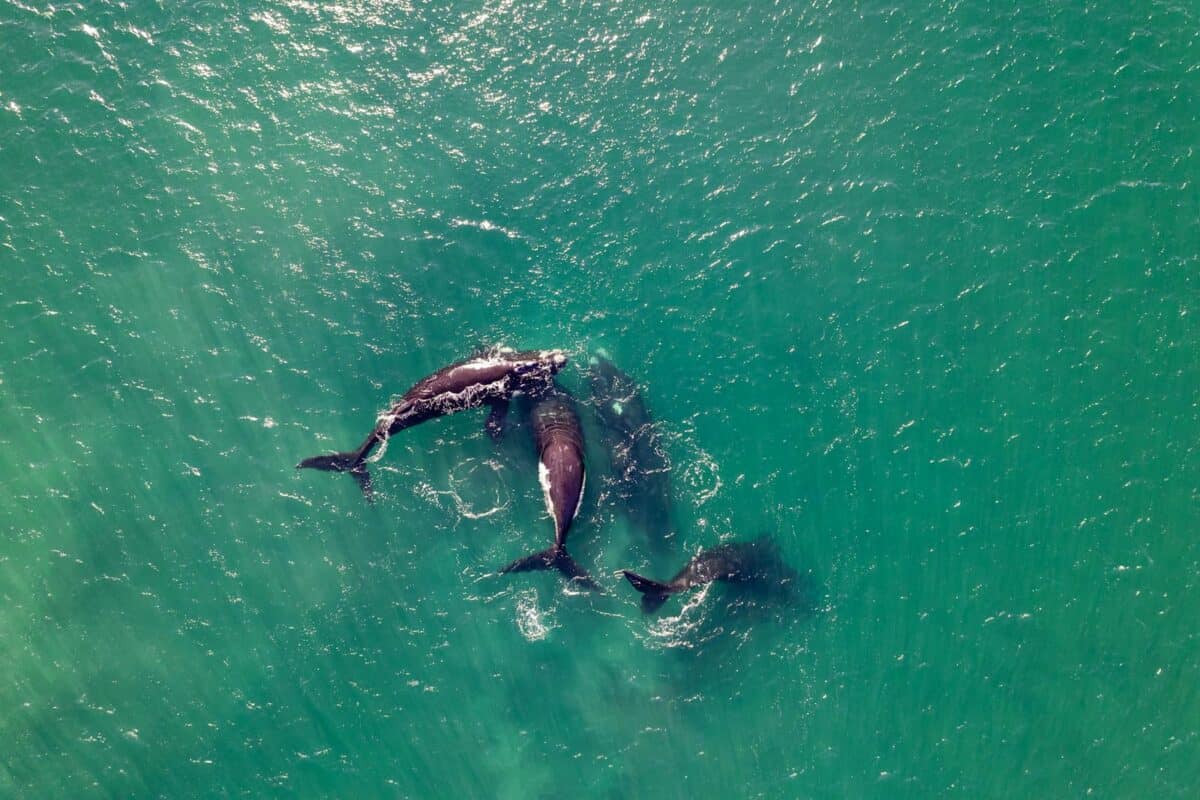
Killer whale cultures are not static but demonstrate dynamic evolution and adaptation over time. As environmental conditions change or new challenges arise, orca populations have shown remarkable ability to develop, modify, and transmit new cultural solutions. One compelling example comes from Norwegian killer whales that historically specialized in herring hunting. When herring stocks collapsed in the 1970s due to overfishing, some pods began targeting different prey species and developed new hunting techniques to exploit these resources. Fascinatingly, when herring populations recovered years later, the knowledge of how to hunt them had been preserved within the pods, demonstrating cultural memory spanning decades.
Another example of cultural evolution can be seen in how some orca populations have adapted to human activities. In parts of the Pacific Northwest, certain pods have learned to follow fishing boats and remove sablefish from longlines—a behavior that spread through cultural transmission rather than independent discovery by each whale. Similarly, some Antarctic orcas have developed specialized techniques for hunting under ice floes as these become more prevalent with climate change. These examples highlight how killer whale culture provides a non-genetic mechanism for rapid adaptation to changing circumstances. Unlike genetic adaptations that require generations to become established, cultural innovations can spread quickly through social learning, allowing orca societies to respond to environmental changes within a single generation. This cultural flexibility represents one of the most sophisticated examples of non-human cultural evolution documented in the animal kingdom.
Conservation Implications of Orca Culture

The recognition of complex culture in killer whale populations has profound implications for conservation efforts. Traditional conservation approaches often focus primarily on genetic diversity and population numbers, but for culturally rich species like orcas, this approach is insufficient. When a knowledgeable matriarch dies, her pod loses not just a member but potentially decades of accumulated ecological knowledge about feeding grounds, migration routes, and specialized hunting techniques. If particular cultural groups of orcas are lost, unique behaviors and knowledge systems disappear with them—a form of extinction beyond the genetic that conservationists now term “cultural extinction.”
This understanding has begun to reshape conservation strategies for killer whales. In 2014, the Convention on Migratory Species recognized the importance of preserving culturally significant behaviors in several cetacean species, including orcas. Conservation efforts now increasingly consider the preservation of cultural diversity alongside genetic diversity as essential for species resilience. For populations like the endangered Southern Resident killer whales of the Pacific Northwest, conservation plans now incorporate knowledge about their specific cultural practices, including their specialized diet of Chinook salmon.
As our understanding of orca culture deepens, conservation approaches continue to evolve, recognizing that protecting these magnificent animals requires preserving not just their physical existence but also the rich cultural heritage that defines their societies and guides their survival. This shift emphasizes the need for more nuanced, group-specific protections that account for social structure, learned behaviors, and intergenerational knowledge transmission. Ultimately, acknowledging orca culture expands the ethical and practical framework of conservation, urging us to protect not only the species as a whole but also the distinct communities whose cultural identities are vital to their ecological roles and long-term survival.
Conclusion: Complex Apex Predators of the Ocean

Killer whales, or orcas, are not only awe-inspiring for their physical power and global presence, but also for the remarkable cultural complexity they display beneath the surface. These apex predators live in tightly bonded social groups that pass down unique traditions, from distinct vocal dialects—akin to regional accents—to intricate hunting techniques fine-tuned to their environment and prey. Whether it’s coordinated wave-washing to dislodge seals from ice floes or the strategic herding of fish into bait balls, these behaviors aren’t instinctual—they’re taught, practiced, and perfected across generations. Such cultural transmission, once thought to be a uniquely human trait, is now recognized as a defining characteristic of orca societies across the world’s oceans.
This revelation not only revolutionizes how we understand orcas, but also reshapes how we approach their conservation. Preserving killer whales now means more than simply maintaining population numbers; it requires safeguarding the cultural knowledge embedded within each pod. When an experienced matriarch is lost or a pod dwindles, it’s not just genes that vanish—it’s a unique way of life, a specialized set of skills, and a living history of adaptation to a specific marine ecosystem. As science continues to uncover the breadth of orca intelligence and culture, it challenges us to expand our ethical responsibilities toward them. Protecting orcas must now include efforts to preserve the social and cultural structures that have allowed these creatures to thrive for millennia.

From exploring the marine wonders in the Azores and witnessing the vast savannas of Kenya, to delving deep into the rich biodiversity of South Africa and traversing iconic landscapes in Australia and the US like Yellowstone, Chris's experiences are vast.
With a penchant for diving alongside sharks, the ocean holds a special place in his heart.
Through his academic insights, he champions wildlife conservation, striving with 'Animals Around The Globe' to cultivate a profound connection between humans and animals, enhancing our mutual appreciation.
Connect with him at Feedback@animalsaroundtheglobe.com.
- The Grizzly That Terrorized Anchorage: Alaska’s Bear 141 Story - July 28, 2026
- 13 Popular Dog Breeds Vets Secretly Wish You’d Stop Choosing - July 28, 2026
- The Species That Predicted Earthquakes Before Technology Did - July 28, 2026