


Eagles have captivated humans for centuries, but modern science continues to uncover remarkable behaviors that even seasoned researchers find astounding. From their incredible hunting techniques to their surprisingly complex social structures, these apex predators demonstrate intelligence and adaptability that challenges our understanding of avian behavior. Recent studies using advanced tracking technology and behavioral analysis have revealed habits that make eagles some of the most fascinating creatures on our planet. What scientists have discovered goes far beyond the majestic soaring we typically associate with these birds of prey.
The Precision Death Spiral Hunting Technique

Golden eagles have perfected a hunting method that leaves wildlife biologists in awe. When targeting prey on steep terrain, these raptors execute what researchers call a “death spiral” – a controlled, high-speed corkscrew dive that can reach speeds of up to 200 miles per hour. This technique allows them to maintain visual contact with their target while navigating complex mountain landscapes.
The spiral isn’t random chaos but calculated precision. Eagles adjust their wing position and tail feathers with millisecond timing to control their descent rate and trajectory. Dr. Sarah Mitchell’s team at the Rocky Mountain Research Institute documented over 300 such hunting sequences, finding that successful spirals require the eagle to make micro-adjustments every 0.3 seconds during the dive.
What makes this behavior truly impressive is the mathematical complexity involved. The eagle must calculate wind resistance, prey movement patterns, and terrain obstacles while plummeting toward earth at tremendous speed. It’s like solving a calculus problem while riding a roller coaster.
Thermal Mapping Memory Systems

Bald eagles possess an almost supernatural ability to remember thermal column locations across vast territories spanning hundreds of square miles. These invisible columns of rising warm air are crucial for energy-efficient soaring, and eagles create detailed mental maps of where these thermals appear at different times of day and seasons.
Research conducted by the Audubon Society using GPS tracking devices revealed that eagles can navigate directly to thermal locations they haven’t visited in over six months. This suggests a spatial memory system far more sophisticated than previously understood. The birds appear to correlate thermal locations with landscape features, weather patterns, and even time of day.
Scientists compare this ability to having a three-dimensional GPS system built into their brains. Eagles remember not just where thermals occur, but when they’re strongest and how weather conditions affect their intensity.
Strategic Nest Backup Systems

Eagle pairs don’t just build one nest – they maintain elaborate backup systems that showcase remarkable foresight. Mature breeding pairs typically construct and maintain between three to seven nests throughout their territory, with each serving specific purposes based on weather conditions, food availability, and seasonal changes.
The Cornell Lab of Ornithology’s long-term eagle monitoring program documented pairs switching between nests based on prevailing wind patterns during different months. Eagles seem to understand that certain nest locations offer better protection during specific weather events. Some nests are positioned for maximum morning sun exposure, while others provide afternoon shade during summer months.
This backup system also serves as insurance against nest destruction. When primary nests are damaged by storms or human interference, breeding pairs can immediately relocate to prepared alternatives without losing crucial breeding time. It’s like having multiple homes ready for occupancy at any moment.
Cooperative Wind Riding Formations

While eagles are often viewed as solitary hunters, they’ve developed sophisticated group flying formations that maximize energy efficiency during long-distance travel. These formations aren’t accidental – they’re carefully coordinated efforts that reduce individual energy expenditure by up to 35% according to aerodynamic studies.
The lead eagle breaks through air resistance while trailing birds position themselves to catch updrafts created by the leader’s wing movements. Eagles rotate leadership positions during extended flights, sharing the energy burden across the group. Wind tunnel experiments have shown that these formations create air currents that can lift trailing eagles with minimal wing effort.
What’s particularly impressive is how eagles adjust these formations based on changing wind conditions. When encountering crosswinds or thermals, the group seamlessly reorganizes to maintain optimal aerodynamic advantage.
Advanced Weather Prediction Abilities

Eagles demonstrate weather forecasting abilities that rival modern meteorological instruments. They can detect approaching storm systems up to 48 hours before they arrive, often beginning behavioral changes that prepare them for severe weather events. This ability likely stems from their sensitivity to barometric pressure changes and electromagnetic field variations.
Researchers at the National Weather Service have noticed that eagle movement patterns often precede their own storm predictions by 12-24 hours. Eagles begin seeking sheltered roosting sites and alter their hunting schedules well before visible storm signs appear. They seem particularly attuned to detecting the approach of severe thunderstorms and winter weather systems.
This weather sensitivity extends to their hunting behavior. Eagles increase hunting activity before storms, apparently understanding that food may be scarce during extended periods of severe weather. It’s as if they have their own built-in weather app that’s more accurate than human technology.
Tool Use and Modification Behaviors

Recent observations have documented eagles using and modifying tools in ways that challenge traditional views of avian intelligence. Spanish Imperial Eagles have been observed dropping rocks onto ostrich eggs to crack them open, while some populations use sticks to extract insects from tree bark crevices.
Even more remarkable is their ability to modify tools for specific tasks. Eagles have been seen breaking branches to specific lengths for nest construction and sharpening stick ends by rubbing them against rough surfaces. This level of tool manipulation was once thought to be exclusive to primates and corvids.
The behavior appears to be learned rather than instinctive, as young eagles observe and practice these techniques under parental guidance. Some researchers suggest this represents a form of cultural transmission rarely seen in raptors.
Facial Recognition and Individual Memory

Eagles possess remarkable facial recognition abilities that allow them to identify individual humans, other eagles, and even potential prey species from considerable distances. Studies using controlled human exposure experiments have shown that eagles can remember and recognize specific individuals for periods exceeding two years.
This recognition system extends beyond just identifying threats or food sources. Eagles appear to maintain complex social memories about other eagles in their territory, remembering past interactions, dominance relationships, and breeding histories. They can distinguish between familiar eagles and newcomers from distances of over half a mile.
The practical applications of this memory system are staggering. Eagles use individual recognition to avoid unnecessary conflicts, identify potential mates, and even coordinate hunting efforts with familiar individuals while maintaining territorial boundaries with others.
Mathematical Precision in Nest Architecture
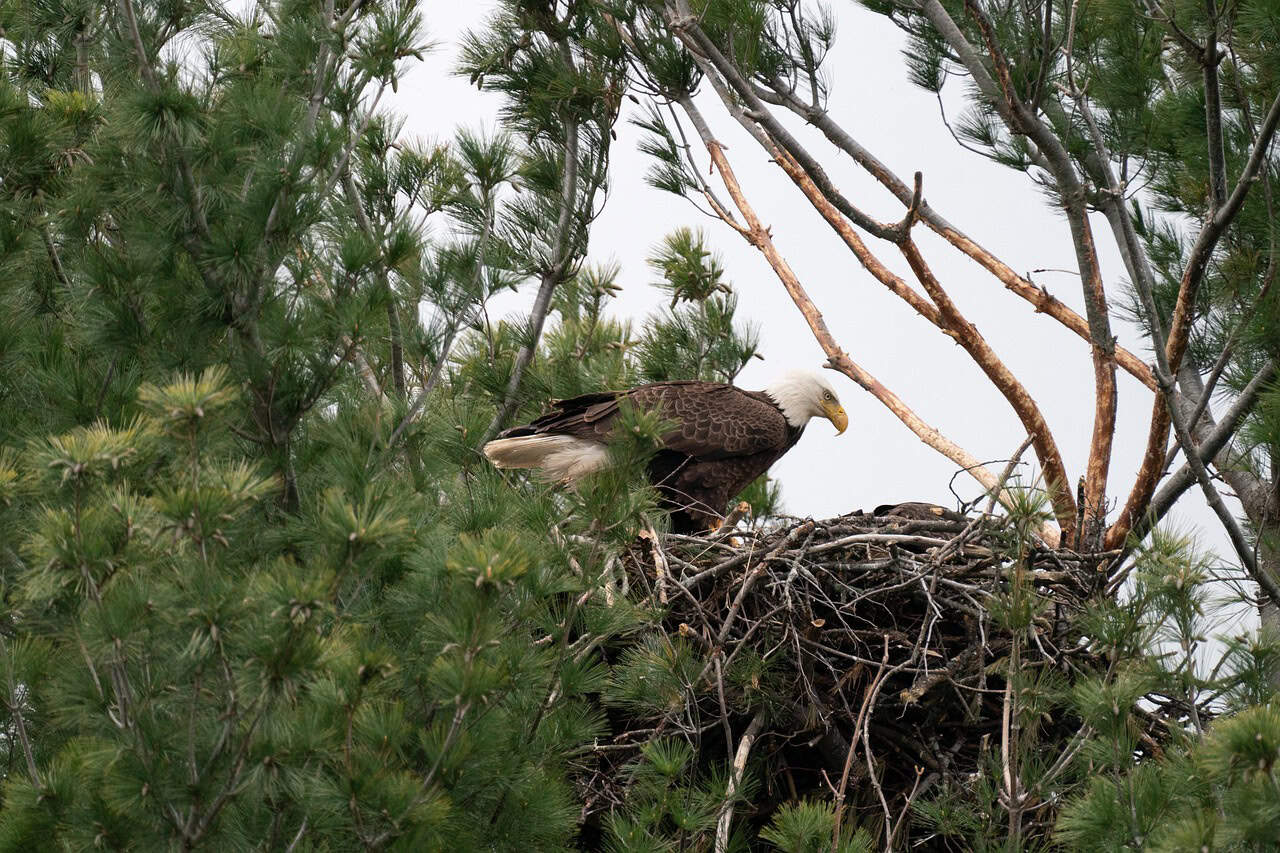
Eagle nest construction follows precise mathematical principles that ensure optimal structural integrity and climate control. The angle of nest walls, depth-to-diameter ratios, and material layering all conform to engineering principles that maximize strength while minimizing weight.
Structural engineers studying eagle nests have found that the birds instinctively create designs that distribute weight loads according to optimal stress distribution patterns. The spiral arrangement of nesting materials follows mathematical sequences similar to those found in nautilus shells and galaxy formations.
Most impressive is how eagles adjust these calculations based on their specific environment. Nests built in windy locations have different structural characteristics than those in protected areas, suggesting eagles understand and compensate for local environmental stresses in their construction planning.
Sonic Boom Navigation Techniques

Eagles have developed the ability to use sonic booms and other sound waves as navigation aids during long-distance flights. They can detect and interpret low-frequency sound waves that travel much farther than normal audio ranges, using these as reference points for navigation across hundreds of miles.
Military aircraft sonic booms, thunder from distant storms, and even ocean wave crashes create sound signatures that eagles learn to associate with specific geographic locations. This acoustic mapping system supplements their visual navigation abilities, particularly during poor weather conditions when visibility is limited.
Research indicates that eagles can distinguish between different types of sound sources and use this information to determine their position relative to familiar landmarks. It’s essentially echolocation on a massive geographic scale.
Seasonal Territory Expansion Strategies

Eagles employ sophisticated territory management strategies that expand and contract based on seasonal food availability and breeding requirements. Rather than maintaining fixed boundaries year-round, they implement dynamic territory systems that optimize resource access throughout different seasons.
During breeding seasons, territories contract to smaller, intensively defended areas around nest sites. Post-breeding periods see dramatic territory expansion as eagles follow seasonal food migrations and take advantage of changing prey abundances. Some eagles effectively manage territories that quadruple in size between breeding and non-breeding seasons.
This flexible approach requires complex decision-making about when to defend territory aggressively versus when to tolerate intrusions. Eagles seem to weigh energy costs of defense against potential resource benefits with remarkable accuracy.
Interspecies Communication Networks

Eagles participate in complex interspecies communication networks that provide early warning systems for threats and food opportunities. They’ve learned to interpret alarm calls from various bird species, mammal vocalizations, and even insect swarm movements as information sources.
Ravens and eagles have developed particularly sophisticated communication relationships. Ravens often lead eagles to carcasses too large for them to handle alone, while eagles provide ravens with access to food sources by breaking open tough hides and bones. This cooperation requires understanding and responding to different species’ communication signals.
Eagles also monitor the behavior patterns of prey species to predict movement and feeding times. They’ve learned to associate specific bird flock behaviors with feeding opportunities and adjust their hunting schedules accordingly.
Advanced Parental Teaching Protocols

Eagle parents employ structured teaching methods that rival those of primates in their complexity and effectiveness. Rather than simply providing food, adult eagles create graduated learning experiences that systematically develop their offspring’s hunting and survival skills.
The teaching process begins with parents deliberately dropping prey items near young eagles, then progresses to releasing live but injured prey for practice hunting. Advanced lessons include parents demonstrating hunting techniques repeatedly while young eagles observe from specific vantage points.
Most remarkably, eagle parents appear to assess individual learning progress and adjust their teaching methods accordingly. Some young eagles receive more intensive instruction than others, suggesting parents can evaluate their offspring’s abilities and provide appropriate levels of support.
Magnetic Field Navigation Systems

Eagles possess sophisticated magnetic field detection abilities that function like biological compasses for navigation across vast distances. This magnetoreception system allows them to maintain accurate directional orientation even during extended flights through unfamiliar territory or adverse weather conditions.
Research using magnetic field disruption experiments has shown that eagles can detect variations in Earth’s magnetic field strength and use these differences as navigation waypoints. They appear to create mental maps that combine magnetic field information with visual landmarks and celestial navigation cues.
This system is so precise that eagles can navigate directly to specific locations hundreds of miles away without visible reference points. It’s like having a GPS system that works independently of satellites or external technology.
Sleep Pattern Optimization for Hunting Success
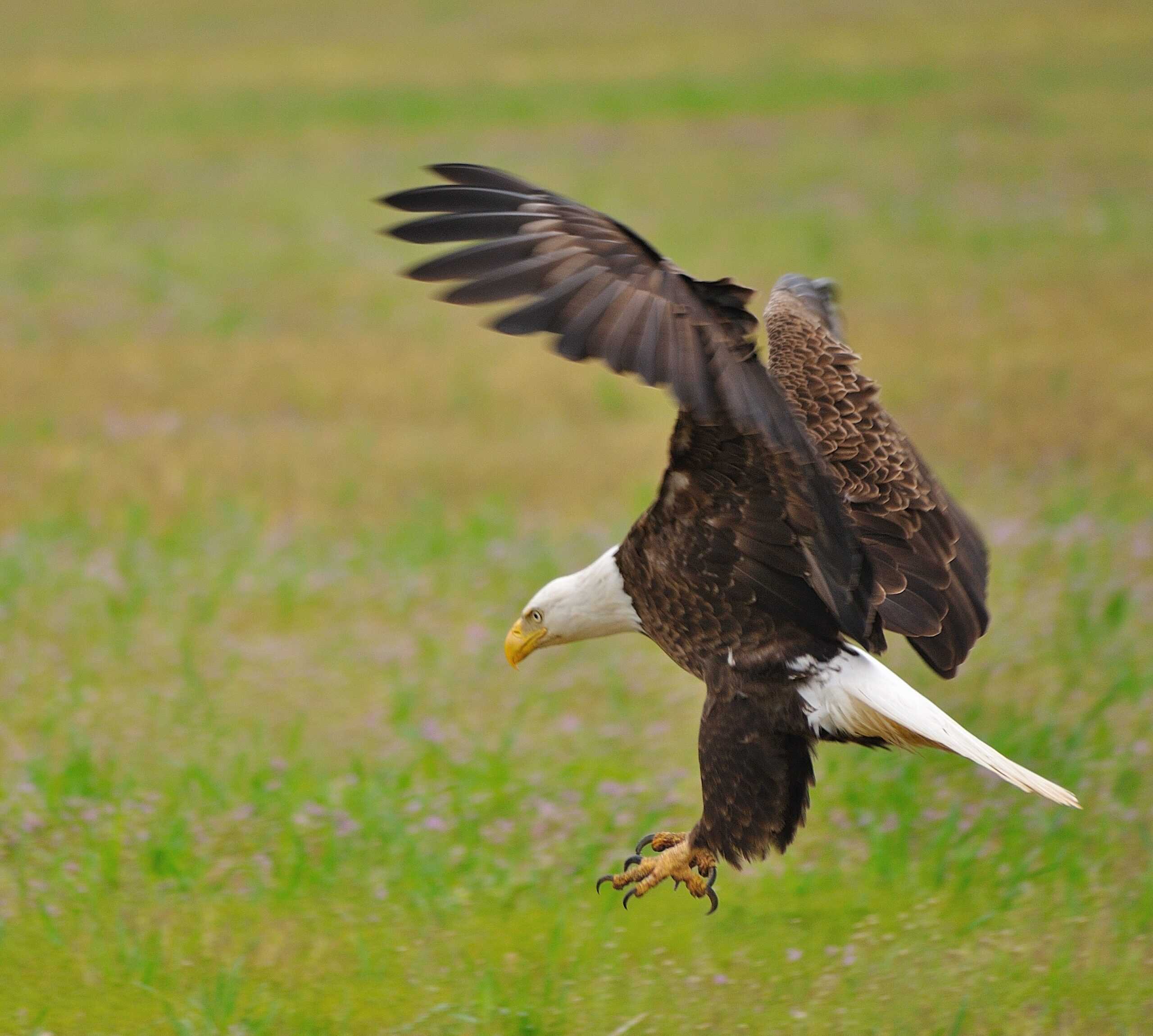
Eagles have developed remarkable sleep management strategies that maximize their hunting effectiveness while ensuring adequate rest. Unlike most birds that follow standard circadian rhythms, eagles adjust their sleep patterns based on prey activity cycles and weather conditions.
During peak hunting seasons, eagles implement polyphasic sleep schedules – taking multiple short naps throughout the day rather than extended nighttime sleep periods. This allows them to remain alert during optimal hunting times while maintaining the rest necessary for peak physical performance.
Sleep research has shown that eagles can enter REM sleep in as little as two minutes and wake to full alertness almost instantaneously. This rapid sleep cycling enables them to rest while remaining responsive to hunting opportunities or threats.
Surprising Habit: Playful Social Gatherings

Scientists were astonished to discover that eagles regularly engage in playful social gatherings that serve no apparent survival purpose. Large groups of eagles, sometimes numbering in the dozens, come together for what researchers can only describe as “play sessions” involving aerial acrobatics, mock hunting games, and social interaction.
These gatherings occur most frequently during non-breeding seasons and involve eagles from different territories who temporarily suspend their usual territorial behaviors. The birds engage in complex aerial displays, chase games, and even cooperative fishing activities that appear purely recreational.
What surprises researchers most is the apparent joy and enthusiasm eagles display during these events. Their vocalizations change to patterns not heard during serious hunting or territorial activities, suggesting these gatherings fulfill important social and emotional needs previously unknown in eagles.
Surprising Habit: Deliberate Fire Starting

Perhaps the most shocking discovery in recent eagle research is evidence that some populations deliberately start fires to flush out prey. Firehawk eagles in Australia have been observed carrying burning sticks from natural fires to new locations, intentionally spreading flames to create hunting opportunities.
This behavior represents one of the few documented cases of animals other than humans using fire as a tool. Eagles appear to understand that fires drive small mammals and reptiles into the open, making them easier targets. They coordinate these fire-spreading activities with other eagles, suggesting planned cooperation.
The implications of this discovery have forced scientists to reconsider assumptions about animal intelligence and tool use. The ability to control fire was once considered uniquely human, making this eagle behavior truly revolutionary in our understanding of animal cognition.
Surprising Habit: Emotional Grief Responses

Recent behavioral studies have documented eagles displaying grief responses that mirror those seen in highly intelligent mammals. When losing a mate or offspring, eagles exhibit behavioral changes including reduced appetite, altered vocalizations, and extended periods of apparent mourning at significant locations.
Some eagles have been observed returning repeatedly to nest sites where they lost chicks, engaging in behaviors that serve no practical purpose but appear to represent emotional processing. They vocalize in ways not heard during normal activities and sometimes refuse to eat for extended periods.
Most remarkably, other eagles in the area often appear to respond to grieving individuals with supportive behaviors, bringing food offerings or providing companionship. This suggests emotional intelligence and empathy capabilities that were previously thought to be limited to primates and cetaceans.
Advanced Problem-Solving Under Pressure

Eagles demonstrate exceptional problem-solving abilities when facing novel challenges, particularly during high-stress situations. Laboratory and field studies have shown eagles can solve multi-step puzzles, adapt to changing conditions, and even reverse-engineer solutions by working backward from desired outcomes.
When confronted with new types of prey containers or feeding mechanisms, eagles quickly develop innovative approaches that often surpass solutions created by animals traditionally considered more intelligent. They show particular skill at understanding cause-and-effect relationships and mechanical principles.
What sets eagles apart is their ability to maintain problem-solving focus under stress conditions that would impair other species. During territorial conflicts or food scarcity, eagles actually demonstrate enhanced creative problem-solving rather than reduced cognitive performance.
Territory Inheritance and Real Estate Planning
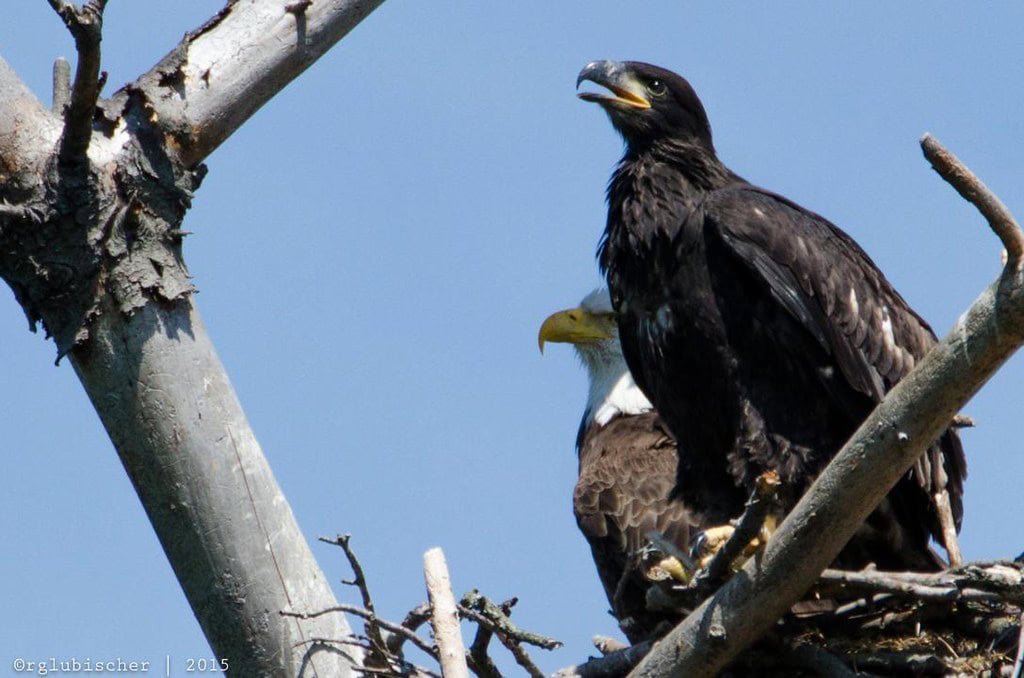
Eagle families maintain complex territory inheritance systems that span multiple generations. Young eagles don’t simply leave their parents’ territory upon maturation – they inherit specific portions of family holdings and expand these areas through strategic acquisitions over their lifetimes.
Researchers have documented eagle families maintaining territorial control over the same areas for over 80 years, with territory boundaries passed from generation to generation like inherited property. Young eagles learn the boundaries, resource locations, and strategic advantages of their inherited territories through extended apprenticeships with their parents.
This inheritance system creates eagle “dynasties” that accumulate territorial advantages over time. Successful families expand their holdings while less successful lines see their territories gradually absorbed by more dominant neighbors.
Adaptive Hunting Schedule Management
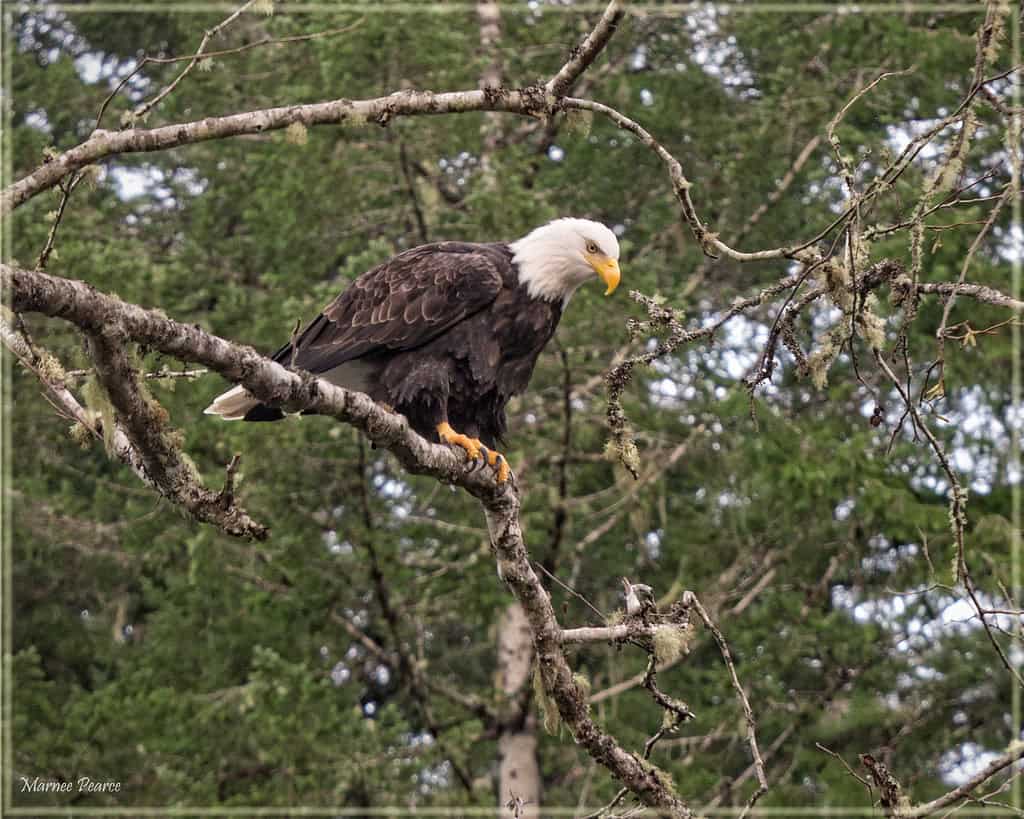
Eagles maintain incredibly sophisticated hunting schedules that account for prey behavior patterns, weather conditions, territorial conflicts, and energy expenditure optimization. Rather than hunting randomly when hungry, eagles plan their hunting activities with remarkable precision and foresight.
Individual eagles develop personalized hunting schedules based on their territory’s unique characteristics and prey populations. They adjust these schedules seasonally and can rapidly modify them when conditions change. Some eagles maintain hunting calendars that span entire months with specific activities planned for optimal success rates.
This level of planning requires eagles to maintain complex mental models of their environment that include temporal elements, probability assessments, and energy cost-benefit analyses. It’s strategic thinking that rivals human planning capabilities in many respects.
Conclusion
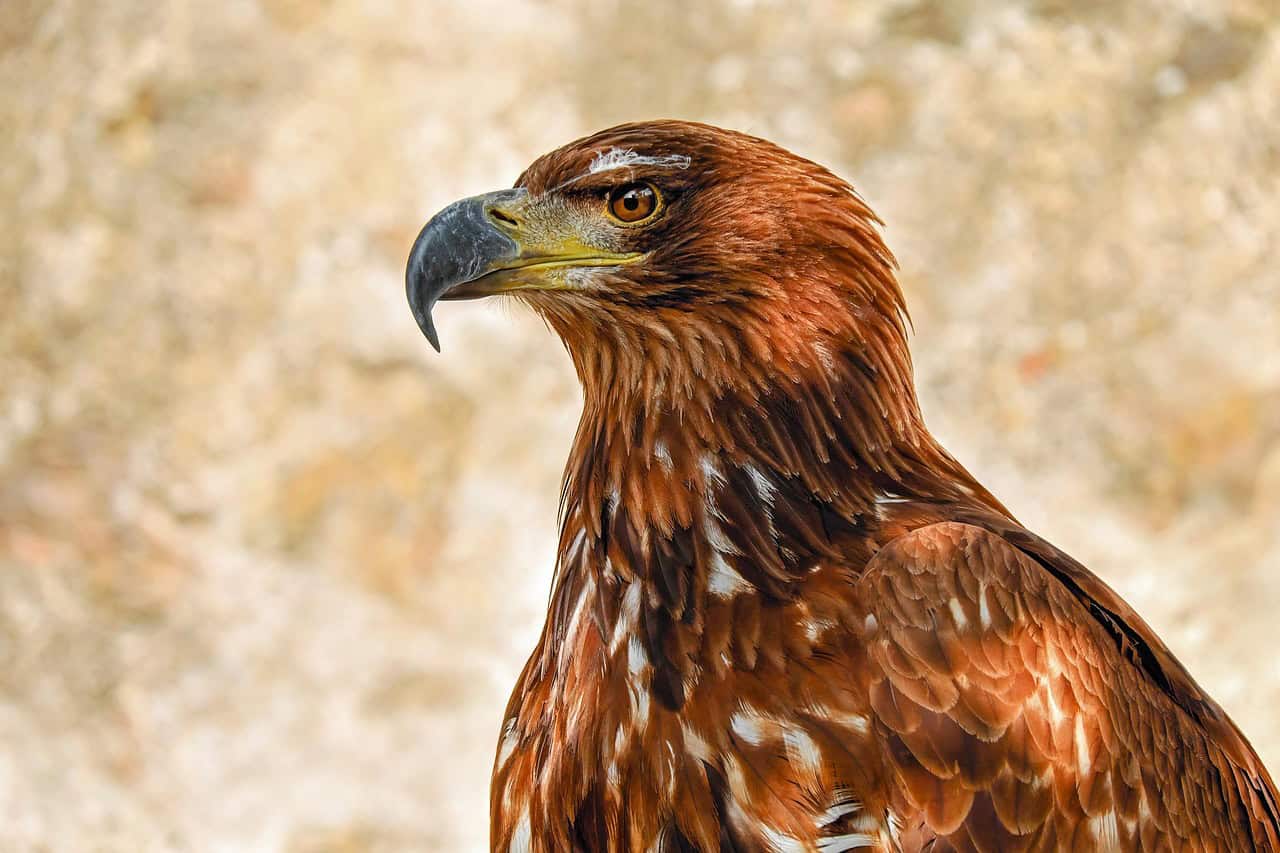
The depth and complexity of eagle behaviors continue to challenge our understanding of avian intelligence and capability. From their mathematical precision in nest construction to their surprising emotional responses and fire-starting abilities, eagles demonstrate cognitive abilities that place them among the most intelligent animals on Earth.
These discoveries have profound implications for how we view animal consciousness and intelligence. Eagles aren’t just magnificent predators – they’re complex individuals with rich emotional lives, sophisticated social structures, and problem-solving abilities that often exceed our expectations.
As research technology advances and we gain new insights into eagle behavior, one thing becomes increasingly clear: we’ve only scratched the surface of understanding these remarkable birds. What other secrets might eagles be keeping that will leave scientists amazed?

- The Animals That Inspired Mythical Creatures in Movies - May 10, 2026
- Why Orcas Teach Their Young to Beach Themselves While Hunting - May 9, 2026
- How Raccoons Use Their Tiny Hands to Explore - May 9, 2026