

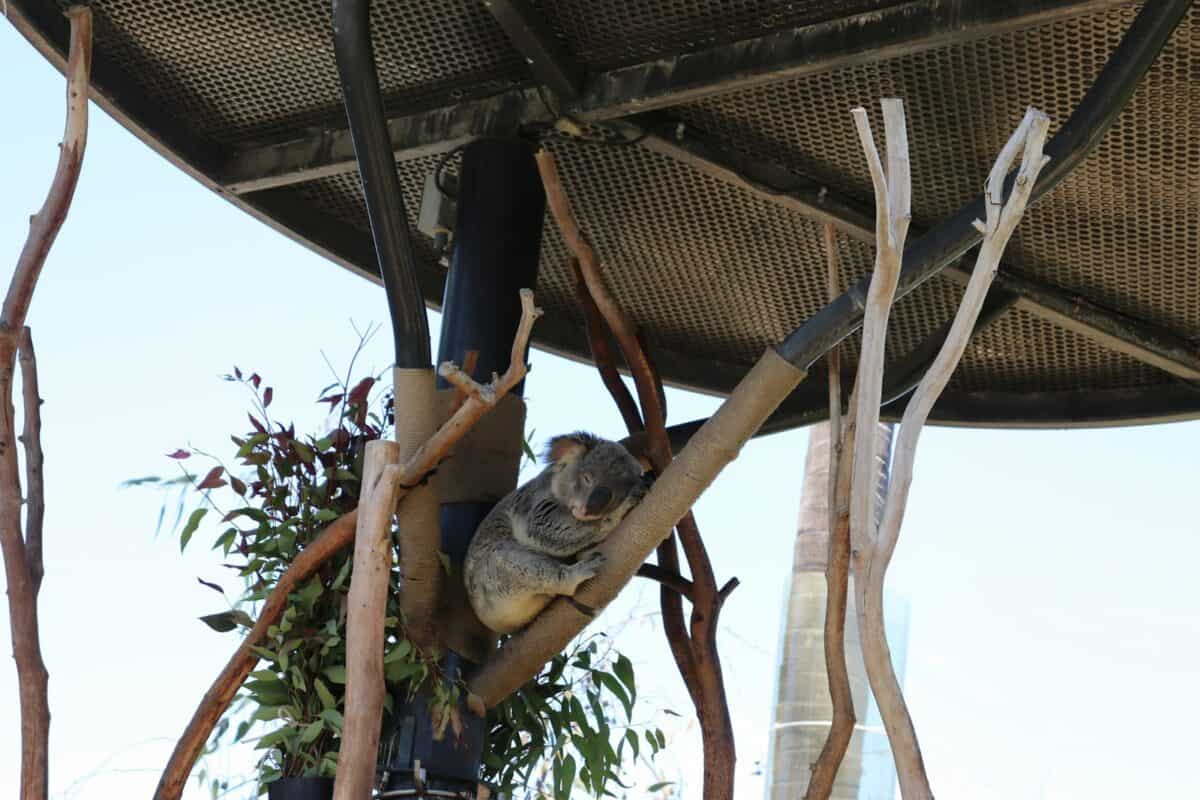
Among the animal kingdom’s most notorious sleepers, koalas stand out with their remarkable ability to slumber for up to 20 hours each day. These iconic Australian marsupials have captivated scientists and animal enthusiasts alike with their seemingly excessive sleep habits. Far from being lazy, koalas have evolved this extreme sleep requirement as a sophisticated survival strategy perfectly adapted to their unique ecological niche and specialized diet.
While humans typically require 7-8 hours of sleep and many mammals function well with even less, koalas have developed one of the most sleep-intensive lifestyles of any mammal. This extraordinary behavior isn’t simply a quirk of nature but rather a complex adaptation that helps these specialized creatures thrive in their challenging environment. Understanding why koalas need so much sleep reveals fascinating insights into how evolution shapes animal behavior in response to dietary constraints and environmental pressures.
The Eucalyptus Diet Connection

The primary factor driving koalas’ extensive sleep requirements is their highly specialized diet consisting almost exclusively of eucalyptus leaves. These leaves, while abundant in the koalas’ native Australian habitats, present significant nutritional challenges. Eucalyptus foliage contains relatively little energy, is high in fiber, and perhaps most importantly, is loaded with toxic compounds that would poison most other animals. Koalas have evolved specialized digestive systems to detoxify these compounds, but this process requires substantial energy.
The metabolic cost of processing eucalyptus leaves is extraordinarily high, leaving koalas with very little excess energy for activity. By sleeping for extended periods, koalas conserve what little energy they extract from their fibrous, low-calorie diet. Scientists estimate that an active koala would quickly deplete its energy reserves if it didn’t spend the majority of its day in a state of rest. This direct relationship between their specialized diet and sleep requirements represents one of nature’s most elegant examples of physiological adaptation.
Metabolic Conservation Strategies
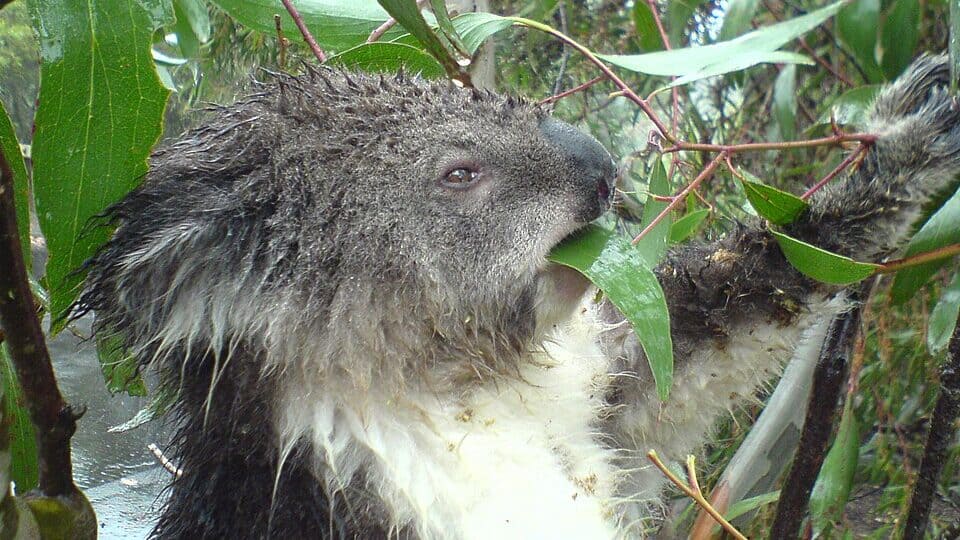
Koalas have evolved remarkably low metabolic rates compared to other mammals of similar size—about half of what would be expected. This metabolic slowdown represents a critical adaptation that allows them to survive on their nutrient-poor diet. By burning fewer calories at rest, koalas can subsist on food that would be insufficient for most mammals. Their extended sleep periods further enhance this metabolic efficiency by reducing energy expenditure to the absolute minimum necessary for survival.
During their long sleep sessions, koalas enter states of significantly reduced physiological activity. Their breathing slows, their body temperature drops slightly, and various energy-intensive bodily processes are temporarily downregulated. This comprehensive energy conservation strategy enables koalas to survive on as little as 200-500 grams of eucalyptus leaves daily—an amount that would be woefully inadequate for most herbivores of comparable size if they maintained higher activity levels and metabolic rates.
The Digestive Challenge of Eucalyptus
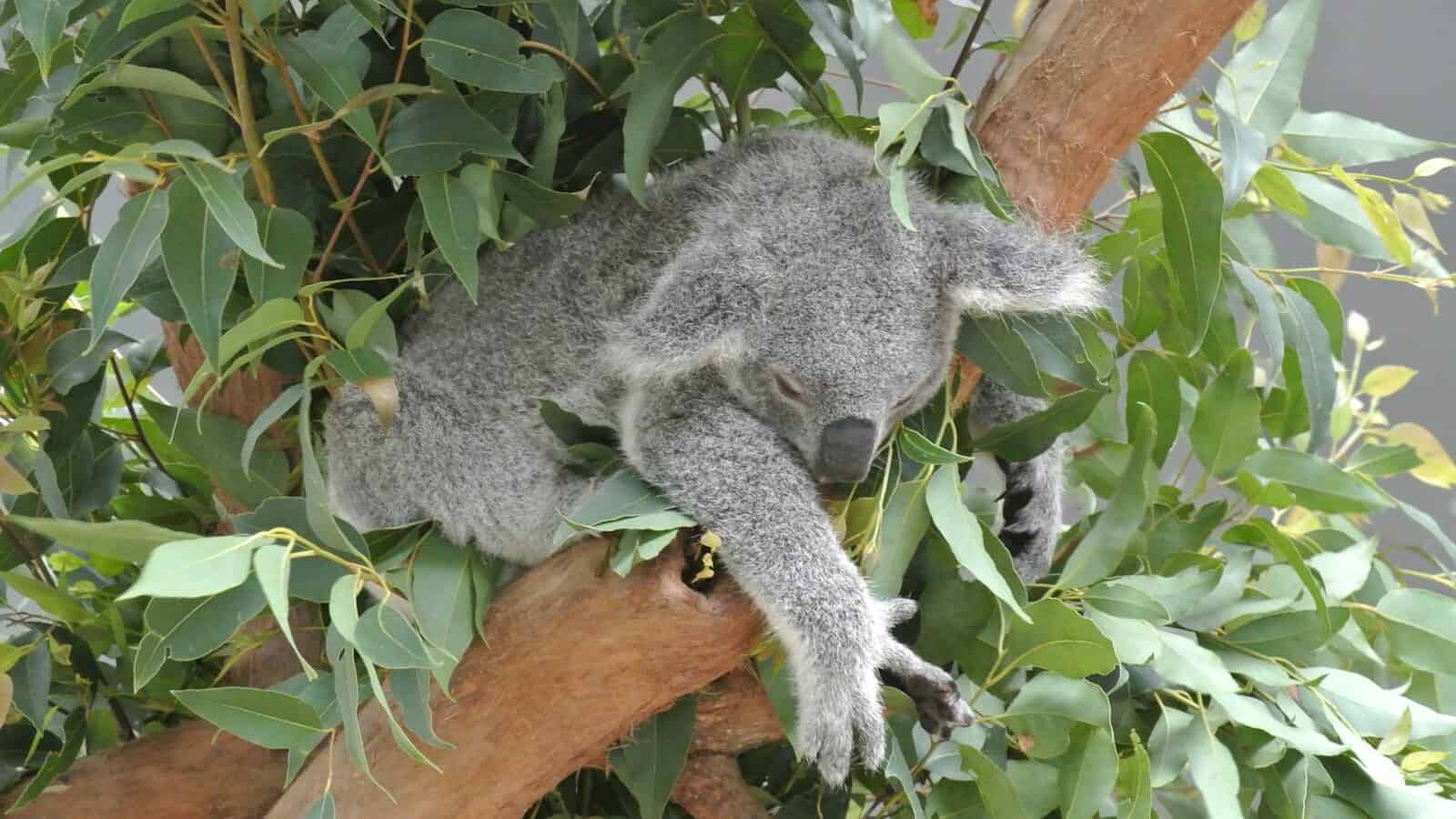
Digesting eucalyptus leaves presents a formidable challenge that directly contributes to koalas’ sleep requirements. These leaves contain high levels of toxic compounds called terpenes and phenolic compounds, which the koala’s specialized liver must detoxify. The leaves also contain lignin, a woody substance that makes digestion difficult and time-consuming. To process this challenging food source, koalas have evolved exceptionally long digestive tracts and specialized gut bacteria that break down the tough plant material.
This digestive process is not only time-consuming but also energy-intensive. Koalas possess a specialized extension of their large intestine called a cecum, which can reach up to two meters in length and houses the bacteria necessary for fermentation of eucalyptus leaves. During sleep, koalas can dedicate more of their limited energy resources to these complex digestive processes. By remaining inactive while digestion occurs, they optimize their ability to extract what little nutritional value their food contains while minimizing energy expenditure on other activities.
Brain Energy Conservation

Recent research has revealed fascinating insights into how koalas’ brains have adapted to their energy-limited lifestyle. Koalas have unusually small brains relative to their body size—among the smallest brain-to-body ratios of any mammal. This reduced brain size directly decreases their energy requirements, as the brain is one of the most metabolically expensive organs in the body. By maintaining smaller brains, koalas can function with less energy, further enabling their low-activity lifestyle.
During their extended sleep periods, koalas experience reduced brain activity, which further conserves precious energy reserves. Unlike many mammals that engage in complex REM sleep patterns associated with dreaming and memory consolidation, koalas spend more time in deeper sleep states that require less neural activity. This brain-specific energy conservation strategy represents yet another layer of adaptation that enables koalas to survive on their challenging diet while maintaining essential cognitive functions with minimal energy expenditure.
Thermoregulation Benefits of Inactivity

Maintaining body temperature requires significant energy for all mammals, and koalas have evolved behavioral strategies to minimize these costs. By remaining inactive in tree forks or crooks for extended periods, koalas reduce the need for active thermoregulation. During cooler weather, they can position themselves to maximize sun exposure, while in hotter conditions, they can seek shadier spots within the same trees. This passive approach to temperature regulation conserves substantial energy compared to active thermoregulatory behaviors like shivering or sweating.
Interestingly, koalas lack some of the specialized thermoregulatory adaptations found in other mammals, such as effective sweat glands or the ability to pant efficiently. Instead, they rely almost entirely on behavioral adaptations—primarily inactivity and strategic positioning—to maintain appropriate body temperatures. Their thick fur provides excellent insulation, reducing heat loss in cool weather and protecting against direct sun in hot conditions. By sleeping through much of the day, koalas avoid the most energy-intensive periods for thermoregulation, particularly during Australia’s intense midday heat.
Predator Avoidance Through Inactivity

The extensive sleep patterns of koalas also serve as an effective predator avoidance strategy. Before European settlement introduced foxes and domestic dogs to Australia, koalas’ main predators were large birds of prey, large pythons, and quolls (native marsupial carnivores). By remaining motionless high in eucalyptus trees for most of the day and night, koalas significantly reduce their visibility to these predators. Their gray-brown fur provides excellent camouflage against eucalyptus bark, making sleeping koalas nearly invisible to predators scanning from a distance.
When they do move, koalas become much more detectable to potential predators. By limiting their active periods to just 4 hours per day—typically during dawn, dusk, or nighttime when many visual predators are less effective—koalas minimize their exposure to predation risk. This strategy of “hiding in plain sight” through inactivity has proven remarkably effective throughout their evolutionary history, though it has become less advantageous against introduced predators that rely more on scent than sight for hunting.
Sleep Patterns Throughout the Year

Koalas adjust their sleep patterns seasonally in response to changing environmental conditions and nutritional needs. During cooler months when eucalyptus leaves contain more moisture and fewer toxins, koalas may reduce their sleep somewhat to take advantage of the temporarily improved food quality. Conversely, during hot summer months when water content in leaves decreases and toxin concentrations rise, koalas may increase their sleep duration to conserve energy and reduce their exposure to poor-quality nutrition.
Breeding season also influences sleep patterns, particularly for male koalas who must balance energy conservation with the need to establish territory and compete for mates. During peak breeding months (typically October to February in most regions), male koalas may sacrifice some sleep time for reproductive activities, including their distinctive bellowing calls that can be heard over considerable distances. Females with joeys (baby koalas) may also adjust their sleep patterns to accommodate nursing and caring for their young, though they still maintain significantly longer sleep durations than most mammals.
The Quality of Koala Sleep
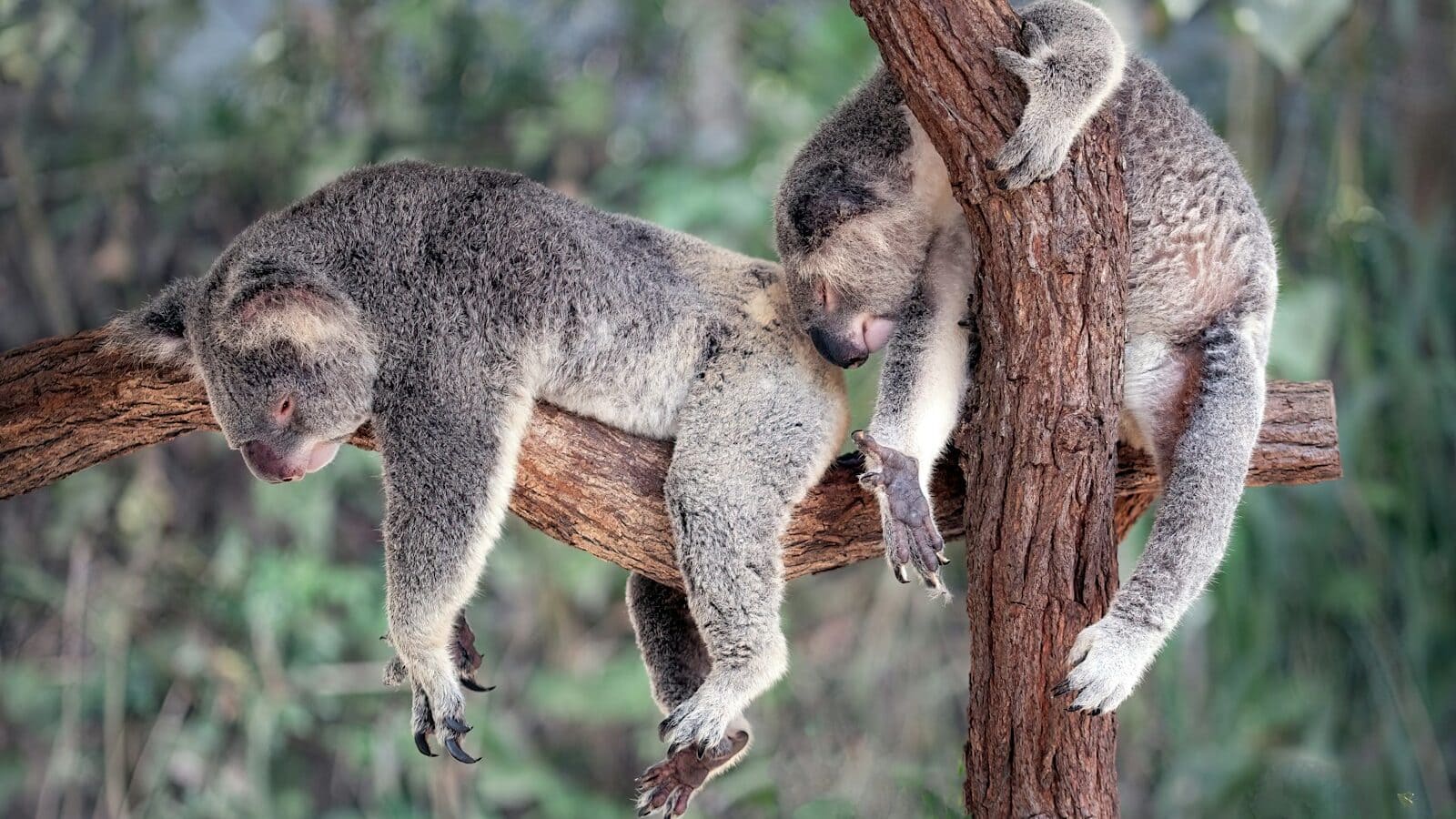
Despite its extended duration, koala sleep differs significantly from human sleep in both quality and structure. Koalas experience lighter sleep states for much of their rest period, allowing them to remain somewhat alert to potential threats even while conserving energy. They can quickly transition from apparent deep sleep to full alertness when disturbed, suggesting they maintain some level of environmental awareness throughout most of their rest periods. This lighter sleep quality enables koalas to maintain the vigilance necessary for survival while still achieving the energy conservation benefits of extended inactivity.
Research suggests that koalas cycle through various sleep stages during their 20-hour rest periods, including short periods of deeper sleep interspersed with longer periods of lighter sleep. Unlike humans who typically experience consolidated blocks of deeper sleep, koalas appear to distribute their deeper sleep phases throughout their extended rest periods. This sleep architecture likely represents an optimal balance between energy conservation and maintenance of sufficient alertness for predator avoidance, demonstrating once again how finely tuned their physiological adaptations are to their unique ecological niche.
Comparison to Other Sleepy Animals
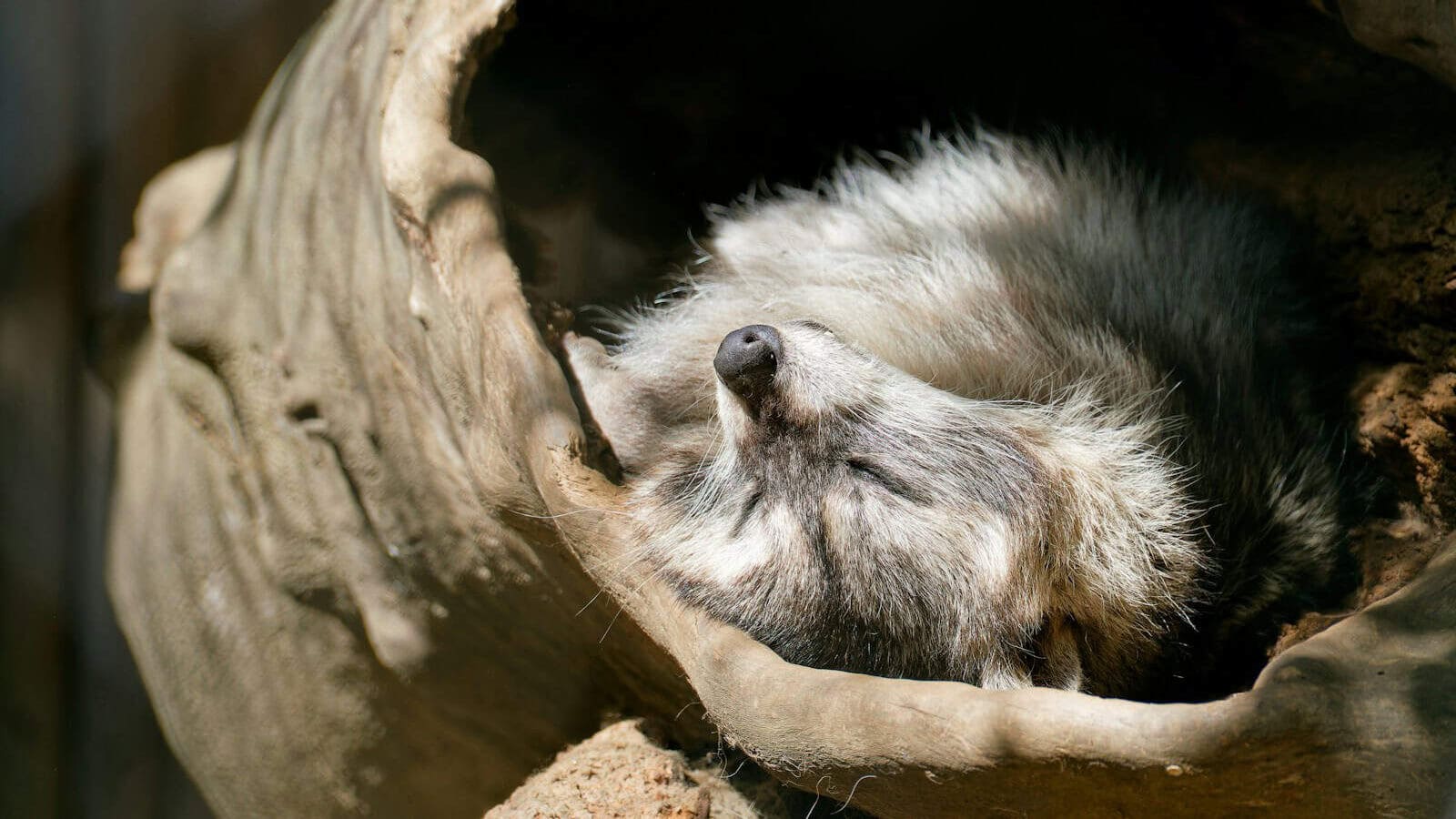
While koalas are famous for their extended sleep, they’re not alone in the animal kingdom when it comes to impressive slumber duration. Sloths, their ecological equivalents in the Americas, also sleep for 15-20 hours daily and face similar energy constraints due to their specialized folivorous (leaf-eating) diets. Giant pandas, another specialized herbivore that consumes nutrient-poor bamboo, sleep for 10-16 hours daily. What distinguishes koalas is the extreme specialization that has led to their sleep requirement—few animals have become as thoroughly adapted to such a toxic, energy-poor food source.
Other notable long-sleepers include bats (up to 19 hours), certain species of possum (18-20 hours), and armadillos (16-18 hours). What many of these animals share with koalas is either a specialized diet with low nutritional value or a need to conserve energy due to other physiological constraints. The convergence of similar sleep patterns across diverse mammalian lineages facing comparable dietary challenges suggests that extended sleep represents a fundamental evolutionary strategy for coping with nutritional limitations. Koalas represent perhaps the most extreme example of this adaptation among mammals that remain active year-round.
Conservation Implications of Sleep Requirements

The specialized sleep needs of koalas have significant implications for their conservation. As human development encroaches on koala habitat, these animals face increasing disruptions to their sleep patterns. Noise pollution, habitat fragmentation, and human disturbance can prevent koalas from obtaining the extended, uninterrupted rest periods they require for survival. Given their tight energy budgets, even modest increases in activity due to disturbance can have serious consequences for koala health and reproductive success.
Climate change presents another serious threat to koalas’ sleep-centered lifestyle. Rising temperatures and increasing frequency of extreme heat events force koalas to expend more energy on thermoregulation, potentially reducing their sleep duration. Additionally, climate change affects the nutritional quality and toxin content of eucalyptus leaves, potentially requiring koalas to process even more challenging food while having less energy available for doing so. Conservation strategies must account for koalas’ unique physiological constraints, including their extraordinary sleep requirements, to be effective in preserving this iconic species.
The extraordinary sleep patterns of koalas represent one of nature’s most specialized adaptations, finely tuned to overcome the significant challenges posed by their toxic, nutrient-poor eucalyptus diet. Far from being simply cute but lazy creatures, koalas exemplify the remarkable ways in which evolution can shape behavior and physiology to fill even the most challenging ecological niches. Their 20-hour sleep requirement reflects millions of years of evolutionary refinement that has allowed these specialized marsupials to thrive on a food source that would be poisonous to most other mammals.
As we work to protect koalas and their habitats, understanding the critical importance of their sleep patterns becomes essential for effective conservation. By appreciating how each aspect of koala biology—from their specialized digestive systems to their extended sleep requirements—forms part of an integrated survival strategy, we gain deeper insight into the delicate balance that sustains all specialized species. The koala’s drowsy lifestyle serves as a powerful reminder that in nature, what might appear as laziness often represents sophisticated adaptation, demonstrating evolution’s remarkable ability to find solutions to even the most challenging environmental constraints.

- 21 Scary Creatures You Might Run Into While Hiking In The U.S - June 3, 2026
- The Difference Between Turtles and Tortoises—Explained - June 3, 2026
- What Makes Owls the Silent Predators of the Night? - June 3, 2026