


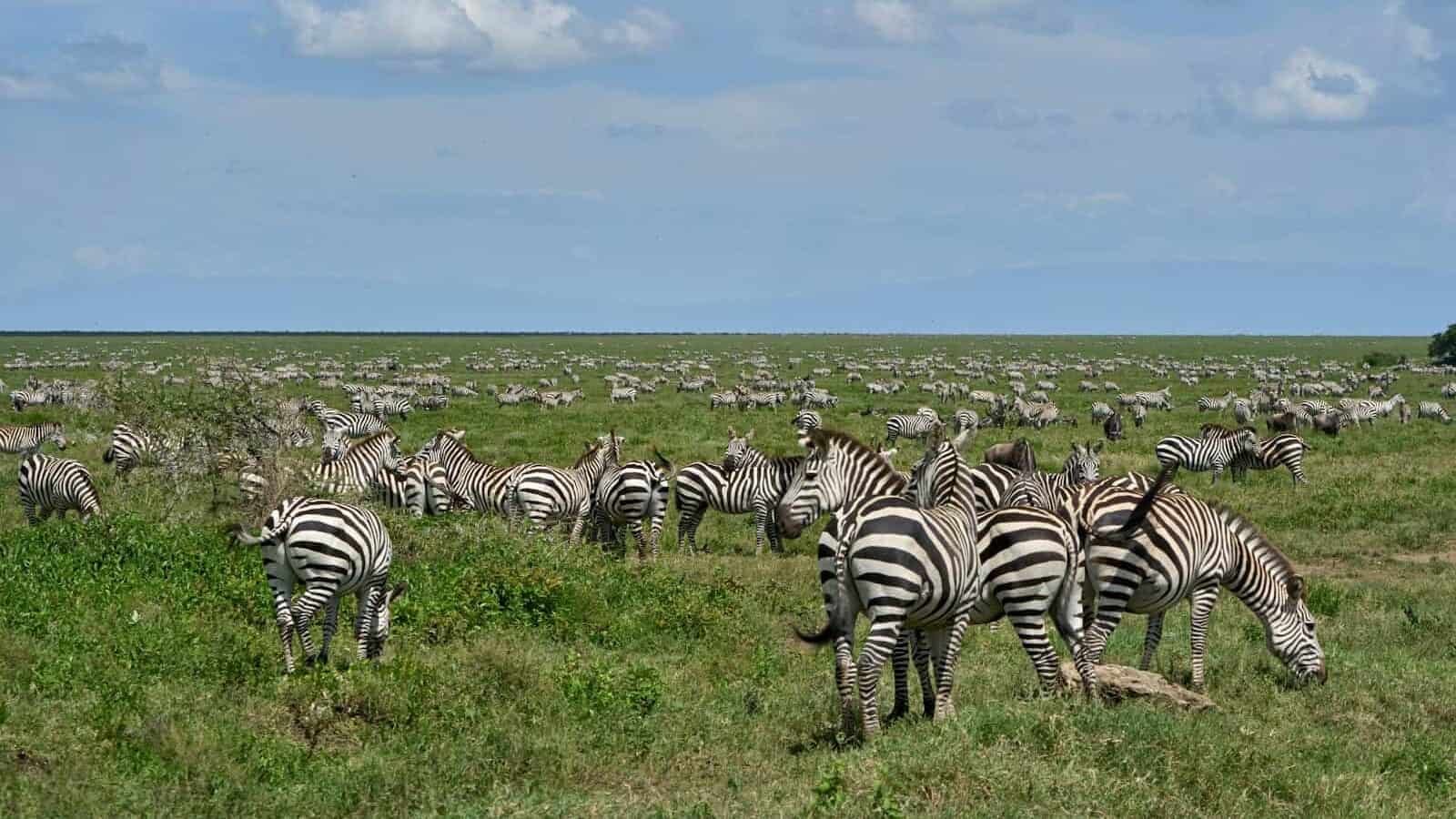
Zebras are among Africa’s most iconic migratory species, with thousands of animals traversing vast distances across savanna ecosystems in search of fresh grazing lands and water sources. These striped equids primarily follow seasonal rainfall patterns, moving to areas where precipitation has stimulated new grass growth. The most famous zebra migrations occur in eastern and southern Africa, with the Serengeti-Mara ecosystem hosting nearly 250,000 plains zebras that migrate alongside wildebeest and other ungulates in what’s often called the Great Migration.
Different zebra species exhibit varying migratory behaviors. Plains zebras (Equus quagga) are the most migratory, while mountain zebras (Equus zebra) and Grevy’s zebras (Equus grevyi) tend to have more restricted ranges. Research has documented zebra migrations spanning up to 500 kilometers in countries like Botswana, where zebras travel between the Okavango Delta and the Makgadikgadi Pans in what constitutes the second-longest terrestrial migration in Africa. These time-honored routes have evolved over thousands of years, shaped by the animals’ need to access seasonal resources in a landscape characterized by pronounced wet and dry seasons.
Climate Change’s Impact on Rainfall Patterns

Climate change is fundamentally altering rainfall patterns across Africa, disrupting the predictable seasonal cycles that zebras have evolved to follow. Scientific data indicates that many parts of eastern and southern Africa are experiencing increased rainfall variability, with more intense dry periods and more concentrated, unpredictable heavy rainfall events. The timing of seasonal rains has become less reliable, with some regions experiencing delayed onset of rainy seasons or premature endings. According to the Intergovernmental Panel on Climate Change (IPCC), eastern Africa has experienced increased drought frequency since 1950, while southern Africa is seeing longer dry spells interspersed with more intense rainfall events.
These shifting precipitation patterns directly impact the timing and routes of zebra migrations. Traditionally, zebras would begin their movements in anticipation of seasonal rains, but increasingly erratic rainfall makes these decisions more challenging. In regions like the Okavango Delta, researchers have documented zebras adjusting their migration timing by up to several weeks in response to altered rainfall patterns. When rains fail entirely in destination areas, zebras must either remain in suboptimal habitats or attempt to find alternative routes, often leading to nutritional stress and increased mortality, especially among foals and weakened individuals.
Rising Temperatures and Water Availability
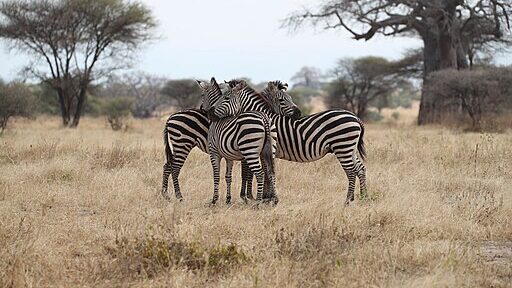
Average temperatures across African savannas have increased by approximately 1°C since pre-industrial times, with some regions experiencing even greater warming. This temperature rise has profound implications for zebra migrations, as it accelerates evaporation rates and reduces water availability in critical stopover points along migratory routes. Watering holes that historically provided reliable hydration during migrations are increasingly prone to drying up before seasonal rains return. For example, in Tanzania’s Tarangire ecosystem, researchers have documented a 40% reduction in surface water availability during the dry season compared to records from the 1970s.
Zebras, while more drought-tolerant than many other grazers, still require regular access to water, typically needing to drink every day or two. As temperatures continue to rise—with projections suggesting an additional 2-4°C increase by 2100 under moderate emissions scenarios—the distance between viable water sources along migration routes grows. This forces zebras to either deviate from traditional paths to find water or risk dehydration. Thermal stress also affects zebras directly, with studies showing increased physiological strain during movement in hotter conditions, potentially reducing the distances they can travel between water sources and affecting their overall migratory capacity.
Changing Vegetation and Food Availability
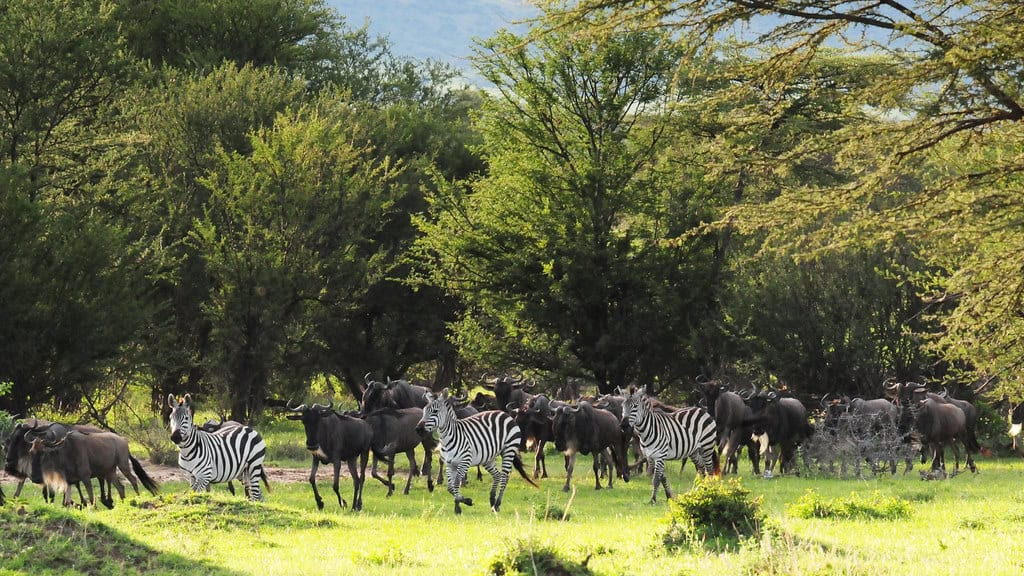
Climate change is significantly altering the vegetation composition and productivity of African grasslands that zebras depend on during migration. Rising atmospheric CO₂ levels favor woody plants over grasses in many savanna ecosystems, a process known as bush encroachment. Research across multiple African countries shows woody vegetation cover has increased by 8-15% in traditional zebra migration corridors over the past four decades. This shift reduces the availability of high-quality grasses that zebras prefer, forcing them to either consume lower-quality forage or search for diminishing grassland patches, potentially lengthening migration routes.
Additionally, climate change is affecting grass phenology—the timing of growth, flowering, and senescence. More variable rainfall patterns mean that the predictable waves of fresh grass growth that zebras historically followed are becoming less reliable. A study in Kenya’s Laikipia region found that the nutritional quality of grasses declined by up to 45% during drought years, significantly below the minimum requirements for lactating zebra mares. These changes in forage quantity and quality force zebras to modify their movement patterns, sometimes abandoning traditional routes entirely in search of adequate nutrition, which can lead to increased competition with livestock and other wildlife in remaining productive areas.
Disruption of Traditional Migration Routes
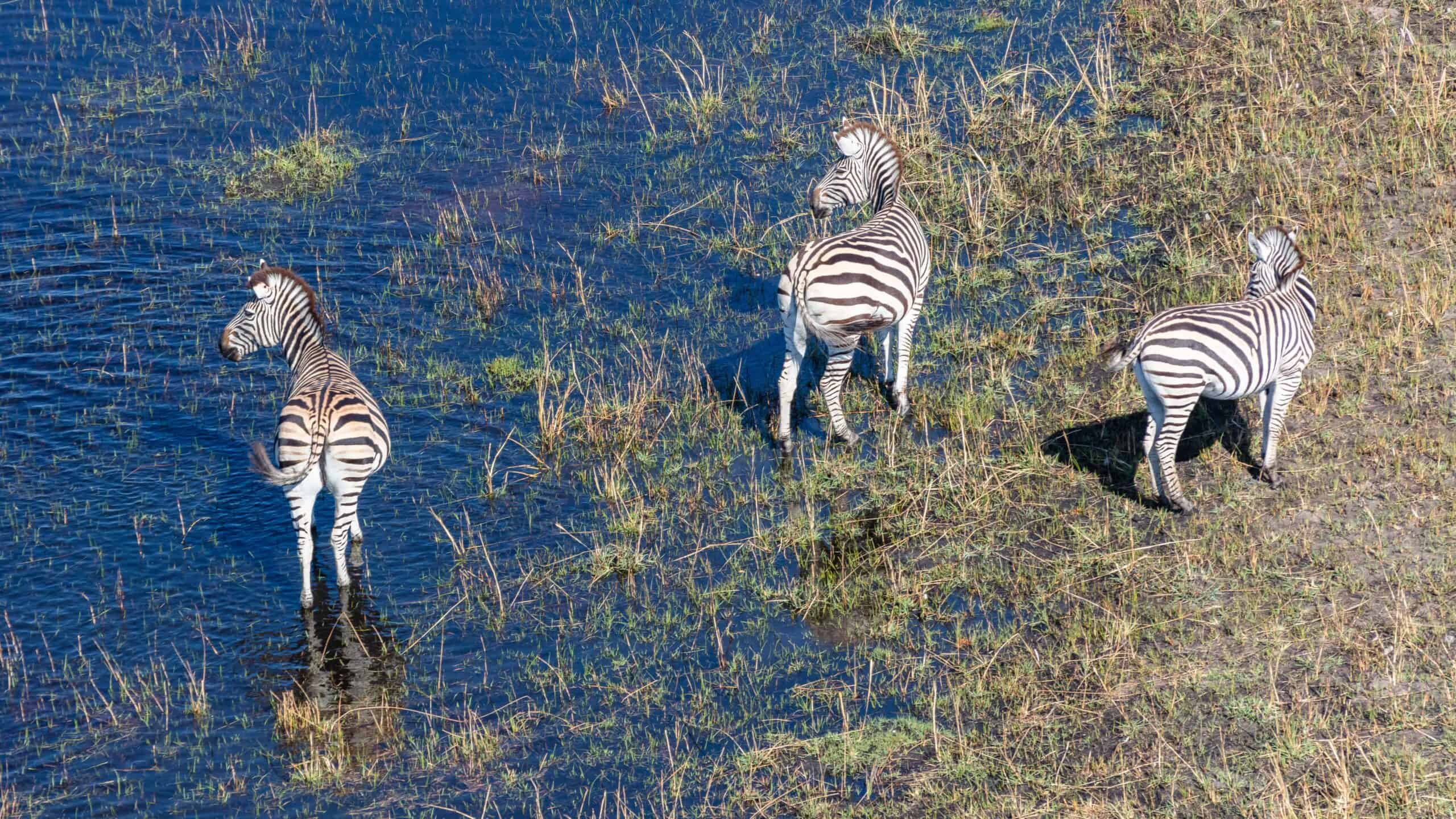
Climate change is forcing zebras to abandon or significantly alter migration routes that have been followed for generations. As certain areas become less viable due to changing rainfall patterns or vegetation shifts, zebras must adapt by pioneering new routes or modifying traditional ones. In Botswana, GPS tracking studies revealed that between 2007 and 2017, the main migration corridor used by plains zebras between the Okavango and Makgadikgadi shifted approximately 20 kilometers eastward, coinciding with altered rainfall patterns that changed where and when suitable grazing was available. These shifts often force zebras into unfamiliar territories where they may face new predators, obstacles, or competition.
Particularly concerning is the fracturing of once-cohesive migration patterns into smaller, isolated movements. In Tanzania’s greater Tarangire ecosystem, what was once a single major zebra migration has now split into several smaller movements as animals seek alternative resources in response to increasingly unpredictable environmental conditions. This fragmentation can disrupt social structures within zebra populations and reduces the “safety in numbers” benefit that massive herds traditionally provided against predators. Conservation biologists are increasingly concerned that some historic migration routes may be lost entirely if climate trends continue, representing the erasure of behavioral adaptations that evolved over thousands of years.
Increased Competition with Humans and Livestock
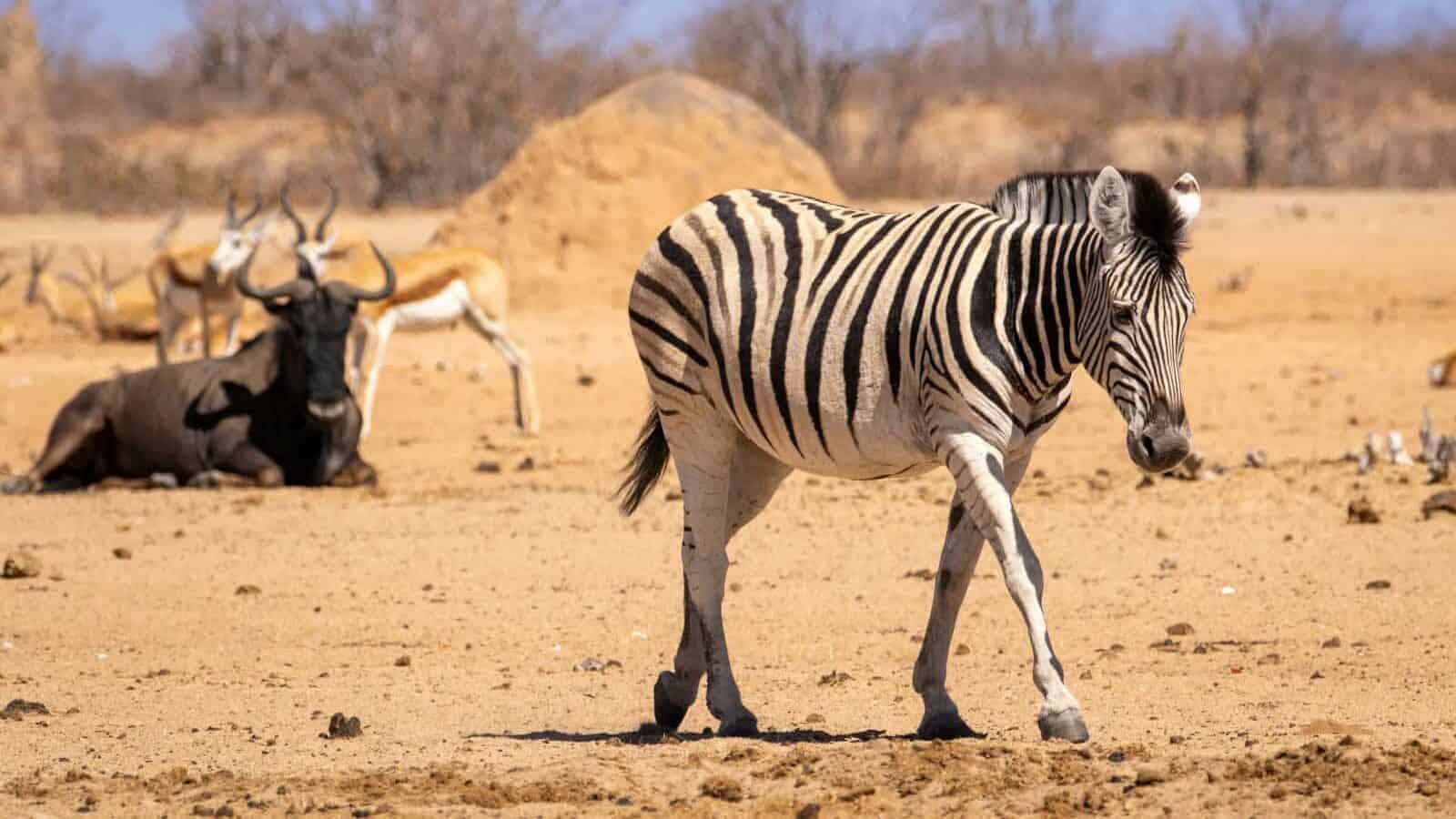
As climate change alters the viability of traditional zebra habitats, both zebras and human communities are increasingly competing for the same diminishing resources. In Kenya’s northern rangelands, prolonged droughts have driven both pastoralists and zebras into the same remaining green patches, leading to direct competition for grass and water. This competition intensifies during extreme climate events—during the severe 2016-2017 East African drought, some areas saw up to a 70% increase in livestock incursions into protected areas where zebras traditionally found refuge during dry seasons. When forced to share limited resources with domestic animals, zebras often lose out due to their less efficient digestive systems compared to livestock.
Climate change is also driving human agricultural expansion into previously marginal lands that served as important migration corridors. As farmers seek more arable land in response to climate-related crop failures elsewhere, they often target the seasonally productive areas that zebras rely on during migrations. A 2019 study documented a 35% reduction in one Tanzanian zebra migration corridor due to agricultural expansion driven partly by climate refugees from more severely affected regions. This human-wildlife conflict creates a dangerous feedback loop where climate change forces both species to compete more intensely for shrinking resources, often resulting in retaliatory killing of zebras that damage crops or compete with livestock.
Extreme Weather Events and Migration Hazards
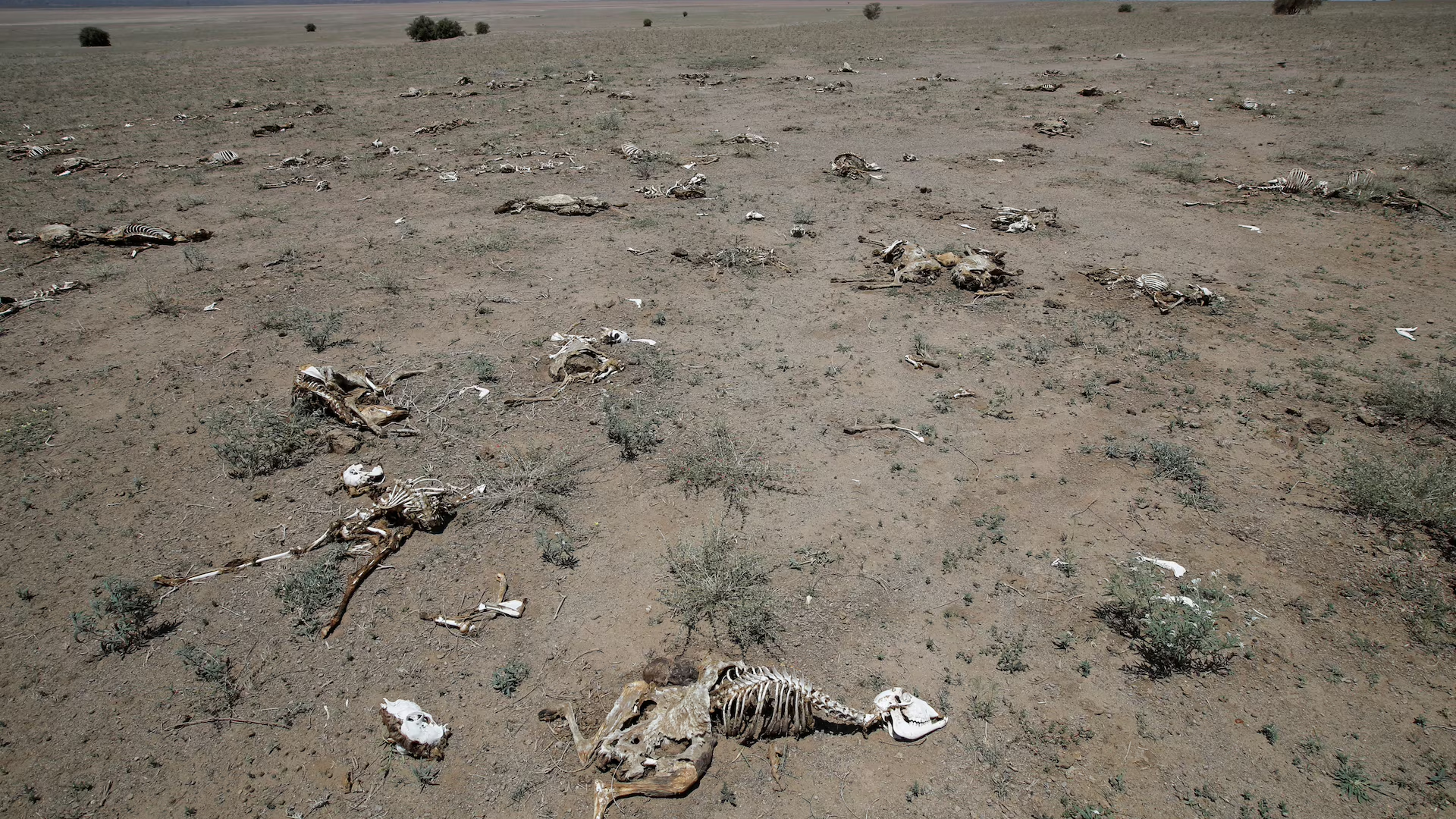
Climate change is increasing the frequency and intensity of extreme weather events across Africa, creating new hazards for migrating zebras. Severe droughts can deplete water and forage along migration routes, leaving zebras stranded in inhospitable terrain. During the 2015-2016 El Niño-intensified drought, wildlife managers in Botswana documented several hundred zebra deaths along migration routes where water points had completely dried up. At the other extreme, increasingly powerful flooding events can make river crossings—already dangerous points in migrations—even more perilous. In the Mara River, where thousands of zebras cross during annual migrations, researchers have recorded a 23% increase in drowning deaths during high-water years compared to historical averages.
Unusual weather patterns can also create ecological traps, where zebras are drawn to areas that appear suitable but cannot sustain them long-term. For instance, isolated thunderstorms in otherwise drought-affected regions may prompt zebras to deviate from traditional routes toward temporary vegetation growth, only to find these resources quickly depleted with no viable path to alternative grazing areas. Climate models project that such extreme weather events will become more common across Africa, with some regions expected to see a doubling of severe drought frequency by 2050. These intensifying climate hazards add significant unpredictability and risk to migration journeys that evolved under more stable climatic conditions.
Disease Dynamics in a Changing Climate
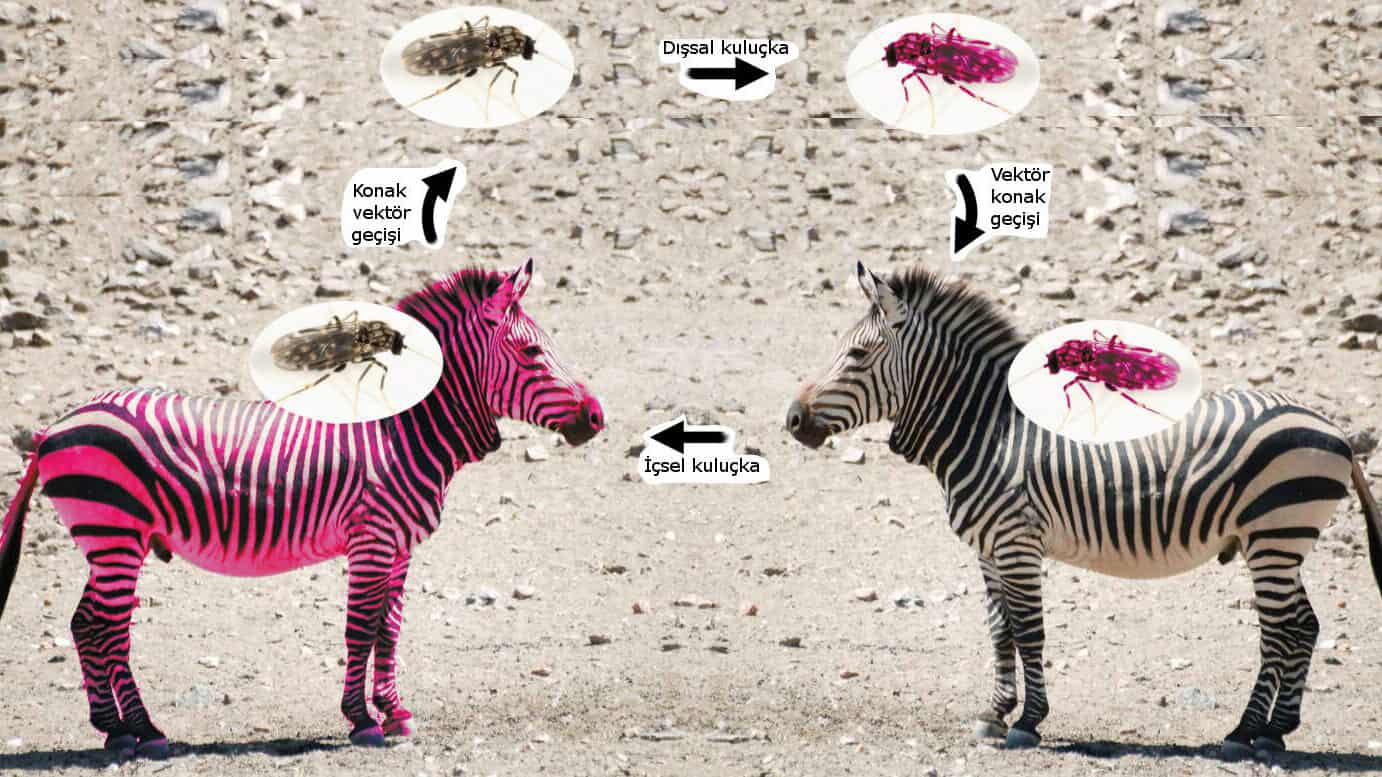
Climate change is altering the distribution and prevalence of diseases that affect migrating zebras. Warmer temperatures and changing rainfall patterns are expanding the range of disease vectors like ticks and biting flies into previously unsuitable areas, including high-altitude regions that once provided disease-free refuges during migrations. African horse sickness, a viral disease transmitted by Culicoides midges that can cause up to 95% mortality in zebra foals, is now appearing in previously unaffected areas as warming temperatures allow vector insects to survive year-round in new regions. Similarly, the geographic range of trypanosomiasis (transmitted by tsetse flies) is shifting, creating new disease hotspots along migration routes.
Additionally, climate stress weakens zebras’ immune systems, making migrating animals more susceptible to infection. Research shows that zebras experiencing nutritional stress due to drought have 2.3 times higher parasite loads than those with adequate nutrition. The disruption of migration timing due to climate change can also increase disease transmission by concentrating animals at limited water sources for longer periods, facilitating pathogen spread. A 2018 study in Kenya found that anthrax outbreaks affecting zebra populations occurred more frequently during drought years when animals were forced to graze closer to soil in areas with persistent anthrax spores. These emerging disease dynamics add another layer of climate-related stress to already challenged zebra populations.
Population Impacts and Demographic Changes
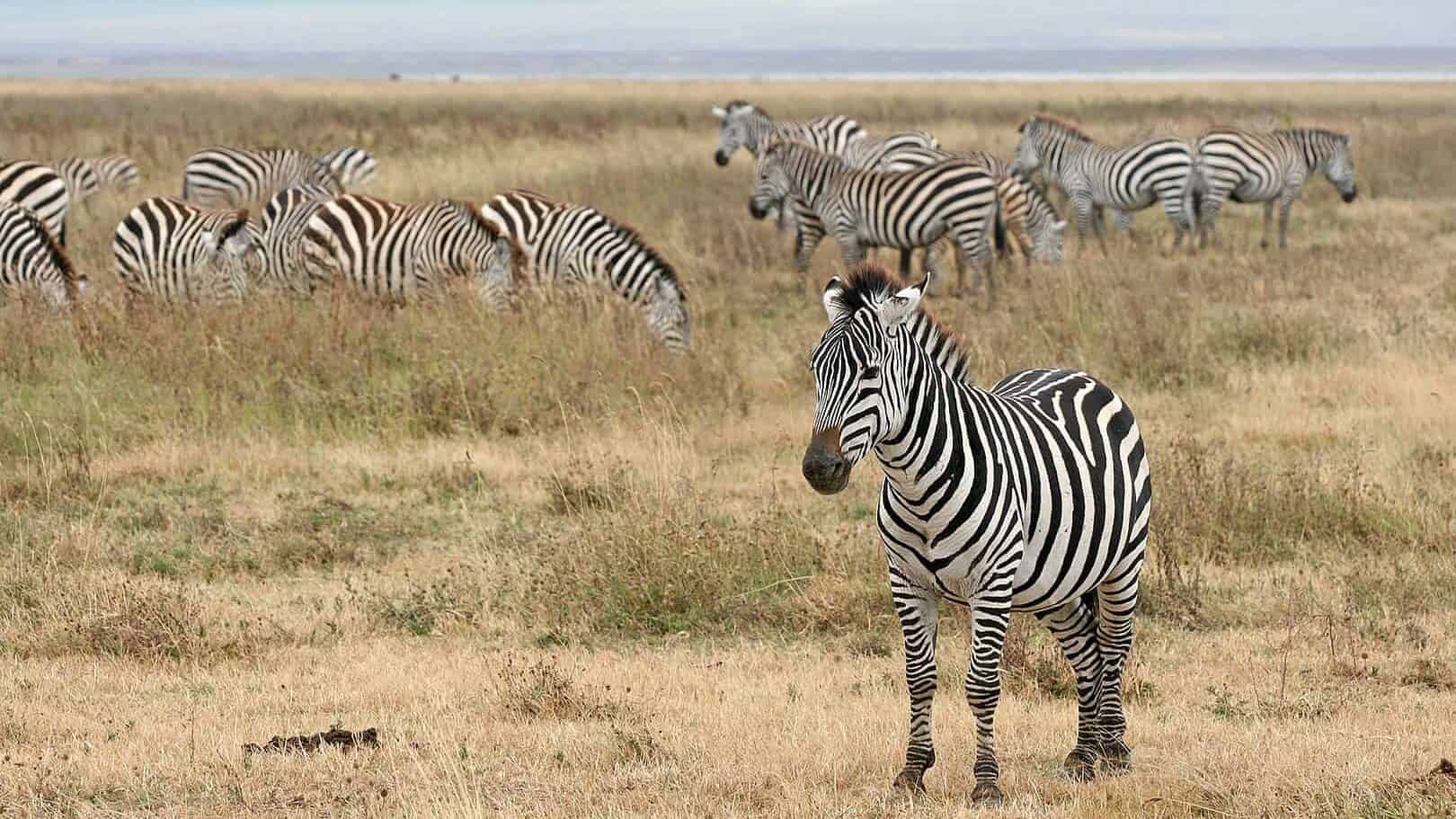
Climate change is beginning to affect zebra population dynamics and demographics in measurable ways. In populations where migrations have been severely disrupted by climate factors, researchers are documenting reduced birth rates and increased mortality. A long-term study in Tanzania found that in years with severe drought and disrupted migration patterns, zebra recruitment rates (the percentage of foals surviving to yearling age) declined by up to 30% compared to years with normal rainfall patterns. This demographic impact is particularly pronounced in areas where zebras can no longer reach critical dry-season resources due to climate-related habitat changes.
The age and sex structure of zebra populations is also shifting in climate-impacted regions. Adult females, especially those nursing foals, are particularly vulnerable to climate-related nutritional stress, leading to skewed sex ratios in some affected populations. In Kenya’s Laikipia region, researchers documented a shift from the typical 1:1 adult sex ratio to a male-biased 1.3:1 ratio following several consecutive drought years, reflecting higher female mortality. Perhaps most concerning for long-term population viability, climate disruptions that force zebras to abandon migrations in favor of residency in suboptimal habitat have been linked to reduced genetic diversity. A 2020 genetic study of zebras in fragmented habitats showed 17% lower heterozygosity compared to populations maintaining traditional migratory behaviors, suggesting climate change could have lasting evolutionary consequences for these iconic striped equids.
Conservation Responses to Climate-Impacted Migrations
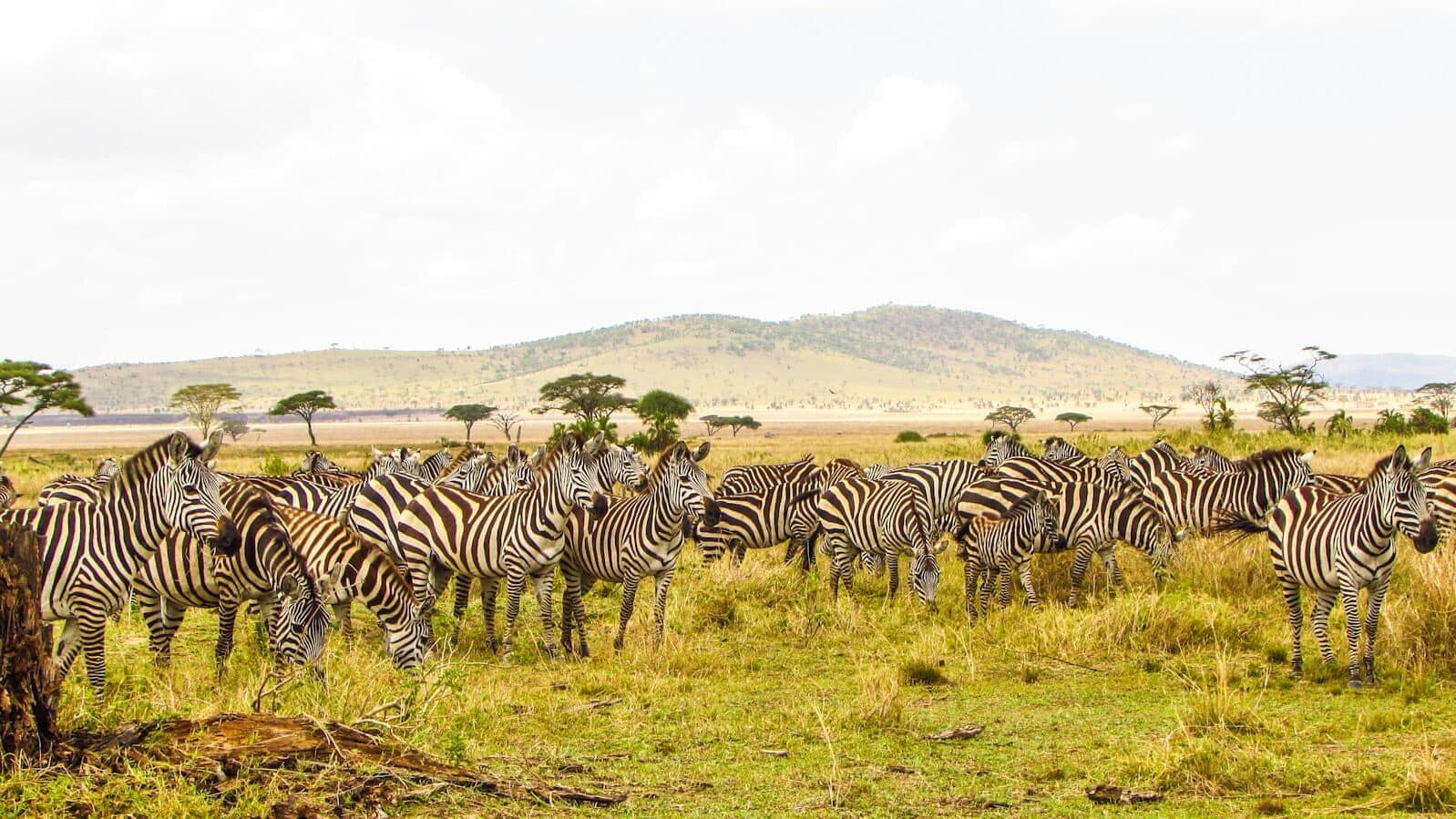
Conservation organizations and governments are implementing various strategies to help zebra populations adapt to climate-altered migration patterns. Wildlife corridor protection has emerged as a priority, with initiatives like the Kavango-Zambezi Transfrontier Conservation Area creating protected pathways spanning five countries that allow zebras flexibility to adjust their movements as climate conditions change. These corridors often include buffer zones around core protected areas, giving zebras alternatives when traditional routes become unviable due to changing rainfall or vegetation patterns. Some protected area managers are also creating artificial water points strategically placed to assist migrating zebras during drought periods, though these must be carefully managed to avoid creating population sinks or disease transmission hotspots.
More innovative approaches include the development of “climate-smart conservation plans” that incorporate climate projections into protected area design and management. Organizations like the Wildlife Conservation Society are using ensemble climate models to identify areas likely to retain suitable conditions for zebras despite climate change, prioritizing these as conservation targets. Community-based conservation initiatives are also proving effective, particularly those that help pastoralists develop climate-resilient livelihoods that reduce competition with wildlife during extreme weather events. In northern Kenya, programs that pay communities to maintain wildlife migration corridors through their lands have preserved critical zebra movement pathways while providing economic alternatives during drought periods when competition for grazing would otherwise be intense.
Future Projections for Zebra Migrations
Climate models project continued warming across Africa, with mean annual temperatures likely to rise by 2-4°C by the end of the century under moderate emissions scenarios. For zebra migrations, these projections suggest increasingly challenging conditions ahead. Rainfall is expected to become more variable and less predictable across most zebra ranges, with eastern Africa potentially seeing increased precipitation but delivered in more intense, less useful bursts, while southern Africa faces increasing aridity. These changes will likely force further alterations to migration timing and routes, with models suggesting that by 2050, up to 30% of current zebra migration corridors may become climatically unsuitable during critical seasons.
The combination of climate change with other anthropogenic pressures presents a particularly concerning scenario. As human populations continue to grow across Africa—projected to double by 2050 in many zebra range countries—climate change will intensify competition for land and resources. Models incorporating both climate and land-use change suggest that under worst-case scenarios, three of the continent’s seven major zebra migrations could collapse entirely by mid-century. However, more optimistic projections that include aggressive conservation interventions and climate mitigation efforts show that most migrations could persist in modified forms if sufficient connectivity is maintained between seasonal habitats. The future of zebra migrations will likely depend on both the pace of climate change and the effectiveness of conservation responses designed to help these iconic animals adapt to changing conditions.
The ancient rhythms of zebra migrations across African landscapes stand at a crossroads as climate change increasingly disrupts the environmental cues and conditions these iconic animals have followed for millennia. The evidence is clear that rising temperatures, shifting rainfall patterns, changing vegetation, and more frequent extreme weather events are already forcing zebras to alter traditional migration routes and timing, with measurable impacts on their populations. These changes represent not just a threat to zebras themselves, but to the broader ecological integrity of African savanna ecosystems where these migrations have long played a vital role in nutrient cycling, seed dispersal, and predator-prey dynamics.
Despite these challenges, zebras have demonstrated remarkable adaptability, pioneering new routes and adjusting their movements in response to changing conditions. Conservation efforts that focus on maintaining landscape connectivity, protecting water sources, and reducing competition with humans and livestock offer hope that these striped nomads can continue their migrations in modified forms. The fate of zebra migrations ultimately serves as a barometer for our broader response to climate change—whether we can develop the foresight and commitment to preserve ecological processes that evolved over millennia, even as the climate conditions that shaped them rapidly transform.

- 21 Scary Creatures You Might Run Into While Hiking In The U.S - June 3, 2026
- The Difference Between Turtles and Tortoises—Explained - June 3, 2026
- What Makes Owls the Silent Predators of the Night? - June 3, 2026