


Throughout history, the animal kingdom has provided endless inspiration for the fashion world. From the regal patterns of leopard spots to the iridescent magnificence of peacock feathers, nature’s designs have captivated designers and consumers alike. This relationship between animals and fashion spans centuries, evolving from literal use of animal materials to symbolic representations and ethical alternatives. The influence of wildlife on our wardrobes tells a complex story about human creativity, cultural symbolism, and our changing relationship with the natural world. This article explores the fascinating intersection of animals and fashion, tracing both the historical use of animal-inspired elements and the modern movement toward more ethical interpretations of these timeless influences.
The Historical Relationship Between Animals and Fashion

The connection between animals and human adornment dates back to prehistoric times when early humans used animal skins and furs not just for warmth and protection but as status symbols and decorative elements. Ancient Egyptian royalty wore leopard skins to signify their power, while Native American cultures incorporated eagle feathers into ceremonial headdresses to represent spiritual connection and honor. In medieval Europe, ermine fur became synonymous with royalty and appeared in countless royal portraits and ceremonial robes.
By the 18th and 19th centuries, the fashion industry’s demand for animal products had reached unprecedented levels. Victorian-era fashion featured exotic bird feathers, tortoiseshell accessories, and whalebone corsets. The demand was so great that some species faced extinction due to fashion trends alone. The great egret was hunted nearly to extinction for its plumes, which were used to decorate women’s hats. This period represents both the height of animal exploitation for fashion and the beginning of conservation awareness that would eventually lead to protective legislation and changing attitudes.
Leopard Print: From Royal Symbol to Fashion Staple

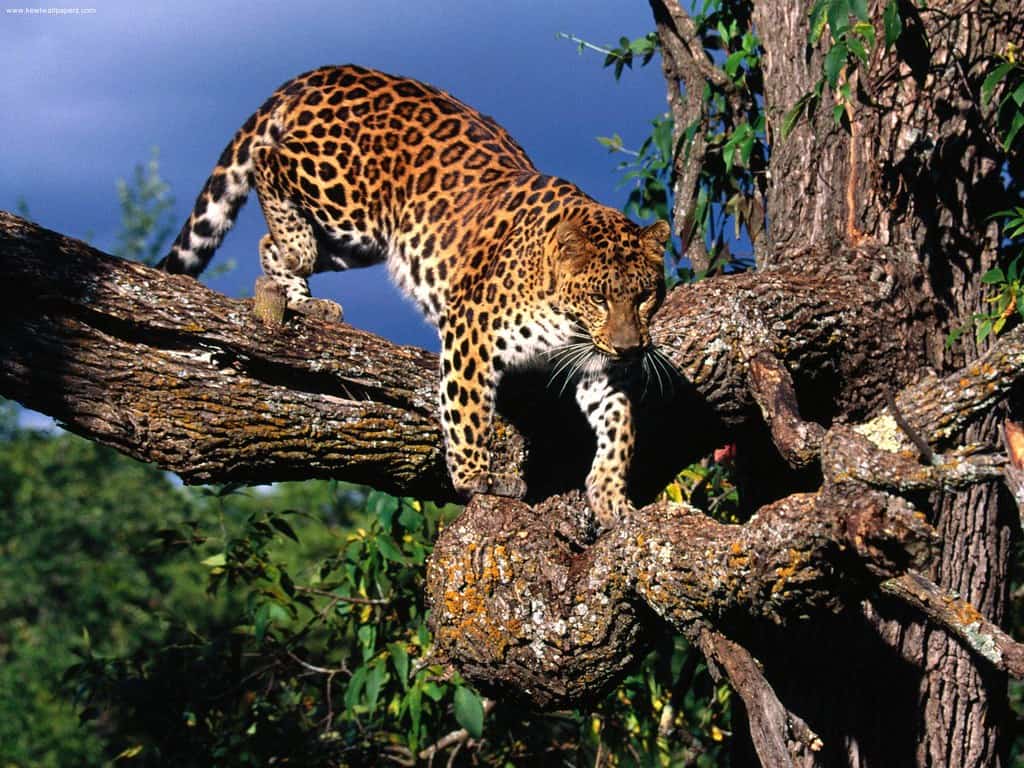
Few animal patterns have maintained such enduring appeal as leopard print. Originally worn by African royalty and warriors to symbolize power and status, leopard skins were prized possessions that signified a hunter’s prowess. When European colonizers encountered these traditions, they appropriated the use of leopard skins and introduced them to Western fashion. By the 1920s, real leopard fur coats had become status symbols for the wealthy, but it was in the 1950s and 1960s that leopard print truly entered mainstream fashion consciousness.
Christian Dior’s 1947 leopard print dress helped popularize the pattern as sophisticated and daring. Throughout subsequent decades, leopard print has cycled through various connotations—from Eartha Kitt’s sultry sophistication to punk rock rebellion to high fashion staple. Today, designers continue to reinvent leopard print each season, while conservation concerns have largely shifted production to synthetic replications rather than real fur. The pattern has transcended trends to become what many fashion experts consider a “neutral”—a timeless element that can be incorporated into almost any wardrobe.
The Majestic Influence of Peacock Feathers

Peacock feathers, with their iridescent blues and greens crowned with distinctive “eyes,” have fascinated humans for millennia. In ancient cultures across India, Persia, and China, these magnificent feathers symbolized immortality, protection, and watchfulness. Their integration into fashion reached a notable peak during the Aesthetic Movement of the late 19th century when the peacock became a key motif in art, interior design, and fashion. The movement celebrated beauty for beauty’s sake, and nothing embodied natural beauty more perfectly than the peacock’s plumage.
Today, peacock influences appear regularly on haute couture runways, from literal interpretations using ethically collected feathers to abstract designs capturing the distinctive color palette and eye-like patterns. Designers like Alexander McQueen, Gucci, and Roberto Cavalli have created collections featuring peacock-inspired elements, from embroidery and prints to structural designs mimicking the sweep of a peacock’s tail. Beyond high fashion, peacock colors and motifs appear in everyday accessories, makeup palettes, and textile designs, demonstrating how this bird’s natural beauty continues to captivate human imagination across cultural boundaries.
Snakeskin: The Controversial Fashion Texture
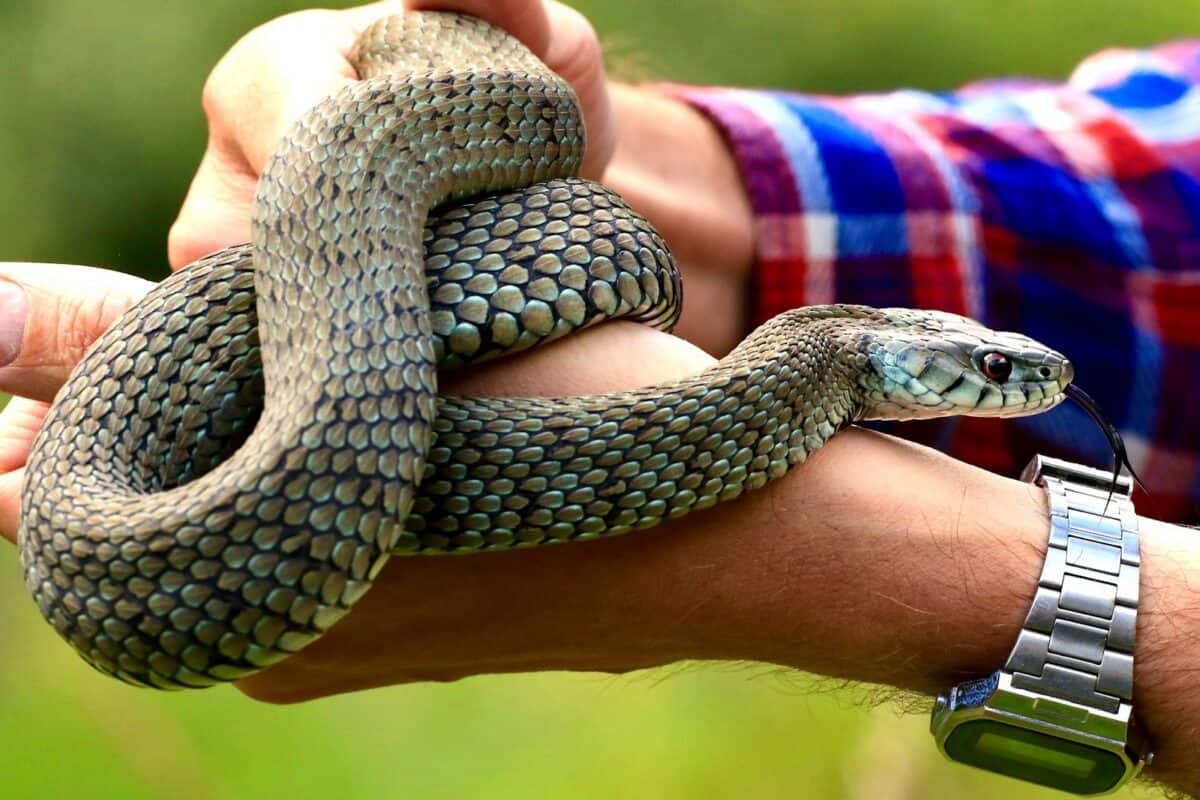
Snakeskin has long held a particular fascination in fashion due to its distinctive texture, natural pattern, and symbolic associations. Python, cobra, and anaconda skins have been used for centuries to create luxury accessories, particularly shoes, belts, and handbags. The unique scale patterns offer both visual interest and durability, making snakeskin a prized material. Throughout the 20th century, snakeskin accessories became markers of luxury and exoticism, with fashion houses like Gucci, Hermès, and Prada incorporating genuine reptile skins into their most exclusive items.
However, snakeskin has become increasingly controversial in contemporary fashion. Conservation concerns have led to restrictions on the trade of many snake species under CITES (the Convention on International Trade in Endangered Species of Wild Fauna and Flora). Additionally, ethical concerns about reptile farming and harvesting practices have prompted some luxury brands, including Chanel, Victoria Beckham, and Vivienne Westwood, to ban exotic skins entirely. The industry has responded with increasingly sophisticated synthetic alternatives that replicate the visual and textural appeal of snakeskin without the ethical concerns, allowing the aesthetic influence to continue even as practices evolve.
Butterfly Motifs: Symbols of Transformation

Butterflies have enchanted fashion designers for generations with their delicate beauty and powerful symbolism of transformation and rebirth. From the Art Nouveau movement of the early 20th century, when butterfly motifs adorned jewelry and decorative arts, to contemporary runway collections, these insects have provided consistent inspiration. Their symmetrical wing patterns, vibrant colors, and ephemeral quality make them perfect subjects for translation into fashion elements, from prints and embroidery to structural designs that mimic wing shapes.
The cultural significance of butterflies varies across traditions—representing the soul in Ancient Greek mythology, transformation in Christian symbolism, and longevity in Chinese culture—giving designers rich conceptual material to explore. Notable butterfly moments in fashion include Alexander McQueen’s spring/summer 1999 collection featuring live butterflies released during the finale, Elsa Schiaparelli’s surrealist butterfly buttons and brooches from the 1930s, and more recently, Versace’s butterfly motifs that have become signature elements of the brand. Unlike some animal inspirations that require the use of actual animal materials, butterfly-inspired fashion typically draws on the visual imagery rather than butterfly parts, making it a more inherently sustainable source of animal inspiration.
The Enduring Appeal of Zebra and Tiger Stripes
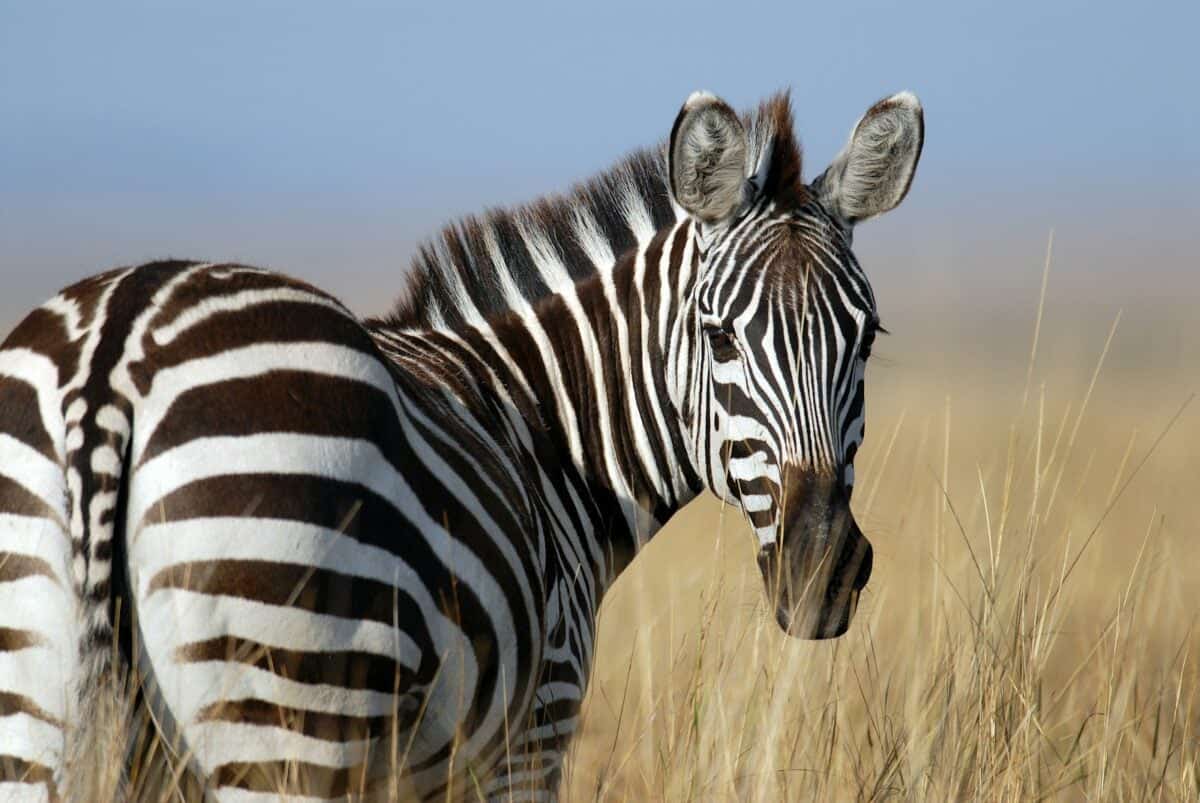
The bold, graphic nature of zebra and tiger stripes has given these patterns remarkable staying power in fashion. Zebra’s black-and-white contrast creates a striking visual effect that first gained popularity in Western fashion during the Art Deco era of the 1920s and 1930s when designers embraced geometric patterns and strong visual contrasts. Tiger stripes, with their rich amber and black coloration, entered mainstream fashion later but have been equally impactful, particularly since the 1970s when animal prints became associated with rock and glamour aesthetics.
Both patterns have cycled through periods of popularity, from Roberto Cavalli’s tiger-stripe evening gowns of the early 2000s to Tom Ford’s zebra-print collections at Gucci. These stripes work exceptionally well in fashion because they function as both statement pieces and, paradoxically, as versatile elements that can be treated almost as neutrals when paired with solid colors. Unlike leopard print, which has sometimes carried various cultural associations, zebra and tiger stripes have remained relatively free of specific connotations, allowing them to be constantly reinvented by designers while maintaining their fundamental visual appeal. The geometric nature of these patterns has also made them particularly adaptable to digital printing techniques, facilitating their continued presence in contemporary fashion.
Insect Inspirations: From Beetles to Bees

The microscopic world of insects has provided surprisingly rich inspiration for fashion designers seeking unique textures, structures, and iridescent color effects. The metallic exoskeletons of beetles, particularly scarabs, have inspired designers since ancient Egyptian times, when scarab beetles were sacred symbols incorporated into jewelry. In modern fashion, the iridescent quality of beetle wings has influenced textiles and finishes, most notably in the development of sequins, which were originally made from fish scales but designed to mimic beetle carapaces. Designers like Alexander McQueen and Iris van Herpen have created collections featuring insect-like structural elements and textures.
Bees have gained prominence as fashion motifs in recent decades, partly due to increased awareness of their ecological importance. Houses like Gucci and Dior have incorporated bee motifs into their designs as decorative elements but also as symbols of industriousness and environmental consciousness. Similarly, dragonflies, with their delicate wing structures, appeared prominently in Art Nouveau jewelry and have periodically returned to fashion prominence. The world of insects offers designers an inexhaustible source of structural ideas, color combinations, and symbolic associations that continue to influence both high fashion and commercial designs in increasingly sophisticated ways.
Ethical Concerns and the Rise of Alternatives
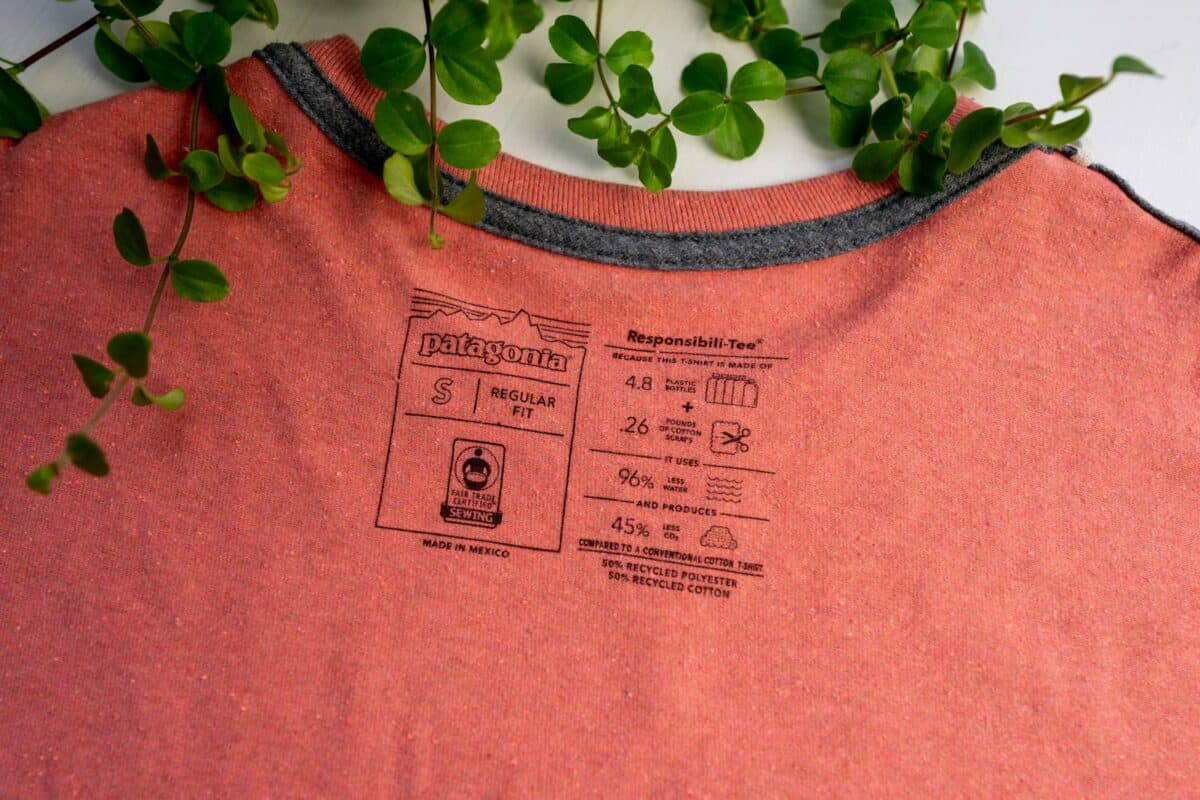
The fashion industry’s relationship with animal-inspired elements has undegone a profound transformation in recent decades as ethical concerns about animal welfare have gained mainstream attention. The use of endangered species in fashion led to international regulations like CITES in 1975, restricting the trade of threatened animals. Public awareness campaigns in the late 20th century highlighted cruel practices in fur farming and exotic skin harvesting, prompting both consumer backlash and industry response. The 1990s “I’d Rather Go Naked Than Wear Fur” campaigns by PETA marked a turning point in public perception of animal products in fashion.
Today, technological advances have created increasingly sophisticated alternatives to animal materials. Modern faux furs can be nearly indistinguishable from the real thing, while digital printing techniques reproduce animal patterns on sustainable fabrics. Innovative companies are developing plant-based and lab-grown alternatives to leather, addressing both animal welfare and environmental concerns. Major fashion houses including Gucci, Prada, Burberry, and Chanel have announced fur-free policies, while others like Stella McCartney have built their brands on completely animal-free philosophies. These shifts represent not just changing ethics but also the industry’s adaptation to evolving consumer values that prioritize sustainability and compassion alongside aesthetics.
The Symbolism of Animal Motifs Across Cultures
Animals in fashion carry deep symbolic meanings that vary dramatically across cultures and historical periods. In Chinese tradition, dragons represent imperial power and good fortune, appearing in elaborate embroideries on court robes and continuing to influence contemporary designers like Guo Pei. The snake holds dual symbolism—representing evil in Judeo-Christian contexts but rebirth and healing in many Eastern traditions—creating rich conceptual territory for designers to explore. Similarly, owls signify wisdom in Western cultures but may be associated with death in parts of South Asia, illustrating how the same animal motif can convey radically different meanings depending on cultural context.
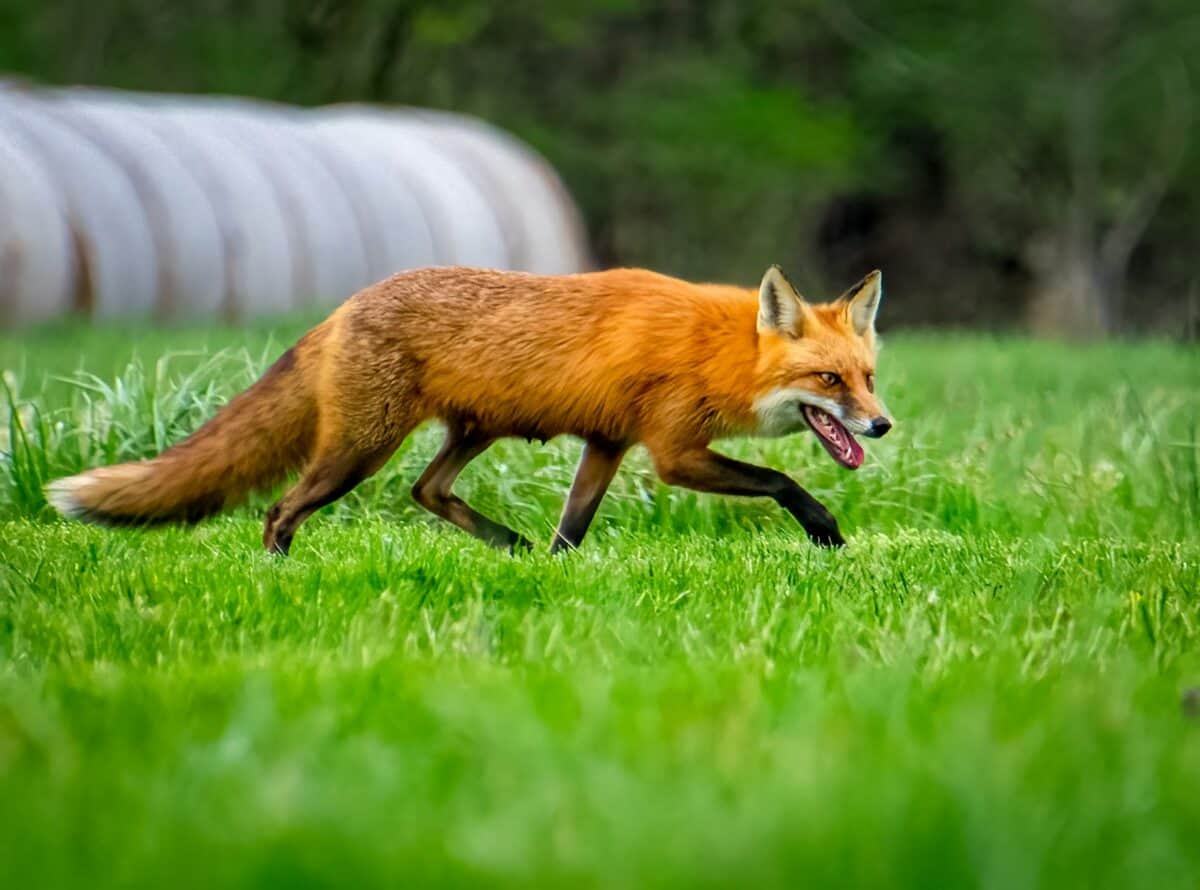
Fashion designers often deliberately play with these varied symbolic associations. Jean Paul Gaultier’s frequent use of the leopard print recontextualizes its associations with power and sexuality, while Alexander McQueen’s collections often explored the darker symbolism of creatures like ravens and wolves. Beyond high fashion, these symbols permeate everyday clothing choices—the fierce loyalty of the wolf on graphic t-shirts, the freedom of the eagle on motorcycle jackets, or the playfulness of fox motifs in children’s clothing. Understanding the cultural symbolism behind animal-inspired fashion reveals how deeply our clothing choices are connected to universal human experiences and our complex relationship with the natural world.
Technological Innovations in Animal-Inspired Fashion

Advances in technology have revolutionized how animal inspirations appear in fashion. Digital textile printing has enabled designers to reproduce complex animal patterns with unprecedented detail and color accuracy, making animal prints more accessible while reducing the need for actual animal materials. 3D printing technology has allowed designers like Iris van Herpen to create structural pieces inspired by insect exoskeletons and bird feathers with revolutionary precision. Biomimicry—the practice of emulating nature’s designs—has led to innovations like fabrics that regulate temperature similar to animal fur or textiles with structural properties inspired by spider silk.
Biotechnology represents the cutting edge of this evolution, with companies developing lab-grown alternatives to animal materials. Modern Meadow has pioneered biofabricated leather grown from collagen cells, while Bolt Threads has created Microsilk, a synthetic spider silk produced through fermentation. These technologies promise to deliver the aesthetic and functional properties of animal-derived materials without the ethical or environmental concerns. Fashion schools are increasingly incorporating these technologies into their curricula, training a new generation of designers who see technology not as a replacement for natural inspiration but as a tool to translate nature’s designs in more sustainable and ethical ways.
Celebrity Influence on Animal-Inspired Fashion Trends
Celebrities have played a pivotal role in popularizing animal-inspired fashion throughout modern history. In the 1940s and 1950s, Hollywood stars like Marilyn Monroe and Elizabeth Taylor helped transform leopard print from exotic novelty to glamour staple. Jackie Kennedy’s leopard coat by Oleg Cassini became an iconic fashion moment in the 1960s, while musicians like Debbie Harry and David Bowie incorporated animal prints into their distinctive 1970s rock aesthetics. More recently, figures like Beyoncé, Rihanna, and Lady Gaga have sparked trends with their animal-inspired fashion choices, from Rihanna’s snake-print ensembles to Lady Gaga’s controversial raw meat dress at the 2010 MTV Video Music Awards, which made a provocative statement about consumption and objectification.
The influence flows in both directions, with celebrities also shaping ethical conversations around animal-inspired fashion. Stella McCartney has used her celebrity platform to advocate for cruelty-free fashion, influencing both consumers and other designers. Celebrities like Emma Watson and Natalie Portman have publicly embraced sustainable and animal-friendly fashion choices, helping shift consumer perception of ethical alternatives from fringe to fashionable. Social media has amplified this influence, with celebrity Instagram posts featuring animal-inspired fashion—whether genuine exotic skins or ethical alternatives—capable of creating instant demand or backlash. This celebrity impact illustrates how animal-inspired fashion remains deeply connected to cultural conversations about status, identity, and increasingly, ethical values.
The Future of Animals in Fashion: Ethical Innovation
The future relationship between animals and fashion appears to be moving toward a balance of visual inspiration and ethical consideration. The industry is increasingly embracing biomimicry—drawing inspiration from animal structures, colors, and functions without using animal materials. Companies like Bolt Threads have developed lab-grown alternatives to silk and leather that replicate the properties of animal materials without harming creatures. Digital design technologies allow for the creation of hyper-realistic animal patterns that can be produced without environmental impact, while 3D printing enables structures inspired by nature’s engineering marvels like honeycombs and butterfly wings.
Consumer attitudes continue to evolve, with younger generations particularly concerned about the ethical implications of their fashion choices. Research shows that Gen Z and Millennial consumers are more likely to research the sustainability credentials of fashion brands before purchasing, creating market pressure for continued innovation in ethical alternatives. Fashion education is responding to this shift, with design schools incorporating sustainability principles into their core curriculum. The most forward-thinking fashion houses are finding that ethical approaches to animal inspiration can drive innovation rather than limit creativity, suggesting a future where fashion’s celebration of animal beauty becomes fully aligned with respect for animal welfare and environmental sustainability.
Conclusion: The Enduring Bond Between Animals and Fashion
The relationship between animals and fashion reflects humanity’s complex connection with the natural world—a blend of admiration, inspiration, exploitation, and increasingly, conservation. From ancient ceremonial garments to contemporary runway collections, animals have provided not just materials but a rich visual language that speaks to fundamental human desires for beauty, status, transformation, and connection with nature. As the fashion industry continues to evolve, the influence of animals remains constant, though the methods of expression are changing dramatically in response to ethical concerns and technological possibilities.
What makes animal inspirations so enduring in fashion is their ability to transcend cultural boundaries while simultaneously carrying deep cultural meanings. Leopard spots, peacock feathers, and butterfly wings speak to universal human appreciation for natural beauty while also connecting to specific cultural traditions and personal expressions. This dual quality ensures that even as fashion moves away from using actual animal materials, the visual language and symbolic power of animal-inspired design will continue to captivate the human curiosity and creativity.

From exploring the marine wonders in the Azores and witnessing the vast savannas of Kenya, to delving deep into the rich biodiversity of South Africa and traversing iconic landscapes in Australia and the US like Yellowstone, Chris's experiences are vast.
With a penchant for diving alongside sharks, the ocean holds a special place in his heart.
Through his academic insights, he champions wildlife conservation, striving with 'Animals Around The Globe' to cultivate a profound connection between humans and animals, enhancing our mutual appreciation.
Connect with him at Feedback@animalsaroundtheglobe.com.
- What Scientists Found in Ice Cores From Alaska Will Shock You - June 24, 2026
- Why World Wildlife Day Matters & 9 Shocking Facts About Animal Decline - June 24, 2026
- Why Ball Pythons Curl Into a Ball When Stressed - June 24, 2026