

Worried about unexpected vet bills?
Pet insurance can cover thousands in unexpected vet costs. Get a free quote from Lemonade in under 2 minutes.
Get My Free Quote →Sponsored · Opens Lemonade.com
In the harsh desert landscapes of southern Africa, meerkats have mastered the art of survival through cooperation and clever adaptations. Among their most endearing behaviors is their remarkable habit of huddling together for warmth—a social thermoregulation strategy that has captured the hearts of wildlife enthusiasts worldwide. These small, social mammals rely on close physical contact not just for emotional bonding, but as a critical survival mechanism against the extreme temperature fluctuations of their arid homeland. From freezing desert nights to chilly winter mornings, meerkats have developed sophisticated cuddling techniques that help conserve body heat while strengthening their complex social structures. This article explores the fascinating world of meerkat cuddle behavior, revealing how these charismatic creatures stay cozy through collective warmth-sharing that benefits both individuals and the entire colony.
The Desert Challenge: Why Meerkats Need to Cuddle

Meerkats (Suricata suricatta) inhabit some of the most temperature-extreme environments on Earth, including the Kalahari Desert that spans Botswana, Namibia, and South Africa. In these arid regions, daytime temperatures can soar above 40°C (104°F) while plummeting to near freezing at night—a thermal challenge that demands creative solutions from its small-bodied residents. With their slender builds and relatively low body fat, meerkats are particularly vulnerable to heat loss.
This vulnerability is compounded by their high surface-area-to-volume ratio, which causes them to lose body heat rapidly compared to larger animals. Scientists have calculated that a solitary meerkat in cold desert night conditions could experience a critical drop in core body temperature within just hours without behavioral adaptations. Unlike some desert mammals that have evolved thick fur or the ability to enter torpor (a temporary hibernation-like state), meerkats have instead developed social strategies—with cuddling at the forefront—to maintain their ideal body temperature of approximately 37°C (98.6°F) through the challenging desert nights.
The Meerkat Family Structure: Building the Foundation for Cuddle Groups

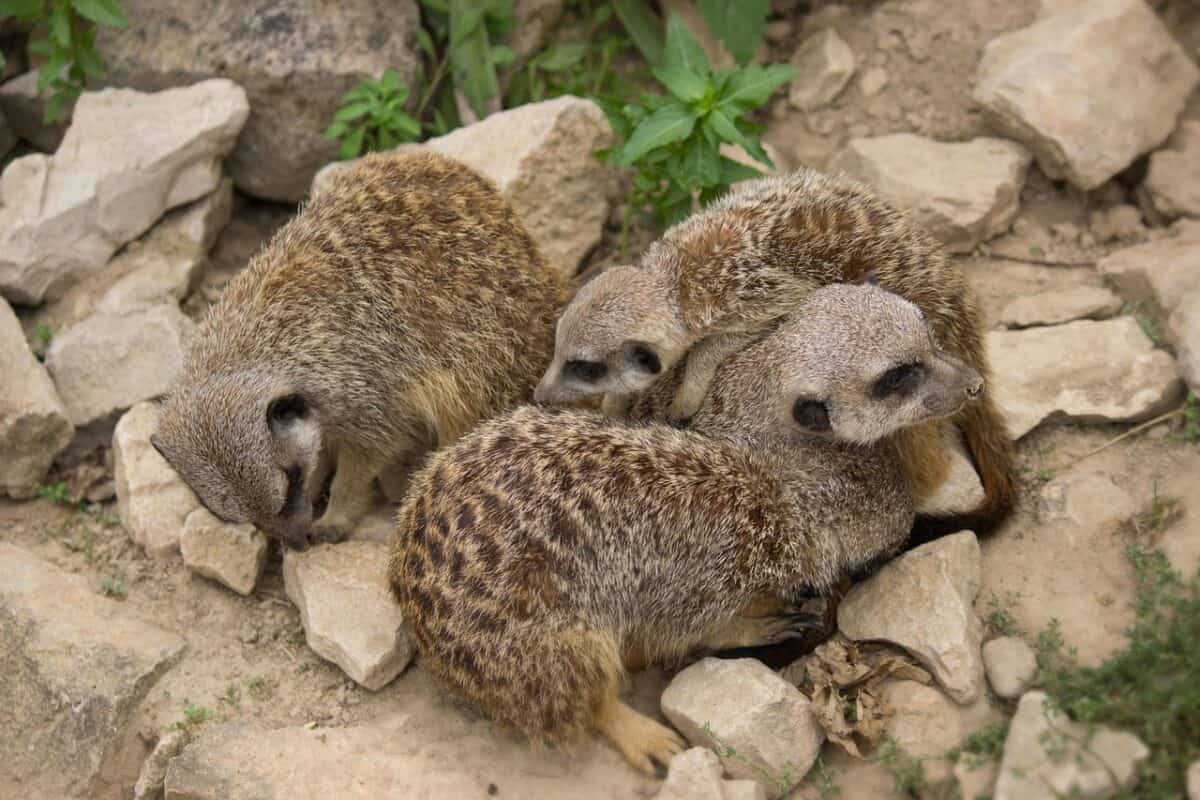
Meerkats live in tight-knit family groups called mobs or gangs, typically consisting of 10-30 individuals, though some colonies can grow to include up to 50 members. These social units are built around a dominant breeding pair that produces most of the mob’s offspring, while non-breeding members serve as helpers in raising young, standing guard, and hunting. This cooperative breeding system creates strong social bonds that facilitate the close physical contact necessary for effective group thermoregulation.
The family hierarchy within meerkat mobs directly influences their cuddling arrangements. Dominant members often position themselves at the center of cuddle piles, where the thermal benefits are greatest. Researchers studying meerkat behavior have observed that higher-ranking individuals typically enjoy more advantageous positions in sleeping clusters, demonstrating how social dynamics and thermoregulation intersect in these fascinating communities. This organized approach to group huddling ensures that the colony’s most reproductively valuable members receive optimal thermal protection, increasing the survival odds for the entire family unit.
Anatomy of a Meerkat Cuddle: The Perfect Sleeping Formation
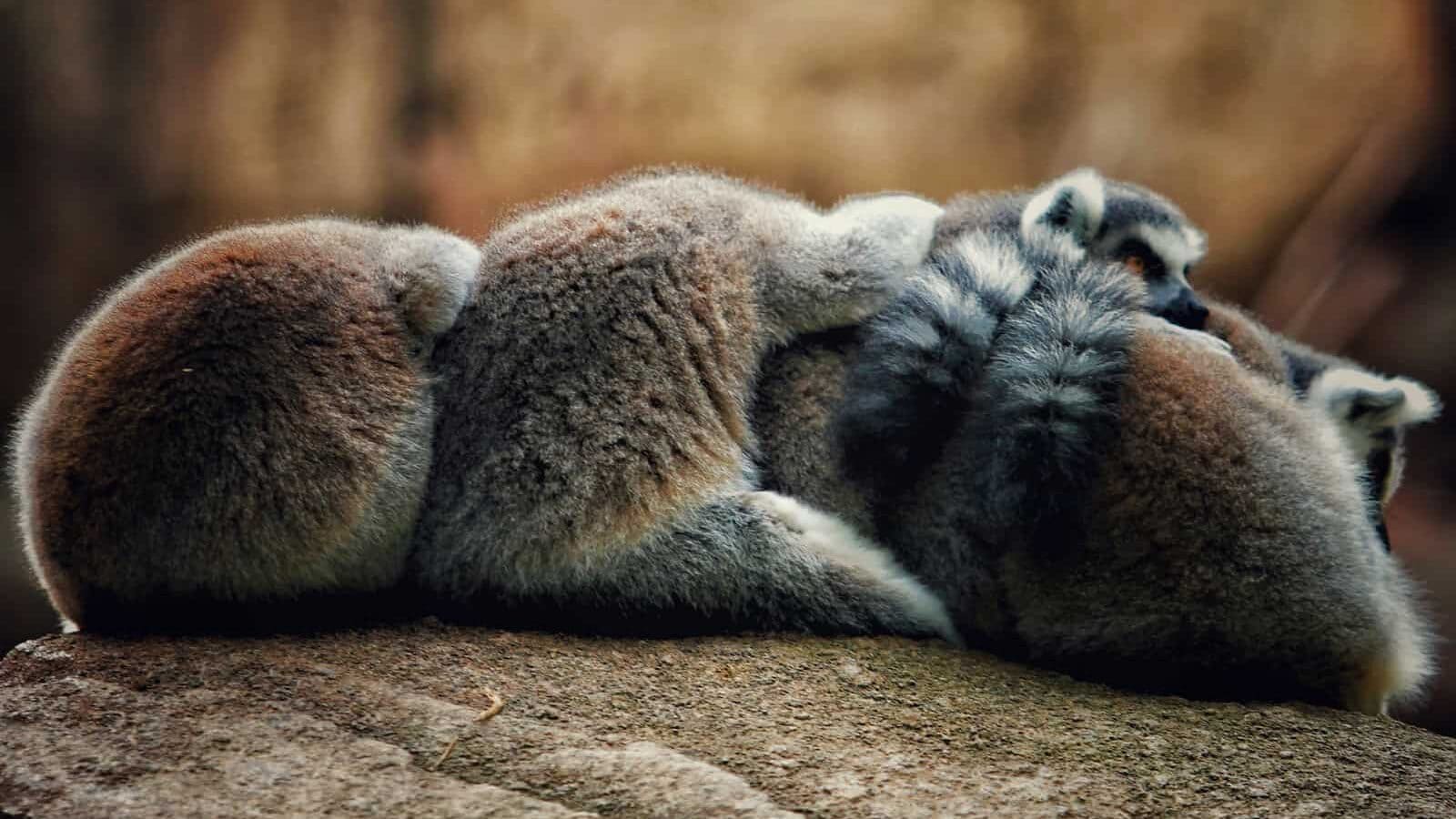
Meerkat cuddling isn’t a random jumble of bodies—it’s a precisely organized formation that maximizes heat retention. When bedding down for the night, meerkats arrange themselves in compact piles with specific positions. The most common configuration is a circular or semicircular arrangement where individuals lie pressed tightly together, often with their vulnerable underbellies facing inward toward the warmest part of the group. This creates a collective heat reservoir that benefits all participants.
The physical mechanics of these cuddle formations are remarkably efficient. Meerkats intertwine their limbs and tails, minimizing exposed surface area and creating multiple points of bodily contact. They often sleep in layers, with some individuals partially lying atop others, creating a three-dimensional heat-trapping structure. Thermal imaging studies have revealed that the core temperature of these cuddle groups can be up to 7°C (12.6°F) warmer than the surrounding air, demonstrating the impressive insulating properties of their collective bodies. During particularly cold weather, the outermost meerkats will periodically rotate positions with those in warmer central locations, ensuring that no individual bears the thermal cost of exposure for too long.
Underground Burrows: The Perfect Cuddle Environment

While meerkats are known for their aboveground sentinel poses and foraging activities during daylight hours, their nighttime cuddling takes place within elaborate underground burrow systems. These burrows, which can extend up to 3 meters deep and contain multiple chambers interconnected by tunnels, provide an initial layer of insulation from extreme surface temperatures. The earth itself acts as a thermal buffer, maintaining more moderate temperatures than the outside air.
Within these subterranean homes, meerkats designate specific chambers as sleeping quarters where the entire mob gathers to huddle. These sleeping chambers typically measure about 30-50 centimeters in diameter—just enough space for the group to pack tightly together. The confined space actually enhances their cuddling efficiency by preventing heat from dissipating too quickly. Research has shown that occupied burrow sleeping chambers can maintain temperatures between 21-24°C (70-75°F) even when outside temperatures drop below freezing, highlighting how meerkats combine environmental engineering with social behavior to create ideal conditions for their communal warmth-sharing.
Seasonal Variations in Meerkat Cuddling Behavior
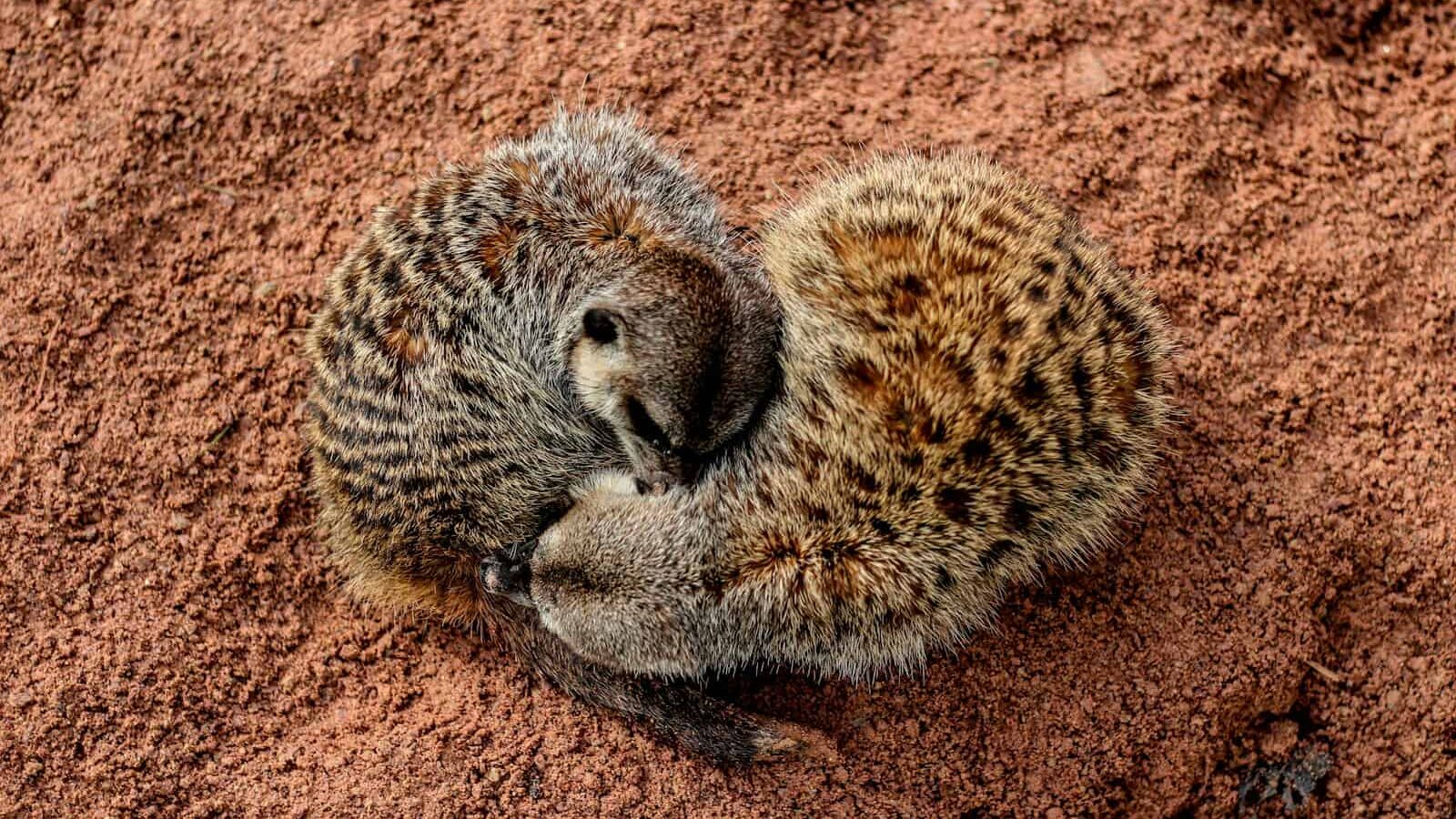
Meerkat cuddling patterns change dramatically with the seasons, demonstrating their remarkable behavioral flexibility. During winter months, when Kalahari temperatures can drop below 0°C (32°F) at night, meerkat mobs spend up to 12 hours in tight-knit sleeping formations. These winter cuddle sessions are characterized by maximum body contact, with individuals frequently shifting positions to distribute warmth throughout the group.
By contrast, summer cuddling takes on a different character. While meerkats still sleep in close proximity, they maintain slightly more personal space, sometimes sleeping in looser formations that allow for better heat dissipation. During extremely hot periods, they may even sleep in a dispersed pattern within the burrow, though still maintaining visual and auditory contact with other mob members. Researchers tracking seasonal behaviors have noted that meerkats adjust their entry and exit times from burrows based on seasonal temperature patterns, spending more time cuddling during colder seasons and more time separated during warmer months. This seasonal adaptation allows meerkats to maintain optimal body temperature year-round despite living in one of Earth’s most thermally challenging habitats.
Cuddle Care: How Young Meerkats Learn Thermal Regulation
For meerkat pups, learning proper cuddling techniques is a crucial life skill that begins almost immediately after birth. Newborn pups, born hairless and particularly vulnerable to temperature fluctuations, are placed at the center of family huddles where they receive maximum thermal protection from the adults surrounding them. This central positioning ensures their survival during the critical first weeks of life when they cannot effectively regulate their own body temperature.
As pups develop, they gradually learn the social rules of cuddle formations through experience and observation. By about three weeks of age, when they first emerge from the burrow, young meerkats begin participating in daytime rest huddles, where they practice positioning themselves alongside siblings and adult helpers. Researchers have observed that juvenile meerkats initially make “mistakes” in huddle positioning, sometimes facing the wrong direction or failing to maximize body contact, but quickly learn from gentle corrections by adults. By six months of age, young meerkats have generally mastered the subtle art of efficient group thermoregulation, demonstrating how this critical survival behavior is passed down through generations through experiential learning rather than pure instinct.
The Science of Heat Exchange: How Cuddling Actually Works
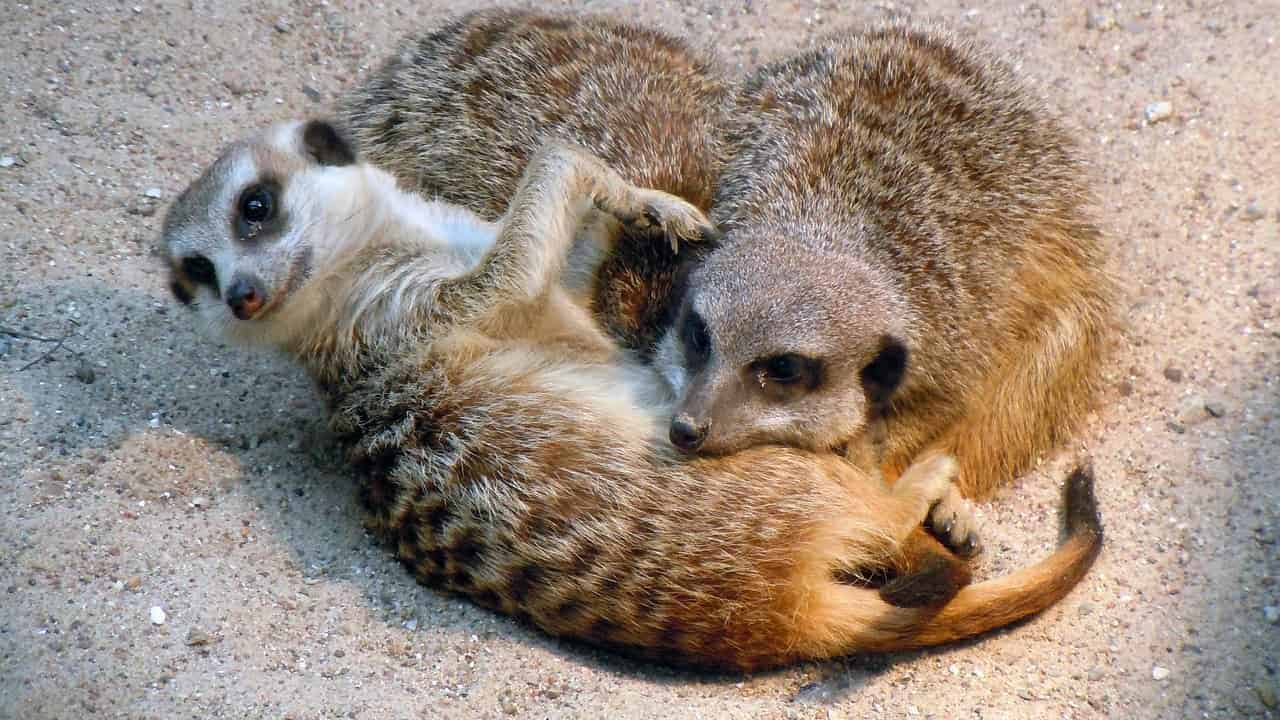
The physics behind meerkat cuddling reveals the remarkable efficiency of this warming strategy. When meerkats huddle together, they create a collective entity with a significantly reduced surface-area-to-volume ratio compared to individual animals. Since heat loss occurs primarily through surface exposure, this reduction dramatically improves heat retention. Biophysicists studying thermal dynamics in small mammals estimate that a group of 15 huddling meerkats can reduce their collective heat loss by up to 40% compared to the same number of solitary individuals.
At the physiological level, several mechanisms enhance this warming effect. Meerkats in cuddle groups experience vasodilation (widening of blood vessels) in areas where their bodies contact others, facilitating efficient heat transfer between individuals. This creates a thermal equalization effect where warmer members share heat with cooler individuals. Additionally, grouped meerkats maintain a more stable respiratory rate, reducing energy expenditure and heat loss through breathing. The cumulative metabolic heat generated by multiple bodies creates a microclimate within the huddle that can be sustained with significantly less energy than what each individual would expend trying to maintain temperature alone—a prime example of how cooperation provides energetic advantages in challenging environments.
Beyond Warmth: The Social Benefits of Meerkat Cuddling
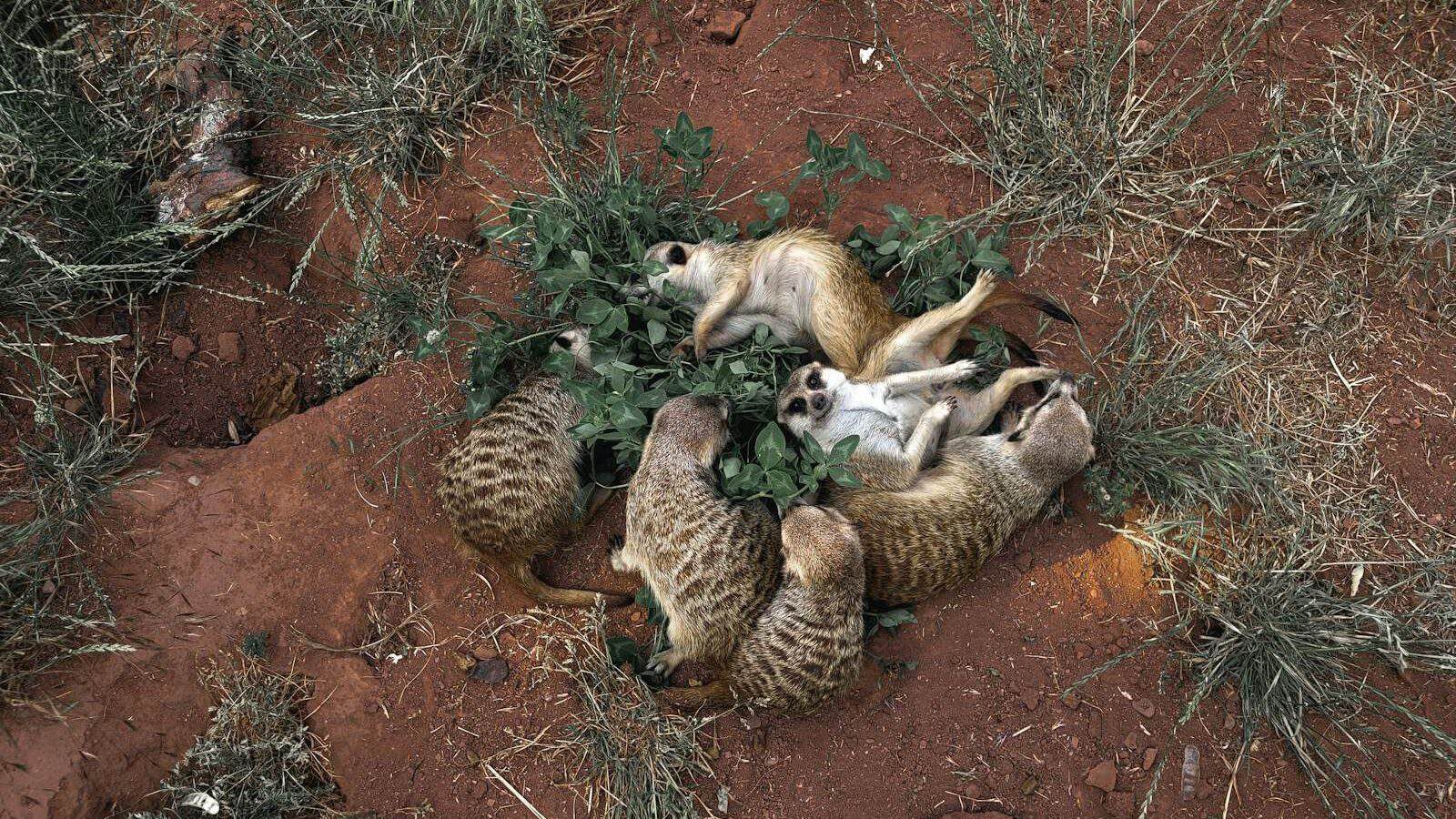
While temperature regulation is the primary function of meerkat cuddling, this intimate behavior serves multiple additional purposes within their complex social structure. The extended physical contact during huddles reinforces social bonds between mob members, promoting group cohesion that extends to other cooperative behaviors like sentinel duty, babysitting, and coordinated defense against predators. Researchers have documented higher levels of oxytocin—often called the “bonding hormone”—in meerkats following extended cuddle sessions.
These cuddle sessions also provide opportunities for social grooming, as mob members often engage in mutual cleaning while in close contact. This grooming helps remove parasites and keeps fur in optimal condition for insulation. Perhaps most fascinatingly, meerkat huddles serve as information exchange forums, where scent marking and subtle vocalizations help establish and reinforce the social hierarchy. Young meerkats learn their place in the mob through these interactions, while adults maintain their status. The multifunctional nature of these cuddle sessions demonstrates how meerkats have evolved behaviors that simultaneously address multiple survival challenges, making their cuddling behavior one of the most sophisticated examples of social thermoregulation in the animal kingdom.
Comparing Meerkat Cuddles to Other Social Mammals
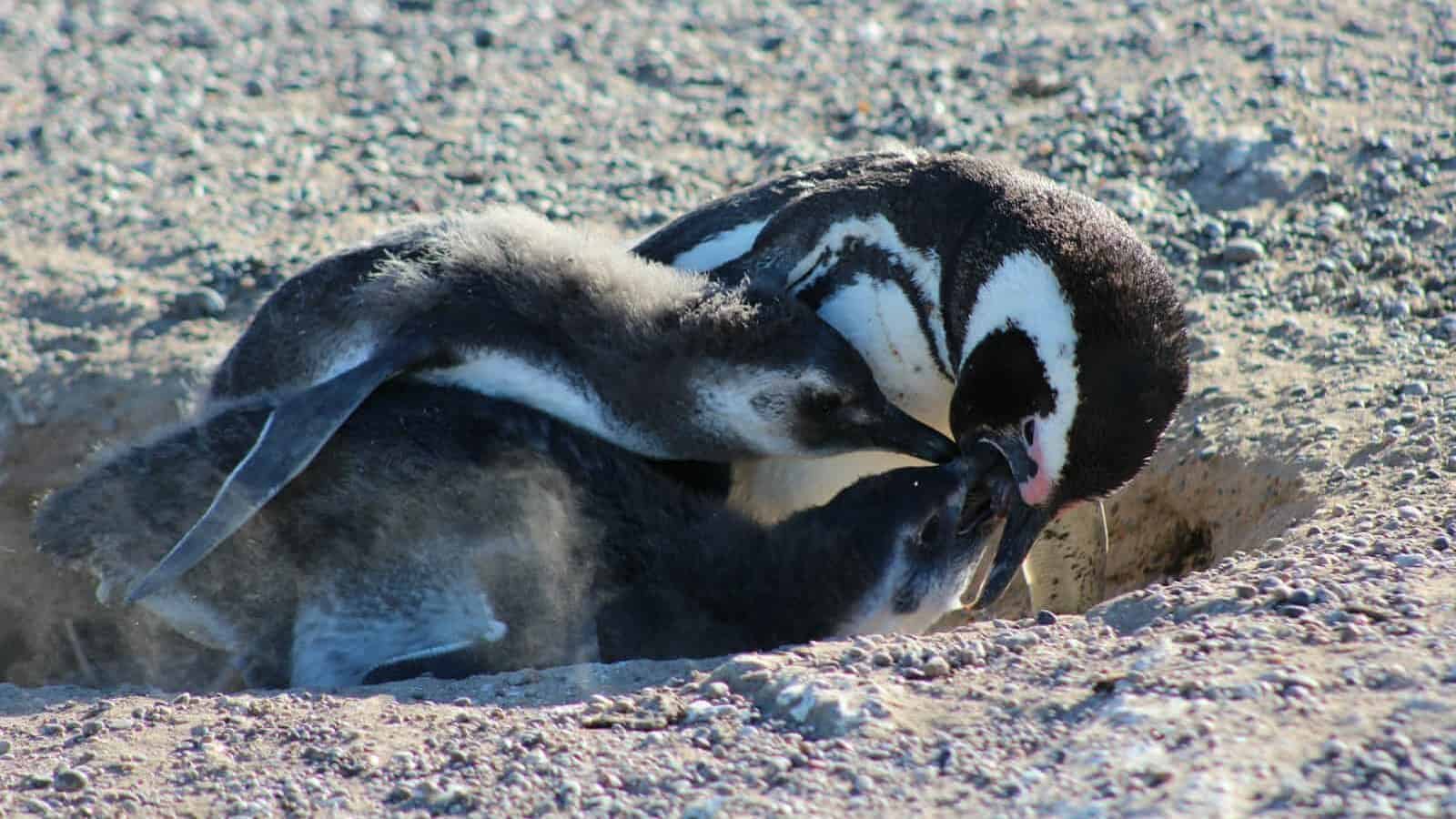
Meerkats aren’t the only mammals that huddle for warmth, but their techniques are among the most sophisticated observed in the animal kingdom. Comparative studies with other social mammals reveal interesting similarities and differences. Emperor penguins perhaps most famously use huddle formations in the Antarctic, rotating positions to share the burden of exposure to extreme cold—a strategy remarkably similar to meerkats despite evolving independently in a completely different environment and taxonomic group.
Among mammals, naked mole-rats show similar burrow-dwelling and huddling behaviors, though their thermoregulation challenges stem from their nearly hairless bodies rather than desert temperature fluctuations. Prairie dogs, distant relatives of meerkats, also cuddle in underground chambers but typically maintain smaller family groups. What distinguishes meerkat cuddling is the combination of their elaborate social structure, their desert adaptation necessities, and the precision of their formations. Unlike many rodent species that huddle opportunistically, meerkats have institutionalized cuddling as a central feature of their social organization, demonstrating how thermal challenges can drive the evolution of complex social behaviors across different mammalian families.
Threats to Meerkat Cuddling: Climate Change and Habitat Loss

As earth’s climate continues to change, meerkats face new challenges to their time-tested thermoregulation strategies. Rising temperatures in southern Africa are altering the thermal dynamics of desert ecosystems, potentially disrupting the delicate balance meerkats have achieved. Research indicates that extreme heat events are becoming more frequent in the Kalahari, forcing meerkats to spend more daylight hours underground and reducing their foraging time. This creates nutritional stress that can affect their ability to maintain the body condition necessary for effective group thermoregulation.
Habitat fragmentation presents another serious threat to meerkat cuddle culture. As human development encroaches on their territory, meerkat populations become isolated in smaller habitat patches. This can lead to smaller mob sizes, reducing the thermal efficiency of their huddles. Conservation biologists monitoring meerkat populations have noted that groups with fewer than eight members struggle to maintain optimal sleeping temperatures during cold periods, leading to increased mortality rates. These threats highlight how intimately connected meerkat survival is to their social thermoregulation strategies, and why conservation efforts must consider preserving not just individual animals but the intact social groups that enable their unique warming behaviors.
Studying Meerkat Cuddling: Research Challenges and Breakthroughs

Investigating the intimate details of meerkat cuddling presents unique challenges to researchers. Early studies relied primarily on observational methods, with scientists documenting burrow entry and exit times and occasionally glimpsing sleeping arrangements. The breakthrough came with the development of specialized infrared cameras small enough to be placed in burrow sleeping chambers without disturbing the animals. These non-invasive monitoring systems have revealed previously unknown details about meerkat sleeping positions and movement patterns throughout the night.
More recently, innovative research tools have further expanded our understanding. Implantable temperature loggers no larger than rice grains allow scientists to track individual body temperatures throughout cuddle sessions, while thermal imaging cameras create detailed heat maps of entire mob formations. Some research teams have even developed “smart burrows”—artificial chambers equipped with sensors that measure temperature, humidity, and oxygen levels while recording meerkat positions through pressure plates. These technological advances have transformed meerkat cuddling from a charming animal behavior anecdote into a scientifically documented phenomenon, providing insights not just into meerkat biology but into the broader principles of social thermoregulation that might apply across species.
The story of meerkat cuddling represents one of nature’s most elegant solutions to the challenge of surviving in an extreme environment. Through social cooperation and behavioral adaptation, these small mammals have developed a warming strategy that maximizes efficiency while simultaneously strengthening the social bonds critical to their colonial lifestyle. Their sophisticated huddle formations demonstrate how natural selection can shape behaviors that address multiple survival challenges simultaneously, creating multifunctional adaptations that benefit both individuals and groups.
As we face our own human challenges related to energy efficiency and resource conservation, meerkat cuddle strategies offer inspiration for how cooperation can create solutions greater than the sum of individual efforts. The thermal efficiency of their huddles far exceeds what any single meerkat could achieve alone, demonstrating the power of collective action. From their careful burrow engineering to their precise sleeping formations and their equitable rotation systems, meerkats embody principles of conservation, cooperation, and adaptability that resonate far beyond their desert homes.
Understanding the complexity of meerkat warming behaviors also reinforces the importance of preserving intact ecosystems where such sophisticated social behaviors can continue to thrive. As climate change and habitat fragmentation threaten meerkat populations, protecting their ability to maintain their traditional cuddle culture becomes an important conservation priority. In the humble meerkat’s embrace, we find not just a heartwarming example of animal behavior, but a testament to how social cooperation can transform individual vulnerability into collective resilience—a lesson as warming as the cuddle piles themselves.
Worried about unexpected vet bills?
Pet insurance can cover thousands in unexpected vet costs. Get a free quote from Lemonade in under 2 minutes.
Get My Free Quote →Sponsored · Opens Lemonade.com

- How Coral Polyps Work Together as One Super-Organism - June 9, 2026
- The Ocean’s Loudest Creature Is Smaller Than You’d Think - June 9, 2026
- 30 Bites and Stings That Are Worse Than You Think - June 9, 2026