


Worried about unexpected vet bills?
Pet insurance can cover thousands in unexpected vet costs. Get a free quote from Lemonade in under 2 minutes.
Get My Free Quote →Sponsored · Opens Lemonade.com
The axolotl, a salamander native to Mexico with extraordinary regenerative abilities, has become an unexpected hero in cancer research. These remarkable creatures can regenerate entire limbs, parts of their brain, heart, and other organs with perfect fidelity—all without developing cancer despite such rapid cell proliferation. This remarkable resistance to cancer, combined with their regenerative capabilities, has made axolotls invaluable subjects for scientists seeking to understand the mechanisms of cancer resistance and potential treatments for human cancers. As researchers delve deeper into axolotl biology, they’re uncovering fascinating insights that could revolutionize our approach to cancer treatment and prevention. This article explores how these unique amphibians are contributing to our understanding of cancer resistance and what that might mean for human health in the future.
The Remarkable Axolotl: Nature’s Regeneration Champion

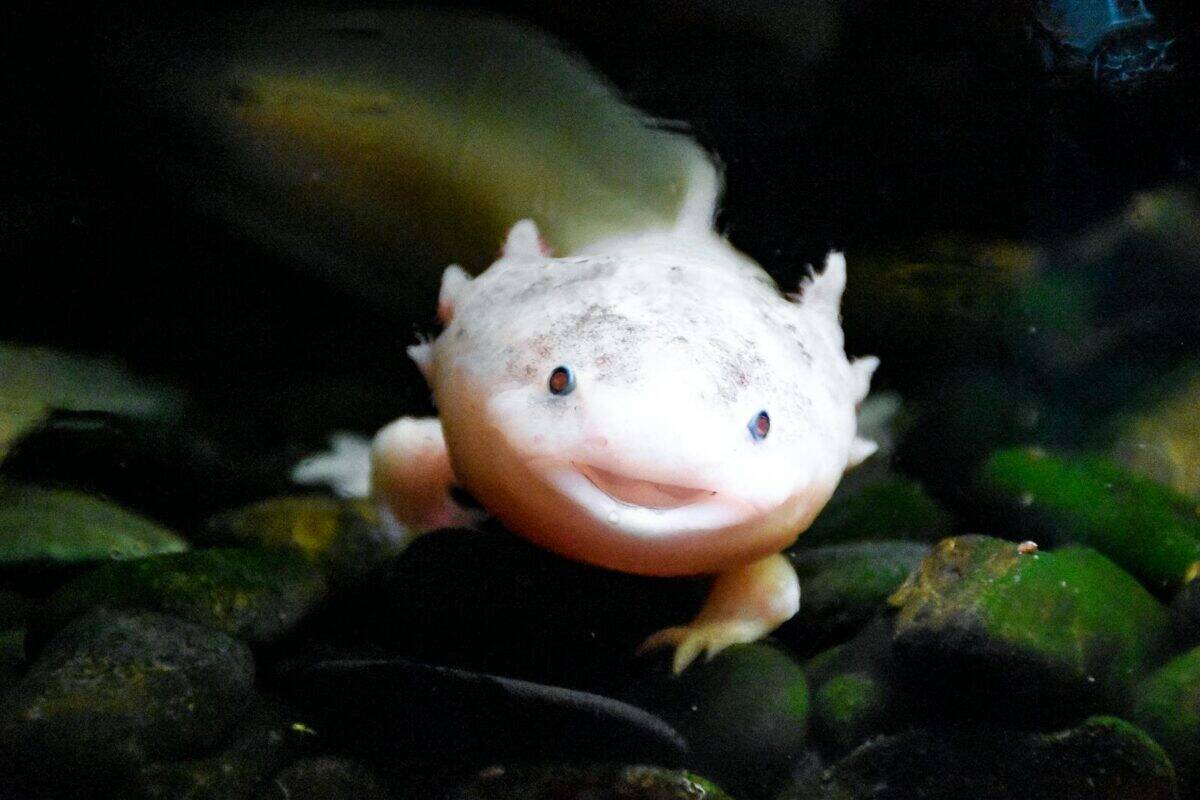
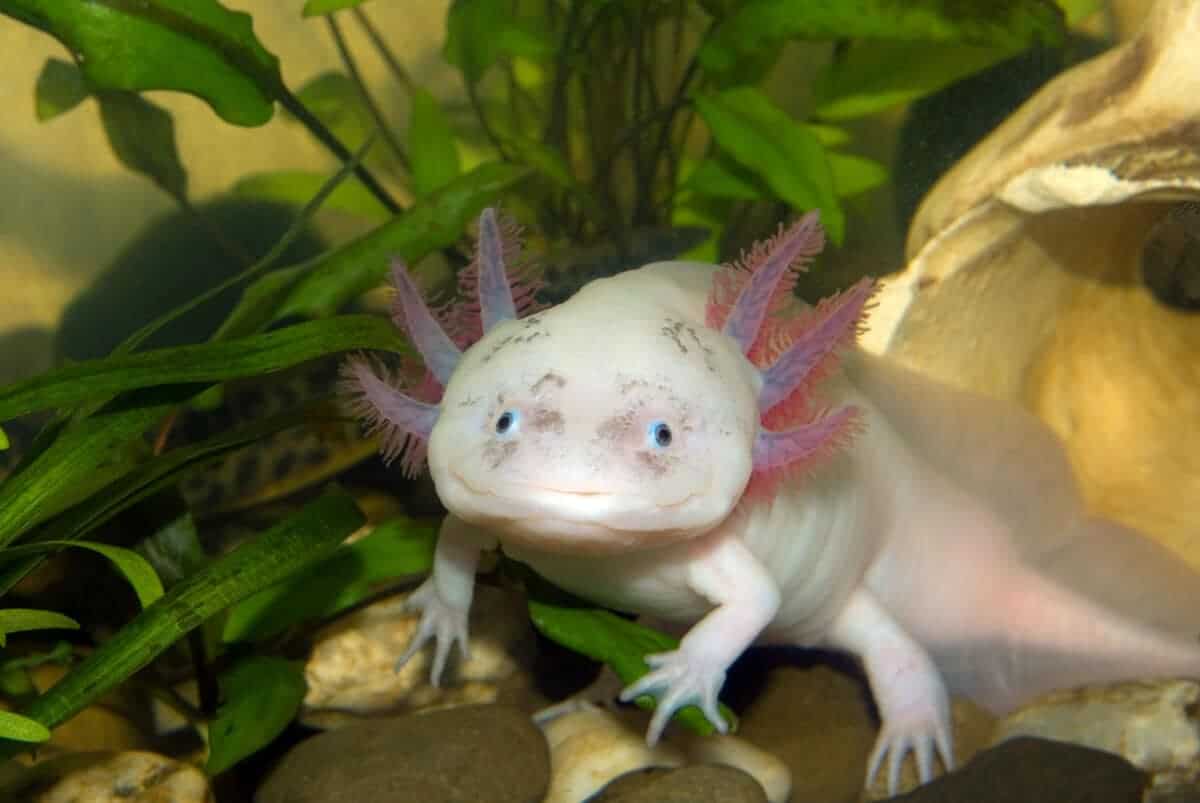
Axolotls (Ambystoma mexicanum) are neotenic salamanders native to Lake Xochimilco in Mexico City. Unlike most amphibians, axolotls remain in their aquatic larval form throughout their lives, retaining their feathery external gills and fin-like dorsal tail. This permanent state of developmental arrest, known as neoteny, is one of many fascinating aspects of axolotl biology that make them unique in the animal kingdom.
What truly sets axolotls apart, however, is their extraordinary regenerative capacity. They can regrow entire limbs, parts of their central nervous system, heart, and other organs with perfect fidelity—without scarring and with complete functionality. This ability far surpasses the regenerative capabilities of most other vertebrates, including humans. Such remarkable regeneration involves rapid cell division and tissue remodeling, processes that in humans often lead to cancer when unregulated, yet axolotls rarely develop tumors despite this cellular hyperactivity.
Cancer Resistance in Axolotls: A Biological Paradox

The axolotl’s cancer resistance presents a fascinating paradox for scientists. Rapid cell proliferation and tissue regeneration typically create opportunities for genetic mutations that can lead to cancer. In humans and most mammals, cells that divide frequently are at higher risk for accumulating the mutations that drive cancer development. Yet axolotls can activate massive cell proliferation during regeneration while somehow avoiding malignant transformation.
This cancer resistance is particularly intriguing because axolotls have a genome approximately ten times larger than the human genome, providing more DNA that could potentially accumulate mutations. Despite this, spontaneous tumor formation in axolotls is extremely rare, both in the wild and in laboratory settings. Researchers believe that understanding the mechanisms behind this cancer resistance could provide crucial insights for developing new approaches to human cancer prevention and treatment.
Genomic Insights: The Axolotl’s DNA Secrets

In 2018, scientists successfully sequenced the complete axolotl genome, revealing it to be the largest animal genome ever sequenced at approximately 32 billion base pairs—ten times larger than the human genome. This genetic blueprint has provided researchers with valuable tools to investigate the molecular basis of the axolotl’s remarkable regenerative abilities and cancer resistance. The genome contains numerous genes that are unique to salamanders or significantly different from their counterparts in other species.
Analysis of the axolotl genome has revealed several genes potentially linked to cancer resistance, including modified tumor suppressor genes and unique DNA repair mechanisms. Researchers have identified specialized pathways that regulate cell division during regeneration, preventing uncontrolled growth while still allowing for rapid tissue rebuilding. These genetic insights are helping scientists pinpoint specific molecular mechanisms that might be adapted for human cancer prevention or treatment, creating a roadmap for potential therapeutic interventions.
Cell Cycle Control: Precision Regulation During Regeneration

One of the key factors in axolotl cancer resistance appears to be their precise control of the cell cycle during regeneration. When an axolotl loses a limb, cells at the wound site dedifferentiate—meaning they revert to a less specialized state—and form a structure called a blastema. These blastema cells proliferate rapidly to rebuild the missing limb, but this process is tightly regulated, with cells knowing exactly when to divide and when to stop.
Researchers have discovered that axolotls possess specialized molecular pathways that monitor cell division during regeneration, ensuring that cells only proliferate when and where needed. Several tumor suppressor genes, which help prevent cancer by regulating cell growth, are particularly active during axolotl regeneration. Additionally, axolotls appear to have enhanced mechanisms for eliminating potentially cancerous cells through programmed cell death (apoptosis), effectively removing threats before they can develop into tumors. Understanding these precise control mechanisms could help scientists develop new strategies for regulating cell growth in human cancers.
Immune System Factors in Cancer Surveillance

The axolotl immune system plays a crucial role in their cancer resistance, demonstrating remarkable surveillance capabilities that identify and eliminate potentially cancerous cells. Though sometimes described as “primitive” compared to mammalian immune systems, axolotl immunity shows sophisticated cancer-fighting properties. Their immune cells are highly effective at recognizing abnormal cells that might become cancerous and removing them before tumors can form—a process known as immune surveillance.
Studies have shown that axolotls possess specialized macrophages and natural killer cells that target cells with cancerous characteristics. These immune cells appear to be particularly sensitive to the molecular signatures of pre-cancerous cells. Additionally, during regeneration, the axolotl immune system works in concert with regenerative processes, simultaneously supporting tissue rebuilding while preventing malignant transformation. Researchers are investigating how these immune properties could be mimicked or enhanced in human cancer treatments, potentially leading to immunotherapies that better target early-stage cancers.
Telomere Dynamics and Cellular Aging

Telomeres—the protective caps at the ends of chromosomes—play a significant role in cellular aging and cancer development. In most organisms, telomeres shorten with each cell division, eventually triggering cellular senescence or death. Cancer cells often activate telomerase, an enzyme that maintains telomere length, allowing them to divide indefinitely. Axolotls maintain their telomeres differently than humans, with implications for both their longevity and cancer resistance.
Research has shown that axolotls possess high levels of telomerase activity in their normal cells, particularly during regeneration. This allows their cells to undergo many divisions without the telomere shortening that typically limits cell lifespan. However, unlike cancer cells, axolotl cells maintain strict control over this process. Scientists believe axolotls have evolved specialized regulatory mechanisms that allow telomerase activity precisely when needed for regeneration while preventing the uncontrolled activity seen in cancer cells. Understanding these telomere dynamics could help researchers develop treatments that target cancer cells’ telomerase activity without affecting normal cells.
Microenvironment Control: How Axolotls Maintain Tissue Integrity

The cellular microenvironment—the complex network of extracellular matrix, signaling molecules, and neighboring cells—plays a crucial role in either supporting or suppressing cancer development. Axolotls maintain extraordinary control over their tissue microenvironment, particularly during regeneration, creating conditions that simultaneously support healthy growth while suppressing malignant transformation. This balance represents a significant factor in their cancer resistance.
Researchers have observed that the axolotl extracellular matrix contains unique components that help regulate cell behavior during regeneration. These include specialized proteins and signaling molecules that guide cells to divide appropriately while preventing the uncontrolled growth characteristic of cancer. Additionally, axolotls demonstrate remarkable abilities to maintain tissue architecture during regeneration, preserving the structural organization that helps prevent cancer development. Studies of these microenvironment factors are yielding insights into how we might manipulate the human tissue microenvironment to create more cancer-resistant conditions.
DNA Repair and Mutation Prevention

Despite their massive genome size and high regenerative activity, axolotls maintain remarkable genomic stability—a key factor in their cancer resistance. Research suggests that axolotls possess enhanced DNA repair mechanisms that efficiently correct genetic damage before it can lead to cancer-causing mutations. These repair systems are particularly active during the rapid cell divisions that occur during regeneration, when DNA is most vulnerable to damage.
Scientists have identified several specialized DNA repair pathways in axolotls that appear more efficient than their human counterparts. These include modifications to both nucleotide excision repair and double-strand break repair mechanisms. Additionally, axolotls show enhanced ability to recognize and remove cells with DNA damage through apoptosis when repair isn’t possible. Understanding these enhanced repair mechanisms could help researchers develop new treatments that either prevent cancer-causing mutations or better target cancer cells with defective DNA repair systems, a vulnerability in many human cancers.
Translational Research: From Axolotl to Human Applications
The insights gained from studying axolotl cancer resistance are steadily moving from basic science toward potential human applications. Translational research efforts are focusing on identifying specific molecular mechanisms from axolotls that could be adapted for human cancer prevention or treatment. Several promising research directions have emerged, including the development of drugs that mimic axolotl tumor suppressor functions and therapies that enhance human immune surveillance based on axolotl immune properties.
Some researchers are investigating the potential for gene therapy approaches that introduce modified versions of axolotl cancer-resistance genes into human cells. Others are developing screening methods to identify compounds that activate human versions of the protective pathways found in axolotls. Clinical applications remain years away, but early-stage drug development programs targeting these pathways are underway at several research institutions and biotechnology companies. These translational efforts represent the bridge between fundamental discoveries in axolotl biology and practical applications for human cancer patients.
Comparative Oncology: Lessons Across Species

Axolotl cancer research exists within the broader field of comparative oncology, which studies cancer across different animal species to identify universal principles and species-specific adaptations. By comparing cancer resistance mechanisms in axolotls with those in other cancer-resistant species like naked mole rats and elephants, researchers can identify convergent evolutionary strategies that have independently evolved to combat cancer. These shared mechanisms are particularly promising targets for human applications.
This comparative approach has already yielded significant insights. For example, both axolotls and naked mole rats show enhanced cellular mechanisms for preventing precancerous cells from dividing, though they achieve this through different molecular pathways. Elephants, which have many more cells than humans but lower cancer rates, possess multiple copies of the p53 tumor suppressor gene—a different solution to the same problem of cancer prevention. By synthesizing findings across these cancer-resistant species, researchers can identify the most promising and evolutionarily robust cancer-fighting strategies, potentially leading to more effective human interventions.
Conservation Challenges and Research Ethics

While axolotls offer tremendous value for cancer research, they face serious conservation challenges in the wild. The International Union for Conservation of Nature (IUCN) lists wild axolotls as critically endangered, with only a small population remaining in their native Lake Xochimilco. Habitat destruction, water pollution, and the introduction of invasive species have decimated wild populations. This conservation status raises important ethical considerations for research use, including questions about sustainable laboratory breeding programs and potential reintroduction efforts.
Most axolotls used in research come from laboratory colonies established decades ago, which helps reduce pressure on wild populations but raises concerns about genetic diversity. Research institutions increasingly emphasize ethical sourcing and maintenance of axolotl colonies, with some establishing conservation programs alongside their research efforts. The scientific community must balance the substantial medical benefits of axolotl research with responsible stewardship of this remarkable species. These ethical considerations form an important part of the conversation around axolotl cancer research, ensuring that scientific progress doesn’t come at the expense of species survival.
Future Directions in Axolotl Cancer Research

The field of axolotl cancer research is rapidly evolving, with several promising directions emerging for future study. Advanced genetic techniques, including CRISPR gene editing, are being applied to create axolotl models that can help researchers better understand specific cancer resistance mechanisms. Single-cell sequencing technologies are allowing scientists to map the cellular events during regeneration with unprecedented detail, revealing new insights into how potentially cancerous cells are controlled.
Looking forward, researchers aim to develop axolotl-inspired cancer prevention strategies that could be implemented before cancer develops, particularly for high-risk individuals. Others are working on therapeutic approaches that could reprogram existing cancers to behave more like controlled regeneration than malignant growth. Interdisciplinary collaboration between developmental biologists, oncologists, immunologists, and evolutionary biologists continues to drive the field forward, promising new discoveries at the intersection of regeneration and cancer resistance. As research tools continue to advance, our understanding of axolotl cancer resistance will likely yield even more potential applications for human health.
Conclusion: The Promise of Axolotl-Inspired Cancer Insights
The humble axolotl, with its remarkable regenerative abilities and inherent cancer resistance, represents one of nature’s most fascinating contradictions and a treasure trove of potential insights for human cancer research. By understanding how these salamanders can rebuild entire body parts through rapid cell proliferation without developing cancer, scientists are uncovering fundamental biological principles that could transform our approach to cancer prevention and treatment. The various mechanisms at work—from enhanced DNA repair and immune surveillance to precise control of the cellular microenvironment—offer multiple pathways for potential therapeutic intervention.
As research progresses from basic biological understanding toward translational applications, axolotl-inspired cancer treatments may eventually complement our existing arsenal of cancer therapies. While significant challenges remain in adapting these mechanisms to human physiology, the evolutionary solutions that axolotls have developed provide compelling templates for medical innovation. The continued study of these remarkable creatures not only advances our scientific knowledge but also underscores the importance of biodiversity conservation for human health benefits.
Perhaps most importantly, axolotl research reminds us that sometimes the most profound medical insights come from unexpected sources—in this case, an endangered Mexican salamander with an perpetually smiling face. As we continue to explore and protect the natural world, we may find that many species hold similar secrets that could benefit human health in ways we have yet to imagine. The story of axolotls and cancer research exemplifies how basic scientific curiosity about unusual biological phenomena can ultimately lead to discoveries with profound implications for human disease.
In our ongoing battle against cancer, the axolotl stands as an unlikely ally whose ancient evolutionary adaptations may help inspire the next generation of cancer prevention strategies and treatments, demonstrating once again that some of medicine’s greatest advances come from understanding and learning from the remarkable diversity of life on our planet.
Worried about unexpected vet bills?
Pet insurance can cover thousands in unexpected vet costs. Get a free quote from Lemonade in under 2 minutes.
Get My Free Quote →Sponsored · Opens Lemonade.com

From exploring the marine wonders in the Azores and witnessing the vast savannas of Kenya, to delving deep into the rich biodiversity of South Africa and traversing iconic landscapes in Australia and the US like Yellowstone, Chris's experiences are vast.
With a penchant for diving alongside sharks, the ocean holds a special place in his heart.
Through his academic insights, he champions wildlife conservation, striving with 'Animals Around The Globe' to cultivate a profound connection between humans and animals, enhancing our mutual appreciation.
Connect with him at Feedback@animalsaroundtheglobe.com.
- 12 Creatures That Only Live in the American Southwest - June 10, 2026
- The Loudest Animal Relative to Body Size Is Tinier Than a Thumbtack - June 10, 2026
- The World’s Smallest Mammal Could Fit on Your Fingertip - June 10, 2026