

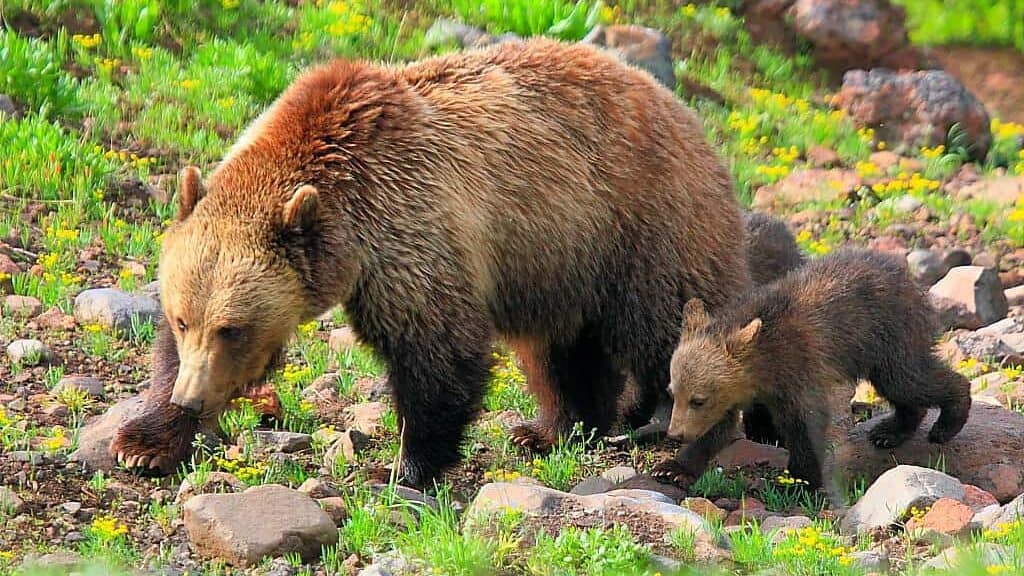
In the wilderness of Alaska, where humans and wildlife coexist in a delicate balance, few stories have captured public attention like that of Bear 141. This female grizzly bear became notorious in the summer of 2017 when she began frequenting Anchorage’s populated areas, leaving a trail of fear and fascination in her wake. The saga of Bear 141 illustrates the complex relationship between urban development and wildlife conservation, highlighting the challenges that arise when these worlds collide. Her story is not just about a problem bear, but about human-wildlife conflict management, public safety concerns, and the difficult decisions wildlife officials must make when a wild animal becomes habituated to human environments. This article explores the complete narrative of Alaska’s infamous Bear 141, from her first documented appearances to her ultimate fate, and the lasting impact her story has had on Anchorage’s approach to coexisting with its wild neighbors.
The First Sightings: Bear 141 Emerges
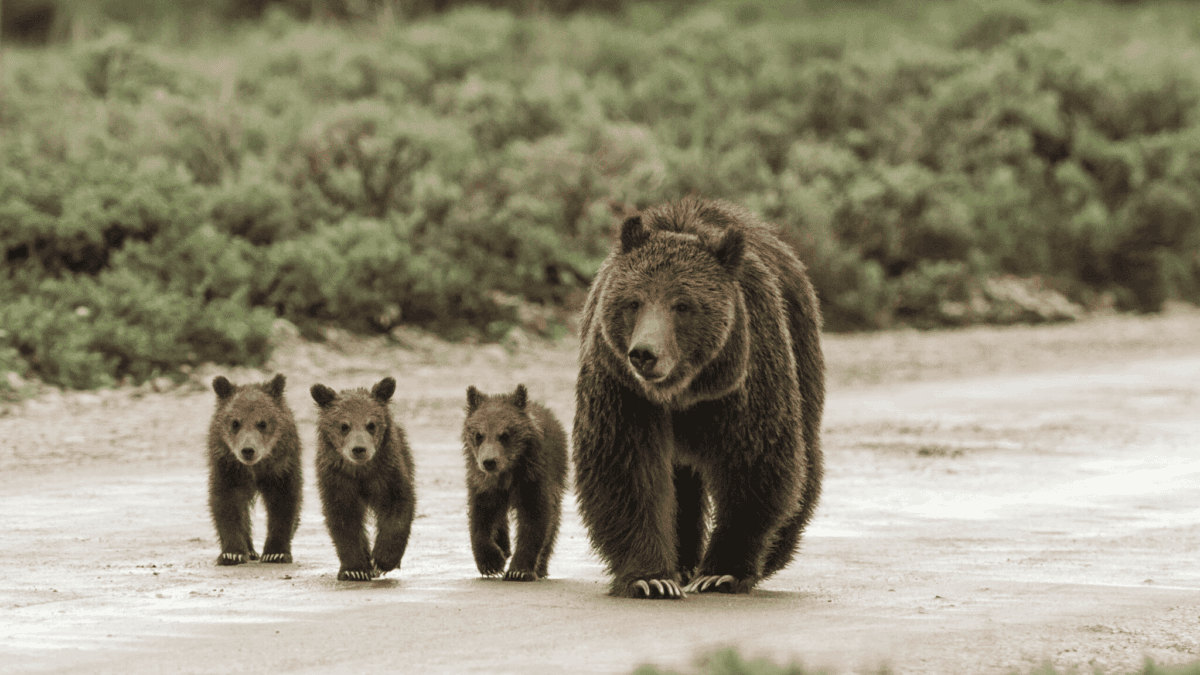
Bear 141, a female brown bear approximately 8 years old, first came to the attention of Alaska wildlife officials in early summer 2017. The Alaska Department of Fish and Game (ADF&G) began tracking her movements after multiple sightings in Anchorage’s eastern neighborhoods, particularly along the popular hiking trails of Far North Bicentennial Park. Initially, her behavior seemed typical of the region’s bears, which occasionally venture into suburban areas seeking food sources as they emerge from hibernation.
What distinguished Bear 141 from other bears was her gradually increasing comfort around humans and developed areas. Wildlife biologists noted that she showed little fear when encountering people, often continuing to forage for food even when humans were nearby. This behavior raised early concerns among officials, who recognized the potential for dangerous human-bear interactions. By mid-June, she had been officially designated as Bear 141, with the number referring to her tracking designation in the ADF&G monitoring system.
Understanding Brown Bear Behavior in Urban Settings
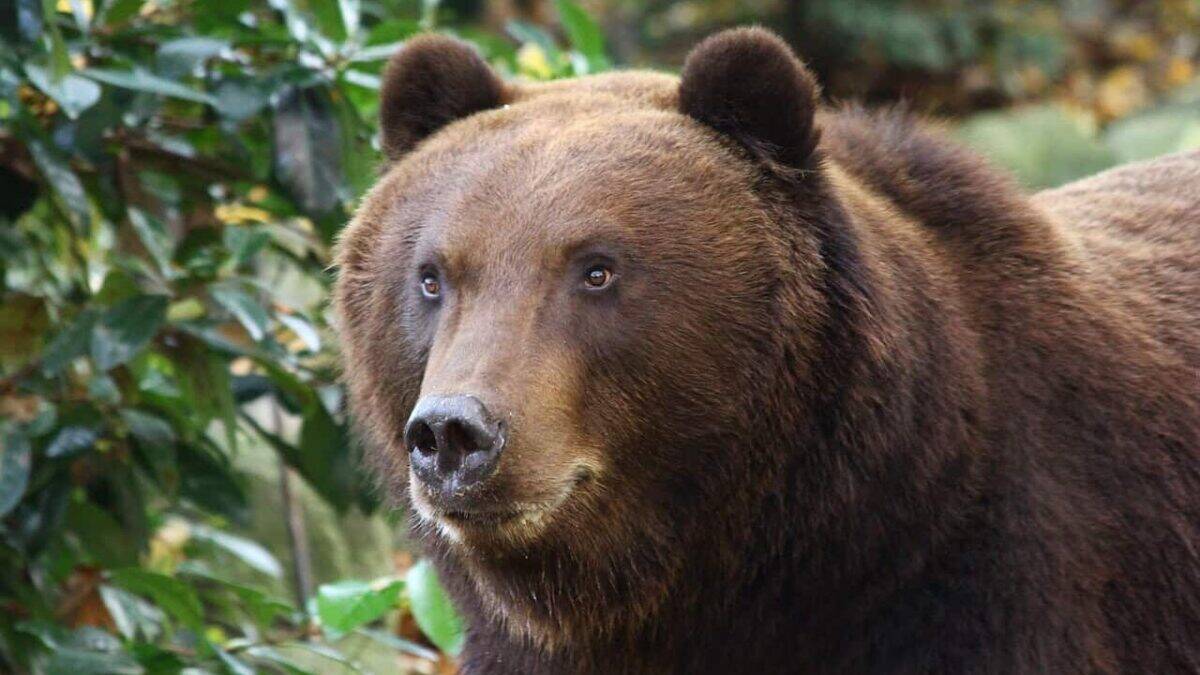
Brown bears, also known as grizzlies (Ursus arctos), typically avoid human contact and maintain a wary distance from populated areas. However, these intelligent animals can quickly learn that human settlements offer easily accessible food sources, particularly when natural food is scarce. In Anchorage, which sits at the edge of pristine wilderness, brown bears follow natural corridors like greenbelts, stream systems, and undeveloped land that extend into the city limits. These pathways allow bears to move between wilderness areas and suburban neighborhoods with surprising ease.
Bear 141’s behavior represented a classic case of food conditioning and habituation. Food conditioning occurs when bears associate humans with food rewards, while habituation refers to a bear’s decreased fear response to human presence. Wildlife biologists studying her case noted that she likely experienced positive food rewards in urban areas multiple times before becoming a regular visitor. Once established, these behavioral patterns are extremely difficult to reverse, making prevention through proper trash management and awareness crucial for communities living in bear country.
A Summer of Incidents: Bear 141’s Growing Boldness

As summer progressed, Bear 141’s appearances became more frequent and concerning. July 2017 saw a dramatic increase in reported sightings, with the bear regularly spotted in residential neighborhoods including Hillside, Abbott Loop, and areas around University Lake. What alarmed wildlife officials most was not just her presence but her escalating boldness. In several documented instances, she was observed tearing into garbage cans, investigating parked vehicles, and even attempting to access home entrances where food smells were present.
By early August, Bear 141 had been involved in multiple close encounters with residents. In one particularly troubling incident, she followed a jogger for nearly half a mile along Campbell Creek Trail, showing predatory interest rather than the typical avoidance behavior. Another report detailed how she charged at a mountain biker who unexpectedly came upon her while she was feeding on garbage, stopping just short of physical contact. These encounters demonstrated her unpredictable nature and growing comfort with human proximity—a dangerous combination that kept Anchorage residents on edge throughout much of the summer.
Public Response: Fear and Fascination
The public response to Bear 141 reflected the complex relationship Alaskans have with wildlife. Many residents expressed serious concerns about safety, particularly parents of young children and those who regularly used the trail systems for recreation. Local social media groups became impromptu bear tracking forums, with residents posting real-time updates about Bear 141’s whereabouts. Schools near affected areas implemented temporary restrictions on outdoor activities, and community meetings about bear safety saw record attendance.
Yet alongside the fear ran a current of fascination and even advocacy. Some residents formed informal groups supporting non-lethal management of the bear, arguing that humans had encroached on bear habitat rather than the reverse. Wildlife photographers sought opportunities to capture images of the infamous bear, sometimes creating additional management challenges for officials trying to discourage close encounters. The polarized public response complicated management efforts, as officials had to balance legitimate safety concerns with the strong connection many Alaskans feel toward the state’s iconic wildlife.
Management Strategies: Attempting to Redirect Bear 141
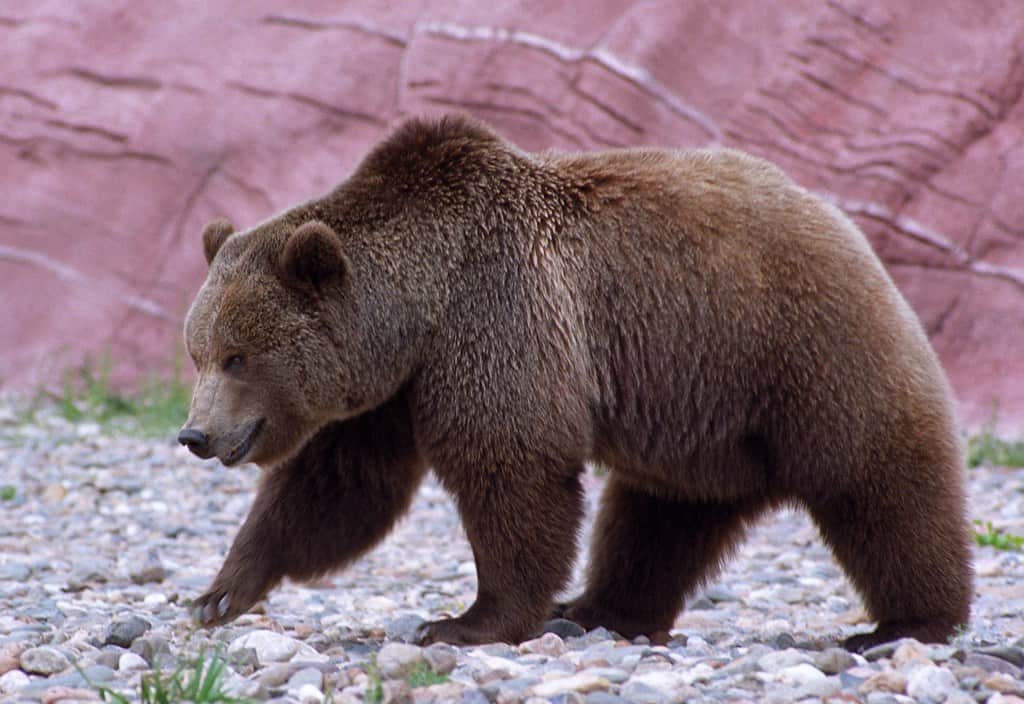
The Alaska Department of Fish and Game implemented progressive management strategies in their attempts to modify Bear 141’s behavior before resorting to lethal measures. Initial efforts focused on hazing—using non-lethal deterrents like rubber bullets, cracker shells (loud noise-making projectiles), and bear spray when the animal was encountered in inappropriate areas. These techniques aim to create negative associations with human spaces, ideally encouraging bears to return to natural habitats and food sources.
When hazing proved ineffective with Bear 141, wildlife officials attempted more intensive interventions. They deployed trap systems in strategic locations, hoping to capture her for potential relocation. Meanwhile, community outreach intensified, with officials conducting door-to-door education about proper garbage storage and bird feeder management in affected neighborhoods. Despite these comprehensive efforts, Bear 141 showed remarkable persistence in returning to the same areas, demonstrating just how difficult it is to change established bear behavior once food conditioning has occurred.
The Biology Behind Bear 141’s Behavior

Understanding Bear 141’s biology provides crucial context for her behavior. As a female brown bear in her prime reproductive years, her actions were driven by powerful biological imperatives to maximize caloric intake and secure reliable food sources. Brown bears in Alaska must consume enormous quantities of food during the active months to prepare for winter hibernation, often needing to gain hundreds of pounds in a single season. Urban areas, with their concentrated and predictable food sources like unsecured garbage, pet food, and bird feeders, offered Bear 141 a caloric jackpot compared to the more scattered and seasonal natural foods.
Compounding this biological drive was evidence that Bear 141 may have been previously injured, as observers noted she appeared to favor one front paw during some sightings. Wildlife biologists suggested this potential injury might have further motivated her to seek easier food sources in urban areas rather than hunting or foraging in more challenging wilderness terrain. Her behavior illustrated the perfect storm of factors that can transform a wild bear into an urban problem: natural intelligence, adaptability, strong food motivation, and possibly physical limitations that made human food sources particularly attractive.
The Decision Point: When a Bear Becomes a Threat

By late August 2017, wildlife officials faced the difficult decision that often arises in human-wildlife conflict situations. Despite multiple hazing attempts and community education efforts, Bear 141’s behavior had not improved. In fact, reports indicated increasingly problematic encounters, including an incident where she broke through a residential garage door that had food stored inside. The frequency and boldness of these encounters raised serious public safety concerns, particularly as the fall berry season approached—a time when bears intensify feeding efforts before hibernation.
The Alaska Department of Fish and Game employs specific criteria when evaluating whether a bear has become a legitimate public safety threat requiring lethal management. These include factors such as loss of fear of humans, repeated targeting of human food sources despite deterrent efforts, aggressive responses when encountered, and the bear’s history of escalating behaviors. By every measure, Bear 141 had crossed these thresholds, leaving officials with the unenviable task of weighing one animal’s life against the very real risk of serious human injury or death.
The Controversial End of Bear 141

On September 5, 2017, after multiple serious incidents within a 48-hour period, including charging at a group of schoolchildren on a guided nature walk, wildlife officials made the difficult decision to euthanize Bear 141. The bear was located in the University Lake area, a popular recreation spot where she had been frequenting a salmon-spawning stream that runs through the heart of Anchorage. A specialized team of wildlife officers humanely dispatched the bear following established protocols designed to minimize suffering.
The decision, while deemed necessary by management authorities, sparked intense debate throughout the community. Local news coverage captured the range of emotions, from relief among those who had feared for public safety to grief among wildlife advocates who questioned whether enough had been done to save the bear. Wildlife officials defended the decision as unavoidable given the escalation of dangerous behaviors and the fact that relocation had been deemed ineffective for bears already habituated to human food sources. Bear 141’s necropsy later revealed she was in excellent physical condition apart from the suspected minor limb injury, underscoring how successful she had been at exploiting urban food resources.
Legacy: Policy Changes and Public Awareness

The saga of Bear 141 catalyzed significant changes in how Anchorage approaches human-bear coexistence. In the months following her death, the municipality strengthened ordinances regarding secure garbage storage in bear-prone neighborhoods, increasing fines for non-compliance and expanding requirements for bear-resistant containers. The Anchorage Bear Committee, a collaborative group of agencies and stakeholders, received additional funding to enhance education and outreach programs, focusing particularly on recent transplants to Alaska who might be unfamiliar with bear safety protocols.
Perhaps most significantly, Bear 141’s story led to the development of a more comprehensive early intervention system for potentially problematic bears. This included improved reporting mechanisms for bear sightings, coordinated response protocols between different agencies, and earlier implementation of hazing techniques before habituation becomes entrenched. The goal became clear: prevent the next Bear 141 situation before it develops, rather than facing the same difficult decisions again.
Scientific Research Inspired by Bear 141

Bear 141’s case has become an important reference point in scientific research on urban wildlife management. Following her death, researchers from the University of Alaska and the U.S. Geological Survey launched a multi-year study examining patterns of bear movement in Anchorage’s urban-wildland interface. Using GPS collar technology on other bears and analyzing historical data, researchers sought to identify the specific corridors and attractants that draw bears into populated areas, with the goal of developing more targeted management approaches.
The research also explored the genetic factors that might predispose certain bears to human habituation. By comparing DNA samples from bears that regularly enter urban areas with those that remain in wilderness habitats, scientists hope to determine whether some bears have inherent behavioral traits that make them more likely to become “problem bears.” Preliminary findings suggest that while genetics play a role, learning and experience—particularly early life experiences with human food sources—remain the strongest predictors of problematic behavior, reinforcing the importance of preventative measures.
Anchorage: A City That Lives With Bears

The story of Bear 141 reflects the unique reality of life in Anchorage, a major urban center where wildlife corridors intersect with human development. Unlike most American cities, Anchorage’s half-million residents share their municipality with an estimated 350-400 black bears and 65-70 brown bears. This remarkable coexistence is facilitated by the city’s geography, with Chugach State Park’s 495,000 acres of wilderness bordering residential neighborhoods, and numerous salmon streams running through developed areas.
Each year, the Alaska Department of Fish and Game responds to approximately 2,000 bear-related calls in the greater Anchorage area, the vast majority of which are resolved without incident. Most bears that venture into the city do so temporarily, following food sources like salmon runs or berry patches, before returning to more remote areas. Bear 141 represents the exception rather than the rule—a case where natural wariness was overcome by the powerful reward of human food sources. Her story serves as both a cautionary tale and a reminder of the responsibility that comes with living in one of North America’s most wildlife-rich urban environments.
Conclusion: The Delicate Balance of Coexistence
The story of Bear 141 encapsulates the complex challenges of human-wildlife coexistence in an increasingly developed world. Her journey from wild animal to urban menace to cautionary tale illustrates the fine line that wildlife managers must walk between conservation values and public safety concerns. While her fate was ultimately tragic, the legacy of Bear 141 lives on in improved management practices, strengthened community awareness, and a deeper understanding of the responsibilities that come with living alongside large predators.
For residents of Anchorage and similar communities on the wild-urban interface, Bear 141’s story serves as a powerful reminder that human actions—from garbage management to outdoor recreation decisions—directly impact wildlife outcomes. The years since her death have seen fewer bears requiring lethal management in Anchorage, suggesting that the lessons from her case have taken root. As climate change and continued development create new pressures on wildlife habitats, the story of Bear 141 stands as both a warning and a guide for communities seeking sustainable coexistence with their wild neighbors.
Perhaps the most important lesson from Bear 141’s story is that prevention represents the only truly humane approach to human-bear conflict. Once a bear becomes habituated to human food sources, the options narrow dramatically, often leading to outcomes that satisfy no one. By understanding the biological drives that influence bear behavior and proactively managing the human factors that attract them to urban areas, communities can work toward a future where stories like Bear 141’s become increasingly rare.
In the delicate dance between wilderness and civilization that defines life in Alaska, Bear 141 reminds us that respect, knowledge, and proactive management represent the best path forward—for humans and bears alike.

From exploring the marine wonders in the Azores and witnessing the vast savannas of Kenya, to delving deep into the rich biodiversity of South Africa and traversing iconic landscapes in Australia and the US like Yellowstone, Chris's experiences are vast.
With a penchant for diving alongside sharks, the ocean holds a special place in his heart.
Through his academic insights, he champions wildlife conservation, striving with 'Animals Around The Globe' to cultivate a profound connection between humans and animals, enhancing our mutual appreciation.
Connect with him at Feedback@animalsaroundtheglobe.com.
- Top 10 Animal Encounters in Europe - July 21, 2026
- The Lizard That Shoots Blood From Its Eyes - July 21, 2026
- What Happens If Fireflies Stop Glowing? - July 21, 2026