


In the vast animal kingdom, numerous creatures possess extraordinary abilities that defy our human understanding of physical limitations. Among these remarkable beings is the humble flea—a tiny insect with an astonishing superpower. Despite measuring merely 1-3 millimeters in length, the flea can launch itself to heights of up to 30 centimeters (about 12 inches), which is approximately 100 times its own body height. To put this feat into perspective, if humans could match this proportional jumping ability, we would be able to leap over skyscrapers in a single bound. This incredible jumping capability has fascinated scientists for centuries, leading to extensive research into the biomechanics behind this miniature marvel’s extraordinary talent.
The Flea’s Anatomy: Built for the Jump
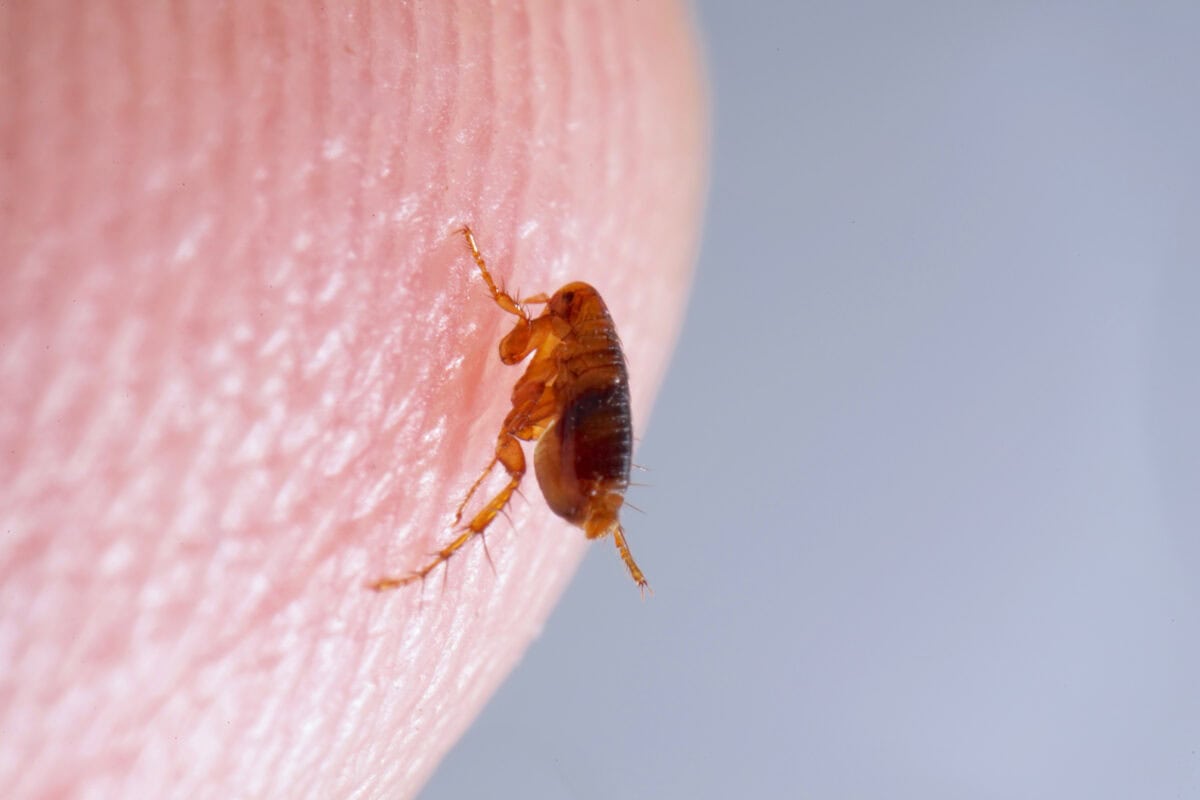
Fleas possess a specialized anatomical structure perfectly designed for their impressive leaps. Their third pair of legs is considerably longer and stronger than the others, functioning as powerful spring-loaded jumping mechanisms. These legs contain a unique protein called resilin, which possesses extraordinary elastic properties. Resilin allows fleas to store and release energy with remarkable efficiency, giving them the ability to accelerate at rates that would cause a human to lose consciousness.
The exoskeleton of these tiny insects is also specially adapted to withstand the tremendous forces generated during jumping. It’s composed of a tough substance called chitin, which provides the structural integrity needed to endure the stress of takeoff and landing. Additionally, fleas have evolved specialized pads on their feet that allow them to grip surfaces securely before launching and upon landing, ensuring they maintain control throughout their acrobatic maneuvers.
The Physics Behind the Jump

The mechanics of a flea’s jump represent one of nature’s most elegant solutions to the challenge of movement for tiny creatures. Rather than relying solely on muscle power—which would be insufficient for such explosive movement—fleas utilize a catapult-like mechanism. They compress a pad of resilin, effectively storing energy like a compressed spring. When ready to jump, they release this stored energy in a fraction of a second, generating forces equivalent to 100 times the force of gravity.
Scientists have documented that fleas accelerate to take-off speeds of 1.9 meters per second in less than 1 millisecond. This rapid acceleration generates tremendous g-forces—approximately 100 g, which far exceeds what human pilots experience in high-performance aircraft (typically around 9-10 g). The entire jumping process is a marvel of natural engineering that has inspired numerous biomimetic innovations in robotics and materials science.
Evolutionary Advantages of Extreme Jumping

The flea’s extraordinary jumping ability didn’t develop by chance—it evolved as a critical survival mechanism. As ectoparasites that feed primarily on mammals and birds, fleas need efficient methods to locate and reach their hosts. Their jumping prowess allows them to quickly board passing animals, increasing their chances of finding a blood meal. Additionally, this exceptional mobility enables them to escape from potential predators or dangerous situations with remarkable speed.
From an evolutionary perspective, the investment in such specialized jumping equipment has paid tremendous dividends for fleas. This adaptation has contributed significantly to making them one of the most successful parasitic insects on the planet, with over 2,500 species found worldwide across all continents, including Antarctica. Their jumping ability has allowed them to colonize diverse habitats and exploit numerous host species throughout their 60-million-year evolutionary history.
The Role of Resilin: Nature’s Super-Elastic Protein
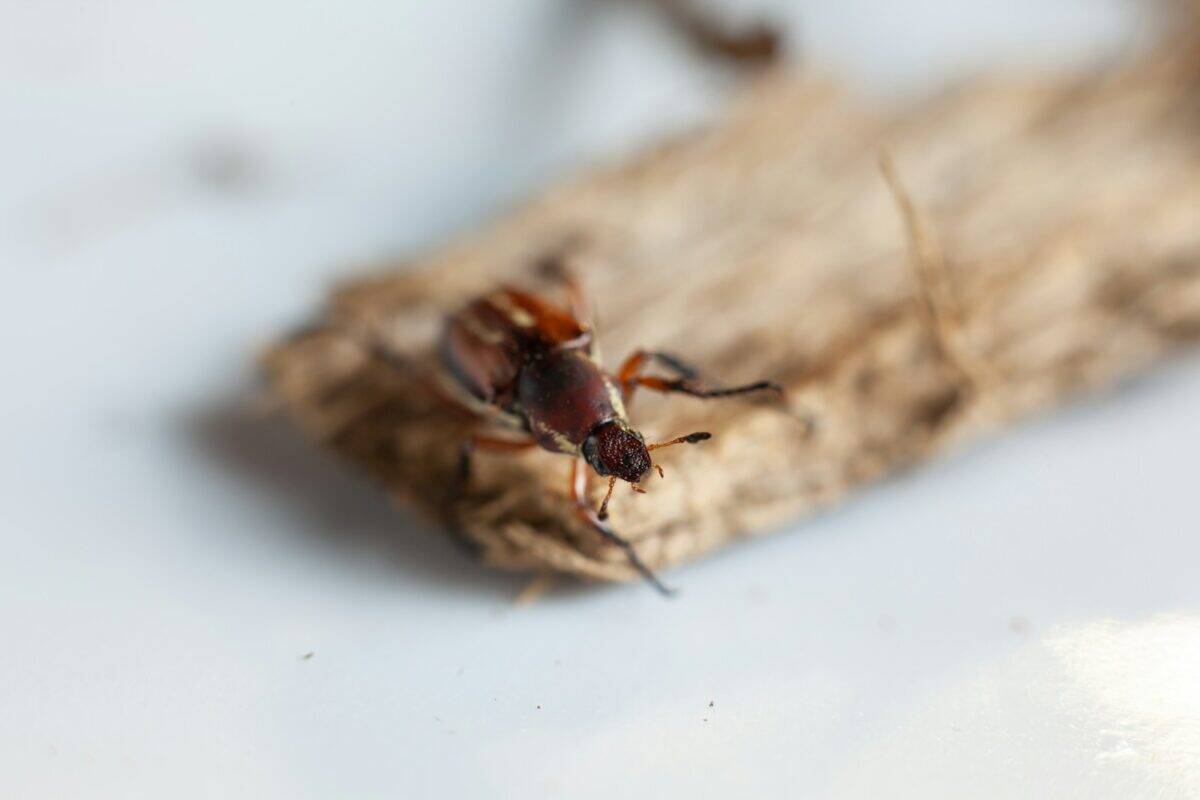
Resilin is the unsung hero behind the flea’s jumping capability. This remarkable protein is nature’s version of a super-rubber, possessing nearly perfect elasticity that allows it to stretch and return to its original shape without losing energy to heat. First discovered in 1960 by entomologist Torkel Weis-Fogh, resilin stores energy with up to 97% efficiency, far outperforming any synthetic rubber or elastic material humans have developed.
This extraordinary protein is found in specific regions of the flea’s exoskeleton, particularly in a structure called the pleural arch located at the base of the hind legs. When the flea prepares to jump, it slowly contracts its muscles, compressing the resilin structures which store the potential energy. Upon release, the resilin instantaneously returns to its original shape, transferring this stored energy into kinetic energy that propels the flea skyward. Scientists studying resilin’s properties are working to develop synthetic versions for applications ranging from artificial heart valves to advanced athletic shoes.
Record-Breaking Jumpers Among Flea Species
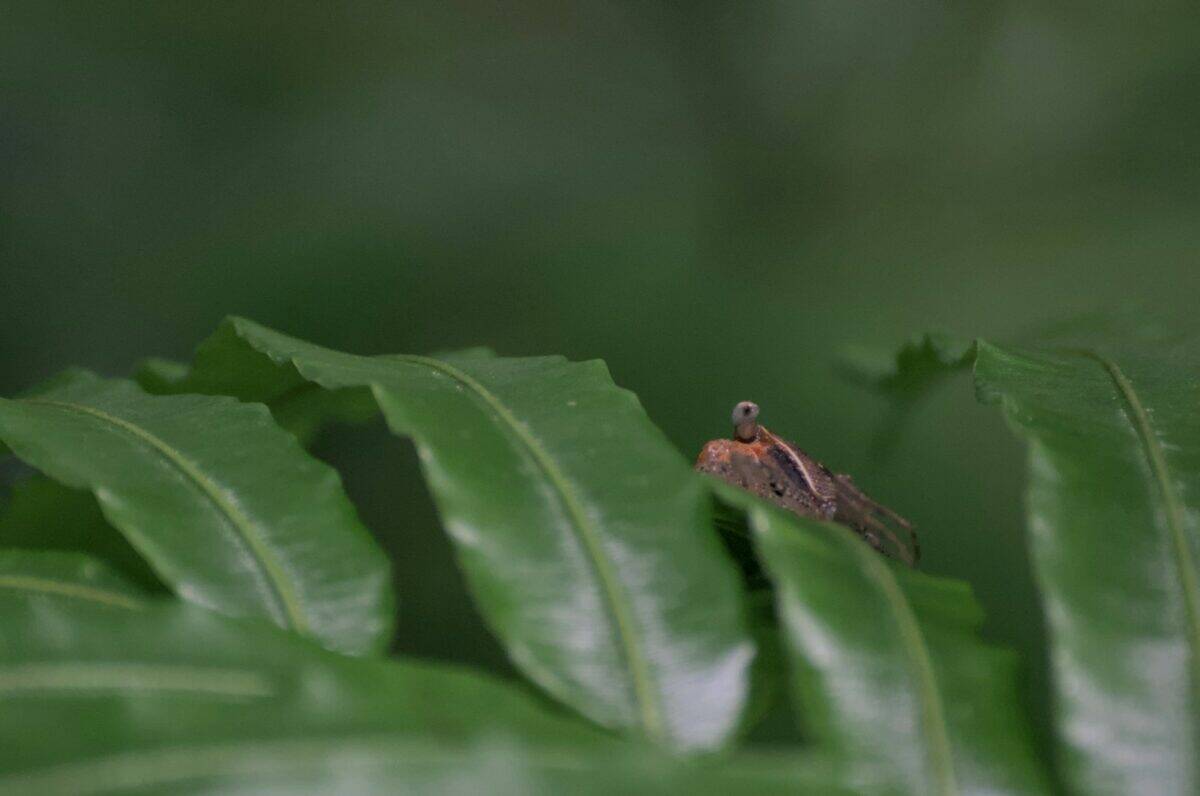
While all fleas are exceptional jumpers, certain species have evolved even more impressive capabilities. The cat flea (Ctenocephalides felis) and the human flea (Pulex irritans) are among the most athletic, capable of jumping heights of up to 30 centimeters and horizontal distances exceeding 50 centimeters. The oriental rat flea (Xenopsylla cheopis), infamous for its role in transmitting bubonic plague, can jump nearly 150 times its own body length, making it one of the most powerful jumpers relative to body size in the animal kingdom.
Research conducted at the University of Cambridge has revealed that the champion jumper among fleas might be the dog flea (Ctenocephalides canis), which has been recorded generating forces exceeding 140 g during takeoff. These variations in jumping performance between species likely reflect their evolutionary adaptations to different host animals and environments. The different jumping strategies and capabilities among flea species continue to be an active area of research for entomologists and biomechanics experts worldwide.
How Scientists Study Flea Jumps

Studying the mechanics of flea jumping presents unique challenges due to the incredible speed of the movement and the tiny size of the subjects. Modern research employs high-speed videography capable of capturing thousands of frames per second, allowing scientists to observe details of jumps that occur in less than a millisecond. These sophisticated cameras, combined with microscopy techniques, have revolutionized our understanding of flea locomotion.
In groundbreaking studies conducted at Cambridge University, researchers used synchronous high-speed photography and sophisticated force measurement platforms to analyze the precise mechanics of flea jumps. They discovered that fleas don’t use their leg muscles directly for jumping but instead employ them to compress the resilin pads that store energy for the leap. Computer modeling and 3D motion analysis have further enhanced our understanding of these complex biomechanics, revealing that fleas actually spin during their jumps—a movement that likely helps stabilize their trajectory through the air.
Fleas Compared to Other Exceptional Jumpers
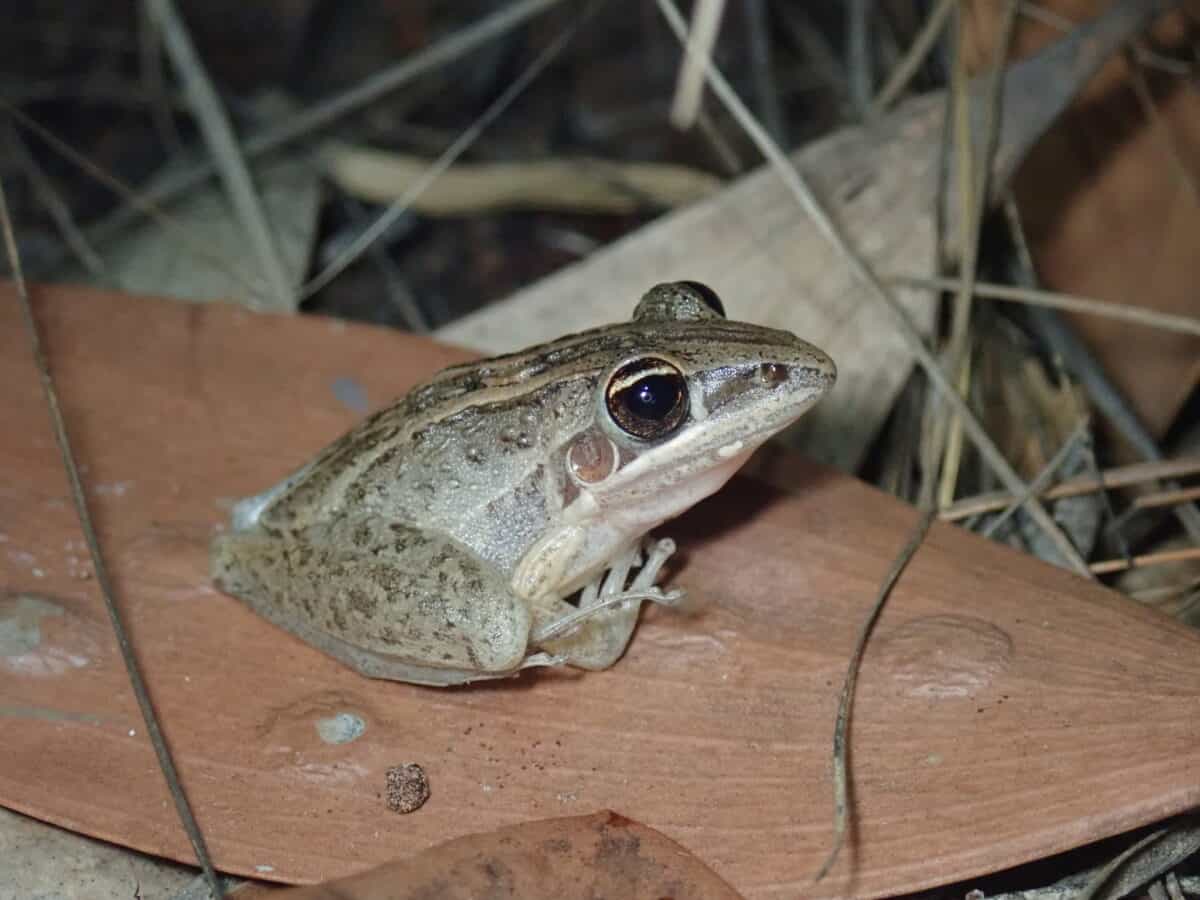
While fleas hold the record for height relative to body size, they’re not the only remarkable jumpers in the animal kingdom. The Australian rocket frog can jump over 50 times its body length, and the click beetle can launch itself 30 times its body length into the air. Perhaps the most famous jumper, the kangaroo, can leap distances of up to 9 meters (30 feet)—impressive, but only about 3 times its standing height. The springtail, another tiny arthropod, uses a unique tail-like appendage called a furcula to catapult itself into the air at speeds approaching 70 body lengths per second.
What makes the flea’s achievement stand out is the combination of height, acceleration, and the g-forces involved. The flea experiences forces that would be lethal to most vertebrates, and it achieves its jumps with an energy efficiency that engineers can only dream of replicating. While grasshoppers and locusts might be more powerful jumpers in absolute terms, when scaling for body size, the flea remains nature’s uncontested champion of vertical leaping.
Biomimicry: Learning from Flea Jumps

The exceptional jumping mechanism of fleas has not gone unnoticed by engineers and designers seeking inspiration from nature. This field, known as biomimicry, looks to biological systems for solutions to human challenges. The flea’s energy storage system has inspired the development of jumping micro-robots that could potentially navigate rough terrain for search and rescue operations or exploration of hazardous environments. These robots employ elastic elements similar to resilin to store and rapidly release energy for locomotion.
Beyond robotics, the properties of resilin have attracted attention for applications in materials science. Researchers are developing resilin-inspired materials for everything from shock absorbers to surgical implants. The U.S. Air Force has funded research into resilin-based materials that could improve the resilience of aircraft components. Even sports equipment manufacturers are studying flea biomechanics to design better performance footwear with enhanced energy return. These innovations demonstrate how studying the humble flea’s extraordinary ability continues to benefit human technology.
The Dark Side: Fleas as Disease Vectors
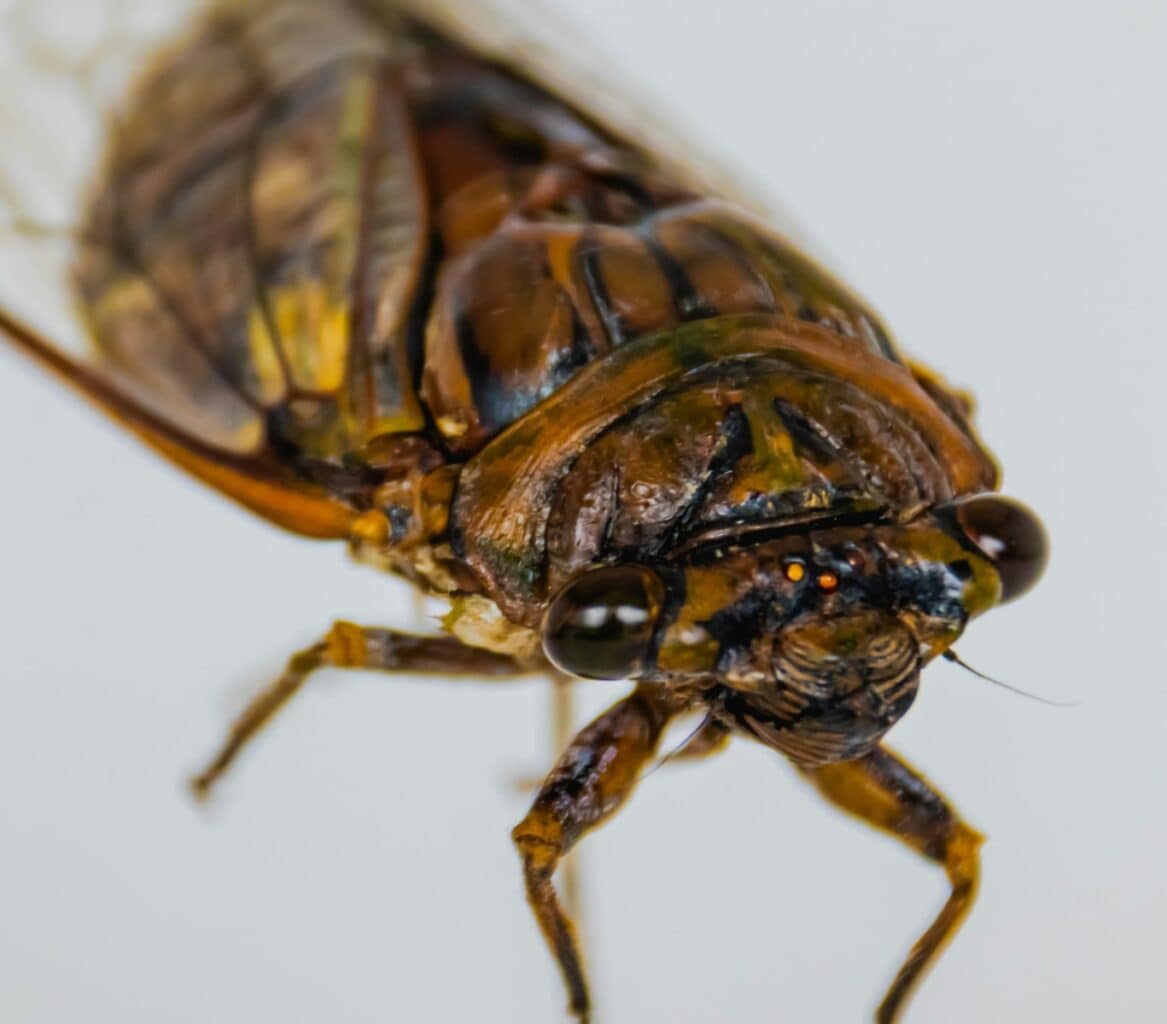
While their jumping ability is impressive from a scientific perspective, it’s important to acknowledge that fleas’ mobility has also made them efficient disease vectors throughout human history. The bubonic plague, which killed an estimated 25 million people in Europe during the 14th century (about one-third of the continent’s population), was primarily transmitted by rat fleas. Their ability to jump from infected rats to humans facilitated the rapid spread of Yersinia pestis bacteria, causing one of history’s most devastating pandemics.
Even today, fleas continue to transmit diseases including typhus, bartonellosis (cat scratch disease), and tularemia. Their exceptional jumping ability allows them to transfer quickly between hosts, making containment of flea-borne diseases challenging. The Centers for Disease Control and Prevention reports that fleas still cause bubonic plague in parts of Africa, Asia, and the Americas, with approximately 1,000-3,000 cases reported annually worldwide. This darker aspect of flea biology reminds us that evolutionary adaptations can have significant consequences for other species, including humans.
Controlling the Super Jumpers
Given their disease-carrying potential and the discomfort they cause to humans and pets, controlling flea populations has been a priority throughout history. Traditional approaches included everything from flea traps made with sticky paper to herbal repellents such as pennyroyal and eucalyptus. Modern pest control has developed more sophisticated methods to counter the flea’s mobility advantages, including systemic treatments for pets that make their blood toxic to feeding fleas, and insect growth regulators that prevent flea larvae from developing properly.
Environmental management is also crucial for effective flea control. Regular vacuuming can remove up to 50% of flea eggs from carpets and upholstery, while washing pet bedding in hot water eliminates fleas at all life stages. Interestingly, some biological control methods exploit the very jumping mechanism that makes fleas so successful—certain formulations of diatomaceous earth damage the waxy layer of the flea’s exoskeleton when they land on it, leading to dehydration and death. Despite our advanced methods, the flea’s remarkable resilience and reproductive capacity continue to make them challenging opponents in the pest control battle.
Conclusion: Nature’s Tiny Leaping Marvel

The flea’s ability to jump 100 times its own height stands as one of nature’s most impressive biomechanical achievements, representing an elegant solution to the challenges faced by small parasitic organisms. Through millions of years of evolution, these tiny insects have developed specialized anatomical structures and physiological mechanisms that allow them to perform feats that would be impossible for most other creatures. Their mastery of energy storage and release through the remarkable protein resilin demonstrates nature’s capacity for engineering solutions that still surpass many of our human technologies. The ongoing scientific investigation of flea jumping mechanics continues to yield insights that inspire innovations across multiple fields, from robotics to materials science.
While we might view fleas primarily as pests, their extraordinary capabilities deserve our respect and scientific curiosity. As we continue to study these remarkable jumpers, we gain not only practical knowledge that can be applied to human challenges but also a deeper appreciation for the incredible diversity of adaptations that have evolved on our planet. The humble flea, despite its small size and sometimes troublesome nature, reminds us that extraordinary abilities can emerge at any scale in the natural world—even in creatures we might otherwise overlook.

From exploring the marine wonders in the Azores and witnessing the vast savannas of Kenya, to delving deep into the rich biodiversity of South Africa and traversing iconic landscapes in Australia and the US like Yellowstone, Chris's experiences are vast.
With a penchant for diving alongside sharks, the ocean holds a special place in his heart.
Through his academic insights, he champions wildlife conservation, striving with 'Animals Around The Globe' to cultivate a profound connection between humans and animals, enhancing our mutual appreciation.
Connect with him at Feedback@animalsaroundtheglobe.com.
- Why the Blobfish Looks So Sad (And Isn’t Ugly in the Deep) - July 19, 2026
- Why Some Cultures Celebrate the Slaughter—and Others Mourn It - July 19, 2026
- The World’s Smallest Owl Is Making a Big Comeback - July 19, 2026