

Nestled in the eucalyptus forests of Australia, koalas have become iconic symbols recognized worldwide. However, beyond their cuddly appearance and global fame lies a deeper, more profound relationship with Australia’s First Nations peoples. For tens of thousands of years, Indigenous Australians have shared their lands with koalas, developing rich cultural connections, spiritual beliefs, and traditional knowledge about these unique marsupials. These relationships remain vital to understanding not only Indigenous Australian cultures but also the ecological significance of koalas in Australia’s natural heritage. This article explores the multifaceted cultural significance of koalas to Indigenous Australians, illuminating perspectives that often remain underrepresented in mainstream narratives about these beloved creatures.
Koalas in Aboriginal Creation Stories
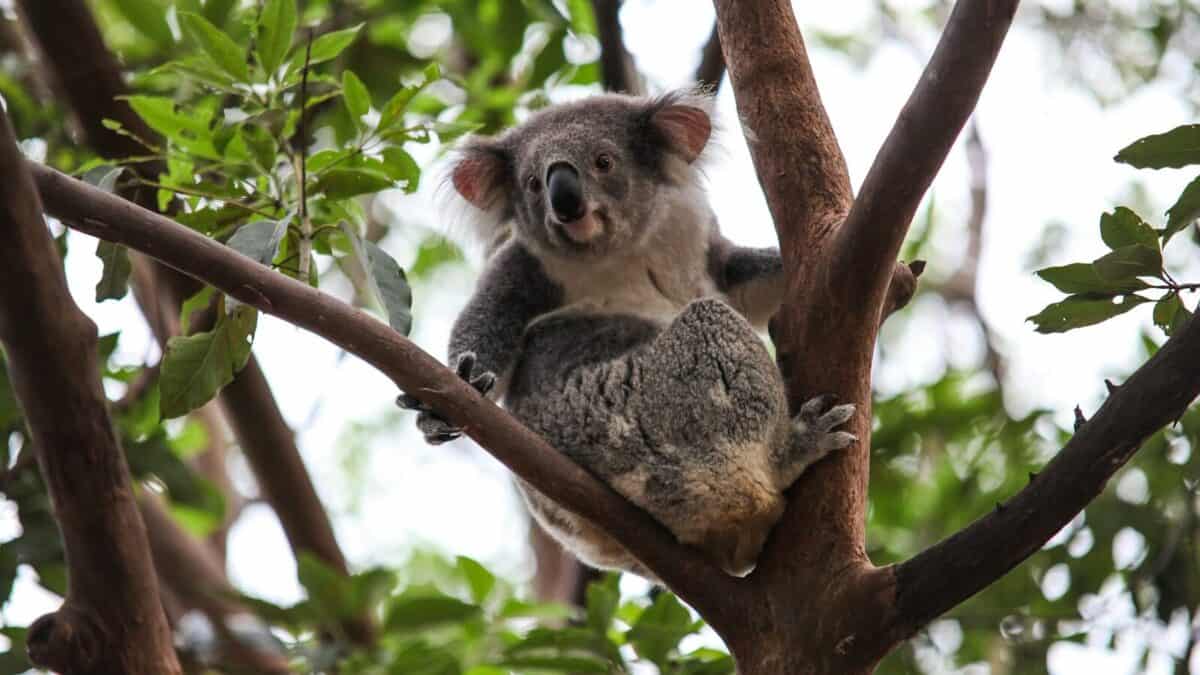
For many Indigenous Australian communities, koalas feature prominently in Dreamtime stories—sacred narratives that explain the creation of the world and establish moral codes and cultural practices. These stories vary significantly across different language groups and regions, reflecting the diversity of Aboriginal cultures across the continent. In some Dreamtime narratives, koalas are portrayed as ancestors who played crucial roles in shaping the landscape, waterways, and celestial bodies.
The Gumbaynggirr people of the mid-north coast of New South Wales, for instance, tell stories of Dunggirr (the koala) who brought water to the land during a great drought by digging into dry creek beds. Among the Bidjara people of Queensland, koalas feature in stories explaining the creation of certain mountains and valleys. These creation stories serve not just as entertaining tales but as vehicles for intergenerational knowledge transfer about the land, sustainable resource management, and proper conduct toward other living beings.
Traditional Names and Language Connections
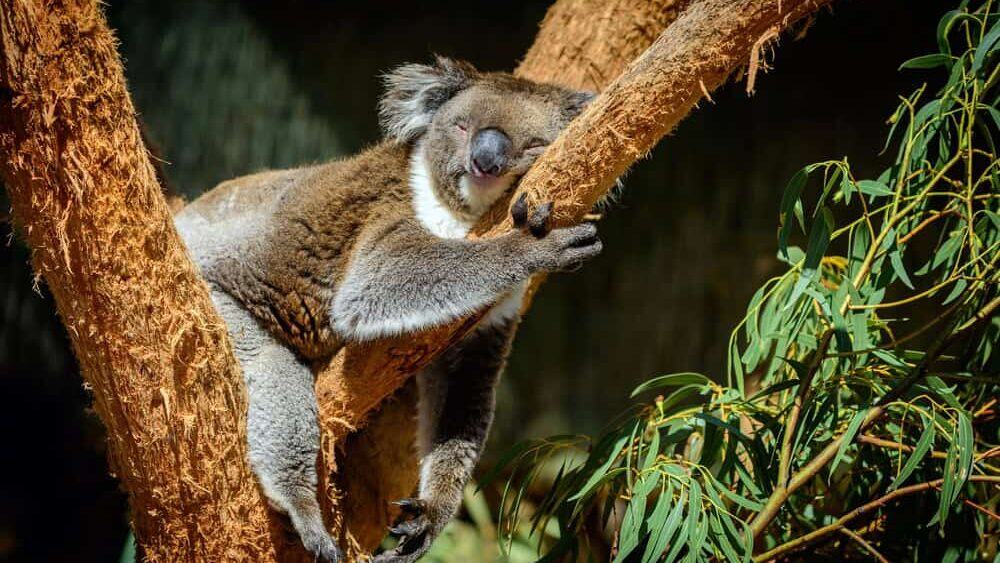
The word “koala” itself derives from Indigenous Australian languages, specifically from the Dharug word “gula” or “gulawany.” However, across the approximately 250 distinct language groups of Aboriginal Australia, koalas were known by many different names. The Wurundjeri people of the Melbourne area called them “karbor,” while the Kamilaroi people of northern New South Wales and southern Queensland knew them as “colo” or “koolah.” These linguistic variations reflect the vast diversity of Aboriginal languages and cultures across Australia.
These traditional names often carried descriptive meanings related to the koala’s behavior or appearance. Some names referenced their reluctance to drink water (as they obtain most moisture from eucalyptus leaves), while others highlighted their tree-dwelling nature or distinctive appearance. The preservation of these traditional names represents an important aspect of cultural revitalization efforts among contemporary Indigenous communities, serving as powerful connections to ancestral knowledge and identity.
Koalas as Totemic Beings
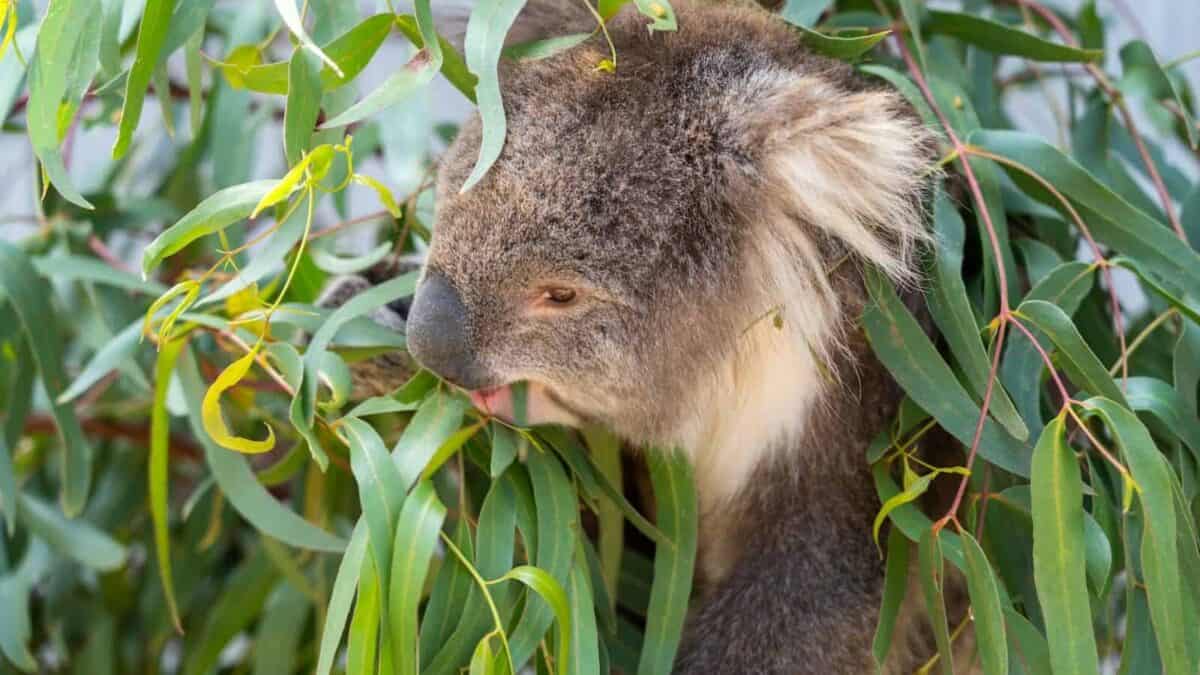
In many Aboriginal cultures, koalas serve as totemic beings—spiritual emblems that connect individuals or clans to particular species through kinship relationships. For those with koala as their totem, this relationship entails specific responsibilities, including protection of koalas and their habitat, observance of certain behavioral protocols, and sometimes restrictions on hunting or consuming the animal. These totemic relationships establish a framework of ecological stewardship that has helped maintain balanced relationships between humans and wildlife for millennia.
Totemic relationships with koalas are particularly prominent among communities in Victoria, New South Wales, and Queensland—areas that align with the natural habitat range of koalas. These spiritual connections reinforce the interdependence between people and country, creating systems of environmental responsibility long before the concept of conservation emerged in Western thought. For clan groups with koala totems, the health and wellbeing of koala populations were directly linked to the health and wellbeing of the human community, establishing one of the world’s oldest traditions of wildlife protection.
Koalas in Traditional Ecological Knowledge

Indigenous Australians developed sophisticated ecological knowledge about koalas through millennia of observation and interaction. This knowledge encompassed understanding of koala behavior, habitat preferences, breeding cycles, and dietary requirements. Traditional knowledge recognized the koala’s specialized diet of eucalyptus leaves long before scientific research confirmed this adaptation, including awareness of which specific eucalyptus varieties koalas preferred in different regions and seasons.
This ecological knowledge extended to using koalas as environmental indicators. Aboriginal peoples observed that healthy koala populations signaled healthy forests and adequate rainfall. Conversely, changes in koala behavior or declining numbers might indicate environmental stress, impending weather changes, or resource depletion. This traditional knowledge represents one of the world’s oldest continuous bodies of ecological observation, offering valuable perspectives for contemporary conservation efforts aimed at protecting declining koala populations across Australia.
Ceremonial Significance and Artistic Representations

Koalas feature prominently in traditional ceremonies and artistic expressions across various Indigenous cultures. In ceremonial contexts, koalas might be represented through dance, with performers mimicking the animal’s distinctive movements and behaviors as part of broader cultural celebrations or initiations. These ceremonial representations served multiple purposes: honoring the species, transmitting ecological knowledge, reinforcing cultural identity, and maintaining connections to ancestral traditions.
In visual art forms, koalas appear in rock art, bark paintings, and contemporary Indigenous art. Some of the oldest known representations of koalas can be found in rock art sites dating back thousands of years, particularly in eastern Australia. These artistic depictions often contain layers of meaning, communicating not just the physical appearance of koalas but also their spiritual significance, behavioral characteristics, and relationship to country. Contemporary Indigenous artists continue this tradition, often incorporating koalas into artwork that addresses themes of environmental stewardship and cultural identity.
Hunting Practices and Sustainable Use
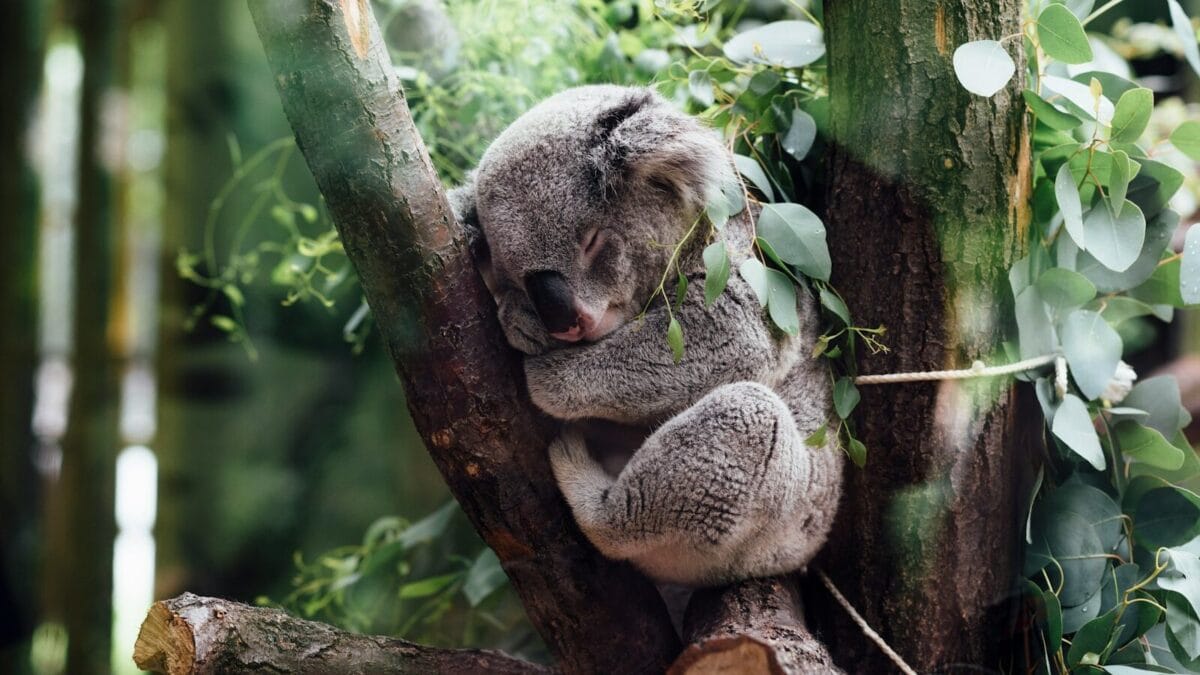
Historical records and oral traditions indicate that in some regions, koalas were occasionally hunted for food and fur by Indigenous communities. However, this hunting was typically governed by strict cultural protocols that ensured sustainability. These protocols might include restrictions on hunting during breeding seasons, limitations on how many animals could be taken, and requirements that only certain community members with specific knowledge or status could hunt koalas. Many groups with koala totems maintained prohibitions against hunting them altogether.
When koalas were hunted, Indigenous practices typically ensured that all parts of the animal were used respectfully. The meat provided protein, while the thick fur was valued for warmth in cooler regions of southeastern Australia. Importantly, these traditional hunting practices differed fundamentally from the commercial exploitation that occurred during the colonial period, when millions of koalas were killed for the international fur trade—a practice that nearly drove the species to extinction in the early 20th century.
Medicinal Knowledge and Healing Practices
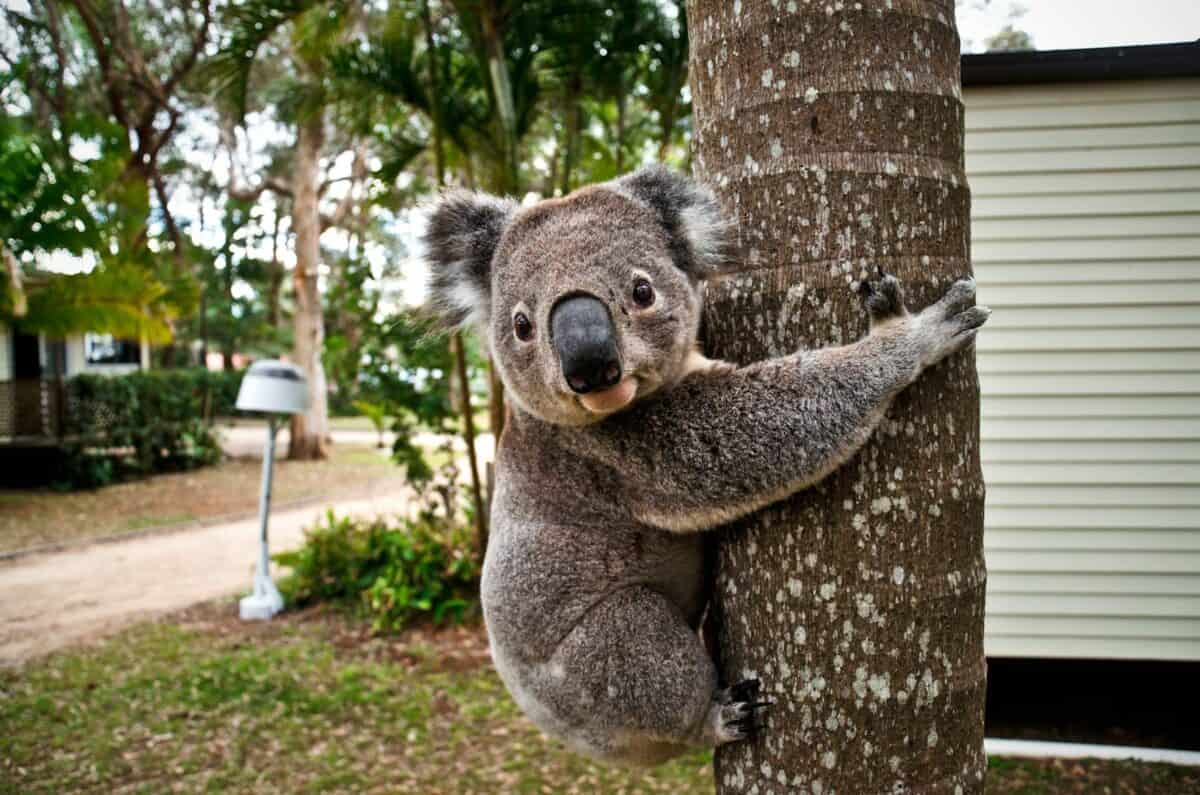
Aboriginal medicinal traditions included knowledge about koalas and their associated plants. While the koala itself was rarely used directly in medicine (partly because of its specialized eucalyptus diet, which makes its flesh unpalatable and potentially toxic), the eucalyptus species preferred by koalas were often recognized for their medicinal properties. Indigenous healers observed which eucalyptus varieties koalas selected, sometimes using this as guidance for identifying trees with particular medicinal qualities.
In some communities, koala fat was occasionally used as a topical treatment for certain skin conditions or as a carrier for plant-based medicines. Additionally, some groups believed that observing healthy koalas could provide insights into which eucalyptus varieties might be most beneficial for treating respiratory ailments. This interconnection between wildlife observation and medicinal knowledge represents a sophisticated understanding of ecological relationships that informed traditional healthcare practices.
Impact of Colonization on Indigenous-Koala Relationships

European colonization severely disrupted the traditional relationships between Indigenous Australians and koalas. The dispossession of Aboriginal peoples from their ancestral lands severed physical connections to areas where koala totems and stories were anchored in specific landscapes. Forced relocations and the establishment of missions and reserves often removed Indigenous communities from their traditional territories, including important koala habitats where cultural practices had been maintained for generations.
Simultaneously, colonial-era hunting of koalas for the fur trade dramatically reduced koala populations, further undermining traditional relationships. Between 1888 and 1927, an estimated 8 million koalas were killed for their fur, pushing the species to the brink of extinction in many regions. This ecological devastation had profound cultural implications for Indigenous communities whose identities, stories, and spiritual practices were connected to koalas. The combination of land dispossession and wildlife exploitation created a dual trauma that continues to affect Indigenous cultural continuity today.
Contemporary Indigenous Conservation Efforts

Today, many Indigenous communities are at the forefront of koala conservation efforts, drawing on traditional ecological knowledge while engaging with contemporary conservation science. Indigenous ranger programs across eastern Australia incorporate koala monitoring and habitat protection as key components of their work. These programs employ traditional tracking skills and ecological knowledge alongside modern technologies like GPS mapping and drone surveys to monitor koala populations and health.
Organizations like the Koala Clancy Foundation work directly with Traditional Owners to develop conservation initiatives that respect both ecological and cultural values. The Gurang Land Council in Queensland has established dedicated koala reserves on traditional lands, while the Gumbaynggirr Conservation Group in New South Wales combines habitat restoration with cultural education programs centered on the significance of Dunggirr (koala) in their tradition. These Indigenous-led conservation initiatives represent powerful examples of cultural revitalization working hand-in-hand with environmental protection.
Educational and Cultural Revival Programs

Across Australia, Indigenous communities are developing educational programs that highlight the cultural significance of koalas as part of broader efforts to revitalize traditional knowledge. Cultural centers like the Brambuk Cultural Centre in Victoria and the Dreamworld Corroboree in Queensland incorporate koala stories and traditional knowledge into their educational offerings. These programs serve multiple purposes: preserving traditional knowledge, educating non-Indigenous Australians about Aboriginal perspectives, and fostering pride and cultural identity among Indigenous youth.
School-based initiatives like the “Living Knowledge” program bring Elders into classrooms to share Dreamtime stories about koalas and other wildlife, connecting these narratives to contemporary environmental challenges. Language revitalization efforts often incorporate traditional names and stories about koalas as engaging content for language learning programs. These educational initiatives ensure that the deep cultural connections between Indigenous Australians and koalas continue to be transmitted to future generations, even as communities adapt to contemporary circumstances.
Legal Recognition of Indigenous Knowledge About Koalas

Recent decades have seen growing legal recognition of Indigenous cultural connections to koalas and their habitats. Native title determinations increasingly acknowledge the cultural significance of wildlife, including koalas, as part of traditional connections to country. Environmental legislation in several states now requires consultation with relevant Indigenous communities regarding koala management plans, particularly in areas with documented cultural significance or historical connections to specific koala populations.
The 2021 National Koala Recovery Plan explicitly recognizes the importance of Indigenous knowledge and cultural values relating to koalas, requiring consultation with Traditional Owners in conservation planning. This represents a significant shift from earlier conservation approaches that often excluded Indigenous perspectives. Some Indigenous communities have also established Indigenous Protected Areas that include important koala habitat, providing legal frameworks that simultaneously protect biodiversity and cultural heritage. These developments reflect growing recognition that effective koala conservation requires respecting and incorporating the cultural knowledge and values of Australia’s First Nations peoples.
The Enduring Cultural Legacy of Koalas

The cultural significance of koalas to Indigenous Australians represents one of the world’s oldest continuous relationships between humans and wildlife, spanning thousands of years and dozens of distinct cultural traditions. This relationship has weathered profound historical disruptions, from colonization to habitat destruction, yet continues to evolve and adapt in contemporary contexts. Today, as koalas face unprecedented threats from climate change, habitat loss, disease, and urban development, Indigenous cultural perspectives offer valuable insights for conservation efforts that honor both ecological and cultural values.
The stories, traditions, and ecological knowledge that connect Indigenous Australians to koalas remind us that conservation is not merely about preserving a species but about maintaining complex webs of relationship and meaning. By recognizing and respecting these cultural dimensions, conservation initiatives can become more inclusive, effective, and just. As Australia confronts the challenge of ensuring a future for koalas, the ancient wisdom of its First Peoples offers an essential foundation for action—one that recognizes that the fate of koalas and human communities has been intertwined since time immemorial.

- What Makes the Indo-Pacific Humpback Dolphin Rare and Vulnerable - June 26, 2026
- The Fastest Land Animals in the US - June 26, 2026
- Meet the World’s Largest Wolf Ever Recorded – Its Size is Unreal! - June 26, 2026