


Worried about unexpected vet bills?
Pet insurance can cover thousands in unexpected vet costs. Get a free quote from Lemonade in under 2 minutes.
Get My Free Quote →Sponsored · Opens Lemonade.com
Imagine plunging into the ancient Cretaceous seas, where monstrous jaws, dazzling armor, and bizarre shapes swirled through warm, mysterious waters. The ocean during this period was a stage for some of the most spectacular and surprising creatures our world has ever seen. Some were gentle giants, others ruthless hunters, and a few looked so strange they could pass for aliens today. Get ready to meet these fascinating ocean dwellers—some massive, some tiny, all unforgettable. Let’s dive into the Cretaceous and meet twelve of its most captivating marine stars.
12. Tylosaurus

Tylosaurus was a true titan of the ancient seas, stretching up to 50 feet long—nearly the length of a school bus. With a torpedo-shaped body and a huge, powerful jaw, it ruled the oceans as one of the top predators. Its skull alone was almost as long as a grown man is tall. Tylosaurus could swallow prey nearly as big as itself, including other marine reptiles, turtles, and even sharks. Its fossilized stomach contents have revealed a shocking menu, including fish and even the occasional bird. Imagine coming face-to-face with this giant—it was a nightmare and a marvel rolled into one.
11. Elasmosaurus

Elasmosaurus was the long-necked wonder of the Cretaceous seas, with a neck that made up over half of its 40-foot body length. This peculiar reptile looked like a snake sewn onto a turtle’s body, floating gracefully through the water. It likely used its long neck to sneak up on schools of fish, snapping them up without frightening the whole shoal. With tiny teeth and a small head, it was more of a precision hunter than a brute force predator. Swimming with flipper-like limbs, Elasmosaurus must have looked like a living myth.
10. Xiphactinus

Xiphactinus was the terror fish of its time, sometimes reaching lengths over 20 feet. With a mouth packed with sharp, needle-like teeth, it looked like something straight out of a nightmare. Fossils reveal that Xiphactinus often swallowed its prey whole, sometimes biting off more than it could chew—literally, as some specimens were found with other fish stuck inside them, both caught in a fatal embrace. Its streamlined body made it a fast, agile hunter, making sure nothing in its path was truly safe.
9. Mosasaurus
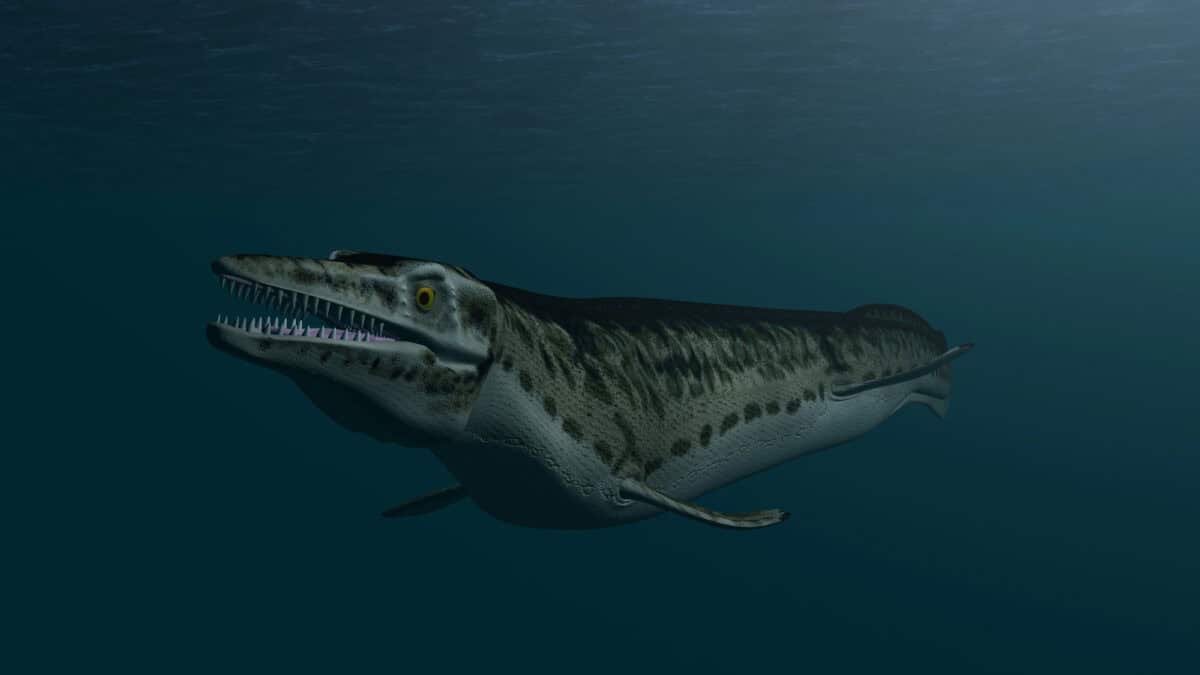
Mosasaurus is perhaps one of the most famous marine reptiles, immortalized in movies for its sheer size and power. Growing up to 56 feet, it was a master of ambush, using its strong tail to dart toward prey with terrifying speed. Its jaws were lined with sharp, conical teeth perfect for gripping slippery fish, ammonites, and even other marine reptiles. Mosasaurus had a body built for predation, and its fossils have been found around the world, proving it was a true ruler of the seas.
8. Cretoxyrhina

Cretoxyrhina, sometimes called the “Ginsu shark,” was a formidable predator, slicing through the seas with razor-sharp teeth. It could grow up to 23 feet long, about the size of a great white shark today. Its teeth were designed for cutting through flesh and bone, making it one of the top hunters of its time. Fossilized skeletons have been found with bite marks that perfectly match Cretoxyrhina’s jaws, showing that even other large marine reptiles were not off the menu.
7. Archelon

Archelon was the giant turtle of the Cretaceous, stretching its leathery shell to lengths of over 13 feet. Imagine floating beside a turtle the size of a small car! Its beak was strong enough to crush the shells of mollusks and crustaceans, which made up much of its diet. Archelon’s flippers were huge and paddle-shaped, allowing it to glide effortlessly through the water. The fossilized remains of Archelon have been found in North America, providing a window into just how impressive these gentle giants were.
6. Platecarpus
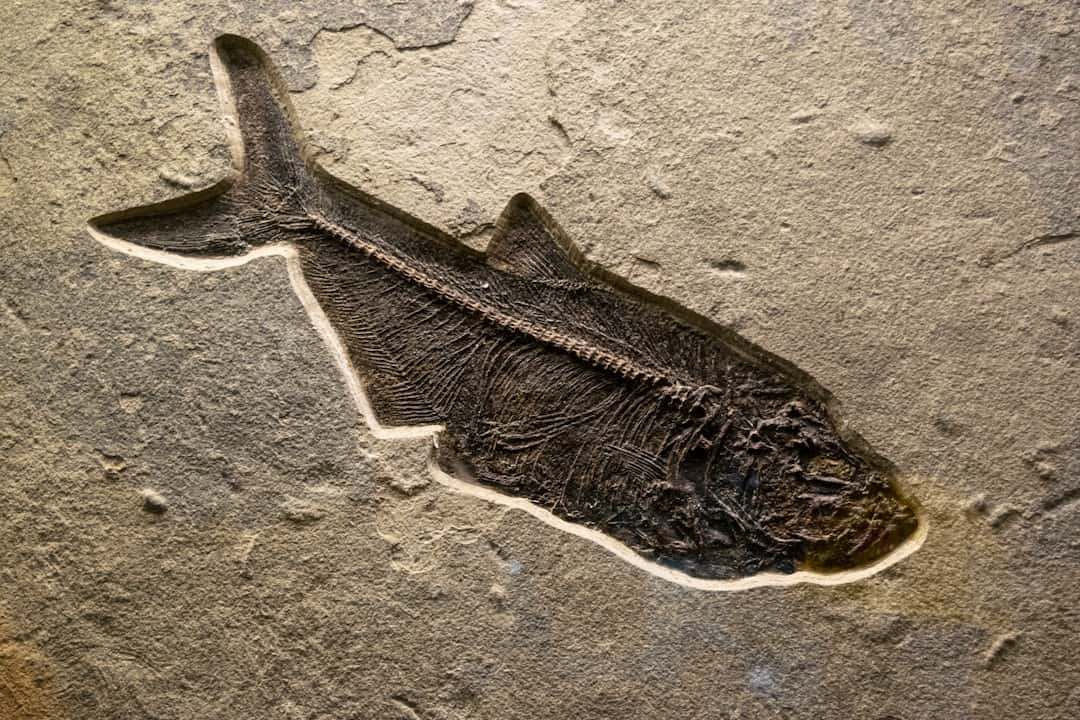
Platecarpus was a mid-sized mosasaur, usually reaching around 14 feet in length. It was well-adapted for speed, with a streamlined body and broad, powerful tail. Platecarpus probably hunted schools of fish and squid, darting through the water with quick, agile movements. Its jaw could extend to swallow large prey, similar to modern snakes. Fossils even show evidence of soft tissue, giving scientists clues about its coloration and how it might have looked in life.
5. Protostega

Protostega, another ancient sea turtle, was slightly smaller than Archelon but still impressive, with a shell stretching about 10 feet long. Its mouth and jaws were adapted to munch on jellyfish and soft-bodied animals, rather than crushing shells. Protostega’s limbs ended in broad flippers, making it a powerful swimmer. Its fossils have turned up in areas that are now North America, reminding us that these massive turtles once cruised the warm Cretaceous seas.
4. Enchodus

Enchodus, often called the “saber-toothed herring,” was a relatively small fish with an outsized set of fangs. Its most striking feature was its huge, curved canine teeth that jutted from its mouth, giving it a fearsome appearance. Despite being only a couple of feet long, Enchodus was a predator in its own right, preying on smaller fish and squid. Fossilized remains show that even larger marine reptiles sometimes found Enchodus a tasty snack, as their bones have been found in many stomachs.
3. Clidastes
Clidastes was one of the smaller mosasaurs, reaching up to 20 feet in length. It was built for maneuverability, with a slim body and a long, flexible tail. Clidastes likely hunted fish and squid, making quick, darting movements in pursuit of its prey. Unlike its larger relatives, Clidastes may have spent more time in shallower waters, lurking near coastal reefs and river mouths. Its fossils are a reminder that not all sea monsters had to be the biggest to be successful hunters.
2. Hesperornis

Hesperornis was a flightless, diving bird that hunted fish in the shallow seas. About the size of a modern goose, it had sharp teeth lining its beak—a rare feature for birds. Its legs were set far back on its body, making it an awkward walker but a powerful swimmer. Hesperornis used its webbed feet to chase down fish underwater, much like a penguin today. Fossils of Hesperornis have been found in North America, proving that birds were making a splash in the Cretaceous oceans, too.
1. Ammonite

Ammonites were spiral-shelled cephalopods, related to today’s squids and octopuses. Some species were tiny, while others grew shells over three feet across. Their coiled shells protected their soft bodies as they floated through the seas, using jet propulsion to move. Scientists believe ammonites ate plankton and small animals, and they themselves were prey for larger predators. Their beautifully patterned shells, now found as fossils worldwide, are a haunting reminder of an ocean long gone.
Conclusion

The Cretaceous oceans were home to an astonishing variety of creatures, each with their own wild adaptations and survival strategies. From giant turtles and razor-toothed fish to long-necked reptiles and spiral-shelled wonders, these animals shaped the marine world in unforgettable ways. Their fossils continue to inspire curiosity and wonder, connecting us to a world that existed millions of years before our own. Which of these ocean giants would you most like to see alive today?
Worried about unexpected vet bills?
Pet insurance can cover thousands in unexpected vet costs. Get a free quote from Lemonade in under 2 minutes.
Get My Free Quote →Sponsored · Opens Lemonade.com

As a little kid, I fell in love with nature, wildlife, and animals. Living in the USA, South Africa, Italy, China and Germany gave me the opportunity to discover the world's Wildlife. My favorite animals are Mountain Gorillas, Siberian Tigers, and Great White Sharks.
I'm a certified PADI Open Water Diver, went to Everest Base Camp and Trekked Gorillas in Uganda. I hold a Master of Science in Economics and Finance.
Please send any feedback to feedback@animalsaroundtheglobe.com
- 14 Incredible Ways Animals Outsmart Humans in the Wild - June 11, 2026
- 12 Wild Animal Misconceptions We Got from Movies - June 11, 2026
- 12 Species That Have Not Changed in Millions of Years - June 11, 2026