


When we think of dangerous wildlife encounters, our minds might conjure images of exotic locations or remote wilderness areas. However, the reality is that animal attacks occur throughout the United States, often in places we least expect. From alligator incidents in Florida to mountain lion encounters in California, the data on which states experience the most animal attacks reveals some surprising patterns. This comprehensive examination looks at the statistics behind animal attacks across America, analyzing both wild and domestic animal incidents, regional variations, and the factors that contribute to these potentially dangerous encounters. The findings might challenge your assumptions about where you’re most likely to face an animal-related threat.
Understanding the Scope of Animal Attacks in America
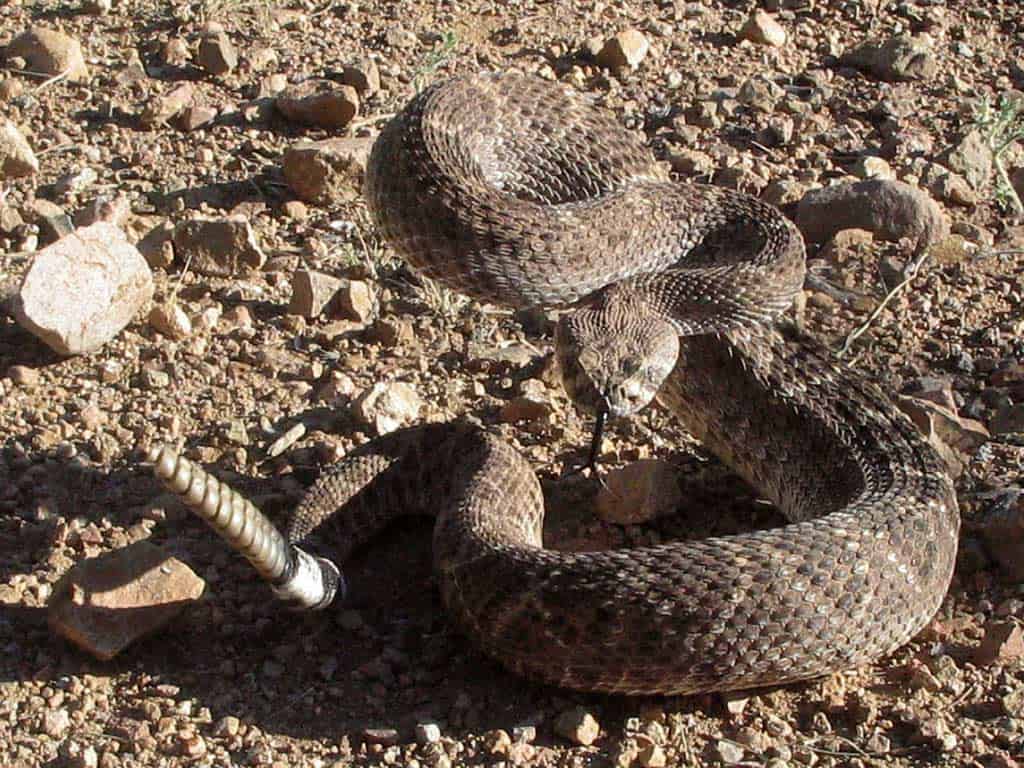
Animal attacks in the United States range from minor incidents to fatal encounters, involving both wild animals and domestic pets. According to data from the Centers for Disease Control and Prevention (CDC), approximately 4.5 million dog bites occur in the United States each year, while wildlife attacks, though less common, often receive greater media attention. Between 2008 and 2015, wildlife officials documented over 1,000 serious wild animal attacks nationwide, with certain states consistently reporting higher numbers.
The geographic distribution of these incidents is not uniform across the country. States with larger wilderness areas, higher populations of dangerous species, or greater human-wildlife interface zones typically report more attacks. However, the data reveals some unexpected patterns that don’t always align with these obvious factors. Population density, outdoor recreation rates, wildlife management practices, and even tourism can influence the frequency of animal attacks in different regions.
Texas: Leader in Multiple Categories

Perhaps unsurprisingly given its size, Texas consistently ranks at or near the top for total animal attacks in the United States. The Lone Star State reports the highest number of fatal dog attacks, with an average of 3-4 deaths annually according to DogsBite.org. Texas also ranks high for venomous snake bites, with approximately 950 reported cases each year according to the Texas Department of State Health Services. The state’s diverse ecosystems support populations of rattlesnakes, copperheads, cottonmouths, and coral snakes, all contributing to its high snake bite statistics.
Beyond dogs and snakes, Texas also reports significant numbers of feral hog encounters, with the state’s estimated 1.5 million wild hogs causing numerous injuries annually. The combination of large rural areas, high human population, and diverse wildlife creates a perfect storm for animal-human conflicts in Texas. Additionally, the state’s outdoor recreation culture puts more people in potential contact with wildlife, increasing the likelihood of negative interactions.
Florida: Alligator Country
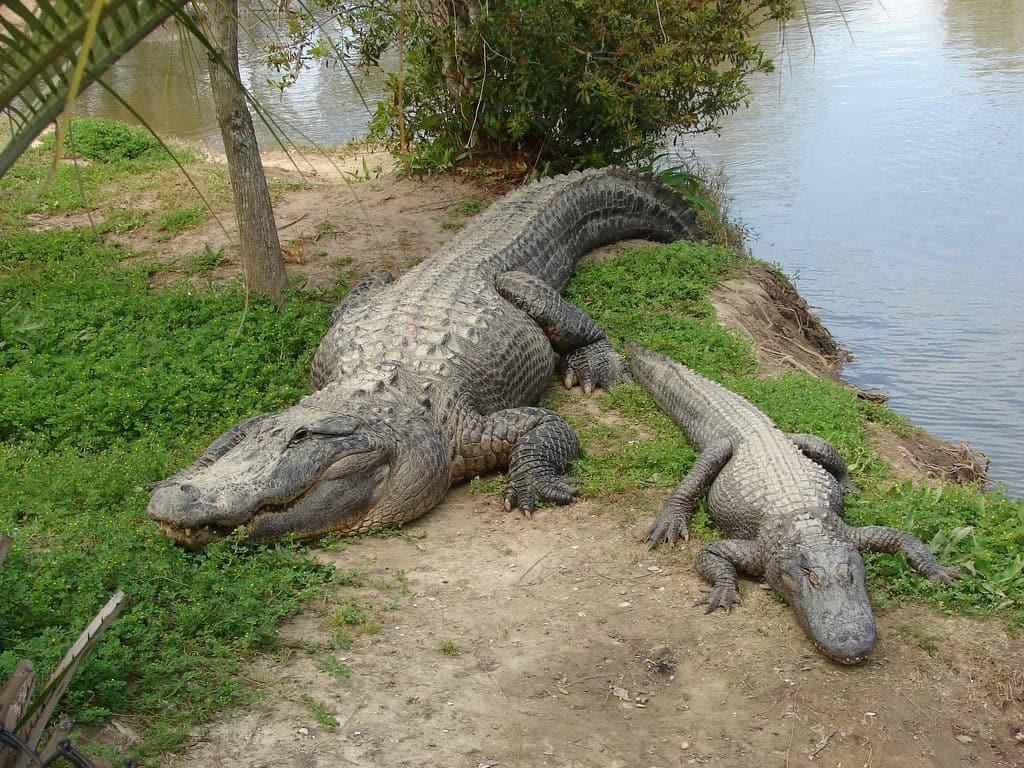
Florida stands out for its high number of alligator attacks, averaging about seven unprovoked bites per year according to the Florida Fish and Wildlife Conservation Commission. While this might seem low in absolute terms, it represents the vast majority of alligator attacks nationwide. Since 1948, Florida has recorded 444 unprovoked alligator attacks, including 26 fatalities. The state’s warm climate and abundant wetlands provide ideal habitat for its estimated 1.3 million alligators, creating numerous opportunities for human-alligator encounters.
Beyond alligators, Florida also ranks high for shark attacks, averaging about 25 incidents annually, which represents nearly 50% of all shark bites in the United States. The state also contends with venomous snake bites, with approximately 600 reported cases each year. Combined with incidents involving invasive species like Burmese pythons and aggressive non-native monkeys in certain areas, Florida’s unique ecosystem makes it a hotspot for animal attacks despite its relatively small geographic size compared to states like Texas and California.
California: Diverse Wildlife, Diverse Threats

California’s varied landscape—from coastal areas to mountains and deserts—creates habitat for a wide range of potentially dangerous animals. The Golden State leads the nation in mountain lion encounters, with approximately 15 verified attack incidents per decade according to the California Department of Fish and Wildlife. While relatively rare, these attacks tend to be serious when they occur. California also reports significant numbers of rattlesnake bites, with roughly 800 cases annually, placing it second only to Texas for venomous snake encounters.
California’s coastal areas contribute to its animal attack statistics as well, with the state ranking second only to Florida for shark encounters. Between 2000 and 2020, California recorded 124 shark attacks, most involving great white sharks. The state also reports numerous incidents involving coyotes, particularly in suburban areas where these adaptable predators have learned to coexist with humans. The combination of high human population, abundant outdoor recreation opportunities, and diverse wildlife makes California a consistent leader in animal attack statistics across multiple categories.
Alaska: Wilderness Dangers

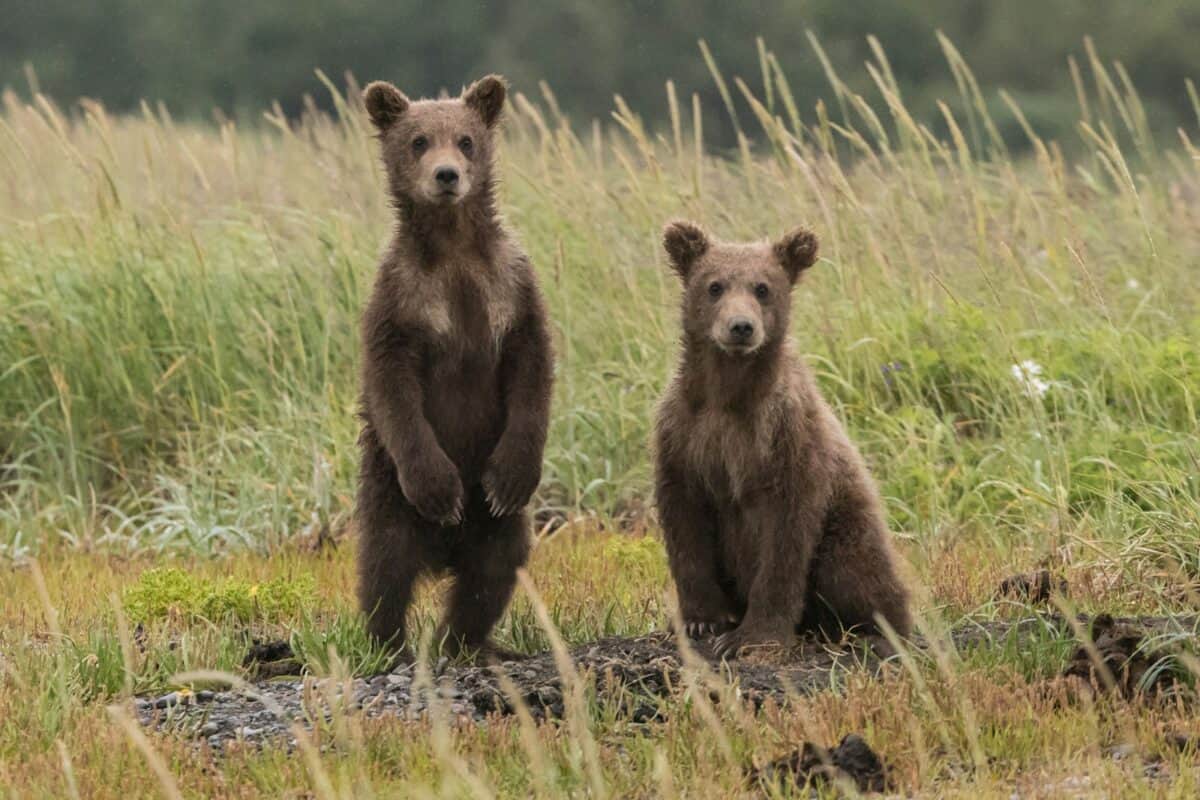
Despite its relatively small human population, Alaska ranks high for dangerous animal encounters, particularly involving bears. According to Alaska Department of Fish and Game data, the state averages approximately 8-10 serious bear attacks annually, with both brown bears (grizzlies) and black bears contributing to these statistics. Between 2000 and 2017, Alaska recorded 10 fatal bear attacks, the highest number in North America. The state’s vast wilderness areas and relatively high bear populations create numerous opportunities for potentially dangerous encounters.
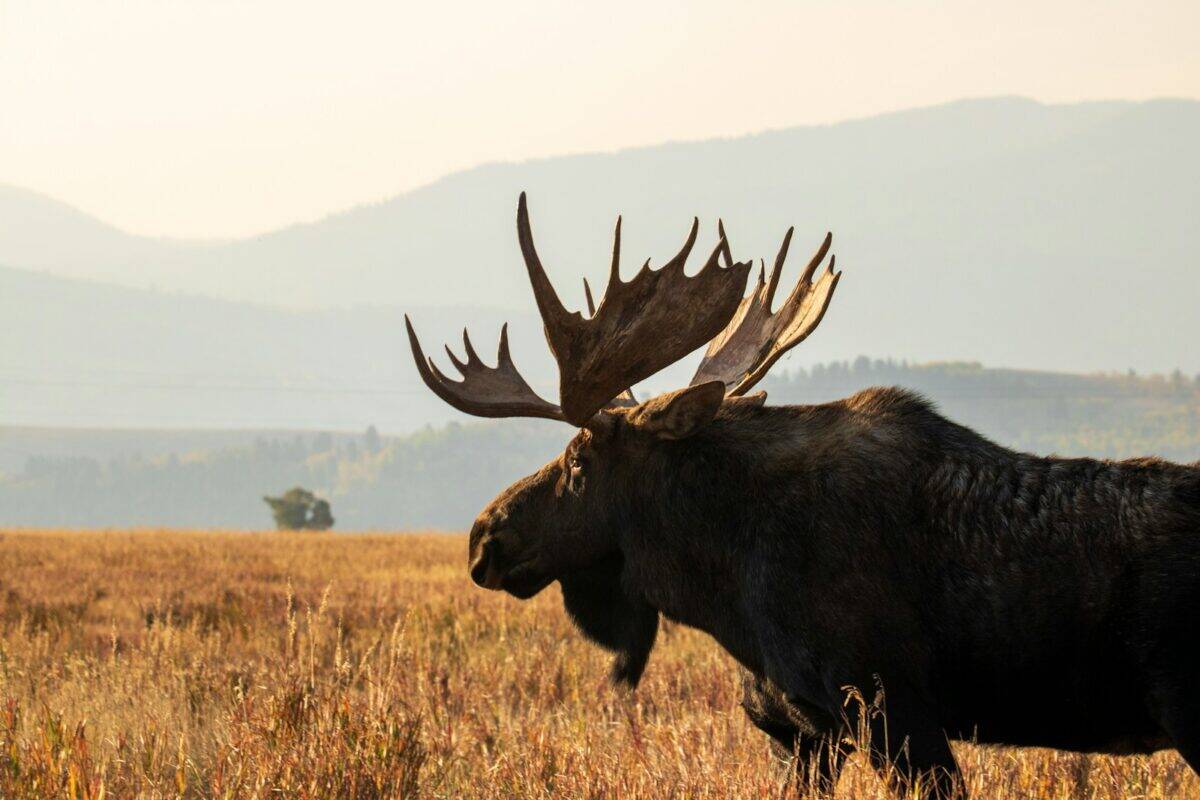
Beyond bears, Alaska also reports significant numbers of moose attacks, with these massive herbivores causing more injuries annually than bears. Moose, particularly females with calves, can be extremely territorial and aggressive. The state also experiences occasional wolf encounters, though these are much rarer than bear or moose incidents. Alaska’s unique position as America’s last great wilderness means that residents and visitors often find themselves in close proximity to wildlife, contributing to its high per capita rate of animal attacks despite low total numbers compared to more populous states.
Arizona and New Mexico: Scorpion and Snake Territory

The southwestern states of Arizona and New Mexico lead the nation in scorpion stings and maintain high rates of venomous snake encounters. Arizona reports approximately 11,000 scorpion stings annually, with the bark scorpion being responsible for most serious cases. While deaths are rare thanks to available antivenom, these painful stings result in hundreds of hospitalizations each year. Arizona also records roughly 250 rattlesnake bites annually according to the Arizona Poison and Drug Information Center, placing it third nationally for venomous snake encounters.
Neighboring New Mexico shows similar patterns, with approximately 4,000 scorpion stings and 150 venomous snake bites reported each year. Both states also report periodic incidents involving mountain lions, black bears, and javelinas (wild pigs). The arid landscape, combined with increasing human development encroaching on wildlife habitat, creates significant human-wildlife conflict zones in these southwestern states. Climate change is potentially exacerbating these issues, as drought conditions force wildlife to venture closer to human settlements in search of water and food resources.
Montana and Wyoming: Bear Attack Hotspots

Montana and Wyoming, home to Yellowstone and Glacier National Parks, report disproportionately high numbers of bear attacks relative to their populations. Montana recorded 11 grizzly bear fatalities between 2000 and 2020, second only to Alaska despite having a fraction of that state’s bear population. Wyoming reported 7 fatal bear attacks during the same period. The growing grizzly population in the Greater Yellowstone Ecosystem, coupled with increasing outdoor recreation, has led to more frequent bear encounters in both states.
Beyond bears, both Montana and Wyoming also report significant numbers of incidents involving bison, particularly in Yellowstone National Park. Between 2000 and 2015, bison injured approximately 60 park visitors, more than any other animal in the park. Both states also experience occasional mountain lion encounters and venomous snake bites, though at lower rates than western coastal states. The combination of rebounding predator populations and growing outdoor tourism has made these northern Rocky Mountain states increasingly significant in national animal attack statistics.
North Carolina: The Unexpected Leader in Dog Attacks

While many might not associate North Carolina with animal attacks, data from insurance companies consistently ranks it among the top five states for dog bite claims. According to State Farm Insurance data, North Carolina residents file approximately 750 dog bite claims annually, resulting in millions in liability payouts. The state also ranks third nationally for dog bite fatalities according to DogsBite.org, with 33 deaths recorded between 2005 and 2020, behind only Texas and California, both of which have much larger populations.
Beyond domestic dog incidents, North Carolina also reports significant numbers of snake bites, with approximately 500 venomous encounters annually according to the Carolinas Poison Center. The state is home to six venomous snake species, including the eastern diamondback rattlesnake and copperhead. North Carolina’s mix of rapidly developing suburban areas alongside significant natural habitats creates numerous human-animal conflict zones, contributing to its surprisingly high ranking in animal attack statistics across multiple categories despite not being commonly associated with dangerous wildlife.
Hawaii: Marine Dangers in Paradise

Hawaii’s isolated position and unique ecosystem create a different pattern of animal attacks compared to mainland states. The island state ranks third nationally for shark attacks, with approximately 3-4 incidents annually according to the International Shark Attack File. Between 1995 and 2021, Hawaii recorded 73 unprovoked shark attacks, placing it behind only Florida and California despite its much smaller coastline and population. The state’s clear waters, abundant marine life, and year-round ocean recreation create more opportunities for human-shark encounters.
Beyond sharks, Hawaii reports numerous incidents involving marine animals such as box jellyfish, Portuguese man-o-war, and occasionally, monk seals. The state’s Department of Health documents approximately 200 serious jellyfish sting cases requiring medical attention annually. Hawaii also experiences occasional injuries from encounters with introduced species such as wild pigs and axis deer on certain islands. Despite lacking many of the dangerous terrestrial animals found on the mainland, Hawaii’s unique marine environment creates its own set of animal attack risks for residents and the millions of tourists who visit annually.
Understanding the Data: Population vs. Per Capita Rates

When analyzing animal attack statistics, it’s crucial to distinguish between total numbers and per capita rates. While states like Texas and California consistently lead in total attack numbers across multiple categories, their large human populations must be considered when assessing actual risk. When examined on a per capita basis, less populous states often reveal surprisingly high rates. Alaska, for example, has the highest per capita rate of bear attacks by a significant margin, with approximately 11 attacks per million residents annually, compared to Montana’s 7 per million and Wyoming’s 8 per million.
Similarly, Arizona’s scorpion sting rate of approximately 1,500 per million residents far exceeds the national average, while Florida’s per capita alligator attack rate is roughly 0.35 incidents per million residents annually. These per capita figures provide a more accurate representation of individual risk than raw numbers alone. They highlight that residents of certain less populous states may face greater personal risk of animal attacks than those living in states with higher total numbers but larger human populations to distribute that risk across.
Factors Beyond Geography: What Influences Attack Rates
While geographic distribution of wildlife plays an obvious role in animal attack patterns, numerous other factors influence state-by-state statistics. Tourism and outdoor recreation rates significantly impact numbers, with states like Colorado, Utah, and Montana seeing seasonal spikes corresponding to hiking and camping season. Housing development patterns also play a role, with rapidly expanding suburban areas that encroach on wildlife habitat creating new conflict zones, particularly evident in states like Florida, North Carolina, and Arizona where development is booming in previously wild areas.
Climate change is increasingly recognized as a factor in shifting animal attack patterns. Drought conditions in western states force wildlife into more frequent contact with humans as animals search for water and food. Meanwhile, warming temperatures in northern states have extended the active season for animals like bears, resulting in more human encounters later into fall. Public education efforts and wildlife management practices also vary significantly between states, with some jurisdictions investing heavily in conflict reduction programs while others take more reactive approaches, directly impacting attack rates and reporting quality.
Conclusion: Putting the Risk in Perspective
While the state-by-state statistics on animal attacks reveal some surprising patterns, it’s important to keep the actual risk in perspective. Even in states with the highest attack rates, the chance of experiencing a serious animal attack remains extremely low compared to other daily risks. For example, the approximately 30-40 fatal dog attacks nationwide annually, while tragic, represent a tiny fraction of the 4.5 million dog bites that occur each year. Similarly, the handful of annual fatalities from wildlife attacks pales in comparison to deaths from accidents, disease, or other preventable causes.
Understanding which states have higher rates of animal attacks isn’t about creating fear but rather promoting awareness and preparedness. Knowledge of local wildlife, proper safety precautions, and respect for animal behavior can significantly reduce already low risks. Whether you live in Texas with its diverse animal attack profile, Florida with its alligators and sharks, Alaska with its bears and moose, or anywhere in between, being informed about local wildlife and taking appropriate precautions remains the best strategy for safely enjoying America’s natural spaces and coexisting with the animals that call them home.
As human development continues to expand into wildlife habitat across the country, monitoring and understanding animal attack patterns becomes increasingly important for public safety planning, wildlife conservation efforts, and maintaining positive human-wildlife relationships. The surprising geographic distribution of animal attacks serves as a reminder that wildlife encounters are a possibility virtually anywhere in America, and preparation rather than fear should guide our approach to coexisting with the diverse species that share our national landscape.
Finally, the data reminds us that domestic animals, particularly dogs, cause far more injuries than wildlife in every state, highlighting the importance of responsible pet ownership alongside wildlife awareness. By understanding the true patterns of animal attacks across different states, we can make informed decisions about outdoor activities, home safety, and wildlife interactions that keep both humans and animals safer.

From exploring the marine wonders in the Azores and witnessing the vast savannas of Kenya, to delving deep into the rich biodiversity of South Africa and traversing iconic landscapes in Australia and the US like Yellowstone, Chris's experiences are vast.
With a penchant for diving alongside sharks, the ocean holds a special place in his heart.
Through his academic insights, he champions wildlife conservation, striving with 'Animals Around The Globe' to cultivate a profound connection between humans and animals, enhancing our mutual appreciation.
Connect with him at Feedback@animalsaroundtheglobe.com.
- This Monkey Has a Mustache - July 21, 2026
- How Steve Irwin Changed the World’s View of Wildlife - July 21, 2026
- The Catfish That Caused Earthquakes in Japanese Folklore - July 21, 2026