

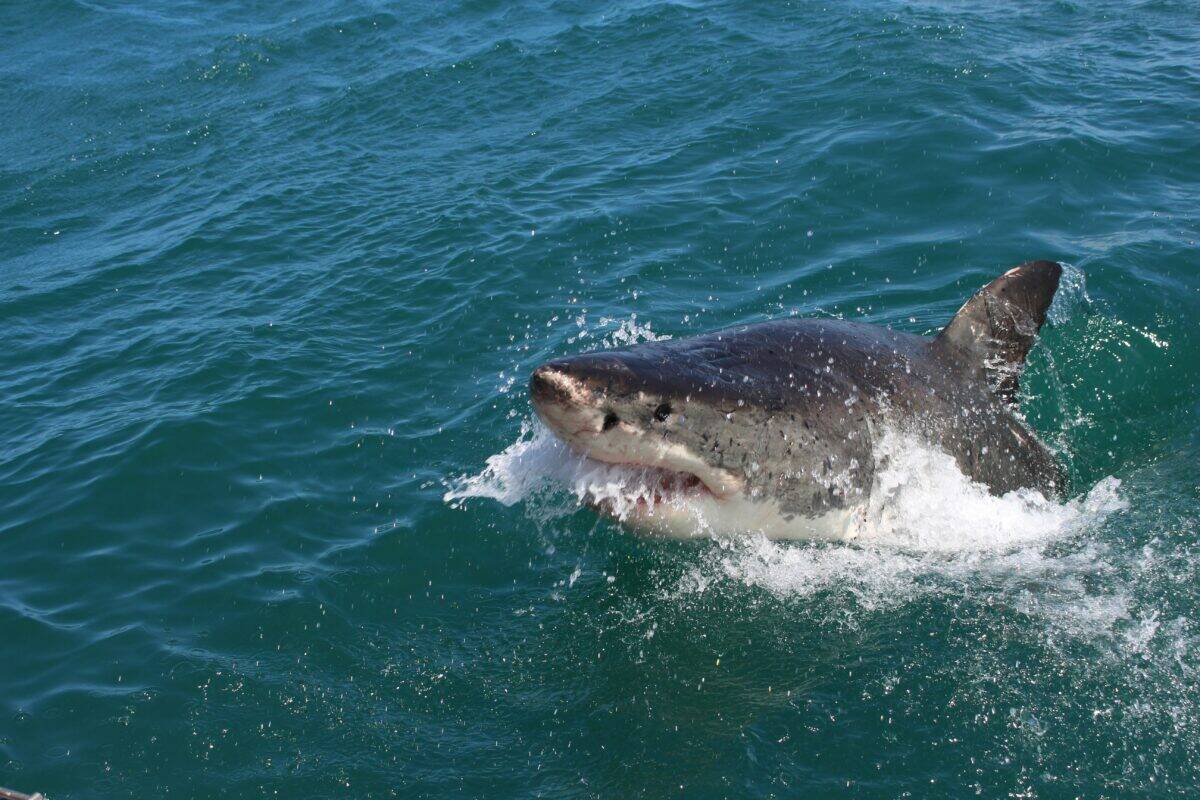
In recent years, news headlines about animal attacks have become increasingly common. From shark incidents at beaches to bear encounters in national parks, these events often spark fear and curiosity. While it’s tempting to blame the animals themselves, growing evidence suggests human behavior plays a significant role in these encounters. As humans expand into wildlife habitats, interact with animals in new ways, and sometimes display risky behaviors, we may be inadvertently creating conditions that lead to more frequent animal-human conflicts. This article explores the complex relationship between human activities and the perceived increase in animal attacks, examining how our behaviors might be altering animal responses and what we can do to foster safer coexistence.
Understanding the Perception of Increased Animal Attacks

Before diving into human influences, it’s important to address whether animal attacks are actually increasing or if enhanced media coverage creates this perception. Statistics show that while certain types of encounters have increased regionally, the overall risk of wildlife attacks remains extremely low. For example, despite sensationalized coverage, fatal shark attacks globally average only about five per year. Similarly, bear-related fatalities in North America typically number fewer than three annually.
What has undeniably increased is our awareness of these incidents. Social media and 24-hour news cycles amplify individual cases, creating a perception of frequency that may not align with reality. Additionally, improved reporting systems and greater recreational presence in wildlife areas mean more incidents are documented than in previous decades. This reporting bias must be considered when evaluating whether attacks are truly increasing or simply more visible to the public consciousness.
Habitat Encroachment and Urban Expansion

Perhaps the most significant human factor contributing to animal-human conflicts is habitat encroachment. As urban areas expand into previously wild spaces, animals lose their natural territories and are forced to adapt or relocate. This disruption often brings wildlife into closer proximity with humans, creating opportunities for unexpected encounters. In North America, suburban development into forested areas has led to increased interactions with deer, coyotes, and bears, while in parts of Asia and Africa, agricultural expansion has displaced large predators like tigers and lions.
Research shows that animals displaced by development often experience stress and behavioral changes that may make them more unpredictable. Additionally, fragmented habitats can disrupt normal hunting patterns, potentially leading some predators to view humans or livestock as alternative food sources. A 2018 study published in Nature Communications found that large carnivores living near human settlements showed altered activity patterns and feeding behaviors compared to those in undisturbed habitats, suggesting our presence fundamentally changes wildlife behavior in ways that might increase conflict potential.
Food Conditioning and Wildlife Habituation

When humans intentionally or unintentionally provide food to wild animals, they create a dangerous phenomenon known as food conditioning. Animals that associate humans with food lose their natural wariness and begin seeking out human contact. This habituation process transforms wild animals’ natural behaviors and can lead to aggressive encounters when food isn’t provided. Wildlife management experts consistently identify food conditioning as a precursor to many attacks, particularly with species like bears, coyotes, and alligators.
The statistics are compelling: in Yellowstone National Park, bears that obtained human food were significantly more likely to be involved in aggressive encounters than those that maintained natural foraging habits. Even seemingly innocent behaviors like leaving unsecured trash, feeding ducks at parks, or tossing food scraps along hiking trails can contribute to this problem. Once an animal becomes food-conditioned, management options often become limited, frequently resulting in the animal being relocated or euthanized, highlighting how human behavior can have fatal consequences for wildlife.
Recreation in Wildlife Territories
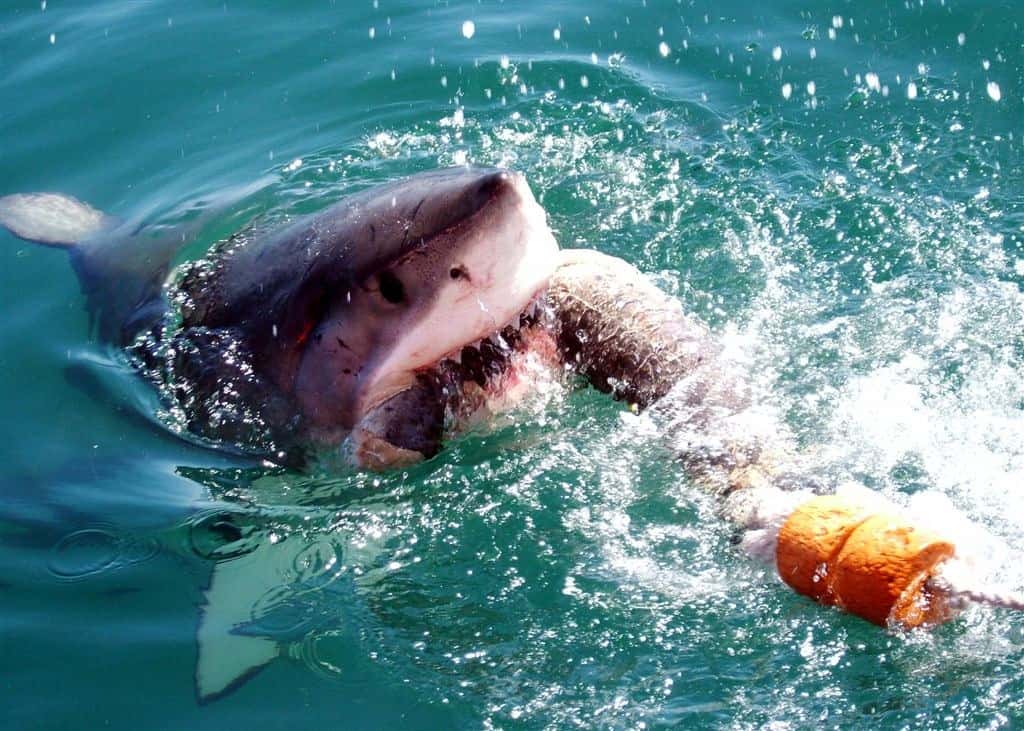
The dramatic increase in outdoor recreation over recent decades has brought humans into wildlife habitats in unprecedented numbers. Activities like hiking, mountain biking, kayaking, and wildlife photography now penetrate deeper into previously remote areas. National parks worldwide report record visitation numbers, with the U.S. National Park Service alone recording over 312 million recreational visits in 2022. This human presence can disturb animals during critical periods such as mating, nesting, or when caring for young.
Studies indicate that wildlife encounters during recreational activities often occur when humans behave unpredictably or ignore warning signs. For instance, research from Yellowstone shows that most bison attacks happen when visitors approach within the recommended safety distance of 25 yards. Similarly, a comprehensive review of shark incidents revealed that most attacks occur in conditions with poor visibility or during activities that might mimic prey movements, such as surfing or splashing. These findings suggest that educated, respectful recreation could significantly reduce negative wildlife encounters.
Climate Change and Shifting Animal Behaviors
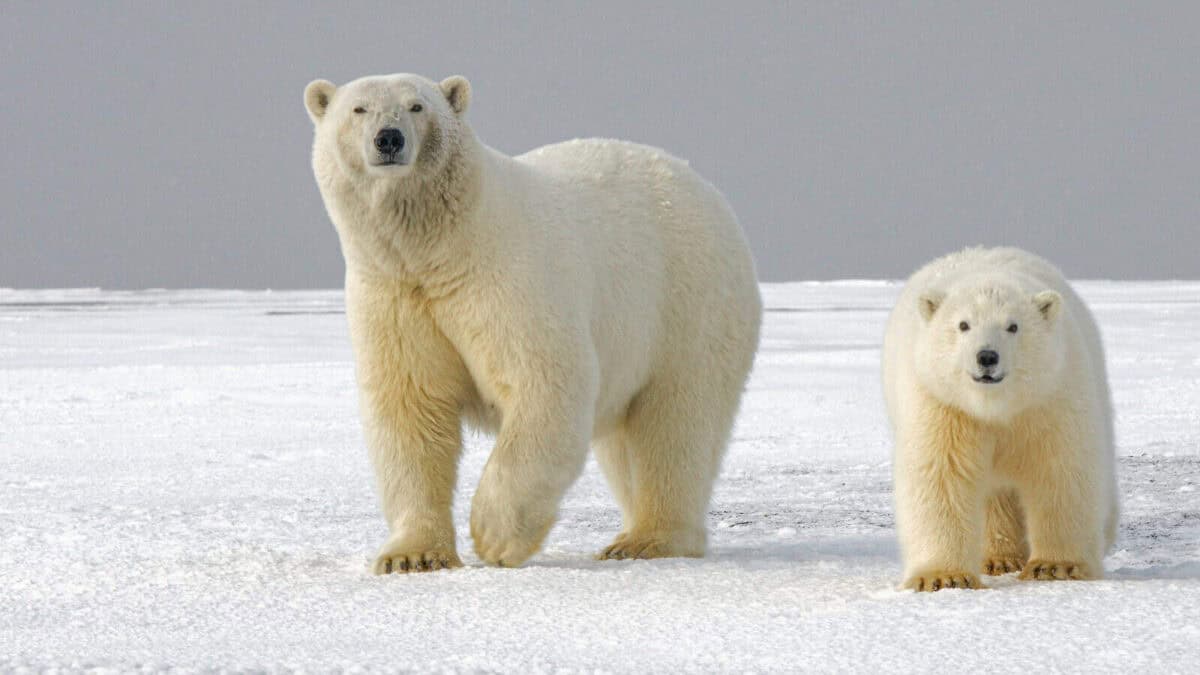
Human-driven climate change is altering animal behaviors and ranges in ways that may increase conflict potential. As temperatures rise and weather patterns shift, many species are moving into new territories or changing their seasonal activities. Polar bears, for example, now spend more time on land as Arctic sea ice diminishes, increasing their encounters with Arctic communities. In the American Southwest, prolonged drought conditions have driven mountain lions and bears closer to human settlements in search of water and food.
These climate-induced behavioral changes often catch both wildlife and humans unprepared for new interaction patterns. Animals may appear in areas where local populations have little experience with them, and the animals themselves may be stressed by unfamiliar environments or food scarcity. A 2020 study in the journal Science found that climate change has already shifted the geographic ranges of over 12,000 species toward the poles or higher elevations, creating novel human-wildlife interfaces. These new points of contact represent uncharted territory for coexistence and may temporarily increase conflict until both humans and animals adapt.
Social Media Influence and Risk-Taking Behavior

The quest for dramatic wildlife encounters to share on social media has created a new category of risky human behavior. Wildlife selfies, close-up videos, and interaction attempts have resulted in numerous injuries and occasionally deaths. In 2018, the journal Frontiers in Psychology published research suggesting that social media recognition significantly motivated risky behavior around wildlife, with participants willing to approach animals more closely when they anticipated sharing the experience online.
This phenomenon extends beyond tourists to include influencers and content creators whose livelihood depends on capturing attention-grabbing footage. National parks and wildlife sanctuaries worldwide report increased rule violations as visitors attempt to get closer to animals for better photographs. In some cases, social media platforms have implemented warning systems for hashtags associated with harmful wildlife interactions, but the problem persists. The desire for digital validation continues to drive dangerous human behaviors that can provoke defensive responses from wildlife.
Misunderstanding Animal Body Language

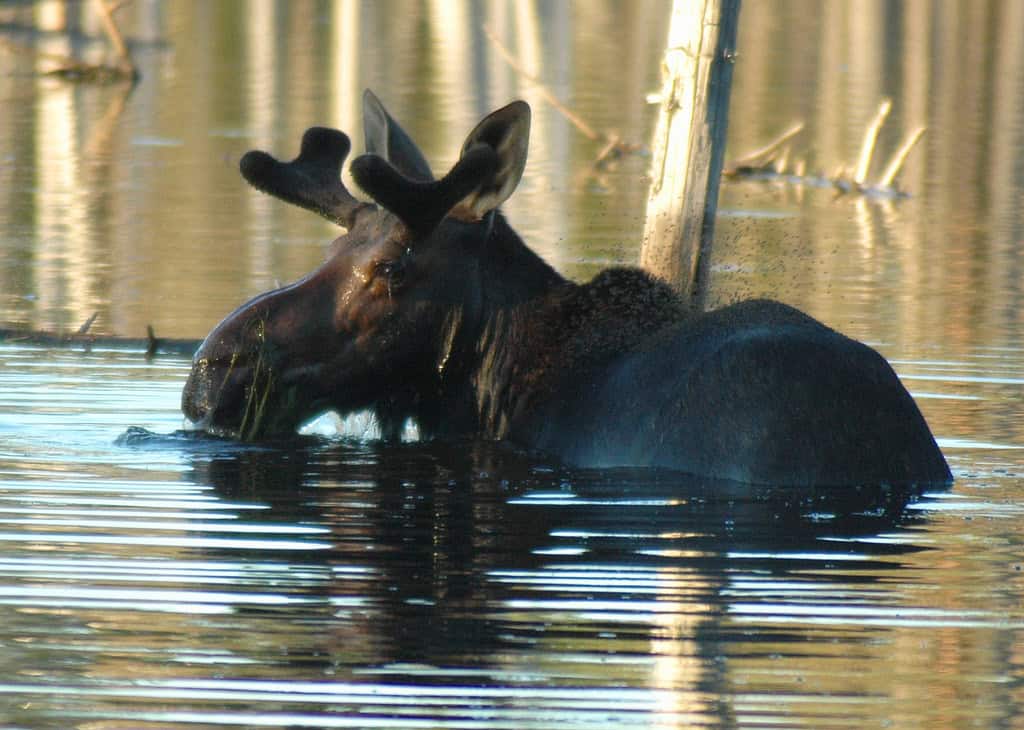
Many animal attacks occur because humans misinterpret or ignore warning signals from wildlife. Animals typically display a series of escalating behaviors before attacking, but these can be subtle or unfamiliar to most people. For instance, a bear standing on its hind legs is often gathering information rather than preparing to attack, while a moose with laid-back ears and raised hackles is displaying serious aggression. Without this knowledge, humans may continue approaching or behaving in ways that escalate the situation.
Education about species-specific warning signs could prevent many negative encounters. Research from the Human-Wildlife Conflict Collaboration found that in communities where residents received training about local wildlife behavior, conflict incidents decreased by up to 80%. This dramatic reduction suggests that human misunderstanding, rather than increased animal aggression, may be behind many reported attacks. Wildlife experts emphasize that most animals prefer to avoid confrontation with humans and will only attack when they perceive no other option.
Inappropriate Pet Management

Domestic pets, particularly dogs, often catalyze wildlife attacks when improperly managed in natural areas. Off-leash dogs may chase, bark at, or otherwise provoke wild animals, triggering defensive responses that can extend to nearby humans. National park incident reports reveal that many bear, moose, and bison attacks involve dogs that approached or harassed wildlife before the encounter. When the wild animal responds aggressively, it often redirects its attention to the human companion when they attempt to intervene.
Beyond off-leash hiking, irresponsible pet ownership in wildlife interface areas creates additional risks. Outdoor feeding of pets attracts wild animals, and small pets left unattended outdoors may be perceived as prey by predators like coyotes or large birds of prey. When humans intervene in these predatory interactions, they may become targets themselves. Wildlife managers recommend keeping pets leashed in natural areas, feeding pets indoors, and supervising small animals in regions with known predator activity.
Reduction in Natural Prey and Resources

Human activities that reduce natural prey populations or critical resources can indirectly increase wildlife attacks by forcing predators to seek alternative food sources. Overfishing in marine environments has been linked to changes in shark feeding behaviors in some regions. Similarly, habitat fragmentation and hunting pressure on ungulates like deer and elk can push mountain lions and wolves closer to human settlements in search of food. When natural prey becomes scarce, the risk of predators viewing livestock or even humans as potential food sources increases.
Water resource management also influences animal behavior and conflict potential. During drought conditions, artificial water sources like irrigation canals, swimming pools, and decorative ponds attract wildlife to residential areas. In Australia, saltwater crocodile encounters increase during dry seasons when natural water bodies shrink, forcing the reptiles to travel between remaining water sources. These resource-driven movements bring wildlife into human spaces where they wouldn’t normally venture, creating novel and potentially dangerous interaction scenarios.
Wildlife Management Practices
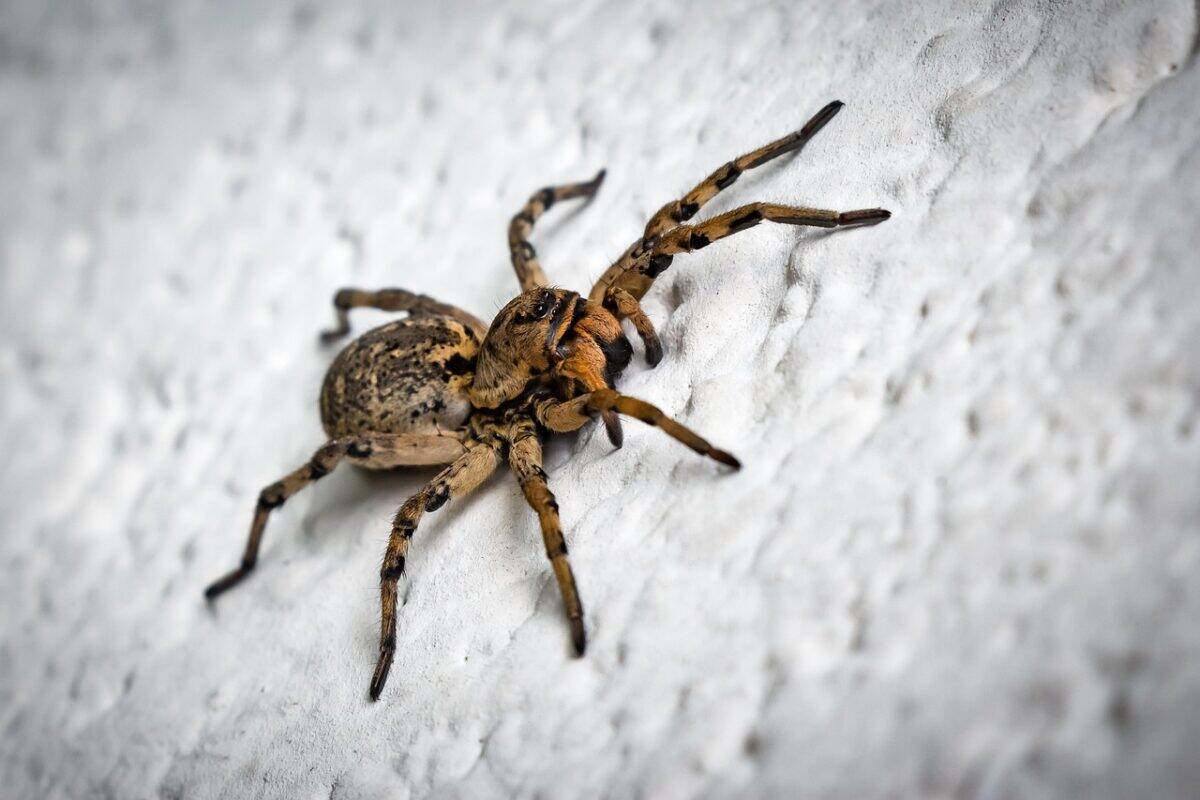
Some wildlife management approaches, while well-intentioned, may inadvertently increase attack risk. For instance, relocating problem animals often proves ineffective as many species have remarkable homing instincts or simply recreate the same problematic behaviors in new locations. A study tracking relocated bears found that many traveled extensive distances to return to their original territories, facing hazards like road crossings and unfamiliar territories that increased stress and potentially aggressive behavior.
Additionally, inconsistent management policies can create confusion for both wildlife and humans. When enforcement of wildlife feeding bans or proper food storage requirements is lax, animals receive mixed messages about appropriate behavior around humans. Protected status for certain species without corresponding habitat protection can also create artificial concentrations of wildlife in limited spaces, increasing encounter probability. Effective management requires comprehensive approaches that address both animal behavior and the human activities that shape that behavior.
Solutions: Coexistence Through Education and Responsibility
Reducing human-wildlife conflicts requires multi-faceted approaches centered on education and responsible behavior. Wildlife awareness programs have shown remarkable success in communities worldwide. In India’s Sundarbans region, teaching residents about tiger behavior and implementing safety protocols reduced human fatalities by over 85% over a decade. Similarly, shark awareness campaigns in Australia have helped beachgoers understand risk factors and make informed decisions about ocean activities.
Physical infrastructure changes can also promote safer coexistence. Wildlife corridors that allow animals to move between habitat patches without crossing human settlements reduce unexpected encounters. Bear-proof trash containers in national parks have dramatically reduced problematic interactions. Even simple measures like strategic signage at wildlife hotspots can significantly impact human behavior. When Colorado parks implemented animated electronic signs showing appropriate distances from wildlife, visitor compliance with safety recommendations increased by 76% compared to traditional static signs.
Conclusion: Humans as Stewards, Not Victims

As we’ve explored throughout this article, the narrative around increasing animal attacks deserves reconsideration. Rather than viewing ourselves as victims of aggressive wildlife, we must acknowledge how human behaviors create conditions that lead to conflict. From habitat encroachment and food conditioning to climate impacts and risk-taking behaviors, our actions fundamentally shape wildlife responses to our presence. The solution lies not in fear or further separation from nature, but in developing more informed, respectful approaches to sharing space with wild animals.
Moving forward, both individual choices and policy decisions must prioritize coexistence strategies grounded in scientific understanding of animal behavior. By educating ourselves about wildlife, respecting natural boundaries, and modifying problematic human behaviors, we can significantly reduce negative encounters. The goal isn’t to eliminate all human-wildlife interactions—these can be profound and valuable experiences—but to ensure they occur on terms that are safe for both parties. In this way, we can fulfill our responsibility as stewards of the natural world while maintaining our connection to the wild spaces and creatures that enrich our planet.

From exploring the marine wonders in the Azores and witnessing the vast savannas of Kenya, to delving deep into the rich biodiversity of South Africa and traversing iconic landscapes in Australia and the US like Yellowstone, Chris's experiences are vast.
With a penchant for diving alongside sharks, the ocean holds a special place in his heart.
Through his academic insights, he champions wildlife conservation, striving with 'Animals Around The Globe' to cultivate a profound connection between humans and animals, enhancing our mutual appreciation.
Connect with him at Feedback@animalsaroundtheglobe.com.
- Hollywood’s Wildest Star: California’s Famous Puma P-22 - July 21, 2026
- Desert Foxes Make a Comeback in U.S. National Parks - July 21, 2026
- The Sacred Goose of Ancient Rome: Protector of the Capitol - July 21, 2026