


In the world of animal adaptations, few phenomena are as remarkable as a baby giraffe’s rapid development from birth to running. These gangly newborns showcase nature’s extraordinary design, transitioning from the womb to running across the savanna in mere hours. This incredible ability isn’t just fascinating—it’s essential for their survival in predator-rich African landscapes. While human babies spend months developing the strength and coordination to crawl, giraffe calves literally hit the ground running, exemplifying one of nature’s most impressive evolutionary adaptations.
The Dramatic Birth of a Giraffe Calf
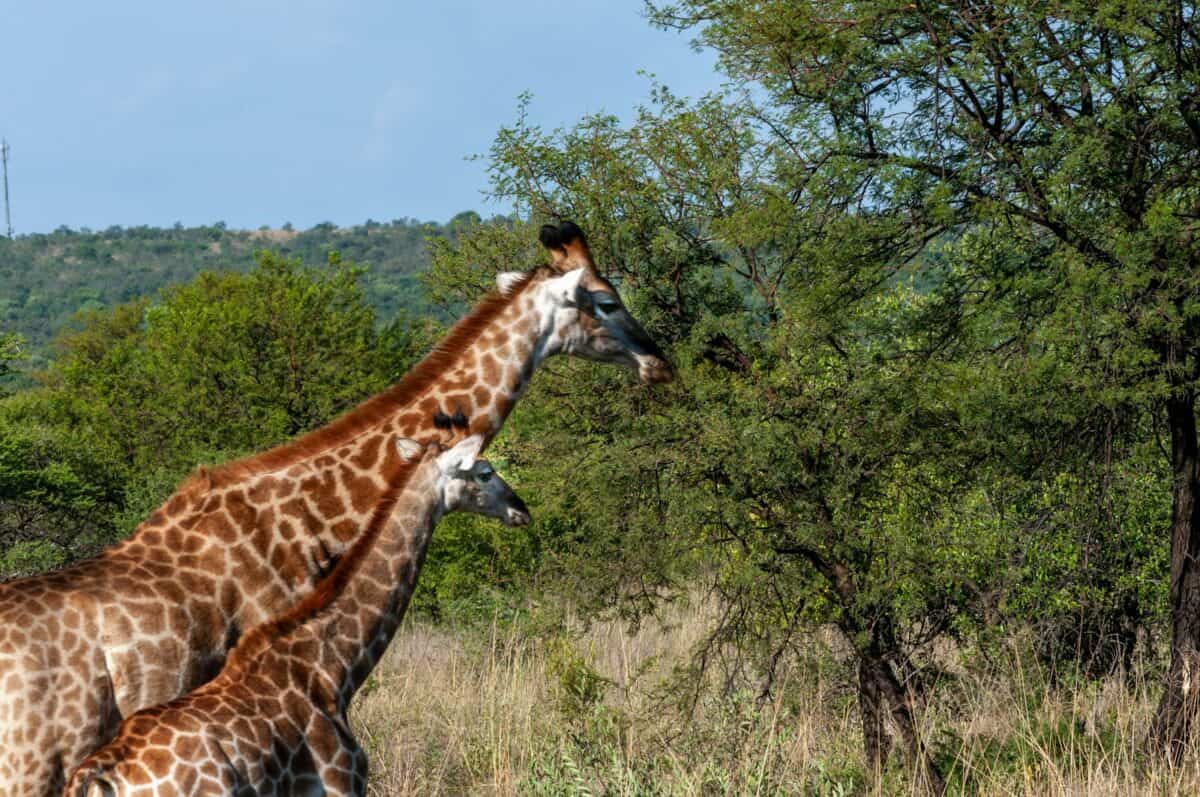
Giraffe birth is perhaps one of the most dramatic entrances into the world in the animal kingdom. Mother giraffes give birth standing up, which means their calves drop approximately six feet to the ground. This seemingly harsh welcome serves an important purpose—the impact of landing actually helps stimulate the calf’s breathing and breaks the amniotic sac. The fall might appear traumatic to human observers, but giraffe calves are perfectly adapted for this entrance.
The entire birth process typically lasts between 30 minutes and two hours once labor begins, with the mother often returning to her herd within hours. This quick return to the group provides safety in numbers for both mother and calf. Researchers have observed that despite the dramatic drop, calves rarely suffer injuries during this process, demonstrating how perfectly this birth method has been refined through evolution to balance immediate safety concerns with the need for a quick recovery.
First Moments: From Wobbly to Walking
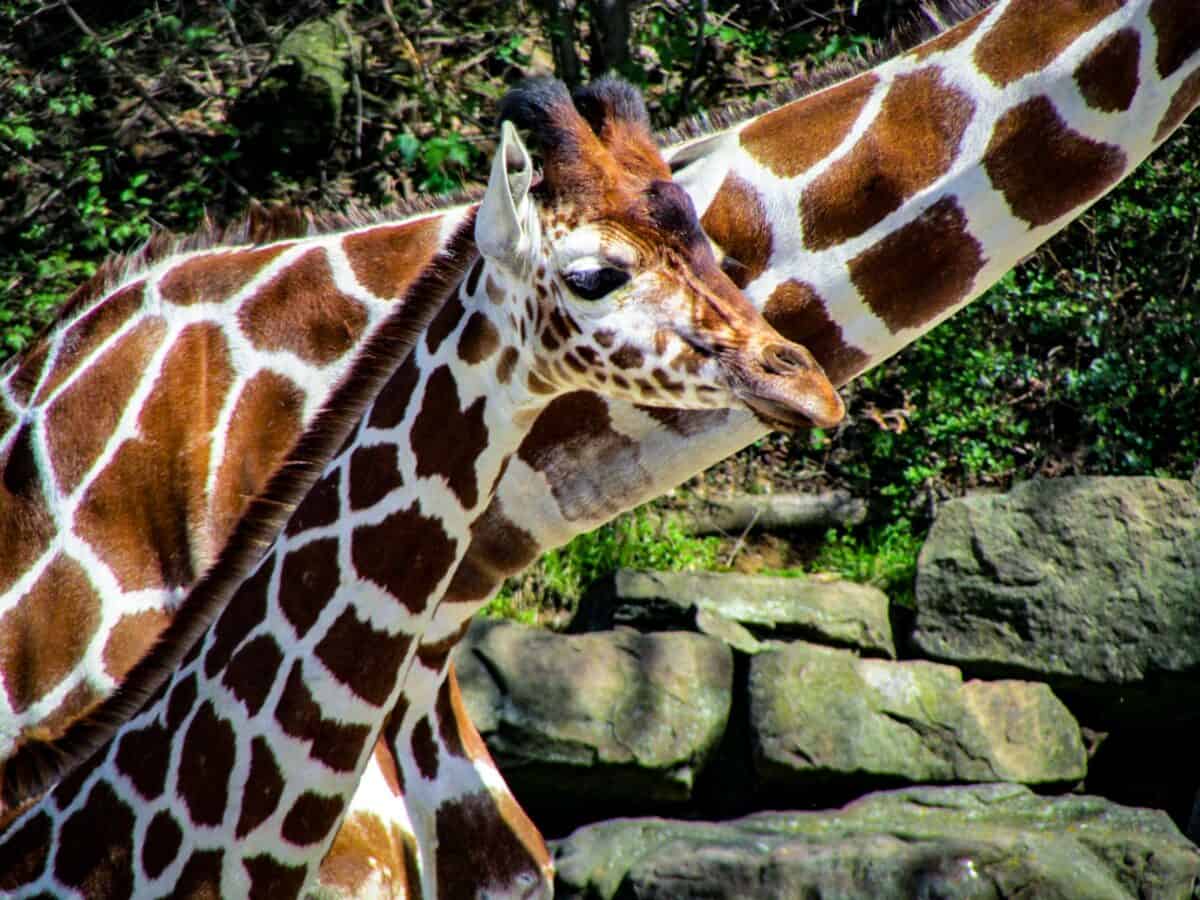
The transformation from helpless newborn to standing calf happens with astonishing speed. Within 30 minutes of birth, most giraffe calves attempt to stand on their spindly legs. These first efforts are understandably shaky, with the newborn wobbling and often falling several times. However, persistence pays off quickly. The calf’s legs—already about 6 feet long at birth—strengthen with each attempt, and successful standing usually occurs within an hour of birth.
This rapid development isn’t random but is driven by evolutionary pressure. In the wild, a calf unable to stand becomes an easy target for predators like lions, hyenas, and leopards. The mother giraffe plays an important role during this process, standing protectively near her calf and encouraging it with gentle nudges and licks, while remaining vigilant for approaching predators that might be attracted to the vulnerable pair.
Why Running So Soon Is Critical for Survival
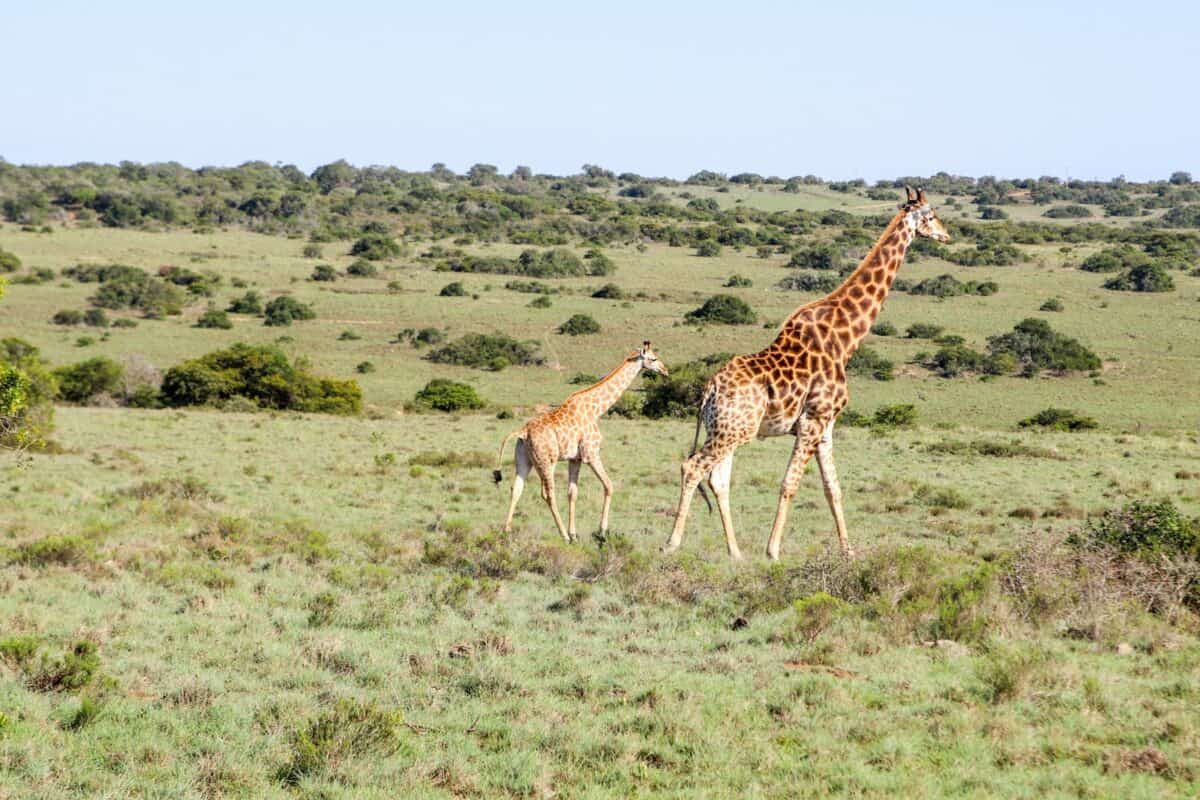
The ability to run within hours of birth is not merely impressive—it’s a life-or-death adaptation. The African savanna is home to numerous predators that see newborn giraffes as vulnerable prey. Lions, hyenas, leopards, and wild dogs all pose significant threats to giraffe calves. Statistics reveal the harsh reality: in some regions, up to 75% of giraffe calves do not survive their first year, with predation being a primary cause of mortality.
A calf that can run shortly after birth dramatically increases its survival chances. Within just 3-4 hours, most calves can not only walk confidently but can run at speeds approaching 25-30 mph (40-48 km/h) for short bursts. This remarkable capability allows them to flee alongside the herd when danger threatens, rather than being abandoned as easy prey. The evolutionary pressure to develop this skill has been so intense that it’s now hardwired into giraffe physiology.
The Physiological Marvels of Newborn Giraffes
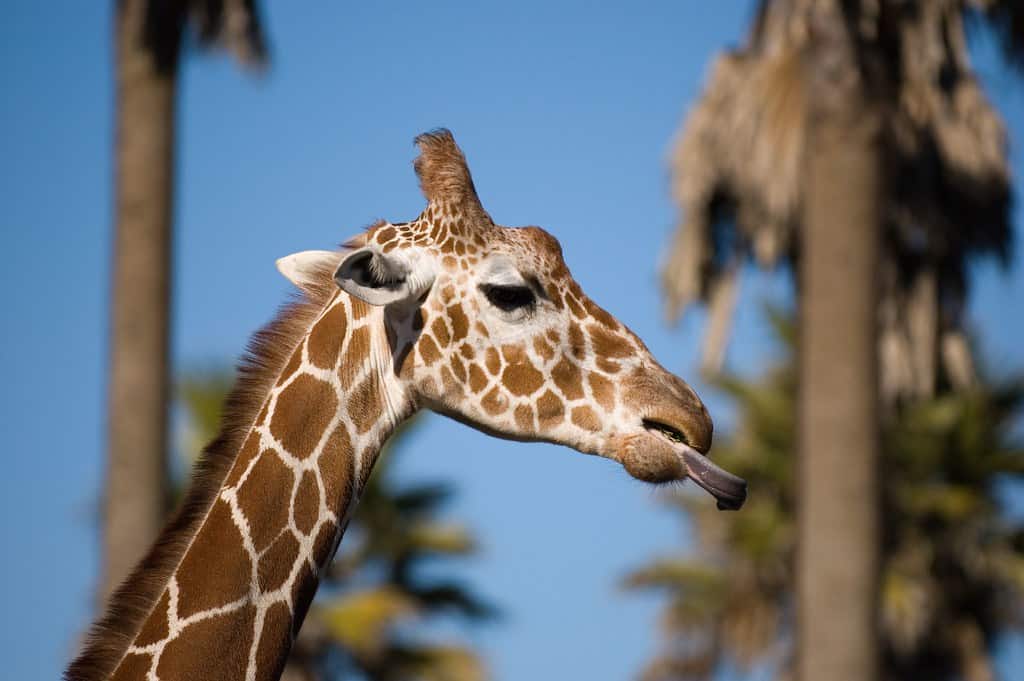
Newborn giraffes are already impressive physical specimens at birth. Calves typically stand around 6 feet (1.8 meters) tall and weigh between 100-150 pounds (45-68 kg). Their legs, which make up approximately 60% of their height, are nearly at adult proportions right from birth. This gives them the stride length needed for effective running, even as newborns. Their hooves, already hardened in the womb, provide traction on varied terrain.
Perhaps most remarkable is their cardiovascular system, which must immediately adapt to the challenges of their height. Even in newborns, special valves in the neck prevent blood from rushing to the brain when they lower their heads to drink. Their hearts, proportionally larger than most mammals’, must pump blood up their long necks against gravity from the moment of birth. These physiological adaptations are fully functional at birth, allowing the rapid transition to running within hours.
Developmental Milestones in the First 24 Hours
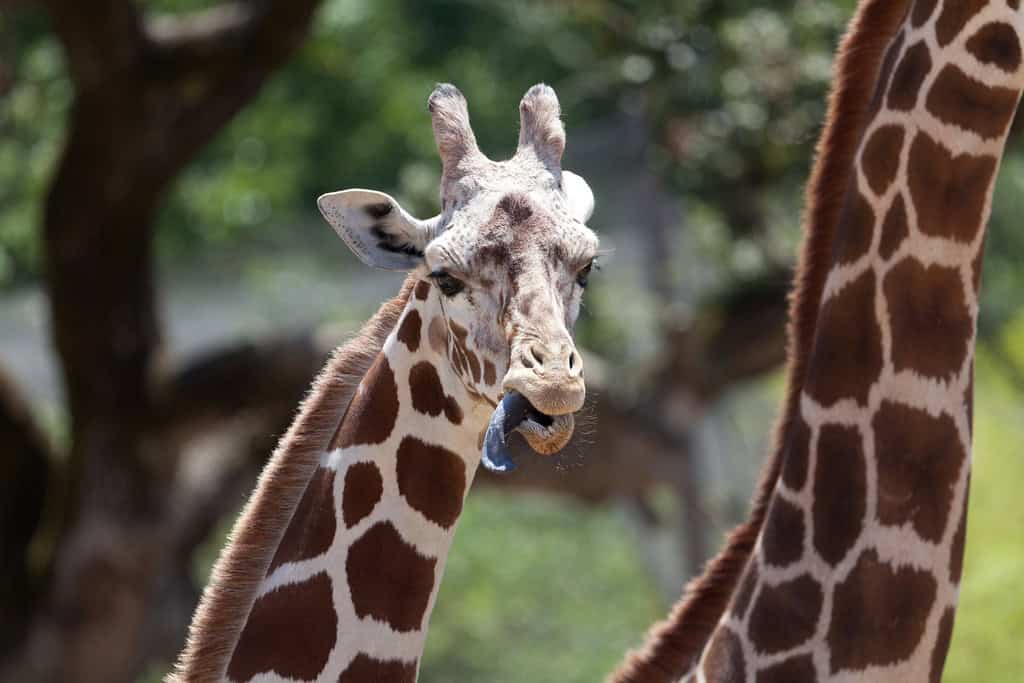
The first day of a giraffe calf’s life contains more developmental milestones than many animals achieve in weeks. Within 30 minutes, most calves attempt to stand. By the one-hour mark, successful standing is typically achieved. Between hours 1-2, the first attempts at walking begin, with the characteristic giraffe gait where both legs on one side move together, followed by both legs on the other side—a movement pattern called “pacing.”
By hours 2-4, most calves achieve successful running for short distances, though still staying very close to their mothers. Between hours 4-10, nursing becomes established, with calves receiving vital colostrum rich in antibodies. By the 24-hour mark, calves are generally integrated with the herd, can run confidently for longer distances, and have established the mother-calf bond that will last approximately 12-16 months. This accelerated development timeline is unmatched by almost any other large mammal.
The Mother’s Crucial Role in Early Mobility
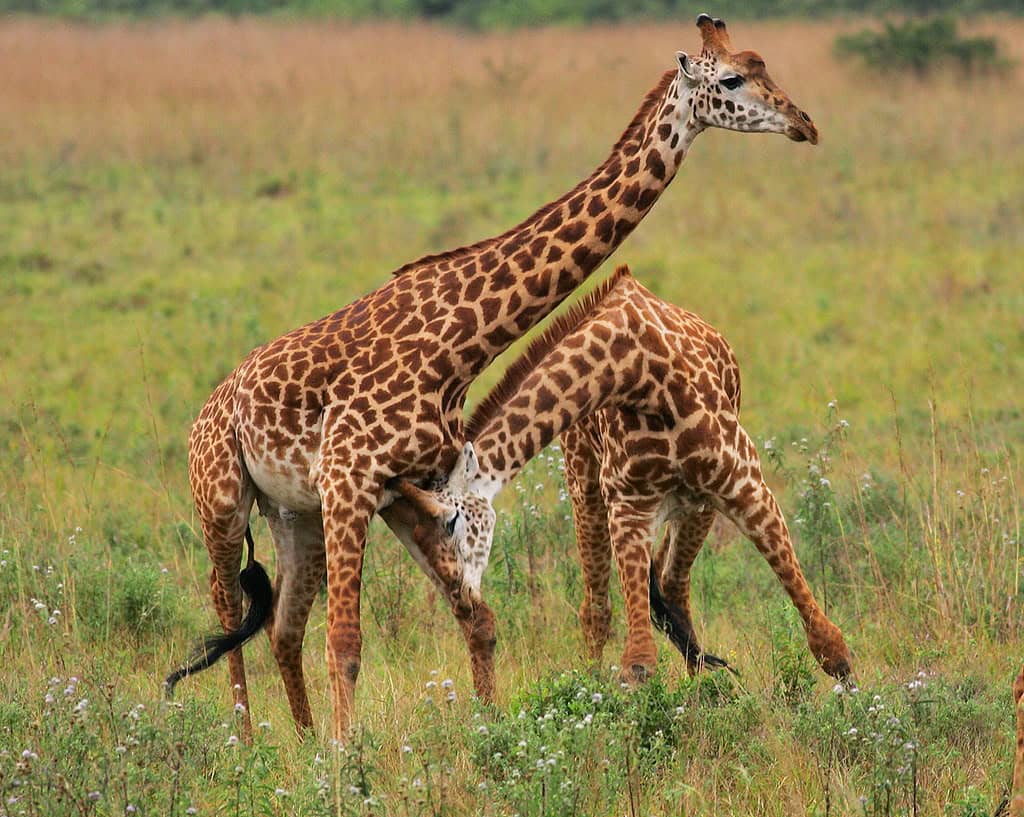
The mother giraffe plays an essential role in her calf’s rapid development. Immediately after birth, she engages in intensive grooming, licking her calf vigorously. This seemingly simple action serves multiple purposes: it stimulates blood circulation, cleans the calf to reduce scent that might attract predators, and provides tactile stimulation that encourages the calf to attempt standing. Mothers have been observed deliberately stepping away from their calves, creating distance that motivates the newborn to follow.
Maternal protection is equally important during these vulnerable early hours. Female giraffes are formidable defenders, capable of delivering powerful kicks that can seriously injure or kill predators. Mother giraffes remain hypervigilant during the critical first days, positioning themselves between potential threats and their calves. Research has shown that calves with attentive mothers who encourage movement have the highest survival rates, highlighting the importance of maternal behavior in developing this crucial running ability.
Comparison with Other Newborn Ungulates

While many hoofed mammals (ungulates) show precocial development—being relatively mature and mobile at birth—giraffes stand out even among this group. Zebra foals can stand within 15 minutes and run within 40 minutes, while wildebeest calves achieve similar timeframes. However, these animals are considerably smaller than giraffes at birth, making the giraffe’s rapid development all the more impressive given their size and unique physiology.
Comparatively, rhinoceros calves take several days to run effectively, while elephant calves may require weeks before achieving coordinated running. Buffalo calves, despite being prey animals, take several hours longer than giraffes to develop running abilities. This places giraffes among the most rapidly developing large mammals, an adaptation that corresponds directly to their high predation pressure and relative vulnerability in the open savanna landscape where hiding isn’t an option.
The Mechanics of a Baby Giraffe’s Run

The running mechanics of a baby giraffe are fascinating from a biomechanical perspective. Unlike mature giraffes, who typically gallop at high speeds, newborns initially use a pacing gait where both legs on one side move in unison, followed by both legs on the other side. This provides stability for their disproportionately tall frames. Within days, they begin developing the adult galloping gait used for maximum speed, where all four legs leave the ground simultaneously during stride.
Their unique leg structure presents both advantages and challenges. The extreme length provides a long stride, covering substantial ground with each step. However, their high center of gravity makes balance more precarious, especially when changing direction. Calves compensate for this with a wider stance than adults and by keeping their necks more horizontal when running at high speed, shifting their center of gravity forward. Within weeks, their neuromuscular coordination improves dramatically, allowing for the graceful, flowing run characteristic of adult giraffes.
Scientific Studies on Giraffe Calf Development

Research on giraffe calf development has yielded fascinating insights into this remarkable adaptation. A comprehensive study published in the Journal of Zoology observed 62 giraffe births across multiple conservation areas and documented an average time of 58 minutes from birth to standing, and 118 minutes (just under 2 hours) from birth to running. Individual variation existed, with some calves running as quickly as 45 minutes after birth, while others took up to 4 hours.
Neurological studies have revealed that giraffes are born with highly developed cerebellar and motor cortex regions compared to other mammals of similar size, explaining their exceptional coordination. Muscle biopsies indicate that giraffe calves are born with a higher percentage of fast-twitch muscle fibers than most ungulates, facilitating rapid movement. Additionally, hormone analysis shows elevated levels of adrenaline and cortisol in newborns, creating a natural “fight or flight” state that helps mobilize energy reserves for these crucial first movements.
Threats to This Natural Adaptation

Despite the evolutionary marvel of a giraffe calf’s quick development, several modern threats challenge this adaptation’s effectiveness. Habitat fragmentation due to human development has created isolated giraffe populations with limited escape routes when predators approach. In some regions, this has led to increased predation rates despite the calves’ running abilities. Climate change poses another threat, as prolonged droughts can reduce maternal nutrition, potentially impacting calf development and mobility.
Poaching remains a serious concern, with giraffe populations declining by approximately 40% over the past three decades. While the calves’ ability to run may help them escape natural predators, it offers little protection against human hunters. Conservation efforts focused on habitat preservation, anti-poaching measures, and connecting fragmented populations are essential to ensure this remarkable adaptation continues to serve its evolutionary purpose in helping giraffe calves survive their perilous early days.
How Humans Can Support Giraffe Conservation

With giraffe populations declining across Africa, human intervention is crucial for preserving these magnificent animals and their remarkable adaptations. Supporting established conservation organizations like the Giraffe Conservation Foundation and the African Wildlife Foundation directly contributes to anti-poaching efforts, habitat protection, and scientific research on giraffe reproduction and calf development. These organizations work with local communities to create sustainable conservation solutions that benefit both wildlife and people.
Education and awareness also play vital roles. By learning about giraffe ecology and sharing knowledge about their remarkable adaptations—like calves running within hours of birth—we foster appreciation for these creatures. Ecotourism, when conducted responsibly, provides economic incentives for conservation while allowing people to witness these incredible animals in their natural habitat. Finally, reducing our environmental footprint through sustainable choices helps mitigate climate change impacts that threaten giraffe habitats and the effectiveness of their evolutionary adaptations.
The Enduring Wonder of Nature’s Design
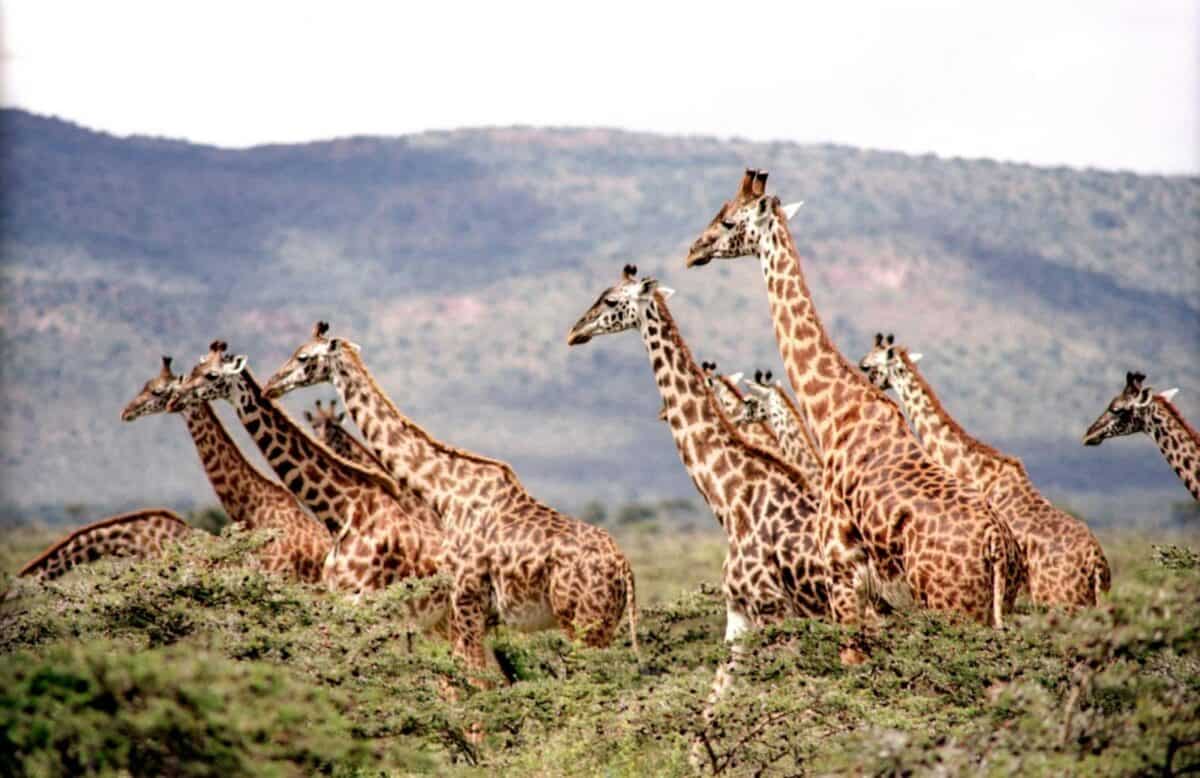
The ability of giraffe calves to run within hours of birth stands as one of nature’s most remarkable evolutionary achievements, representing millions of years of natural selection perfectly tuned to survival needs. This adaptation exemplifies how the pressures of predation and environmental challenges shape species development in profound ways. As we continue to learn more about these magnificent creatures, we gain deeper insights into the intricate balance of nature and the astonishing capabilities that emerge through evolutionary processes.
For scientists and nature enthusiasts alike, watching a newborn giraffe transform from a wobbly, vulnerable calf to a running member of the herd in mere hours inspires both wonder and respect for the natural world. As we face unprecedented environmental challenges, protecting species like giraffes and the ecosystems they inhabit becomes not just a conservation priority but a way of preserving living examples of nature’s ingenious solutions. The running giraffe calf reminds us that in nature’s grand design, even the most seemingly impossible challenges can be overcome through adaptation and resilience.

From exploring the marine wonders in the Azores and witnessing the vast savannas of Kenya, to delving deep into the rich biodiversity of South Africa and traversing iconic landscapes in Australia and the US like Yellowstone, Chris's experiences are vast.
With a penchant for diving alongside sharks, the ocean holds a special place in his heart.
Through his academic insights, he champions wildlife conservation, striving with 'Animals Around The Globe' to cultivate a profound connection between humans and animals, enhancing our mutual appreciation.
Connect with him at Feedback@animalsaroundtheglobe.com.
- Why Spiders Don’t Get Stuck in Their Own Webs - July 20, 2026
- What Scientists Found in a 10,000-Year-Old Beehive - July 20, 2026
- This Spider Builds Fake Decoys of Itself - July 20, 2026