


Dogs experience the world primarily through their remarkable sense of smell. With up to 300 million olfactory receptors in their noses (compared to our mere 6 million), canines perceive an invisible landscape of scents that humans can barely comprehend. This extraordinary ability is why your furry friend is constantly sniffing everything from the kitchen trash to that seemingly unremarkable patch of sidewalk. While we might prioritize our visual experiences, dogs live in a world dominated by smells – some delightful and others that trigger those adorable (but sometimes concerning) sneezes. Understanding what scents appeal to your dog and which ones might cause discomfort can help you create a more enriching environment for your four-legged companion and avoid potential irritants. Let’s explore the fascinating aromatic world of dogs – from the scents they can’t get enough of to those that make them turn tail.
1. Your Scent: Their Favorite Aroma

Above all other smells in the world, your dog likely finds your natural scent the most comforting and appealing. Research has shown that the part of a dog’s brain associated with positive expectations lights up most powerfully when exposed to their owner’s familiar scent. This explains why many dogs enjoy sleeping on their human’s clothing or bedding when left alone – your smell provides security and emotional comfort.
This powerful connection to your scent has evolutionary roots. As dogs became domesticated over thousands of years, they developed a heightened sensitivity to human odors as part of their social bonding process. Your unique scent signature, created by your individual microbiome, skin oils, and even emotional state, creates an olfactory portrait that your dog can recognize from considerable distances. This is why lost dogs can sometimes find their way home over remarkable distances by tracking their owner’s scent trail.
2. Other Dogs’ Scent Markings

That intense interest your dog shows in sniffing where other dogs have urinated isn’t just a quirky habit – it’s them reading complex social information. When dogs encounter another canine’s urine or fecal matter, they’re accessing what scientists call an “olfactory bulletin board” packed with data about that animal’s sex, age, reproductive status, and even emotional state. This explains why neighborhood walks often turn into stop-and-sniff adventures at every tree, fire hydrant, and fence post.
The information gathered from these scent markings helps dogs map their social territory and understand the other canines in their environment. Interestingly, dogs often spend more time investigating the scents of unfamiliar dogs than familiar ones, suggesting they’re particularly interested in new information. This behavior reflects their wolf ancestry, where pack members used scent marking to establish territories and communicate with other packs without direct confrontation.
3. Meat and Protein-Rich Foods

Dogs’ wild ancestors were primarily carnivores, and this evolutionary history explains why modern canines go crazy for meat smells. The aroma of cooking steak, bacon, or chicken triggers intense interest because it signals the presence of protein-rich nutrition. This response is hardwired into their brain chemistry – studies show that the smell of meat activates the reward centers in a dog’s brain similar to how certain pleasurable activities affect humans.
This attraction to meat smells goes beyond simple hunger. Even well-fed dogs will respond enthusiastically to meat aromas because their sense of smell is approximately 10,000 to 100,000 times more sensitive than humans’. This sensitivity allows them to detect minute particles of meat scents in the air. Their powerful noses can identify specific amino acids and fatty acids in meat that signal nutritional value, which explains why your dog might appear in the kitchen seconds after you’ve opened a package of raw meat, even if they were previously sound asleep in another room.
4. Fish and Fishy Odors
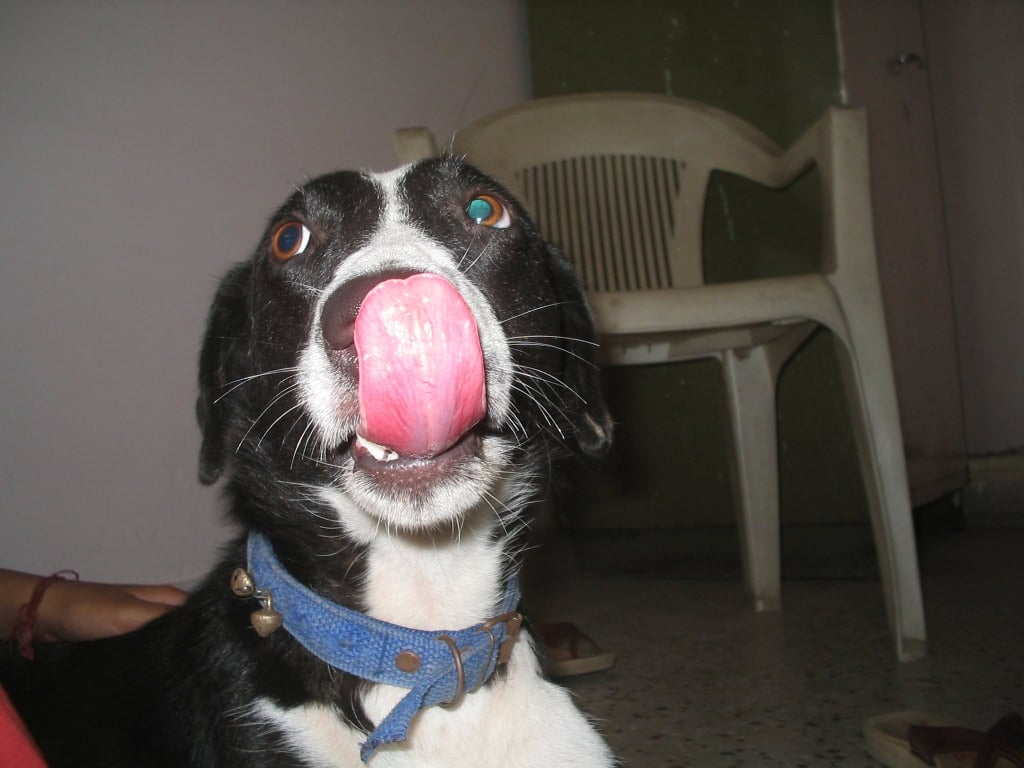
If you’ve ever witnessed your dog rolling ecstatically in dead fish at the beach or eagerly investigating fish-scented items, you’re observing another scent preference with evolutionary roots. Fish odors contain trimethylamine oxide (TMAO), a compound that breaks down into chemicals with extremely potent smells that dogs find fascinating. Their attraction to these strong fishy smells likely stems from the high nutritional value of fish and the instinctual drive to identify rich food sources.
Fish oil supplements are often highly appealing to dogs for this same reason. Many canines who might turn their nose up at other medications will eagerly consume fish oil capsules or treats containing fish ingredients. Veterinary behaviorists suggest this preference may relate to the omega-3 fatty acids present in fish, which could have provided crucial nutrition to dogs’ ancestors. However, while dogs love these smells, owners typically find them less appealing, especially when their pet decides to wear eau de salmon after an encounter with fish remains.
5. Earthy and Decaying Scents

That instinctive drive your dog has to sniff (and sometimes roll in) decomposing organic matter, compost, or animal carcasses might disgust you, but it fascinates them. This behavior likely has several evolutionary explanations. One theory suggests that rolling in strong smells helped wild canids mask their own scent while hunting. Another possibility is that bringing these powerful odors back to the pack communicated important information about resources or potential dangers in the environment.
The complex bouquet of bacterial and fungal activity in decomposing matter creates a rich olfactory experience for dogs. The breakdown of proteins, fats, and carbohydrates releases volatile compounds that dogs can detect in extraordinarily low concentrations. Researchers have found that dogs can detect some components of decay at concentrations as low as one part per trillion – equivalent to detecting a single drop of liquid in 20 Olympic-sized swimming pools. This remarkable sensitivity explains why dogs are increasingly used in ecological research to locate specific decomposing materials or even track endangered species through their scat.
6. Grass and Natural Outdoor Scents

The intense focus dogs show when sniffing grass might seem strange to us, but they’re accessing a world of information invisible to humans. Grass contains a complex mixture of plant compounds, but it also collects scents from every animal, person, and even vehicle that passes over it. For dogs, a patch of grass is like a community message board filled with notices about who’s been in the area. The moisture in grass also helps trap and preserve these scents, making them easier for dogs to detect.
Beyond social information, natural outdoor scents provide important environmental enrichment for dogs. Studies in canine cognitive health suggest that exposure to varied natural smells contributes significantly to a dog’s mental well-being. Dogs deprived of these olfactory experiences can develop stress behaviors similar to those seen in sensory-deprived humans. This is why “sniffari” walks—where dogs are allowed to lead and explore scents at their own pace—are increasingly recommended by behaviorists as an important component of canine mental health care, especially for urban dogs with limited access to natural environments.
7. Peanut Butter and Nut-Based Aromas

The combination of fats and proteins in peanut butter creates an irresistible aroma for most dogs. Their keen noses can detect the aromatic compounds in nuts that signal nutritional density, particularly the presence of essential fatty acids. This explains why peanut butter has become such a popular training treat and medication-disguising tool for dog owners. The strong, distinctive smell also helps override the scent of medications, making it particularly effective for pill administration.
Interestingly, dogs’ attraction to nut-based aromas appears to be learned rather than innate in many cases. Wild canids don’t typically seek out nuts as food sources, but domestic dogs have adapted to appreciate these smells through positive associations and exposure. However, it’s worth noting that while most dogs love peanut butter’s aroma, owners should always choose versions without xylitol, an artificial sweetener toxic to dogs. Also, some dogs with specific allergies may need to avoid nut-based products entirely, despite finding the smell appealing.
8. Cheese and Fermented Dairy Products

The complex aromatic compounds in cheese, particularly aged varieties, create a powerful olfactory experience that most dogs find irresistible. Cheese contains concentrated milk proteins and fats broken down during the fermentation process into smaller, more aromatic molecules that dogs can detect with extraordinary sensitivity. This fermentation creates compounds like butyric acid and various amines that produce the distinctive smells humans associate with cheese – but at concentrations dogs can detect far below our threshold.
From an evolutionary perspective, the attraction to fermented dairy may seem puzzling since adult wolves and wild dogs are generally lactose intolerant. However, domesticated dogs have evolved alongside humans for thousands of years, developing genetic adaptations that allow many of them to digest dairy products better than their wild ancestors. This co-evolution likely explains why cheese aromas trigger such strong positive responses in most domestic dogs. The high-value nature of cheese makes it particularly useful for training situations requiring exceptional motivation, though moderation is important due to its high fat content.
9. Vanilla and Sweet Aromas

While dogs don’t share our sweet tooth in the same way (they have far fewer taste receptors for sweetness), many show a strong positive response to vanilla and certain sweet-smelling compounds. This attraction likely stems from the association of these scents with high-calorie foods rather than sweetness itself. Vanilla contains hundreds of aromatic compounds, many of which dogs can detect at concentrations far below human perception. Studies have shown that vanilla scents can have calming effects on dogs in stressful environments like shelters, suggesting these aromas may trigger positive emotional responses.
Interestingly, a dog’s breed and genetic background can influence their response to sweet aromas. Research has found that dogs descended from more omnivorous lineages (like beagles) often show stronger preferences for fruit and sweet-smelling compounds than those with stronger carnivore lineages. This preference variation demonstrates how domestication has shaped dogs’ sensory preferences based on the food sources available in different environments where various breeds developed. Some canine enrichment products now incorporate vanilla and sweet scents specifically to create positive associations and reduce anxiety.
10. Sneezing Trigger: Citrus and Strong Acidic Scents

Most dogs have an aversive reaction to citrus scents like lemon, orange, and grapefruit. The strong acidic compounds in these fruits, particularly limonene and citral, can irritate a dog’s sensitive olfactory tissues and trigger sneezing fits. This natural aversion is so reliable that many pet-safe repellent products use citrus oils to discourage dogs from chewing on furniture or entering certain areas. When a dog encounters these scents, you might notice them backing away, wrinkling their nose, or experiencing a sneezing episode.
This sensitivity to citrus appears to be an evolutionary adaptation that steers dogs away from foods that aren’t well-suited to their digestive systems. Citrus fruits contain compounds that can be mildly toxic to dogs in large quantities, so this aversive reaction serves as a protective mechanism. Some studies suggest that while adult dogs typically show this aversion, puppies may not develop it until after 8-12 weeks of age, which might explain why some young puppies will investigate citrus scents that older dogs avoid. If you’re using essential oils or citrus-scented cleaning products in your home, be mindful of your dog’s reaction and ensure they have access to areas with fresh air.
11. Sneezing Trigger: Strong Chemical Cleaners

Household cleaning products with strong chemical scents frequently cause sneezing and respiratory discomfort in dogs. Products containing ammonia, chlorine, or strong artificial fragrances can irritate a dog’s nasal passages because their olfactory system is exponentially more sensitive than ours. What smells “clean” to humans can be overwhelming and irritating to canines. When exposed to these strong chemical scents, dogs may exhibit sneezing, reverse sneezing (a strange honking inhale), watery eyes, or even attempt to rub their nose on the floor or furniture to relieve the irritation.
This sensitivity has important implications for household cleaning routines in homes with dogs. Veterinary behaviorists recommend using pet-safe, fragrance-free cleaning products, particularly on surfaces your dog frequently contacts. When using stronger cleaning agents, ensure proper ventilation and keep pets out of the area until surfaces are completely dry and the scent has dissipated. Some eco-friendly cleaning alternatives like vinegar solutions (used appropriately and diluted) can be effective cleaners without causing the same level of respiratory distress, though even vinegar should be used in well-ventilated areas as its acidic nature can still trigger sneezing in some particularly sensitive dogs.
12. Sneezing Trigger: Dust, Pollen, and Environmental Allergens

Just like humans, many dogs experience allergic reactions to environmental particles like dust, pollen, mold spores, and dander. When these microscopic particles enter a dog’s nasal passages, they can trigger inflammatory responses leading to sneezing, nasal discharge, and in some cases, more serious respiratory issues. Brachycephalic breeds (those with short muzzles like Bulldogs, Pugs, and Boston Terriers) are particularly susceptible to these irritants because their compressed nasal passages provide less filtration than longer-nosed breeds.
Seasonal changes often bring increases in sneezing episodes as pollen counts rise. Dogs who suddenly develop sneezing patterns during specific seasons may be reacting to environmental allergens rather than particular smells. Regular grooming, including gentle wiping of paws after outdoor activities, can help reduce the amount of allergens your dog carries into the home. Air purifiers with HEPA filters can also significantly reduce airborne particles that trigger sneezing. If your dog experiences persistent sneezing or shows signs of discomfort like facial rubbing or excessive paw licking, consulting with a veterinarian is recommended, as they may benefit from antihistamines or other allergy management strategies during high-allergen seasons.
Understanding Your Dog’s Olfactory World

The remarkable canine sense of smell shapes how dogs experience and interpret their environment in ways we humans can barely comprehend. By recognizing both the scents that bring your dog pleasure and those that cause discomfort, you can create a more enriching and comfortable environment for your four-legged companion. This awareness allows you to provide appropriate olfactory stimulation through scent-based toys, engaging “sniffari” walks, and careful selection of household products that won’t irritate their sensitive noses. Understanding your dog’s scent preferences also offers valuable insights into their evolutionary history and the biological adaptations that have made dogs such successful human companions for thousands of years.
Next time you observe your dog deeply investigating seemingly ordinary objects or suddenly sneezing when exposed to certain environments, remember they’re experiencing an invisible world of chemical information completely beyond human perception. This difference in sensory experience reminds us that respecting and accommodating our dogs’ unique biological needs is an important aspect of responsible pet ownership. By honoring their remarkable olfactory abilities and protecting them from respiratory irritants, we can help our canine companions thrive in a world increasingly shaped by human preferences rather than those of their wild ancestors.

From exploring the marine wonders in the Azores and witnessing the vast savannas of Kenya, to delving deep into the rich biodiversity of South Africa and traversing iconic landscapes in Australia and the US like Yellowstone, Chris's experiences are vast.
With a penchant for diving alongside sharks, the ocean holds a special place in his heart.
Through his academic insights, he champions wildlife conservation, striving with 'Animals Around The Globe' to cultivate a profound connection between humans and animals, enhancing our mutual appreciation.
Connect with him at Feedback@animalsaroundtheglobe.com.
- This Monkey Has a Mustache - July 21, 2026
- How Steve Irwin Changed the World’s View of Wildlife - July 21, 2026
- The Catfish That Caused Earthquakes in Japanese Folklore - July 21, 2026