

The ocean is a vast wonderland of biodiversity, housing some of the most fascinating creatures on our planet. While we often think of sharks, whales, and other large marine animals, the babies of these species and others can be surprisingly adorable. From tiny seahorse fry to baby octopuses, the ocean is home to an array of cute youngsters that can melt even the coldest hearts. In this article, we’ll dive into the enchanting world of marine babies, exploring 15 of the cutest baby animals found in the ocean depths. These youngsters not only captivate us with their charm but also play crucial roles in maintaining the delicate balance of marine ecosystems.
1. Baby Sea Otters: Fluffy Swimmers

Baby sea otters, called pups, are arguably among the most adorable marine babies. Born with a thick coat of fur that helps them float, these little bundles weigh just 3-5 pounds at birth. Their dense fur (the thickest of any animal with up to one million hairs per square inch) gives them a distinctively fluffy appearance that’s irresistibly cute. Mother otters devotedly care for their pups, often wrapping them in kelp to prevent them from drifting away while the mother hunts.
What makes baby sea otters particularly endearing is their behavior. They spend much of their early life riding on their mother’s belly, where they’re groomed, fed, and taught essential survival skills. Unable to dive or hunt until they’re about two months old, these helpless pups depend entirely on their mothers, who will even blow air into their fur to help them float. Their wide-eyed expressions and tiny paws that they use to hold food contribute to their undeniable cuteness factor.
2. Baby Beluga Whales: Gray Bundles of Joy
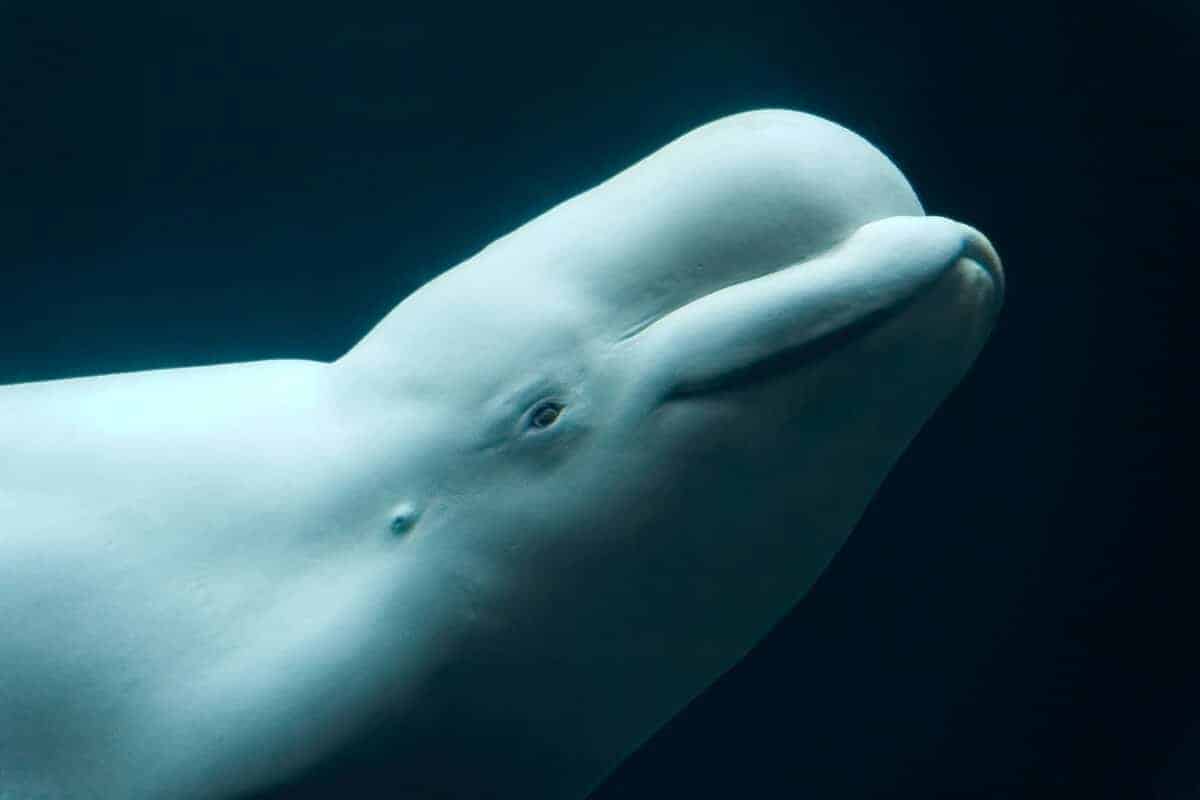
Newborn beluga whales break the mold of their species’ characteristic white coloration. These babies are born gray or brownish and measure about 4-5 feet long, weighing approximately 175 pounds. Despite their substantial birth weight, baby belugas have soft, wrinkled skin and rounded features that give them an endearing, almost squishy appearance. Their prominent foreheads (called melons) appear oversized compared to their bodies, adding to their charming look.
Baby belugas are highly social and playful from birth, often seen closely accompanying their mothers in the Arctic and sub-Arctic waters they call home. They nurse for up to two years, developing strong bonds with their mothers and other pod members. One of their most delightful traits is their expressiveness—baby belugas can contort their flexible facial features into what appears to be smiles and other expressions, making them seem remarkably human-like in their emotional display. It takes about 8 years for them to develop the iconic white coloration of adult belugas.
3. Baby Seahorses: Tiny Perfect Replicas

Baby seahorses, known as fry, begin their lives in one of nature’s most unusual reproductive processes. Male seahorses give birth to these miniature creatures after carrying fertilized eggs in a specialized pouch. When they emerge, baby seahorses are perfect miniature replicas of their parents, measuring just 7-12 millimeters depending on the species. Despite their tiny size, they’re immediately independent, swimming away from their father within hours of birth to fend for themselves.
What makes baby seahorses particularly adorable is their delicate, perfectly formed features. They possess the same distinctive horse-like head, curled tail, and armored body as adults, just in miniature form. Their tiny snouts and independently moving eyes give them an inquisitive expression. With their translucent bodies and graceful, upright swimming style, these tiny creatures appear almost magical as they drift through seagrass meadows. Their vulnerability is part of their appeal—only about 0.5% survive to adulthood in the wild, making each tiny seahorse a precious marvel of nature.
4. Baby Sea Turtles: Determined Little Explorers
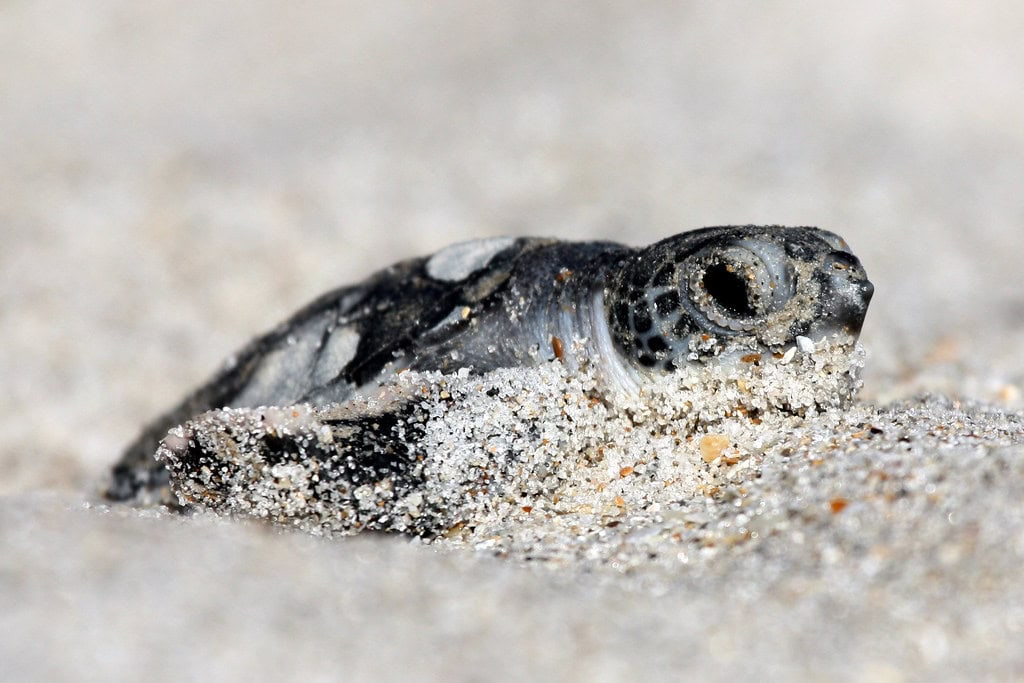
From the moment they hatch on sandy beaches, baby sea turtles (called hatchlings) capture hearts with their determination and tiny size. Measuring just 1.5 to 2 inches long, these miniature mariners emerge from their eggs with an instinctive mission to reach the ocean. Their oversized flippers in proportion to their bodies and their hurried, determined scurrying across the beach create an image of adorable determination that has made them icons of wildlife conservation efforts worldwide.
Each species of sea turtle hatchling has its own unique charm. Baby loggerheads have large heads and reddish-brown shells, while green turtle hatchlings sport darker coloration with light-colored edges around their flippers and shells. Leatherback hatchlings feature distinctive white markings along the ridges of their shells and flipper edges. The most endearing aspect of these tiny reptiles is perhaps their bravery—facing astronomical odds (as few as 1 in 1,000 survive to adulthood), they immediately begin their solo journey across dangerous beaches and into the vast ocean, guided only by instinct and the reflection of light on water.
5. Baby Octopuses: Miniature Masterminds
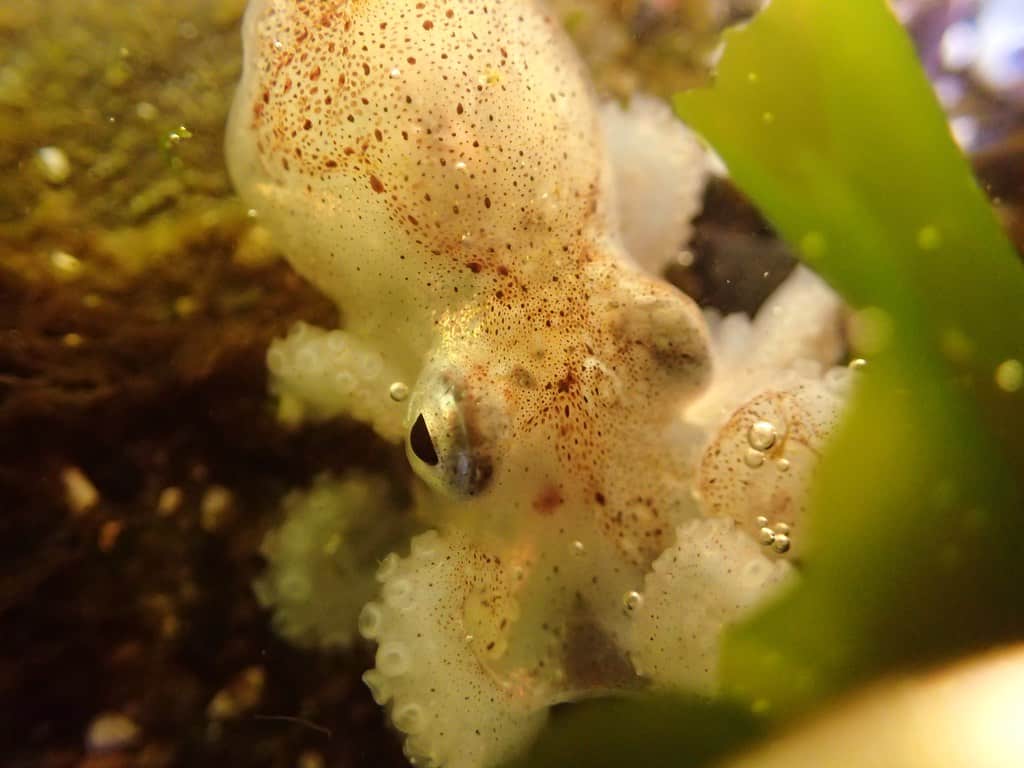
Baby octopuses (correctly termed octopuses, not octopi) begin life as tiny transparent larvae called paralarvae. After hatching from eggs no larger than a grain of rice, these miniature cephalopods measure just 3-4 millimeters across but are already equipped with functioning brains, eyes, and all eight arms. Their translucent bodies allow a glimpse of their internal organs, including their three hearts that pump blue blood. Despite their tiny size, baby octopuses are immediately capable of changing color and texture—a sophisticated camouflage system that’s astonishing in such young creatures.
What makes baby octopuses particularly endearing is their combination of intelligence and vulnerability. With brains proportionally larger than those of most other animals, these tiny creatures are already curious and problem-solving from birth. They float through the water column with their arms trailing behind them, creating a delicate, umbrella-like appearance. As they grow, they quickly develop their species’ characteristic behaviors, including exploring crevices, manipulating objects, and showing what appears to be play behavior. Their large, expressive eyes seem to observe the world with intelligence beyond their size, making them among the most charismatic babies in the ocean.
6. Baby Penguins: Fluffy Ocean Chicks

While penguins spend much of their lives in the ocean, their babies (called chicks) begin life on land or ice. Covered in soft, downy feathers that appear fluffy and plush, penguin chicks stand out with their rounded bodies and oversized appearance. Emperor penguin chicks, for instance, have distinctive black and white facial markings that contrast with their gray-silver down, making them look like they’re wearing little masks. Smaller species like Adélie penguins produce chicks with smoky blue-gray down that gradually molts to reveal their adult plumage.
The behavior of baby penguins contributes significantly to their charm. They huddle together for warmth in crèches (groups of chicks), creating adorable fluffy masses. Their constant begging calls and the way they eagerly pursue their parents for food—sometimes chasing the wrong adult in their enthusiasm—is particularly endearing. Young penguins also engage in playful behavior, sliding on their bellies across ice and snow long before they’re ready to enter the ocean. When they finally do take their first swim, their initial awkwardness in water before developing the graceful swimming abilities of adults adds another layer to their appeal.
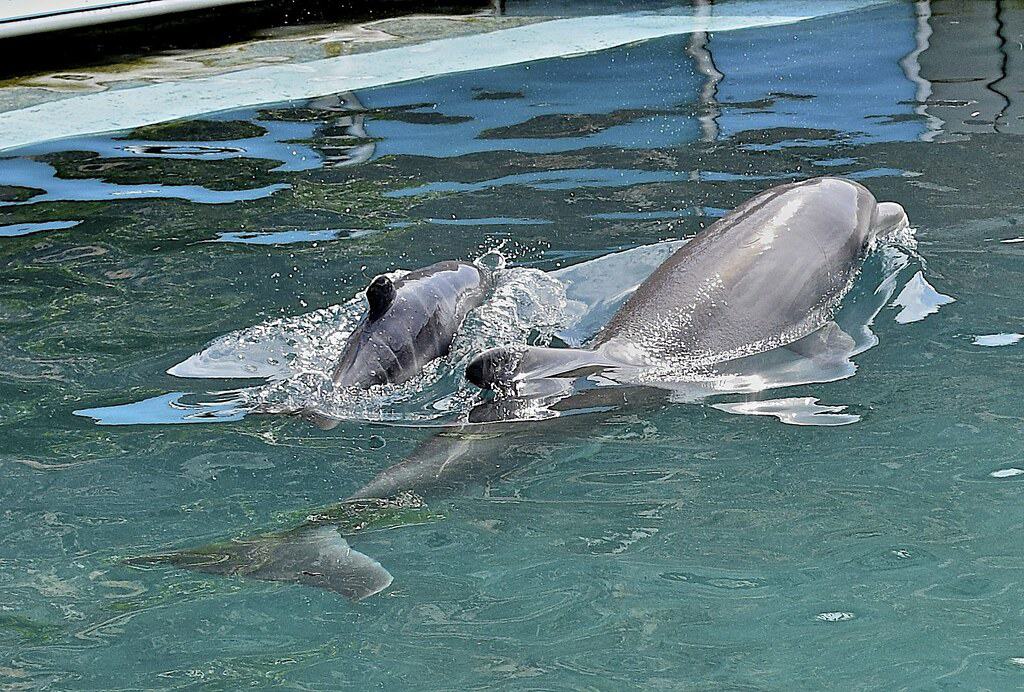
7. Baby Dolphins: Playful Ocean Calves
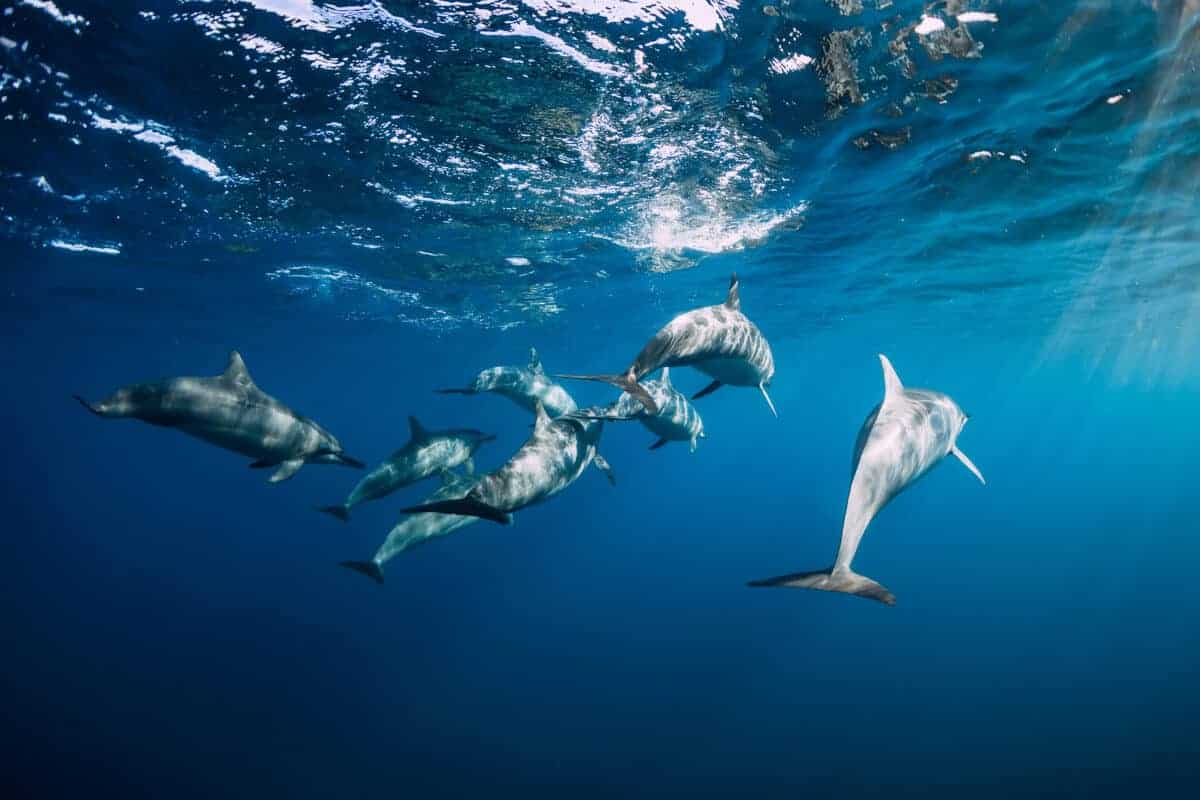
Baby dolphins, called calves, are born tail-first after a gestation period of 9-17 months depending on the species. At birth, bottlenose dolphin calves measure about 3-4 feet long and display a lighter coloration than adults, often appearing grayish with vertical light stripes (fetal folds) that fade as they mature. These markings help mother dolphins identify their young in busy pods. Newborn dolphins can swim immediately after birth, an essential skill as they must surface to breathe. The mother helps by swimming in a pattern that creates a slipstream, allowing the calf to keep pace while expending minimal energy.
What makes baby dolphins particularly appealing is their playful nature and expressive faces. Their proportionally larger eyes and shorter snouts give them an almost cartoonish cuteness. Dolphin calves are incredibly playful from an early age, often seen leaping from the water, chasing each other, and playing with objects like seaweed or bubbles. They stay close to their mothers for 3-6 years, learning complex social behaviors and hunting techniques. Their apparent curiosity about their surroundings and their tendency to mimic their mothers’ behaviors makes them seem remarkably human-like in their development, creating an emotional connection with human observers.
8. Baby Manta Rays: Graceful Miniatures
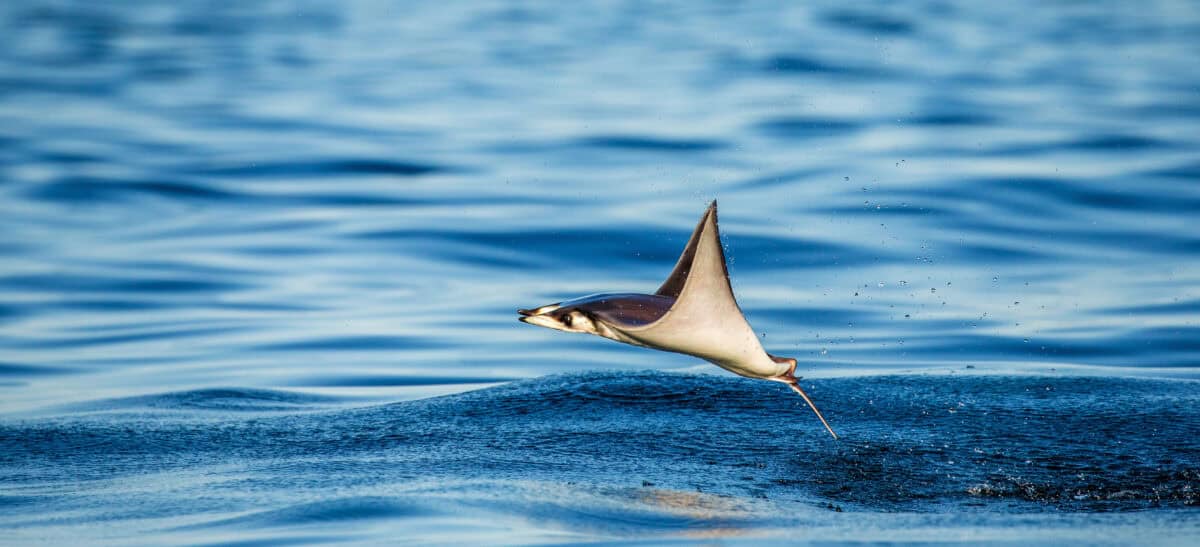
Baby manta rays, called pups, enter the world in a unique way—they’re rolled up like burritos inside their mothers and then unfurl as they’re born. These miniature versions of the majestic adult mantas measure about 4-5 feet across at birth—small compared to adults that can reach wingspans of up to 23 feet. Newborn mantas are perfect replicas of their parents, with the same diamond shape, distinctive cephalic fins (horn-like projections near their mouth), and graceful swimming motion. Their dark dorsal (top) surface contrasts with their white ventral (bottom) side, though babies often have darker ventral surfaces that lighten with age.
What makes baby mantas especially charming is their graceful movements combined with their curious nature. Unlike many fish species that produce numerous offspring with no parental care, manta rays typically give birth to just one pup at a time after a year-long gestation period. Though they receive no parental care after birth, young mantas instinctively know how to feed and navigate their environment. They often stay in shallow, protected areas until they grow larger, performing the same elegant somersaults while feeding as adults do. Their large, expressive eyes and the gentle way they glide through the water, seemingly flying rather than swimming, create an image of serene beauty that captivates observers.
9. Baby Seals: Chubby Ocean Puppies

Baby seals, called pups, vary in appearance depending on species, but all share an undeniable charm. Harbor seal pups are born with adult-like spotted coats and can swim within hours of birth. In contrast, harp seal pups start life with fluffy white coats that help them blend into ice and snow—this iconic white fur has made them among the most recognizable baby animals in the world. Gray seal pups have yellowish coats at birth that molt into adult coloration after about three weeks. Regardless of species, seal pups share round bodies, large expressive eyes, and disproportionately small flippers that make them appear helplessly adorable.
The behavior of baby seals enhances their appeal. They’re vocal from birth, using distinctive calls to help mothers locate them in crowded rookeries. Their movements on land are particularly endearing—lacking the grace they’ll later develop in water, they awkwardly wiggle and flop across beaches and ice, often appearing to struggle with their chubby bodies. Many species go through a period where they’re left alone while mothers hunt, during which the pups may be seen apparently calling for their mothers or curiously approaching other objects or animals. This combination of vulnerability, chubbiness, and expressive faces has earned baby seals the nickname “sea puppies” and made them beloved subjects of wildlife photography.
10. Baby Jellyfish: Delicate Living Snowflakes

The life cycle of jellyfish includes a fascinating early stage that few people recognize as baby jellyfish. After fertilized eggs develop into larvae, they settle on surfaces and become polyps—small, stalk-like structures attached to rocks or other substrates. These polyps then undergo a process called strobilation, where they stack up and release tiny disc-like segments that become ephyrae—the true “baby jellyfish.” These ephyrae measure just 1-3 millimeters across and resemble tiny, transparent snowflakes with delicate tentacles extending from notched edges.
What makes baby jellyfish captivating is their ethereal beauty and the way they move. Each ephyra pulsates gently as it swims, creating a hypnotic, rhythmic motion that’s mesmerizing to watch. Their transparent bodies allow light to pass through them, creating an almost glass-like appearance that can reflect blues, pinks, and purples depending on the lighting. As they grow, they gradually develop the more recognizable bell shape of adult jellyfish while maintaining their translucent quality. Though lacking the expressive features we associate with cuteness in mammals, these tiny living snowflakes possess an otherworldly beauty that’s unique in the animal kingdom, reminding us that “cute” can take many forms in nature’s diverse designs.
11. Baby Stingrays: Miniature Pancakes
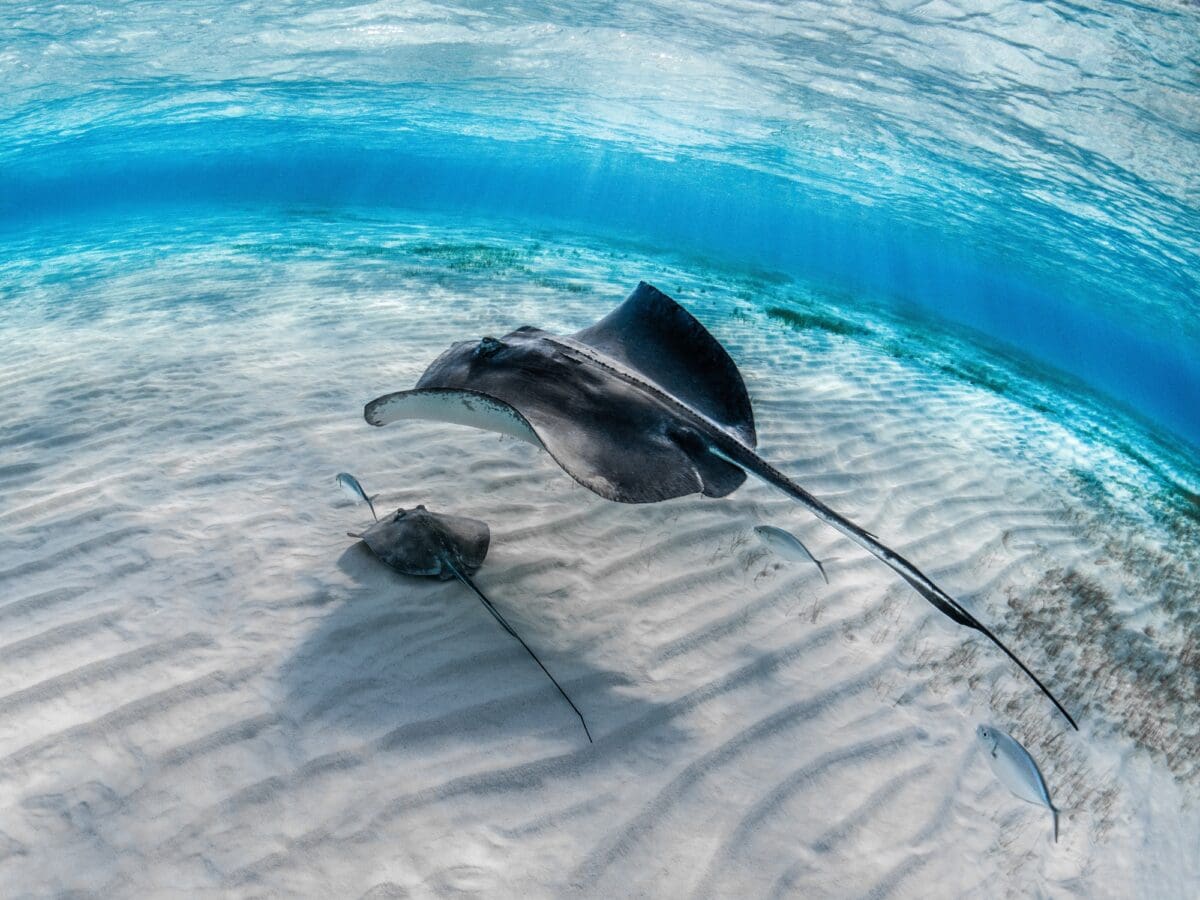
Baby stingrays, called pups, emerge into the world as fully-formed miniature versions of their parents. Depending on the species, stingray mothers either lay eggs (in leathery cases called “mermaid’s purses”) or give birth to live young after nourishing them with a nutrient-rich fluid similar to mammalian milk. Newborn stingrays typically measure 6-8 inches across—tiny compared to adults that can reach several feet in diameter. Their flat, disc-shaped bodies with long, thin tails give them a distinctive appearance from birth, though their famous defensive barbs are initially covered with a protective sheath that wears away shortly after birth.
The appeal of baby stingrays comes from their curious expressions and movements. Their undersides feature what looks like a perpetually smiling mouth, while their close-set eyes on top of their bodies give them an alert, inquisitive appearance. Young stingrays often bury themselves in sand with only their eyes protruding, creating an endearing peek-a-boo effect. Their swimming style is particularly charming—they “fly” through water by gracefully flapping their pectoral fins in a bird-like motion or sometimes “walking” along the bottom using modified fins. Despite having no parental care after birth, these independent little creatures navigate their environment with apparent confidence, their small size making their fluid movements all the more impressive.
12. Baby Clownfish: Tiny Orange Explorers

Baby clownfish begin life as transparent eggs tended carefully by their father on a flat surface near an anemone home. After hatching, the larvae drift in ocean currents for 8-12 days before metamorphosing into recognizable juvenile clownfish. At this stage, they measure just half an inch long and already display the species’ characteristic orange coloration with white stripes, though their markings are often less distinct than adults’. Their tiny size combined with vibrant coloration makes them appear like living jewels as they navigate their coral reef homes.
What makes baby clownfish particularly appealing is their behavior and family structure. Unlike many fish species, clownfish form close-knit family units. Young clownfish must gradually acclimate to their anemone homes, first touching the tentacles with their ventral fins before eventually swimming comfortably among the stinging tentacles that would harm most other fish. Their cautious exploration of this relationship is fascinating to observe. Juvenile clownfish have a strict hierarchy within the group, with smaller fish submissively bowing to larger ones. Their tiny size relative to the anemone they call home, combined with their bold coloration and the way they peek out from among the tentacles, creates an image of adorable curiosity that captured global attention through films like “Finding Nemo.”
Conclusion: Tiny Faces of a Vast Blue World

From baby dolphins with playful grins to miniature octopuses that pulse like floating jewels, the ocean is full of unexpectedly adorable young creatures. These baby animals may be small in size, but they carry the same wonder, complexity, and survival instincts as their full-grown counterparts. Whether it’s a fuzzy sea otter pup riding on its mother’s belly or a wide-eyed seal pup peeking from the surf, these little ones remind us of the tenderness and vulnerability present even in the most powerful marine species.
Beyond their cuteness, ocean babies are vital indicators of marine ecosystem health. Their survival depends on clean water, balanced food chains, and protected breeding grounds. By celebrating their charm, we also shine a light on the importance of ocean conservation. After all, each tiny sea turtle hatchling or baby pufferfish represents the next generation of marine life—and a future worth protecting beneath the waves.

From exploring the marine wonders in the Azores and witnessing the vast savannas of Kenya, to delving deep into the rich biodiversity of South Africa and traversing iconic landscapes in Australia and the US like Yellowstone, Chris's experiences are vast.
With a penchant for diving alongside sharks, the ocean holds a special place in his heart.
Through his academic insights, he champions wildlife conservation, striving with 'Animals Around The Globe' to cultivate a profound connection between humans and animals, enhancing our mutual appreciation.
Connect with him at Feedback@animalsaroundtheglobe.com.
- Coyotes Are Thriving in Every U.S. State — Even New York City - July 21, 2026
- The Best Cat Breeds for Highly Empathetic Owners - July 21, 2026
- Why Spiders Don’t Get Stuck in Their Own Webs - July 20, 2026