


Bluey has taken the world by storm since its debut in 2018, becoming one of the most beloved children’s shows globally. This Australian animated series follows the adventures of Bluey, a six-year-old Blue Heeler puppy who lives with her family, including her younger sister Bingo, and parents Bandit and Chilli. The show has garnered international acclaim for its authentic portrayal of family life, imaginative play, and heartwarming storylines that resonate with both children and adults. What many viewers might wonder is whether Bluey is based on a real dog breed or if she’s purely a fictional creation with her distinctive blue coat and energetic personality.
The answer is a resounding yes – Bluey is indeed based on a real dog breed, the Australian Cattle Dog, more commonly known as the Blue Heeler. Creator Joe Brumm didn’t just randomly design Bluey’s appearance; he intentionally chose this iconic Australian breed to represent his main character, celebrating Australia’s heritage while featuring a dog breed known for its intelligence, loyalty, and energetic nature – traits that perfectly mirror the show’s spirited protagonist.
Origin of the Blue Heeler

The Blue Heeler’s history is deeply intertwined with Australia’s pastoral development. These dogs were bred in the 19th century to help cattle farmers manage their herds across the vast, rugged Australian outback. They were developed by crossing Northumberland Drover’s Dogs (brought by settlers) with native Australian Dingoes, resulting in a hardy, intelligent breed perfectly adapted to the harsh Australian climate and working conditions. Later, Dalmatians were introduced into the breeding mix, which some believe contributed to the breed’s affinity for horses and loyalty to their owners.
The name “Blue Heeler” refers to both their blue-speckled coat and their herding style – they tend to nip at the heels of cattle to move them along, a behavior known as “heeling.” This distinctive working method earned them their colloquial name, though they’re officially recognized as Australian Cattle Dogs. The breed was formally recognized by the American Kennel Club in 1980, though they had been working diligently on Australian farms for well over a century before receiving this official recognition.
Physical Characteristics of Blue Heelers
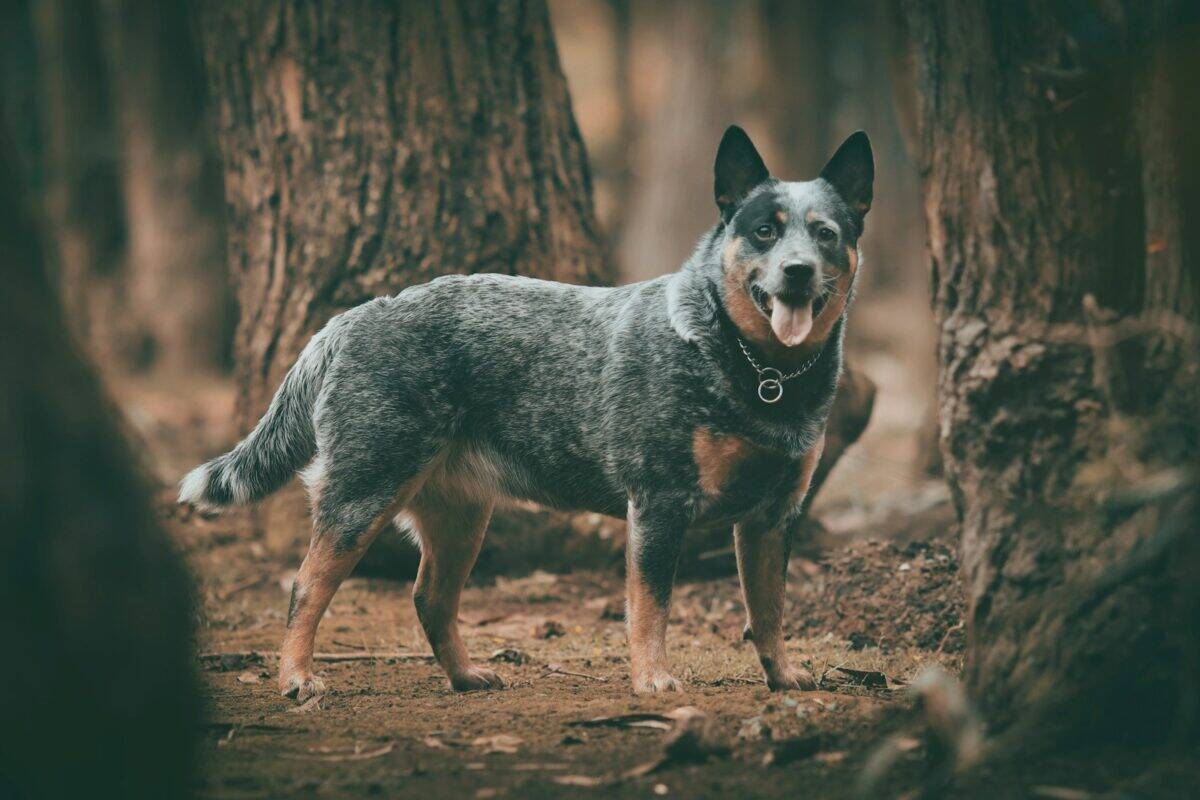
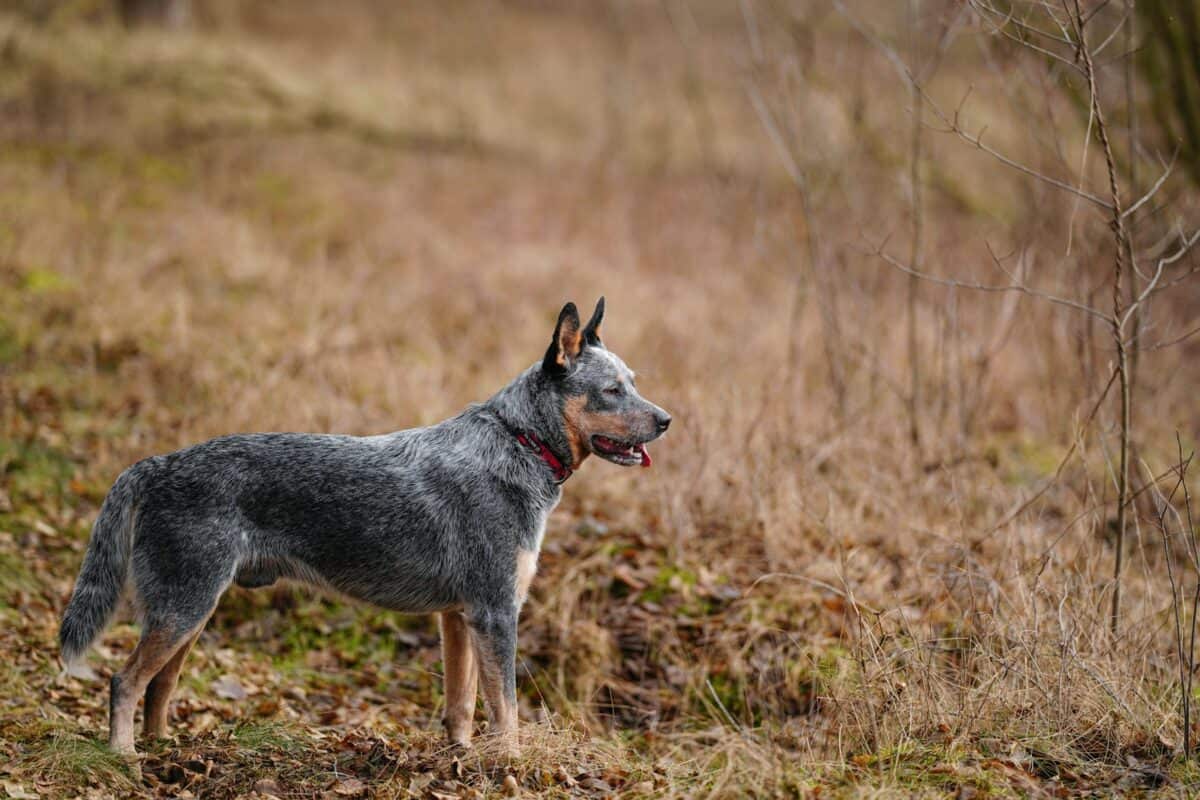
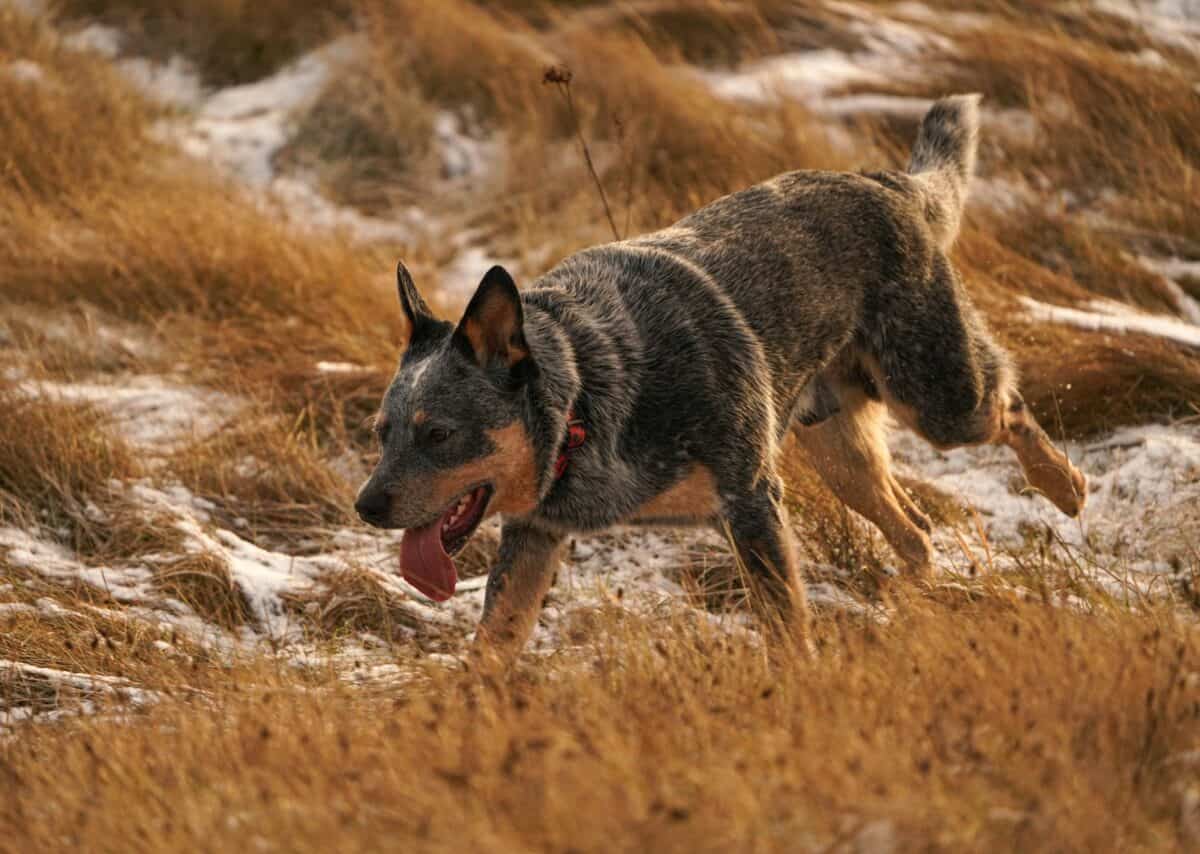
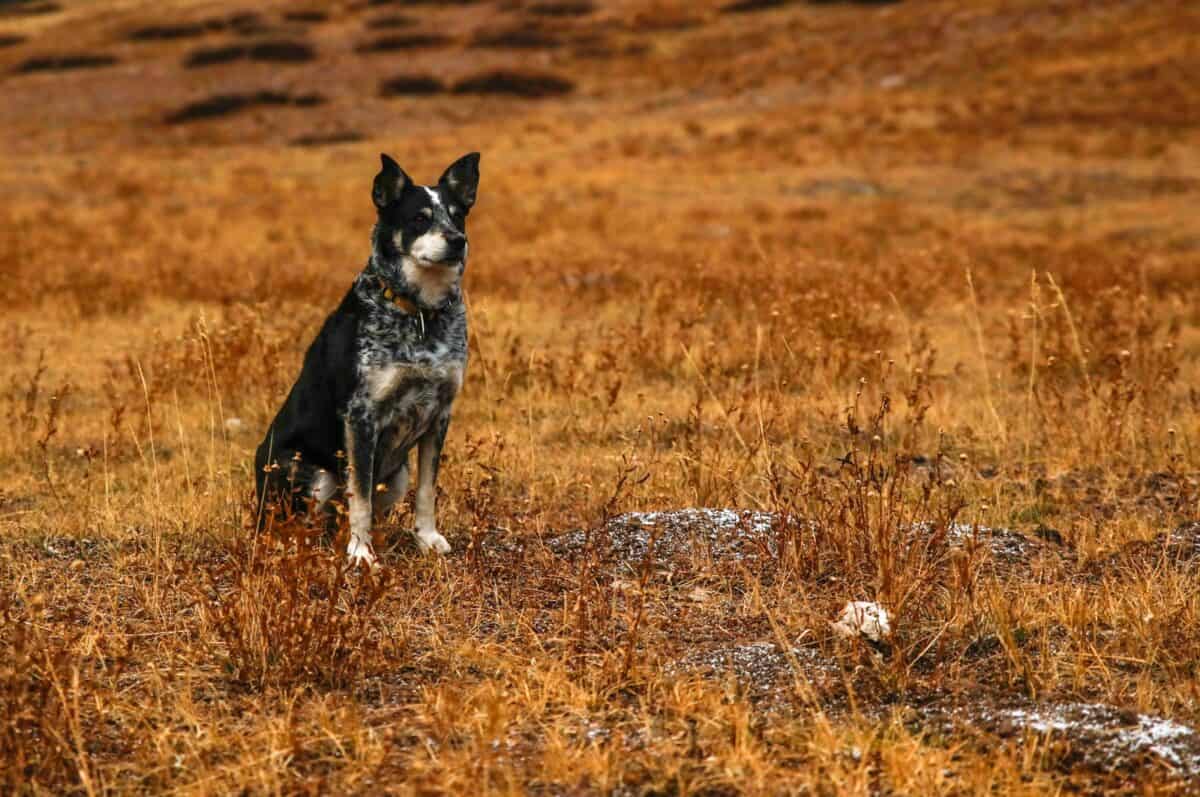
Blue Heelers are medium-sized, muscular dogs with a sturdy build that reflects their working heritage. Adult males typically stand between 18-20 inches at the shoulder and weigh between 35-50 pounds, while females are slightly smaller. They have a weather-resistant double coat consisting of a short, dense undercoat and a protective outer coat that shields them from harsh environmental conditions. The most distinctive feature is their coloration – the “blue” in Blue Heeler comes from their bluish or grayish coat speckled with black, giving them a mottled appearance. Some Blue Heelers may also have tan markings on their legs, chest, and face.
Their strong, broad heads feature alert, pricked ears and intelligent, dark eyes that miss nothing. Blue Heelers have powerful jaws and a well-defined stop (the indentation between the forehead and muzzle). Their tails are naturally long and carried low, and they have compact, round feet with well-arched toes – perfect for the agility and endurance required for herding livestock over rough terrain. It’s worth noting that while Bluey and her family in the show are anthropomorphized and stylized for animation, their blue coloring and general body structure accurately represent real Blue Heelers.
Temperament and Personality
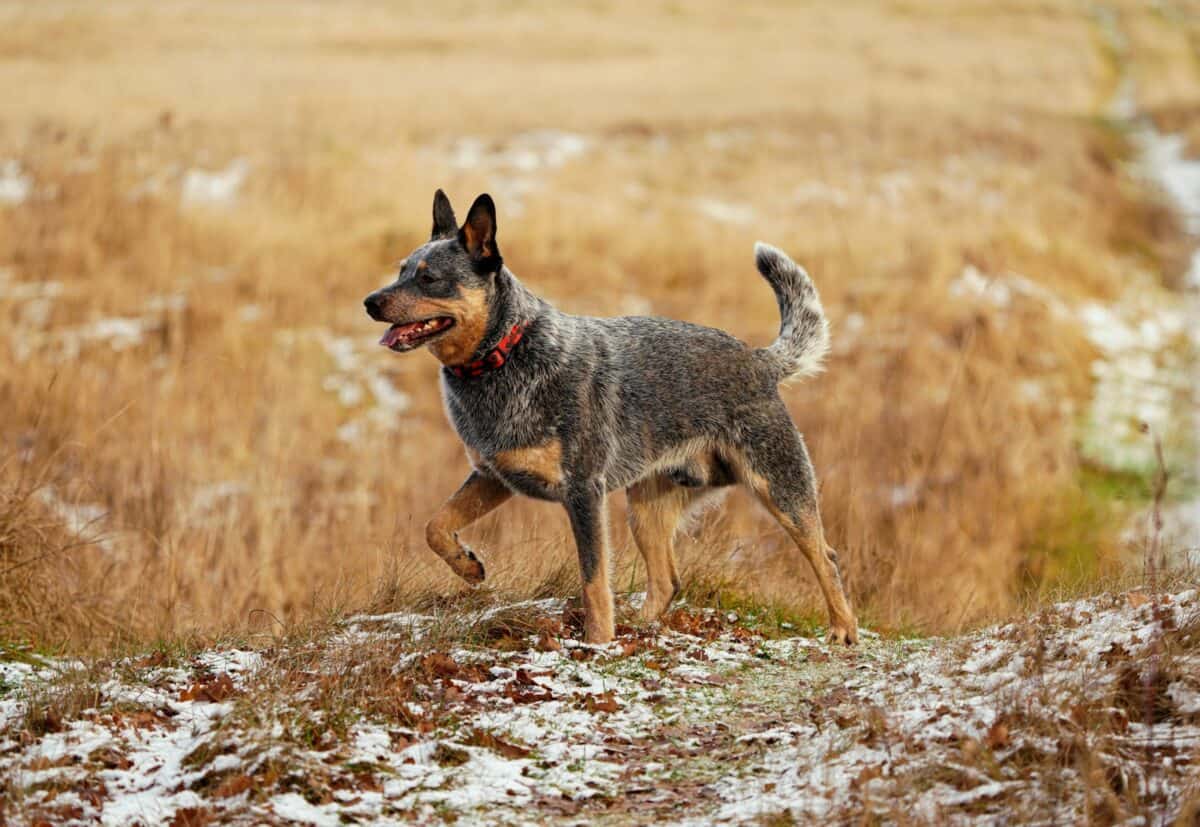
Blue Heelers possess an intelligence that’s immediately evident to anyone who spends time with them. They’re quick learners with a strong work ethic inherited from generations of working alongside farmers. These dogs are incredibly loyal to their families and form strong bonds with their owners. Their protective nature makes them excellent watchdogs who will alert their families to anything unusual. This protective instinct, while valuable, requires proper socialization from an early age to ensure they can distinguish between genuine threats and normal situations.
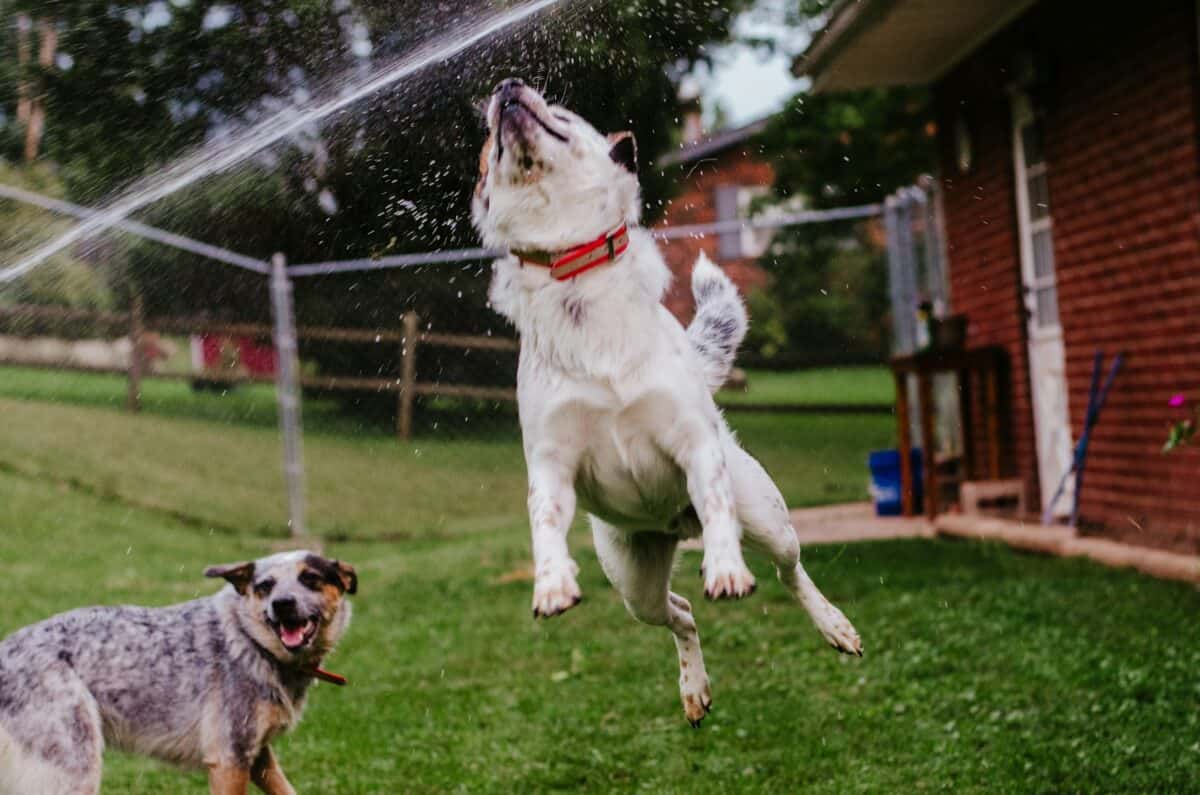
The energetic nature of Blue Heelers that’s so adorably portrayed in Bluey is absolutely accurate. These dogs have abundant energy and require significant physical and mental stimulation. Without proper outlets for their energy, they may become bored and develop problematic behaviors. Blue Heelers are known for their playfulness and enthusiasm, much like Bluey herself, who turns everyday activities into adventures through imaginative play. Their natural herding instincts might occasionally manifest as nipping at the heels of running children or trying to “herd” family members – a trait that requires gentle redirection during training.
Intelligence and Trainability
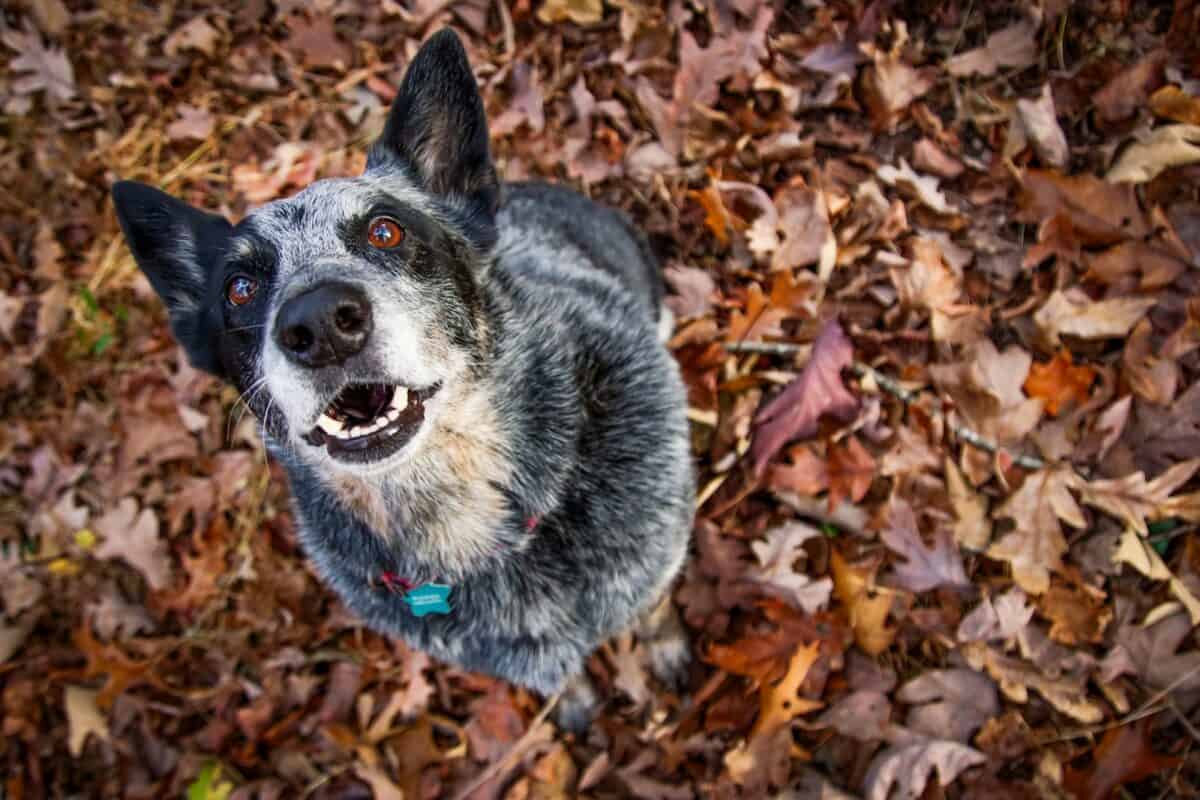
Blue Heelers consistently rank among the most intelligent dog breeds in the world. Their problem-solving abilities and quick learning make them highly trainable, though their independent nature means they respond best to confident, consistent leadership. These dogs excel in various canine sports and activities, including agility, obedience, herding trials, and even advanced tricks. Their eagerness to please, combined with their sharp minds, makes training sessions productive and engaging – provided they’re kept interesting and challenging enough to hold their attention.
In the show, Bluey’s intelligence is frequently highlighted through her creative play and quick thinking. This representation is quite accurate – real Blue Heelers demonstrate remarkable cognitive abilities and can learn an impressive vocabulary of commands. They’re capable of understanding complex instructions and often anticipate their owner’s needs based on situational awareness. However, potential owners should note that this intelligence comes with a caveat: Blue Heelers need mental challenges throughout their lives. Without sufficient mental stimulation, they may channel their smarts into less desirable behaviors like finding creative ways to escape yards or reorganizing your home’s contents.
Exercise Needs and Activity Level
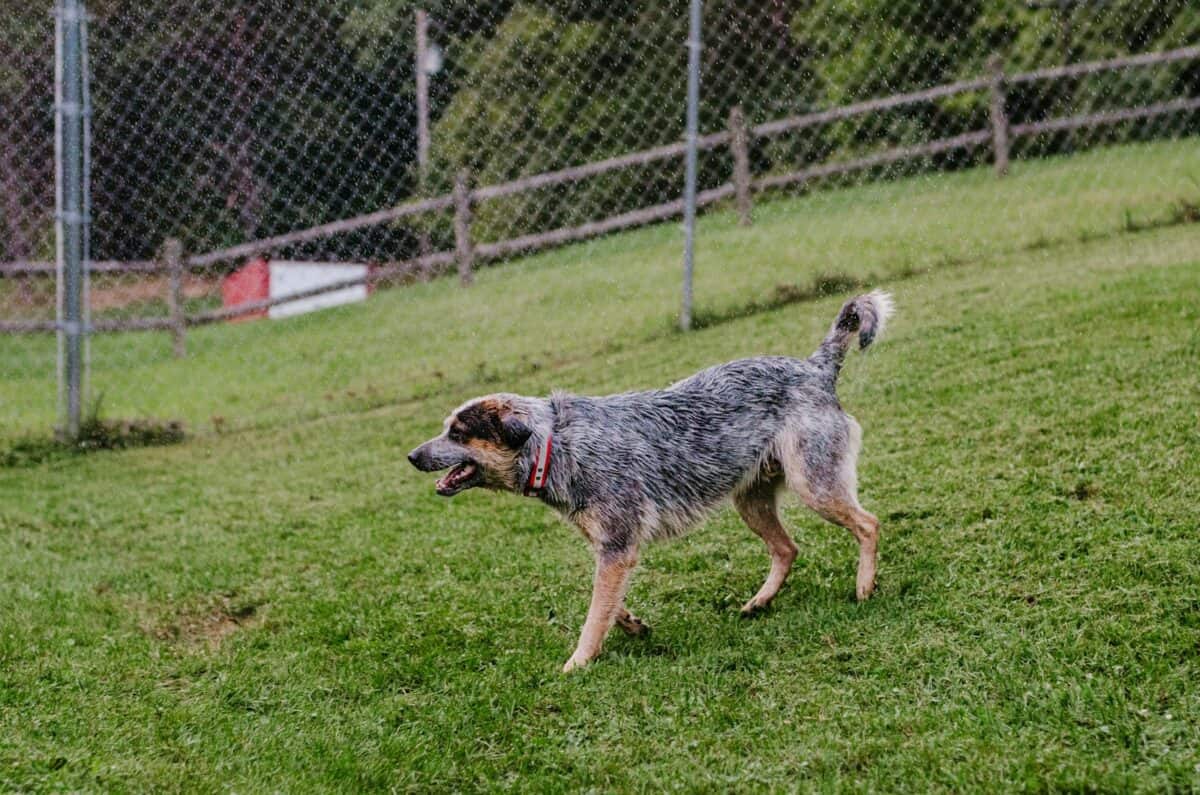
If there’s one thing that characterizes Blue Heelers above all else, it’s their exceptional energy level. These dogs were bred to work tirelessly in the Australian outback, herding cattle across vast distances in harsh conditions. This working heritage translates to a modern companion who requires significant daily exercise – at least 1-2 hours of vigorous activity every day. Simple walks usually aren’t enough; Blue Heelers thrive when given jobs to do, whether that’s participating in dog sports, going for runs, herding (if appropriate outlets are available), or engaging in interactive play sessions.
The boundless energy displayed by Bluey and her sister Bingo in the show accurately reflects the real breed’s activity needs. Blue Heelers make excellent companions for active families who enjoy outdoor adventures, hiking, running, or cycling. They’re particularly well-suited to rural or suburban environments with secure, spacious yards where they can run freely. Apartment living is possible but challenging with this breed unless the owner is committed to providing multiple daily exercise sessions. Without adequate physical outlets, Blue Heelers may become frustrated and develop destructive behaviors or excessive barking as they attempt to release their pent-up energy.
Bluey vs. Real Blue Heelers: Similarities
The creators of Bluey have captured many authentic traits of the Blue Heeler breed in their portrayal of the show’s characters. Bluey’s boundless energy, creativity, and playfulness mirror the real breed’s enthusiastic approach to life. The family dynamics in the show, particularly Bluey’s strong bond with her family members, reflect the loyal and devoted nature of actual Blue Heelers. Even Bluey’s occasional stubbornness and determination are characteristic of the breed, which was developed to work independently and make decisions when herding cattle far from their human handlers.
The show also accurately portrays the Blue Heeler’s intelligence through Bluey’s imaginative games and problem-solving abilities. Real Blue Heelers similarly demonstrate remarkable cognitive skills and creativity, particularly when motivated by play or work. The social nature of the family in the show reflects how real Blue Heelers typically thrive as integral parts of active family units rather than as solitary dogs. Bluey’s protective instincts toward her sister Bingo also mirror the breed’s natural tendency to watch over and safeguard their family members – a trait that makes them excellent family dogs when properly trained and socialized.
Bluey vs. Real Blue Heelers: Artistic Liberties

While Bluey accurately represents many Blue Heeler traits, the show naturally takes some artistic liberties for storytelling and animation purposes. The most obvious difference is the anthropomorphization – real Blue Heelers don’t speak, walk upright, or have human-like hands! The vibrant blue color of Bluey and her father Bandit is also somewhat intensified compared to real Blue Heelers, whose blue coat is more muted and mottled with black speckling. This brighter blue makes the characters more visually appealing and distinctive for a children’s animated series.
Another notable difference is the lack of focus on the breed’s herding instincts in the show. Real Blue Heelers have a strong instinctual drive to herd, which often manifests even in family pets who have never seen livestock. The show occasionally references this with subtle jokes about “herding” family members, but it doesn’t prominently feature this defining characteristic of the breed. Additionally, while the show portrays the dogs’ energy accurately, it doesn’t fully capture the intensity of exercise needs that real Blue Heelers require – Bluey and her family are often seen relaxing at home in ways that might not satisfy an actual Blue Heeler without significant off-screen exercise.
Health and Lifespan
Blue Heelers are generally hardy, robust dogs with a life expectancy of 12-16 years – quite impressive for a medium-sized breed. Their working background has contributed to their overall good health, as dogs that couldn’t withstand the demanding conditions of the Australian outback were historically not used for breeding. However, like all purebred dogs, they are predisposed to certain health conditions that potential owners should be aware of. Progressive retinal atrophy (PRA), a degenerative eye disorder, and hip dysplasia are among the more common concerns. Responsible breeders screen for these conditions to minimize their occurrence in puppies.
Blue Heelers can also be prone to deafness, particularly in dogs with excessive white markings. This is related to the genetics that create their distinctive coat patterns. They may develop orthopedic issues like osteochondritis dissecans (OCD), a condition affecting the joints, especially in rapidly growing puppies. Regular veterinary check-ups, appropriate nutrition, and maintaining a healthy weight can help prevent or manage many health concerns. Their active lifestyle usually keeps obesity at bay, but it’s still important to monitor food intake and ensure it matches their activity level to maintain optimal health throughout their lives.
Are Blue Heelers Good Family Pets?
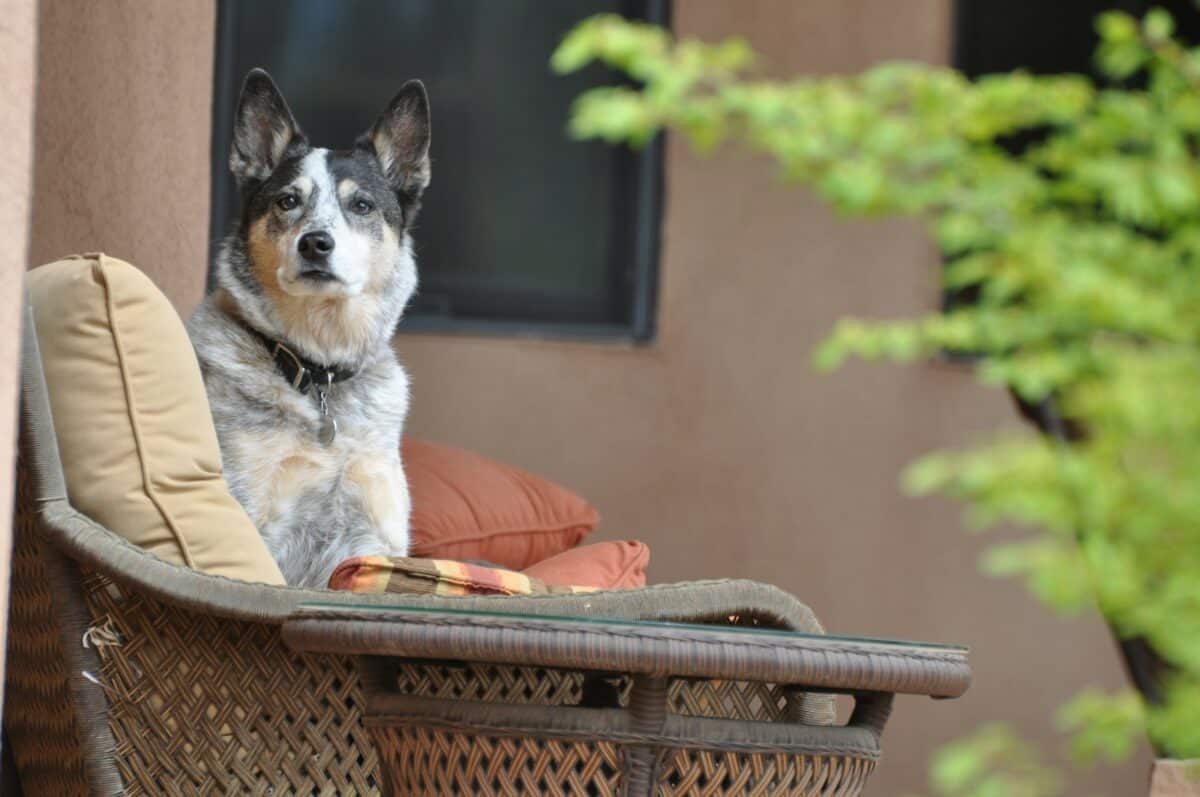
The Heeler family in Bluey portrays an idyllic family life, but are real Blue Heelers suitable family companions? The answer depends largely on the family’s lifestyle and commitment level. Blue Heelers can make excellent family pets for active households that can provide sufficient exercise, mental stimulation, and consistent training. They form strong bonds with family members and are typically protective and loyal. Their playful nature and energy can make them wonderful companions for older children who understand how to interact appropriately with dogs.
However, Blue Heelers may not be ideal for families with very young children unless the dogs are well-socialized from puppyhood. Their herding instincts can lead to nipping at the heels of running children, which, while not aggressive, can frighten or hurt small kids. They also require significant time commitment for exercise and training – they’re not “weekend-only” activity dogs. Families considering a Blue Heeler should honestly assess their energy levels and available time. For the right family – one that enjoys outdoor activities and is willing to invest in training – a Blue Heeler can become a beloved member of the household, much like Bluey and her sister Bingo are in the show.
Training and Socialization Needs

Early and consistent training is essential for Blue Heelers due to their intelligence and strong-willed nature. These dogs respond best to positive reinforcement methods that harness their eagerness to please while respecting their intelligence. Harsh training techniques are counterproductive and may damage the trust between dog and owner. Training should begin in puppyhood and continue throughout their lives, with increasingly complex tasks to keep their minds engaged. Basic obedience should be established early, followed by advanced commands and possibly specialized training in agility, herding, or other canine sports that channel their natural abilities.
Socialization is equally important for Blue Heelers. Their protective nature and natural wariness of strangers mean they need extensive positive exposure to different people, animals, and environments during their formative months. Without proper socialization, they may become overly suspicious or reactive to new situations. In the show, we see Bluey and Bingo interacting confidently with various friends and neighbors – this represents the outcome of good socialization. Properly socialized Blue Heelers can distinguish between normal situations and genuine threats, allowing their protective instincts to be assets rather than liabilities. Ongoing socialization throughout adulthood helps maintain these positive behaviors and ensures they remain well-adjusted companions in various settings.
The Impact of Bluey on the Breed’s Popularity
The global success of the Bluey show has significantly raised awareness of the Blue Heeler breed. Since the show’s debut in 2018, interest in Blue Heelers has noticeably increased, with more people researching the breed and considering them as potential pets. This phenomenon is not unusual – popular media featuring specific dog breeds often leads to surges in that breed’s popularity. For example, “101 Dalmatians,” “Lassie,” and “Game of Thrones” all sparked increased demand for Dalmatians, Collies, and Huskies, respectively. While increased awareness can be positive, it also raises concerns about impulse acquisitions by families unprepared for the breed’s specific needs.
Responsible Blue Heeler breeders and rescue organizations have reported mixed feelings about the show’s impact. On one hand, they appreciate the authentic portrayal of many of the breed’s traits and the opportunity to educate the public about these wonderful dogs. On the other hand, they worry about potential owners who might be charmed by Bluey’s animated antics without understanding the real-world commitment a Blue Heeler requires. Many have stepped up their educational efforts, using the show as a starting point to discuss the breed’s actual needs and characteristics. Rescue organizations particularly emphasize the importance of matching the breed’s energy and intelligence with appropriate homes to prevent Blue Heelers from ending up surrendered when owners find they cannot meet the dogs’ needs.
Conclusion: The Real Dogs Behind the Beloved Characters
Bluey and her family have captured hearts worldwide with their relatable adventures and heartwarming family dynamics. Behind these beloved animated characters lies a real dog breed with a rich history and distinctive traits that the show’s creators have skillfully incorporated into their storytelling. Blue Heelers, with their intelligence, loyalty, and boundless energy, provide the perfect template for characters in a show celebrating play, imagination, and family bonds. The show’s success has brought well-deserved attention to this remarkable Australian breed while generally portraying their characteristics accurately, albeit with the necessary artistic adaptations for an animated children’s program.
For those enchanted by Bluey and considering welcoming a Blue Heeler into their homes, it’s essential to look beyond the charming animation to understand the real breed’s needs. These dogs require committed owners who can provide the physical exercise, mental stimulation, training, and socialization they need to thrive. When these requirements are met, Blue Heelers prove themselves to be exceptional companions – loyal, intelligent, and full of personality, much like their animated counterparts. The connection between the fictional Bluey and real Blue Heelers offers a wonderful opportunity for families to learn about responsible pet ownership while enjoying the delightful adventures of one of animation’s most beloved blue dogs.

From exploring the marine wonders in the Azores and witnessing the vast savannas of Kenya, to delving deep into the rich biodiversity of South Africa and traversing iconic landscapes in Australia and the US like Yellowstone, Chris's experiences are vast.
With a penchant for diving alongside sharks, the ocean holds a special place in his heart.
Through his academic insights, he champions wildlife conservation, striving with 'Animals Around The Globe' to cultivate a profound connection between humans and animals, enhancing our mutual appreciation.
Connect with him at Feedback@animalsaroundtheglobe.com.
- The Best Cat Breeds for Highly Empathetic Owners - July 21, 2026
- Why Spiders Don’t Get Stuck in Their Own Webs - July 20, 2026
- What Scientists Found in a 10,000-Year-Old Beehive - July 20, 2026