

Worried about unexpected vet bills?
Pet insurance can cover thousands in unexpected vet costs. Get a free quote from Lemonade in under 2 minutes.
Get My Free Quote →Sponsored · Opens Lemonade.com
Picture this: You’ve spent months planning the perfect garden to attract these tiny jeweled birds, only to discover you’ve been doing everything wrong. Your well-intentioned choices might actually be turning your backyard into a hummingbird’s worst enemy. These fast-flying beauties need specific conditions to thrive, and unfortunately, many common gardening practices can spell disaster for them. From toxic plants masquerading as hummingbird favorites to seemingly innocent maintenance routines that could prove fatal, there’s more to creating a hummingbird haven than meets the eye.
#15 Using Neonicotinoid Pesticides
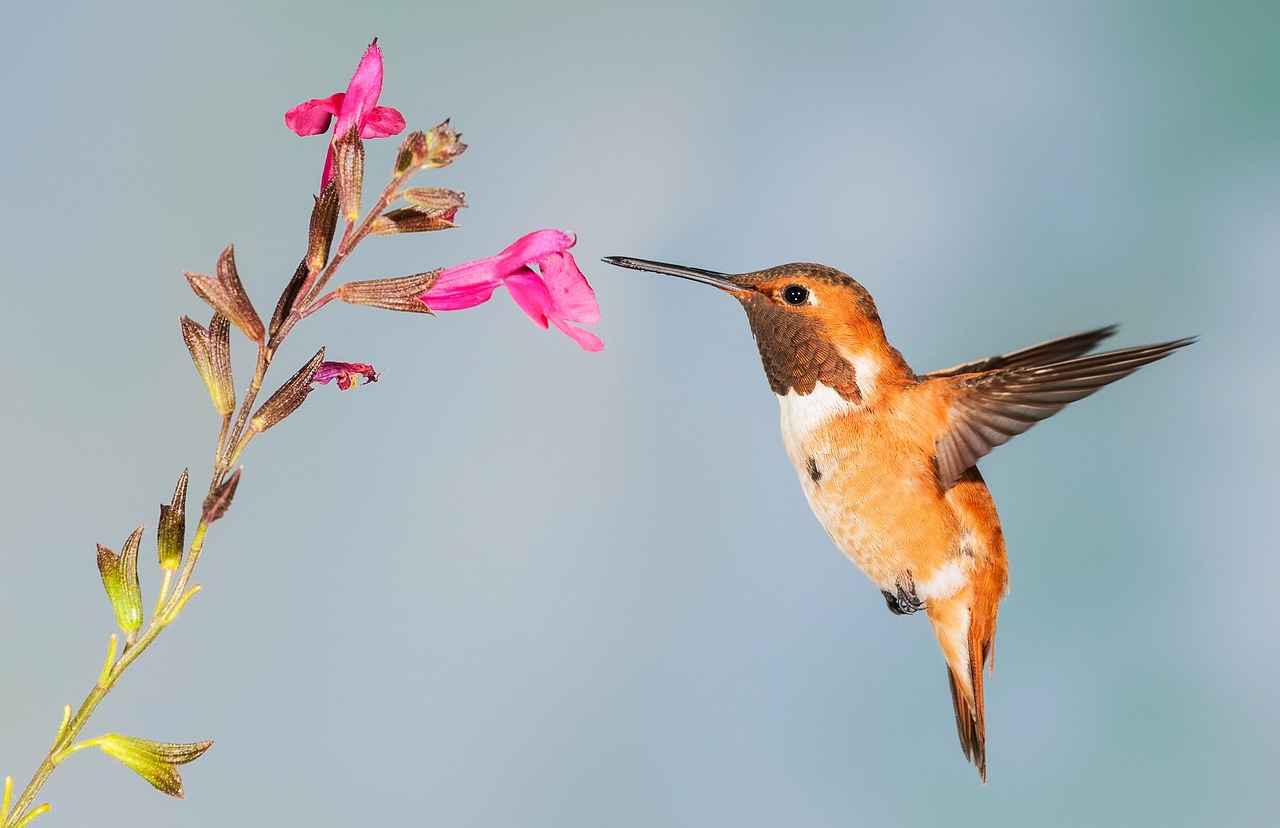
Neonicotinoid pesticides are systemic, meaning they’re absorbed by plants and distributed throughout their tissues, including flowers and nectar. These chemicals attack the nervous system of insects, but similar effects can occur in birds. When hummingbirds visit treated flowers, they unknowingly consume these toxins with every sip of nectar.
Given their high energy demands and with such razor thin margins for error, neonicotinoids may significantly damage hummingbird’s fitness in the wild. “If hummingbirds are skipping their normal foraging behaviour because of a dip in their metabolic rate, it could put them in an energy bottleneck,” Dr. Welch says. A 2021 study published in the Scientific Reports journal showed that ruby-throated hummingbirds exposed to neonicotinoid pesticides experienced altered energy management and metabolic changes that could affect their foraging behavior.
#14 Planting Azaleas and Rhododendrons
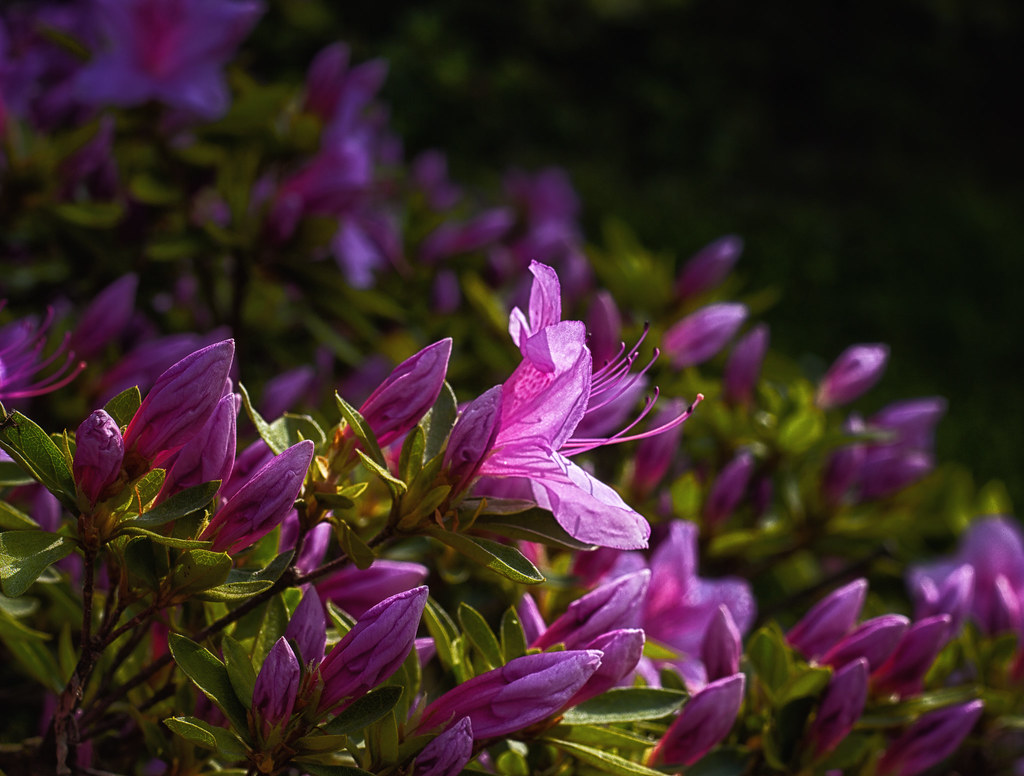
These enchanting blooms contain grayanotoxins, which can be harmful. Hummingbirds, drawn to their nectar, may inadvertently ingest these toxins. To ensure a safe haven for your feathered friends, consider replacing azaleas with non-toxic alternatives. Despite their stunning spring displays, these popular shrubs pose a serious threat to visiting hummingbirds.
These plants contain grayanotoxins that can be detrimental to hummingbirds. As they sip nectar, the risk of toxin ingestion looms. To protect these enchanting creatures, consider alternatives to rhododendrons. The beauty these shrubs bring to your landscape simply isn’t worth the potential harm to these precious visitors.
#13 Growing Oleander as an Ornamental
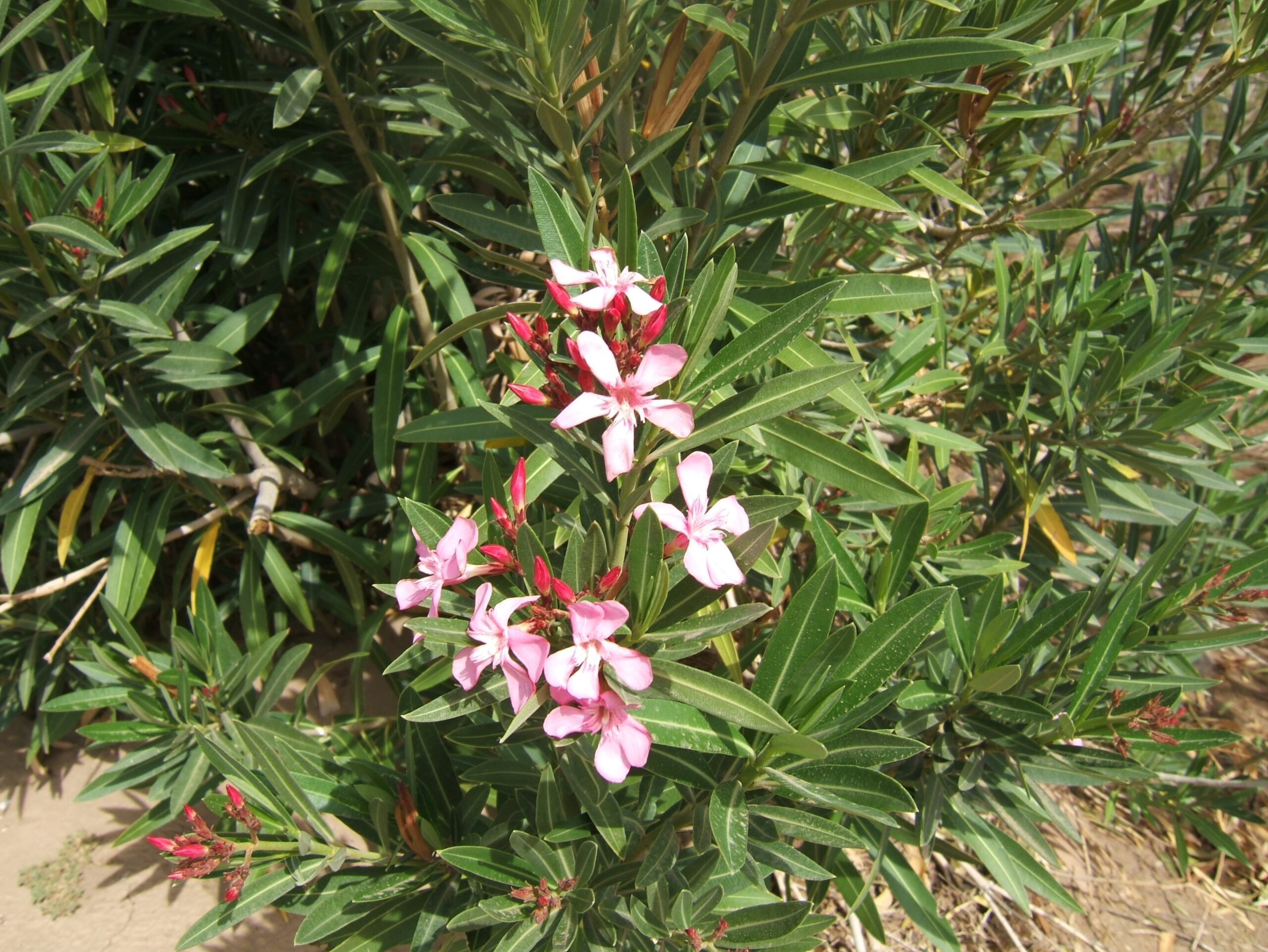
Oleander, with its elegant flowers, is one of those secrets. This seemingly harmless plant is highly toxic. The entire oleander plant contains compounds that can be lethal. What makes oleander particularly dangerous is that every part of the plant contains cardiac glycosides, which can be fatal even in small doses.
Hummingbirds seeking nectar might find themselves at risk. Removing oleander can prevent potential harm and preserve your garden’s harmony. Even touching the plant and then handling hummingbird feeders could transfer these toxins, making oleander a garden hazard that extends beyond direct consumption.
#12 Including Foxglove in Your Garden Design
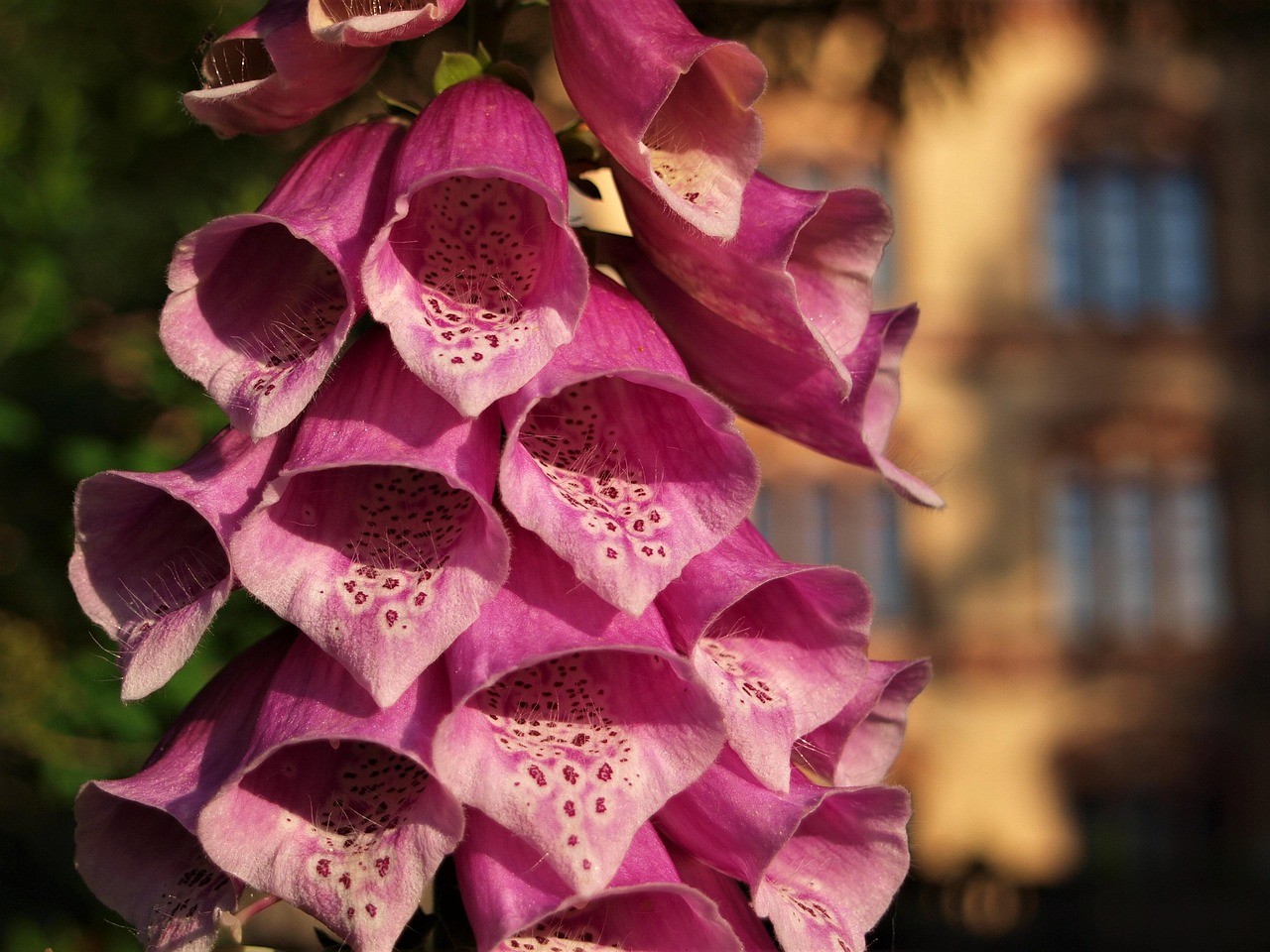
Foxglove, tall and alluring, is a potential peril. This plant contains digitalis, a compound that can be harmful to hummingbirds. Despite their nectar-rich flowers, the risk they pose cannot be overlooked. These towering spikes may look like perfect hummingbird magnets, but they’re actually deadly traps.
The same compound that makes foxglove useful in heart medications becomes dangerous when consumed by tiny birds with rapid metabolisms. Ensuring the safety of your garden can mean replacing foxgloves with safer alternatives. Foxgloves may captivate with beauty, but caution is necessary.
#11 Planting Daffodils Near Feeding Areas
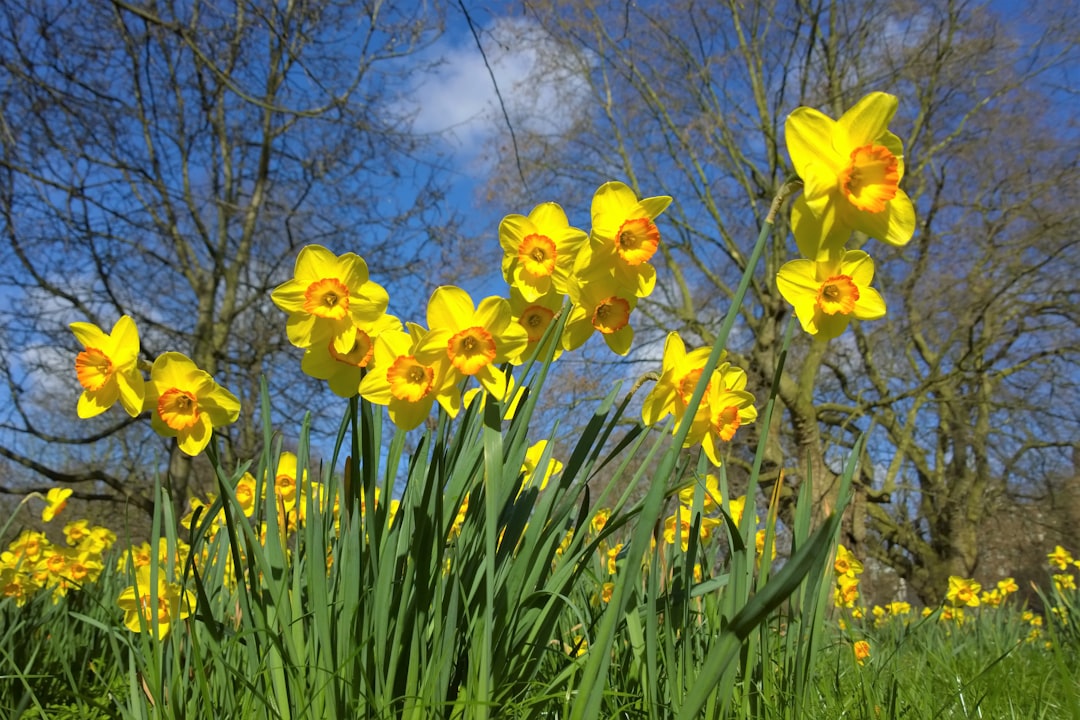
Daffodils, though a symbol of new beginnings, can pose risks. The bulbs and flowers of daffodils contain lycorine, a toxin harmful to birds. Hummingbirds might be drawn to their vibrant appearance, unaware of the danger. These cheerful spring flowers seem innocent enough, but they pack a toxic punch that can seriously harm hummingbirds.
While hummingbirds don’t typically prefer daffodils over other flowers, desperate birds or those exploring new territories might sample these dangerous blooms. The bright yellow color might not be their first choice, but during times when preferred flowers are scarce, even these can become attractive.
#10 Adding Lily of the Valley to Shaded Areas
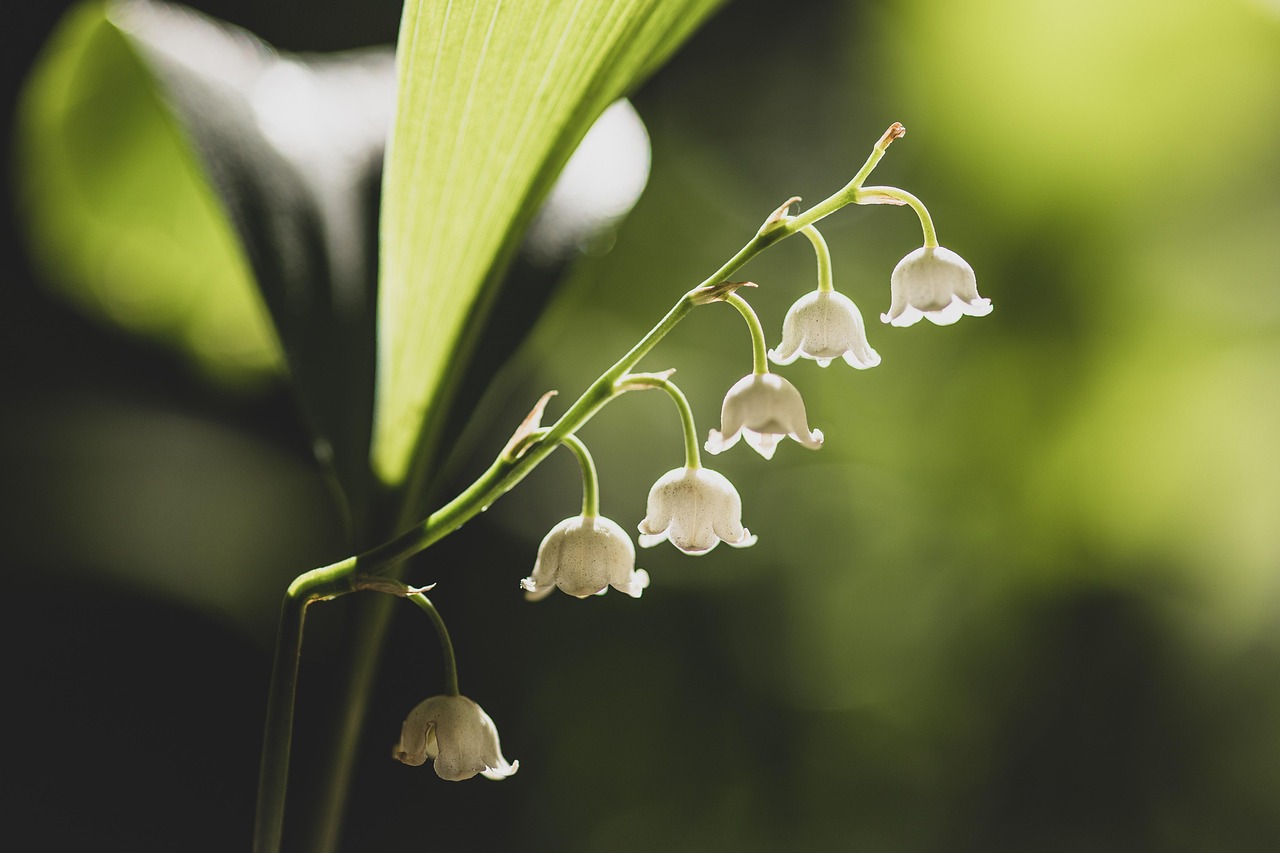
Lily of the Valley, with its sweet scent, is deceptively dangerous. This plant is brimming with cardiac glycosides, posing a threat to hummingbirds. While its fragrance enchants, its toxicity cannot be ignored. This ground cover might seem like an innocent addition to shaded garden spots, but it’s actually one of the most dangerous plants you can have near hummingbird activity areas.
The delicate white bells contain powerful compounds that affect the heart, and even small amounts can be lethal to tiny birds. Lily of the Valley adds elegance, but its danger to garden visitors must be taken seriously. Favor safer plant choices to maintain a welcoming environment.
#9 Incorporating Hydrangeas Without Research
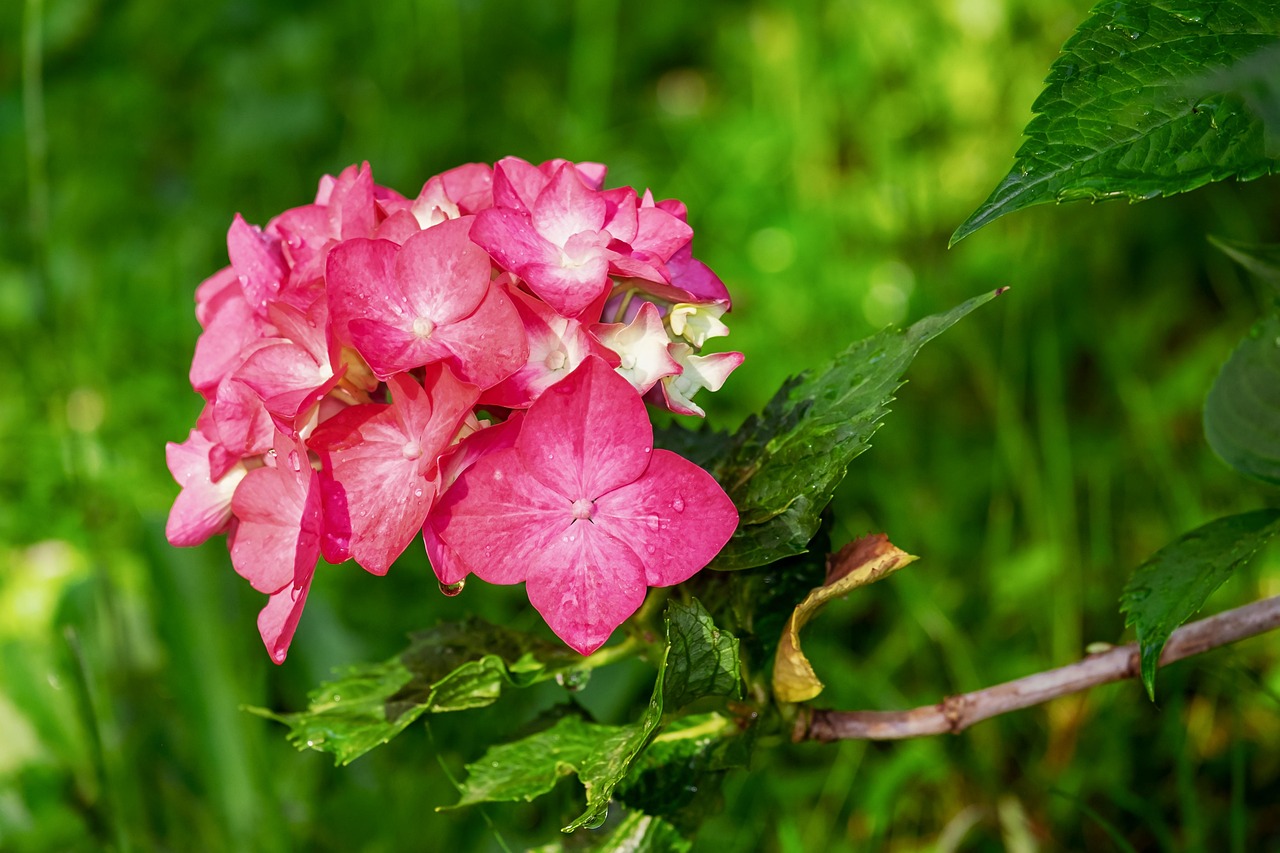
Hydrangeas, with their large, lush flowers, are one such plant. These beautiful blooms contain cyanogenic glycosides, which can be harmful. Hummingbirds, drawn by the sight, may inadvertently be exposed to danger. Those massive, showy flower heads might look like hummingbird buffets, but they’re actually chemical warehouses.
The compounds in hydrangeas can release hydrogen cyanide when digested, creating a toxic situation for any bird brave enough to sample their nectar. Hydrangeas add splendor, but their risks can overshadow their beauty. Consider safer alternatives to protect the hummingbirds gracing your garden.
#8 Growing Wisteria Near Feeders
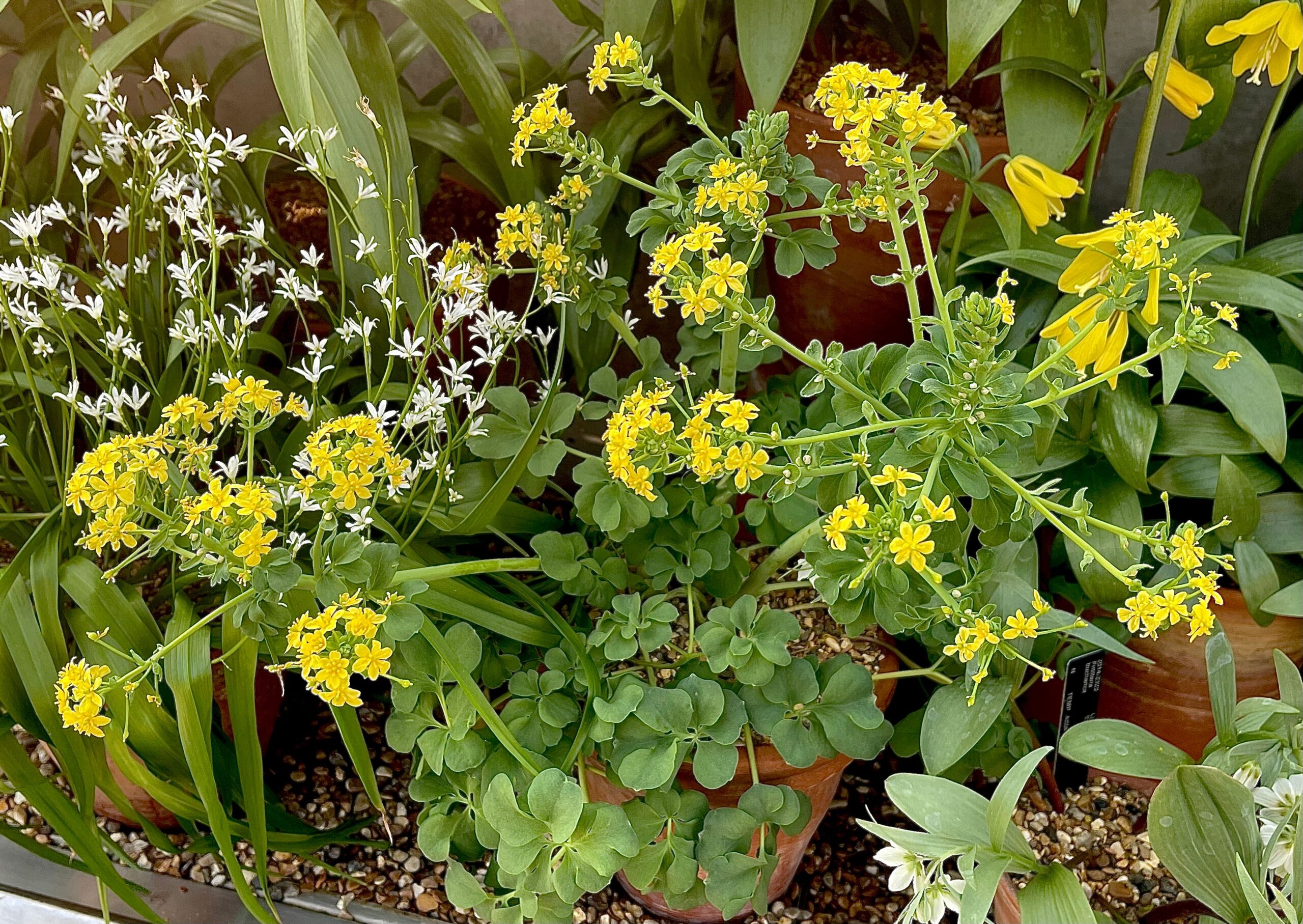
Wisteria, with its cascading flowers, holds such a threat. The seeds and pods of wisteria contain harmful compounds. Hummingbirds, lured by their beauty, might face unintended risks. These stunning purple cascades create a fairy-tale garden atmosphere, but they’re hiding a dark secret that could harm your hummingbird visitors.
While the flowers themselves might not be the primary danger, the seeds and pods that develop afterward contain toxic compounds. While wisteria adds dramatic flair, its potential harm to garden life is significant. Choose non-toxic plants to ensure a safe haven for your avian visitors. Hummingbirds are curious creatures and might investigate all parts of the plant, not just the flowers.
#7 Using Dirty or Contaminated Feeders
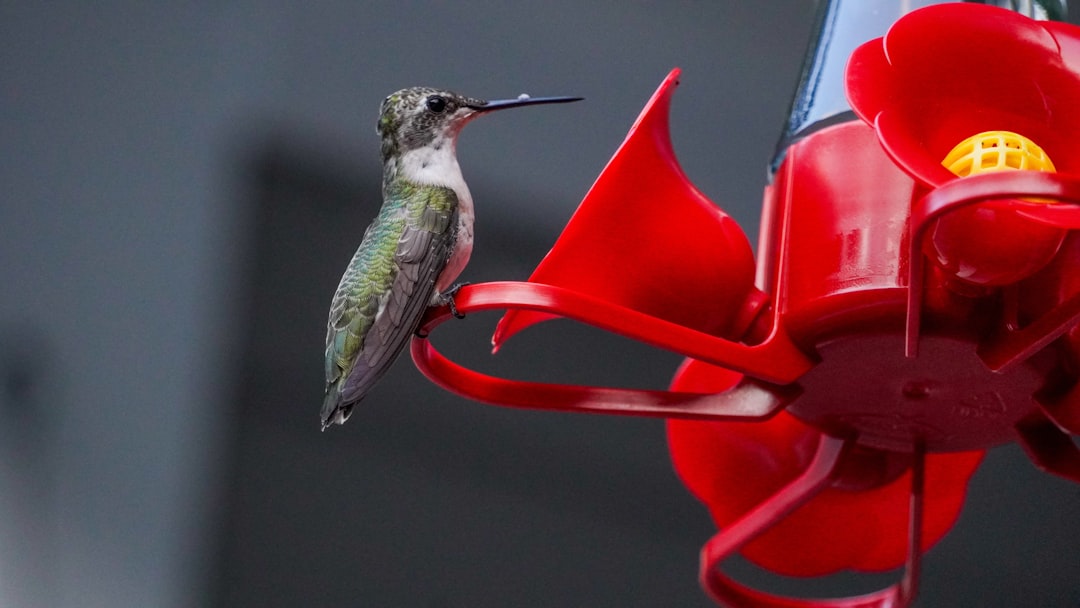
A dirty hummingbird feeder is also off-putting and dangerous to these tiny birds. This is another critical mistake that can lead to serious health issues for hummingbirds. Nectar, being a sugar solution, is an ideal breeding ground for bacteria, mold, and even fermentation, especially in warm weather. Think of it like serving your favorite drink in a moldy glass – you’d refuse it immediately, and so will hummingbirds.
Mold and bacteria can grow rapidly in your feeders during times of extreme heat. This leaves hummingbirds susceptible to ingesting them and contracting pathogenic diseases, which can harm them or even result in death. This commitment entails taking the time to clean your hummingbird feeders following these recommended guidelines: every 3 days (cool weather), 2 days (warm weather), and daily (hot weather).
#6 Adding Honey or Brown Sugar to Nectar
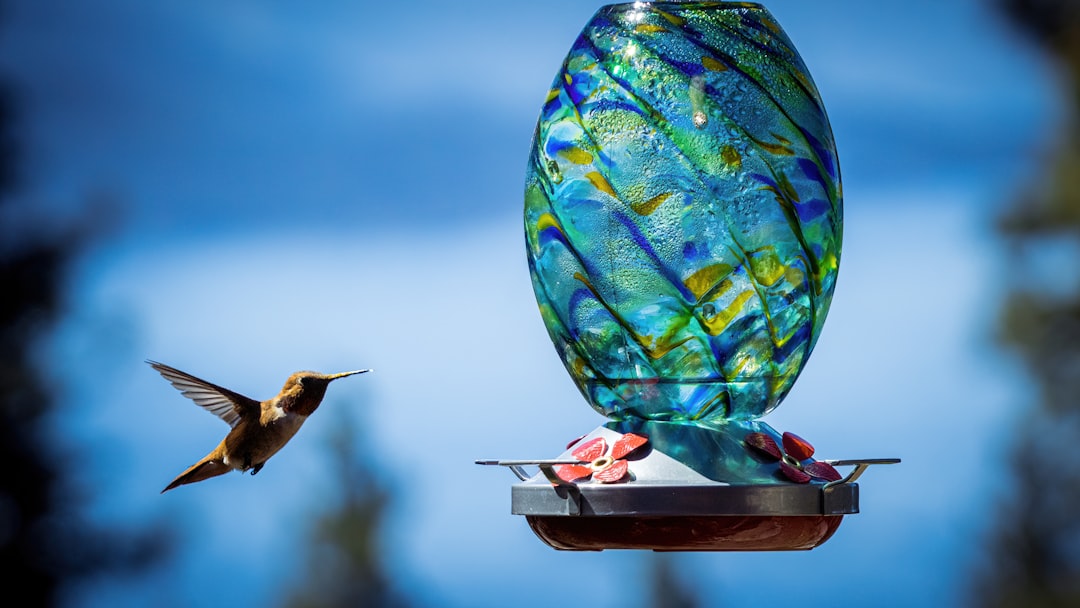
While iron is good for humans and even birds in tiny amounts, it can be toxic to hummingbirds in larger amounts. Brown sugar, and other sweeteners with high iron content, can cause health issues and even death in hummingbirds. What seems like a natural, healthier alternative can actually be a death sentence for these tiny birds.
Honey has natural antimicrobial properties, but when it’s diluted with water, it spoils quickly and can promote the growth of harmful bacteria and fungi. Honey is also high in natural sugars, which can ferment in your feeder. If hummingbirds consume fermented food, they may become intoxicated or even die. Stick to the simple white sugar and water recipe – it’s what works best for these delicate creatures.
#5 Placing Feeders in Direct Sunlight All Day
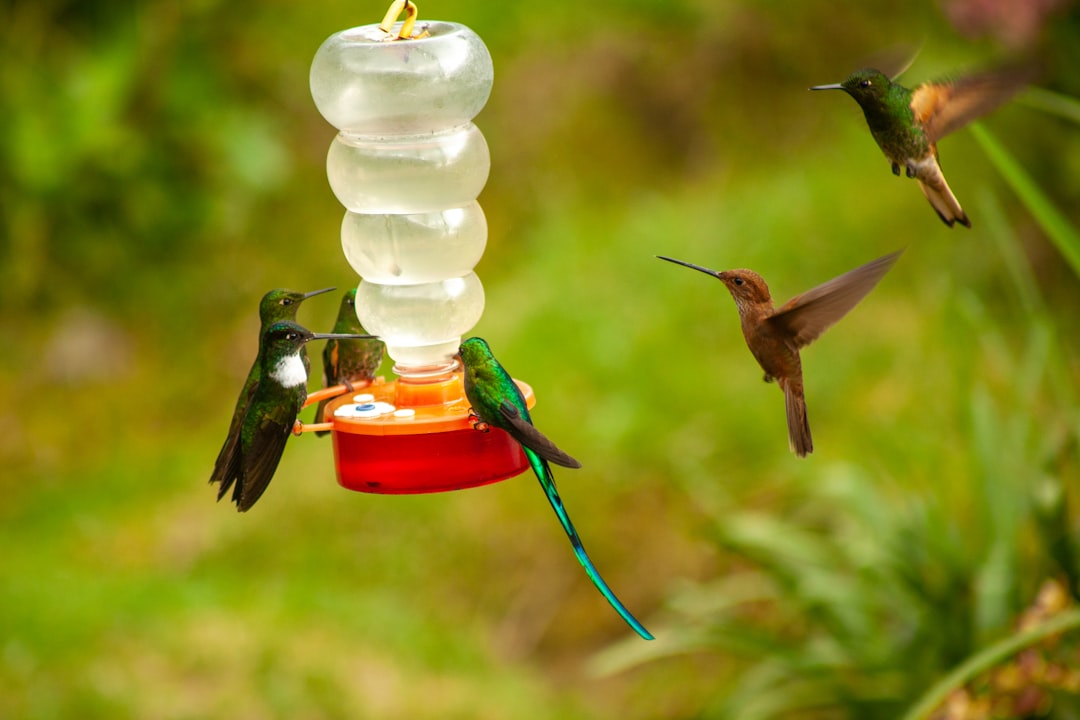
The summer sun can turn the sugar water in your hummingbird feeders sour into a cesspool of bacteria in a few days; even quicker if the feeder is exposed to full sun all day long. That perfect sunny spot you thought would attract more birds is actually creating a bacterial nightmare that could make them seriously ill.
Direct sunlight not only spoils the nectar faster but also makes the feeding ports uncomfortably hot for the birds. Hang your hummingbird feeder in an area that has afternoon shade. This helps prevent your sugar water from spoiling as quickly as feeders hung in direct sunlight. A little morning sun is fine, but afternoon shade is essential for feeder safety.
#4 Using Red Dye in Hummingbird Nectar
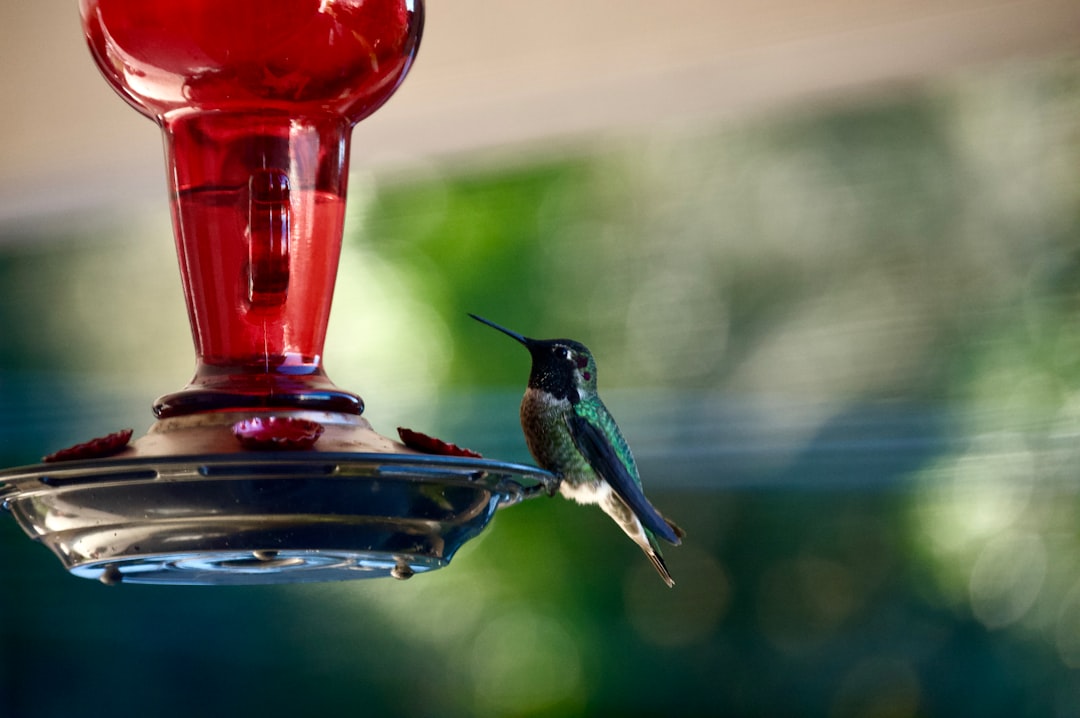
Finally, don’t fall for the red-colored sugar water trap. You may have heard how much hummingbirds are attracted to the color red or perhaps you’ve seen bottled red sugar water on store shelves; leave it there. Red dye is not a hummingbird magnet. This persistent myth has led countless well-meaning people to poison their backyard visitors.
The artificial ingredients in red food coloring are unnecessary and potentially harmful to hummingbirds, though specific health effects are not well-documented. A safer option is to purchase an all-red hummingbird feeder or one that has red accents. The feeder’s red parts are what attract the birds, not the color of the nectar inside.
#3 Hanging Only One Feeder
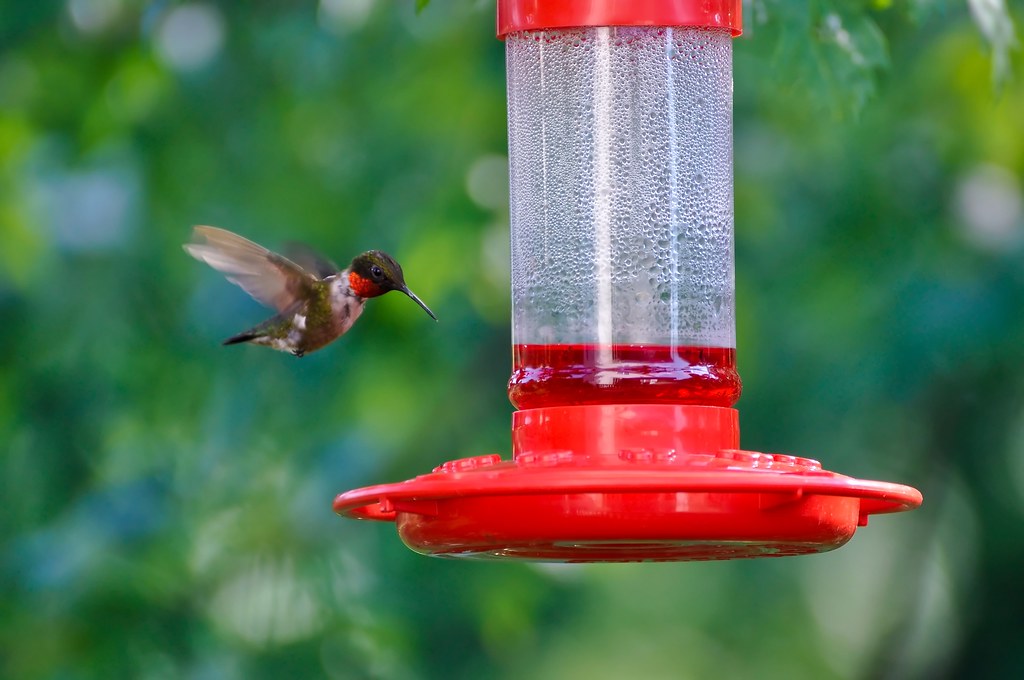
Hummingbirds are highly territorial, especially males during breeding season. They will aggressively defend a food source, chasing away rivals to ensure their own access. If you only have one feeder, you’re likely to see a single dominant bird, with others having to wait their turn or move on. You’re essentially creating a hummingbird dictatorship in your backyard.
This territorial behavior means that one aggressive bird can monopolize your entire feeding station, leaving other hungry hummingbirds to search elsewhere for food. Space your feeders at least 10-15 feet apart and consider placing them where they’re not visible from one another. This helps reduce competition and allows more birds to feed peacefully.
#2 Positioning Feeders Too Low or Near Cat Hideouts
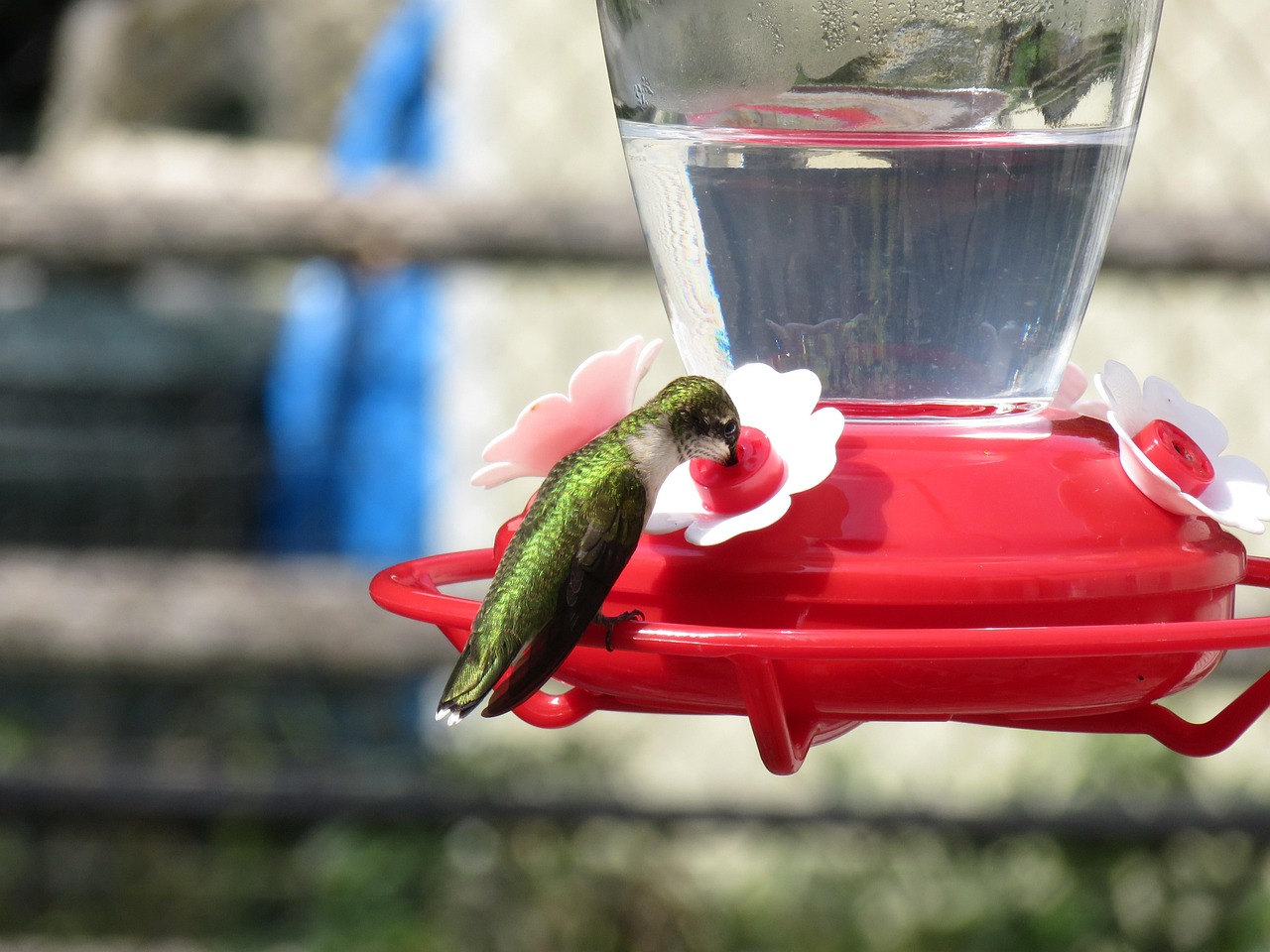
Proper hummingbird feeder placement should be at least four feet off the ground and away from tree trunks, retaining walls or steps where roaming cats and other predators can lurk and capture hummingbirds. Even the most well-fed house cat can’t resist the hunting instinct when faced with a tiny, hovering target.
Low feeders also make hummingbirds more vulnerable to other ground predators and create stress for the birds, who prefer to have escape routes available. The ideal height gives them a clear view of their surroundings while keeping them safe from most ground-based threats. Think like a hummingbird – would you want to eat dinner in a location where predators could easily ambush you?
#1 Neglecting to Remove Mold and Fermented Nectar
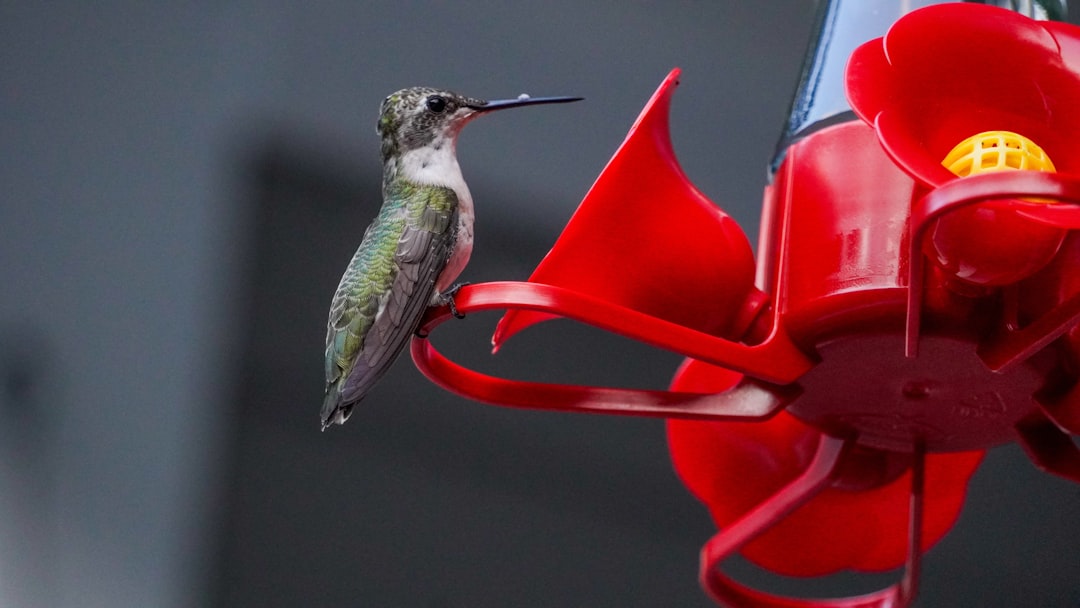
If you notice nectar turning cloudy, replace it immediately. It may be tempting to top off the nectar already in your feeder, but it’s important to empty it and clean it with mild detergent each time, according to the International Hummingbird Society. Refill with fresh sugar water. That cloudy appearance is a warning sign that shouldn’t be ignored.
Fermented nectar can actually intoxicate hummingbirds, affecting their ability to fly and navigate safely. You should also clean right away the moment you notice any mold around the inside, a sick bird has used the feeder, or there is any sign of insect encroachment. Even tiny amounts of mold can be deadly to these small birds with their lightning-fast metabolisms.
Conclusion
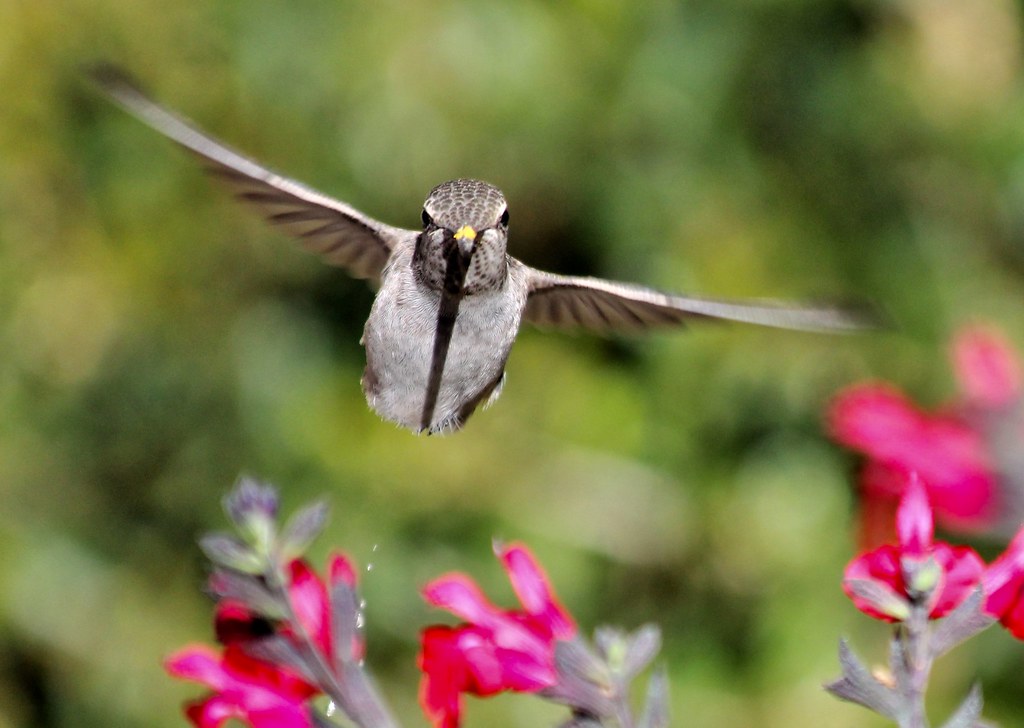
Creating a true hummingbird paradise requires more than just good intentions – it demands knowledge and vigilance. These tiny aerial acrobats face enough challenges in the wild without our gardens adding to their struggles. By avoiding toxic plants, maintaining clean feeders, and understanding their territorial nature, we can transform our outdoor spaces into genuine sanctuaries. Remember, every choice we make in our gardens ripples through the ecosystem. When we prioritize the safety and well-being of hummingbirds, we’re not just helping these remarkable creatures – we’re contributing to a healthier environment for all wildlife.
What seemed like the perfect hummingbird setup might actually be their nightmare – makes you wonder what other “helpful” things we do that backfire completely, doesn’t it?
Worried about unexpected vet bills?
Pet insurance can cover thousands in unexpected vet costs. Get a free quote from Lemonade in under 2 minutes.
Get My Free Quote →Sponsored · Opens Lemonade.com

As a little kid, I fell in love with nature, wildlife, and animals. Living in the USA, South Africa, Italy, China and Germany gave me the opportunity to discover the world's Wildlife. My favorite animals are Mountain Gorillas, Siberian Tigers, and Great White Sharks.
I'm a certified PADI Open Water Diver, went to Everest Base Camp and Trekked Gorillas in Uganda. I hold a Master of Science in Economics and Finance.
Please send any feedback to feedback@animalsaroundtheglobe.com
- 17 Fascinating Cat Superstitions from Around the World - June 10, 2026
- Top 10 Animals and Wildlife in the Everglades - June 10, 2026
- How the Addax Antelope Survives in a Changing Desert - June 10, 2026