

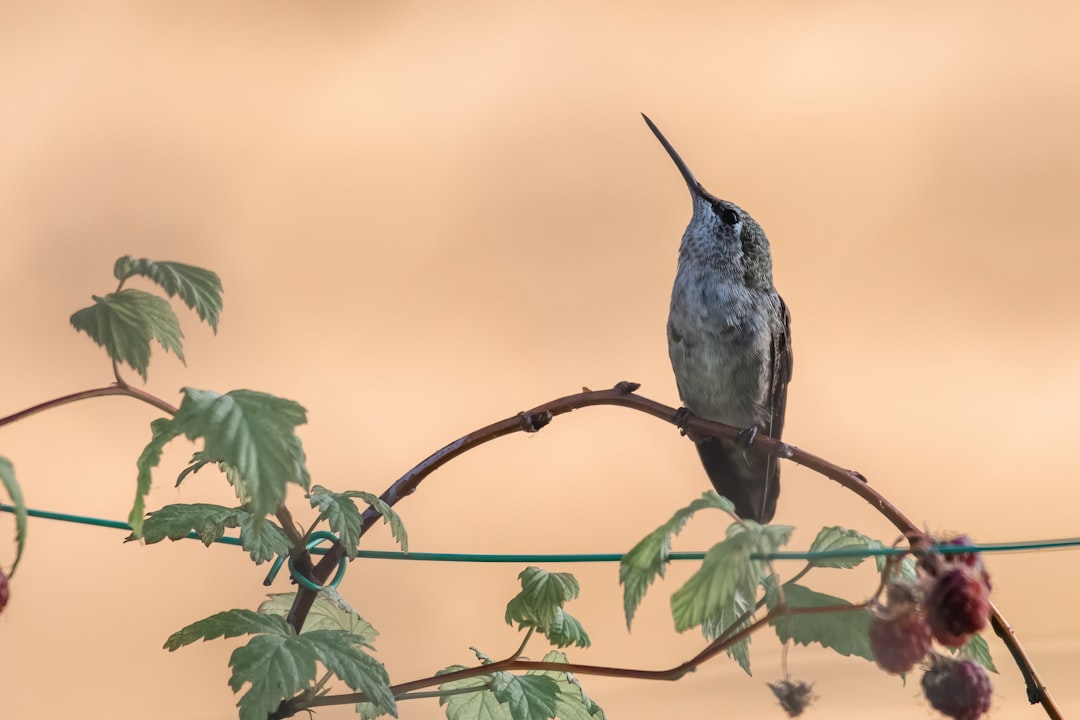
Picture this: you’ve spent weeks preparing your garden to become a hummingbird paradise. You’ve planted the most gorgeous red flowers, set up multiple feeders with perfect sugar water, and arranged everything just so. But week after week, you sit by your window and see nothing but empty air where you imagined those tiny jeweled wings would be dancing. Before you start questioning whether hummingbirds even exist in your area, there’s one critical mistake that could be turning your dream garden into an avian no-fly zone – and it might be hiding in plain sight.
#17. Placing Feeders Too Close to Windows
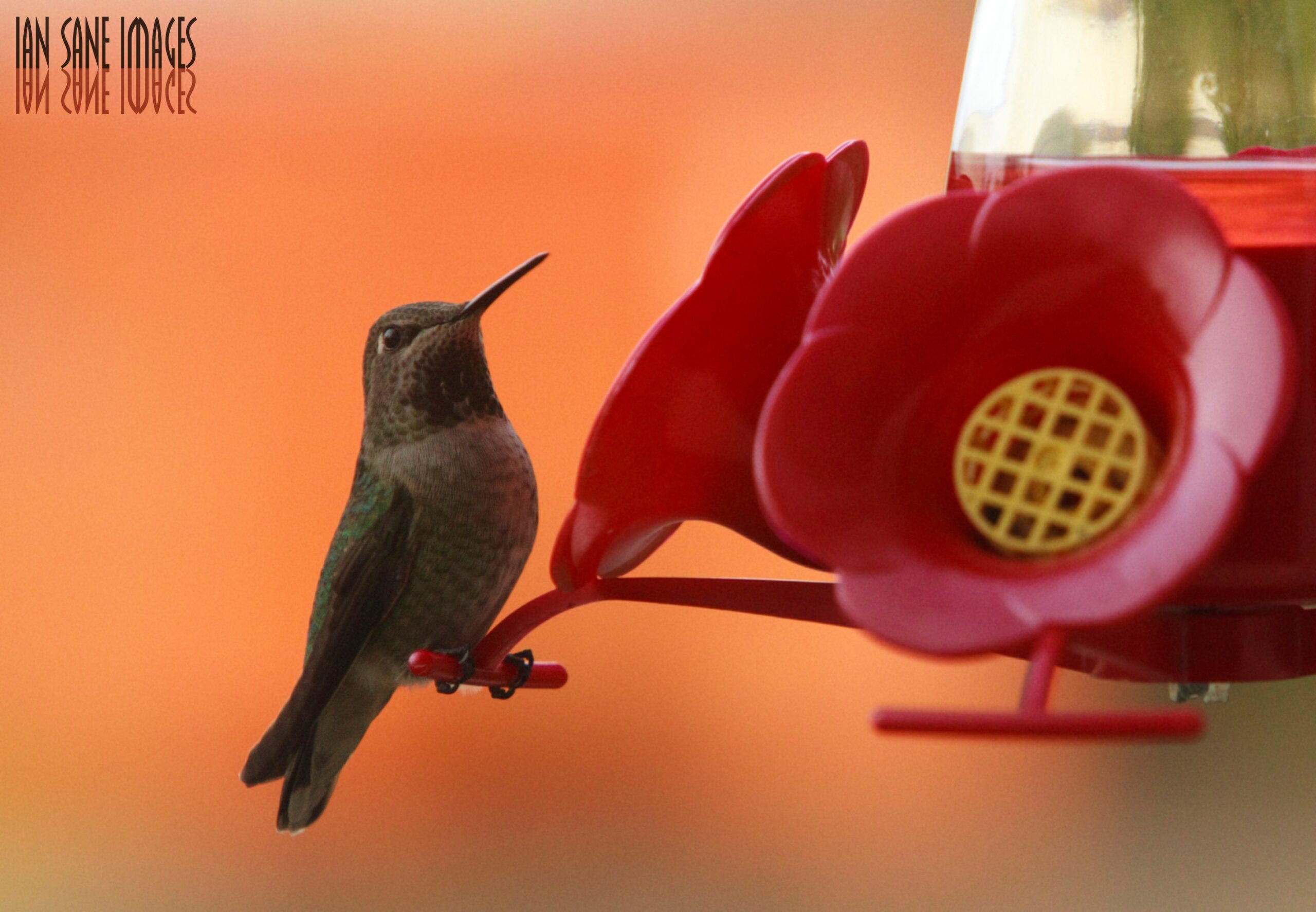
One of the most dangerous yet innocent mistakes gardeners make is positioning their feeders right next to windows for the best viewing experience. This seemingly perfect setup creates a deadly trap for these lightning-fast fliers.
Even more than other birds, hummingbirds are particularly vulnerable to collisions with windows. Often such impacts are fatal to hummingbirds. The recommended distance is either within 3 feet or more than 30 feet away from windows to prevent these tragic accidents.
Read more on hummingbirds: The #1 Reason Vets Say Hummingbirds Are Avoiding Your Garden
#16. Ignoring Migration Timing

Many enthusiastic gardeners set up their hummingbird attractions at completely the wrong time of year. You might be waiting for hummingbirds to visit your garden at the wrong time. Research their migration patterns to make sure you’re prepared when the time is right.
The timing varies dramatically depending on your location, and missing this window means missing an entire season of potential visitors. Many bird species, including hummingbirds, migrate to locations with warmer weather in the colder months. “Once the temperatures start to dip and most of the birds have begun their southward migration, it’s best to pull down the hummingbird feeders for the season,” Kincaid adds. However, removing feeders too early can actually harm late migrants who desperately need the energy boost.
#15. Using Oversized Feeders
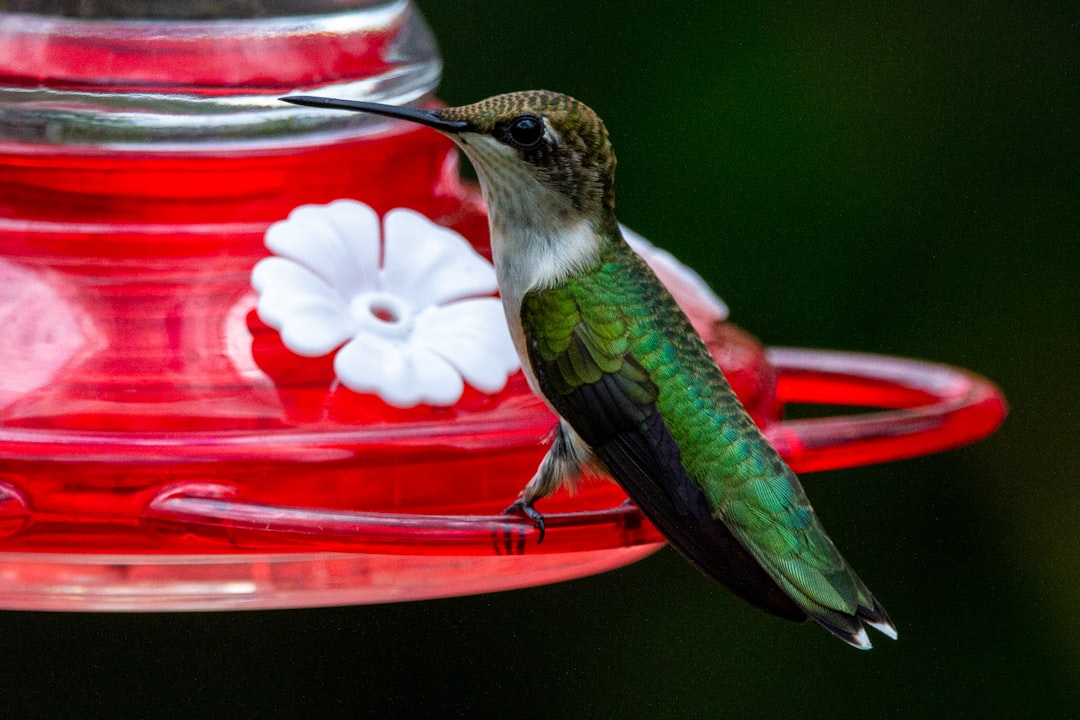
It might be tempting to think that bigger is better but experts recommend smaller feeders to minimize throwing out spoiled nectar. “Go with feeders on the smaller size to start with, or you may end up wasting too much nectar,” says Gail Karr, curator of special animal exhibits at the Memphis Zoo.
Large feeders might seem like they’d attract more birds, but they often lead to waste and potentially dangerous situations. When nectar sits too long in oversized containers, it becomes a breeding ground for harmful bacteria and mold that can seriously sicken visiting hummingbirds.
#14. Adding Red Dye to Nectar
One of the most persistent myths in hummingbird feeding is that red dye attracts more birds. The truth is, artificial coloring is unnecessary and potentially harmful to these delicate creatures. The red color on your feeder is sufficient to attract hummingbirds, and the only nectar recipe you need is a simple 4:1 ratio of water to plain white sugar.
The misconception that artificial coloring helps has led countless well-meaning people to potentially poison the birds they’re trying to help. Natural flower nectar is completely clear, not bright red, and hummingbirds have evolved to find it just fine without any artificial enhancement.
#13. Poor Feeder Placement Strategy
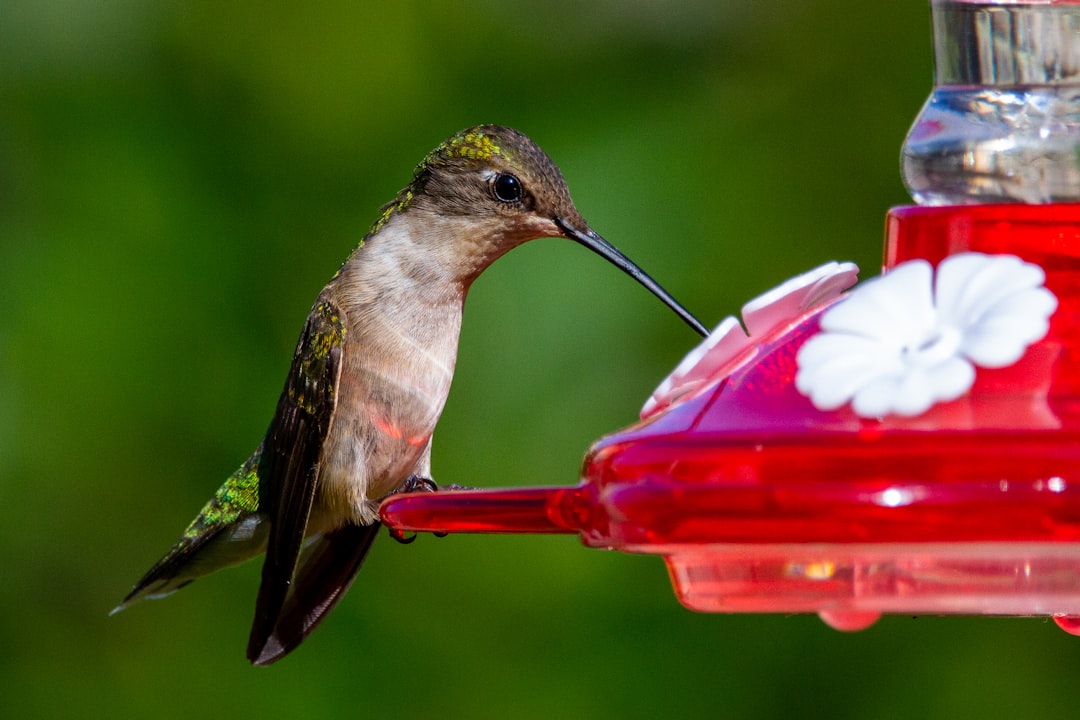
Many watchers place feeders in locations convenient for human viewing but unsuitable for hummingbirds. Feeders should be placed away from direct sunlight, protected from wind, and near natural perches. Remember to position them at least 10-15 feet apart to prevent territorial birds from monopolizing all feeding stations.
Strategic placement goes beyond just avoiding windows – it means thinking like a hummingbird. They need shelter from predators, protection from harsh weather, and multiple escape routes in case of danger. A feeder hanging in the middle of an open lawn might look nice to you, but it feels like a target to a tiny bird.
#12. Inadequate Cleaning Schedule
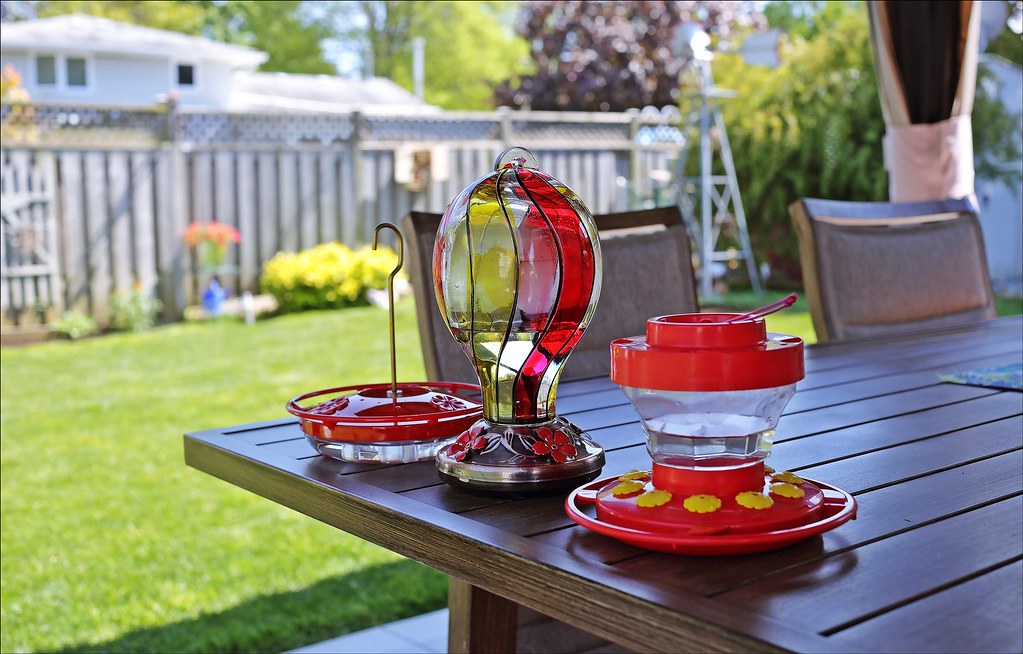
The difference between a sparkling clean feeder and one that’s been neglected for weeks can literally mean life or death for hummingbirds. Dirty feeders can harbor harmful bacteria and mold that can make hummingbirds sick. In hot weather, feeders should be cleaned every 2-3 days, while in cooler weather, they can go 4-5 days between cleanings.
Many people assume that simply refilling the nectar is enough, but that’s like washing dishes by just adding more food on top. Once bacteria starts growing, it requires hot soapy water and thorough scrubbing to eliminate the health risks.
#11. Wrong Nectar Concentration
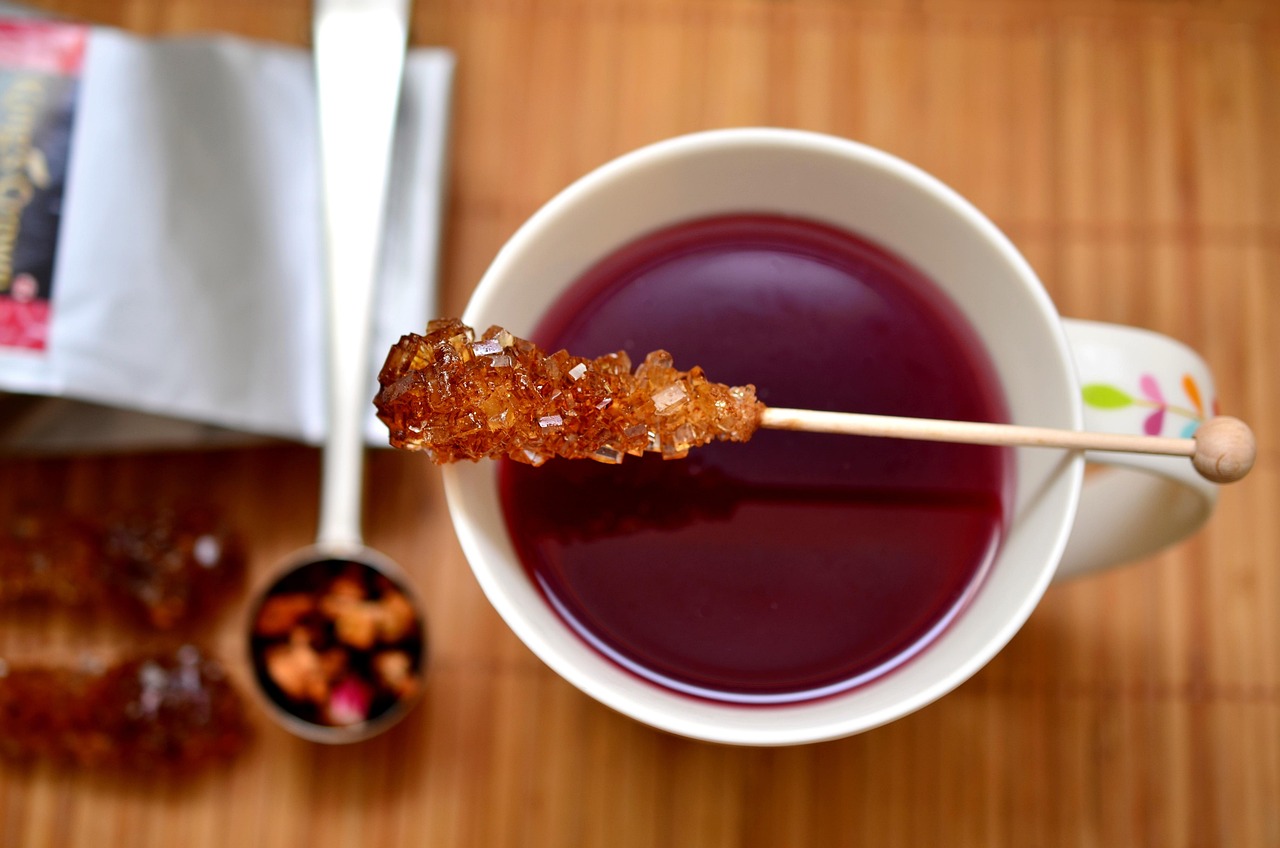
The standard recipe for homemade hummingbird nectar is four parts water to one part sugar. So, depending on how big your feeder it, that could be two cups of water for every half cup of sugar or four cups of water to one cup of sugar. Straying from this proven formula can create serious problems.
Too weak, and the birds won’t get enough energy to sustain their incredibly fast metabolisms. Too strong, and you risk dehydrating them or causing digestive issues. This ratio has been tested and perfected over decades of research – there’s no need to reinvent it.
#10. Using Alternative Sweeteners
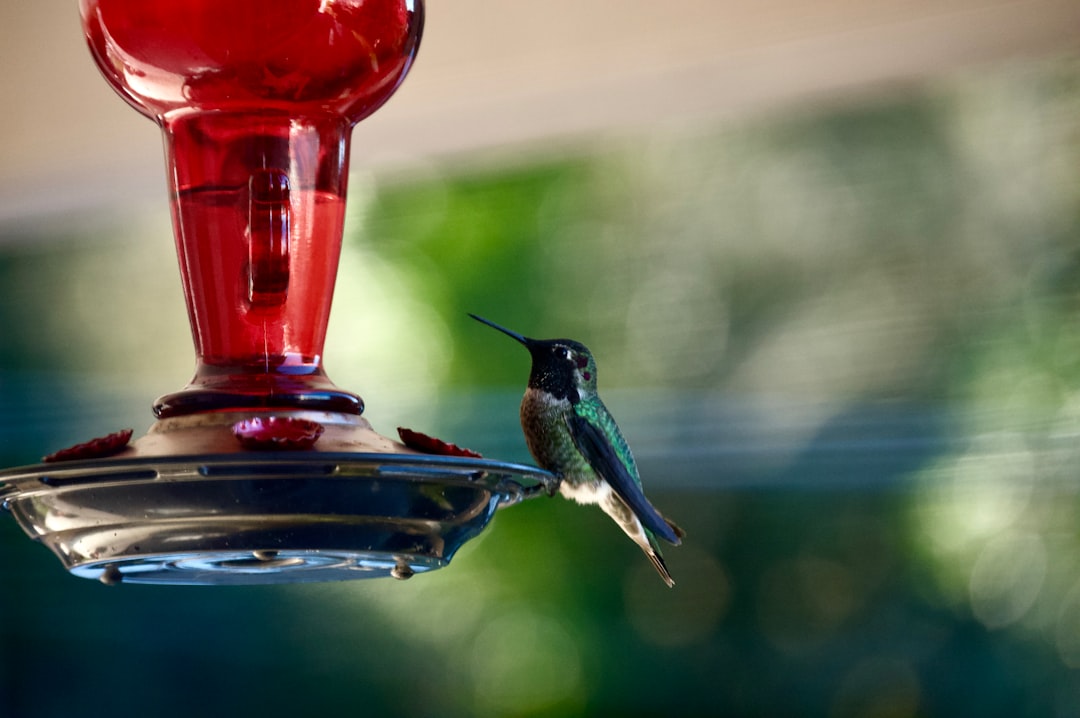
Honey and maple syrup have soared in popularity with “no sugar added” becoming a frequent selling point for cereals and sweets. With hummingbirds, though, the National Audubon Society advises sticking with refined sugar. Honey, when diluted with water, can cause fungus growth.
What sounds healthy for humans can be deadly for hummingbirds. Brown sugar, organic alternatives, and artificial sweeteners all pose unique risks ranging from harmful iron levels to digestive disruption. Plain white granulated sugar remains the gold standard for a reason.
#9. Removing Feeders Too Early in Fall
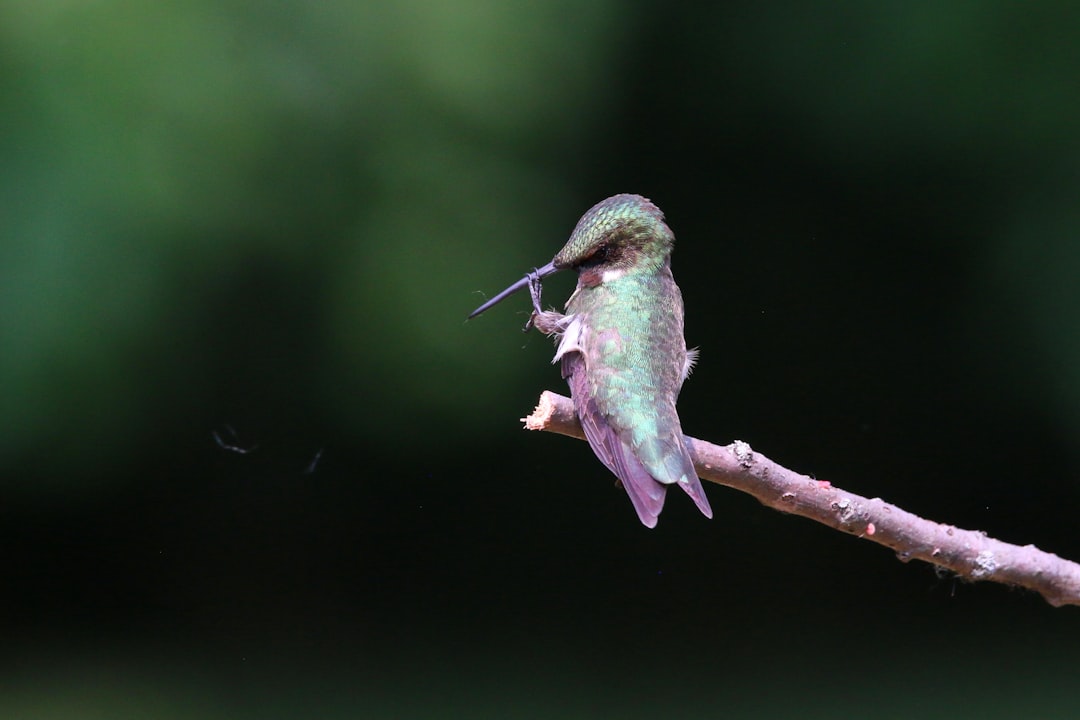
Many people remove feeders too early in fall, thinking they’ll prevent birds from migrating. Hummingbirds migrate based on daylight hours, not food availability. Keep feeders up for at least two weeks after seeing your last hummingbird to help late migrants and stragglers on their journey south.
The fear that feeders will somehow confuse birds into staying too long is completely unfounded. Migration is triggered by ancient genetic programming tied to daylight changes, not the availability of easy food. Late-season feeders can provide crucial fuel for birds making the dangerous journey south.
#8. Having Only One Feeder
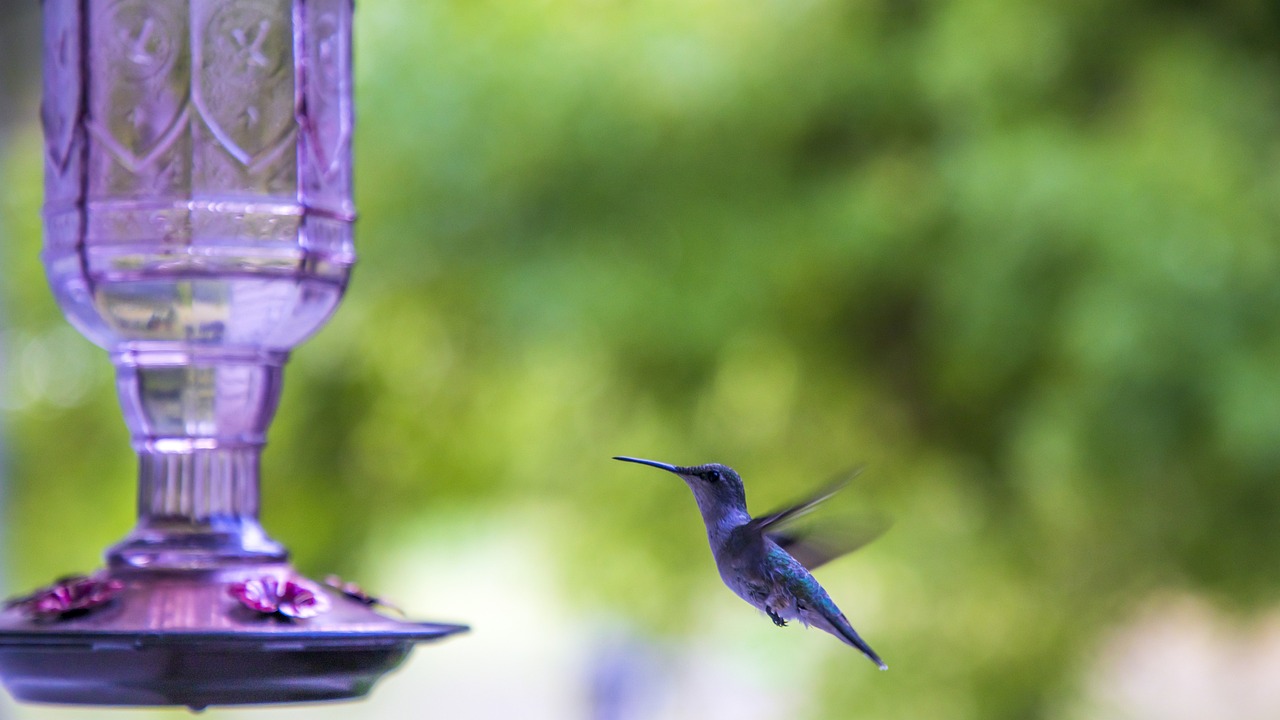
A simple mistake is to only have one hummingbird feeder in your yard. Often, one particular hummingbird will claim a feeder, preventing other birds from also enjoying the nectar. These birds can be territorial about food and aggressively chase away their competition.
Hummingbirds might look delicate, but they’re fierce warriors when it comes to food sources. A single dominant bird can turn your peaceful garden into a war zone, effectively excluding all other visitors. Multiple feeders placed strategically around your space give everyone a chance to eat in peace.
#7. Planting Wrong Flower Types
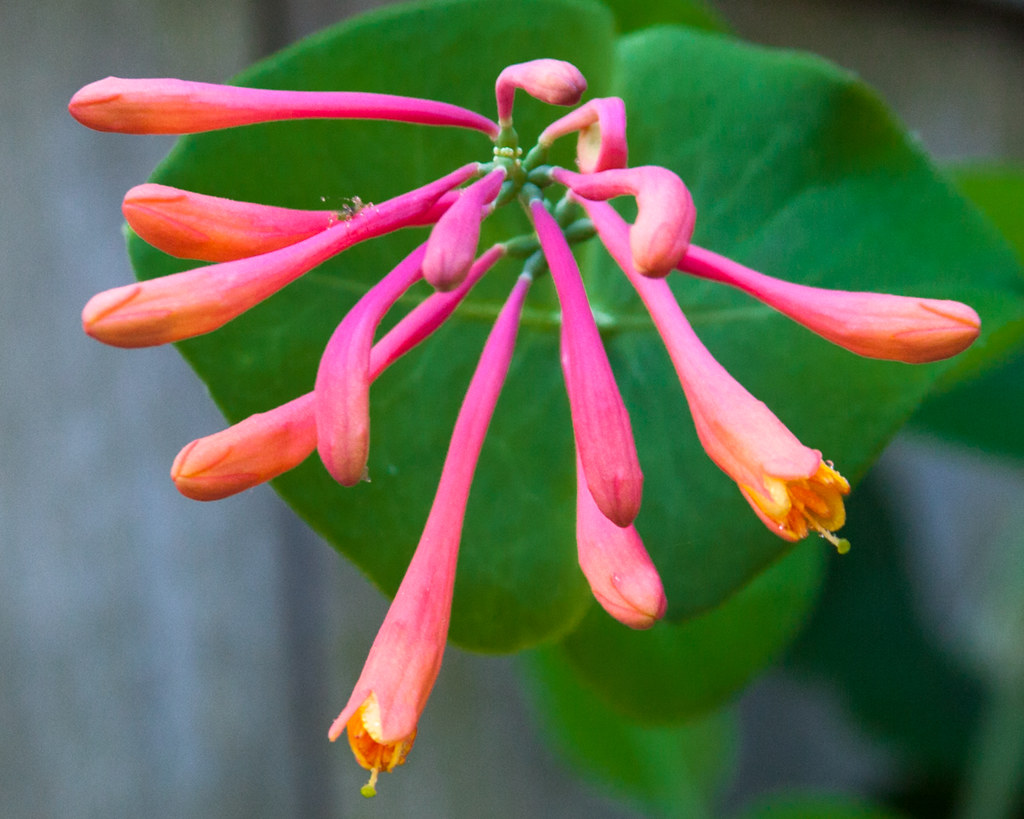
Keep in mind that cultivated varieties of impatiens and rhododendrons may look promising, but have little value to hummingbirds; these are selected for flower size, color, and shape, but are not good nectar producers. Just because a flower is red doesn’t mean it’s helpful.
Read: The 5 Must-Plant Flowers That Will Have Hummingbirds Flocking to Your Garden
Many ornamental plants have been bred for visual appeal rather than nectar production, leaving hungry hummingbirds with beautiful but empty flowers. Red, non-tubular flowers such as roses and geraniums may lure hummingbirds with their blooms, but they offer little nectar, so the birds quickly reject them. Flowers that rely on sweet scents to attract insect pollinators usually do not provide a nectar source for hummingbirds.
#6. Ignoring Native Plant Requirements
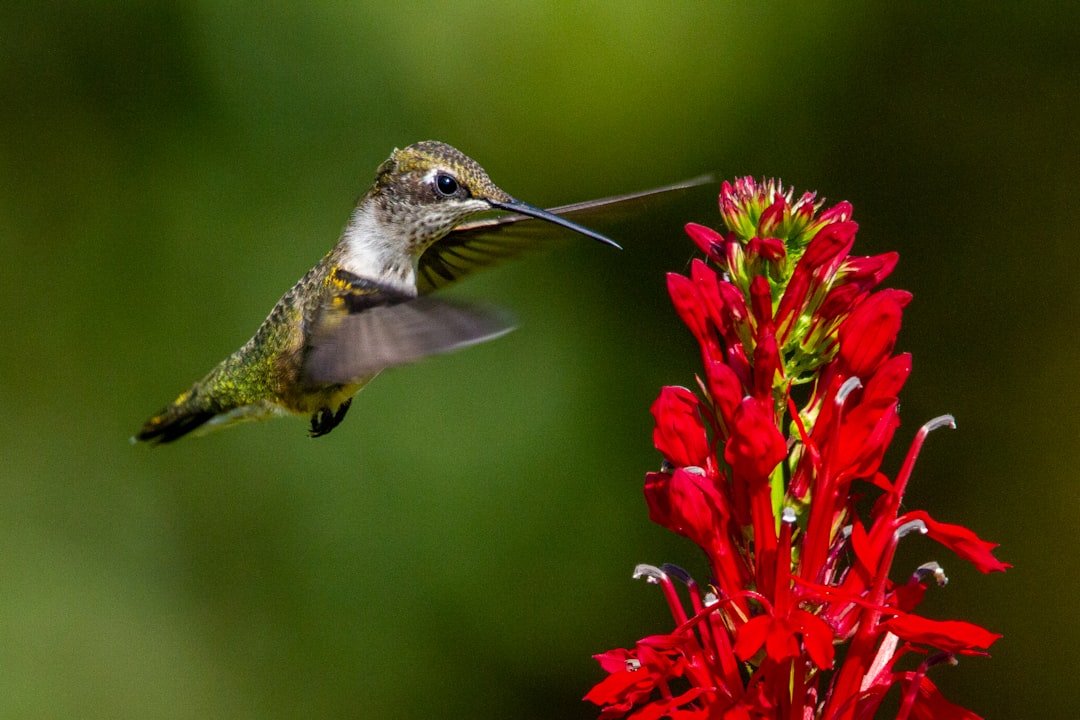
When considering your plant choices, gardening expert Tony O’Neill tells us that it’s extremely important to consider taking the approach of a native planting. “They are a must for a hummingbird garden because they are adapted to the local climate and provide natural food sources for the birds,” he notes.
Native plants aren’t just politically correct gardening – they’re evolutionarily matched to local hummingbird species. These plants and birds have developed together over thousands of years, creating perfect partnerships for nutrition and timing. Many experienced watchers forget to plant native flowers that provide natural nectar and attract insects, which hummingbirds need for protein. Consider planting trumpet honeysuckle, cardinal flower, or bee balm to create a more complete habitat.
#5. Allowing Cats to Roam Free
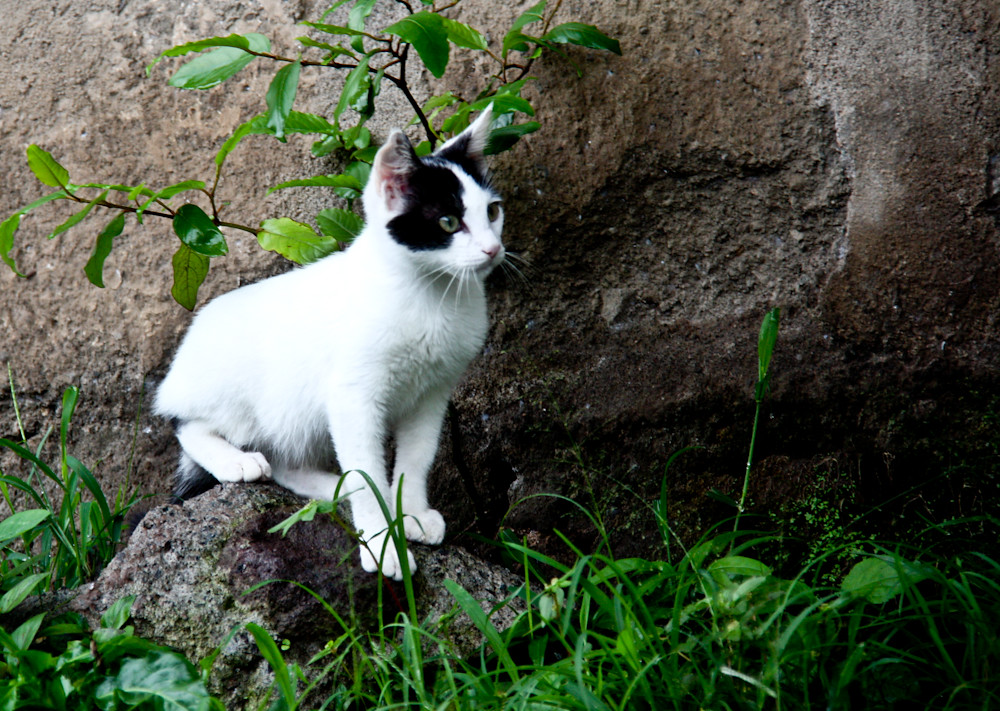
Unfortunately, hummingbirds do not get along with our furry friends. If you have cats in your yard, there’s a chance they’re scaring away hummingbirds (and other birds, too). “It is important to keep cats out of your garden. Estimates are that domesticated cats kill between 1.3 and 4.0 billion birds in the U.S. every year,” says Madar.
Even well-fed house cats retain their hunting instincts, and hummingbirds are particularly vulnerable due to their size and feeding behavior. The presence of cats doesn’t just create direct danger – it creates a stress environment that can drive birds away from even the most perfectly designed garden.
#4. Inconsistent Food Sources
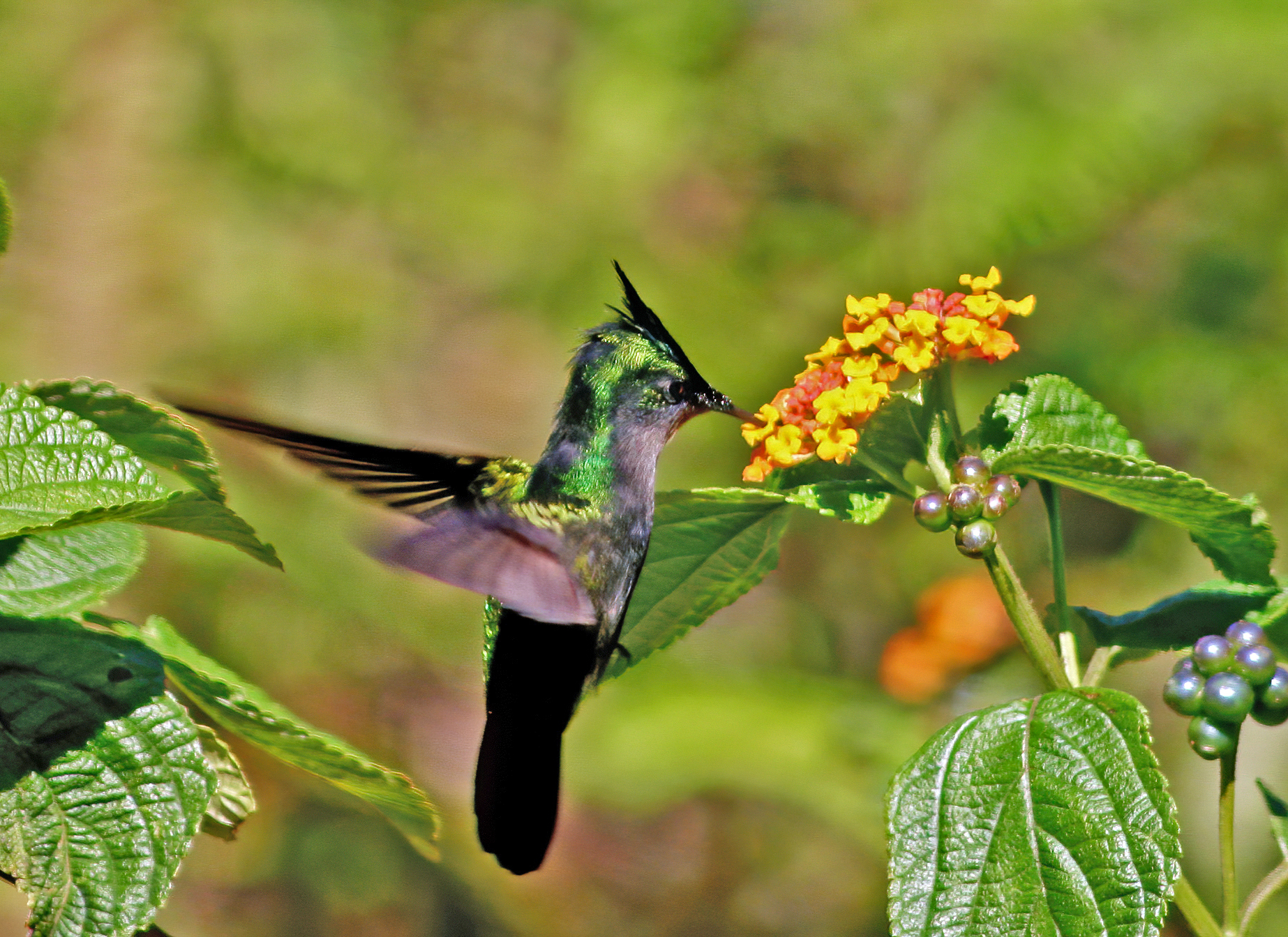
Probably the number one reason hummingbirds are not visiting is they don’t see your garden as offering enough food sources. If you are trying to attract hummingbirds without feeders, you need to have a good number of plants, and they should be blooming throughout the spring, summer and early fall,” says Alice Madar, executive director at International Hummingbird Society.
Despite their small size, they eat a lot. These jewel-feathered whirling dervishes eat half their body weight in bugs and nectar each day, according to the National Audubon Society. That’s the equivalent of visiting more than 1,000 flowers. A garden that only provides food for a few weeks each season simply can’t support these energy-intensive birds.
#3. Lack of Water Features
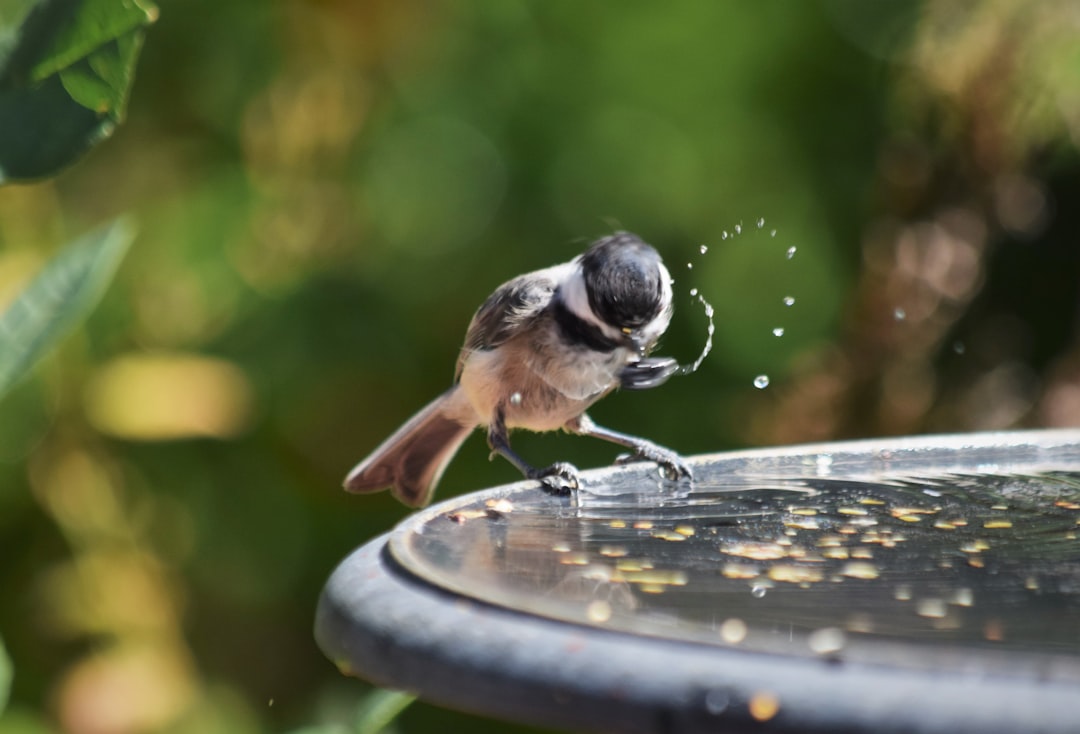
Give hummingbirds a place to bathe and hydrate in your garden. “It’s important to have a shallow, slow-moving water feature in your yard – something like a bubbler or gentle waterfall. Hummingbirds also love water misters,” says Madar.
Most gardeners focus entirely on food and forget that these tiny birds have substantial water needs. Hummingbirds need more than just nectar – they love to bathe and play in moving water. A misting device or a shallow fountain with moving water can attract these birds and provide them with necessary bathing opportunities. The sound of moving water also helps attract passing hummingbirds to your yard. The gentle sound of moving water acts like a dinner bell, drawing birds from surprising distances.
#2. Not Providing Adequate Shelter
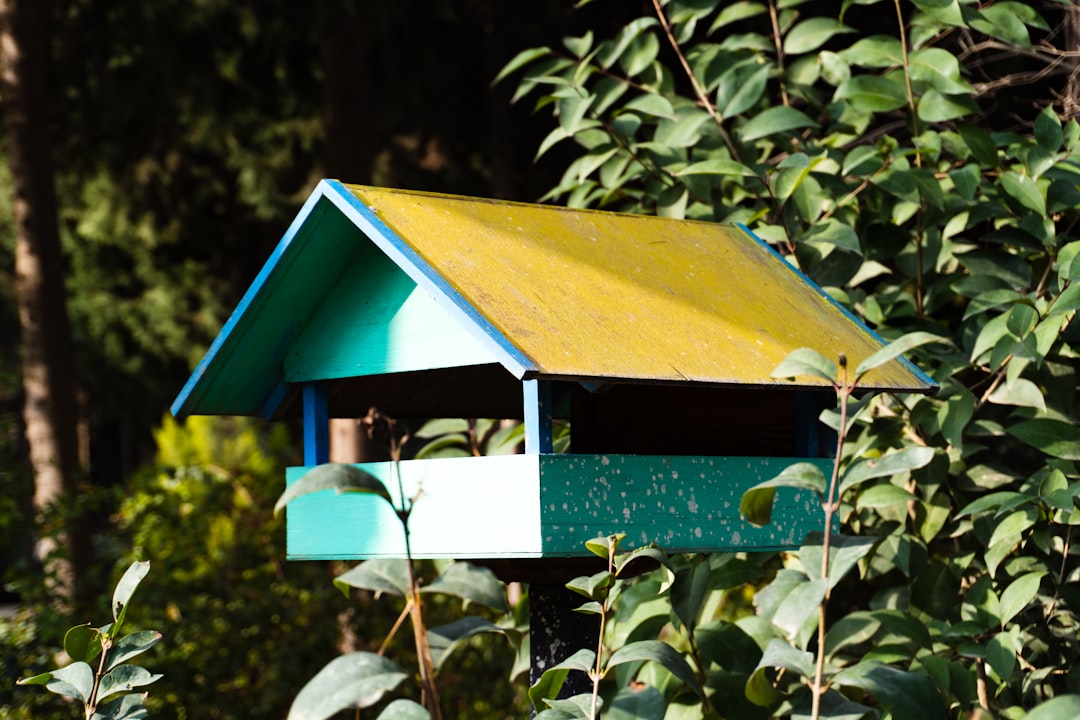
Due to their small size, hummingbirds appreciate a safe atmosphere. “Hummingbirds don’t really like coming to an isolated food source in the middle of open ground. They’ll more easily visit areas which feel more protected – near some trees or a wall or some sort of continuous habitat,” says Shankar.
Even the most abundant food sources won’t attract birds if they feel exposed and vulnerable. These tiny creatures need perching spots for rest, shelter from wind and rain, and most importantly, nearby escape routes when predators appear. A feeder hanging in an open field might seem welcoming to humans, but it feels like a death trap to a bird that weighs less than a penny.
#1. Using Pesticides and Chemicals

Here’s the devastating truth that most gardeners never realize: Research by scientists at the University of Saskatchewan found that songbirds exposed to neonicotinoid insecticides for even a short period of time can disrupt the high-powered metabolism of this important and charismatic animal. This isn’t just about killing insects – it’s about slowly poisoning the very birds you’re trying to attract.
Within two hours of exposure to the pesticides, hummingbird metabolism dropped significantly. While the control group increased energy expenditure between 1% to 7%, the low exposed group displayed a 6% average decline, the medium a 10% decline, and the high exposure group showed 25% reduced energy expenditure. For birds that need to consume their body weight in food daily just to survive, this metabolic disruption can be fatal. But wildlife and pollinators don’t coexist well with harmful chemicals. If you want the joy of observing hummingbirds in your backyard, stay away from using broad-spectrum pesticides, which indiscriminately kill all insects in your yard, including beneficial ones and pollinators.
Conclusion
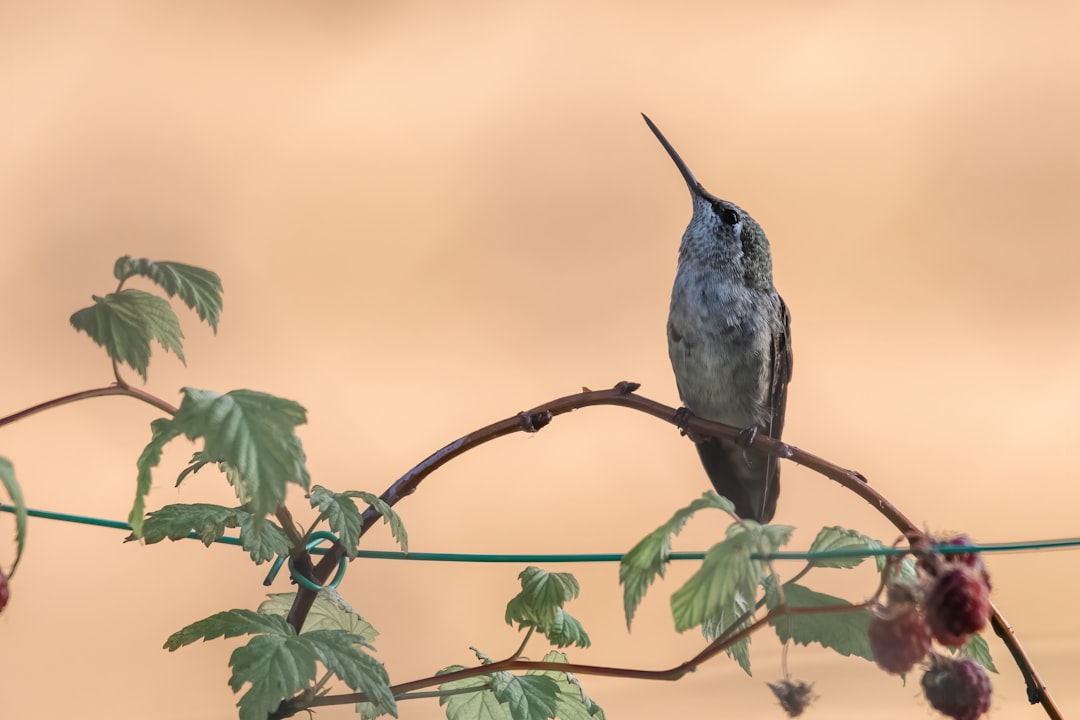
The path to a thriving hummingbird garden isn’t about perfection – it’s about understanding what these remarkable creatures truly need. From the obvious dangers like window strikes and dirty feeders to the hidden killers like pesticide contamination, each mistake represents a barrier between you and these aerial jewels.
The most successful hummingbird gardens share one crucial characteristic: they prioritize the birds’ needs over human convenience. This means accepting a few aphids instead of spraying chemicals, placing feeders where birds feel safe rather than where you have the best view, and maintaining consistent food sources even when life gets busy.
Remember, you’re not just creating a backyard attraction – you’re providing a lifeline for creatures facing habitat loss, climate change, and countless other modern challenges. Every pesticide-free flower, every clean feeder, and every safe perching spot contributes to the survival of species that have been enchanting humans for millennia.
When you finally see that first hummingbird hover at your feeder, wings beating so fast they’re just a blur, you’ll know that your garden has become more than just a pretty space. It’s become a sanctuary. And honestly, isn’t that worth skipping the chemicals?
Read: 15 Things Vets Wish You Would Stop Doing To Attract Hummingbirds To Your Garden
