


There’s something almost heartbreaking about this reality. We love our dogs so fiercely, yet some of our most cherished breeds can pose real challenges around children. The pet industry keeps booming, families keep choosing these breeds, but the uncomfortable truth remains: not every popular dog is cut out for family life with little ones.
The Mighty Rottweiler – Gentle Giant With Trust Issues

Rottweilers account for around 10 percent of fatal dog attacks annually despite their reputation as devoted family guardians. These muscular powerhouses can weigh up to one hundred thirty pounds, making their protective instincts potentially dangerous around small children. Rottweilers are naturally protective of their families. While they are affectionate with those they know, they often see strangers as threats.
The challenge isn’t their size alone – it’s their discriminating nature. Your Rottie might adore your toddler but view the neighbor kid as an intruder worth confronting. This breed does not like strangers or unpredictability which can provoke its instinct, making playdates a minefield of potential issues.
German Shepherds – Smart, Strong, and Sometimes Scary
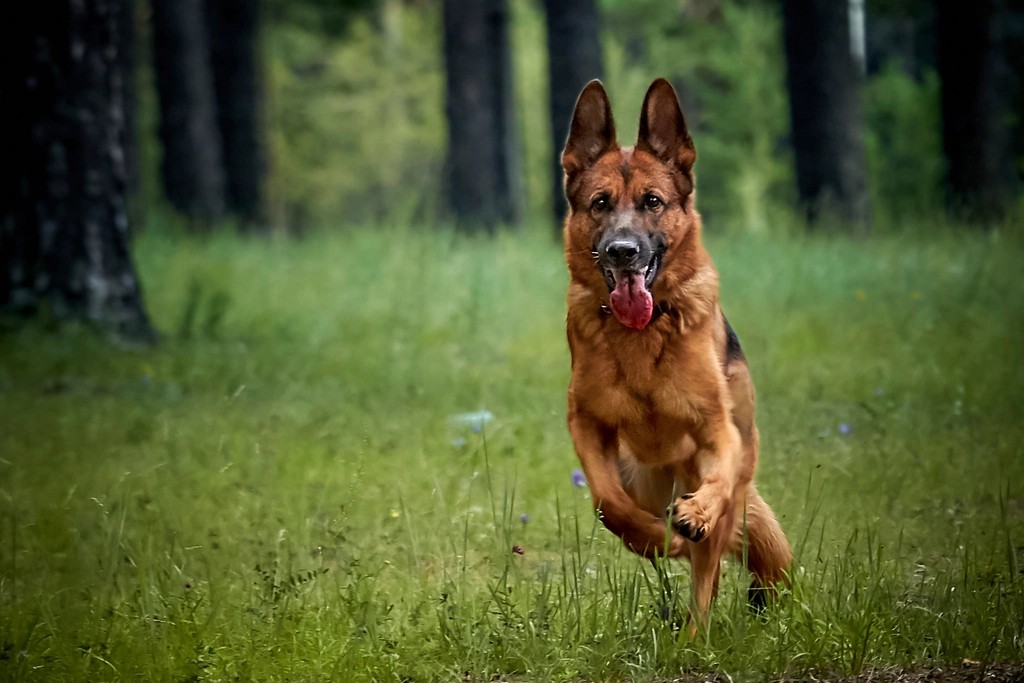
They are intelligent, powerful, strong, and dangerous dogs able to inflict deadly attacks. German shepherds tend to be aggressive and territorial. These working dogs were literally bred to be “living fences” and their protective programming runs deep. When your five-year-old’s friend runs screaming through your backyard, your German Shepherd might interpret this as a threat requiring immediate action.
Shepherds are incredibly smart but can be considered dangerous if they’ve been mistreated or untrained and are around children that do not understand dog behavior. Their intelligence becomes a double-edged sword – they’re smart enough to make split-second decisions about threats, but not always wise enough to distinguish between play and danger.
Chow Chows – Teddy Bears With Attitude Problems
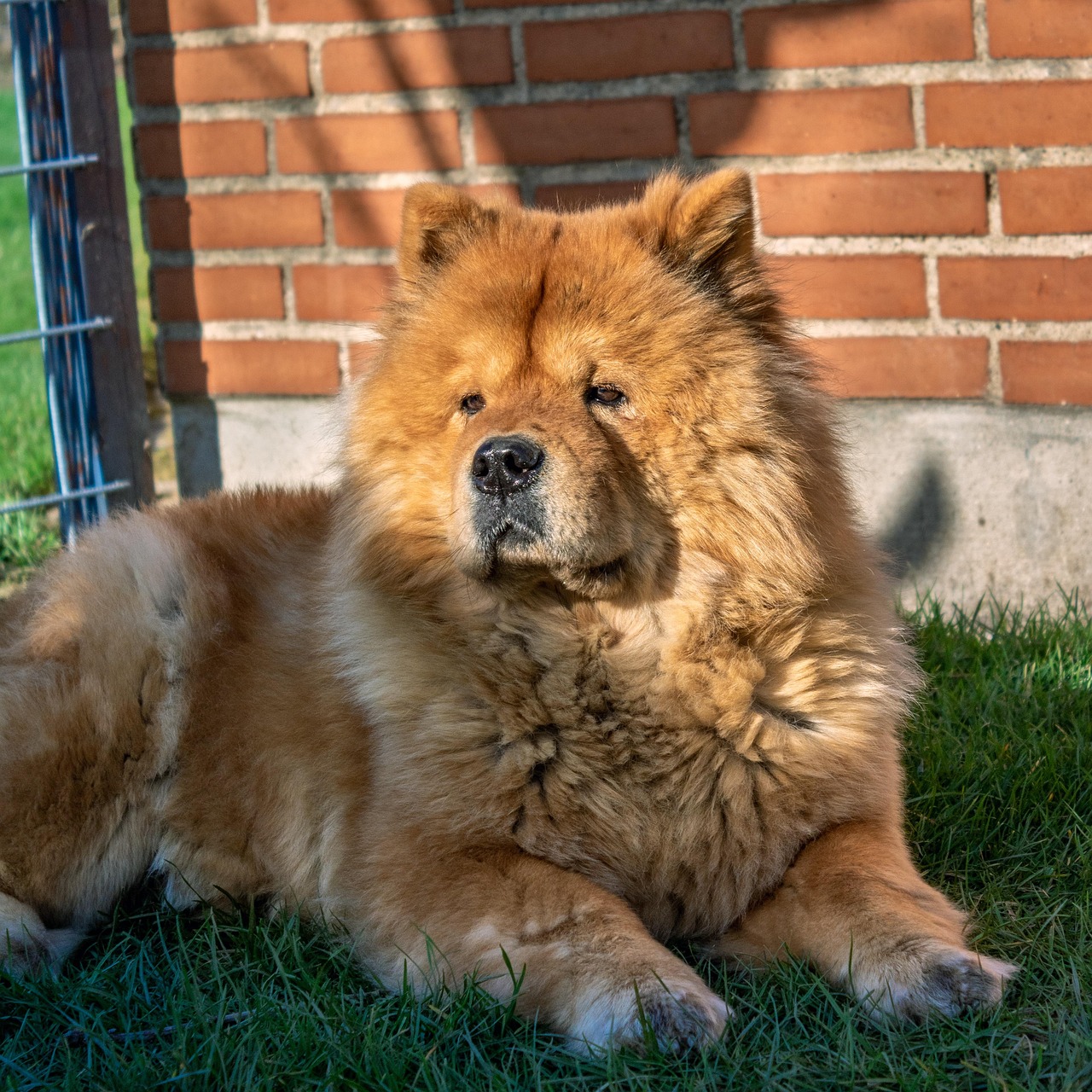
Don’t let that fluffy, lion-like appearance fool you. While the Chow Chow might look like a cuddly teddy bear, this breed is known for being highly territorial and independent. These ancient Chinese dogs were bred for guarding, hunting, and hauling supplies – not snuggling with toddlers who pull ears and steal toys.
Their territorial instincts make them protective of their family but untrusting of strangers, including unfamiliar children. Without careful handling, they can become aggressive, especially when startled or provoked. A child’s sudden movement or high-pitched squeal can trigger their defensive mechanisms faster than you can say “gentle.”
Siberian Huskies – Beautiful but Brutally Unpredictable
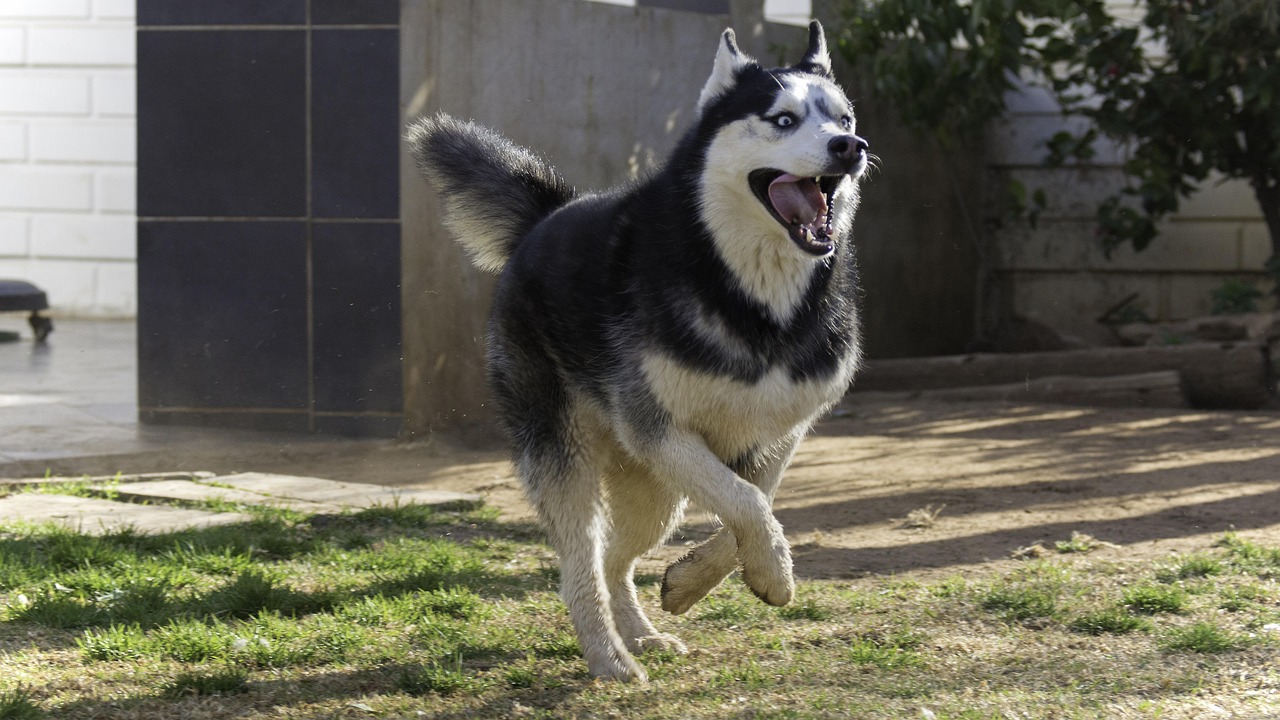
Siberian Huskies can have unpredictable personalities, and children and strangers should be cautious when approaching them. Though these sled dogs are known for their friendly and playful nature, Siberian huskies are occasionally involved in serious dog attacks, particularly on children. Their wolf-like appearance isn’t just for show – these dogs retain strong predatory instincts.
The real problem? Their endless energy and intelligence require daily physical and mental stimulation, or they may become frustrated and act out aggressively. A bored Husky around energetic kids is like mixing gasoline with matches. Their rough play style and powerful build make them unsuitable for families with small children, even when they mean well.
Chihuahuas – Small Dogs, Big Attitudes

Chihuahuas tend to be intolerant of boisterous children and are often nippy. If they aren’t in the mood for kids, they’ll show it by nipping. These tiny dictators might look harmless, but their Napoleon complex runs deep. They often form a strong attachment to one family member, and some don’t seem to be interested in being nice to anyone else.
The problem multiplies when you realize how fragile they are. Chihuahuas are very small and will be very sensitive to rough handling. These fragile dogs need a more relaxed environment. One enthusiastic hug from a four-year-old could seriously injure these pocket-sized warriors, making them defensive and snappy around children.
Akitas – Serious Dogs for Serious Families Only
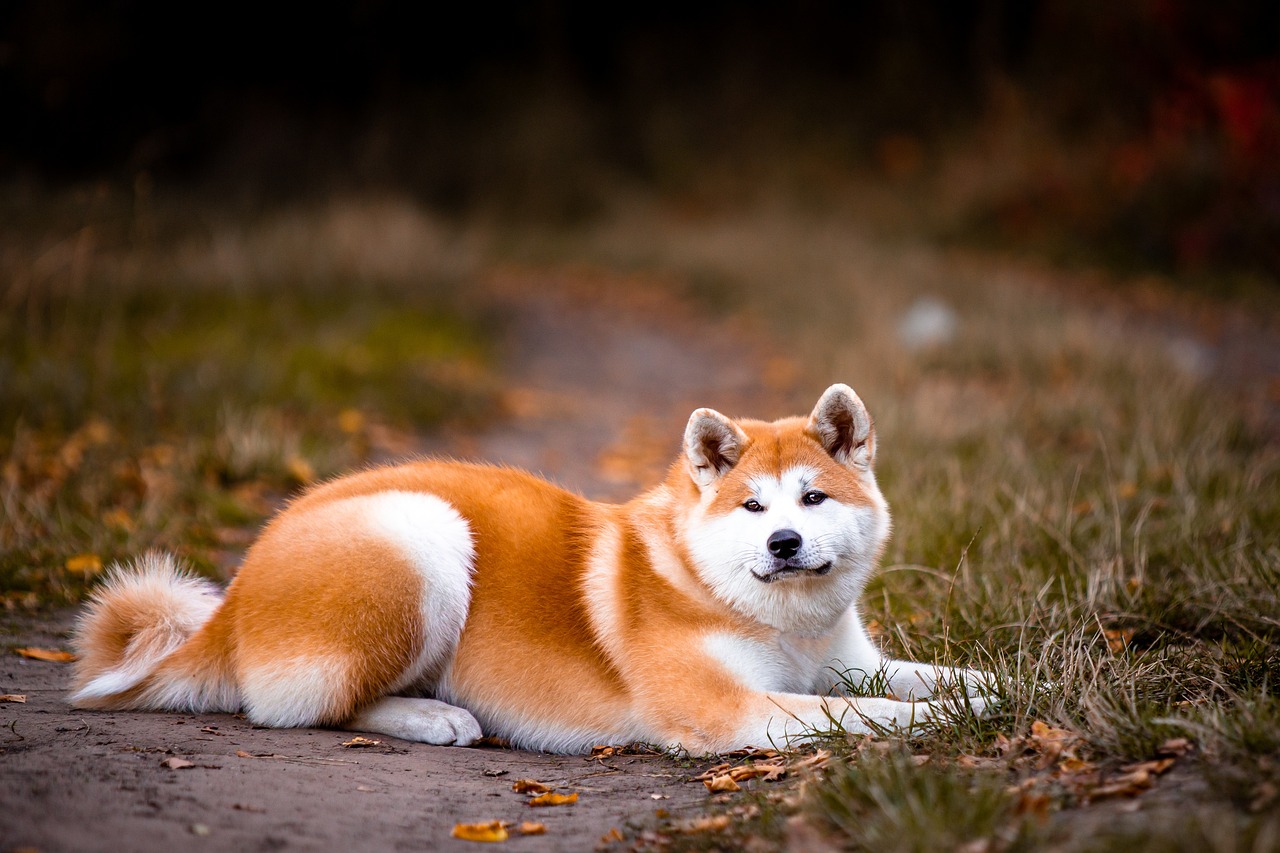
The serious Akita might not make the best playmate for your kids. Because Akitas are stern and somber, they don’t tolerate silliness or teasing very well. If they think the children are being too erratic, they might not respond appropriately. These Japanese guardians treat life like a military operation – fun and games aren’t in their programming.
Their protective instincts create another layer of complexity. An Akita might be protective of children in your family but dislike outsiders, which can be dangerous for guests. Birthday parties become potential combat zones when your Akita decides little Timmy from next door poses a threat to their beloved child.
Pekingese – Royal Attitudes in Tiny Packages
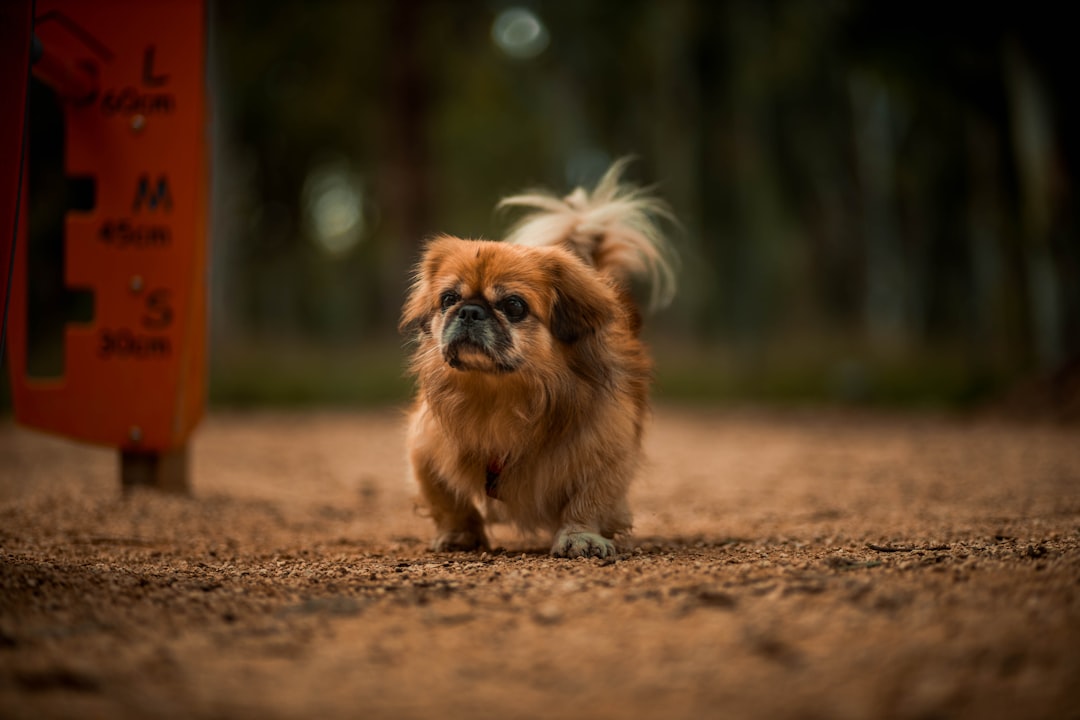
Experts describe Pekingese as a “small dog breed” that tends to use different tactics to appear “big and scary” when they feel threatened, including “biting and yipping”. Pekingese also don’t react well to prodding, poking, and tail pulling, and tend to get possessive over food, toys and their caregivers. These former palace dogs haven’t forgotten their royal heritage and expect to be treated accordingly.
Children naturally explore through touch, but Pekingese view this as disrespect worthy of punishment. Their short fuses and territorial nature make them poor companions for households with multiple children or frequent young visitors. When a five-year-old tries to pet them, these little emperors often respond with royal rage.
Chesapeake Bay Retrievers – Retrievers With a Dark Side
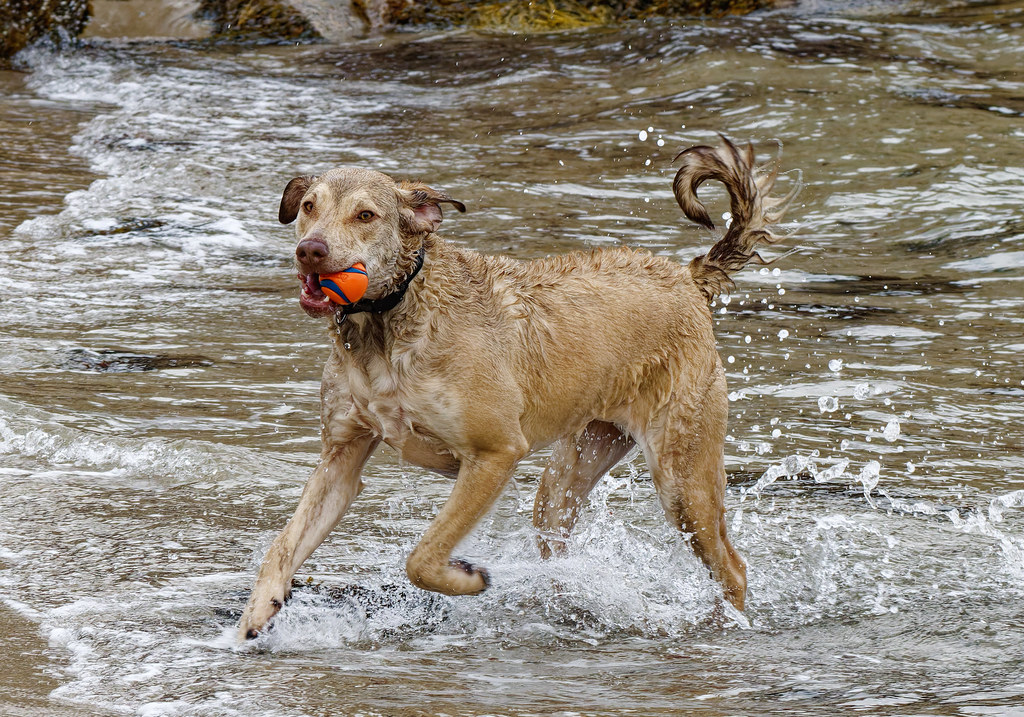
They are known not to do well with unfamiliar dogs and may not be great around small animals. In addition, they can demonstrate aggression towards strangers and may snap unprovoked. They are also guardians of their toys and possessions, which puts a kid at risk if they accidentally walked up and took something away. Unlike their mellow Labrador cousins, Chessies have serious territorial issues.
Their resource guarding behavior makes them particularly unsuitable for homes with children. Kids naturally grab things, move toys around, and invade personal space – all triggers for a Chesapeake Bay Retriever’s defensive responses. The experts at The Spruce Pets reiterate that Chessies are “serious dogs with serious work ethics” and develop intense loyalty towards the people they know well, but are also very protective of their humans.
Bullmastiffs – When Love Hurts (Literally)
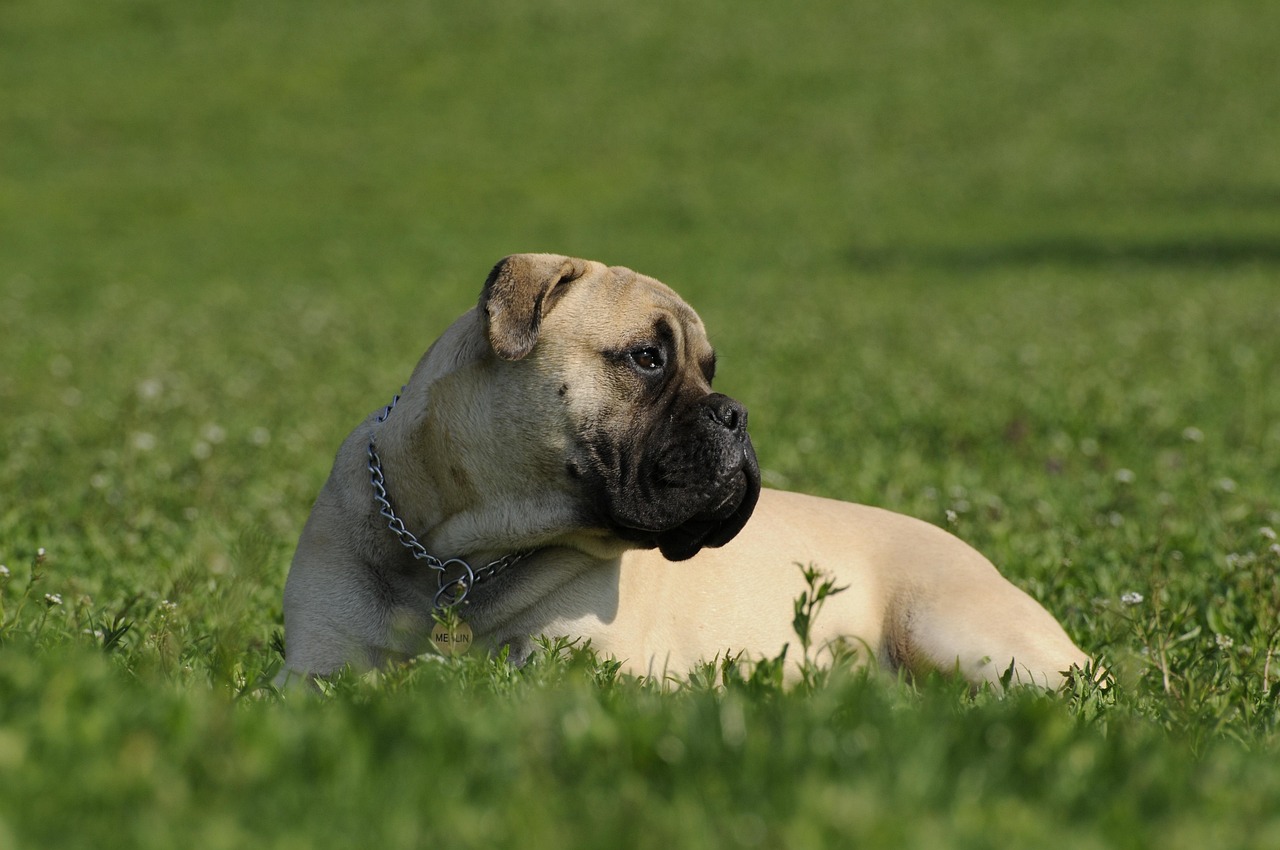
Though good-natured and sweet, their size can cause trouble around small children. It’s very likely for a 100-pound excited Bullmastiff to cause a toddler to tumble over and be injured. “Best to wait for the children to get bigger and more surefooted before considering this breed”. These gentle giants mean well, but their enthusiasm can literally flatten small humans.
Though they tend to be calm and gentle with pet owners and their families, bullmastiffs can show aggressive guard dog tendencies toward strangers or other animals. Their protective nature, combined with their massive size, creates a perfect storm around children’s friends and visitors. One wrong move from an unfamiliar child could trigger their guardian instincts.
Greyhounds – Nervous Speedsters

Greyhounds don’t enjoy chaos or erratic behavior. A small child might startle a Greyhound often, which can lead to nervous tendencies and potential biting. They aren’t aggressive dogs, but do spook easily. These retired racers prefer the quiet life, not the chaotic symphony of childhood.
Greyhounds prefer a low-key approach to life, often making them less compatible with noisy households. Children run, scream, laugh loudly, and move unpredictably – everything that makes a Greyhound’s anxiety spike. Their flight-or-fight response often leans toward fight when cornered by well-meaning but overwhelming young humans.
Alaskan Malamutes – Arctic Wolves in Dog Suits
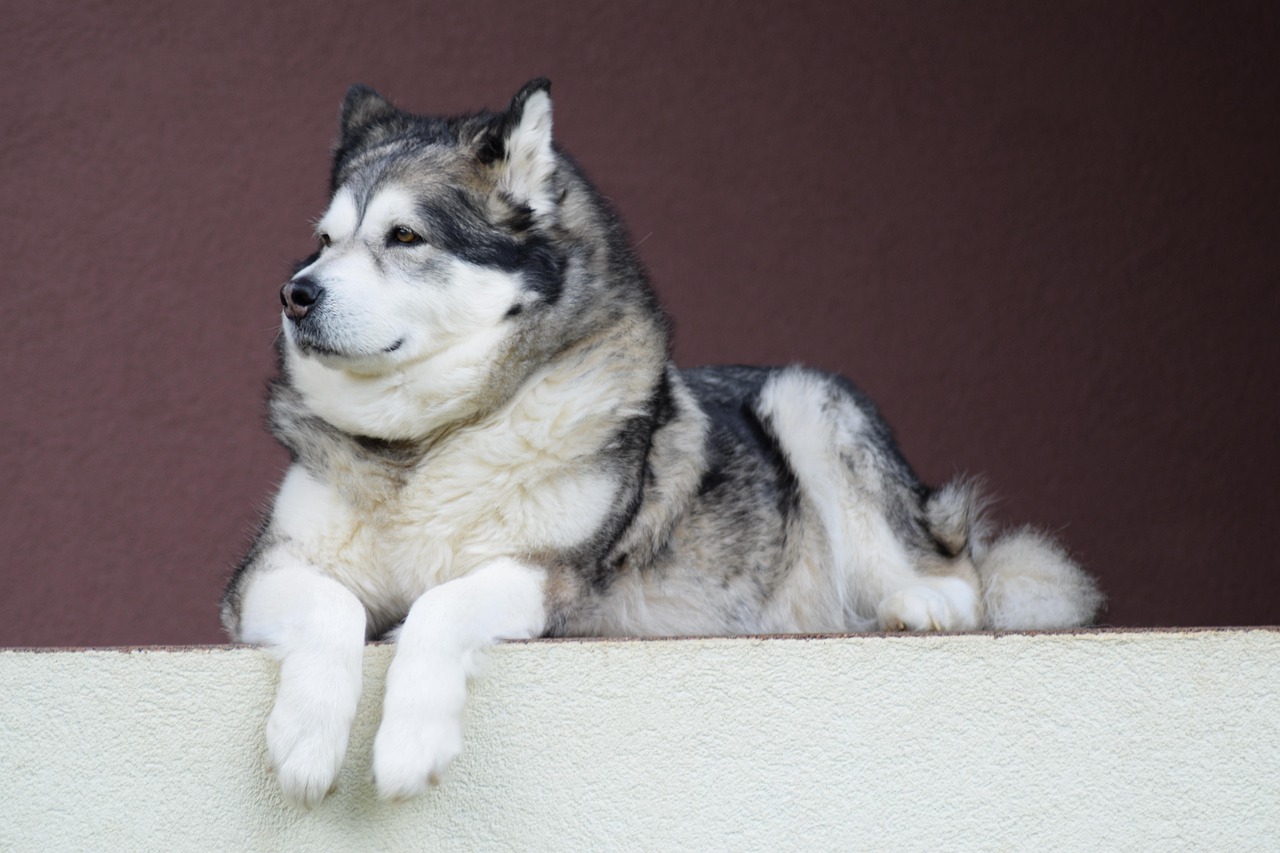
This breed looks and acts like the Siberian Husky – and like the Husky, can be stubborn and often challenging to train. They also love playing roughly, and might get rougher if they aren’t exercising enough. They tend to pull and jump a lot, making it dangerous for your kids to take them on a walk with a leash. These powerful sled dogs view life as one big wrestling match.
Their size and strength make their enthusiasm dangerous around small children. They’re also perpetually on the move, so they might try to knock over your child out of excitement during an inopportune moment. A playful paw swipe from a ninety-pound Malamute can send a toddler flying across the room.
Mastiffs – Gentle Giants With Dangerous Tails
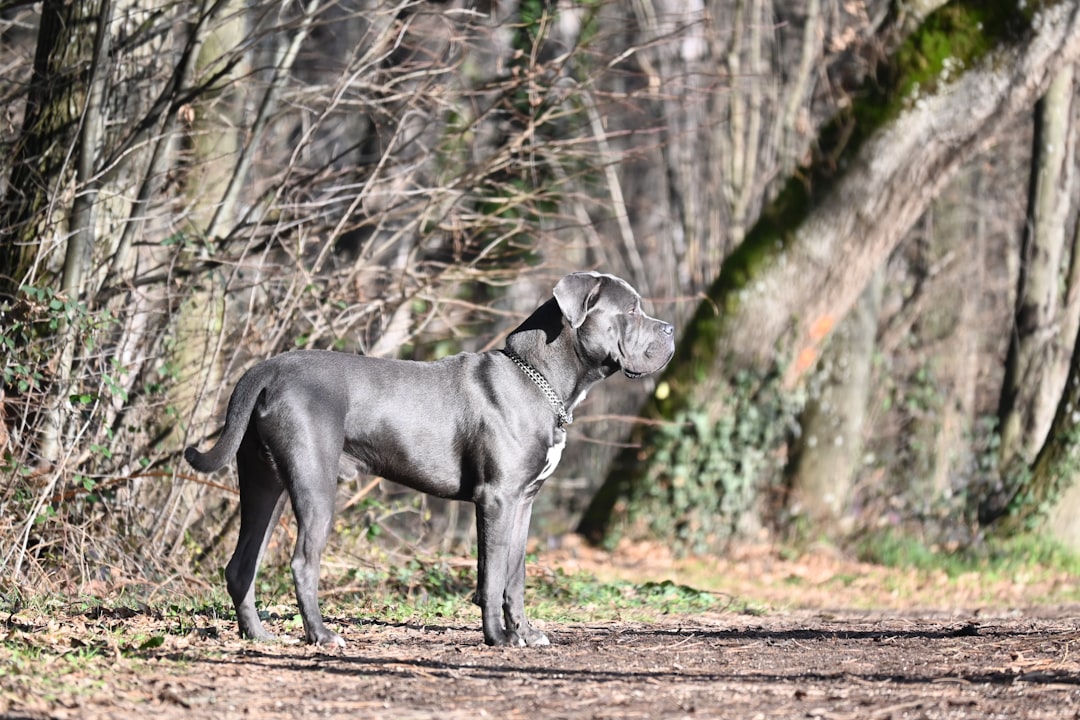
Mastiffs have wickedly powerful tails. Most tails are face level with your toddler. One good whip and you have a serious injury on your hands. These massive dogs can weigh over two hundred pounds, making every part of their body a potential weapon, even when they’re being affectionate.
These muscular dogs weigh a ton and can easily hurt your kids without meaning to. Their protective instincts also intensify around children, which sounds lovely until your Mastiff decides the mailman poses a threat to their favorite tiny human. These dogs are also protective, and a child can make this instinct stronger. But on the downside, that can be a danger for any potential company.
Doberman Pinschers – Sleek Protectors With Hair Triggers
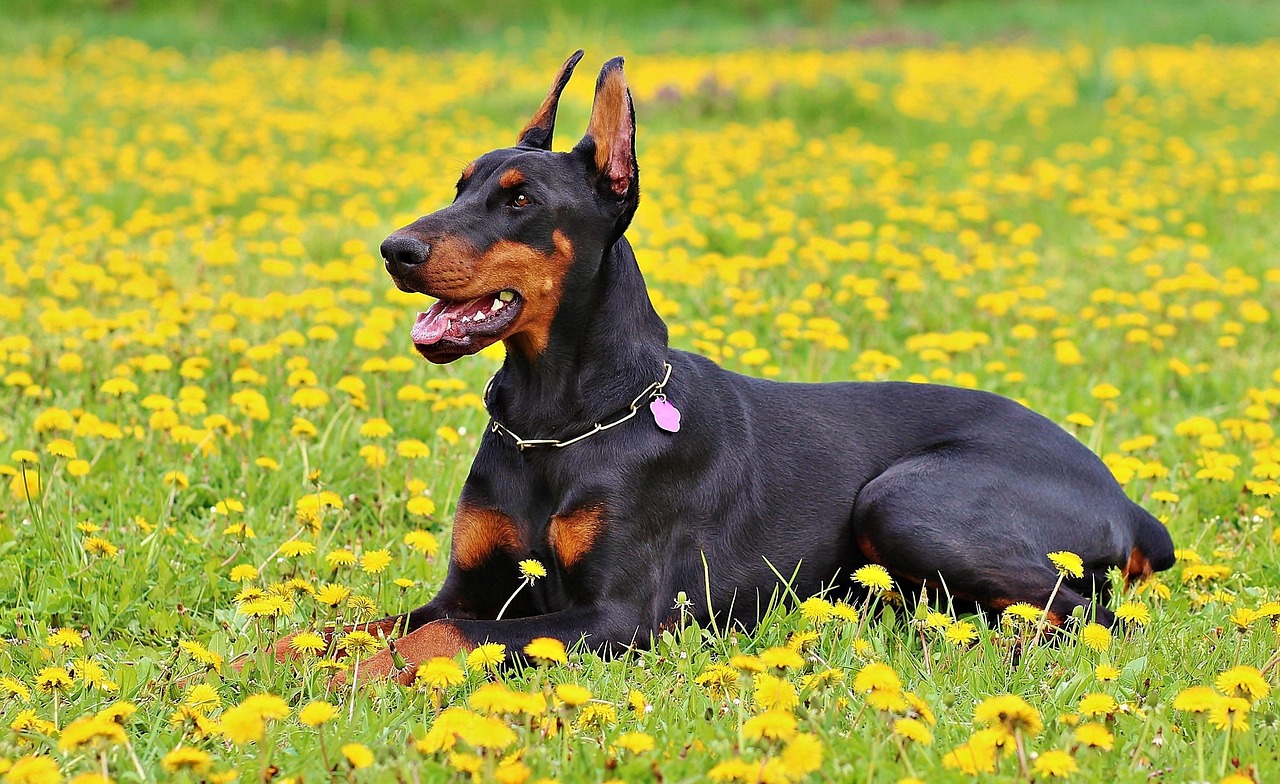
They are also responsible for several dog bites and attacks each year. With their 245 psi bite force and athletic build, prospective owners should do all they can to turn this natural fighting dog into a lovable family pet. These elegant guardians were bred to protect tax collectors – not exactly the patient, tolerant background you want around children.
When not channeled properly, Dobermans’ protective instincts can lead to aggression, especially toward strangers. Their strong build and sharp reflexes make any dog attack from this breed a serious matter. Children move quickly, make sudden noises, and attract other children – all potential triggers for a Doberman’s protective programming.
Why These Breeds Stay Popular Despite the Risks
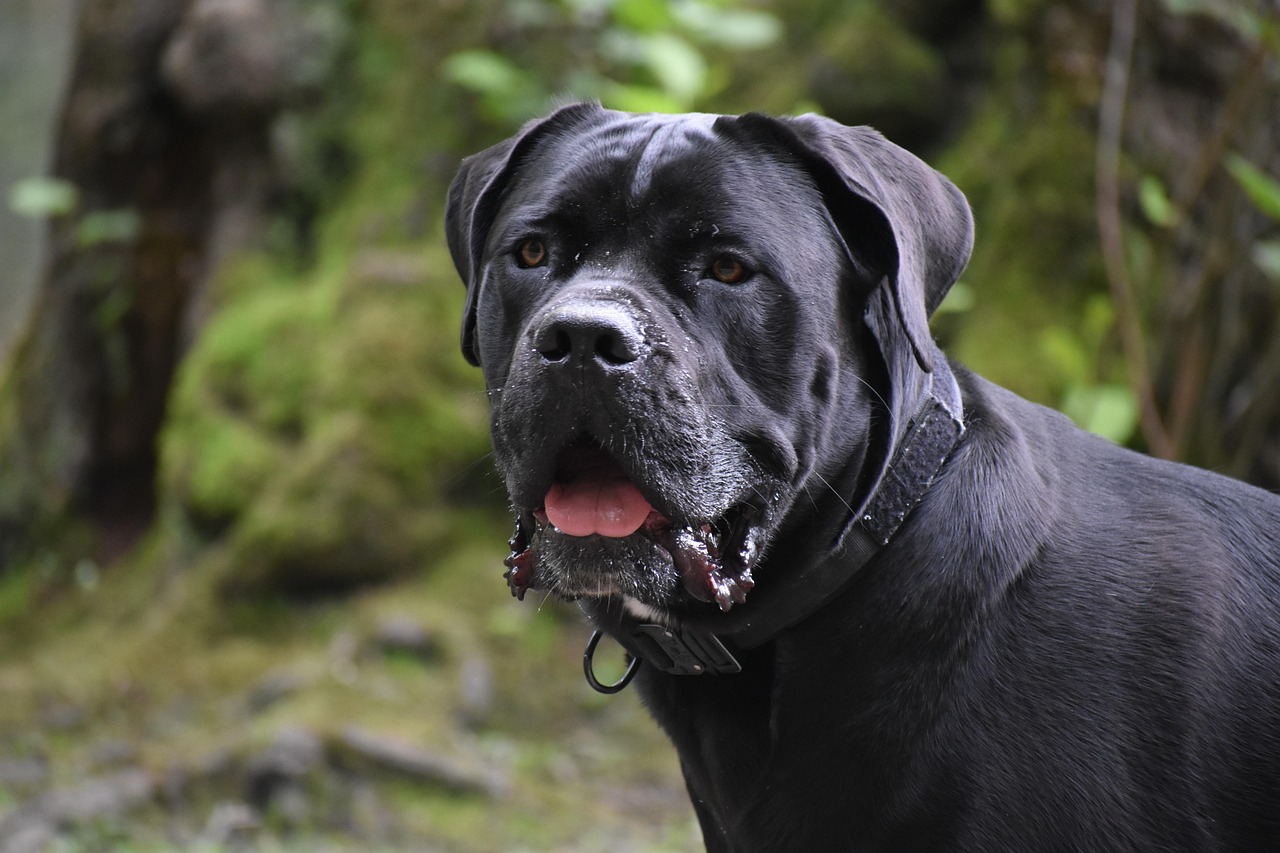
The irony cuts deep. The French Bulldog has secured the No. 1 spot as the most popular dog breed in the United States for the third year in a row. The French Bulldog continues to top the rankings at the No. 1 spot for the third year in a row, while The Cane Corso continues its rapid rise in popularity, proving that big, protective breeds are having a moment. The Cane Corso, once a relatively unknown breed, has skyrocketed in popularity. Even breeds with challenging temperaments around children maintain their appeal.
Social media plays a huge role in these breeds’ continued popularity. People see adorable photos of Huskies with piercing blue eyes or dignified German Shepherds in police work, but they don’t see the daily reality of managing these powerful personalities around children. French bulldogs have existed in the U.S. since at least the 19th century, but they’ve been on a tear in the 21st, fueled partly by celebrity owners and social media.
The truth is uncomfortable but necessary. These breeds aren’t inherently bad – they’re just designed for different purposes than child-rearing assistance. With proper training, most dogs are safe for kids, but some breeds pose extra challenges. The question isn’t whether they can be family dogs, but whether the average family is prepared for the intensive training, socialization, and management they require. Are we choosing dogs based on Instagram appeal rather than realistic family needs?

As a little kid, I fell in love with nature, wildlife, and animals. Living in the USA, South Africa, Italy, China and Germany gave me the opportunity to discover the world's Wildlife. My favorite animals are Mountain Gorillas, Siberian Tigers, and Great White Sharks.
I'm a certified PADI Open Water Diver, went to Everest Base Camp and Trekked Gorillas in Uganda. I hold a Master of Science in Economics and Finance.
Please send any feedback to feedback@animalsaroundtheglobe.com
- 12 Sea Animals Believed to Bring Luck or Doom - July 29, 2026
- The Lizard That Can Run on Water – Nature’s Real-Life Jesus Lizard - July 29, 2026
- Why Some Fish Can Live in Both Freshwater and Saltwater - July 29, 2026