

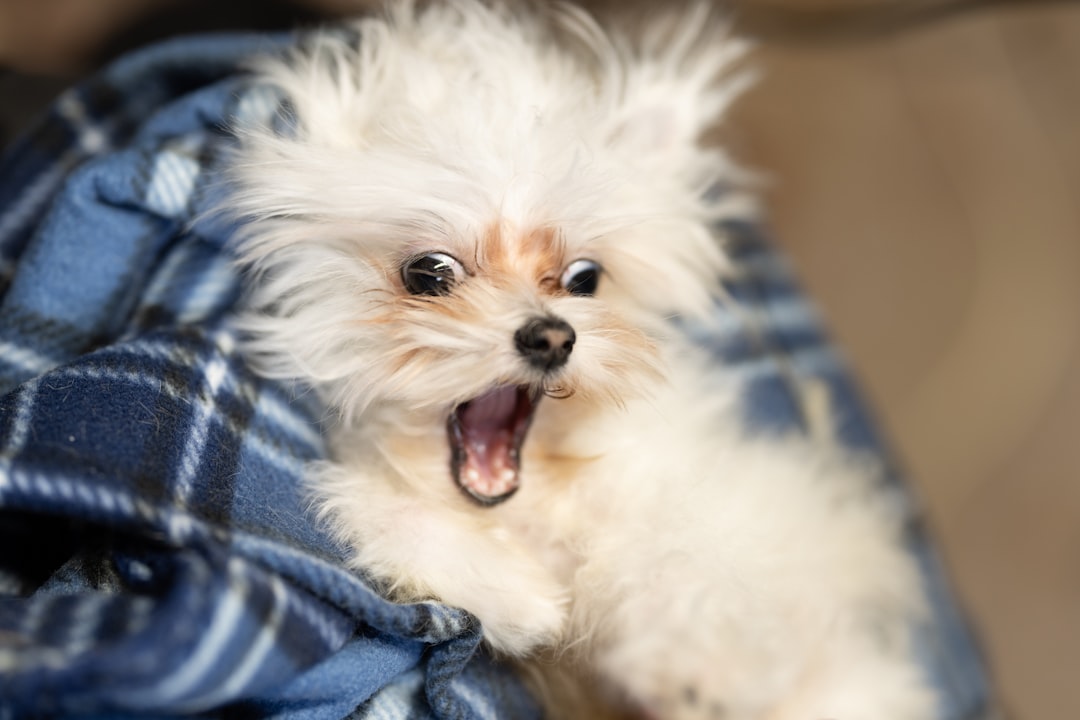
You think you know your furry best friend inside and out, but there’s a shocking truth lurking behind those adorable eyes and wagging tails. Dogs are masters at hiding their true feelings about human behavior, and what they’re keeping from us might surprise you. While your pup puts on a brave face, there are certain things we do that absolutely drive them crazy.
Every day, millions of dog owners unknowingly push their pets’ patience to the limit with seemingly innocent actions. These well-meaning gestures might seem harmless or even loving to us, but from a dog’s perspective, they’re anything but comfortable. The silent suffering continues because our four-legged companions can’t exactly sit us down for a heart-to-heart conversation.
#13 Forced Hugs and Unwanted Physical Restraint
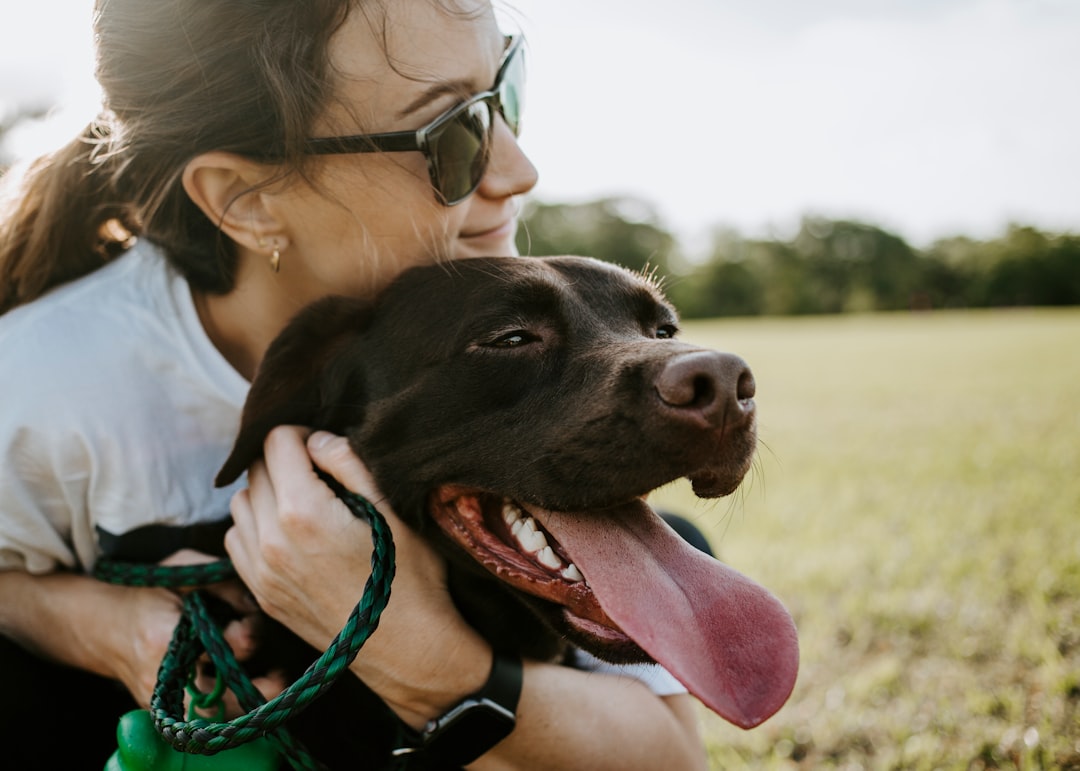
Most dogs don’t enjoy being hugged, and while some will quietly tolerate the behavior, others can become fearful or anxious when held and may act out to let you know they are unhappy. It feels great to hug your dogs, but most dogs really hate when you do it, as they don’t have arms and they don’t hug each other in the same way that we do, and even though we may love hugging our dogs, most dogs are going to tolerate it, it may make them feel afraid or threatened.
In the dog world, wrapping our arms around the dog’s neck can easily be seen as a form of constraint or as a threat, and most dogs are able to accept this behavior from humans that they trust but not every dog actually enjoys being hugged. This well-intentioned gesture of love can actually trigger stress responses in your canine companion, making them feel trapped rather than loved.
#12 Patting Their Heads and Faces
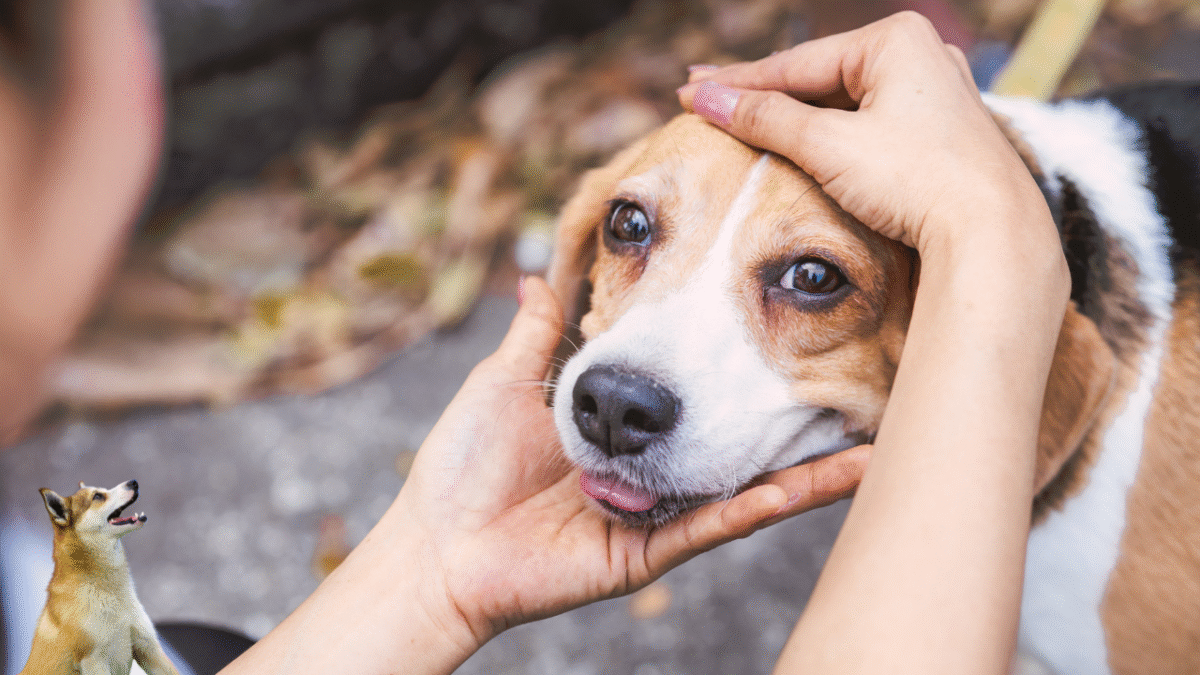
Having strangers and even familiar humans reaching their hands right into a dog’s face in an attempt to pet their head can feel very intimidating from a dog’s point of view. For the most part, dogs really dislike being patted on the head, and this is doubly true for anyone who’s not you, as to a dog, a head pat is a somewhat rude and threatening gesture, especially when the human stands over the dog.
Patting us on our faces and our heads can be uncomfortable for dogs, as we love getting affection from our humans, but we also like to have our personal space and patting us near our faces can feel invasive or threatening at times. What seems like a simple, affectionate gesture to humans can feel overwhelming and intrusive to your dog’s sensitive face area.
Yelling and Harsh Vocal Corrections
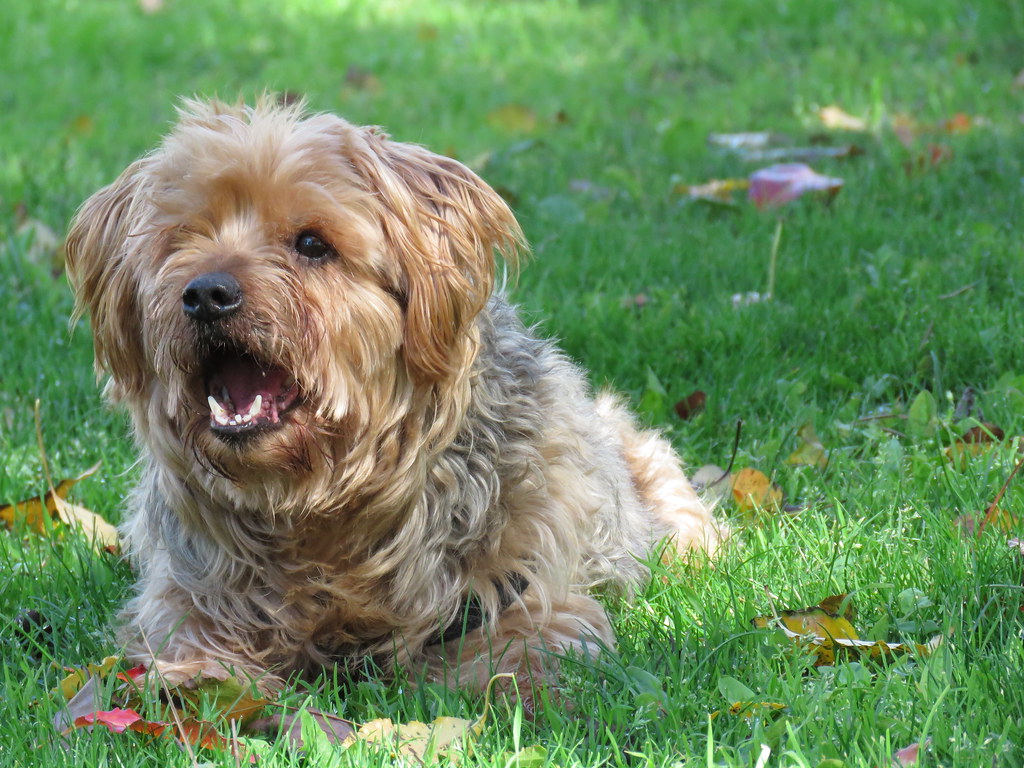
Yelling is definitely one of the main things that dogs hate about human behavior, as yelling at your dog, or even someone else for that matter may severely scare or even upset your dog, since no one likes being yelled at, not even your dog. The intensity and unpredictability of raised voices creates anxiety and confusion rather than effective communication.
Punishment may bring temporary relief to a frustrated dog owner, but it damages the human-animal bond and creates mistrust, pain, fear, agitation, and increasing anger as the dog develops a strong negative association. Your dog doesn’t understand why you’re shouting, and this approach often backfires by creating more behavioral problems rather than solving them.
Strong Fragrances and Overpowering Scents
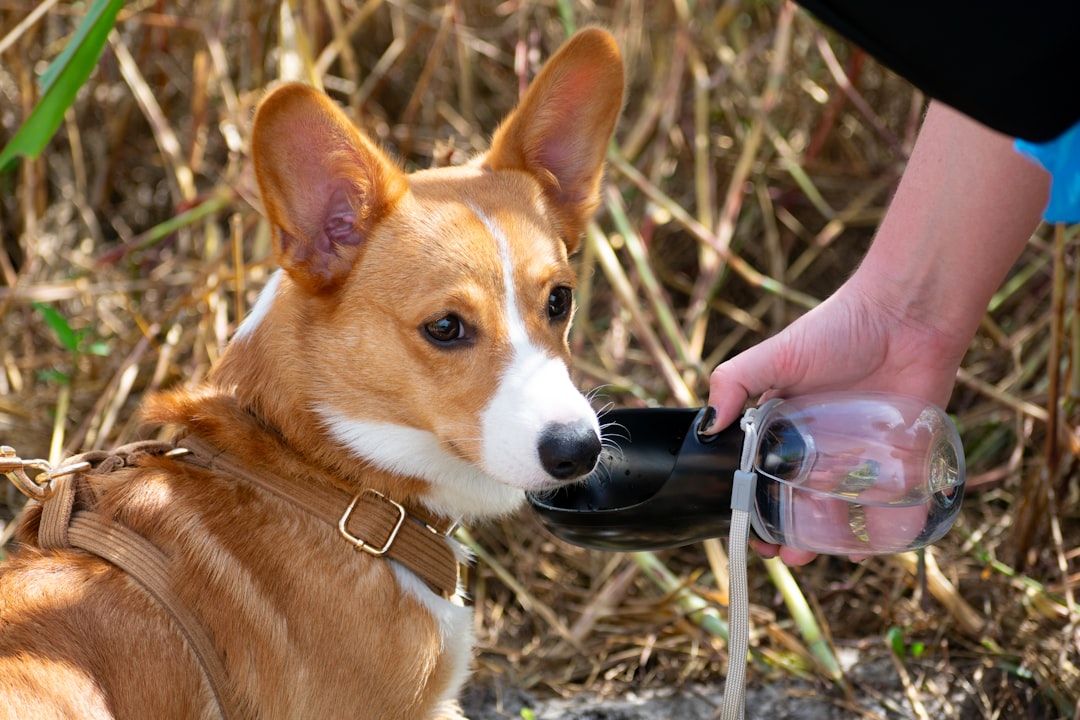
Dogs have a very strong sense of smell, with their sense of smell being 1,000 to 1 million times stronger than the sense of smell of humans, and the flip side of having such a strong sense of smell is that pungent odors and other heavy scents can tend to be overpowering for our pooches and cause them irritation. Your favorite perfume or cologne might be pleasant to you, but it’s like a sensory assault to your dog’s delicate nose.
Perfume is repulsive to dogs, and you may have noticed that after you’ve perfumed yourself and attempted to hug your dog, he or she turns you down because perfumes contain a high concentration of chemical compounds and scents that dogs despise. Even seemingly mild fragrances can be overwhelming and uncomfortable for your pet’s super-sensitive olfactory system.
Being Left Alone for Extended Periods
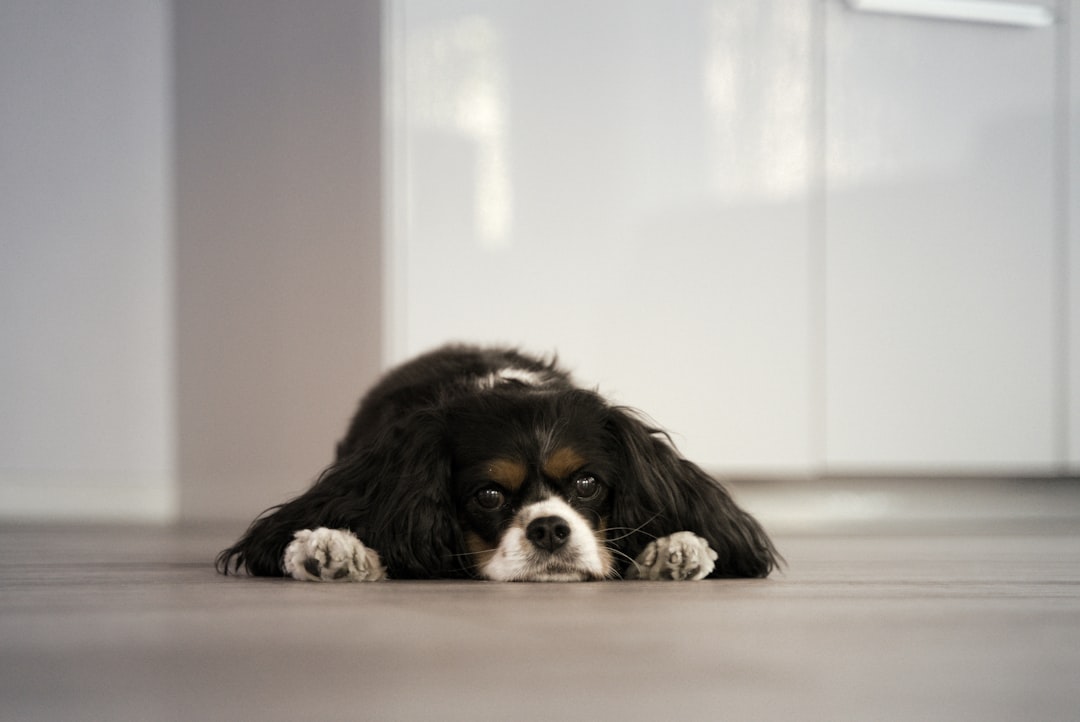
As mentioned earlier, dogs are social creatures, which is why they hate being left alone or ignored, as dogs crave human companionship, and being left alone for too long may cause panic or even separation anxiety. Another thing that dogs hate is being left home alone, as we are a very social species and can find being alone quite challenging.
The pack mentality that’s hardwired into dogs makes isolation particularly distressing for them. While we might enjoy some alone time, dogs experience genuine distress when separated from their human family members for too long. This isn’t just inconvenience – it’s emotional suffering that can manifest in destructive behaviors, excessive barking, or even depression.
Inconsistent Rules and Mixed Signals
We dogs are sticklers for the rules, so we don’t like it when they change, as having clear and consistent rules helps us understand what our humans expect from us, and having different rules for different people can lead to confusion and stress for us. Giving mixed signals isn’t fair to the dog – imagine if you had one person in your household encouraging you to sit on the couch while others yelled at you when they see you sitting there.
Dogs love their routine and they really do not like schedule changes, particularly surprise ones, and even something you think is fun, like a birthday party, can feel very stressful to your dog. The unpredictability creates anxiety because dogs thrive on knowing what’s expected of them and when certain activities will happen.
Forcing Social Interactions
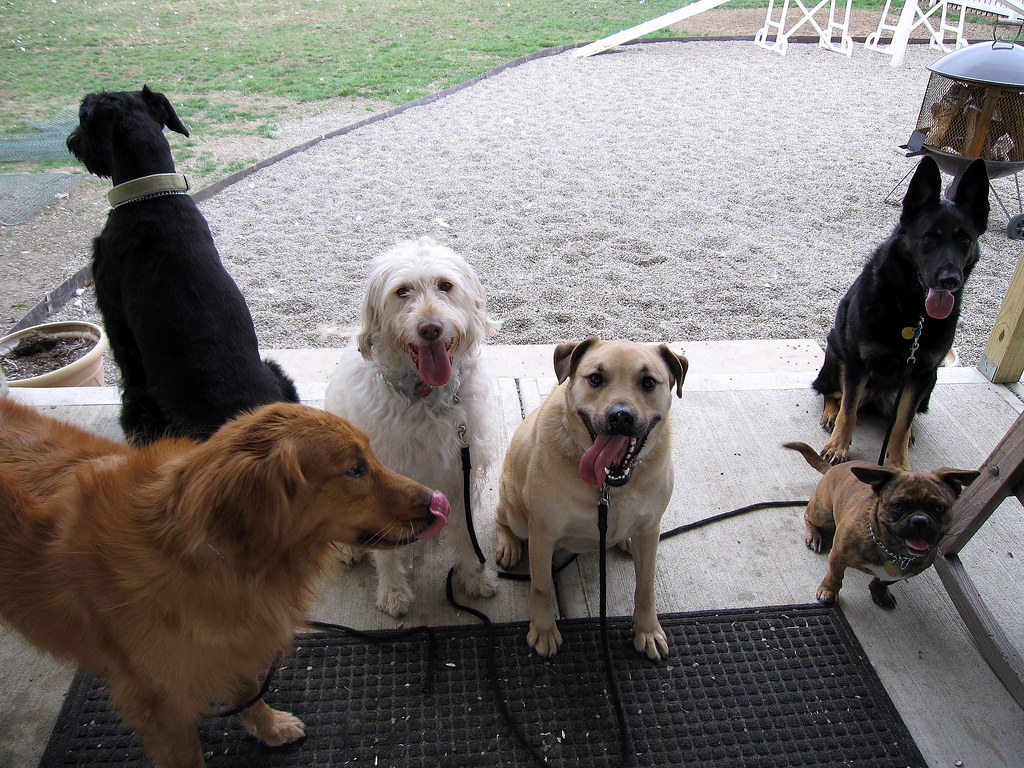
Forcing us into situations that we don’t enjoy or feel threatened in is another thing that dogs hate, as being in an unwanted situation makes us feel stressed and scared, especially if it’s something that we’ve never done before. Dogs are social animals but they also have their favorites, and if they are around somebody that they know and trust, life is good, but if you force them to associate with another dog or human that is not known to them, it could lead to some serious problems.
Just like humans, dogs have social preferences and comfort zones. Pushing them into unwanted interactions with strangers, other dogs, or new situations can create lasting negative associations. Your dog might appear to “behave” in these forced situations, but internally they’re experiencing significant stress that could manifest in other problematic behaviors later.
Rushing Through Walks and Preventing Sniffing
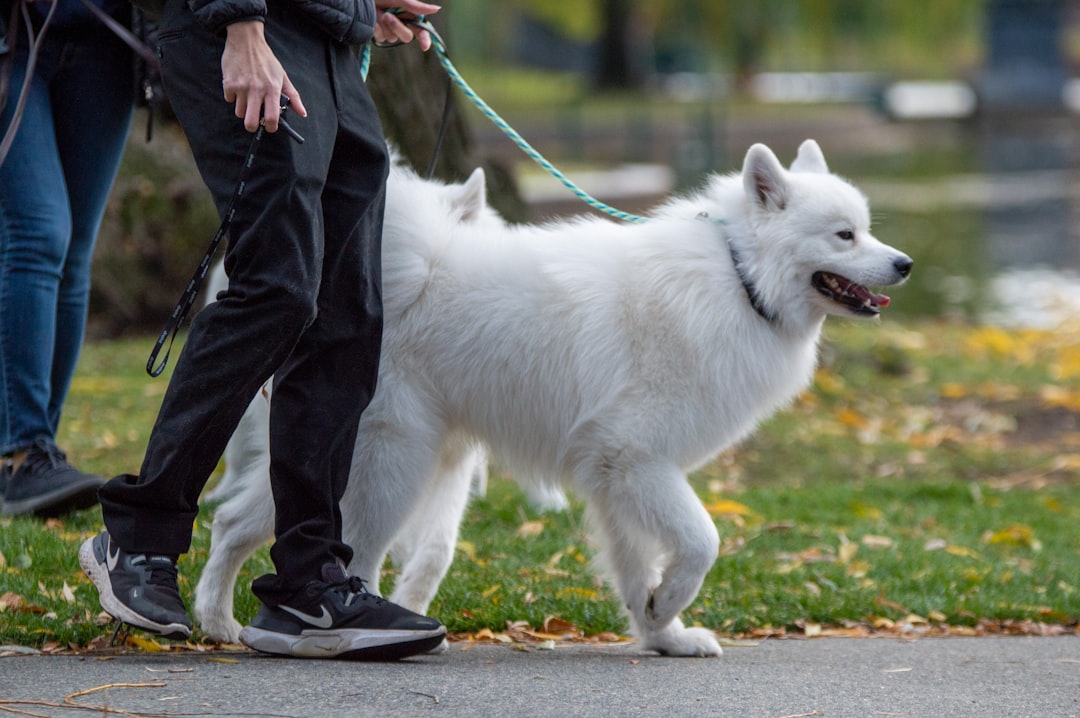
A dog’s favorite pastime, apart from snacking, would be sniffing random objects, and when you don’t allow your dog to sniff around while on a walk, your dogs feel frustrated. There are going to be times when we need to go for a walk with our dog quickly, but if we are always rushing them through the walk and not giving them the opportunity to sniff around, it could be very frustrating to them.
To a human, this can be irritating as surely nothing much will have changed since we last did that walk but, to the dog, that walk is an information superhighway brimming with data, and she is oblivious towards concerns that we may be late or otherwise in a hurry and simply wants to indulge her amazing sense of smell, but for our dogs, this walk may be the very best part of their day and they just hate being hurried up. Think of it like someone constantly interrupting you while you’re reading your favorite book.
Dressing Them Up in Costumes
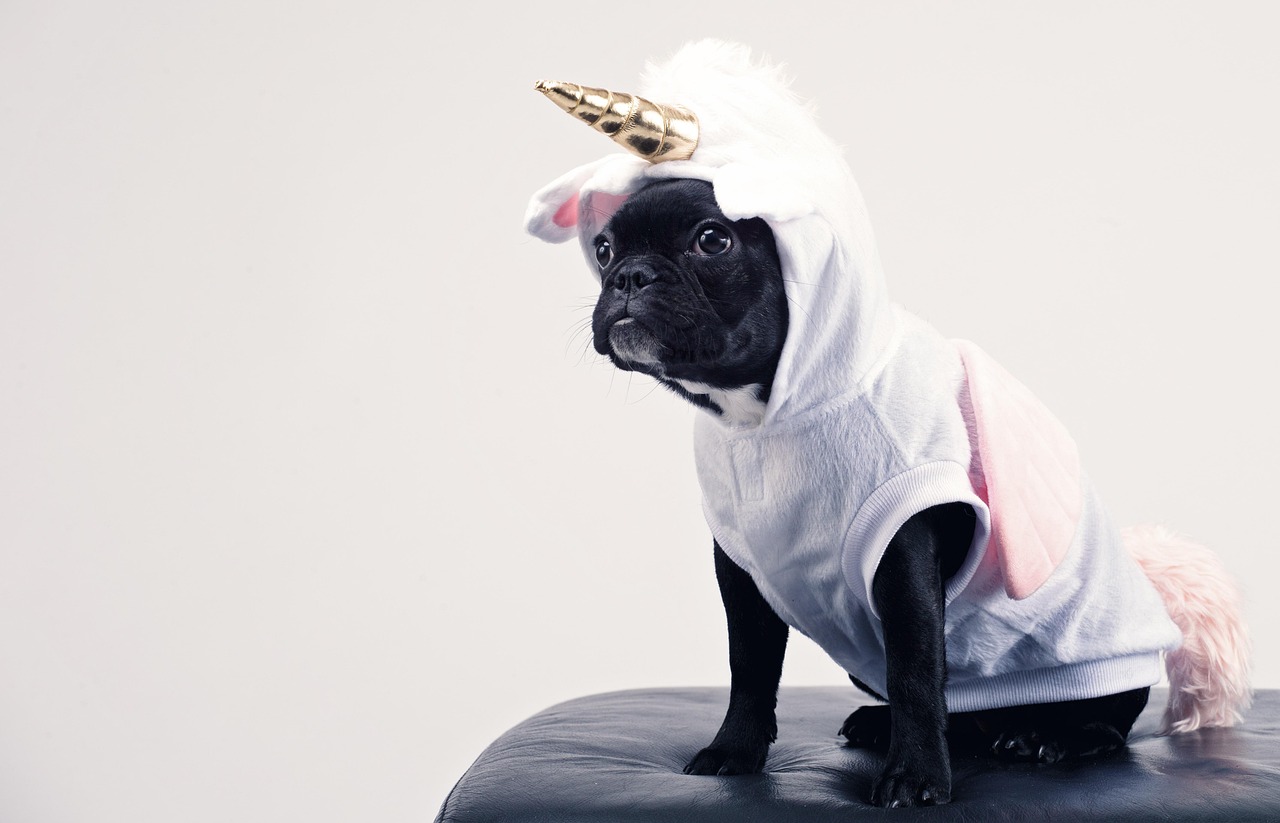
One of the things dogs hate that people do is force them to dress up in unique costumes and attires, and while we find dressed-up dogs cute and adorable, it is not natural for dogs to be dressed up, as dressing them up makes them feel uncomfortable and often restricts their movement, and dogs often feel embarrassed when we dress them up, and while a few dogs may tolerate being dressed up, they certainly do not enjoy the experience.
Dogs may appear adorable when dressed up for photos, but they despise being dolled up and covered in clothes unless the weather requires it, as it makes them feel uneasy, and as a result, pet parents should not encourage such behavior. The restriction of movement and unnatural feeling of clothing creates discomfort that we often mistake for cute compliance.
Direct Staring and Intimidating Eye Contact
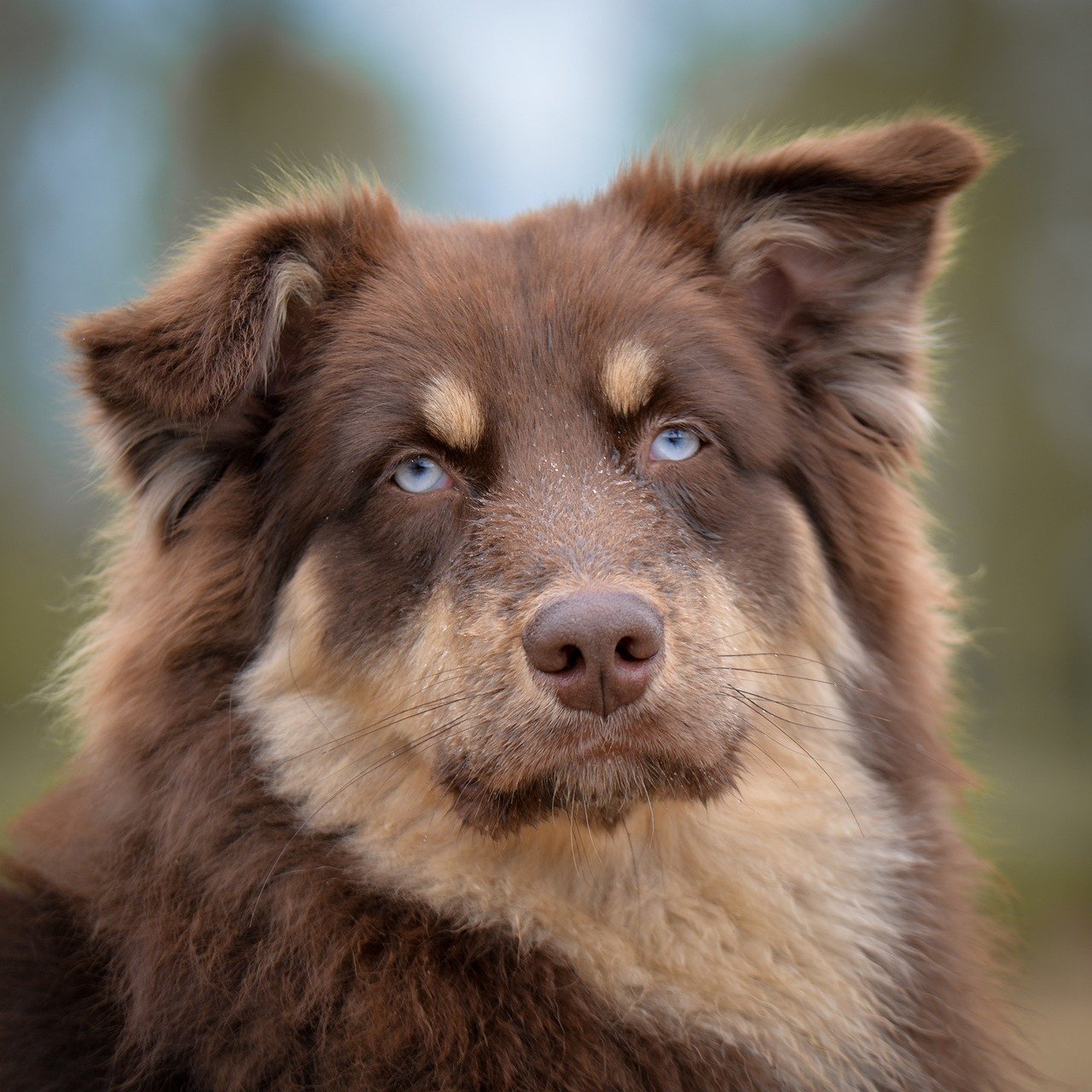
Another thing dogs hate is when you stare at us, and don’t get me wrong, we appreciate a loving gaze of affection, but a hard and direct stare can be uncomfortable, and when someone gives us dogs a direct stare, especially strangers, we can feel challenged, and it can make us feel threatened. In dog language, sustained eye contact is often interpreted as a challenge or threat rather than affection.
While brief, soft eye contact can strengthen your bond with your dog, prolonged staring creates tension and discomfort. This is particularly true when the staring comes from strangers or when your dog is already feeling anxious or uncertain about a situation.
Blowing in Their Faces
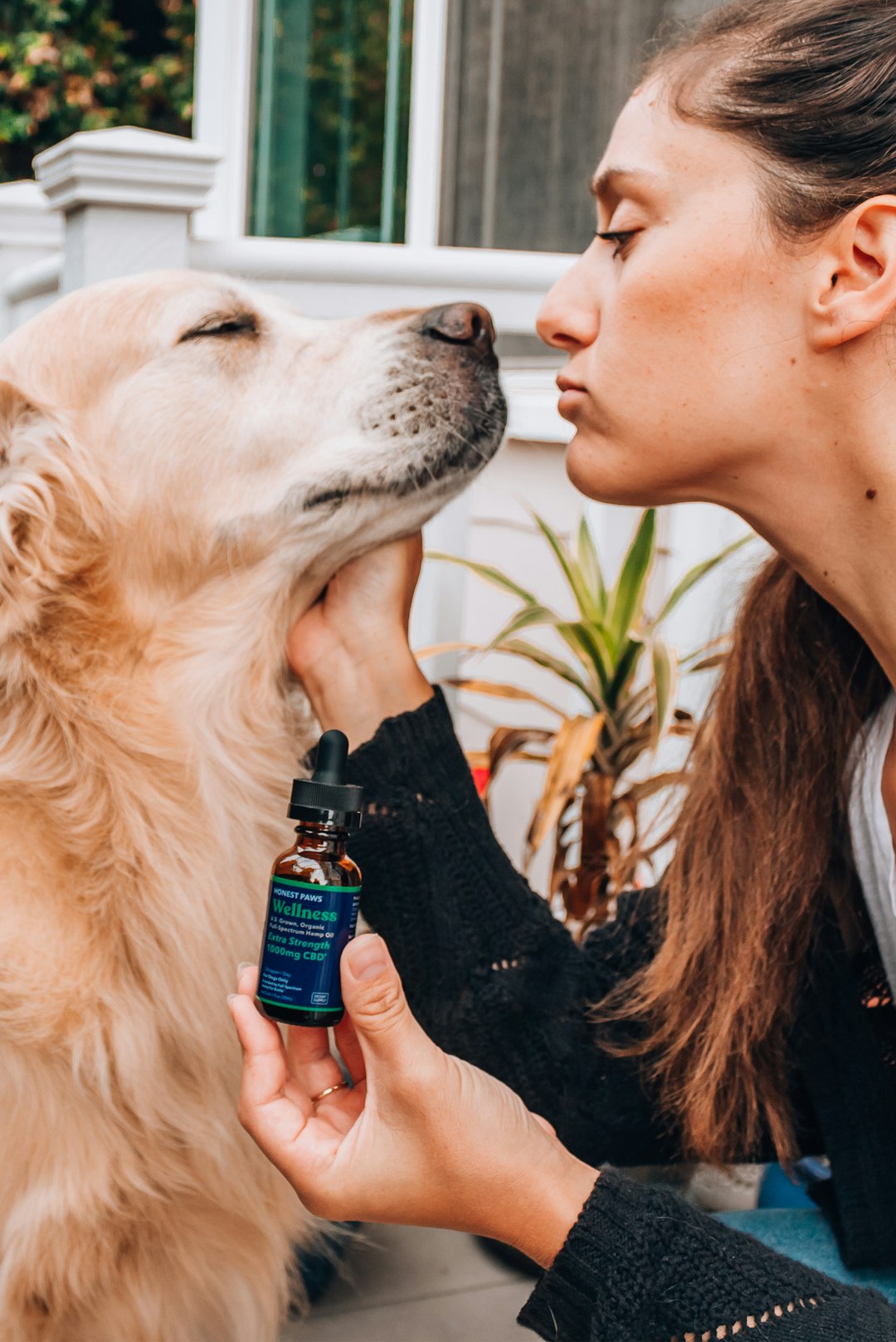
Blowing in your dog’s face causes them discomfort and is a really unpleasant feeling for them, as blowing in their face might cause them to become ultra-defensive, which in turn can lead to violence in the form of a dog bite, and a dog’s face is much more sensitive than the face of a human, and thus blowing in their face unexpectedly causes them to flinch. What might seem like playful interaction to humans feels invasive and startling to dogs.
The sudden rush of air directly into their sensitive facial area can trigger defensive responses. Many dogs will back away, shake their heads, or show other signs of discomfort when humans blow air at their faces, yet people often misinterpret this as playful behavior rather than genuine distress.
Loud Household Noises and Sudden Sounds
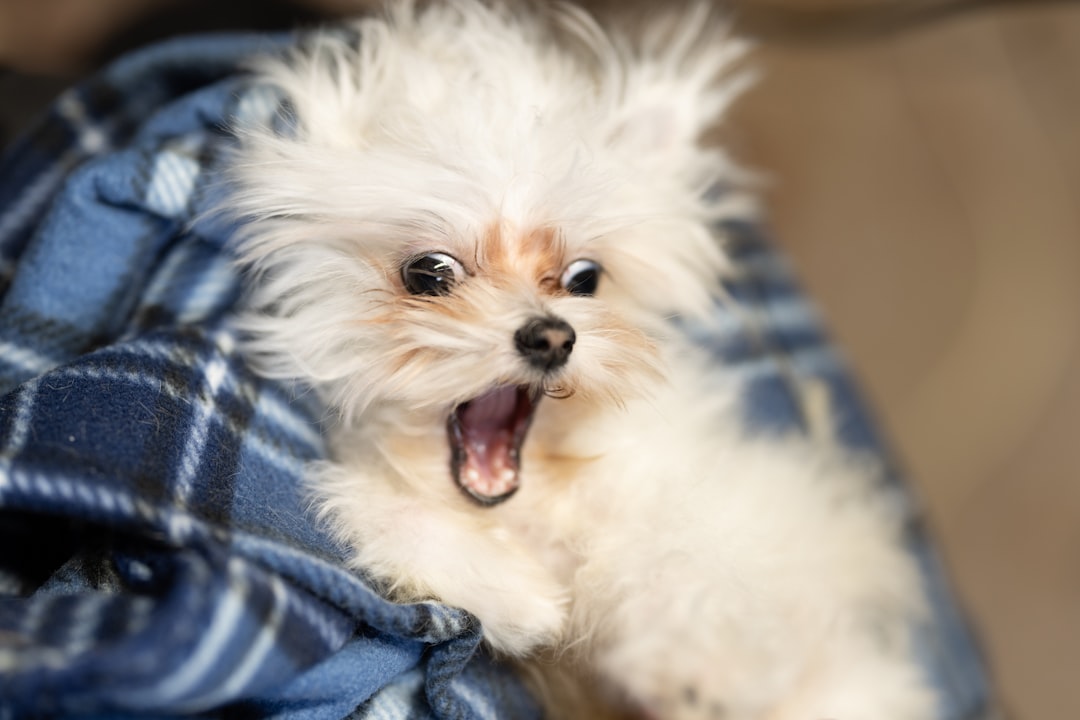
Noise aversions are quite common, with an estimated 20-40% of the canine population affected, and single, traumatic experiences or repeated exposure to frightening stimuli can cause reactions ranging from mild fear to extreme phobic reactions, with mild fear responses including panting, pacing, and attempts to hide, whereas phobic responses may include panic, extreme agitation, attempts to escape and/or destructive behavior.
Among the most common sounds dogs hate are vacuum cleaners, which are loud, often make high-pitched whistling noises, move strangely, create vibrations that can be felt through the floor, and smell weird, and fireworks or gunshots, which are loud, explosive noises that seemingly come out of nowhere – often accompanied by flashes of light and strong smells – can be terrifying to dogs. These everyday sounds create genuine fear and anxiety in our canine companions.
Interrupting Their Sleep
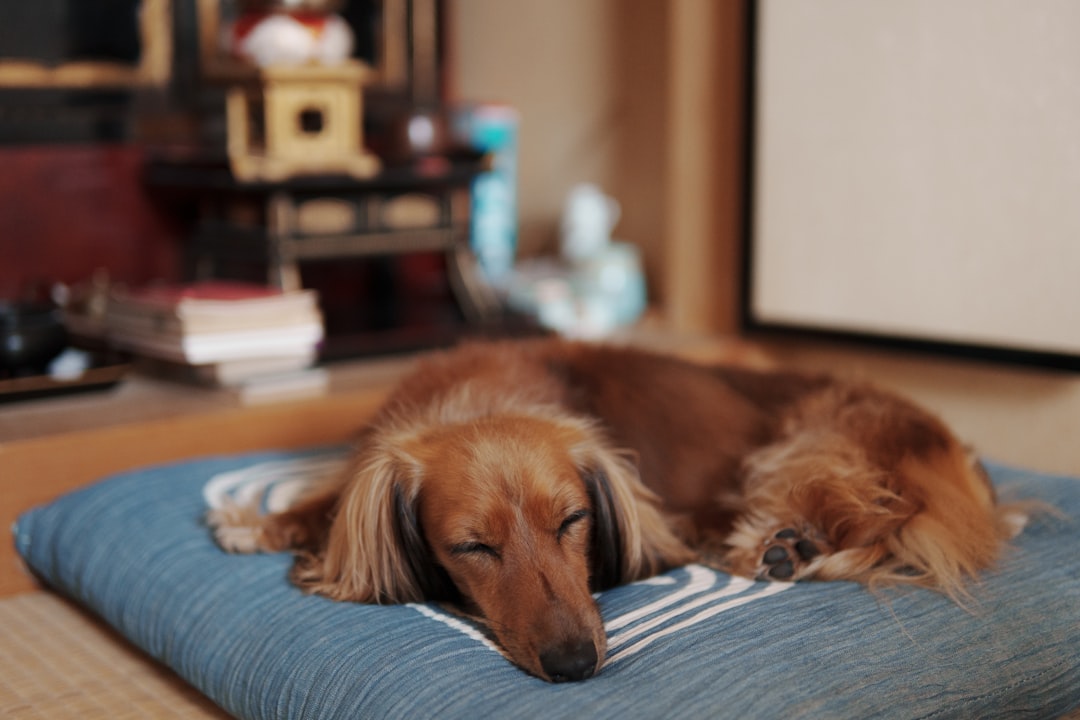
Dogs, just like humans, don’t like being woken up suddenly in their sleep. Sleep is crucial for dogs’ physical and mental health, and being startled awake can cause confusion, disorientation, and stress. Unlike humans who might understand why they’re being woken up, dogs lack that context and can become defensive or anxious when their rest is disrupted.
This is especially problematic when young children or guests don’t understand that a sleeping dog should be left alone. The sudden awakening can trigger fear responses, and some dogs might react defensively if they’re startled from deep sleep, making this behavior both annoying to dogs and potentially dangerous for humans.
Conclusion
Our beloved canine companions are incredibly tolerant creatures who endure many of our well-intentioned but misguided behaviors without complaint. Understanding what genuinely bothers dogs isn’t about restricting our interactions with them – it’s about building stronger, more respectful relationships based on their actual needs and preferences rather than our assumptions.
The next time you reach to pat your dog’s head or feel tempted to dress them up for a photo, remember that love isn’t always about what makes us feel good. True compassion means recognizing when our actions might be causing discomfort, even when our dogs are too polite to protest. By adjusting these behaviors, we can create a more harmonious living situation that respects our dogs’ natural instincts and boundaries.
After all, isn’t the goal to have a happy, relaxed companion rather than a stressed pet who’s simply putting up with us? What would your relationship with your dog look like if you started seeing the world through their eyes instead of yours?
