

The age of climate shocks may have quietly slipped into the era of climate collapse. In a sobering alert to global leaders and the public alike, scientists say Earth has already crossed its first catastrophic climate tipping point — and it shows most clearly in the decay of tropical coral reefs. The warning signs are no longer distant predictions. They are happening now.
Reefs on the Edge: How We Crossed the First Tipping Point
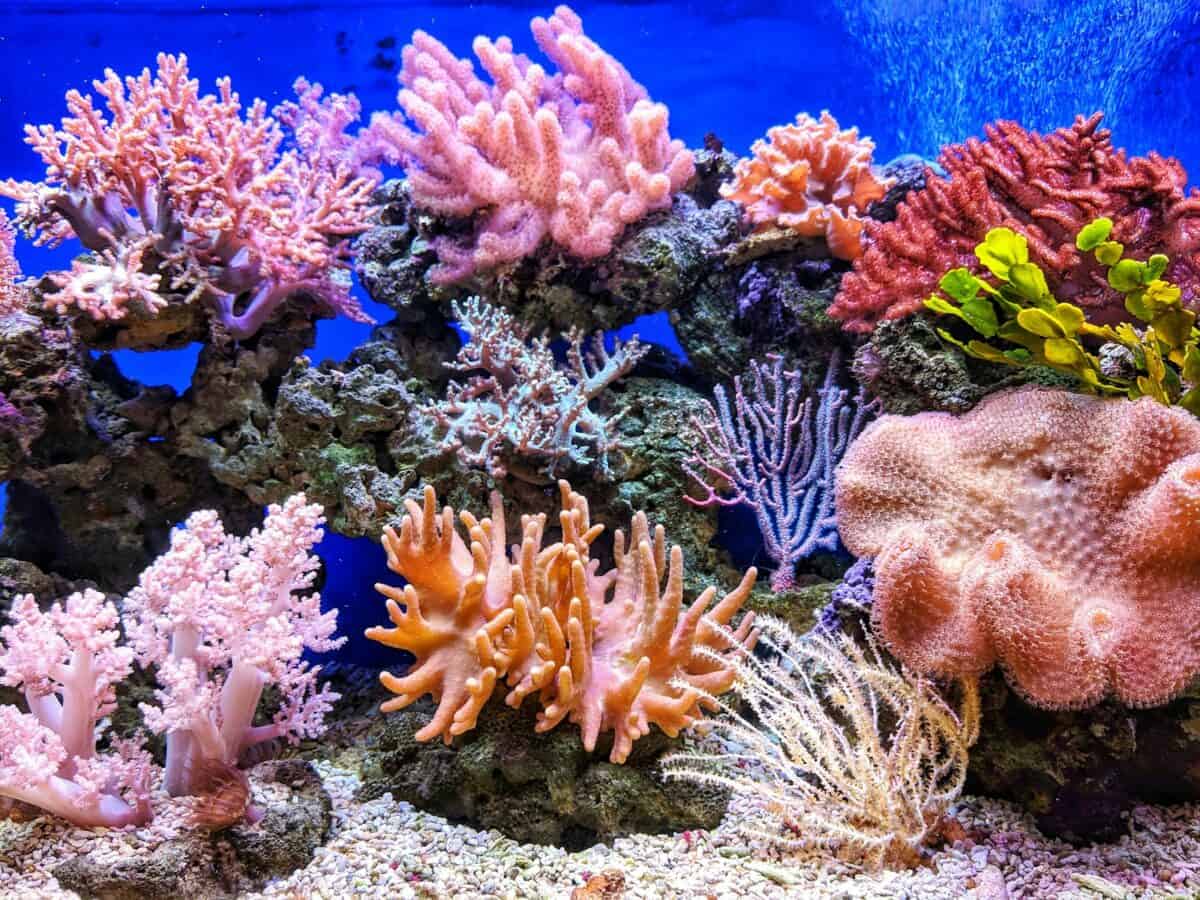
The newly published Global Tipping Points Report (2025) marshals data from 160 researchers across 23 countries to argue that coral reefs have passed a threshold beyond which their recovery at scale is no longer guaranteed.
Sea surface warming, more frequent marine heatwaves, acidification, and compounding local stressors have pushed reef systems into “uncharted territory.” According to the report, the thermal tipping range for warm-water reef systems lies between 1.0 °C and 1.5 °C above pre-industrial levels, with 1.2 °C as a central estimate — and the planet is already at ~1.4 °C warming.
As the report notes, “Returning global mean warming below 1.2 °C … is essential for retaining warm-water coral reefs at meaningful scale.” Some regions may hang on as refugia, but the era of flourishing reef systems as we know them is fading.
The Broader Danger: Ice, Forests and Ocean Currents Next in Line
The collapse of reefs, however, may be just the opening move in a domino effect of Earth-system tipping risks. The same report warns that polar ice sheets — particularly in West Antarctica and Greenland — may already be approaching irreversibility, triggering many metres of sea level rise over time.
The Amazon rainforest, too, is under growing threat of dieback under combined heat and drought stress.Perhaps most ominously, the Atlantic Meridional Overturning Circulation (AMOC) — the great conveyor of heat in the Atlantic — is flagged as vulnerable below 2 °C warming, with potential to radically derail global weather and monsoon systems.
Prof. Tim Lenton, a lead author of the report, states emphatically:
“We can no longer TALK about tipping points as a future risk. The first tipping of widespread dieback of warm water coral reefs is already under way.”
Yet not all scientists agree that reefs are irredeemably doomed. Prof. Peter Mumby of the University of Queensland cautions that some corals may yet persist or adapt at higher temperatures:
“I accept reefs are in decline … but there is emerging evidence corals could adapt … some reefs remaining viable even at 2 °C of global heating.”
Still, the consensus is stark: we are skating on thin ice — or shifting sands — across multiple planetary systems.
The Past Bleaching Event That Changed Everything
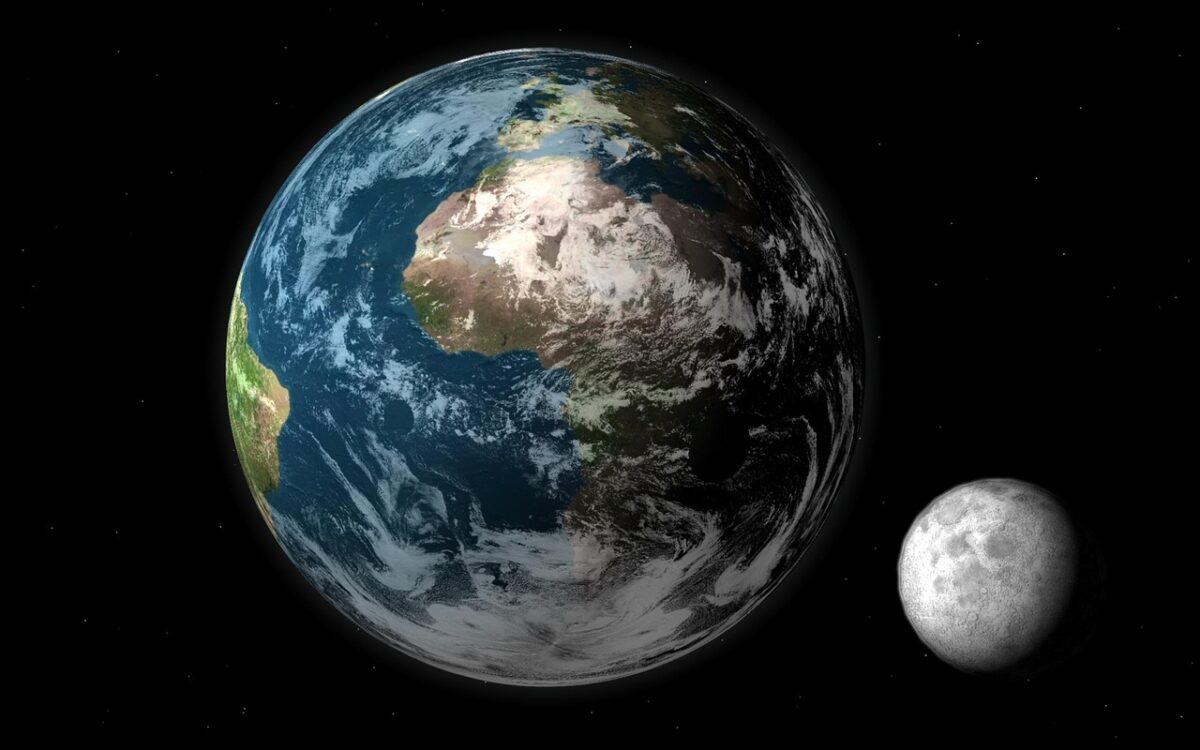
The deadly bleaching episode that began in 2023 and continues through 2025 now looms large in climate history as the largest mass coral-stress event ever recorded.
According to NOAA and reef monitoring initiatives, over 80% of reefs globally have suffered bleaching exposure. In many reefs, the intervals between heat stress events have shrunk so drastically that corals cannot fully recover. What once might have been episodic damage is becoming chronic impairment.
The Great Barrier Reef, in particular, recorded its most significant one-year decline in live coral cover since the 1980s.That collapse echoes the grim warning: even resilient reef species are now being pushed beyond their coping limits.
What Comes Next — Risks, Pathways, and Glimmers of Hope
If the reef tipping point is now behind us, what lies ahead? The report argues that further warming — especially overshoots beyond 1.5 °C — dramatically escalates the risk of cascading system failures.
One domino tipping element may trigger others; a phenomenon scientists call teleconnections or cascading tipping dynamics. Still, the report also spotlights “positive tipping points” — self-reinforcing shifts in human systems — that could turn the tide. The rapid adoption of solar, wind, electric vehicles, and energy efficiency gains are among leading forces that could trigger runaway decarbonization.
The authors urge that these shifts be deliberately accelerated. Policymakers are now being pressed to aim for temperature stabilization well below 1.5 °C, ideally targeting a return to 1.0–1.2 °C of warming (with minimal overshoot). They call for immediate and unprecedented emissions cuts: halving human-caused greenhouse gases by 2030 (relative to 2010) and peaking to net zero by mid-century. According to one expert quoted in Euronews,
“If we wait to cross tipping points before we act, it will be too late … The only credible risk-management strategy is to act in advance.”
The Tipping Point We Must Turn Back From
The announcement that Earth may have crossed its first catastrophic climate tipping point is more than symbolic. It is a clarion call. Coral reefs are the canary in the climate coal mine, and their unraveling signals a system in destabilization. Yes, some pockets of resilience remain. Yes, some corals may adapt. But the overall picture is grim.
We face a choice — one of urgency, scale, and moral responsibility. If global leaders allow inertia to dominate, the cascade may accelerate beyond manageable control. But if humanity can pivot swiftly — unleashing positive tipping points in energy, transport, land use, and governance — we might yet keep multiple planetary systems within safer bounds.

- 17 Rare Dog Breeds You Might Not Have Heard of Before - June 30, 2026
- 15 Exotic Animals People Bond With – And the Hidden Dangers They Bring - June 30, 2026
- 22 Coolest Animals Gifted with Extreme Abilities of Survival - June 30, 2026