

There’s something almost poetic about the way nature reclaims what was once taken from it. Across the globe, we’re witnessing an extraordinary phenomenon where abandoned places become unexpected wildlife sanctuaries. From radioactive exclusion zones to forgotten ghost towns, animals are moving in precisely where humans have moved out.
This isn’t just about pretty pictures of vines covering old buildings. We’re talking about genuine ecological recovery happening in places where despair once reigned. The stories emerging from these reclaimed spaces challenge everything we think we know about conservation and the resilience of the natural world.
The Chernobyl Wildlife Paradise Nobody Expected
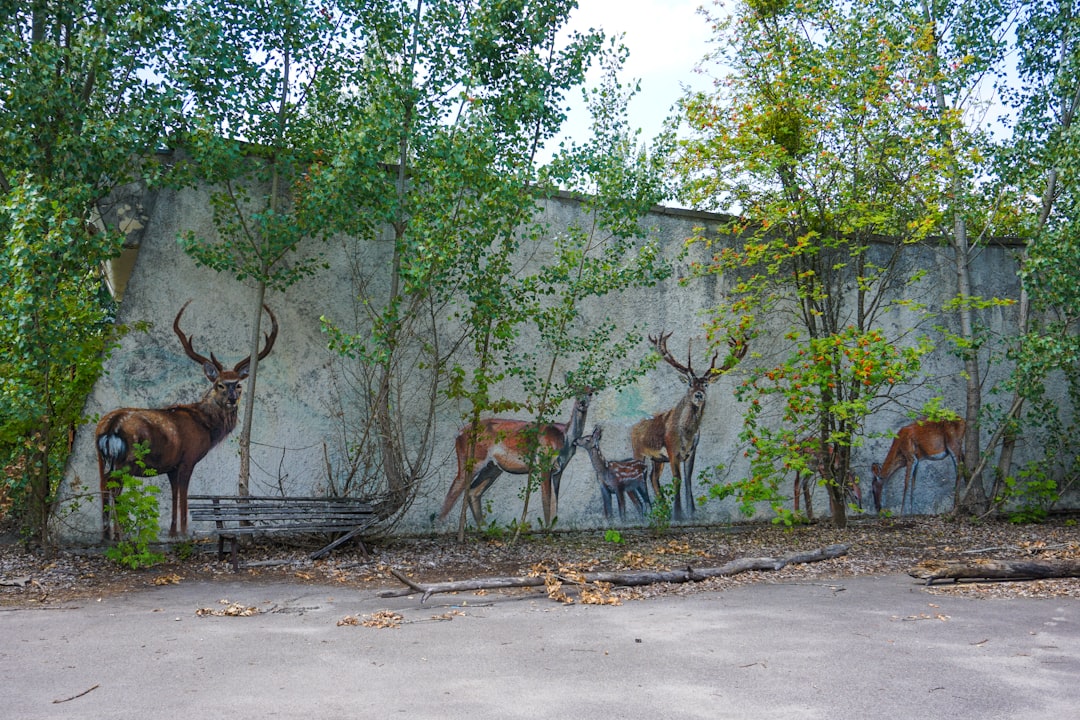
On April 26, 1986, a reactor in the Chernobyl nuclear plant in Ukraine exploded, releasing a monstrous plume of radioactive fallout that drifted over the Soviet Union and Europe. An estimated 116,000 residents were evacuated immediately, with about 220,000 more relocated in subsequent years, never to return. What happened next shocked scientists worldwide.
In the absence of humans and heavy industry, the area has been repopulated by boars, moose, deer, wolves and even rare Eurasian lynx, which have disappeared from most of the rest of Europe and Russia due to human activity. We don’t know exactly how radiation is affecting the wildlife, but we know that in terms of numbers and species diversity, animals are thriving. Thirty years after the disaster, Chernobyl is a wildlife refuge.
In fact, the native animal populations like wild boar, dogs and horses have thrived in the exclusion zone, making the area around Chernobyl a natural refuge in the absence of human occupants. For now the city of Pripyat is populated with a diverse selection of life. It turns out that sometimes the worst human disasters create the best opportunities for wildlife recovery.
Korea’s Accidental Nature Reserve
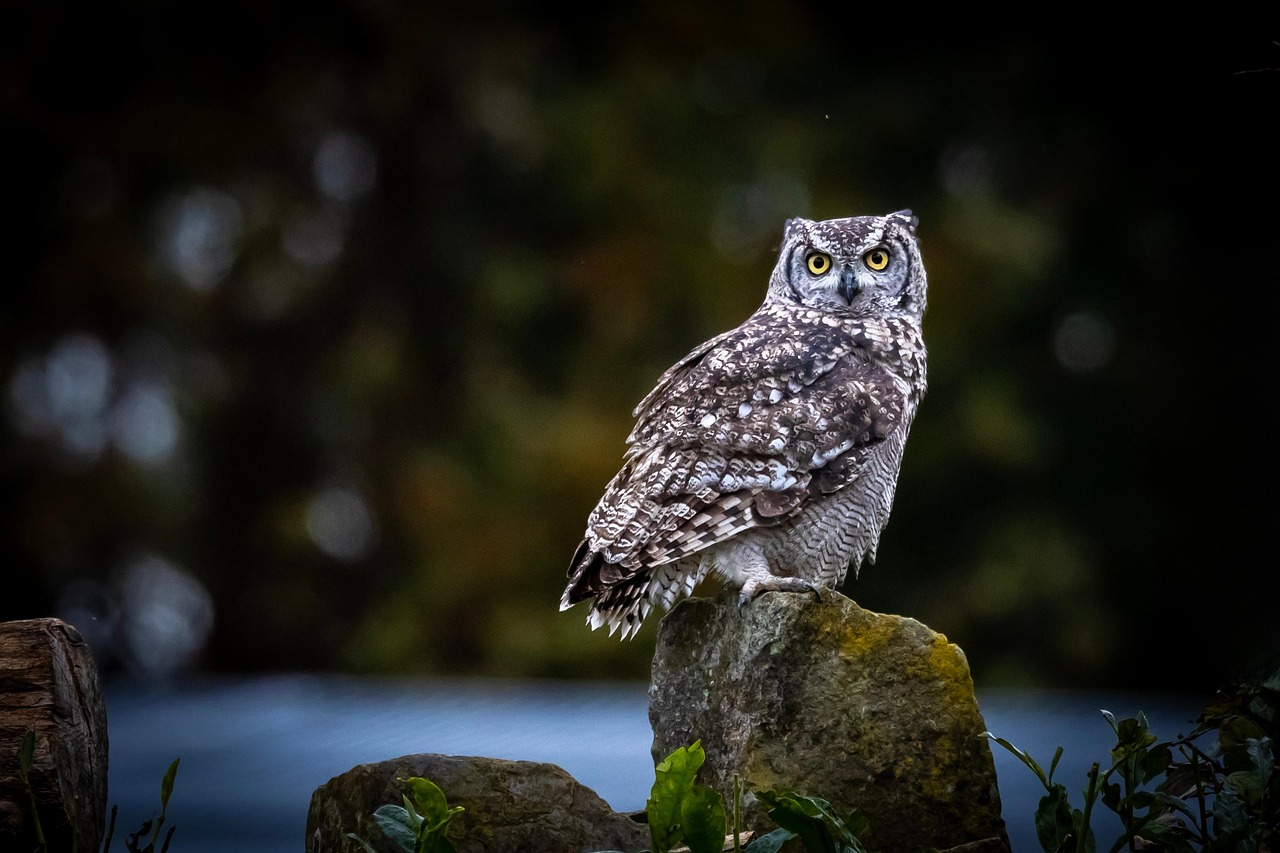
The Korean Peninsula’s Demilitarized Zone, also known as the DMZ, offers yet another example of a place where wildlife multiply in the absence of humans. Following the Korean War, North and South Korea established a no-man’s-land between the two countries known as the DMZ. A tense semi-peace has reigned for nearly 70 years at this 2.5-mile-wide boundary between the countries.
This has allowed rare animals like endangered red-crowned cranes, Asiatic black bears, Korean foxes, and goat-like amur gorals to thrive. The DMZ itself is recognized by conservationists as one of the most important places for wildlife in East Asia.
It’s a refuge for two of the planet’s most endangered birds – white-naped and red-crowned cranes – as well as Asiatic black bears, Amur leopards and, according to some accounts, extremely rare Korean tigers. The irony is striking: a border created by conflict has become a lifeline for endangered species.
Ghost Towns That Became Animal Towns
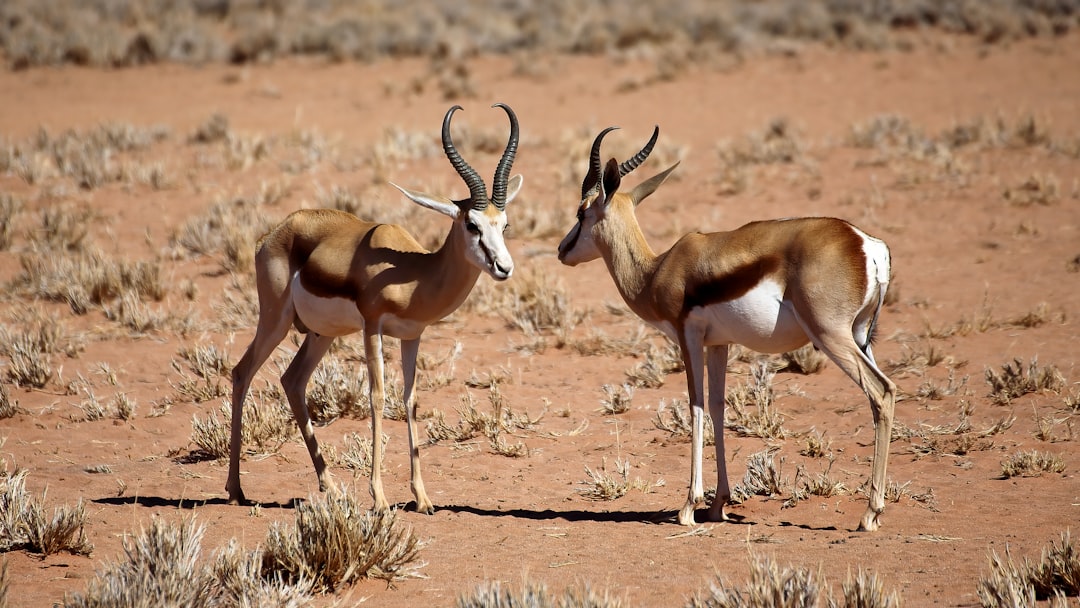
In 1908 a diamond was discovered in the desert in southern Namibia. German miners descended on the area and established the town of Kolmanskop, which they modeled after the towns of their homeland. After World War II the diamond field yielded less and less, and it was finally abandoned in 1954. Kolmanskop became a ghost town, and the desert sands slowly sifted into the abandoned buildings, filling the rooms.
But life persists in the dry desert around the empty mine and town – a population of about 150 wild horses lives there. These hardy animals have turned abandoned streets into their grazing grounds.
The human inhabitants of the town moved on and left what had been their homes, schools and shops to be taken back by the desert and the rare Namib Horse. Sometimes the most unexpected places become home to the most remarkable wildlife recoveries.
When Nuclear Disasters Create Biodiversity Hotspots
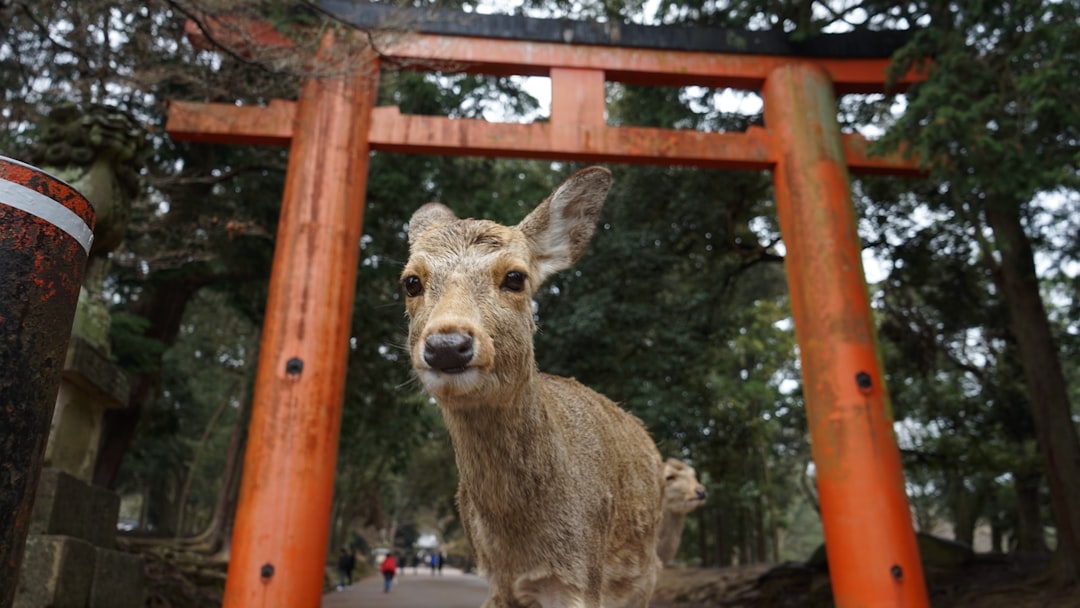
On March 11, 2011, a massive earthquake and tsunami triggered the world’s second-worst nuclear accident, after Chernobyl. At the Fukushima Daiichi plant in northeastern Japan, power failure caused by inundation allowed three reactors to melt down, leading to fallout seen through the surrounding coastline.
Research on these areas, including a recent study on Fukushima, shows that the mere presence of humans may be the most important factor limiting the local abundance of wildlife. Studies suggest that animals have multiplied in regions now abandoned by humans, despite impacts such as nuclear fallout that have driven people out.
Other animals that have flourished in the area include Japanese macaques, common raccoon dogs, Japanese serow and red foxes. The pattern is clear: remove humans from the equation, and wildlife populations explode, even in places where you’d least expect it.
The Science Behind Nature’s Swift Recovery
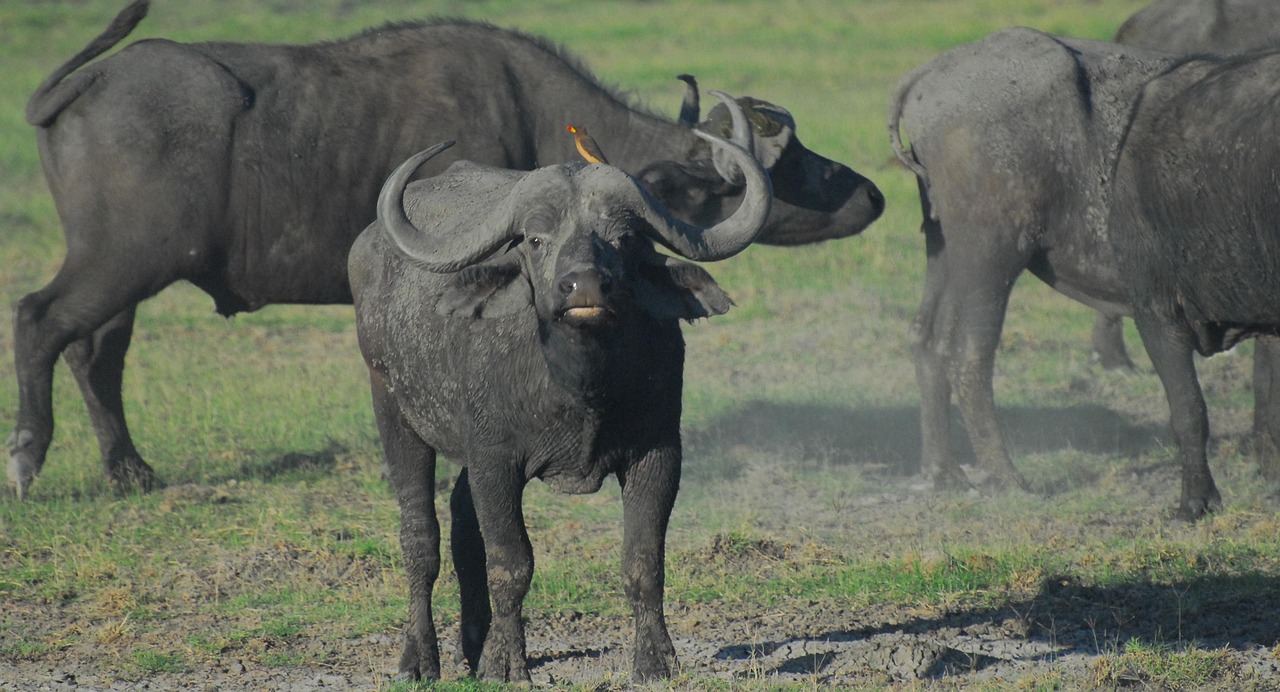
But the resurgence of animals when humans are gone does show the importance of setting aside large, contiguous habitats for wildlife – and enforcing a certain level of non-interference, he says. The evidence is mounting that human presence itself might be the biggest barrier to wildlife recovery.
An abandoned area later reclaimed by nature is an example where direct human management is completely absent. In such cases, wildlife will rebound and recolonize when given the chance.
Such abandoned sites become safe havens for animals, offering shelter, food, and breeding grounds. Wild Ecosystems: Diverse plants and animals create balanced habitats, making the area feel like ancient woodland. It’s remarkable how quickly ecosystems can rebalance themselves when left alone.
Islands of Recovery in Urban Wastelands
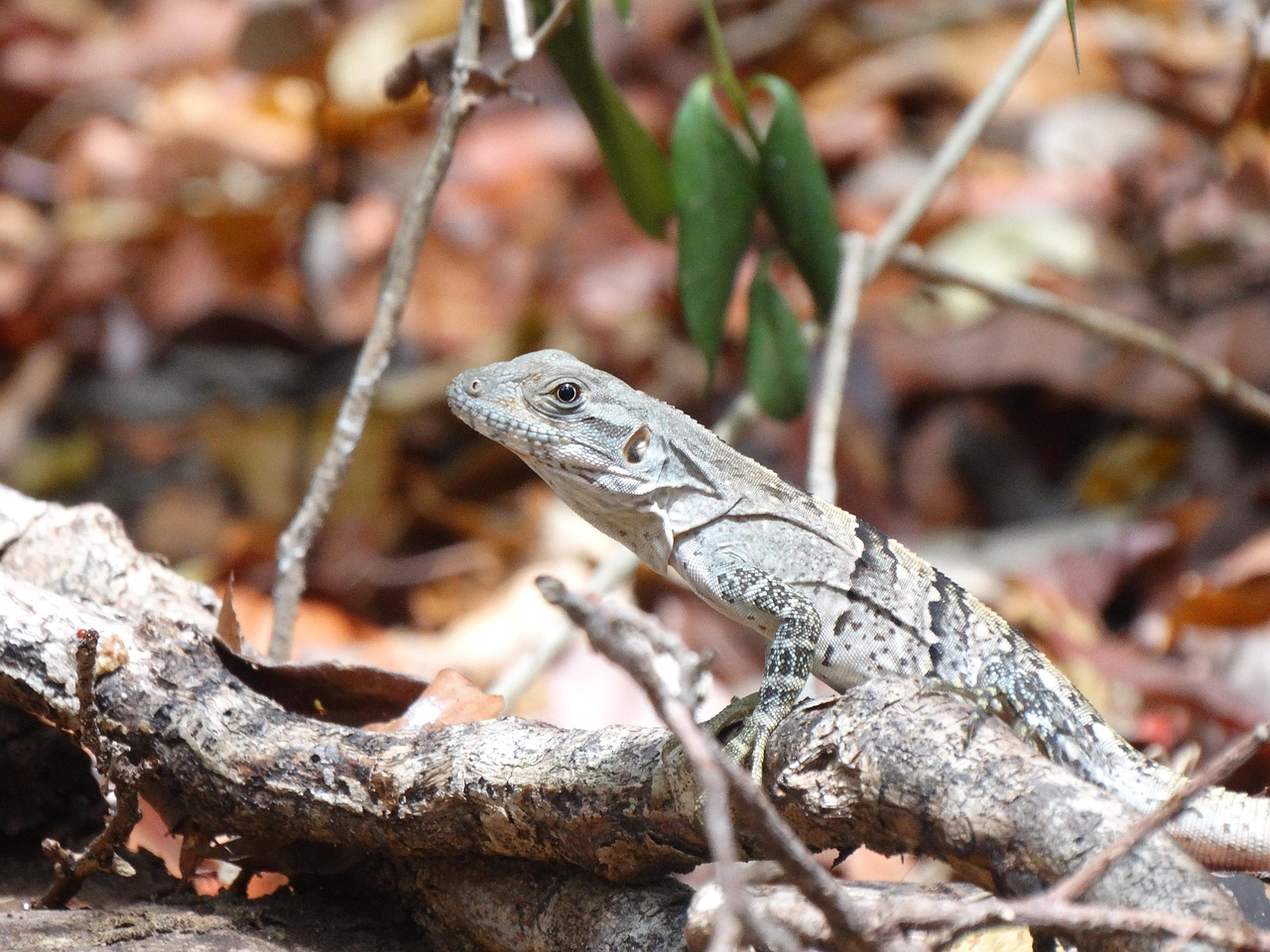
Formerly a Coast Guard light station until it was abandoned in 1948, Año Nuevo Island in California is teeming with wildlife. Now part of a nature preserve operated by the California State Parks, the island boasts one of the largest northern elephant seal mainland breeding colonies in the world.
From giant cliffs and exceptional sea stacks to clear waters and submerged caves, the St. Kilda island archipelago is an impressive natural beauty. Without human activity, St. Kilda has become a wildlife hotspot, and a place of ecological interest, home to almost 1 million seabirds, including the UK’s largest colony of Atlantic puffins.
It’s hard to believe that this overgrown island full of decaying brick buildings is located just minutes from busy Manhattan. Abandoned since 1963, the complex has fallen into irreversible ruin, with vines overtaking the exteriors. Even in the shadow of one of the world’s busiest cities, nature finds a way to reclaim its territory.
Ancient Temples Become Wildlife Sanctuaries
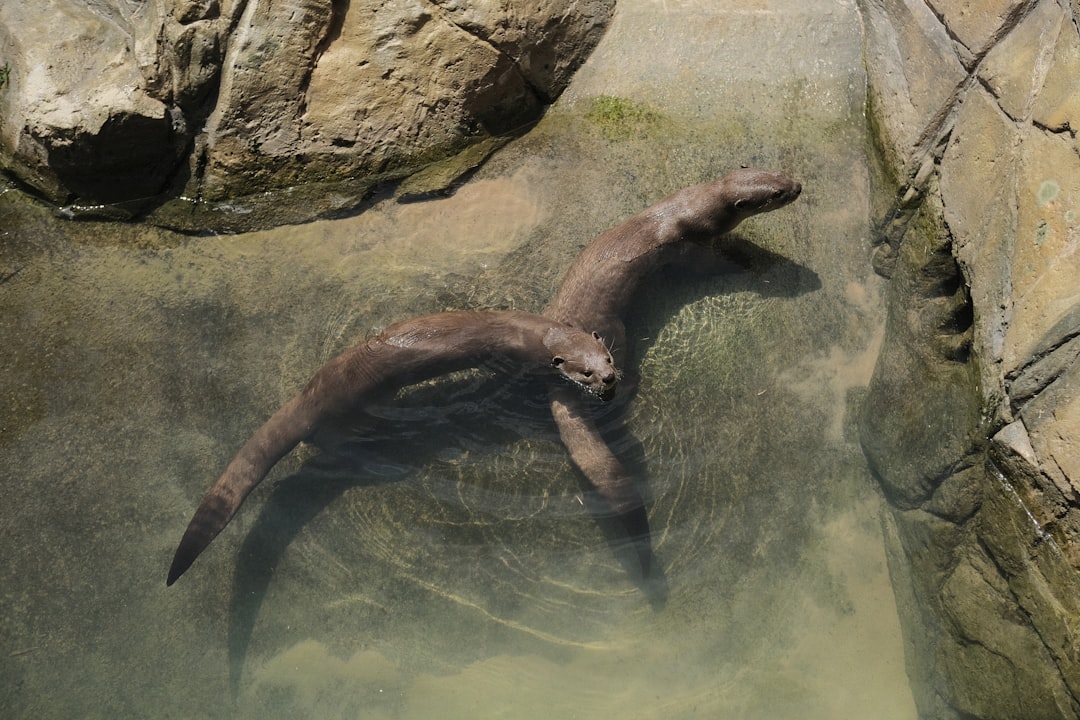
Built in the late 12th century as a Buddhist monastery and university, over 12,500 people lived around and served the temple, with 80,000 more in the neighboring villages. The temple and surrounding forested areas were abandoned three centuries later, when the king moved the capital of the empire away from Angkor. Since then, the temple has been left largely untouched, allowing trees to grow throughout the complex, the most Instagram-famous being the gigantic fig, banyan and kapok trees whose roots envelope the temple walls and tower over visitors.
According to global environmental group Wildlife Alliance, animals thrived in the forests surrounding Angkor before over-hunting and illegal trade in the last century seriously reduced populations, leaving behind just small numbers of common species including muntjac deer, wild boar and leopard cats. In response, Wildlife Alliance, along with Cambodian government bodies, have reintroduced a number of animals to Angkor since 2013.
The ancient stones of Ta Prohm temple have become living ecosystems where history and nature intertwine in ways that would have amazed the original builders.
The Global Movement of Intentional Rewilding
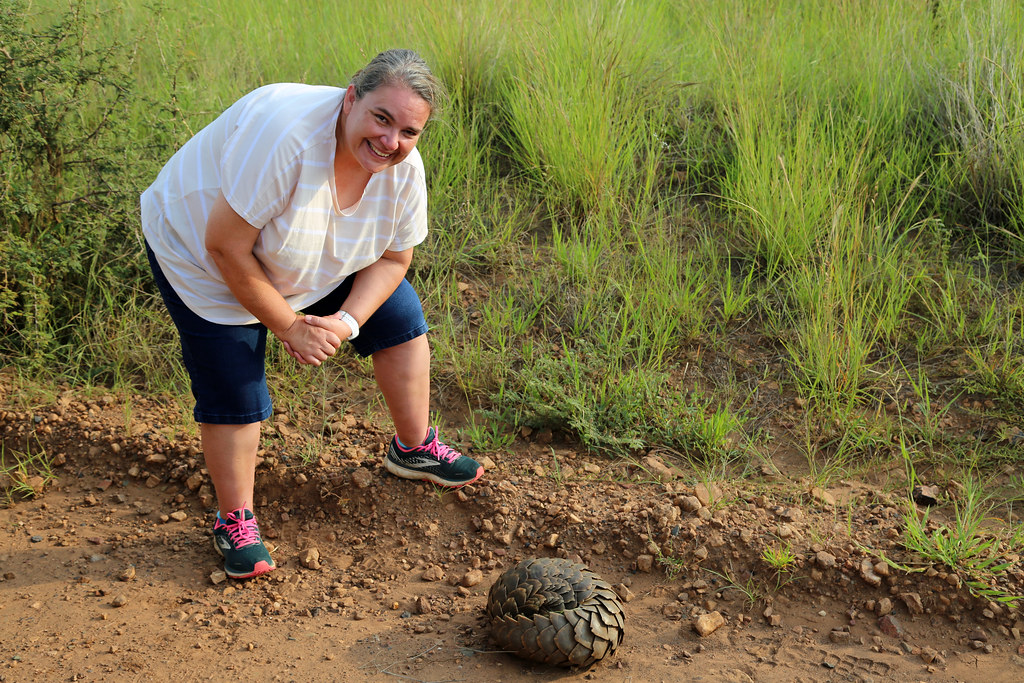
From African Wild Dogs to European Wildcats, Pangolins to Eastern Quolls, countless species have been reintroduced, their home landscapes restored, and entire ecosystems are now thriving across all continents! Nature recovery is gaining recognition on the global stage – featuring in documentaries, advancing scientific studies, influencing policy, and securing crucial funding – it is truly transforming ‘Hope into Action’.
As the so-called “Decade of Ecological Restoration” continues, positive collaborations between governments, NGOs, and local communities will be monumental to the success of conservation initiatives like rewilding. These efforts will not only protect our planet’s biodiversity, but they will also improve global resilience in the face of climate change. By simply giving nature the space it needs, we can do so much towards protecting our planet and forging a better future for the next generations.
The results speak for themselves: more than a 1,000% increase in population over two decades, with over 2,000 lynx now distributed across eight distinct populations in Spain and Portugal. The species moved from critically endangered to endangered status, a conservation success story that provides a blueprint for other rewilding efforts. When we give wildlife a chance, the results can be absolutely spectacular.
Conclusion: The Power of Stepping Back
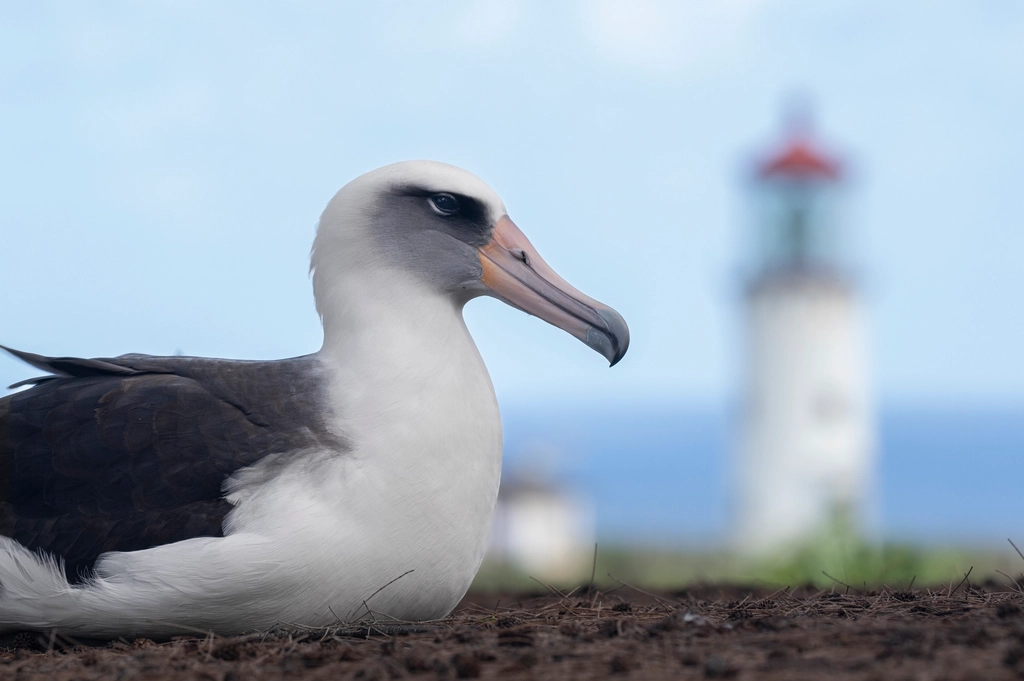
All over the world, from temple ruins overrun with tree roots to former war zones bustling with new ecosystems, there are striking examples of nature proving that once humans move out, wildlife has the opportunity to move in. These stories teach us something profound about conservation: sometimes the best thing we can do for wildlife is simply get out of the way.
When we abandon a place, very often the wild comes to reclaim it. The forest re-establishes its sovereignty, the swamp bubbles back up, and the animals return. The remarkable recoveries happening in abandoned places worldwide show us that nature’s resilience is far greater than we ever imagined.
Perhaps the most hopeful lesson from these accidental wildlife refuges is that recovery doesn’t always require massive intervention or decades of careful planning. Sometimes it just requires patience, space, and the wisdom to let nature do what it does best. What do you think about the idea that our absence might sometimes be the greatest gift we can give to wildlife? Tell us in the comments.

- What Large Dog Breed Are You According to Your Zodiac Sign - August 8, 2026
- 8 Plants That Help Keep Mosquitoes Away From Texas Patios - August 8, 2026
- 10 Facts About the Grand Canyon Hidden in Its Rock Layers - August 8, 2026