
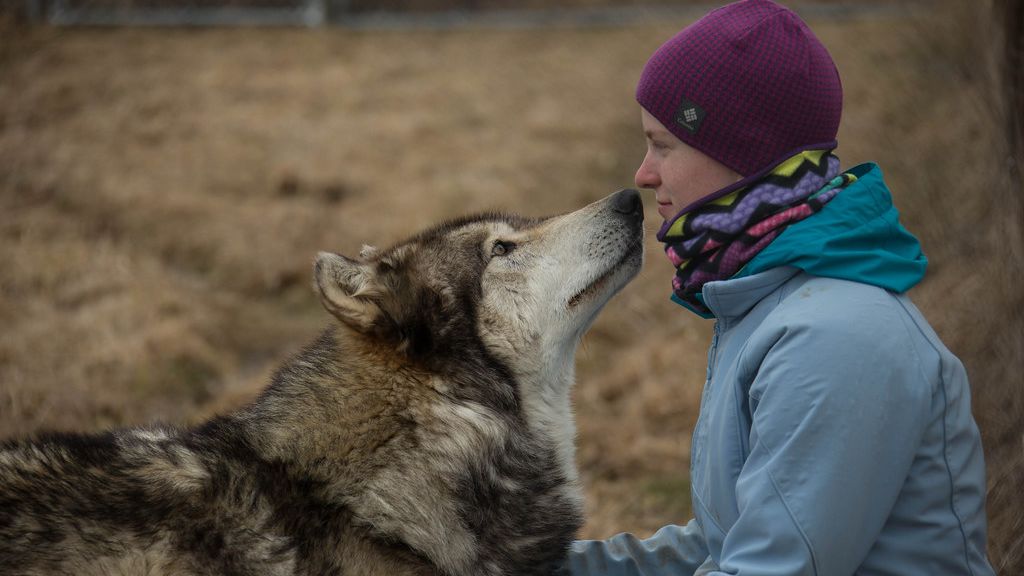
The ancient bond between humans and wolves stretches back tens of thousands of years, yet scientists are still uncovering the mysteries of how these remarkable predators perceive and remember us. While most people assume wolves are too wild and unpredictable to form lasting memories of individual humans, recent research suggests something far more intriguing is happening in the complex minds of these apex predators.
Think about your dog greeting you after a long day away. That tail-wagging enthusiasm and obvious recognition feels deeply personal, doesn’t it? Now imagine that same recognition, that same emotional connection, existing in the heart of a true wild animal. This isn’t fantasy anymore. It’s science, and it’s changing everything we thought we knew about wolf cognition and memory. Let’s dive into the fascinating world of wolf memory and discover what researchers have learned about these incredible animals’ ability to remember us.
Wolves Can Form Lasting Bonds with Their Human Caretakers
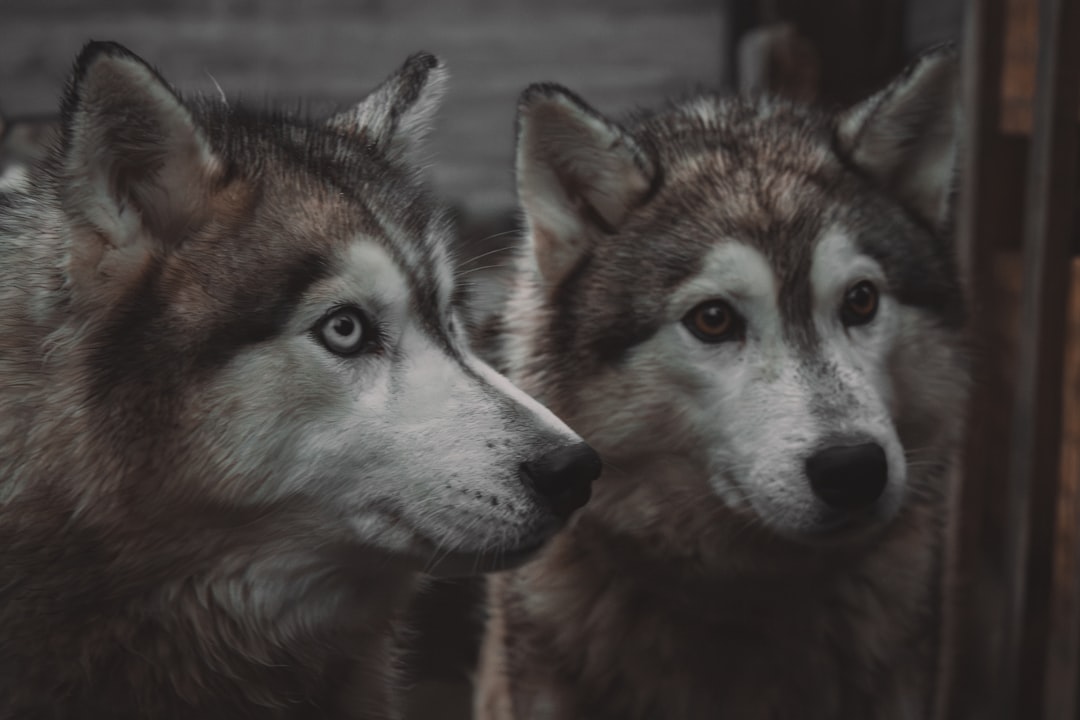
Recent studies reveal that wolves are indeed capable of making doglike attachments to people and might even view humans as a source of comfort and protection. This groundbreaking research challenges decades of assumptions about wolf behavior and cognition.
Researchers studying wolves that were two years old concluded that the attachment they felt and the affection they showed the humans they knew well would reach into adulthood. The implications are staggering. These aren’t fleeting puppy behaviors that disappear with maturity.
The Strange Situation Test Reveals Wolf Attachment Behavior
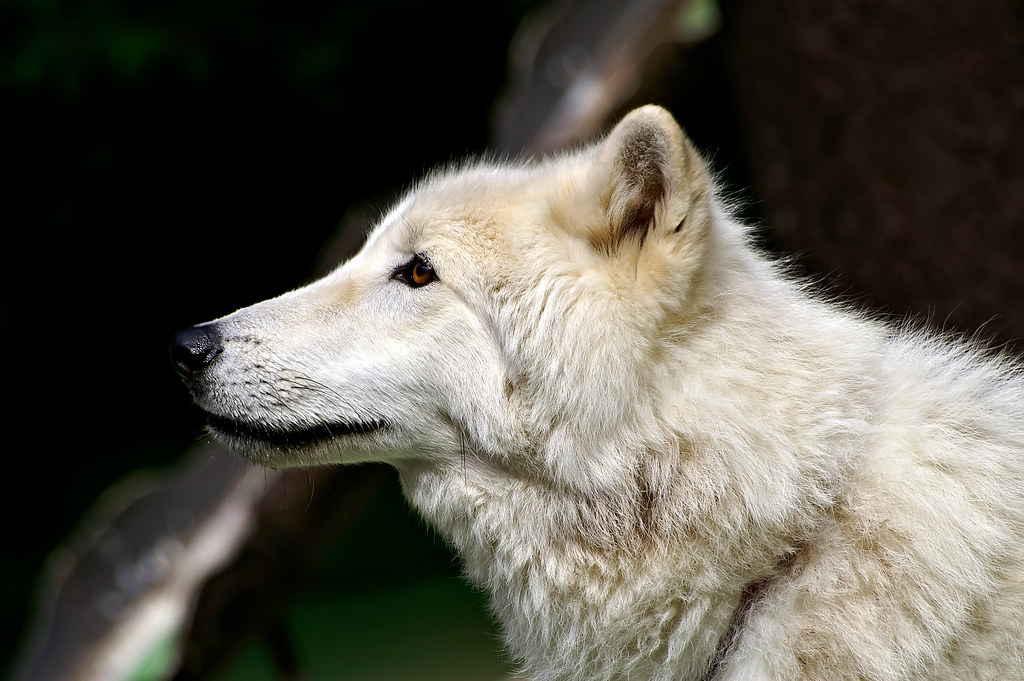
Scientists have adapted the famous Strange Situation Test, originally designed for human infants, to study wolf-human bonds. Researchers used this standardized test to investigate attachment behavior in wolves and dogs hand-raised under identical conditions.
The results were remarkable. When their caregiver entered the room, both wolves and dogs showed high levels of greeting behavior, but when a stranger entered, both species showed reduced greeting responses, with wolves showing a more pronounced decrease, suggesting both animals distinguished between familiar and unfamiliar humans. The wolves clearly remembered their human caretakers and responded differently to them than to strangers.
Memory Capabilities Extend Beyond Simple Recognition
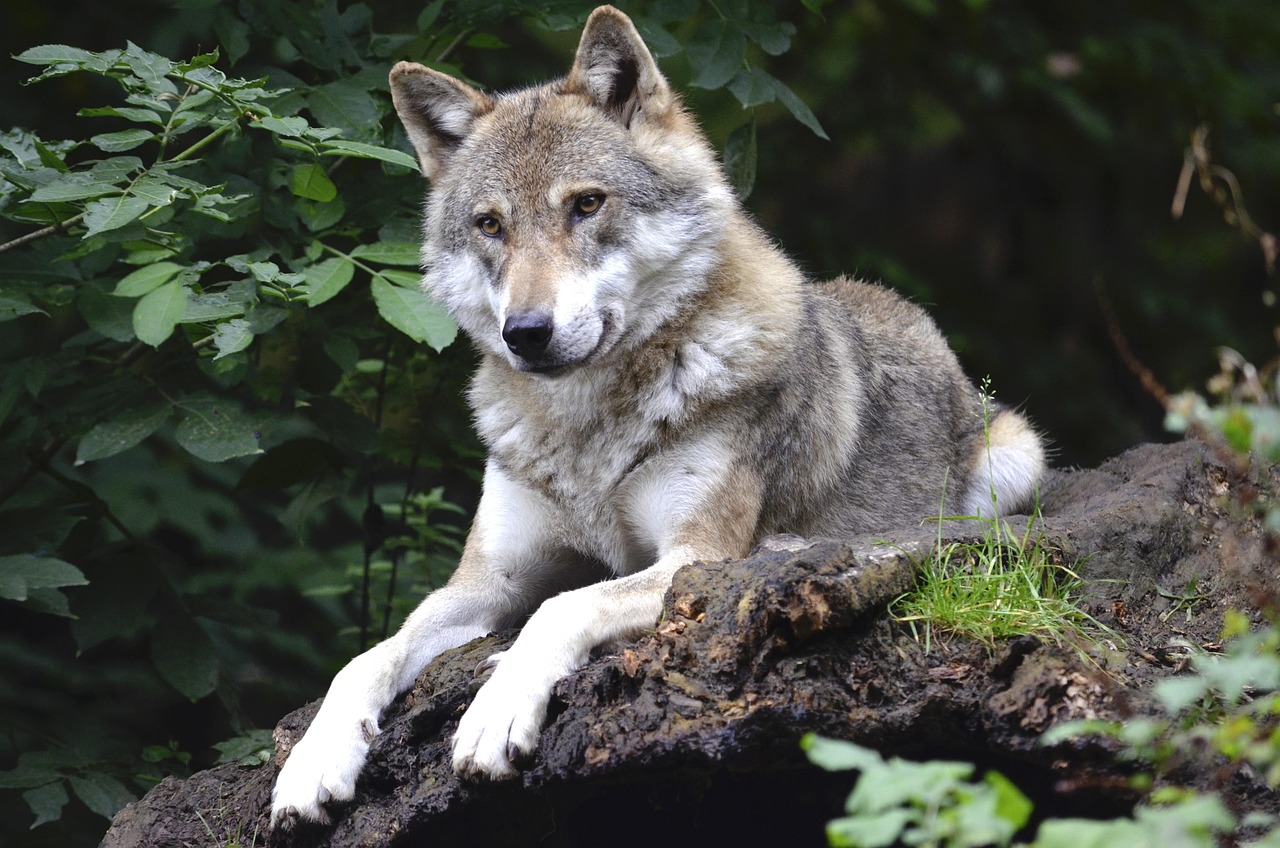
Wolves demonstrate observational spatial memory abilities, remembering where humans hide food and retrieving more caches efficiently when they observed the hiding compared to control conditions. This cognitive ability suggests wolves possess sophisticated memory systems that can store and recall complex spatial and social information.
Wolves are described as having high cognitive abilities and complex information retention skills, with researchers noting that “wolves appear to have well-organized memories for routes, points, junctions, and their juxtaposition”. These memory skills likely extend to remembering individual humans and their associated behaviors.
The Role of Early Socialization in Wolf Memory Formation
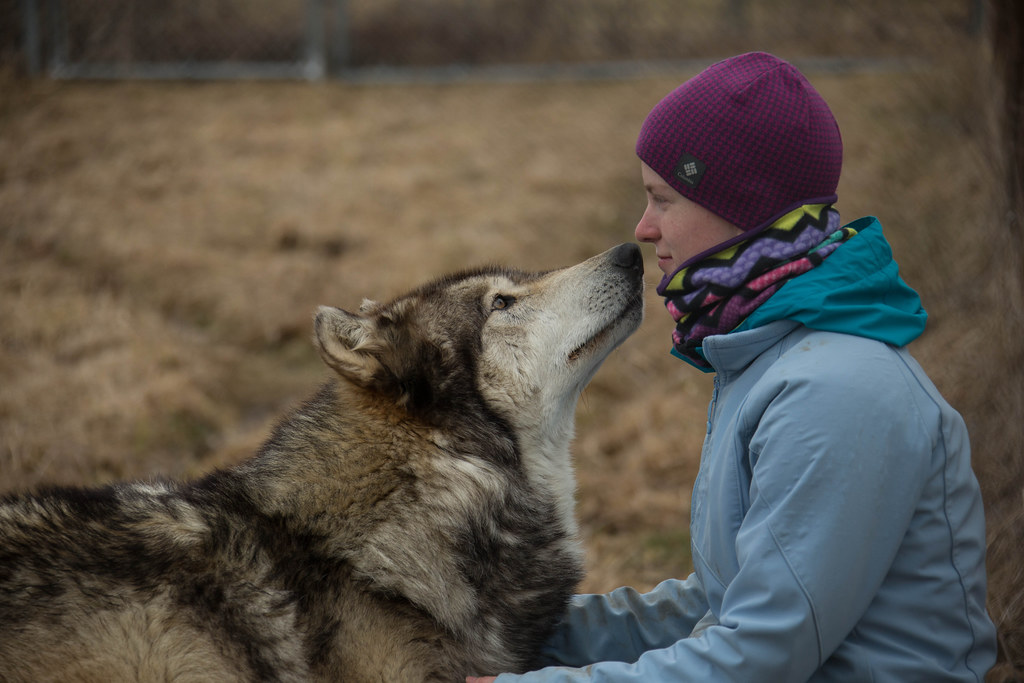
Hand-raised wolves that were extensively socialized under standardized conditions from 10 days old by trained caregivers showed different attachment behaviors than wild wolves. The intensive socialization process appears crucial for developing these human-wolf memory bonds.
Researchers emphasize that “without this process they would never show these behaviors towards humans”. However, this doesn’t diminish the significance of the finding. It reveals that wolves possess the underlying capacity for forming lasting memories of individual humans when given the opportunity.
Adult Wolves Maintain Bonds Formed Earlier in Life
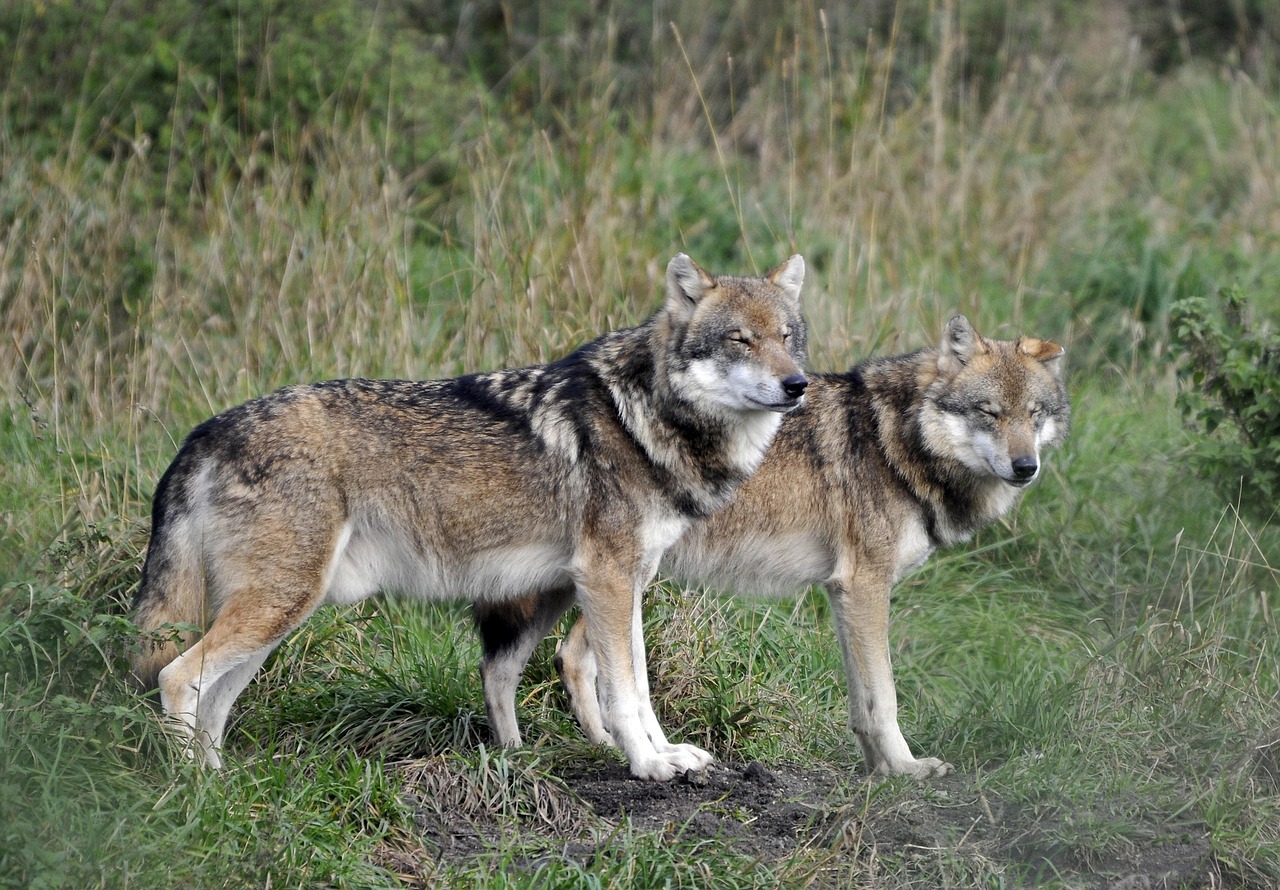
Perhaps most fascinating is the persistence of these memories into adulthood. Since handlers in studies were not the original caretakers who raised the wolf pups, researchers concluded these bonds form later in life rather than resembling mother-child relationships.
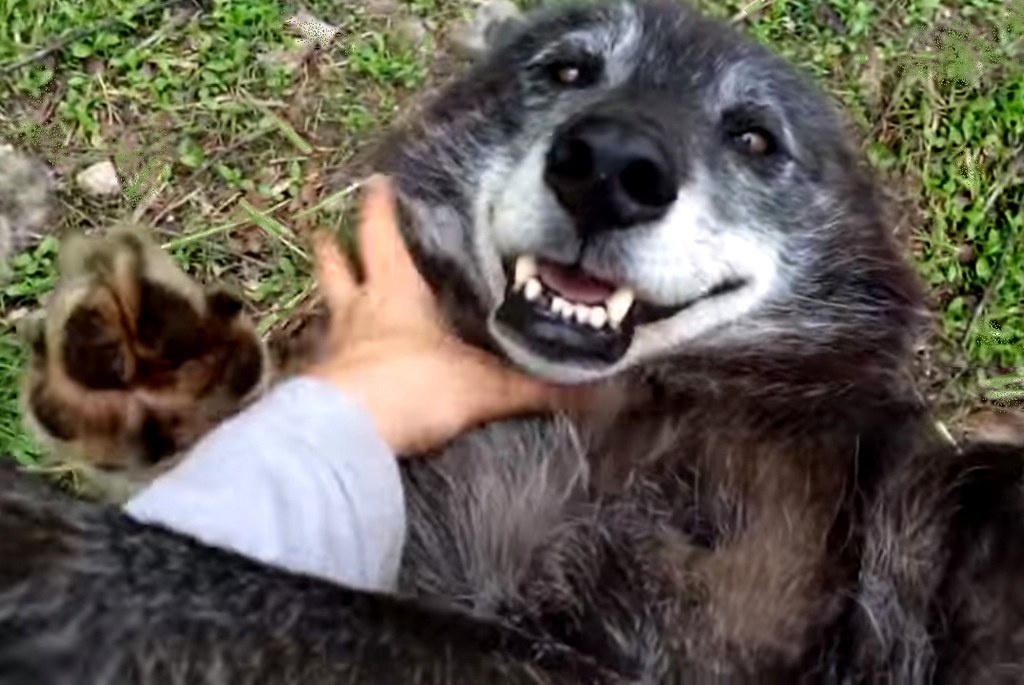
Scientists learned that while dogs may be more dependent on their human caretakers, wolves can form lasting affiliative relationships with their caretakers without dependence. This suggests a different but equally meaningful type of memory and recognition system.
Wolves Remember Dangerous Humans for Extended Periods
Research on wild corvids provides compelling evidence that predators can remember threatening humans for years. Wild American crows have been documented remembering and responding with alarm calls to specifically masked humans for years after those humans had caught and ringed them while wearing masks.
If corvids can maintain such detailed memories of dangerous humans, it’s reasonable to assume wolves, with their superior cognitive abilities and complex social structures, possess even more sophisticated human recognition and memory systems. In areas where wolves face hunting pressure, they quickly become adept at avoiding people who try to kill them, especially in dense forests where they were never fully exterminated.
Social Structure Influences Wolf Memory and Recognition
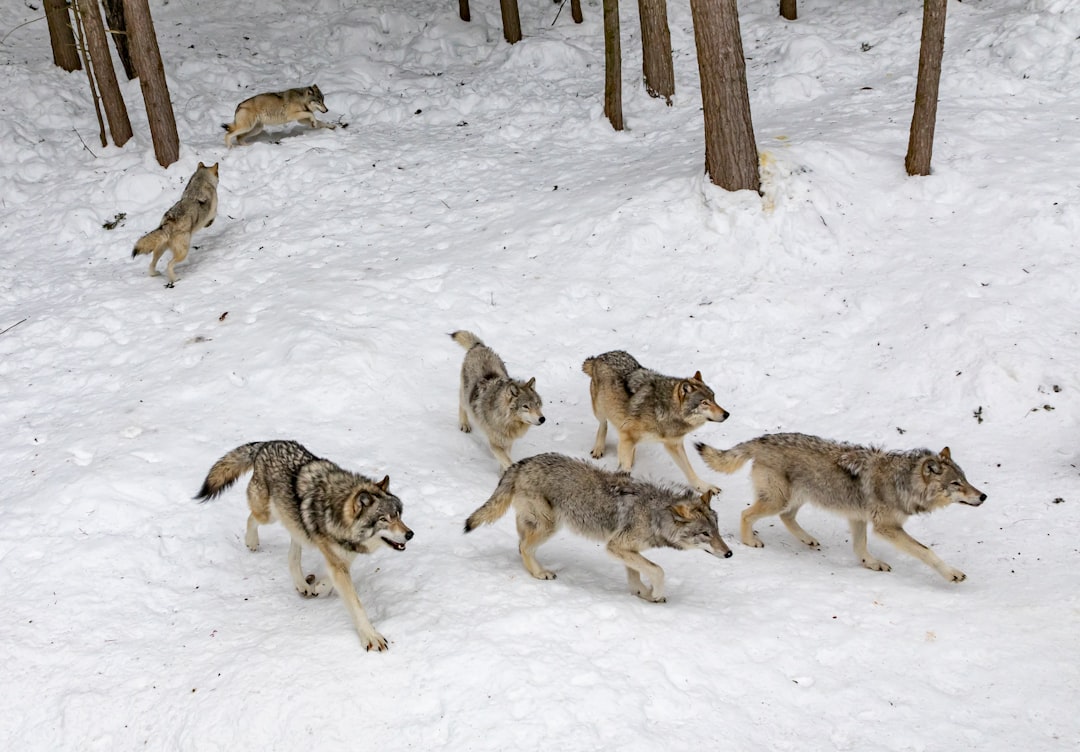
The evolutionary origin of human-dog attachment may stem from social bonds between pack members, as wolves live in families with complex social environments that provide a good basis for integrating into human social groups. This social complexity likely enhances their memory capabilities for individual recognition.
Wolf packs have distinct cultures passed down by elders, with pups learning from each member and developing social skills required to create powerful bonds that form the foundation of wolf society. These same social learning mechanisms likely apply to remembering and recognizing humans.
The Future of Human-Wolf Memory Research
Current research limitations include small sample sizes and the challenge of studying wild wolves over extended periods. Despite researchers acknowledging that sample sizes aren’t huge, they worked with the minimum necessary for statistical analysis due to the challenges of hand-rearing wolves.
This research adds weight to growing evidence that cross-species attachments aren’t limited to dogs and humans, with similar relationship traits observed in primates and cats, including separation distress and contact seeking. Future studies may reveal even more about the depth and duration of wolf memory for individual humans.
The evidence is clear: wolves possess remarkable memory capabilities that extend far beyond simple recognition. While some researchers previously concluded that the ability to form attachments with specific humans was not present in wolves, new evidence suggests otherwise. These apex predators can remember individual humans for extended periods, form lasting emotional bonds, and demonstrate sophisticated cognitive abilities that rival those of domestic dogs.
Perhaps most intriguingly, some researchers suggest wolves may remember something about the ancient association between humans and wolves that we ourselves have forgotten. In our modern world, where human-wolf interactions are often fraught with conflict, this research reminds us of the deep, complex relationship our species once shared.
What do you think about these remarkable findings? Could understanding wolf memory help us better coexist with these magnificent predators in the modern world?

- If Your Cat Is Over 12 These 18 Quiet Changes Are the Ones Vets Never Ignore - August 8, 2026
- 16 Wild Animals Sanctuary Workers Say Choose One Human Early and Never Once Change Their Mind - August 8, 2026
- 18 Animals That Bond So Completely With One Person They Never Truly Settle With Anyone Else Again - August 8, 2026