
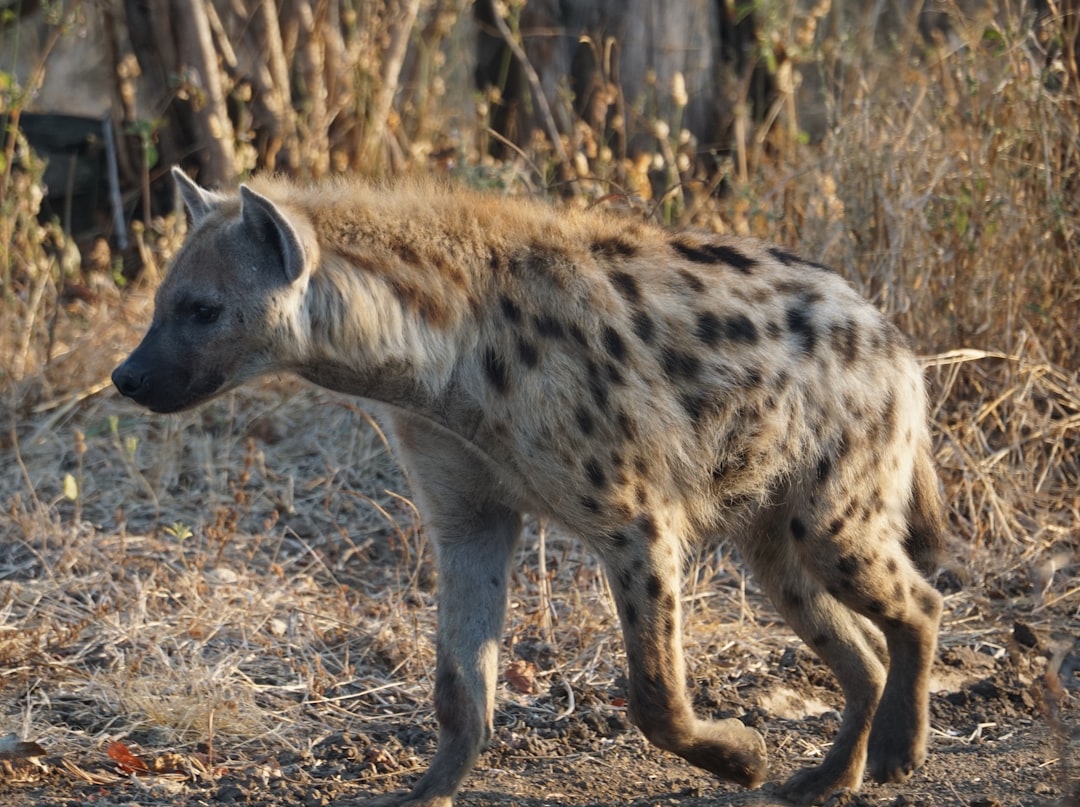
Few wildlife encounters stir as much primal fear as coming face to face with hyenas. These misunderstood predators pack bone-crushing jaws and hunt with ruthless intelligence, yet most people dramatically underestimate their danger while overestimating their own chances of survival. The reality is far more sobering than the cartoonish villains from The Lion King would suggest.
When wildlife experts and researchers who’ve spent years studying these formidable creatures share their survival wisdom, the advice might surprise you. From the Kenya Wildlife Service to field biologists in the heart of Africa, the consensus is clear: your instincts could get you killed, and conventional wisdom about facing predators doesn’t always apply to hyenas. Let’s explore what the experts really say about surviving one of nature’s most efficient killing machines.
Don’t Run – This Triggers Their Chase Instinct
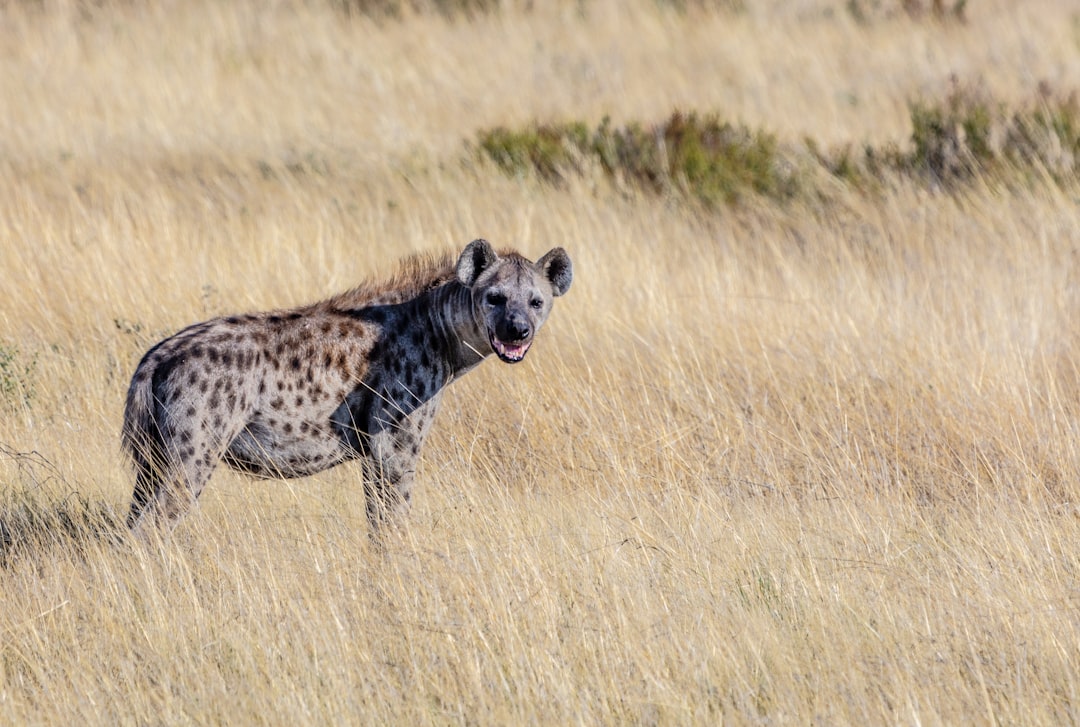
The most critical rule experts emphasize is to never run from a hyena, as the animal will instinctively chase anything that flees, even out of curiosity. These animals can reach speeds up to 37 mph with extraordinary endurance, making it impossible for any human to outrun them.
Wildlife researchers consistently stress that running triggers the hyena’s predatory response. As predators, hyenas will chase animals that run away, sometimes just from curiosity rather than hunger. Unless you can run faster than a deer, experts advise against attempting to flee.
Stand Your Ground and Make Yourself Appear Threatening
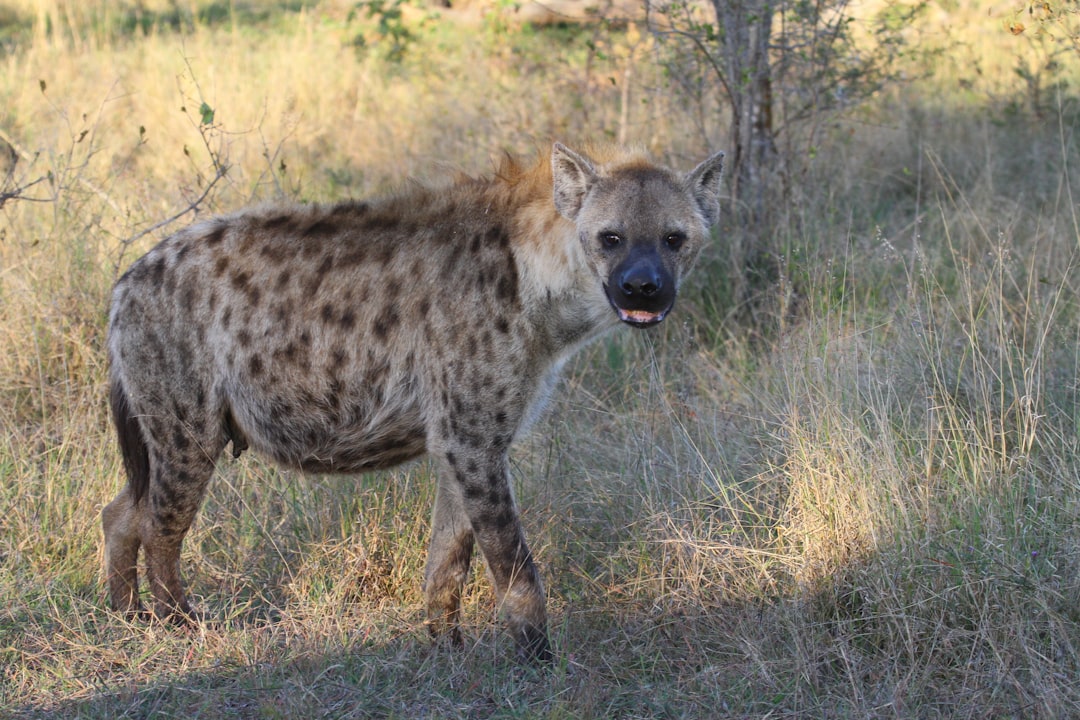
Professional wildlife guides recommend spreading your arms wide, waving them about, making yourself as large as possible, and creating loud noises while shouting threateningly to appear as if you’re going to attack the hyena. This aggressive display often causes the hyena to retreat.
If a hyena shows personal interest in you and moves closer, experts suggest suddenly stepping toward it to surprise the animal and make it believe you’re a predator. If you’re carrying a bag, swing it around your head as an additional threatening gesture. This counterintuitive approach leverages the hyena’s natural wariness of potential threats.
Never Lie Down or Play Dead
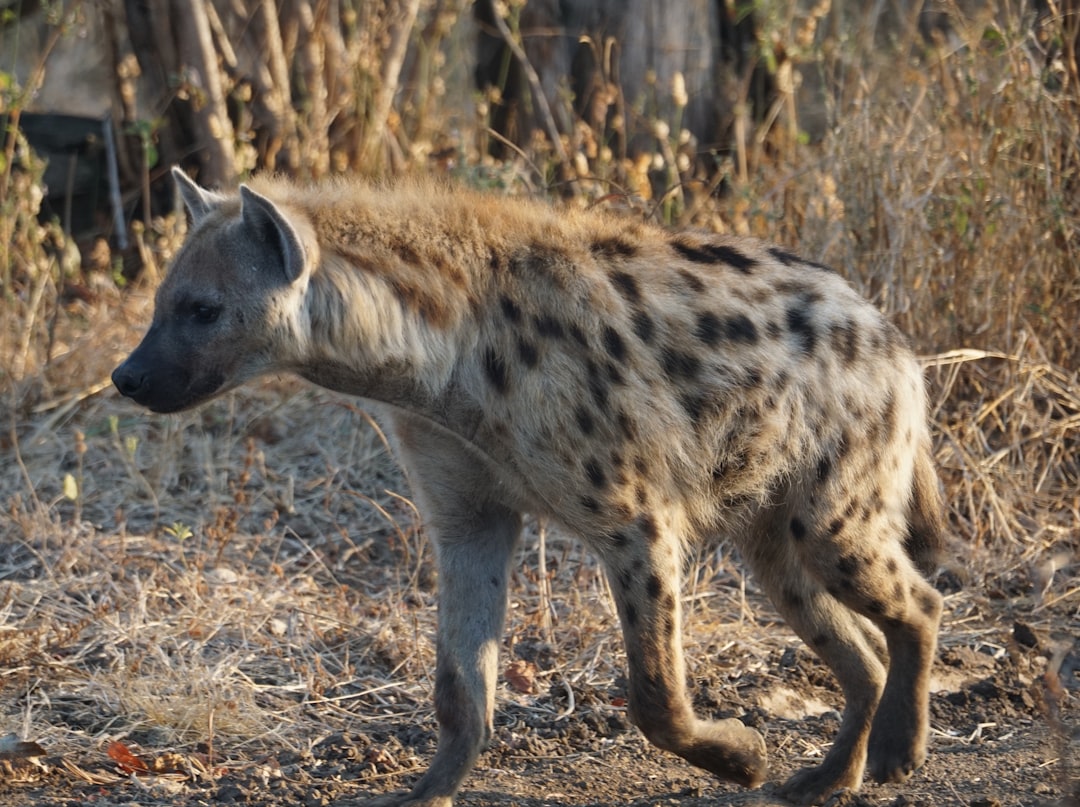
Wildlife experts unanimously warn against lying down or pretending to be dead, as this behavior will only increase the hyena’s curiosity rather than deterring it. Unlike some predators that might lose interest in motionless prey, hyenas are accomplished scavengers and investigators.
Animal behaviorists explain that playing dead around hyenas is particularly dangerous because these animals are naturally drawn to investigate carcasses and potential food sources. Their scavenging instincts make them more likely to approach and examine something that appears lifeless, putting you in greater danger.
Keep Calm and Talk to the Animal
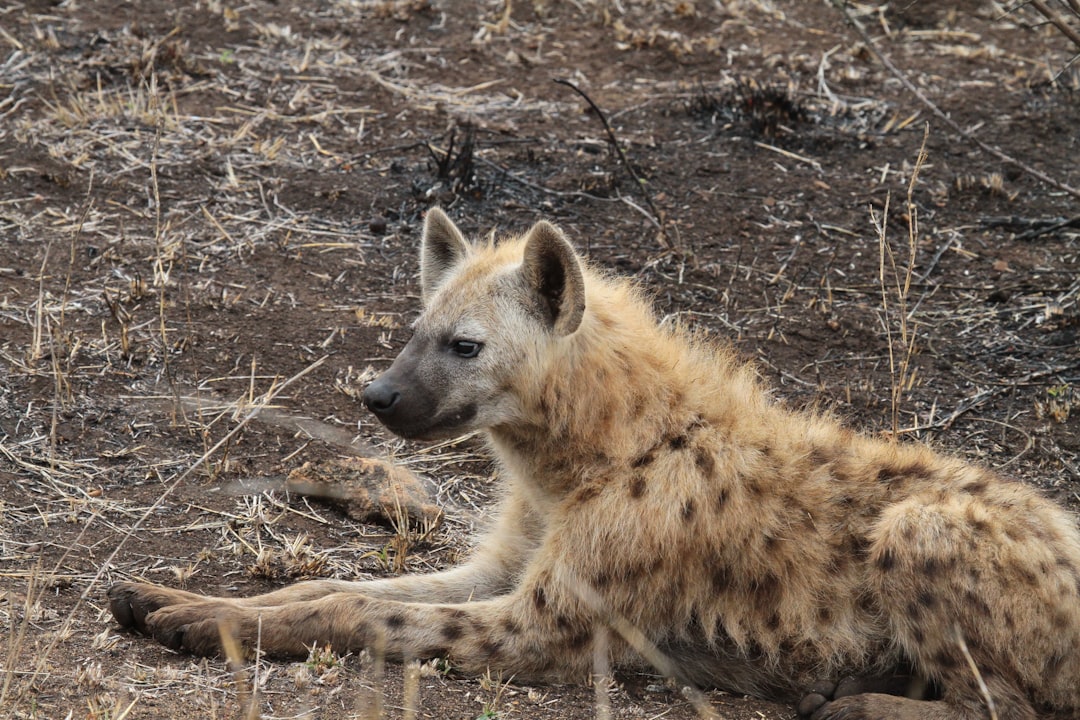
Experts recommend keeping yourself calm by talking to the hyena, avoiding showing fear during the encounter. Wildlife experts advise to “keep yourself calm by talking to it.”
Though this advice sparked some public confusion and skepticism, animal behaviorists explain that speaking calmly serves multiple purposes. The goal is to avoid displaying fear, which predators can often sense. Your voice can also help you maintain composure while projecting confidence that might deter the animal from attacking.
Understand Their Behavioral Patterns and Weaknesses
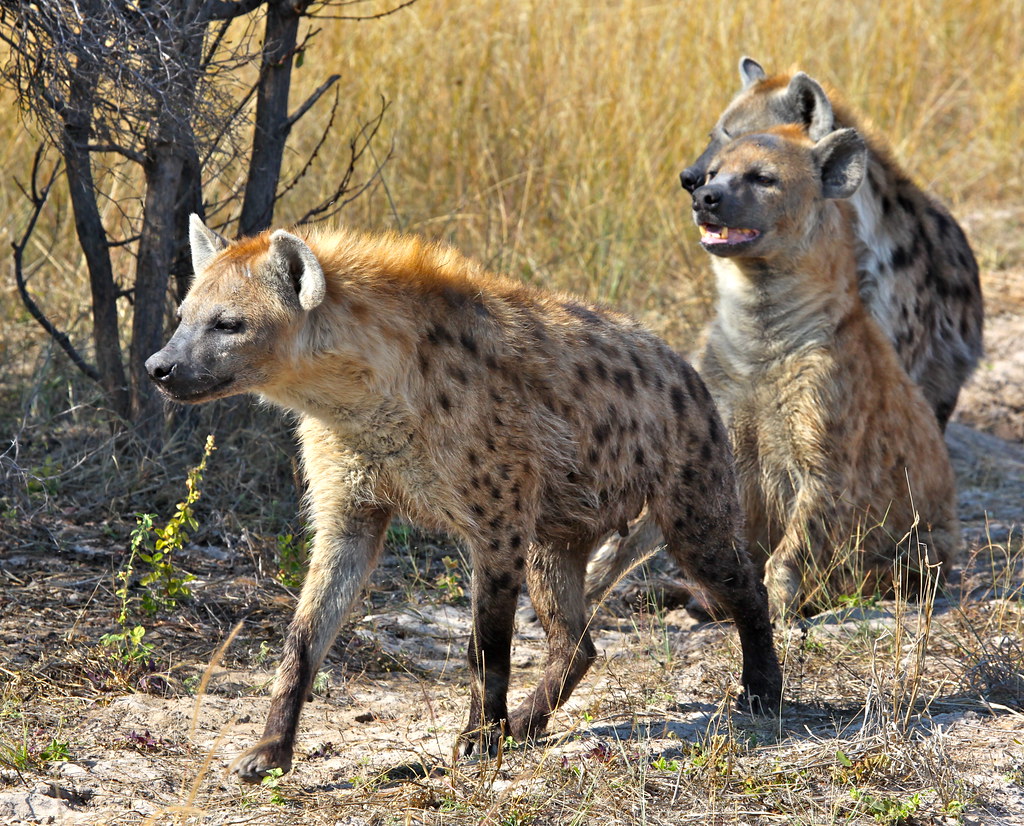
Experts note that hyenas are inherently lazy animals that prefer scavenging easy meals like dead meat rather than engaging in fights or chasing difficult prey. Researchers believe hyenas typically only hunt live prey when in packs, unless the target is small, and in urban areas they’re usually scavenging rather than hunting.
Kenya Wildlife Service rangers explain that hyenas are primarily nocturnal, spending their time walking around looking for food and often hiding in quarry caves during the day. The danger significantly increases when hyenas are traveling in packs, as evidenced in recent fatal attacks.
Remove Food Sources and Create Distance
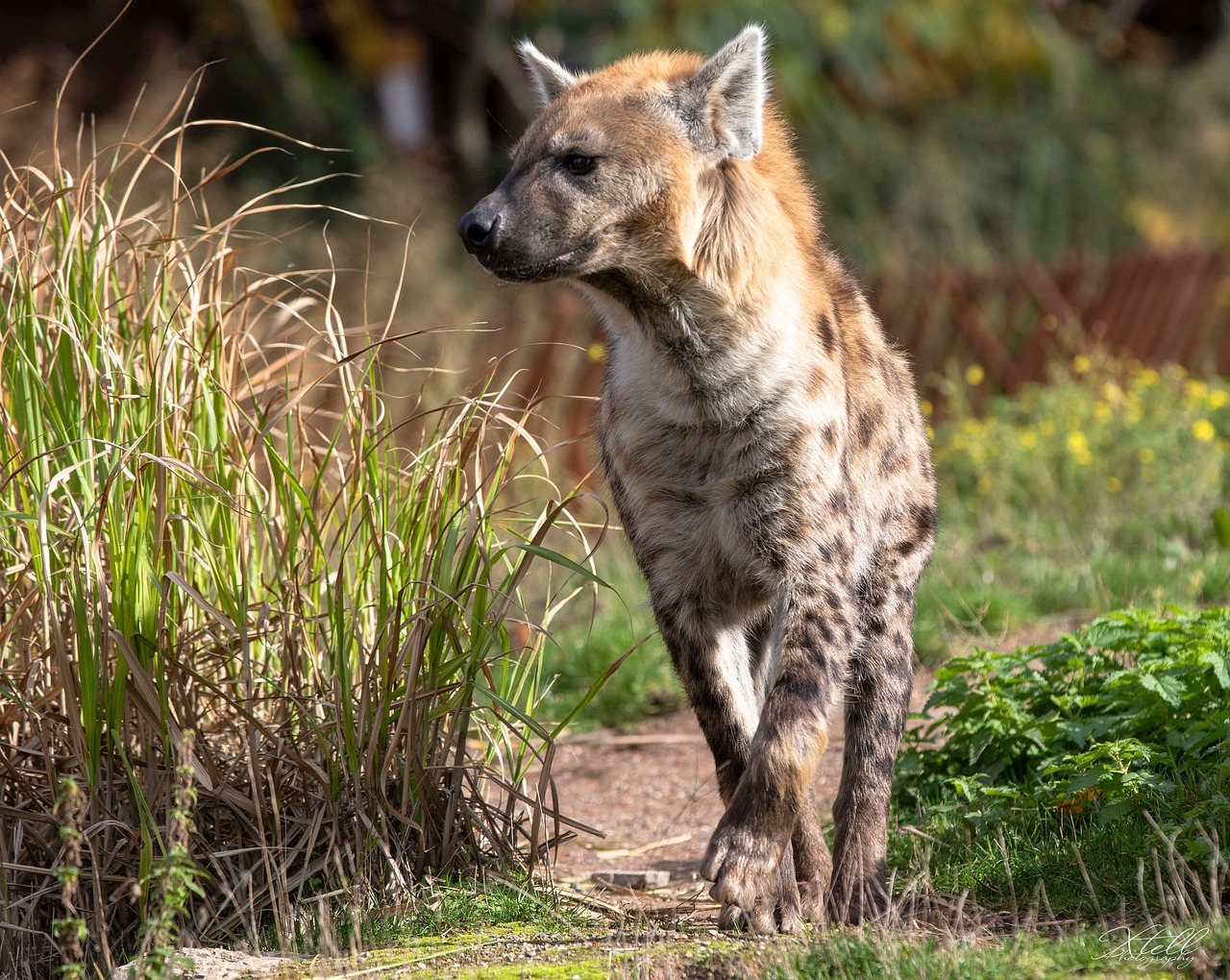
If you’re carrying food, wildlife experts advise throwing it away immediately, as hyenas can smell it and this may be their primary interest – when the hyena investigates the food, slowly move away. Check if you’re near garbage bins, dumps, or dead animals that might be attracting the hyena, then slowly move to one side while keeping the animal in sight.
Researchers stress the importance of not carrying food in hyena territory as a precautionary measure, calling it “asking for trouble.” This simple step can prevent many dangerous encounters from occurring in the first place.
Recognize When to Fight Back
If a hyena actually attacks, survival experts recommend fighting back by kicking and punching it in the face, or using any available object as a weapon. Look for anything that could serve as a weapon, and if attacked, fight back by targeting the head and face area.
While challenging, some experts believe an unarmed human does have a chance of defending against a single hyena with sufficient strength, agility, and determination. However, if multiple hyenas appear, survival experts grimly suggest running for your life and creating obstacles by overturning trash cans or crates to slow them down.
Prevention Through Smart Travel Choices
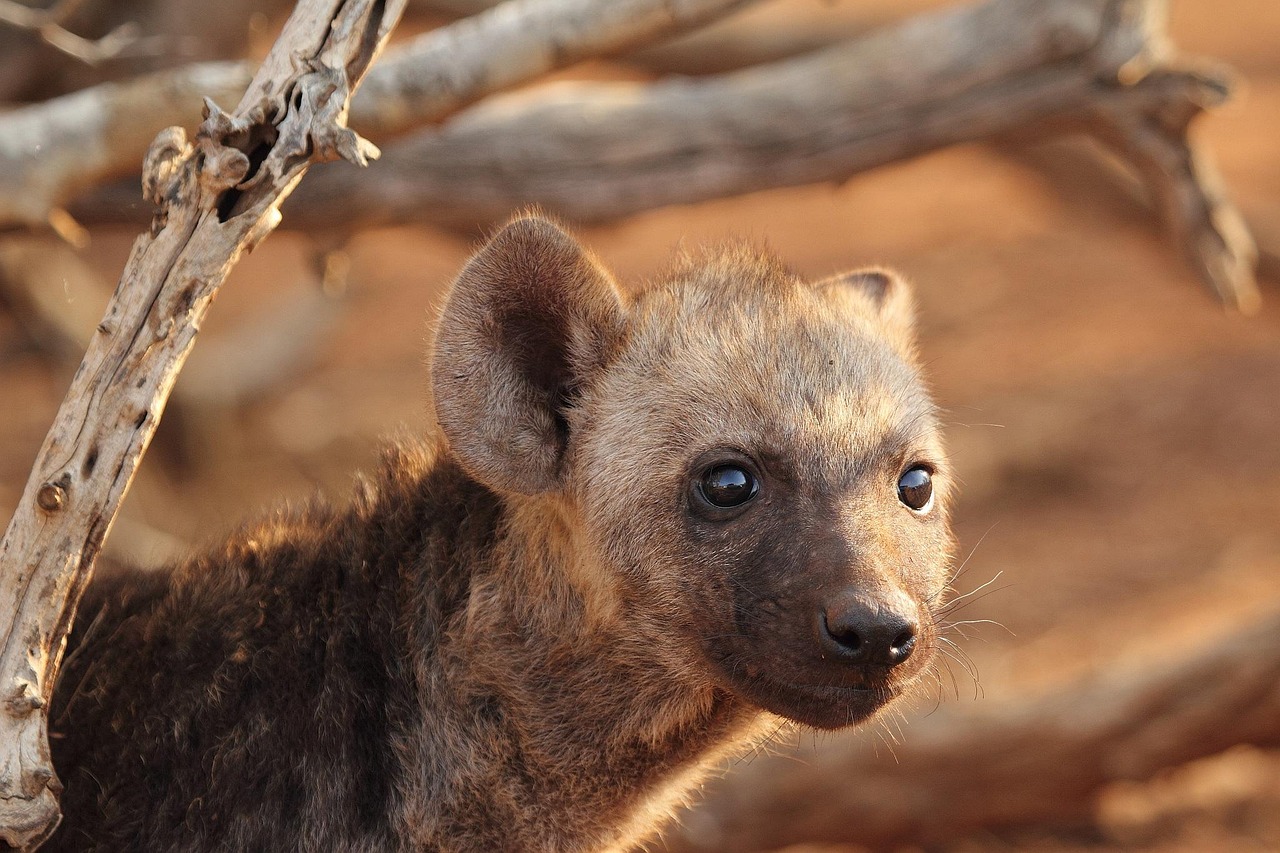
Wildlife authorities strongly recommend minimizing movement during nighttime hours when hyenas are most active. Rangers urge people in affected areas to avoid walking late at night and stay informed about local wildlife safety measures.
Field researchers emphasize that people shouldn’t venture into hyena territory without proper protection, ideally accompanied by an expert guide with appropriate deterrent equipment. Smart prevention remains far more effective than even the best survival techniques when facing these formidable predators.
Conclusion
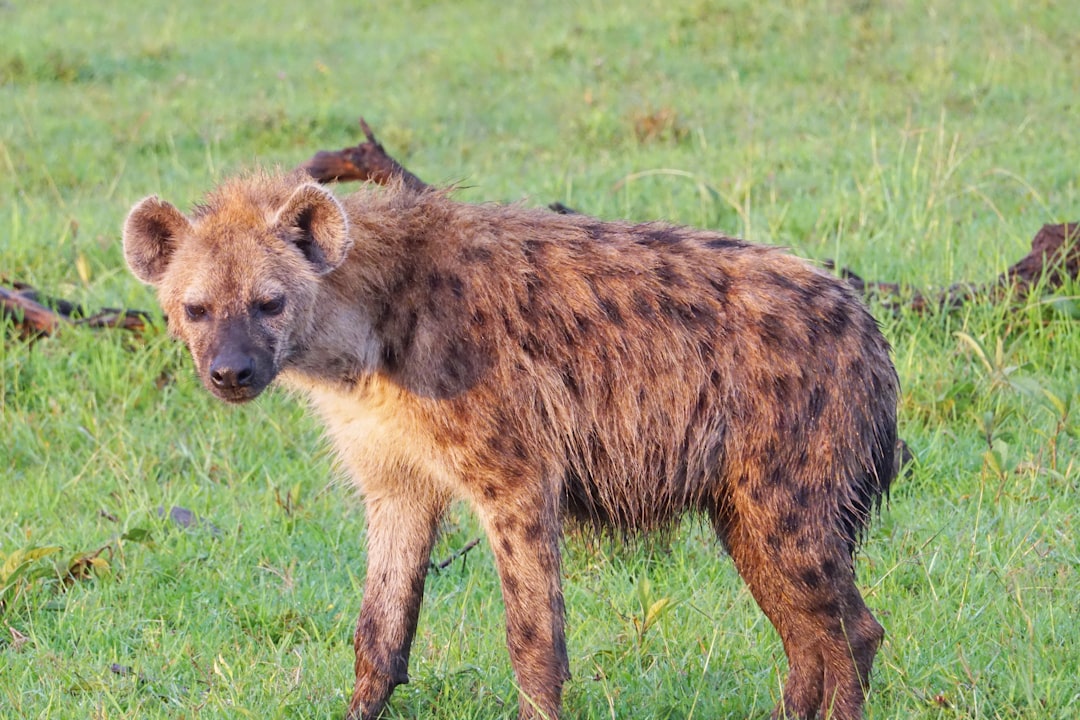
The experts’ advice reveals a sobering truth: surviving a hyena encounter requires abandoning your natural instincts and embracing counterintuitive strategies. These aren’t the bumbling scavengers of popular imagination, but sophisticated predators with crushing jaws and pack intelligence. Your best defense lies not in flight or submission, but in projecting confident aggression while creating opportunities to escape safely.
The wisdom from wildlife researchers who risk their lives studying these animals daily is clear: respect their power, understand their behavior, and never underestimate their capabilities. When the stakes are life and death, following expert guidance rather than panic could mean the difference between becoming a cautionary tale and living to tell yours. Have you ever considered how your natural instincts might actually endanger you in a wildlife encounter?

- 7 Things Skunks Do Before They Spray - August 6, 2026
- 7 Reasons Sea Otters Matter to California's Kelp Forests - August 6, 2026
- 8 Backyard Birds That Remember Safe Gardens After Migration - August 6, 2026