
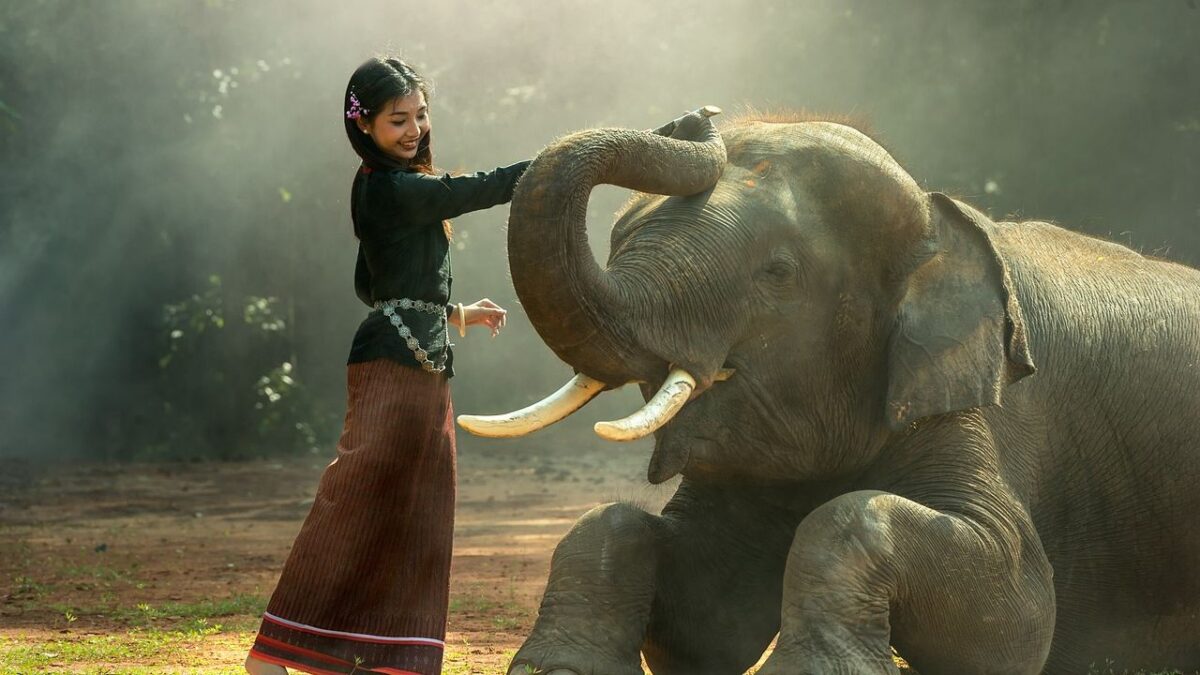
Ever noticed how some friends seem to effortlessly charm every dog at the park while cats run from them? Or how certain people can walk through a forest and have birds land on their shoulders while others barely see a squirrel? There’s an actual biological explanation for this mysterious phenomenon that goes far beyond just “being good with animals.”
Scientists have discovered this isn’t simply about having a gentle personality or carrying treats. Instead, it involves a complex interplay of chemistry, behavior, and biology that determines why wild animals gravitate toward certain humans. Let’s explore the fascinating science behind this age-old mystery.
The Chemical Language We Can’t Smell
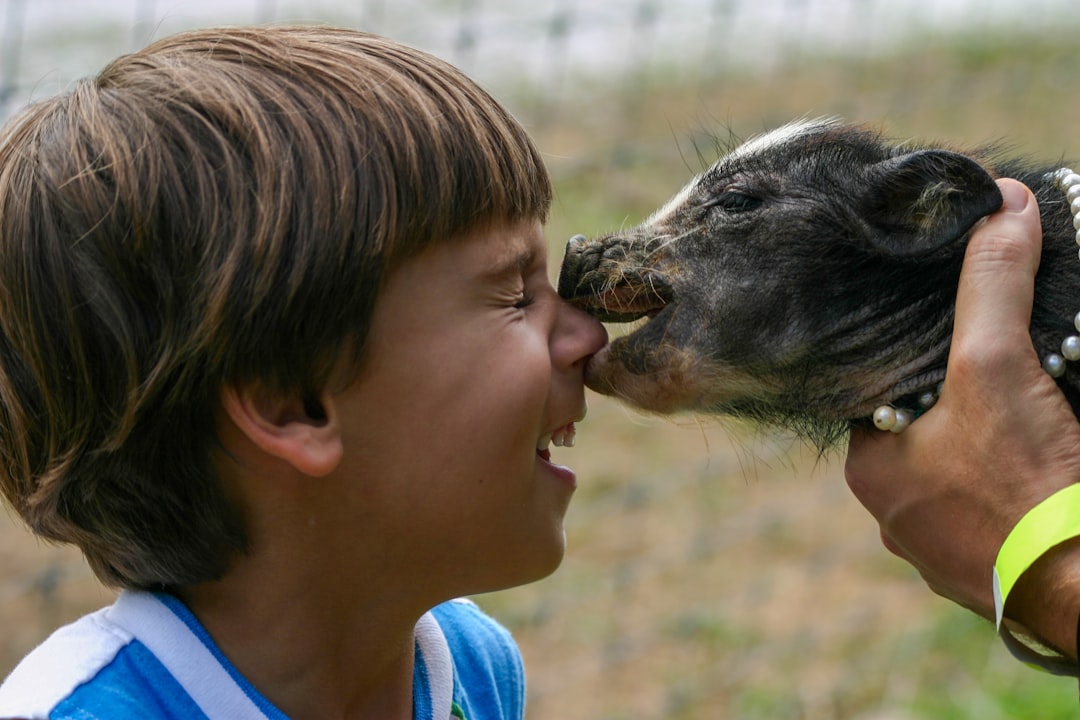
Your body is constantly broadcasting invisible chemical messages through your sweat, breath, and skin oils. Human sweat, urine, breath, saliva, breast milk, skin oils, and sexual secretions all contain scent-communicating chemical compounds, and pheromones are chemical messengers produced and emitted by the body that contribute significantly to interpersonal attraction. While most of us remain blissfully unaware of these signals, many animals possess incredibly sensitive detection systems.
Vertebrates, including mammals, use pheromones extensively. In mammals, both small molecules and large proteins have been identified as pheromones. The remarkable thing about chemical communication is its subtlety yet power. Wolves use scent to establish dominance and bond within their pack, while moths release pheromones detectable by mates from miles away.
What makes some people more “readable” to animals might be their unique chemical signature. Think of it like a personal cologne that only animals can smell, one that communicates everything from your stress levels to your health status.
Fear Has Its Own Scent
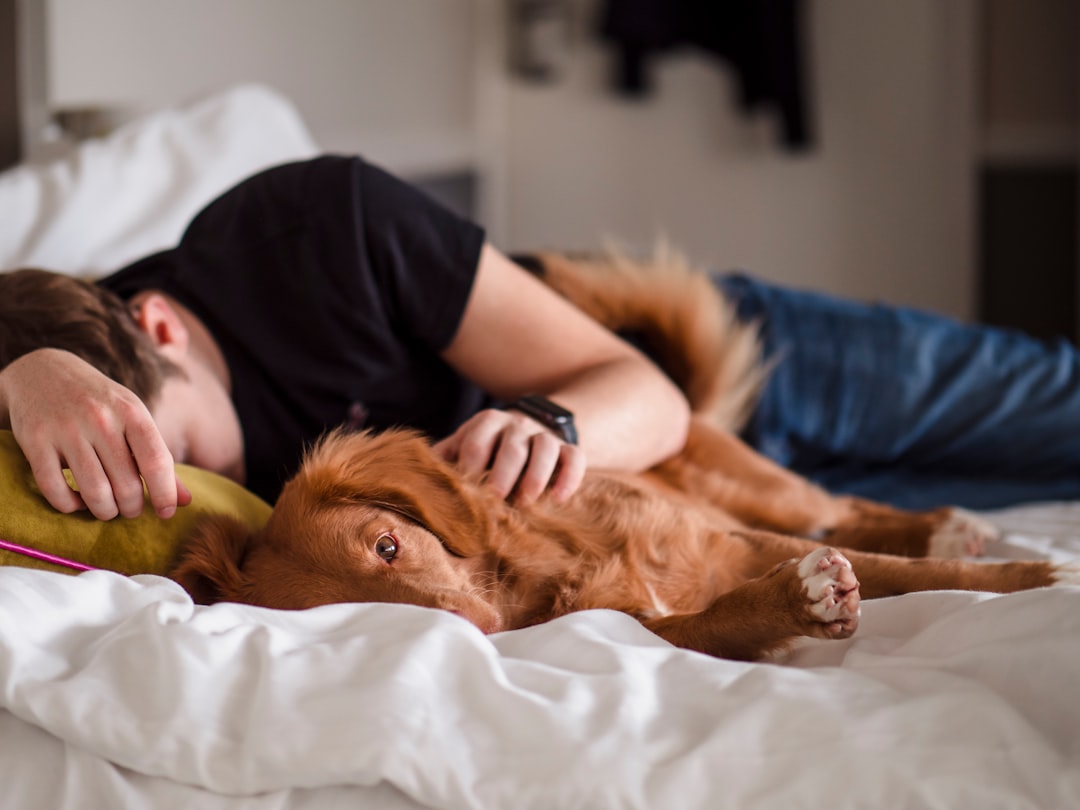
Alarm pheromones are pheromones that are emitted by animals in threatening situations and inform members of the same species of danger. Alarm pheromones induce a series of classic, vegetative and behavioural fear responses. Rodents exposed to the odour of stressed members of the same species respond with increased alertness, increased anxiety level, distinct change in behaviour, increased body temperature, accelerated heart rate.
There are 26 published studies (N = 1652) highlighting a human capacity to communicate fear, stress, and anxiety via body odor from one person (66% males) to another (69% females). This suggests that when you approach an animal feeling nervous or afraid, you’re essentially announcing your emotional state through invisible chemical signals.
Animals might instinctively avoid people who emit stress pheromones because these signals trigger their own anxiety responses. Conversely, calm individuals likely broadcast chemical messages of safety and relaxation that wild animals find reassuring rather than threatening.
Body Language Speaks Louder Than Words
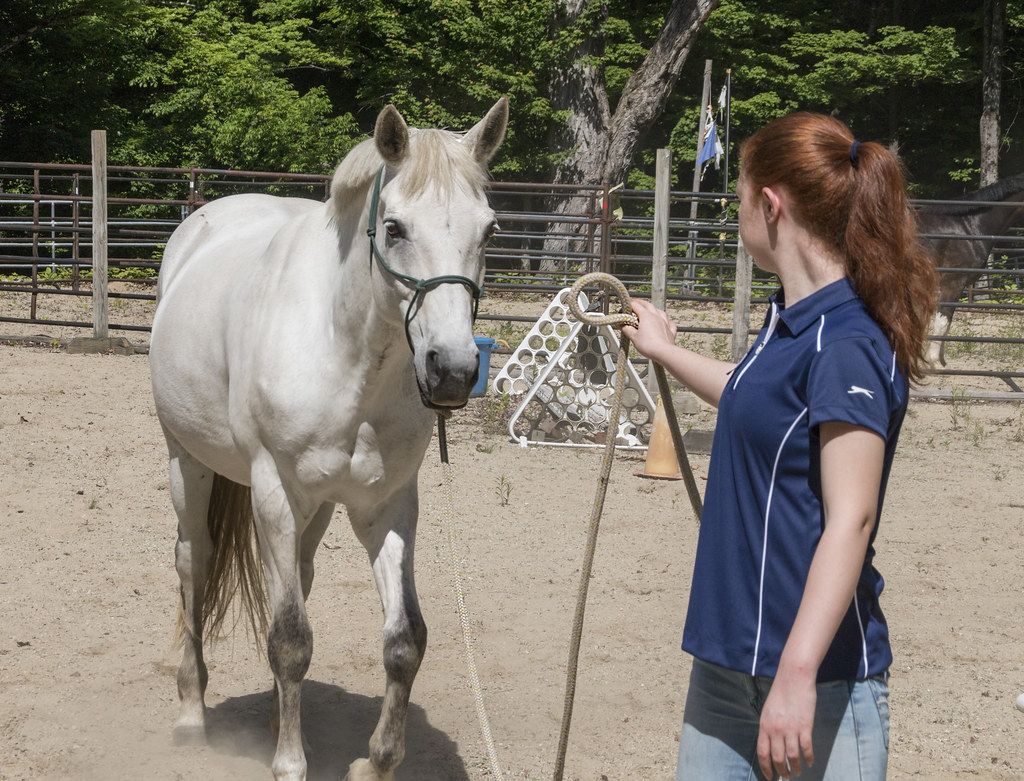
The difference between people who seem to attract them and people who don’t is simply this: the former pays more attention to cues and body language. It takes a certain level of patience in order to sit down, observe, and study animal behaviour, taking note of the things that they like or the things that get on their nerves.
Movement patterns matter tremendously in the animal kingdom. Sharp, jerky motions often signal predatory behavior or threat, while slow, deliberate movements communicate peaceful intentions. People who naturally move with fluid grace or have learned to control their body language create an aura of safety.
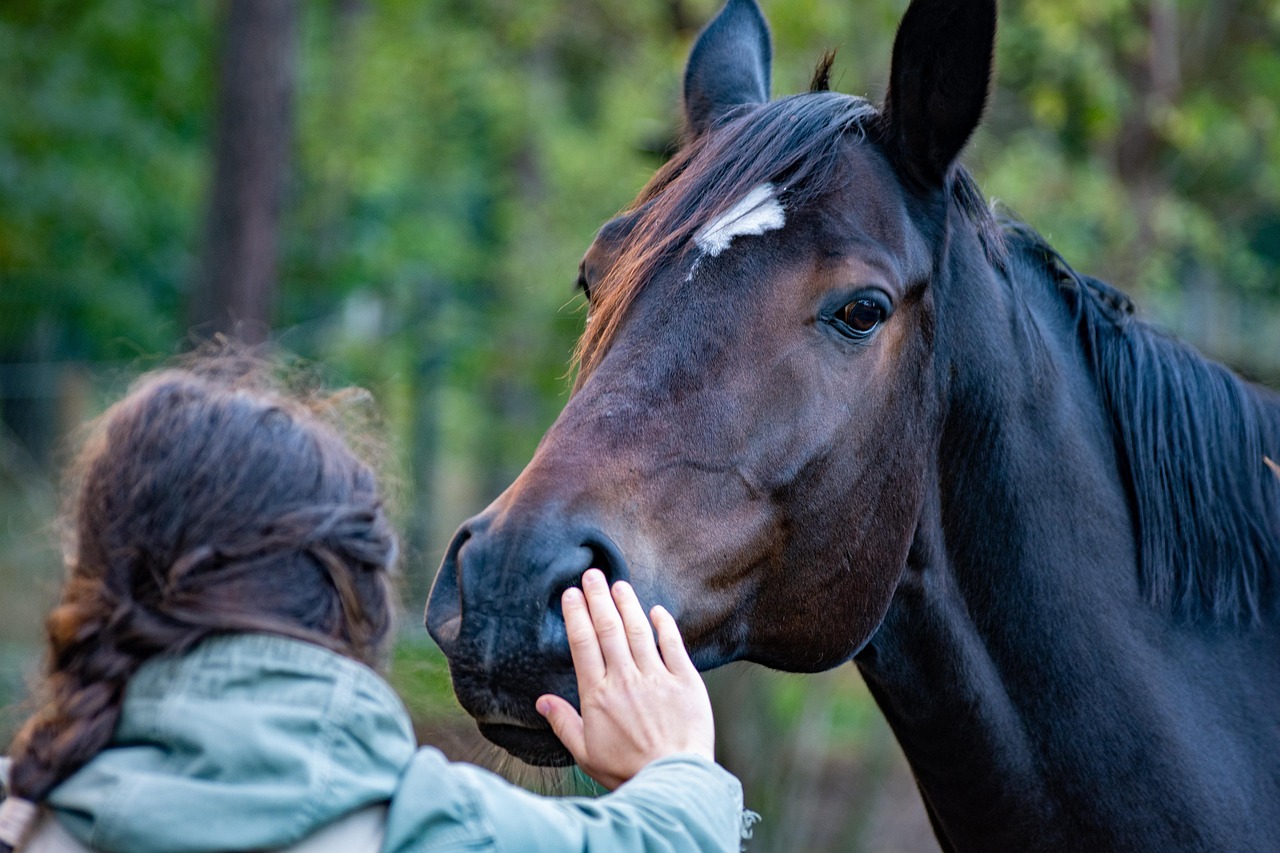
If a frightened or nervous person approaches a horse, the animal’s ability to perceive this fear may help it avoid rough handling. A person who has never encountered a horse will hesitate if asked to grab its reins – “He’ll reach up, then back away, then reach up again.” The horse learns quickly that by making small movements away from that person, it can avoid being caught and mistreated.
The Genetics of Attraction
The “sweaty T-shirt study” conducted by Claus Wedekind in 1995 demonstrated this in humans. Women smelled T-shirts worn by men for two days and consistently preferred the scent of those whose MHC genes differed from their own. Your major histocompatibility complex genes don’t just influence human attraction – they create your unique biological signature that animals can detect.
The human leukocyte antigen system is a protein complex which is encoded by MHC in humans. Over thirty olfactory receptor genes have been located at the HLA class I region, which presents peptides from inside the cell to be destroyed by the immune system. HLA- linked olfactory receptor genes can therefore provide a possible mechanism for detecting HLA- specific odours.
Some people might possess genetic variations that make their scent particularly appealing or non-threatening to certain species. This could explain why animal magnetism sometimes runs in families or why certain individuals consistently attract the same types of creatures across different environments.
Stress Hormones Create Invisible Barriers
When you’re anxious or stressed, your body releases a cocktail of hormones including cortisol and adrenaline. Pause has demonstrated that humans can sense alarm scents in anxious or fearful people’s perspiration. Studies with sweat have explored the strongest isolated candidate so far for a human pheromone, known as androstadienone, which derives from the male hormone testosterone. The presence of this compound has been reported to make women feel more relaxed.
Animals possess incredibly sensitive detection systems for these chemical changes. What you perceive as mild nervousness might register to a wild animal as a full-blown alarm signal. This creates a feedback loop where your anxiety makes animals wary, which increases your stress, making you even less approachable.
People who naturally maintain calm demeanor or have learned stress management techniques essentially broadcast chemical signals of safety. Their relaxed state becomes an invitation rather than a warning to curious wildlife.
The Mystery of Individual Odor Signatures
Zoologist Michael Stoddart, author of The Scented Ape, points out that humans possess denser skin concentrations of scent glands than almost any other mammal. Your personal scent profile is as unique as your fingerprint, created by the complex interaction of your genetics, diet, health status, and even the bacteria living on your skin.
The smells on the shirts are unique to each individual, not species-wide pheromones that trigger the same behavior in every person. The idea behind these parties is based on the surprising observation that mice preferred to mate with mice that were immunologically different from themselves in the major histocompatibility complex (MHC), a difference that can be detected by smell.
Some individuals might produce scent profiles that are particularly intriguing or non-threatening to wildlife. Your unique combination of natural oils, pheromones, and bacterial colonies creates a signature that either attracts or repels different species based on their evolutionary programming.
Cross-Species Communication Limitations
It is widely acknowledged that pheromone communication via the accessory olfactory system is possible only within animals of the same species. This limitation makes it impossible for any animal to smell fear in members of different species. However, this doesn’t mean animals can’t detect human emotional states through other chemical or behavioral cues.
While true pheromone communication might be species-specific, animals can still pick up on general chemical indicators of stress, health, or emotional state. Your scent might not trigger specific behavioral responses like it would between animals of the same species, but it can still provide valuable information about your intentions and emotional condition.
This explains why some people seem to have success across multiple species – they’re not necessarily triggering pheromone responses, but rather broadcasting generally positive chemical and behavioral signals that transcend species boundaries.
The Role of Patience and Observation
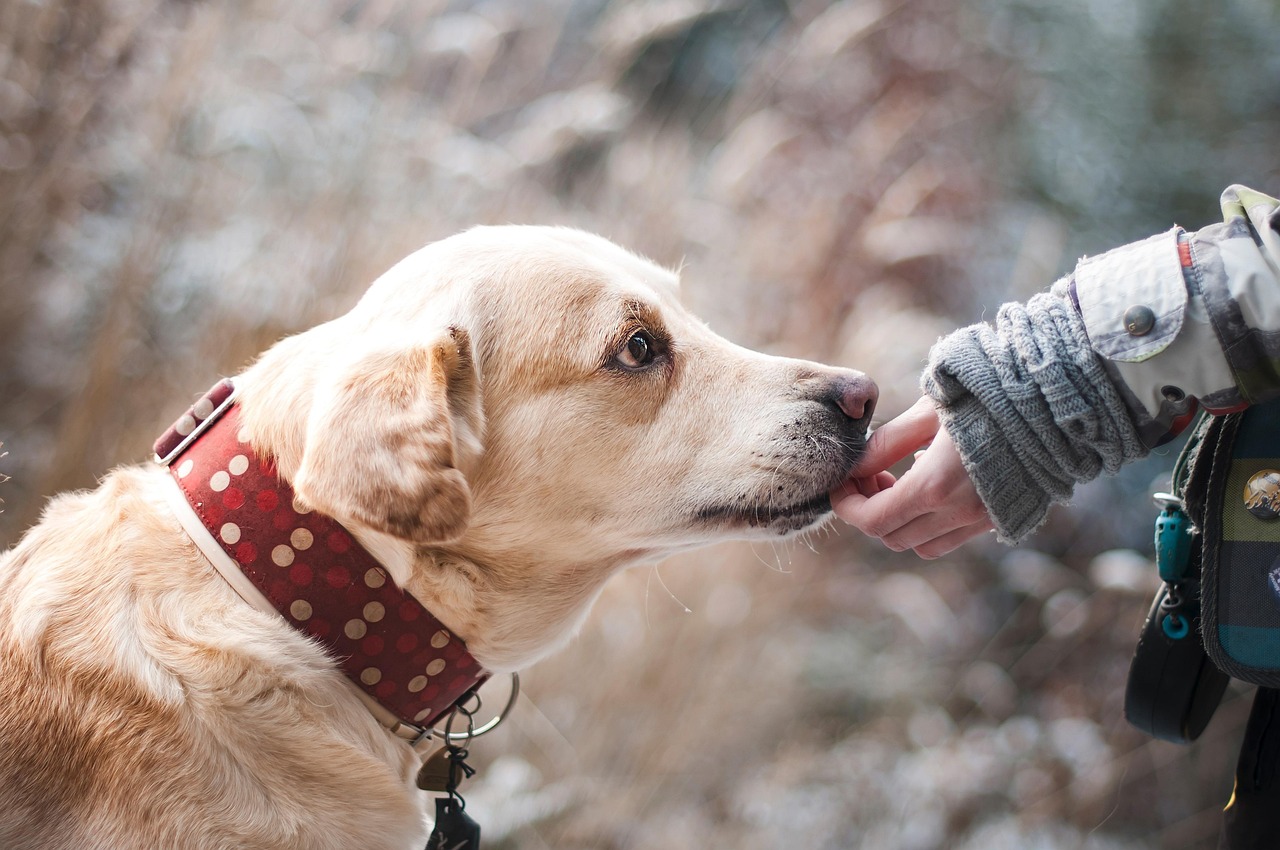
It also takes a certain level of maturity to recognize that animals are not here to bend to our wills – they are here as our companions, and as with any human companion, they need to be understood and they need to communicate, in order for us to develop lasting partnerships. The bottom line here is that attracting animals would require from us the same elements needed in order for us to attract other people: respect, compassion, time, and open-mindedness.
People who successfully attract wildlife often share common behavioral traits: they move slowly, avoid direct eye contact initially, and give animals space to approach on their own terms. These individuals understand that building trust takes time and that forcing interactions typically backfires.
So the next time you feel envious of people who do so well with animals, take some time to really sit down and observe what they’re doing. The secret often lies not in any mystical ability, but in a combination of chemical factors they can’t control and behavioral choices they’ve consciously or unconsciously mastered.
Conclusion
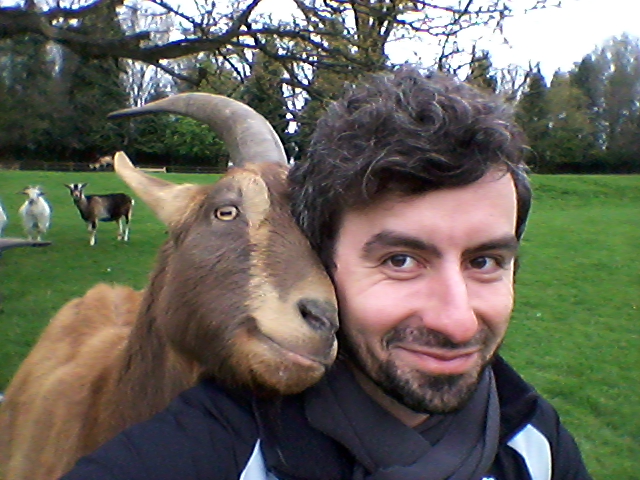
The ability to attract wild animals isn’t magic – it’s biology in action. From the invisible pheromone messages your body broadcasts to the subtle behavioral cues you display, every interaction involves a complex dance of chemical and visual communication that determines whether animals see you as friend or foe.
Understanding these mechanisms doesn’t diminish the wonder of connecting with wildlife; instead, it reveals the intricate biological systems that make these magical moments possible. The next time you witness someone effortlessly charming a wild creature, you’ll know there’s genuine science behind what appears to be an almost supernatural gift. What’s your experience been with attracting animals? Have you noticed any patterns in your own interactions with wildlife?

- 7 Hidden Conditions That Invite Termites Into Your Walls - August 6, 2026
- What It Means When Hummingbirds Return on Nearly the Same Date Every Year - August 6, 2026
- What It Means When a Dog Refuses to Enter a Room It Once Loved - August 6, 2026