
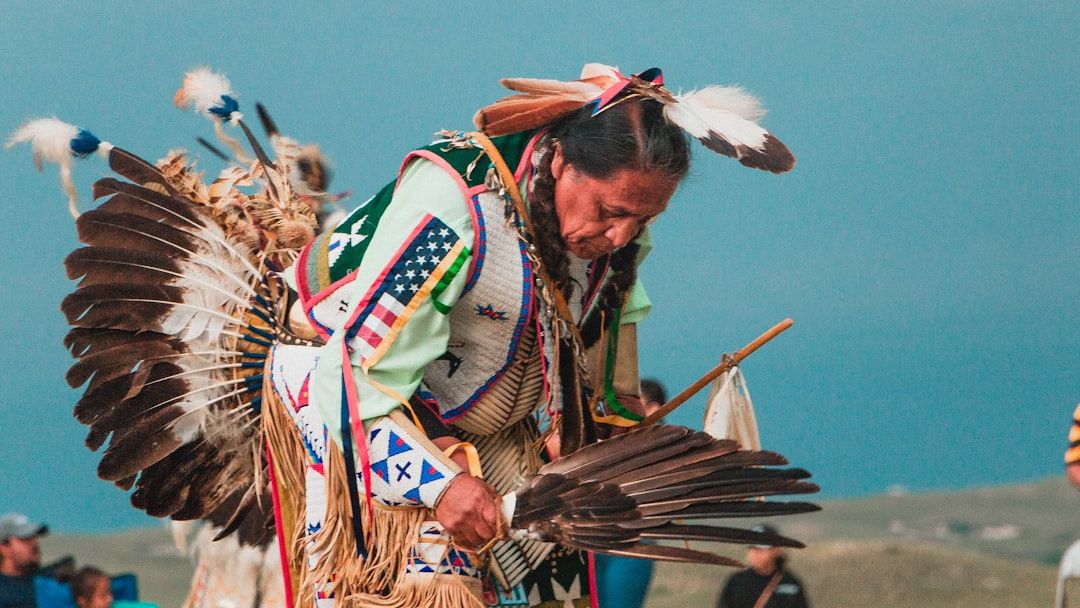
For thousands of years before the first European settlers arrived, Native American communities maintained intricate relationships with that went far beyond simple survival. These weren’t relationships of dominance, but of kinship, respect, and profound responsibility. Their wisdom offers us insights that are remarkably relevant today, as we face unprecedented challenges in conservation.
The teachings passed down through generations reveal a worldview where humans see themselves not as owners of the land, but as temporary guardians. Native Americans believe in equally respecting all species without compromising human interactions and sustenance needs – a philosophy that’s carried over into the holistic and integrated management of and forests. These perspectives shaped sustainable practices that allowed both human communities and to thrive together for millennia. What can we learn from this ancient wisdom as we work to protect the of our modern world?
The Sacred Connection Between All Living Things
In Native American traditions, animals have long held spiritual and cultural importance in Native American traditions, serving as guides, protectors, and symbols of strength, wisdom, and transformation. In Native American cultures, animals are viewed as sacred beings that embody the spirit of the natural world. This wasn’t simply a romantic notion, but a practical understanding that all life forms are interconnected in ways that Western science is only beginning to appreciate.
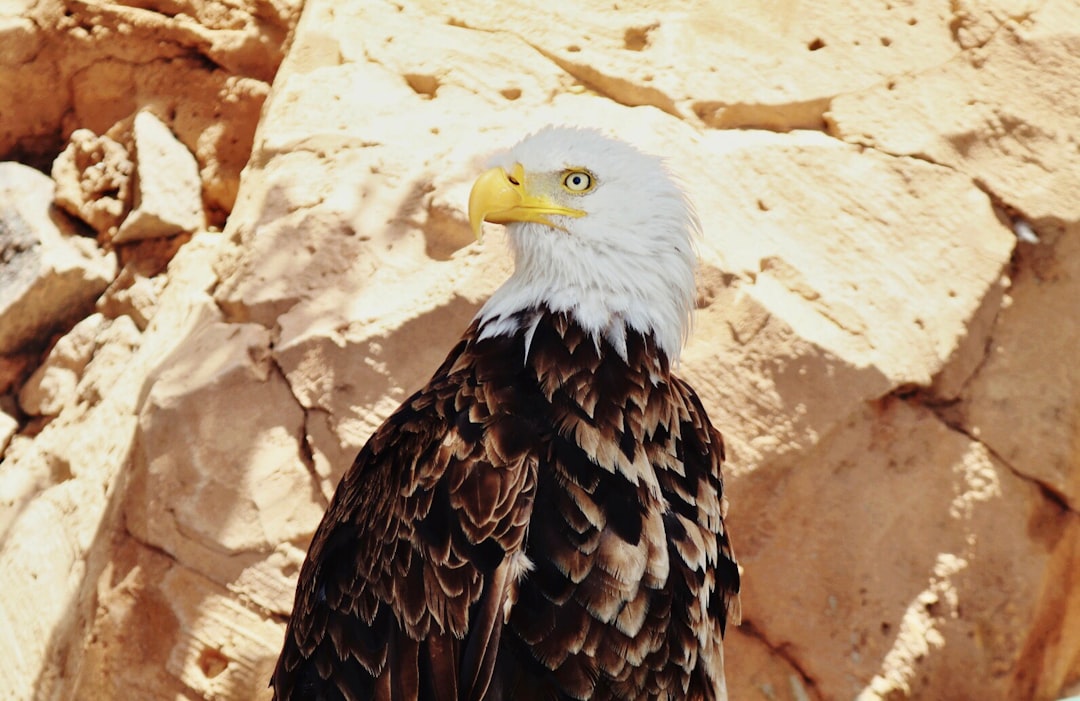
Native traditions remind us that we are not above nature – we are woven into it. In Native American cultures, animals are not only kin – they are guides in the spiritual journey. Consider the eagle, which is one of the most sacred animals in Native American culture, symbolizing a connection to the Great Spirit. Eagles fly high above the earth, acting as messengers between the physical and spiritual worlds. Their feathers are used in ceremonies as symbols of honor and divine wisdom.
Animals as Teachers and Spiritual Guides

Some Native American and First Nations tribes, such as the Lakota tribe of Sioux Nation and the Tlingit peoples of the Pacific Northwest and British Columbia, use ‘spirit animals’ to convey personal, family and community stories and values. Each animal was recognized for its unique gifts and the lessons it could teach humans about living in harmony with the natural world.
The wolf, for instance, represents more than just a predator in Native traditions. In Native traditions, the wolf represents loyalty, leadership, and wisdom. The wolf spirit teaches individuals the importance of communication and working together for the greater good. Meanwhile, the bear is revered as a powerful guardian and healer. Often associated with courage and endurance, bear is believed to provide protection and spiritual guidance. Many tribes view the bear as a medicine animal, symbolizing the power of introspection and healing.
The Seven Generations Principle in Wildlife Protection
Perhaps no concept better captures Native American environmental wisdom than the Seven Generations Principle. Seven generation stewardship is a concept that urges the current generation of humans to live and work for the benefit of the seventh generation into the future. It is believed to have originated with the Great Law of the Iroquois – which holds appropriate to think seven generations ahead and decide whether the decisions they make today would benefit their descendants.
To live by this principle, one would ask, prior to any undertaking, how it will affect the land, water, air, animals, birds, plants and the future for our children seven generations into the future? This long-term thinking created a natural framework for wildlife conservation that ensured sustainable practices across centuries. Imagine the difference it would make if modern wildlife management decisions were evaluated through this lens of generational responsibility.
Seasonal Rhythms and Natural Cycles
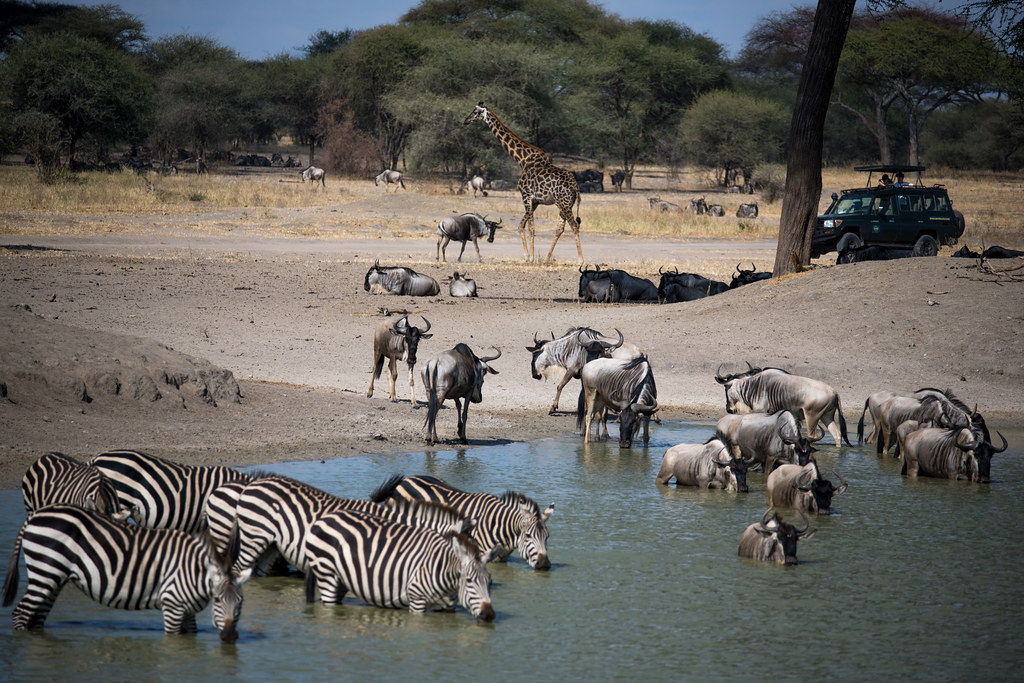
Native American communities developed sophisticated understanding of natural rhythms that governed their interactions with wildlife. This seasonal migration was a natural conservation technique that was based on the land’s ability to sustain life. People did not own the land, they simply used it and moved on allowing the land and the plant and animal life to re-generate itself. This practice prevented overexploitation of any single area or species.
Traditional hunting and gathering followed these natural cycles precisely. Traditional ecological knowledge often incorporates respect for nature, guiding communities in sustainable fishing, hunting, and gathering practices that protect wildlife populations. Tribes would harvest only what was needed, at the right times, and in ways that ensured species could reproduce and regenerate. These weren’t arbitrary rules but carefully observed patterns that had been refined over countless generations.
Traditional Ecological Knowledge in Action
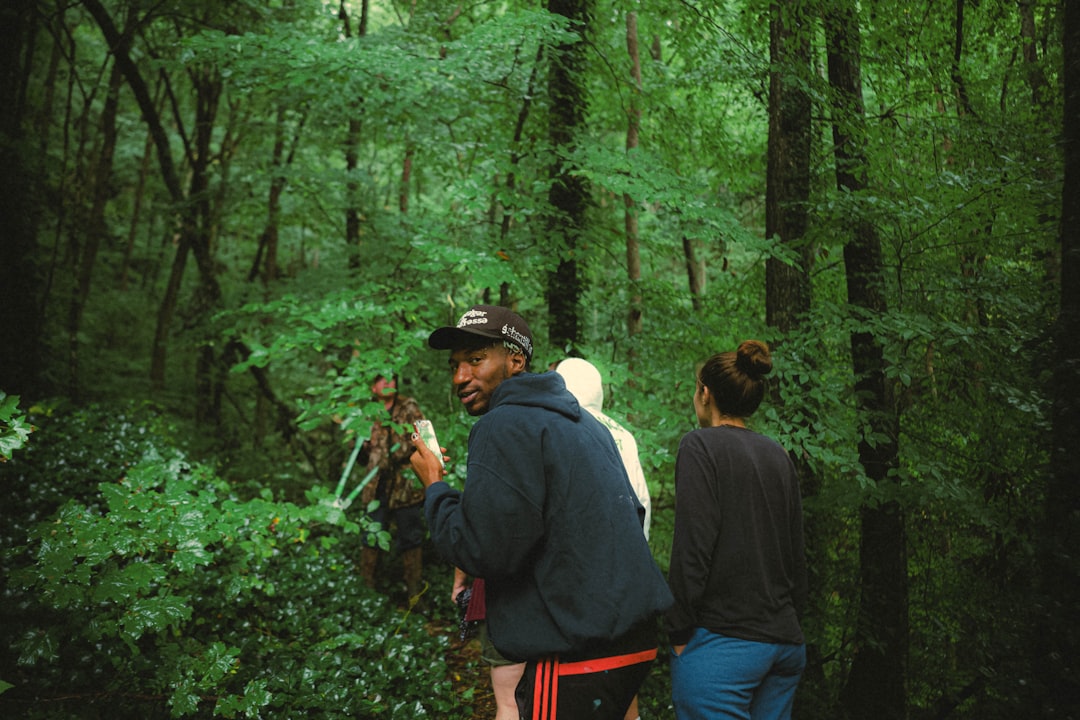
Traditional ecological knowledge (TEK) is a cumulative body of knowledge, practice, and belief, evolving by adaptive processes and handed down through generations by cultural transmission, about the relationship of living beings (including humans) with one another and with their environment. This knowledge system encompasses everything from understanding animal behavior patterns to managing fire regimes that benefit wildlife habitats.
TEK place-based land-care practices include using prescribed burning to modify vegetation, such as camas (Camasia quamash), conserving culturally important species, such as beaver (Castor canadensis), plains bison (Bison bison bison), wolves (Canis lupus) and salmon (Oncorhynchus sp.), and adjusting timber use to create more sustainable communities of traditional plants that provide wildlife habitat, and in turn, food and medicines for humans. These actions increase biodiversity and ecological resiliency by creating fine-grained landscape mosaics that function within an ecosystem’s range of natural variability.
Guardianship Rather Than Ownership
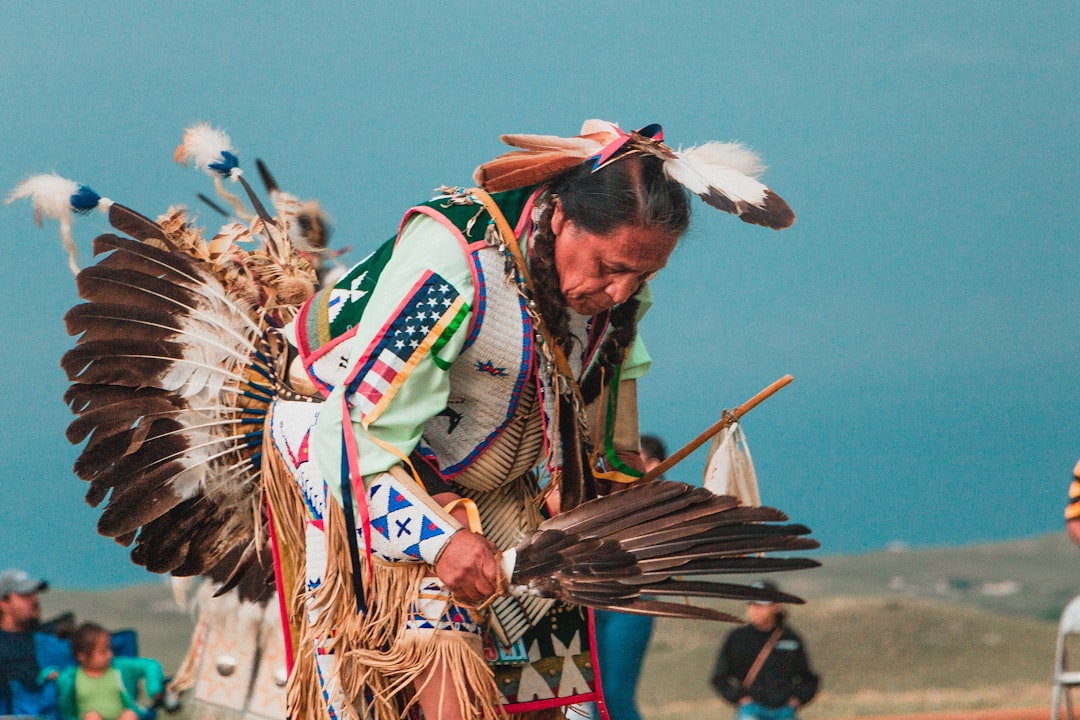
Many Native American cultures view the land as sacred, believing that humans are caretakers rather than owners of the earth, which fosters a sense of responsibility toward environmental conservation. This fundamental shift in perspective from ownership to guardianship created a very different relationship with wildlife than what we see in modern Western approaches.
Like the Maōri, many Indigenous communities consider themselves ‘guardians’ of their local environmental resources. This guardianship extends to wildlife protection in remarkable ways. For example, in East Africa, the semi-nomadic Maasai people consider themselves the protectors of wildlife. While in the past young Maasai men would be asked to kill a lion as a sign of strength and bravery, this practice is now discouraged by elders due to a decline in lion populations. This adaptation shows how traditional cultures can evolve their practices while maintaining their core values of wildlife protection.
Modern Applications of Ancient Wisdom
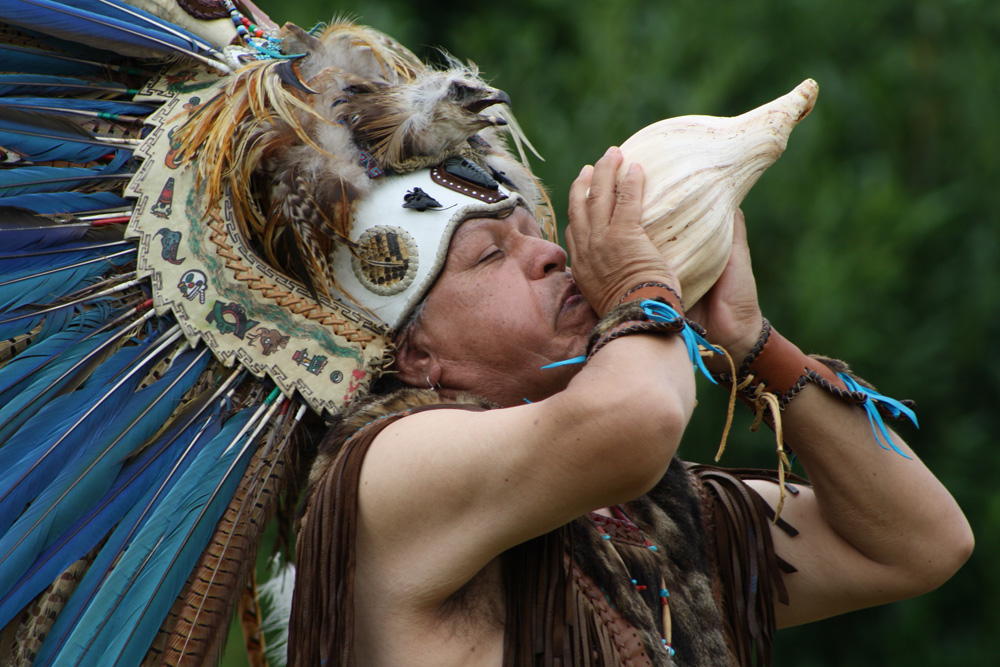
Today, scientists and wildlife managers are increasingly recognizing the value of traditional ecological knowledge. Members of the Native American, Alaska Native, and Native Hawaiian communities were the first conservation stewards of the country’s lands and still keep watch over approximately 56 million acres of Tribal lands, holding some of the most important conservation lands in the country. I know their participation is key to the future of fish and wildlife conservation.
Around the globe, researchers are turning to what is known as Traditional Ecological Knowledge (TEK) to fill out an understanding of the natural world. Indigenous territories contain approximately 80 percent of the planet’s remaining biodiversity, often overlapping with conservation priority areas. This remarkable statistic demonstrates that indigenous approaches to wildlife conservation have achieved results that modern conservation efforts are still striving to match.
The integration of traditional knowledge with modern science is creating new possibilities for wildlife protection that neither approach could achieve alone.
Conclusion: Learning from Our Teachers

offers us more than historical curiosity. It provides practical approaches, spiritual perspectives, and long-term thinking that our current conservation efforts desperately need. Their understanding that we are part of nature, not separate from it, challenges us to reconsider our relationship with the animals we share this planet with.
The Seven Generations Principle alone could revolutionize how we make decisions about wildlife habitat, climate change responses, and conservation funding. When we begin to see ourselves as temporary caretakers rather than permanent owners, everything changes. These indigenous teachings remind us that successful wildlife protection isn’t just about science and policy but about fostering a deeper sense of kinship and responsibility.
What would our world look like if we truly embraced the Native American understanding that animals are our teachers and guides? Tell us in the comments what resonates most with you from these ancient wisdom traditions.

- 8 Things Secretary Birds Do to Snakes That Make Them Extraordinary Hunters - August 15, 2026
- 7 Reasons Wolverines Survive in Places Most Predators Cannot - August 15, 2026
- 10 North American Animals That Become Surprisingly Difficult to Find After Sunset - August 15, 2026