

Have you ever noticed your pet react to your mood even before you’ve spoken a word? Maybe your dog quietly approaches when you’re feeling down, or your cat suddenly becomes more affectionate when you’re stressed. This isn’t just wishful thinking or coincidence.
Recent scientific research has revealed something remarkable: certain pets possess an extraordinary ability to read, understand, and respond to human emotions. They can detect changes in our facial expressions, vocal tones, and even our body chemistry. This emotional intelligence makes them not just companions, but intuitive partners who genuinely understand our feelings.
Dogs – The Ultimate Emotion Detectors

When it comes to understanding human emotions, dogs can make functional use of the emotional information they obtain from heterospecific visual emotional displays and utilise this information during decision-making. This remarkable ability goes far beyond simple training or conditioning.
Dogs use three main senses – sight, smell, and hearing – to determine human emotions. Dogs can recognize six basic emotions – anger, fear, happiness, sadness, surprise, and disgust – and process these in similar ways as humans, with changes to heart rate and gaze. Think about that for a moment: your dog experiences emotional responses to your feelings in much the same way you do.
Perhaps most fascinating is their ability to detect chemical changes in our bodies. Dogs are highly sensitive to changes in our body odor that are undetectable to other humans. Dogs can smell the chemical changes that occur when we feel different emotions, such as happiness or anger, and this impacts their response. Studies have shown that when dogs encounter the scent of fear, their stress levels actually increase alongside their heart rates.
Cats – The Subtle Emotional Interpreters
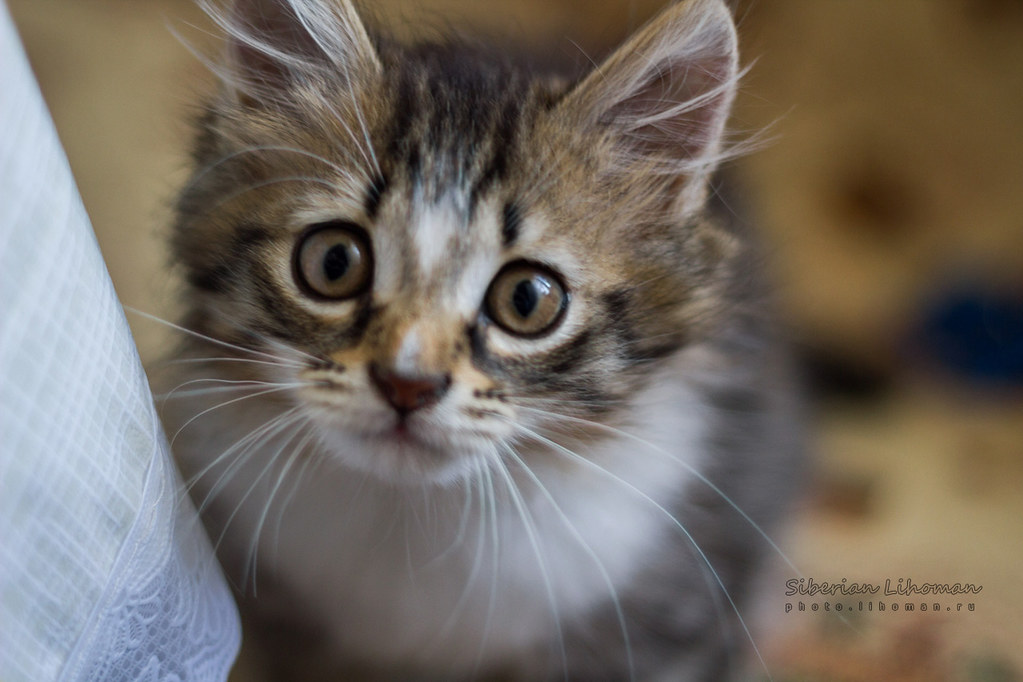
Cats integrate visual and auditory signals to recognize human and conspecific emotions and they appear to modulate their behavior according to the valence of the emotion perceived. While cats might seem aloof, they’re actually highly tuned emotional barometers.
What makes cats particularly interesting is their cross-modal recognition abilities. Cats’ cross-modal ability to recognize humans by matching individual voices and faces. Cats can predict the owners’ face upon hearing their voices. This means your cat doesn’t just recognize you visually, but has created a mental map connecting your voice, face, and emotional states.
Unlike dogs, cats often express their emotional understanding more subtly. They might position themselves closer when you’re sad or become more vocal when sensing distress. Their purring isn’t just contentment; it’s often a deliberate attempt to provide comfort during your difficult moments.
Horses – The Magnificent Mind Readers
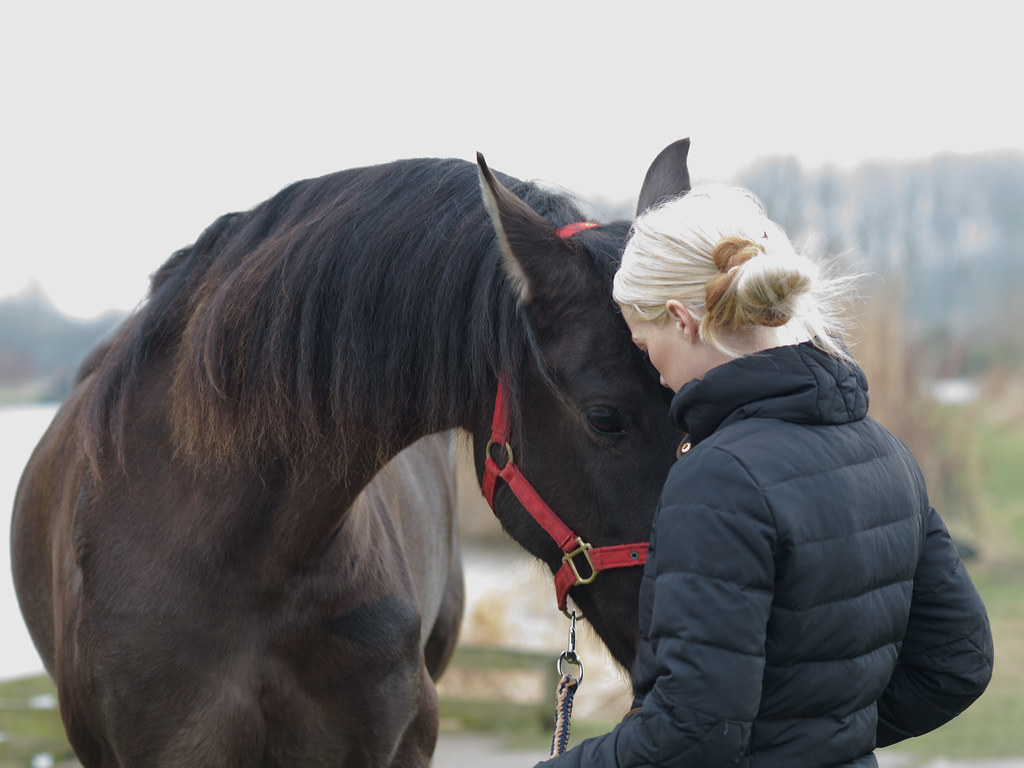
Horses possess one of the most sophisticated emotional recognition systems in the animal kingdom. Horses’ abilities to spontaneously discriminate between positive (happy) and negative (angry) human facial expressions in photographs. The angry faces induced responses indicative of a functional understanding of the stimuli: horses displayed a left-gaze bias and a quicker increase in heart rate.
This left-gaze bias is particularly remarkable because it mirrors what scientists observe in dogs and suggests horses process negative emotions using the right hemisphere of their brain, just as humans do. Horses integrate human facial expressions and voice tones to perceive human emotion, regardless of whether the person is familiar or not. Horses integrate human facial expressions and voice tones to perceive human emotions.
What’s truly amazing is their emotional memory. Horses can not only read human facial expressions but they can also remember a person’s previous emotional state when they meet them later that day – and, crucially, that they adapt their behaviour accordingly. They had a talent for recognising people’s emotional expressions hours later. Your horse literally remembers how you felt and adjusts future interactions based on that memory.
Rabbits – The Gentle Empaths
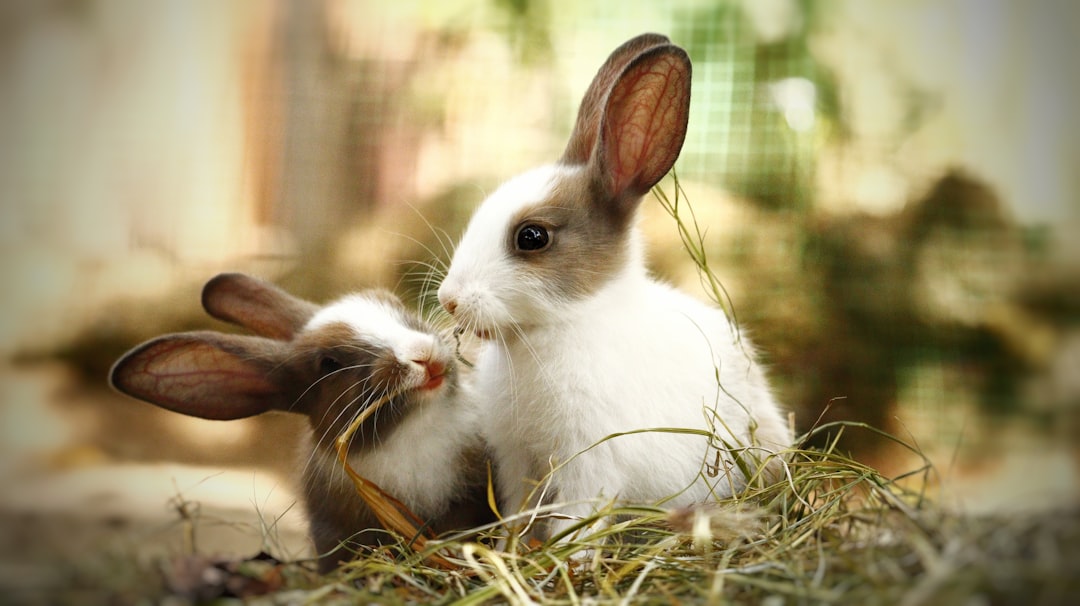
Often overlooked as emotionally intelligent pets, rabbits display surprising sensitivity to human emotions. Rabbits are often overlooked as affectionate pets, but they can form strong bonds with their human caregivers. They may show affection through licking, rubbing, and following their caregiver around.
They can be extremely affectionate and offer support when their owners are experiencing upsetting symptoms. Rabbits can show great affection when bonded with their owner – especially if they were adopted and trained at a young age. Their gentle nature makes them particularly suited for people dealing with anxiety or stress, as they provide calming presence without overwhelming energy.
Rabbits express emotional understanding through subtle body language changes. They might nudge you gently when sensing sadness or position themselves closer during times of distress. Their quiet, non-demanding presence can be incredibly soothing for people who prefer less interactive emotional support.
Birds – The Vocal Emotional Mirrors
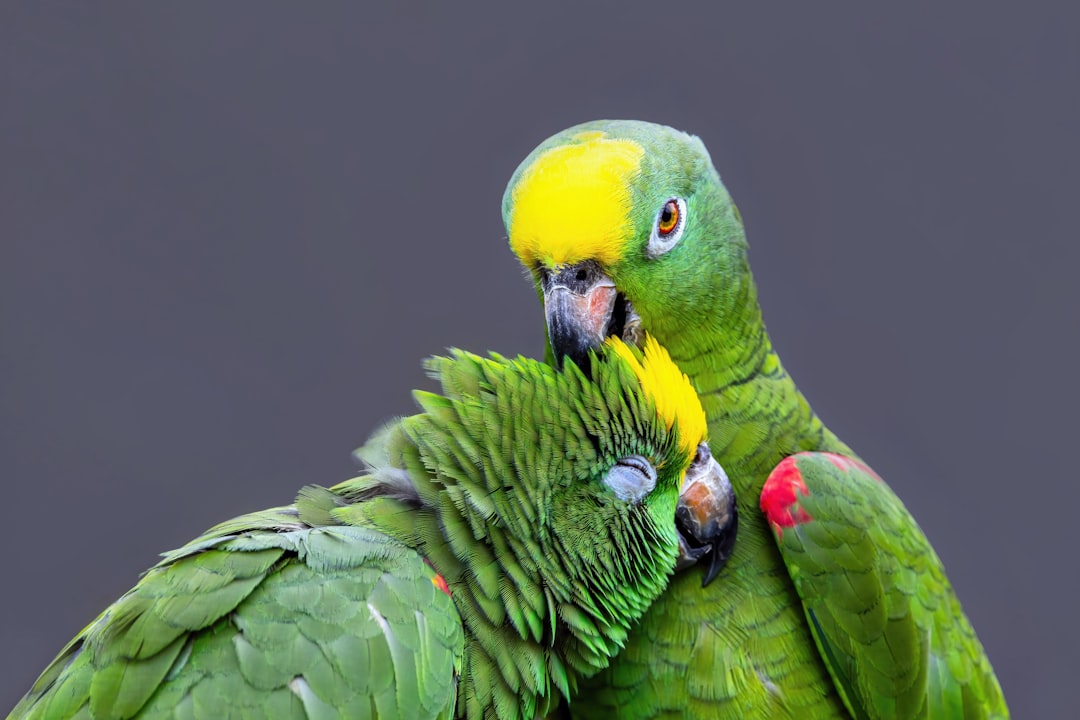
Certain bird species, particularly parrots, demonstrate remarkable emotional intelligence. Birds bring joy through singing and vocal interactions, which uplift moods and bring comfort. However, their abilities go beyond simply brightening your day with songs.
A bird might not be the first thing people picture when they think of emotional support animals, but they can be exceptionally comforting creatures. Many bird owners report that their pets become quieter when they’re sad or more vocal when they need cheering up.
Parrots, in particular, can learn to associate specific vocalizations with human emotional states. Some develop unique calls or sounds they use exclusively when their owners seem distressed. They might repeat comforting words or phrases during difficult times, showing they understand the connection between certain sounds and emotional relief.
Elephants – The Emotionally Wise Giants

While not typical household pets, elephants in sanctuaries and specialized facilities demonstrate extraordinary emotional intelligence. Elephants are known for their empathy towards members of the same species as well as their cognitive memory. Scientists continuously debate the extent to which elephants feel emotion.
Elephants can express different emotions, including joy, grief, and anger. Once there’s a bond, they can be emotionally attached. Their emotional memory spans years, and they can recognize human caregivers they haven’t seen for extended periods.
Elephants show their emotional understanding through physical gestures like gentle trunk touches when sensing distress in their human companions. Their massive size might seem intimidating, yet they demonstrate incredible gentleness and sensitivity when interacting with humans they’ve bonded with.
Guinea Pigs – The Small But Mighty Emotional Supporters
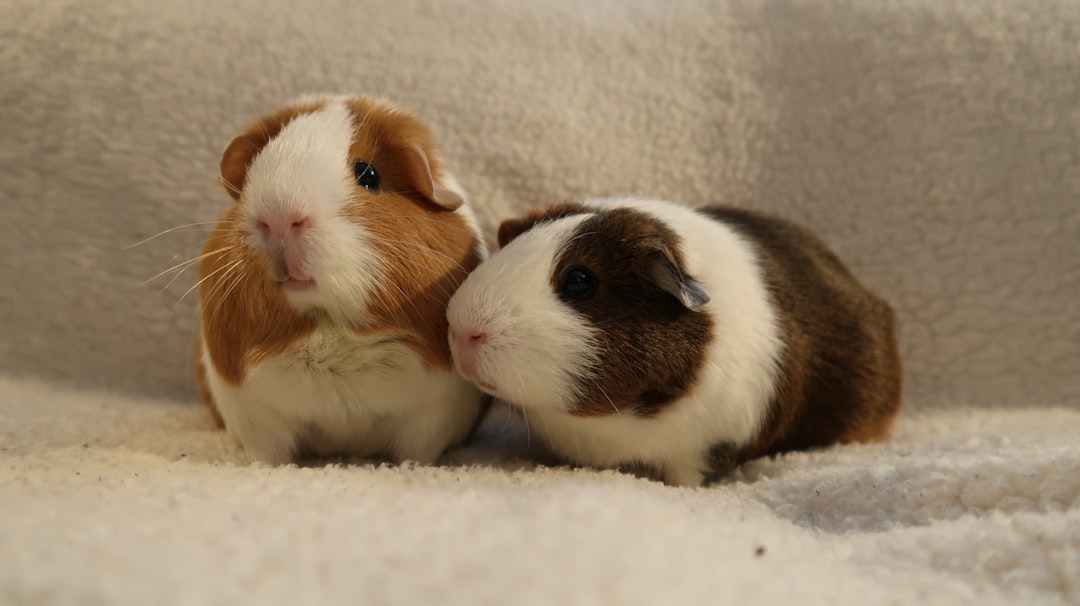
There are various good emotional support animals, including dogs, cats, rabbits, guinea pigs, birds, and even miniature horses, each offering unique forms of emotional relief. Guinea pigs might be small, but their emotional awareness is surprisingly sophisticated.
These little creatures are highly social and quickly learn to recognize their owner’s emotional patterns. They often become more vocal when sensing happiness and quieter during sad moments. Their gentle squeaks and purrs can provide comfort, and many owners find their soft presence deeply soothing.
Guinea pigs also demonstrate emotional understanding through their behavior during handling. They seem to sense when their owners need comfort and become more cuddly and less fidgety during these times. Their warm, soft bodies and gentle nature make them excellent companions for people seeking quiet emotional support.
The bond between humans and emotionally intelligent pets represents one of the most beautiful relationships in the natural world. These remarkable animals don’t just live alongside us; they actively participate in our emotional lives, offering comfort, understanding, and companionship in ways that continue to amaze scientists.
Whether it’s your dog’s ability to detect stress through scent, your cat’s subtle emotional adjustments, or your horse’s remarkable memory for your feelings, these pets prove that emotional intelligence isn’t uniquely human. They’ve evolved alongside us, developing sophisticated abilities to read our hearts and respond with genuine care.
What do you think about your pet’s emotional intelligence? Have you noticed your companion responding to your feelings in ways that surprised you? Tell us in the comments.

- What Eagle Are You According to Your Zodiac Sign - August 15, 2026
- 8 Things Secretary Birds Do to Snakes That Make Them Extraordinary Hunters - August 15, 2026
- 7 Reasons Wolverines Survive in Places Most Predators Cannot - August 15, 2026