
Worried about unexpected vet bills?
Pet insurance can cover thousands in unexpected vet costs. Get a free quote from Lemonade in under 2 minutes.
Get My Free Quote →Sponsored · Opens Lemonade.com
You’ve probably noticed that your morning coffee ritual is accompanied by an orchestra of bird voices, each one distinct and purposeful. These feathered performers aren’t just making noise for fun. Their varied songs carry messages that would impress even the most sophisticated communication experts. From territorial warnings to romantic serenades, the world of avian music reveals secrets about survival, love, and the intricate social networks that exist right outside your window.
Think about it this way: if birds had social media, their songs would be their posts, comments, and status updates all rolled into one. Let’s dive into the fascinating reasons behind nature’s most complex vocal performances.
The Science Behind Bird Song Production
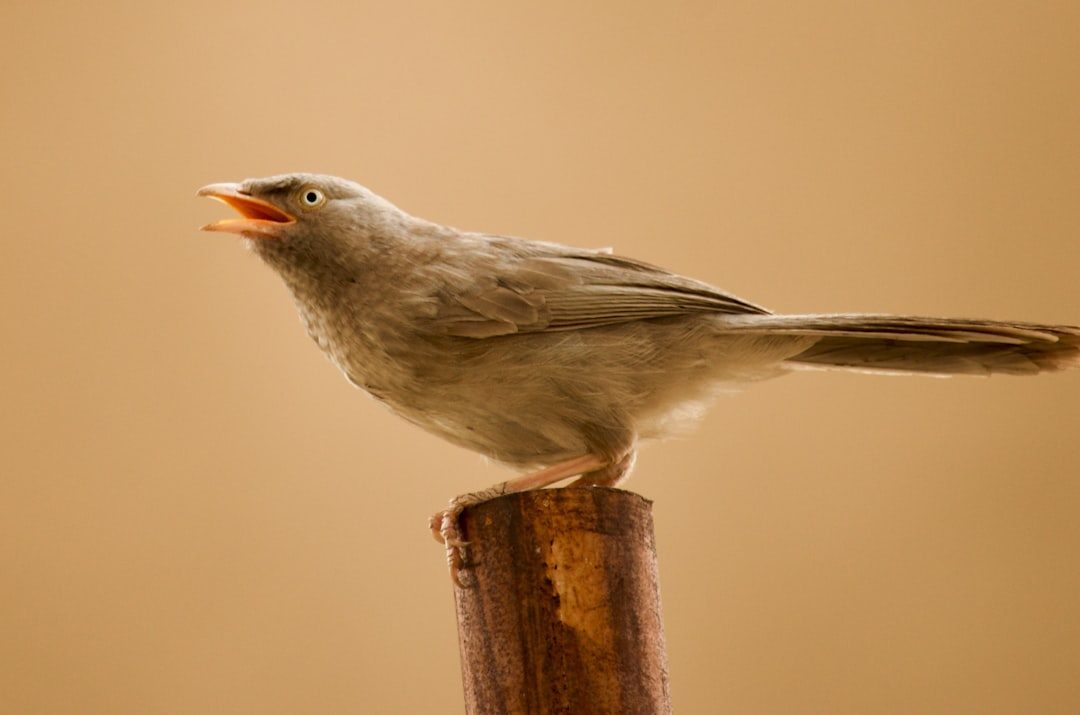
Birds produce their remarkable sounds through a unique vocal organ called the syrinx, located at the bottom of the trachea. This specialized structure allows them to create sound waves through membranes that vibrate as air passes through, with birds controlling pitch by adjusting membrane tension and volume through the force of exhalation. What makes this truly extraordinary is that birds can control each side of their trachea independently, enabling some species to produce two different notes simultaneously.
Unlike humans who use vocal cords in the larynx, the syrinx’s position at the junction of the trachea and bronchi gives birds their remarkable ability to sing complex and harmonized melodies. Their double voiceboxes create a variety of notes that even surpass what a keyboard can produce. This biological marvel explains why a single cardinal can sound like an entire musical ensemble, seamlessly transitioning between frequencies that would challenge human musicians.
Territory Defense Through Vocal Boundaries
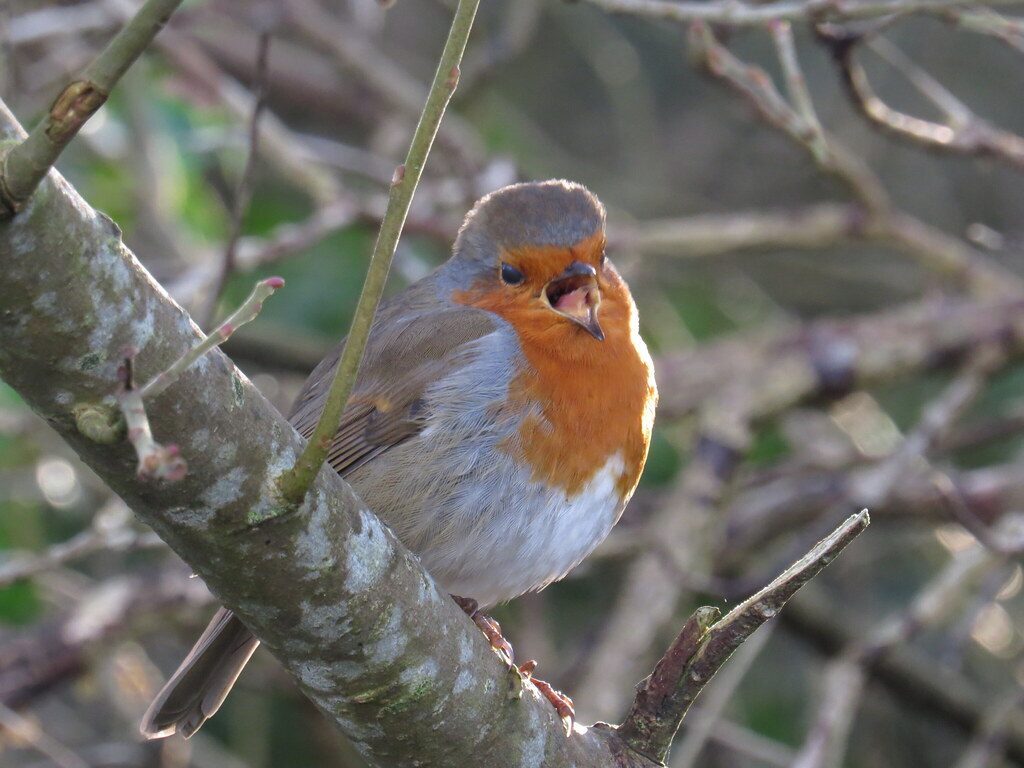
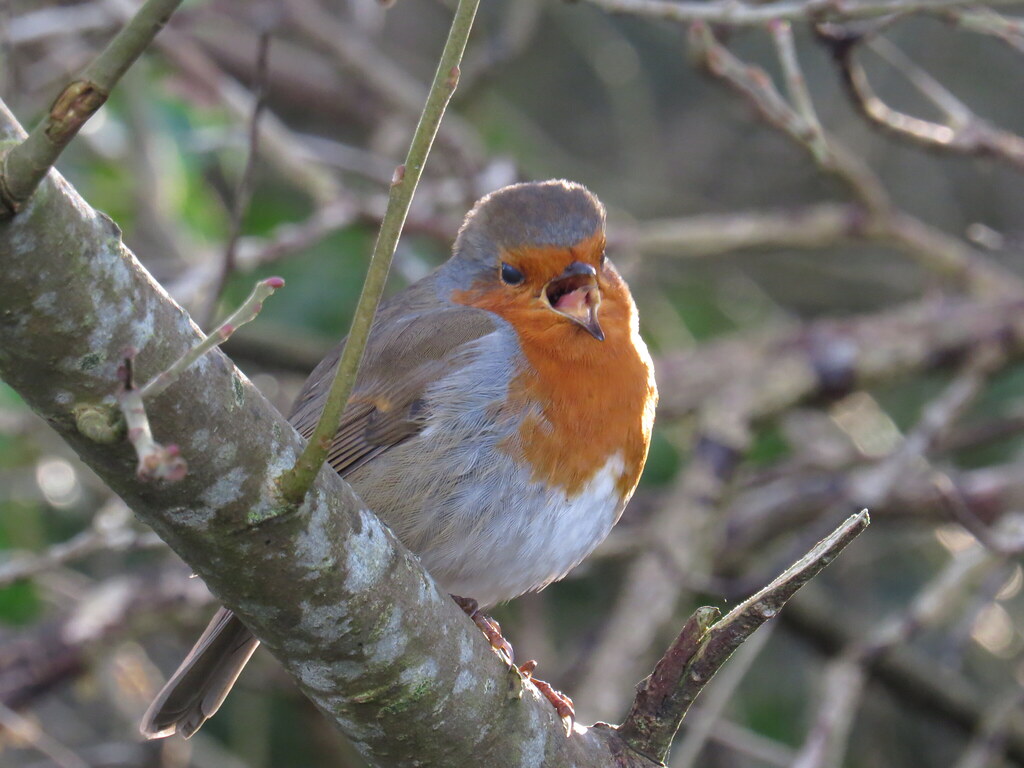
Territorial birds use song to negotiate boundaries with each other, and since song serves as a reliable indicator of quality, individuals can assess rival strength and avoid energetically costly fights. Songs signal the presence of an individual in a given territory and warn others not to enter that space, as seen in species like robins and blackbirds that use singing to mark their territories.
Imagine your yard divided into invisible property lines, with each bird acting as both homeowner and security system. Song complexity is directly linked to territorial defense, with more complex songs perceived as greater territorial threats. The birds most successful at defending territories are those whose song types most accurately match the various songs of their neighbors. This musical arms race means that learning your neighbor’s repertoire becomes essential for maintaining your piece of the avian real estate.
Attracting Mates Through Musical Performance

Birdsongs serve two main purposes for their singers: to defend territories and woo mates. Songs play a crucial role in sexual selection and reproduction, with males singing to attract females, and the complexity or diversity of the song indicating the male’s genetic quality and physical condition. Males show off to females by catching their attention with singing skills, using sweeping notes that jump across wide ranges seamlessly.
Some species like the Superb Lyrebird of Australia will practice their songs for months or even years, honing and editing until they create a finished product that outshines competition when it’s time to attract mates. Think of it as nature’s version of preparing for a talent show, where the prize is finding a life partner. Research on sparrows shows that males with larger bibs are preferred by females because this trait associates with better physiological condition, and varied, complex songs are perceived as attractive by females across many species.
Song Learning and Cultural Transmission
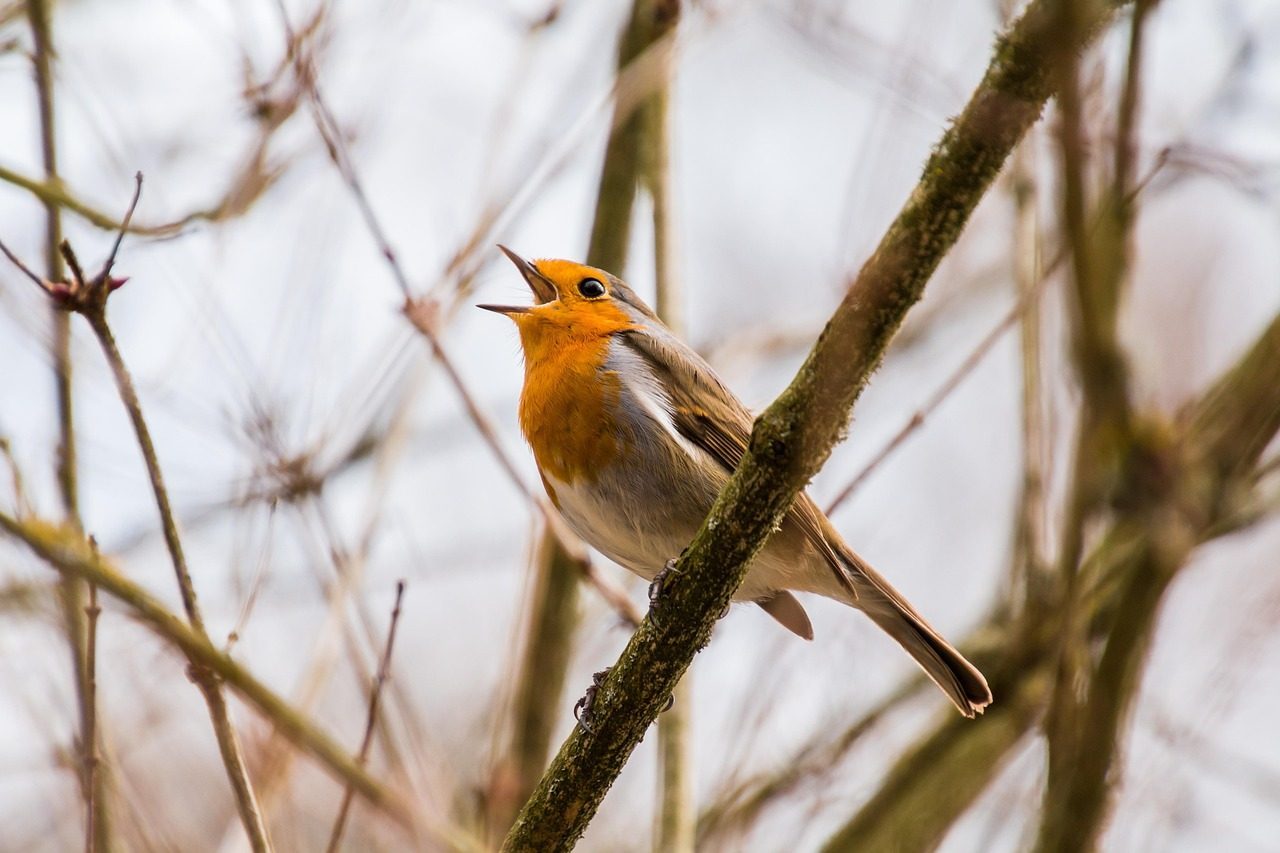
Almost no songbirds know their songs by instinct; rather, most need to learn to sing by hearing songs of adults nearby as nestlings, creating song traditions that biologists call “memes” passed down in neighborhoods from year to year. Young birds preferentially learn conspecific over heterospecific songs, and timing of the sensory phase aligns with when adults sing most, minimizing the risk of learning wrong songs.
Research on Song Sparrows reveals that young males learn more from listening to interactions among neighborhood males than from solo performances, as heated exchanges pack more information about winning song patterns and strategies. It’s like eavesdropping on conversations to learn not just what to say, but how to say it effectively. During song crystallization, birds select sounds that match local dialects or prove more effective in triggering mating behaviors, with selection based on functional significance to maximize reproductive output.
Regional Dialects and Geographic Variation
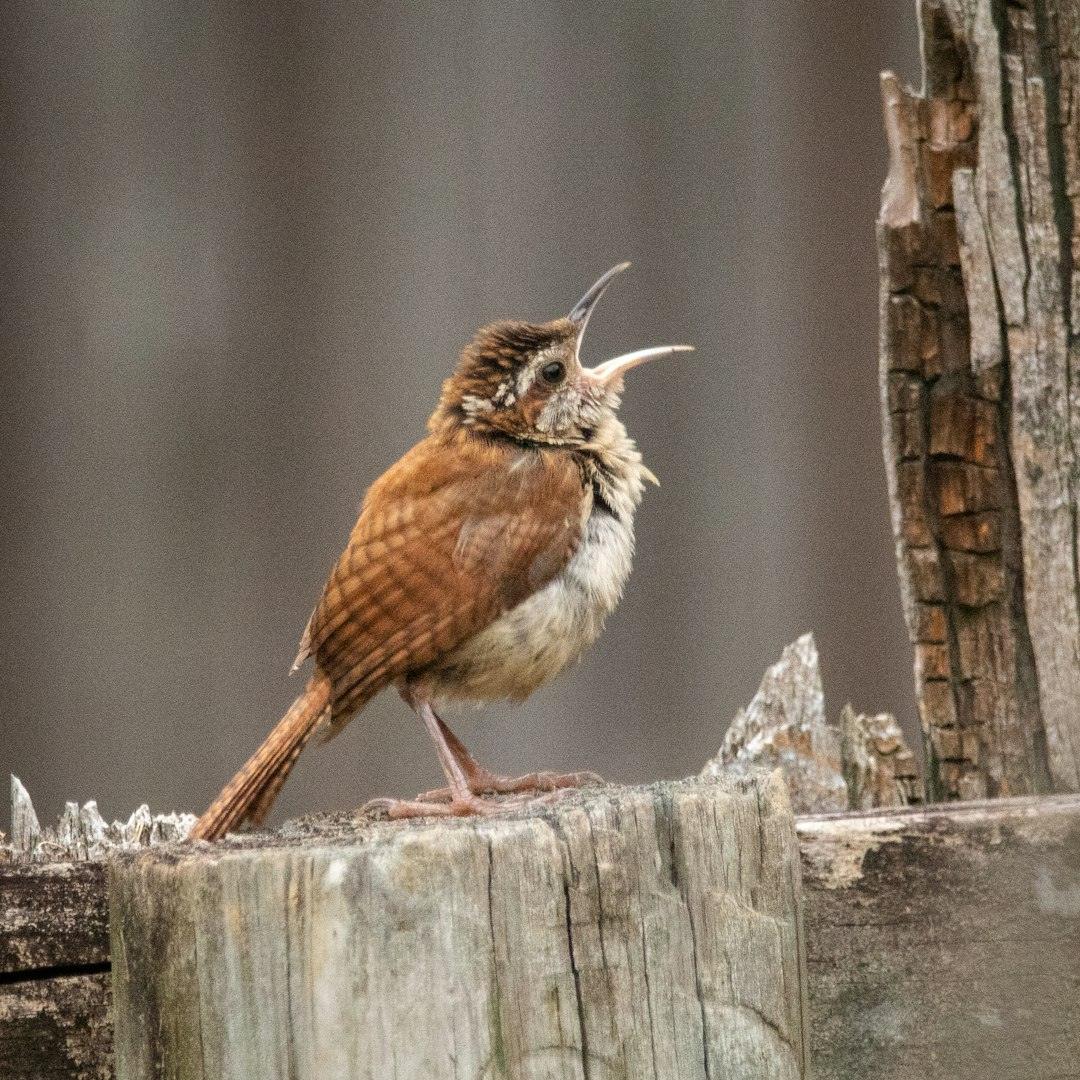
Just as human speech patterns vary regionally, the songs of many avian species show geographic variation, with local variants called dialects commonly found in songbirds with populations restricted to particular habitats. Many bird species need to be taught how to sing by adults, allowing them to develop regional dialects where songs sound slightly different depending on where they live, similar to Boston and Georgia accents in humans, and speaking the local dialect can increase a bird’s chances of finding a mate.
Studies of White-crowned sparrows in different parts of California demonstrate variations in pitch, frequency, and duration depending on location and urbanization level, with city-dwelling birds singing louder, higher in pitch, and at faster paces compared to their rural counterparts. Researchers in the 1970s and ’80s detected more than 10 different dialects in the Bay Area alone, with sparrows singing in Golden Gate Park sounding distinct from males just a few miles away near the Golden Gate Bridge. These vocal neighborhoods create acoustic maps that reflect both geography and social structure.
Environmental Adaptation and Urban Song Changes

Environmental factors influencing dialect development include human and traffic noise in city environments, with birdsong adapting to be heard above ambient noise. Changes in response to environmental noise provide clear examples of song adaptation, with anthropogenic noise in urban environments causing auditory masking of lower frequencies, resulting in documented upward frequency shifts in several species.
Great tits in European cities sing at higher frequencies than forest-dwelling counterparts to carry over low-frequency urban noise, while white-crowned sparrows in San Francisco have altered starting frequencies over just a few decades to avoid traffic noise masking, representing some of the fastest-evolving vocal traditions in birds. As anthropogenic noise increased from the 1960s to 1990s, songs with higher minimum frequencies gained distinct advantages for cultural transmission, with birds learning parts of songs that weren’t masked by ambient noise. It’s nature’s version of speaking louder at a noisy party.
The Dawn Chorus Phenomenon
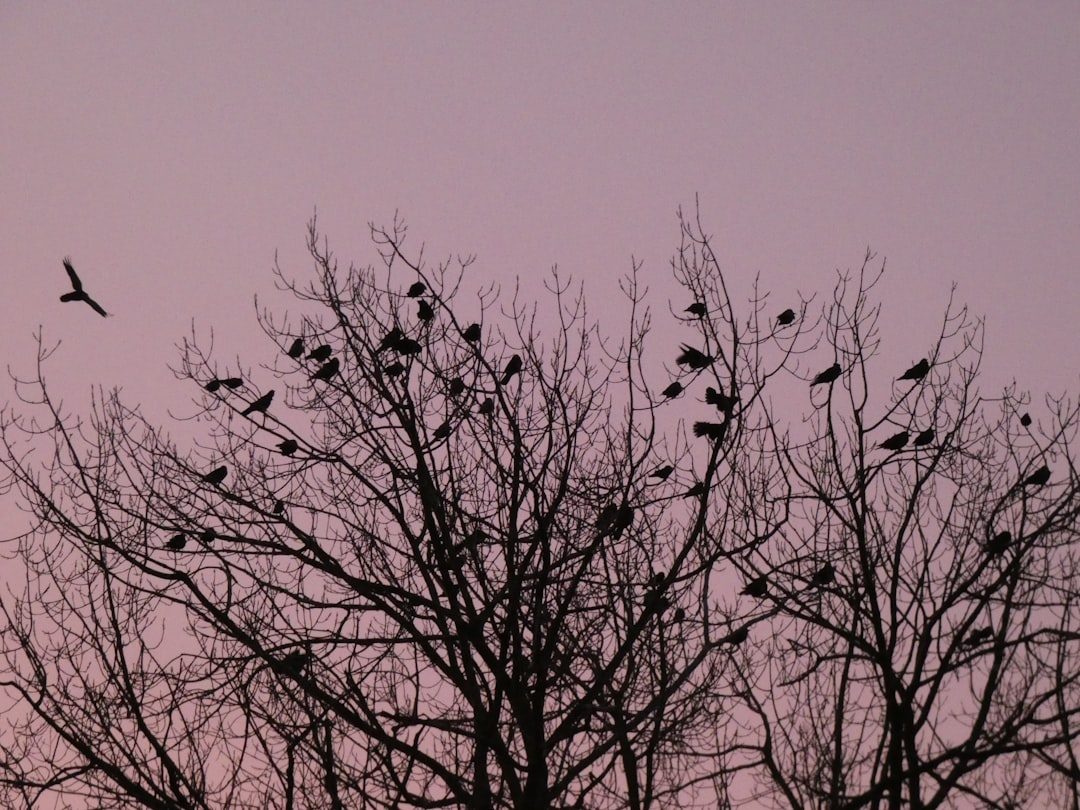
Birds do most of their singing around dawn, a phenomenon known as the dawn chorus that may start as early as 4 a.m., possibly to make use of time too dark for foraging or as a “warm up” session for optimal daily performance. Many male temperate zone passerines show marked singing peaks before sunrise, with the two main functions being mate attraction and territory defence.
During the dawn chorus, each singer has their own entrance time, with each species having very specific timing before sunrise when they start singing – some beginning 45 minutes before sunrise, others half an hour. One theory suggests birds sing most at dawn because their voices carry farthest then, with less wind and noise pollution to interfere with sound transmission. The amount of light rather than time determines singing onset, with cloudiness delaying the chorus, and different species reacting to different light amounts, creating an ordered sequence that remains consistent despite variable start times.
Seasonal Variation and Breeding Cycles
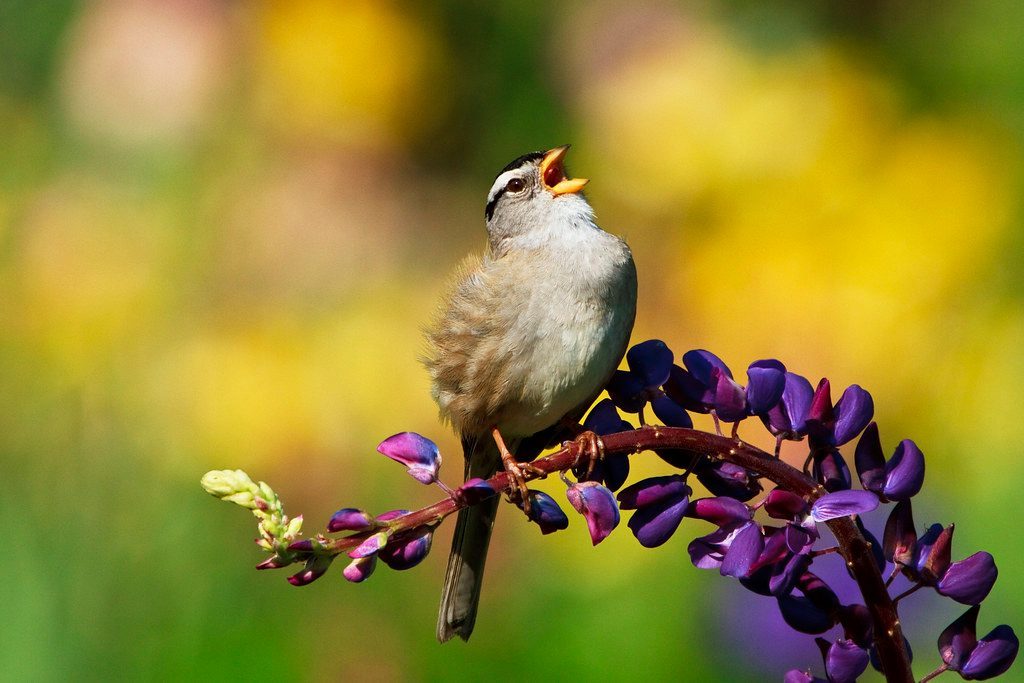
Most birds show seasonal variation in song mainly correlated with breeding activities and hormone production, with the richest songs coming in spring during territory establishment and courting, followed by reduced singing after egg-laying to avoid attracting predators, and resumption of full singing if renesting or mate replacement occurs. The dawn chorus consists of birds of both genders singing to find mates for breeding, heard roughly from March through May in the United States and Canada when species migrate to breed, with peak times varying by location – April for the southern U.S. and early May for Washington, D.C.
Research on Dupont’s Lark shows dawn singing parameters remained constant or increased while calling activity decreased as breeding season advanced, suggesting dawn calling relates mainly to mate attraction while constant dawn singing supports territorial defense throughout breeding periods. Once mating season ends, much less song fills the air since birds no longer need to find mates and maintain tight territories, though some species continue singing less intensely through winter. This seasonal ebb and flow creates nature’s own calendar, marking time through melody.
Complex Communication Networks
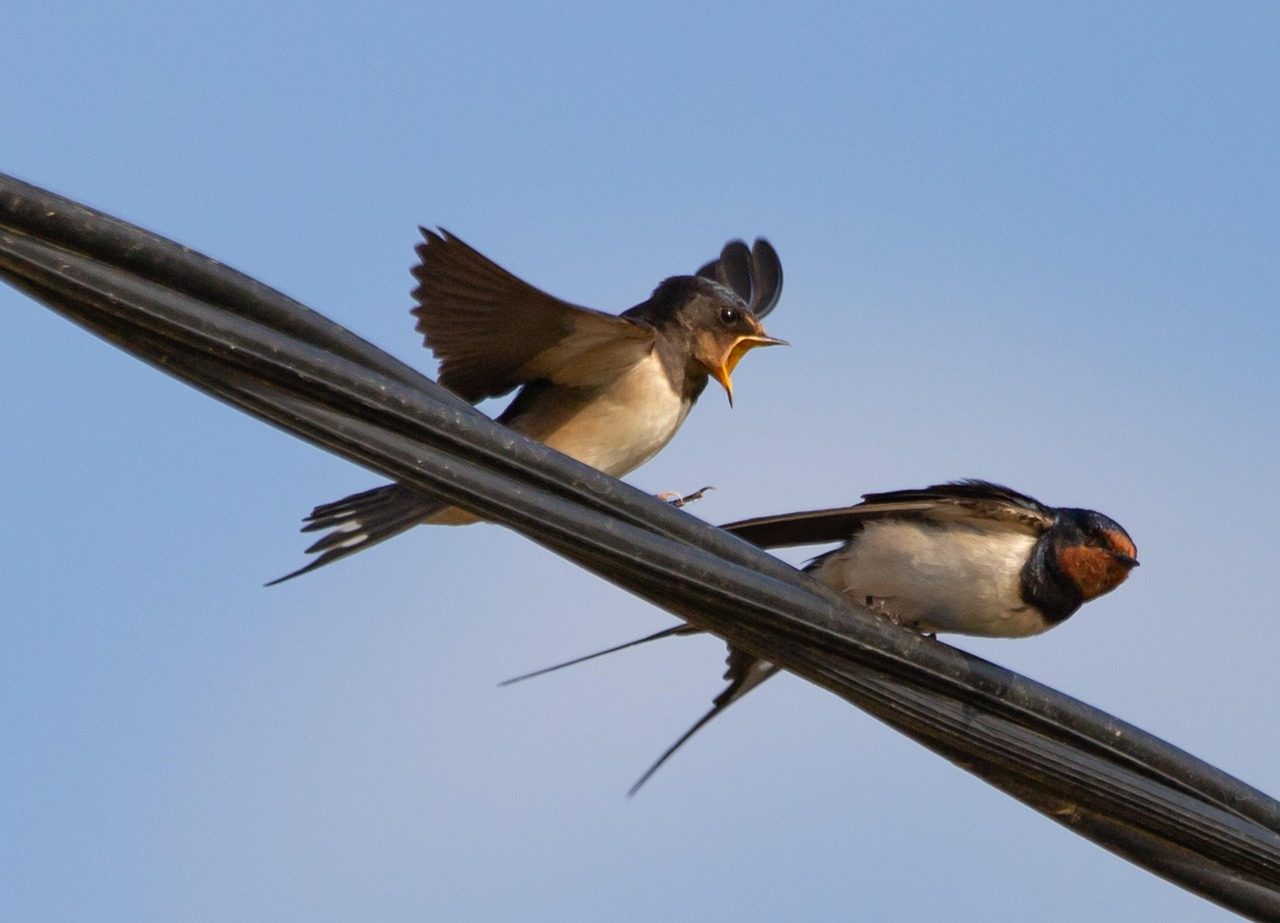
There is broad variation in what birds communicate through songs, with birds using specific calls to designate between larger and smaller objects approaching them. In species with song repertoires, individuals may share the same song type for more complex communication, with birds responding to shared song types through song-type matches or repertoire-matches, where a bird responds with a song type in its rival’s repertoire but not currently being sung.
Some songs serve social functions like maintaining group cohesion or coordinating collective activities, with birds using songs to keep in touch with their group, warn of danger, or signal food availability. This creates communication networks that disseminate essential information for both males and females. Songs vocalized in post-breeding seasons act as cues to conspecific eavesdroppers, with successful males singing to offspring to influence vocal development while unsuccessful males stay silent, inadvertently informing unsuccessful males about high-quality habitats and providing shortcuts to locating prime real estate.
Understanding why birds sing different songs reveals a world far more complex than simple morning music. These feathered communicators have evolved sophisticated vocal systems that serve multiple functions simultaneously – from establishing territories and attracting mates to learning cultural traditions and adapting to changing environments. Their songs represent millions of years of evolutionary refinement, creating acoustic landscapes that reflect both individual identity and community structure. Next time you hear that dawn chorus, you’ll know you’re witnessing one of nature’s most remarkable communication networks in action. What stories do you think the birds in your neighborhood are telling?
Worried about unexpected vet bills?
Pet insurance can cover thousands in unexpected vet costs. Get a free quote from Lemonade in under 2 minutes.
Get My Free Quote →Sponsored · Opens Lemonade.com

- Did You Know Tigers Mimic The Calls of Their Prey - June 7, 2026
- Eagles in Alaska Are Changing Their Migration Routes - June 7, 2026
- 7 Ways to Create a Wildlife-Friendly Backyard Habitat - June 7, 2026