
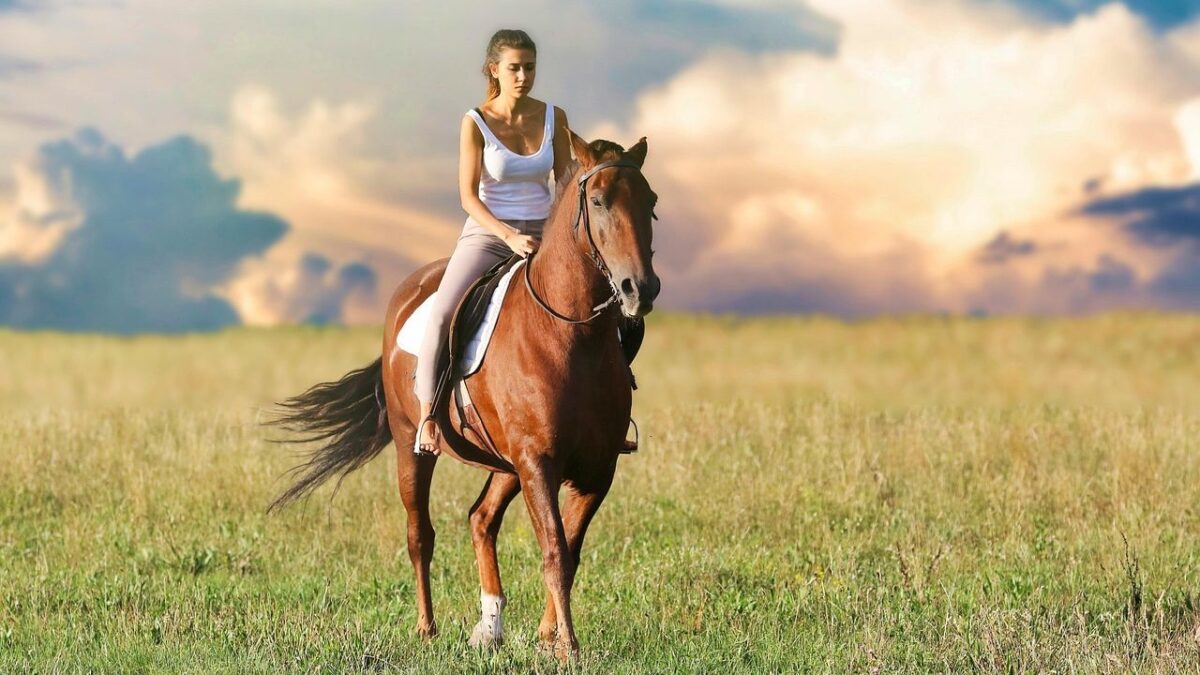
Picture this: you’ve finally achieved your homesteading dream, with rolling pastures and a beautiful barn. Your horses stand grazing peacefully under the afternoon sun, looking like something from a country magazine. Though honestly, I think many of us who love horses get so caught up in that romantic vision that we miss the subtle warning signs our animals are desperately trying to send us.
The truth is, some of the most well-meaning horse owners make mistakes that genuinely harm their animals. These aren’t deliberate acts of cruelty. They’re the kind of errors that happen when we think we’re doing everything right. Let’s walk through seven critical mistakes that can hurt your horses, because understanding them might just save your horse’s life.
Keeping Your Horse in Complete Isolation
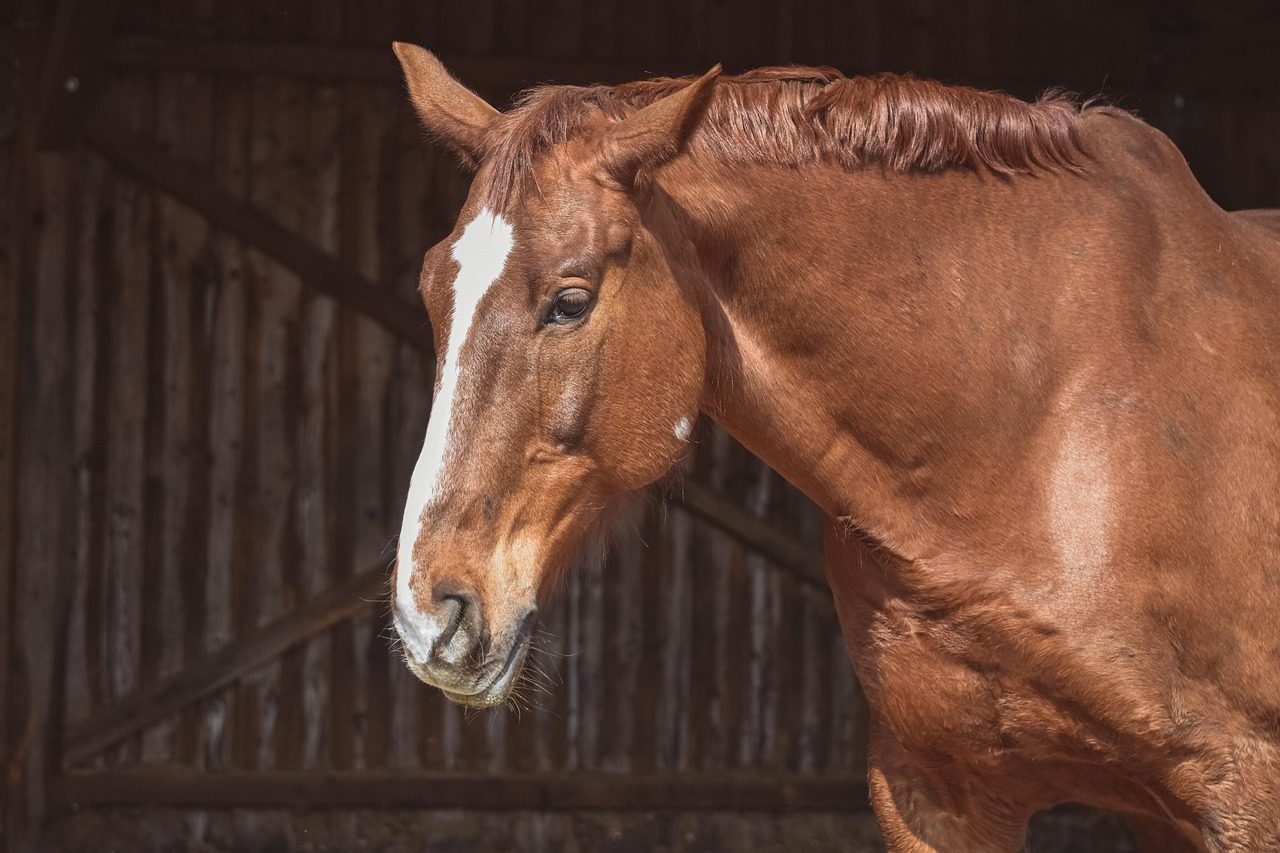
Horses thrive in herds, and isolation causes significant stress. You might think you’re protecting your horse by keeping them in a separate paddock, especially if they seem a bit aggressive with others. Yet what looks like protection is actually torture for these naturally social animals.
A study published in the Journal of Equine Veterinary Science found that horses kept in individual stalls showed higher levels of stress hormones compared to those housed in group settings. Social isolation and limited turnout contribute to stress, stereotypies, and reduced behavioral health. Multiple studies have linked social isolation to increased stress and stereotypic behaviours in horses.
When group turnout isn’t feasible, housing designs incorporating safe opportunities for social contact between horses can improve welfare. Ensure your horse can always see other horses in his living situation. If no other horses are around, consider getting a goat, sheep, pony or mini to keep your horse company. Most horses bond well with these little companions after a careful introduction and can become quite attached to them.
Overfeeding Grains Without Understanding the Consequences
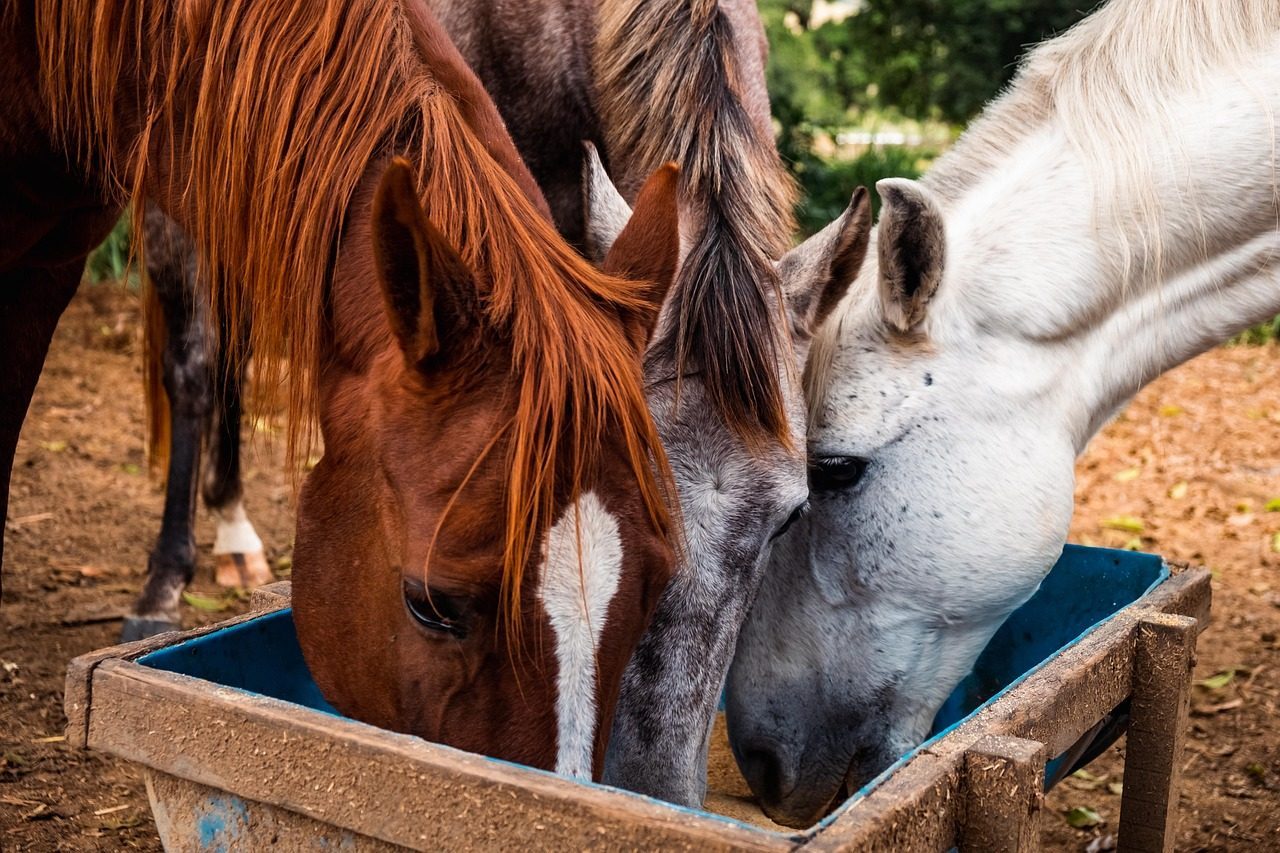
Your horse looks at you with those big, beautiful eyes, and you think an extra scoop of grain shows love. Consumption of large quantities of high starch grain can have drastic consequences to a horse’s intestinal health, causing digestive upset, abdominal pain (colic), and diarrhea. Possible consequences of this grain overload are diarrhea, colic, colitis, endotoxemia, metabolic acidosis and laminitis (founder).
The scariest part? The most notable consequence of this occurrence is the development of laminitis (founder), which might only become evident days later. Overfeeding can lead to a host of physical problems, ranging from excess weight that contributes to degenerative joint disease to equine metabolic syndrome and laminitis.
Although, as mentioned, there are no hard and fast rules for how much grain will trigger these unwanted consequences, I usually become concerned if a horse consumes more than twice their normal feeding of a high carbohydrate diet. If your horse does get into the grain bin, Time is of the essence. Prompt and aggressive treatment by your vet is your best chance to avoid or lessen the consequences.
Providing Inadequate or Improper Shelter
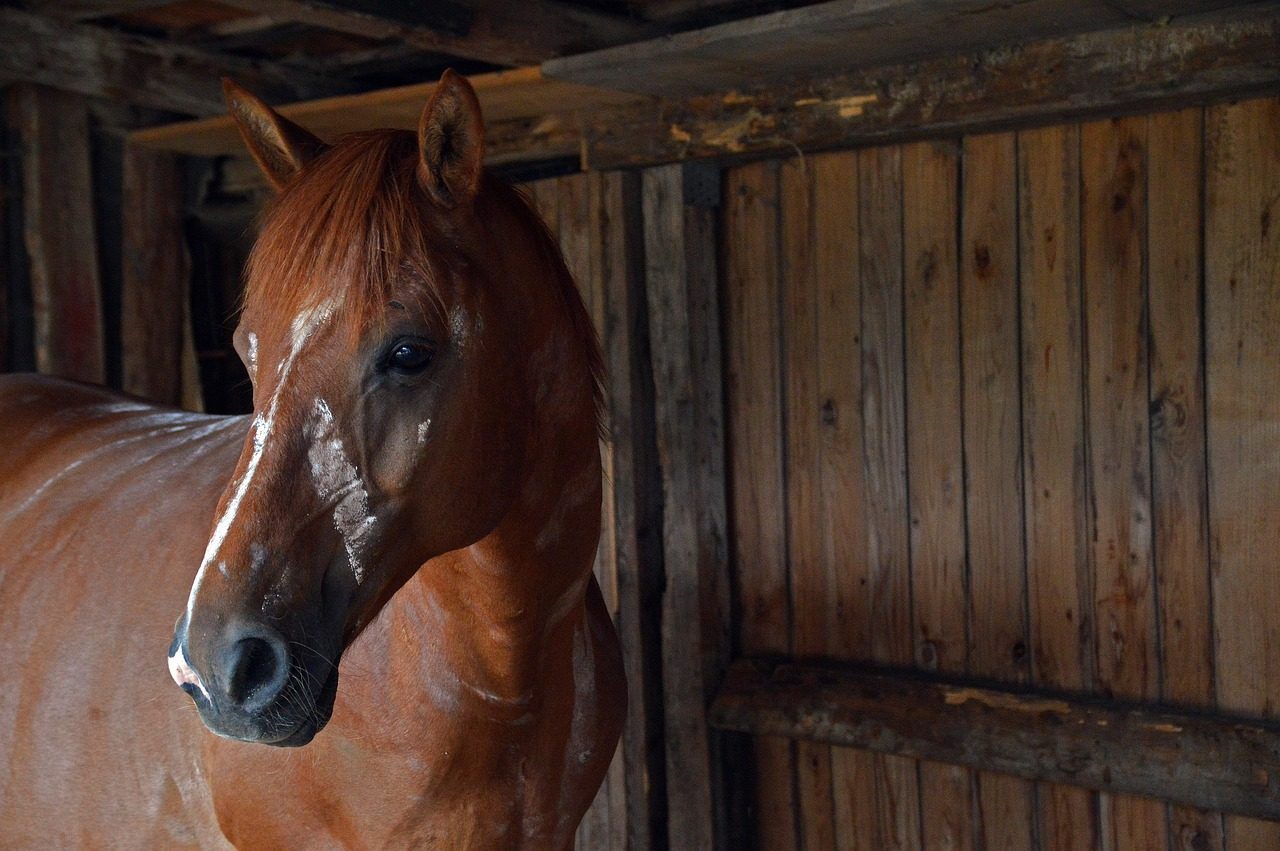
That old lean-to might look rustic and charming, but if it’s falling apart or poorly positioned, it’s not doing your horse any favors. Every horse needs access to shelter, whether in a boarding barn, indoor stall, or run-in shed in the pasture. Run-in sheds protect horses living outside from extreme weather, sun, and biting insects.
Stalls allow for better control of your horse’s use of a shelter, but come at the expense of freedom of movement and socialization. Long-term stall confinement can cause horses to develop undesirable behaviours, such as weaving or cribbing. This forced confinement can result in abnormal behavior and stress, potentially prompting the development of stereotypic behaviors if horses do not get adequate turnout time.
A good shelter, whether it’s a stable or a lean-to in a pasture, should provide sufficient space for the horse to move around comfortably, ventilation for fresh air, and protection from wind, rain, and extreme temperatures. It should also be free of hazards such as protruding nails or unstable flooring. Shelter design experts suggest that horses may benefit from multiple entrances to prevent being trapped by dominant herd members.
Neglecting Regular Veterinary and Dental Care
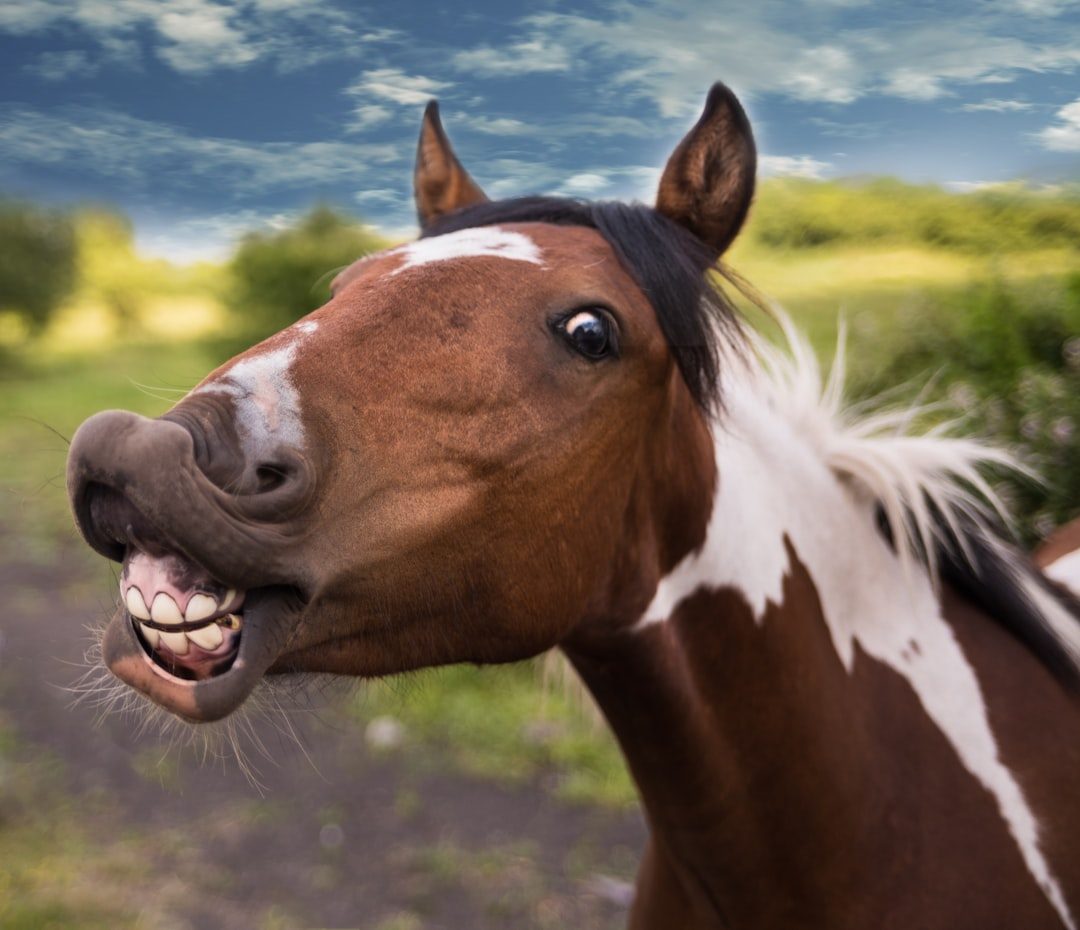
Many horse owners underestimate the importance of regular dental care. Horse teeth are prone to fractures, uneven wear, infections, and sharp edges that can make chewing painful and lead to serious health issues. Your horse might be dropping feed or losing weight, and you’re wondering why when the answer is right in their mouth.
Another common mistake is neglecting regular veterinary care, which can prevent early detection and treatment of potential health problems. I’ve seen horses suffer needlessly because owners thought they were saving money by skipping the annual checkup.
To prevent this, schedule dental checkups at least once a year and regularly monitor him for signs of discomfort such as reduced appetite, weight loss, foul breath, drooling, and resistance to the bit. Vaccinations and parasite control protect your horse from common diseases, while dental care ensures they can eat comfortably and maintain proper nutrition. Hoof maintenance, performed by a farrier, is another critical aspect of healthcare, as it prevents lameness and other mobility issues.
Restricting Movement and Exercise
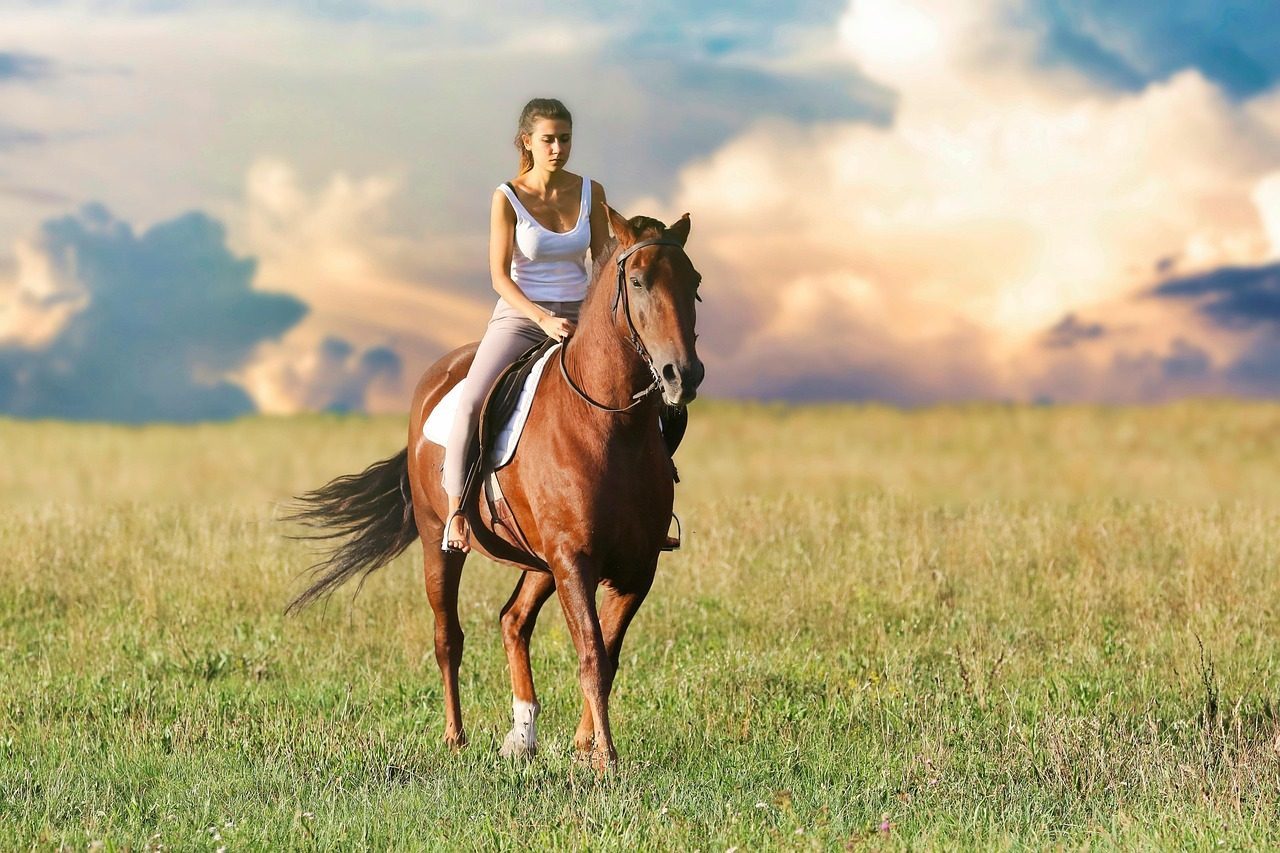
Horses are active, social animals that require daily exercise and interaction to stay physically and mentally healthy. Extended periods in a stall can lead to boredom, stress, and physical issues such as stiffness or weight gain. Think about it: wild horses move constantly, covering miles each day while grazing.
Overfeeding and under-exercising are two of the most common pitfalls in horse care. Similarly, insufficient exercise can result in behavioral and health issues. Your sweet, calm horse might start developing vices like cribbing, weaving, or become increasingly difficult to handle.
Even in extreme weather, your horse should have the opportunity to stretch his legs, explore, and interact with other horses in a pasture or paddock. When you provide regular turnout time, you let your horse engage in natural behaviors that are essential for his well-being. Having plenty of turnout is good for horses because it allows them to graze, exercise and socialize. It is really important that your horses has enough land to graze on.
Misunderstanding Natural Feeding Patterns
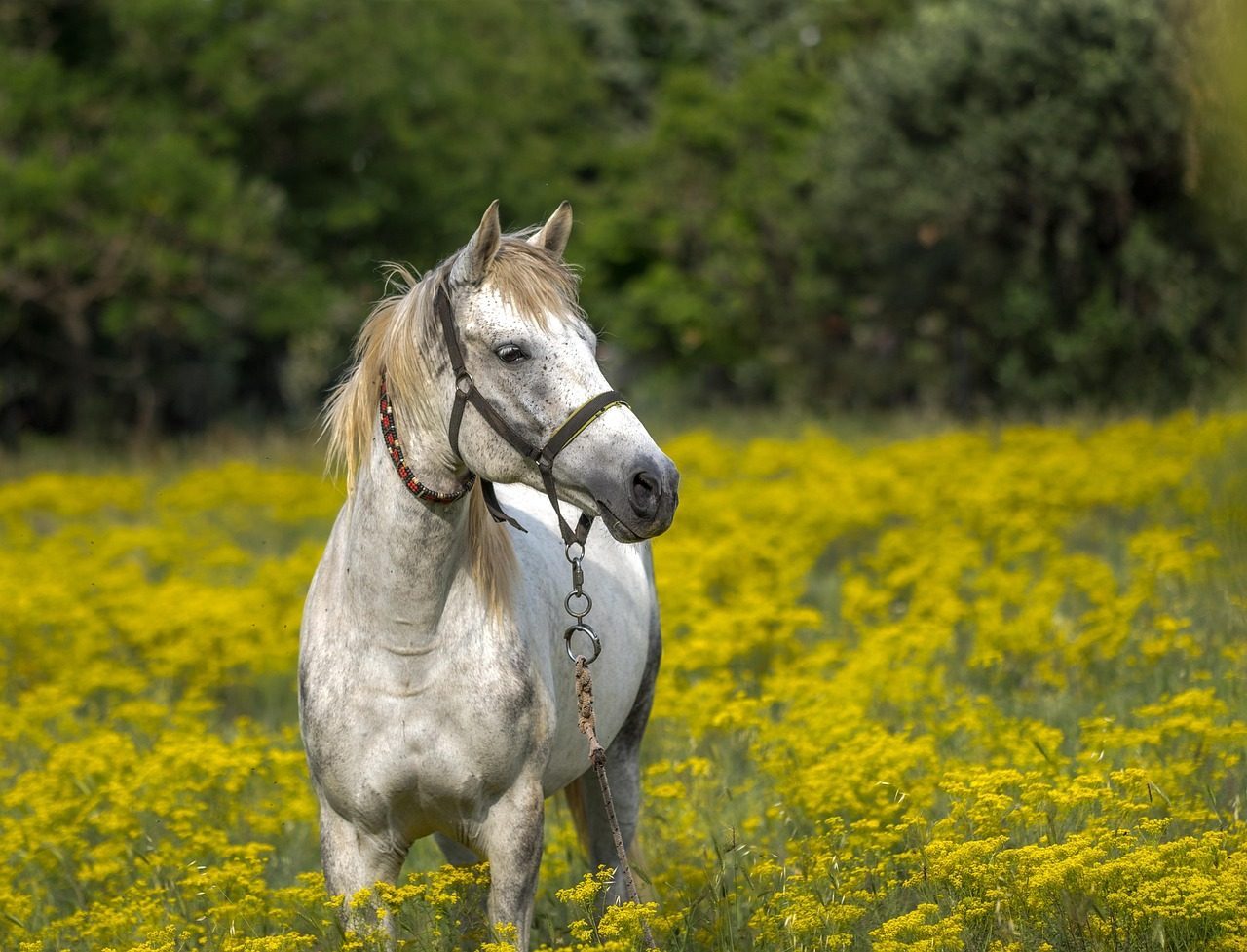
Horses thrive on forage-based diets that mimic their natural grazing patterns. Try to provide your horse with at least 1.5% of their body weight in forage daily (about 15-20 pounds of hay for a 1000-pound horse). Due to the small size of its stomach, the horse will normally consume its daily intake over 16 to 20 hours.
Many homesteaders make the mistake of feeding horses like cows, giving them large meals twice a day. Horses are natural grazers, designed to eat forage like hay and grass continuously throughout the day. Ideally, they should have access to pasture or free-choice hay, but when that isn’t practical, feeding in the morning and evening works well.
Improper feeding practices can lead to serious health issues. Overfeeding grains often results in obesity, laminitis, and metabolic disorders. Proper hydration is often overlooked but remains a critical aspect of equine nutrition. Horses require 5-10 gallons of clean, fresh water daily (depending on factors like climate and activity level).
Ignoring Behavioral Warning Signs
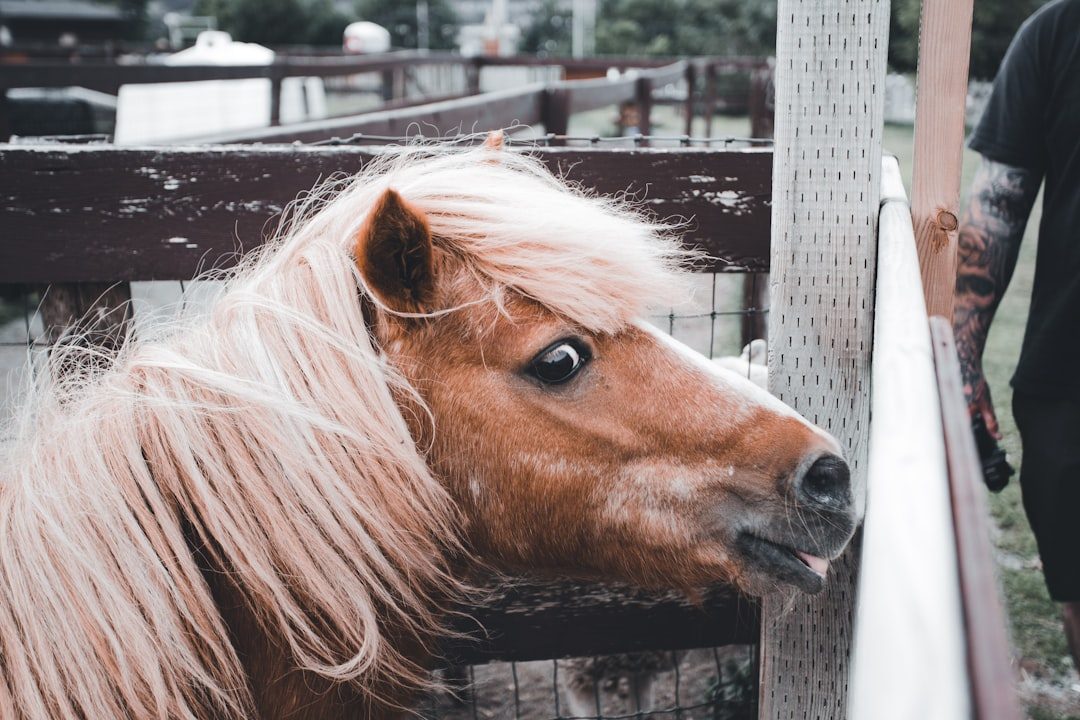
Irrespective of the cause, hyperreactive behaviour likely signals a welfare problem for the horse. Despite this, hyperreactive behaviours are regularly misinterpreted by riders as misbehaviour or ‘disrespect’ and often result in harsher or more intense training, or in some cases euthanasia of the horse. Your horse isn’t being “bad” when they act out; they’re trying to tell you something.
Several authors have identified that misinterpreted horse behaviour is one of the most significant welfare issues facing horses. When you go out to put a halter on your horse, does he run away and is he hard to catch? If your horse is treated with love and care and is given the appropriate amount of stimulation, he or she will come running when you go out to gather them up.
Boredom in horses can lead to destructive behaviors like cribbing or weaving. These stereotypic behaviors develop when horses can’t express their natural instincts. Stimulation, work and attention, as well as socialization with other equine animals are equally important.
Conclusion
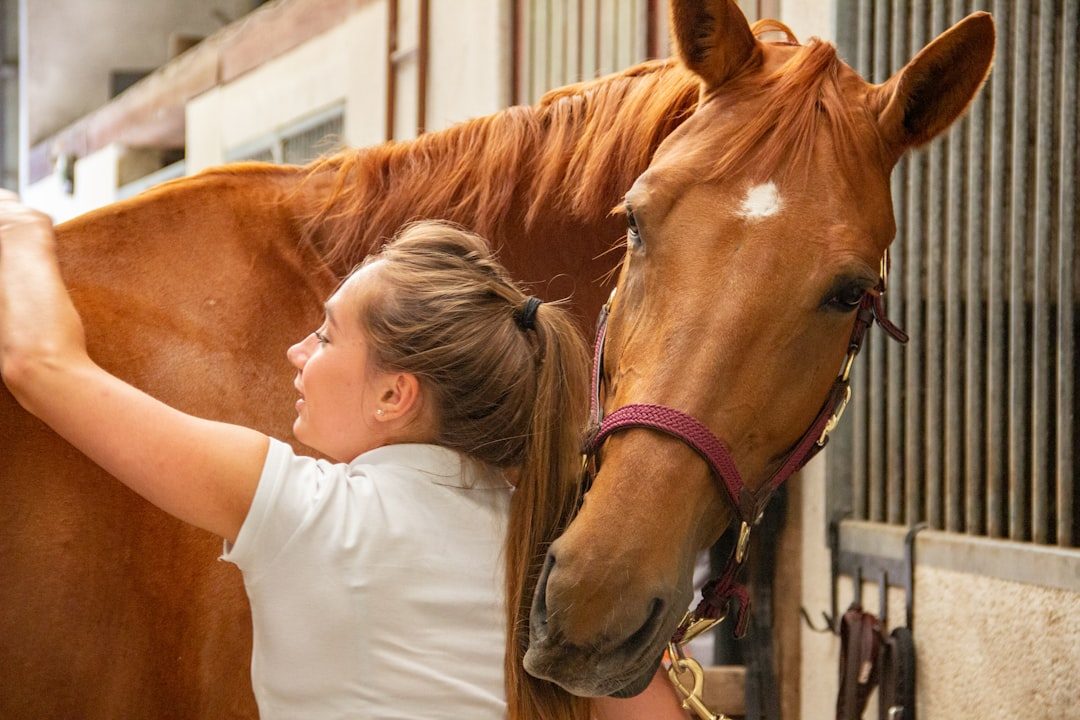
Homesteading with horses brings incredible joy, yet it demands that we see beyond the romantic ideal to the real needs of these magnificent animals. The mistakes we’ve discussed aren’t character flaws; they’re knowledge gaps that every caring horse owner can bridge. Horse owners should prioritize the well-being of their equine companions (considering their physical, mental, and emotional health). Small steps towards better equine welfare make a significant difference.
Remember, your horse depends on you for everything. They can’t tell you when the grain makes their stomach hurt, when isolation is driving them crazy, or when they’re desperately craving movement and companionship. They can only show you through their behavior, their body condition, and sometimes, unfortunately, through illness. What do you think about these common homesteading mistakes? Have you noticed any of these issues with your own horses?
