
Worried about unexpected vet bills?
Pet insurance can cover thousands in unexpected vet costs. Get a free quote from Lemonade in under 2 minutes.
Get My Free Quote →Sponsored · Opens Lemonade.com
Our planet holds secrets that continue to baffle scientists and ignite our imagination. These mysterious places defy our understanding of the natural world, challenging everything we think we know about physics, biology, and the forces that shape our Earth. From glowing waters to singing sands, these enigmatic locations remind us that our planet still guards many of its most profound mysteries.
As animal lovers, we’re naturally curious about the world around us. Just as our beloved pets sometimes exhibit behaviors that puzzle us, our planet itself displays phenomena that leave even the most brilliant researchers scratching their heads. So let’s get started and explore seven of Earth’s most mysterious places that continue to perplex experts and capture our imagination.
The Catatumbo Lightning: Nature’s Eternal Light Show
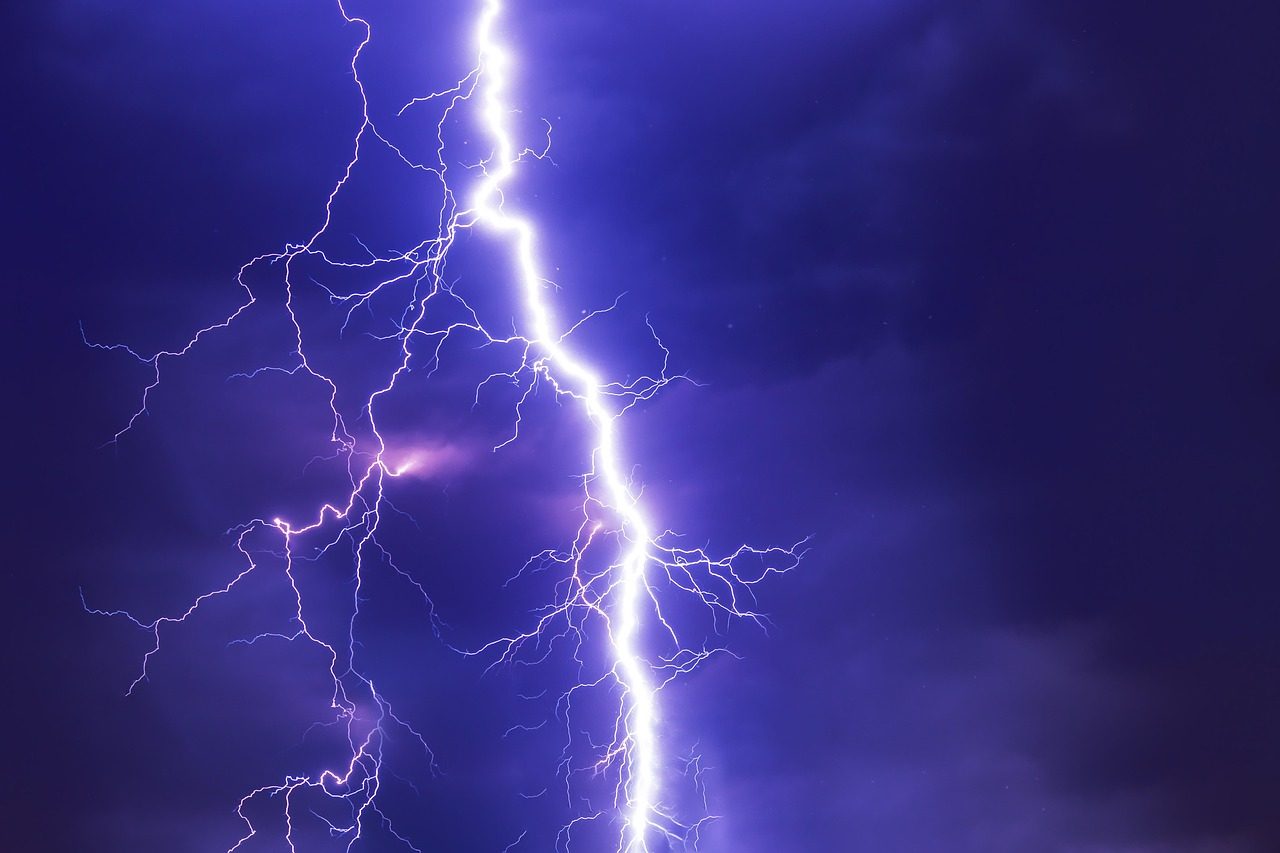
High above Venezuela’s Lake Maracaibo, something extraordinary happens almost every night of the year. For about 140 to 160 nights per year, the skies above the Catatumbo River light up in one of the most spectacular lightning displays found anywhere on Earth, with storm clouds producing as many as 250 lightning strikes per minute for up to nine hours at night.
Lake Maracaibo has the highest concentration of lightning on Earth thanks to a combination of heat, humidity, air currents, and the mountainous landscape. At night, lightning strikes can occur up to 250 times per minute for up to nine hours. What makes this phenomenon particularly puzzling is its incredible consistency and the way it seems to hover in place, defying normal weather patterns.
Scientists understand the basic meteorology behind thunderstorms, yet the Catatumbo Lightning’s behavior challenges conventional wisdom. Even more mysteriously, the lighting in these storm clouds behaves in some unusual ways. The lightning appears to follow an almost supernatural schedule, creating a natural lighthouse that has guided sailors for centuries.
Death Valley’s Sailing Stones: Rocks That Dance in the Desert
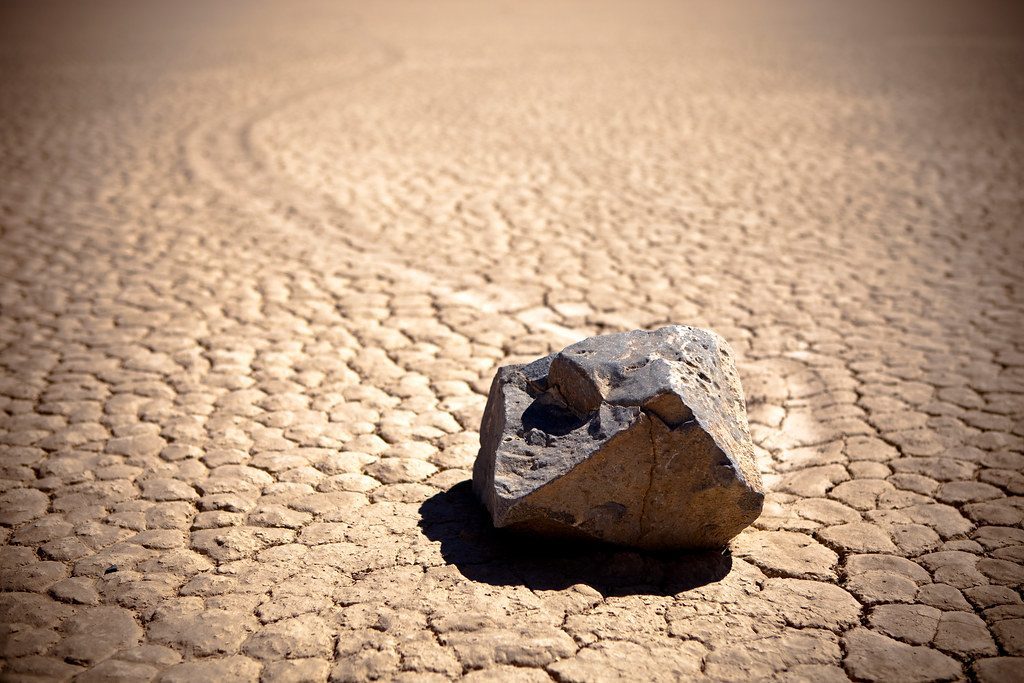
Death Valley’s famous sailing stones are located in the appropriately named Racetrack Playa, a flat and arid valley sitting on the site of a long-dried-up lake bed. What is unusual is the long trails left behind the stones that suggest that they had somehow moved on their own.
These boulders, some weighing hundreds of pounds, appear to glide across the desert floor, leaving perfectly straight trails behind them like breadcrumbs in a fairy tale. Despite strong evidence of the stones’ movement left in the dry lake bed behind them, no one has seen the stones moving in person. It’s as if they perform their mysterious dance only when no one is watching.
Recent studies have suggested that rare combinations of rain, ice, and wind might create the perfect conditions for these stone ballets. Yet the precise mechanism remains elusive, and the sight of these massive rocks with their mysterious trails continues to inspire wonder and speculation about the hidden forces at work in our natural world.
The Bermuda Triangle: Where Logic Goes to Disappear
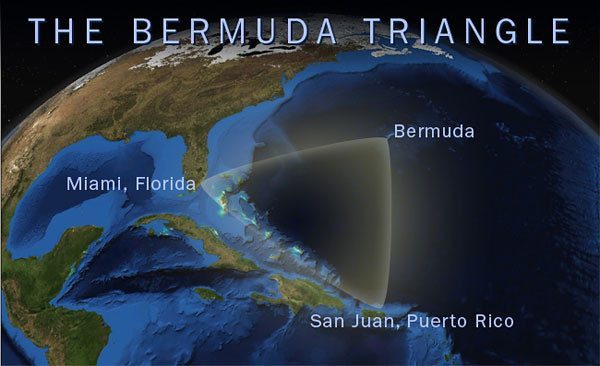
The Bermuda Triangle is perhaps the most famous mysterious place in the world. This area of about 500,000 square miles sits in the Atlantic Ocean between Bermuda, Puerto Rico, and Miami, Florida. More than 20 planes and 50 ships are said to have mysteriously vanished into thin air or crashed without explanation.
Despite decades of investigation and countless theories, the Bermuda Triangle continues to capture public imagination. Also known as the Devil’s Triangle, this triangular region of the North Atlantic Ocean lies between Florida, Bermuda, and Puerto Rico and has a reputation for unexplained or mysterious disappearances of ships and aircraft since World War II.
Though vessels manage to pass through the area with ease every day and there are no more disappearances in the Bermuda Triangle than in any other large, well-traveled area of the ocean, the unexplained accidents have still captured the public imagination. The mystery persists not because of supernatural forces, but because our human need to find patterns and meaning in chaos makes this region a perfect canvas for our fears and fascinations.
Fairy Circles of the Namib Desert: Nature’s Perfect Geometry
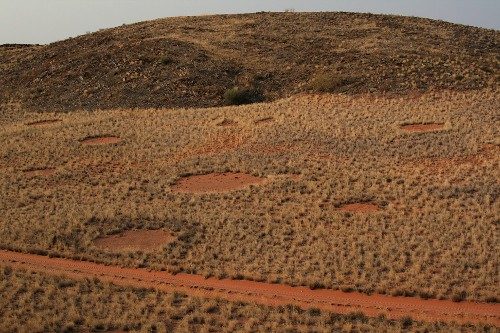
In the grasslands of southern Africa’s Namib Desert, a series of unexplained “fairy circles” have baffled scientists for years. Short grasses ring the barren, circular patches, which range from 7 to 49 feet in diameter. Thousands of these mysterious rings stretch out over hundreds of miles of desert.
These perfectly round, barren patches scattered across the landscape look like nature’s own crop circles. The precision of their circular shape and their systematic distribution across the desert seems almost too perfect to be natural. Various theories have emerged, from termite activity to plant competition for water resources, but none fully explain their remarkable uniformity and persistence.
Fairy circles illustrate the complexity of natural patterns and ecosystems, challenging our understanding of desert ecology and the balance between competition and cooperation in nature. These enigmatic formations continue to captivate scientists and tourists alike, embodying the mystery and beauty of the natural world.
Easter Island’s Silent Guardians
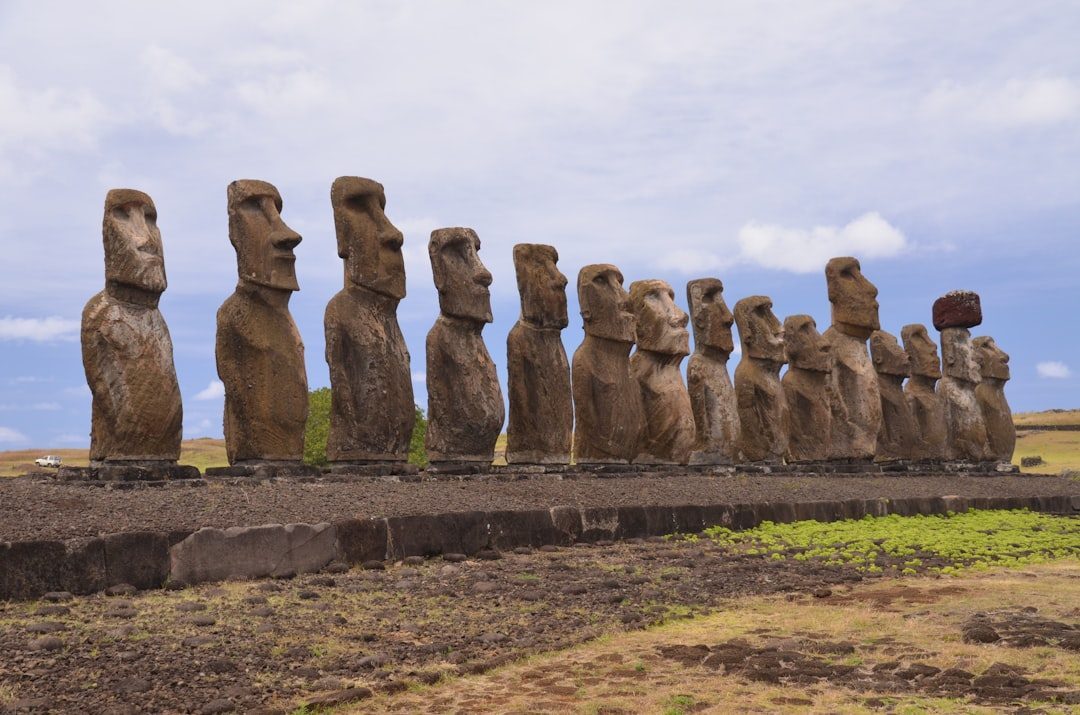
1,289 miles away from the nearest inhabited land, Chile’s Easter Island (Rapa Nui) is the last word in isolation. At some point in its history (we don’t know when), it was occupied by a thriving group of intrepid Polynesians, who built the enigmatic Moai statues – over a thousand of them staring blankly over the landscape – as a way to honor their ancestors. However, by the time Dutch colonists landed on Easter Sunday 1722, the island was all but abandoned, its population severely depleted.
The mystery deepens when you consider the logistics of creating and moving these massive stone figures. How did a small island population manage to carve, transport, and erect nearly 900 statues, some weighing up to 75 tons? The precision of their construction and their uniform gaze toward the interior of the island suggests a sophisticated understanding of engineering and astronomy.
What happened to the civilization that created them remains one of archaeology’s greatest puzzles. The statues stand as silent witnesses to a lost world, their weathered faces holding secrets that may never be fully understood.
The Nazca Lines: Messages Written in Stone
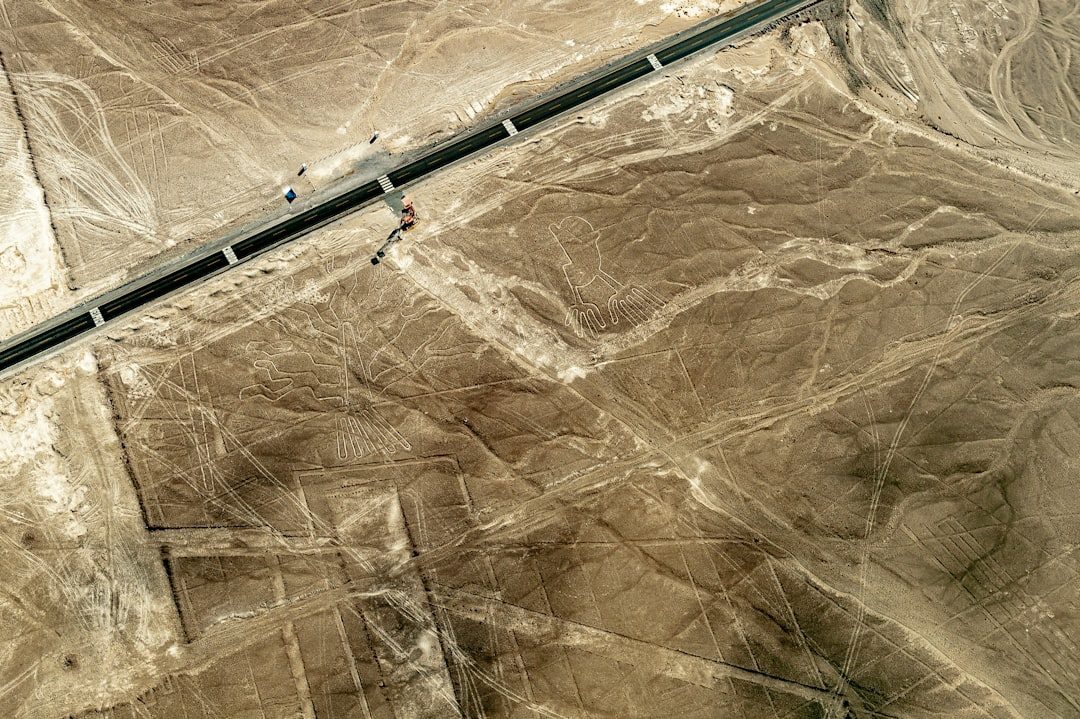
Etched into the dry earth of Peru’s Nazca desert are massive man-made glyphs of animals, plants and strange lines, a UNESCO World Heritage Site covering an area of roughly 200 square miles. These mysterious drawings were created between the 4th century BC and the 6th century AD and are best seen from the air, but we still don’t know why they were drawn.
The sheer scale of these geoglyphs is staggering. Some lines stretch for miles across the desert floor, while intricate animal figures span hundreds of feet. The precision required to create such enormous designs without an aerial perspective challenges our understanding of ancient capabilities and purposes.
Created by the Nazca culture between 500 BCE and 500 CE, some believe they were astronomical calendars, religious symbols, or UFO landing pads. Each theory seems as plausible as the next, making the Nazca Lines a perfect example of how ancient mysteries can spark endless imagination and debate.
Lake Hillier: Australia’s Pink Enigma
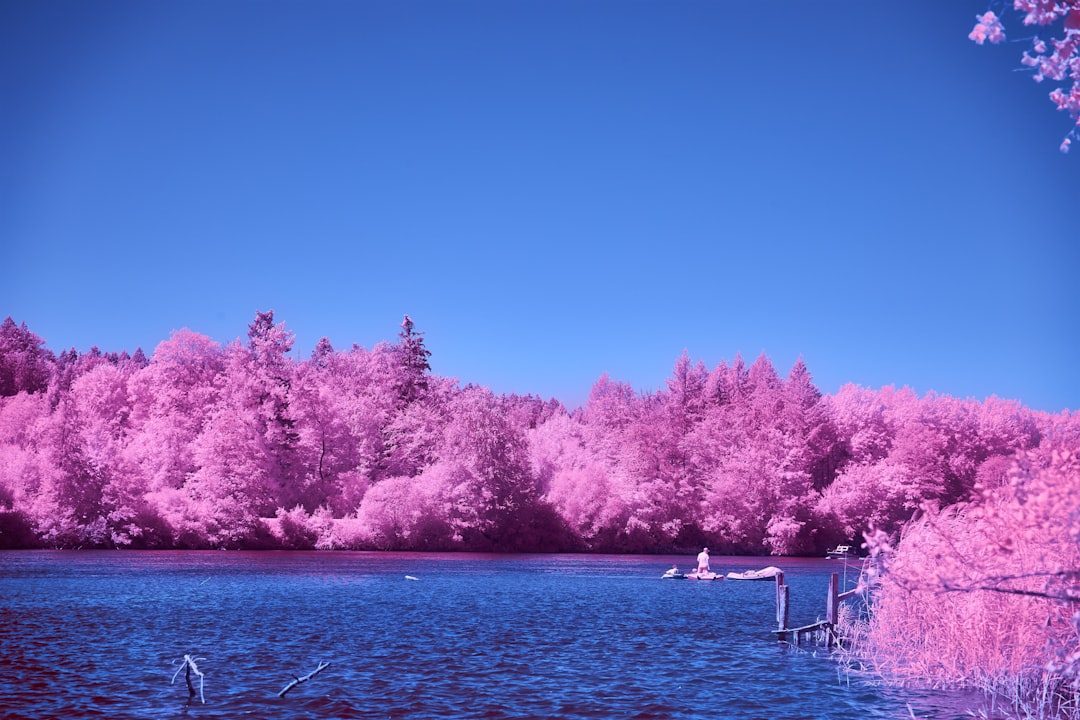
With its bubblegum-pink waters, Australia’s Lake Hillier might have the most unique and pretty waters in the world. It sits right next to the Indian Ocean, which makes its natural color really pop in comparison. It has plenty of fish living in its waters and is even safe for swimming, although tourists aren’t allowed in the water.
The reason for Lake Hillier’s color remains a mystery, but it’s most likely caused by algae, bacteria, or chemical reactions. Despite numerous scientific studies, the exact mechanism that creates and maintains this stunning pink hue continues to puzzle researchers.
What makes Lake Hillier particularly fascinating is its permanence. Unlike other pink lakes around the world that change color seasonally or fade over time, this natural wonder maintains its vibrant cotton-candy appearance year-round. The lake serves as a reminder that our planet still holds visual surprises that can challenge our scientific understanding while delighting our senses.
Conclusion
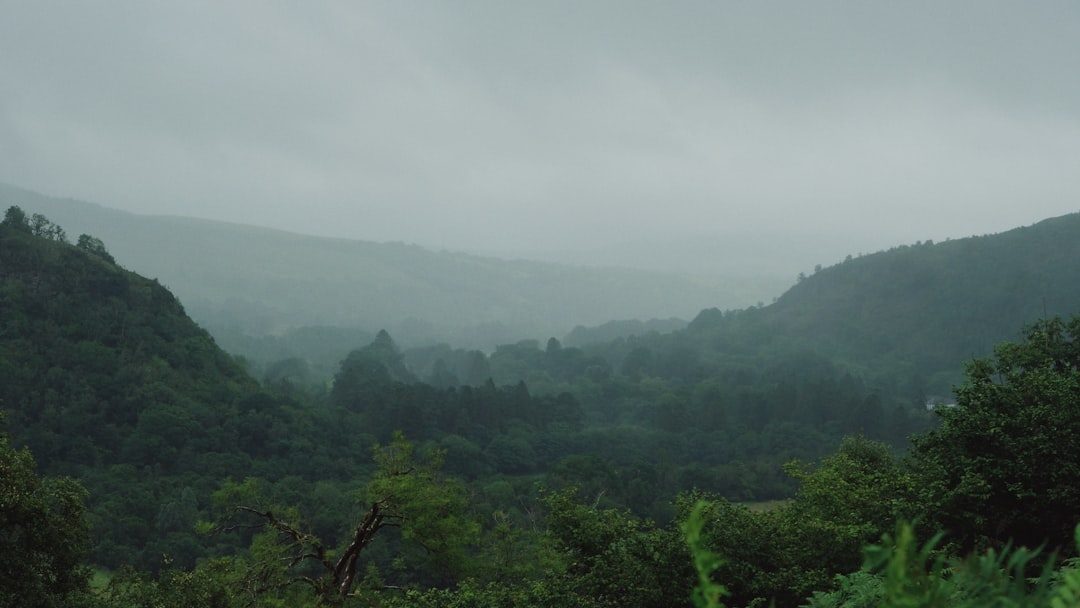
These seven mysterious places remind us that Earth still guards many of its secrets, despite our advanced technology and scientific understanding. Each location challenges our assumptions about the natural world and demonstrates that mystery and wonder are never far from reach. Just as we marvel at the unexplained behaviors of the animals we love, these enigmatic places inspire us to remain curious and humble before the vast complexity of our planet.
What fascinates you most about these mysterious places? Tell us in the comments which one you’d most like to visit and experience firsthand.
Worried about unexpected vet bills?
Pet insurance can cover thousands in unexpected vet costs. Get a free quote from Lemonade in under 2 minutes.
Get My Free Quote →Sponsored · Opens Lemonade.com

- How Muskrat Behavior Can Indicate Climate Change in The Carolinas - June 6, 2026
- What Ancient Animal Symbolizes Prosperity for Your Zodiac Sign? - June 6, 2026
- The US States With the Most Elk - June 6, 2026