
Picture standing in Peru’s arid desert, looking down at what appears to be nothing more than scattered stones and faint paths. Now imagine soaring hundreds of feet above, only to discover that beneath you lies an enormous hummingbird, a spider, or a monkey stretching across the landscape.
These ancient artworks have survived for roughly two millennia, yet they still challenge everything we think we know about ancient civilizations. How did a prehistoric culture without flight create images meant to be seen from the sky? What compelled them to pour generations of effort into designs they could never fully appreciate? Let’s dive in.
A Desert Canvas Preserved by Time
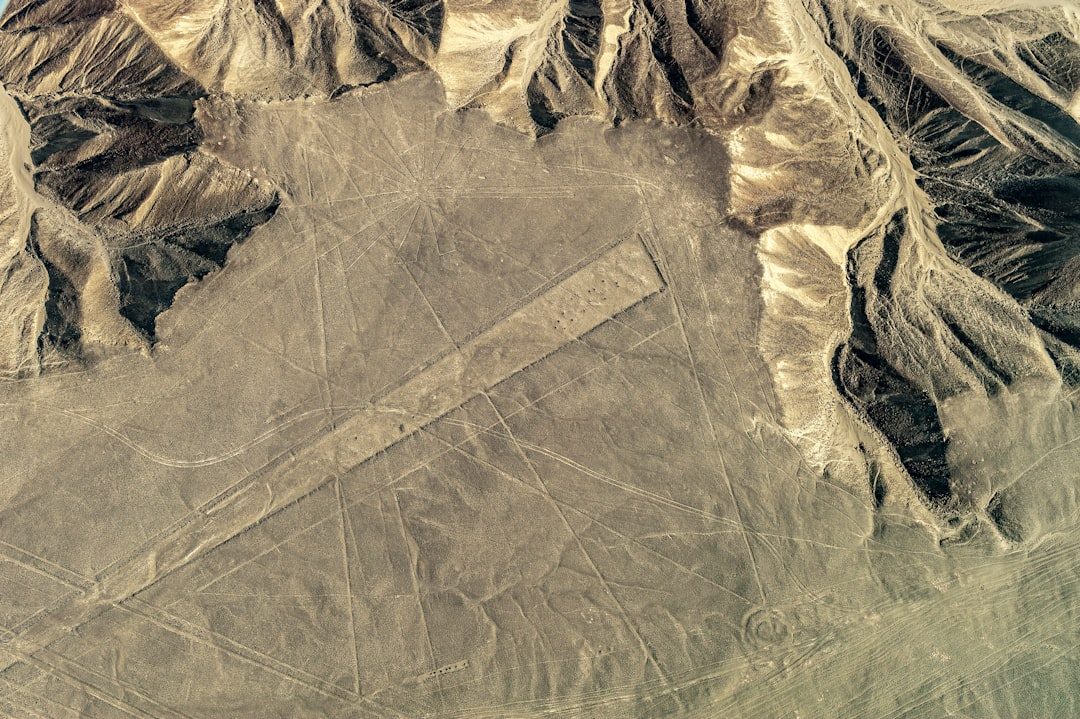
The Nazca Lines are a group of over 700 geoglyphs made in the soil of the Nazca Desert in southern Peru, created between 500 BC and 500 AD by people making depressions or shallow incisions in the desert floor. The sheer scale is staggering. The combined length of all the lines is more than 1,300 km (800 mi), and the group covers an area of about 50 km2 (19 sq mi).
What’s remarkable is how these lines have survived at all. The very dry, windless, and constant climate of the Nazca region has preserved the lines well. The desert itself became the perfect protector, with minimal rainfall preventing erosion year after year. The lines are typically 10 to 15 cm (4–6 in) deep. It’s hard to believe something so shallow could last this long.
Simple Tools, Extraordinary Vision
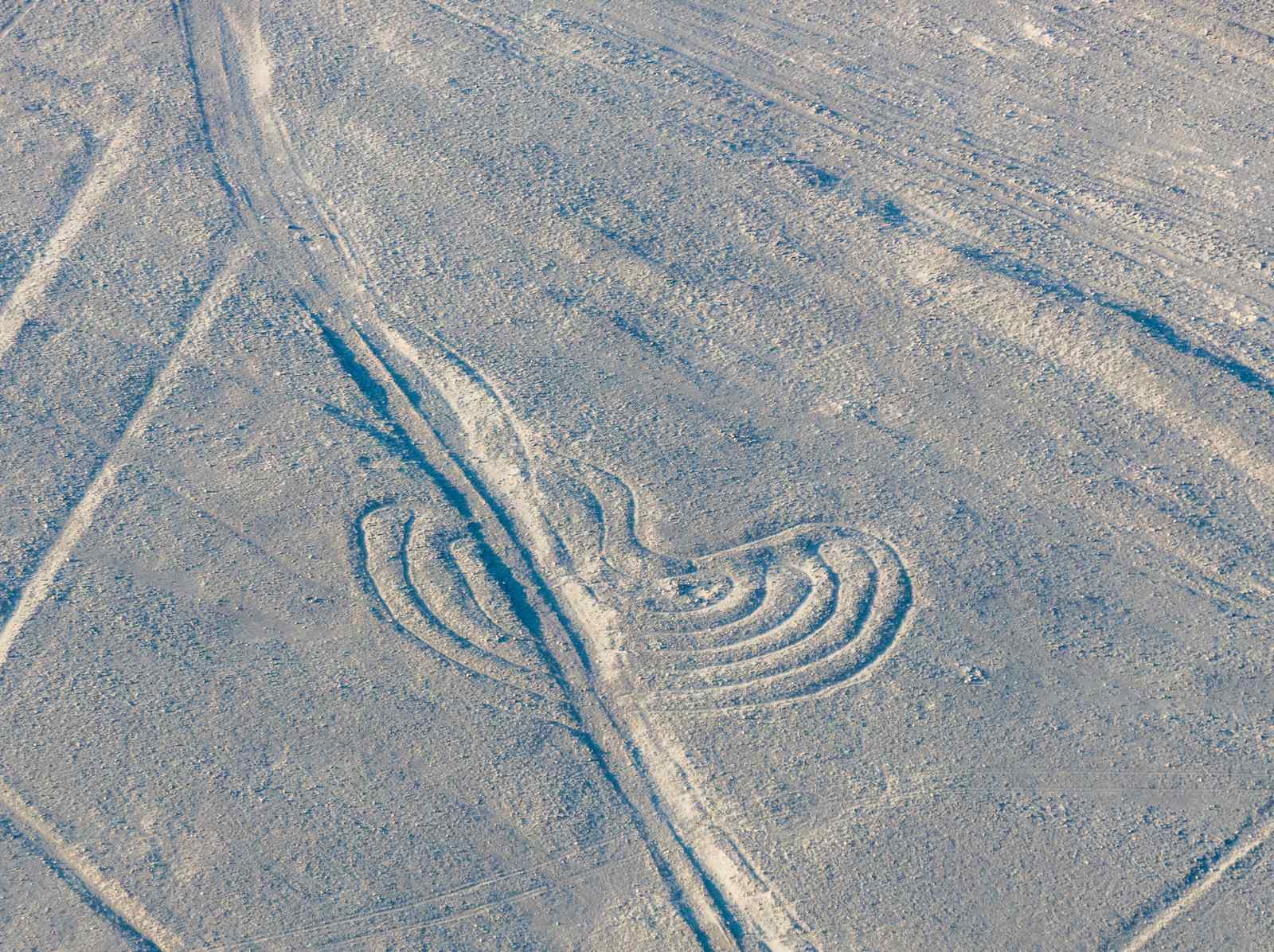
Let’s be real, the technology behind these geoglyphs sounds almost too basic to create something so precise. The Nazca people made the drawings by removing the reddish top layer of rocks in the desert, revealing the lighter dirt underneath. That’s it. No advanced machinery, no lasers, just removing stones.
Archaeologists believe the lines were made using simple technology – primarily wooden stakes, ropes, and measuring instruments to ensure accuracy, allowing the Nazca people to create the straight lines and geometric patterns. Think about that for a moment. They achieved mathematical precision using stakes and rope. Archaeological surveys have found wooden stakes in the ground at the end of some lines, which supports this theory, and one such stake was carbon-dated and was the basis for establishing the age of the design complex.
Technology Unveils Hidden Secrets
Here’s where things get really exciting. Researchers have discovered over 300 new ancient drawings in the Nazca Desert in Peru using Artificial Intelligence (AI) and drones to help them find the new drawings. This breakthrough happened in 2024, nearly doubling the known figurative geoglyphs in just six months of fieldwork.
The AI model dramatically sped up the identification process, allowing researchers to spot these elusive designs “20 times faster” than traditional methods. Honestly, it’s mind-blowing how AI spotted patterns human eyes had missed for centuries. The deployment of an AI system to the entire Nazca region led to the discovery of 303 new figurative geoglyphs within only 6 mo of field survey, nearly doubling the number of known figurative geoglyphs.
Among the newly discovered figures? Depictions of human-like beings, decapitated heads, animals like llamas and birds, and even a 72-foot-long orca holding a knife.
Two Types Tell Different Stories
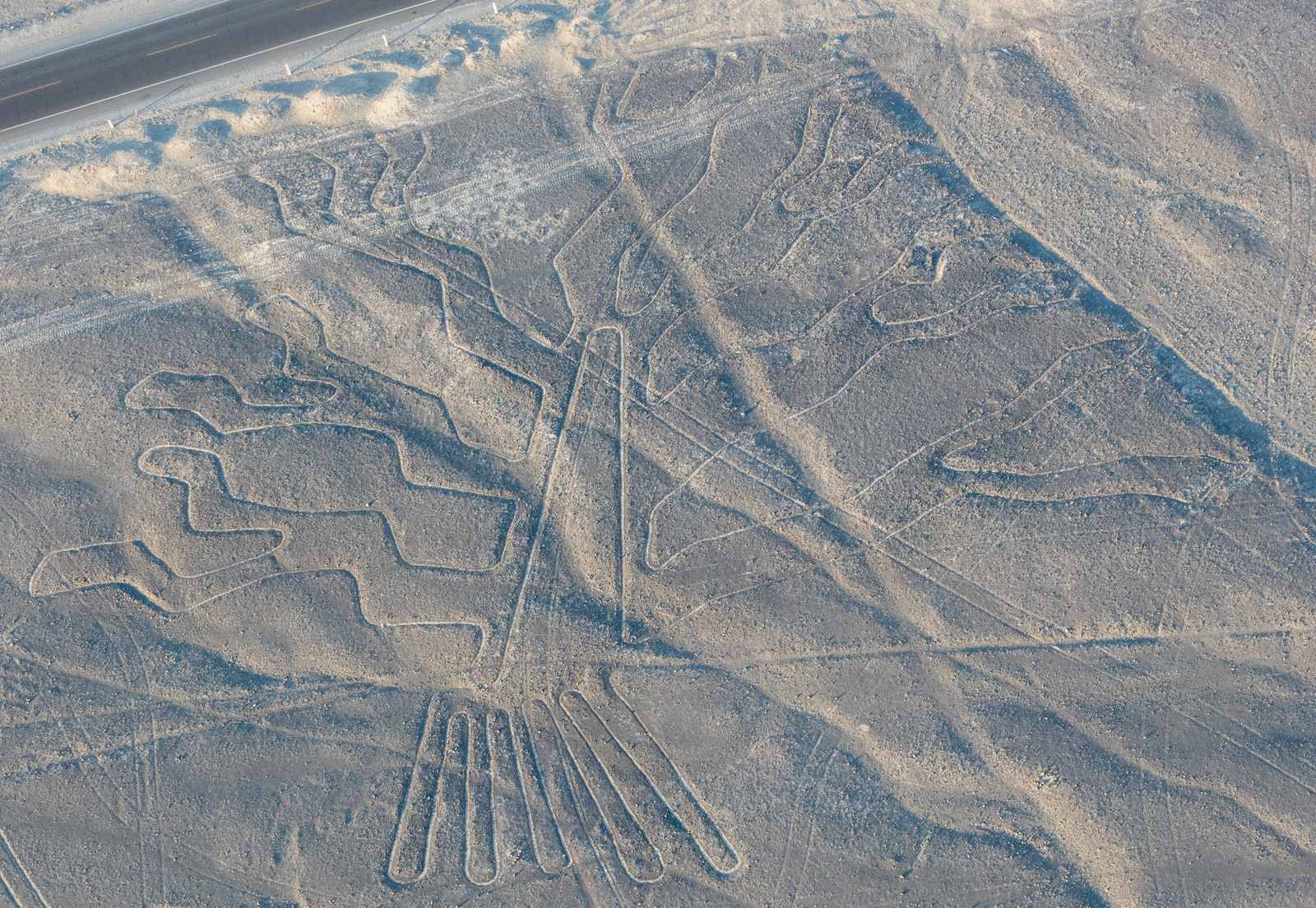
The Nazca Lines aren’t all created equal. The Nazca creations come spliced into two categories: the largest are considered line-type glyphs, made by carving into the landscape and using rocks to scrape away soil and reveal new colors below, and due to the color contrast and size, the larger glyphs were often the first ones discovered.
Then there are the smaller ones. The second type, known as a relief glyph, features white and black stones to create smaller images – often only 30 feet in size. Relief-type geoglyphs depict mainly human motifs or motifs of things modified by humans, such as domesticated animals and decapitated heads (81.6%).
It turns out location matters too. Relief-type designs are found near foot trails, leading researchers to believe that they were meant to be seen by small groups traveling along the paths. The line-type glyphs are more closely linked to rituals and are found near ceremonial pathways, where they were potentially drawn large enough to be seen by the Nazca gods.
Water Worship in a Thirsty Land
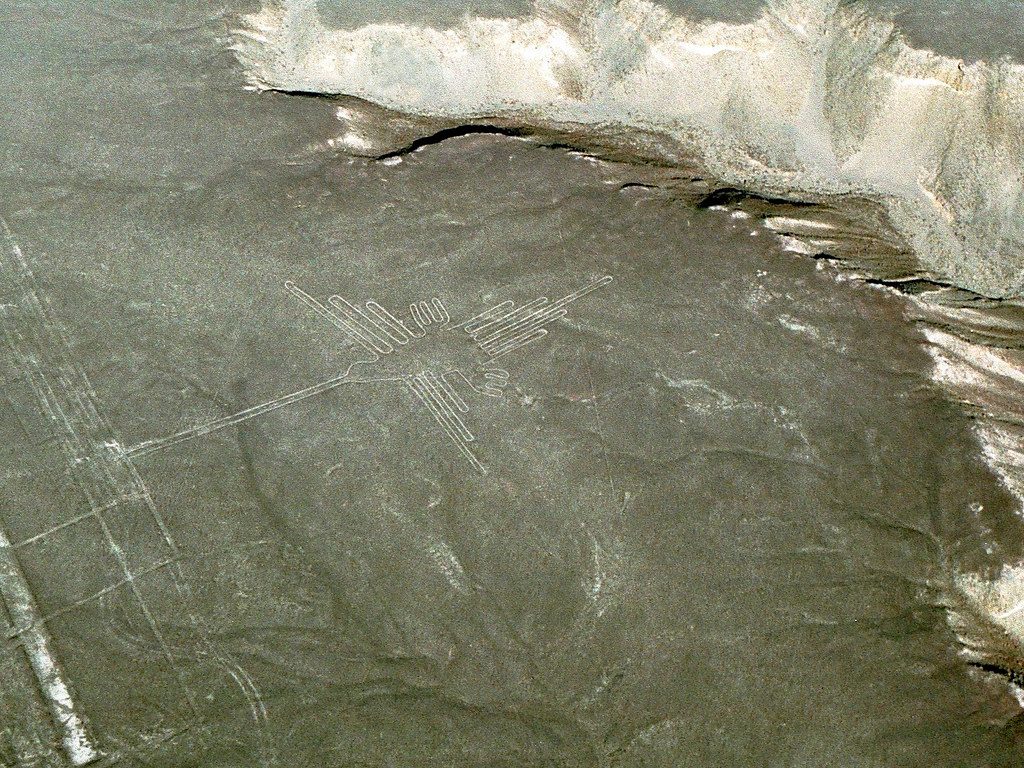
In a place where rain is almost nonexistent, water becomes sacred. Johan Reinhard brought a multidisciplinary approach noting that in a region that receives only about 20 minutes of rain per year, water was clearly an important factor, and it seems likely that most of the lines led to places where rituals were performed to obtain water and fertility of crops.
In 1985, archaeologist Johan Reinhard published data demonstrating that worship of mountains and other water sources predominated in Nazca religion and economy, theorizing that the lines and figures were part of religious practices involving the worship of deities associated with water availability, interpreting the lines as sacred paths leading to places where these deities could be worshiped. This theory has gained serious traction over the years.
Animal symbolism is common throughout the Andes and are found in the biomorphs drawn upon the Nasca plain: spiders are believed to be a sign of rain, hummingbirds are associated with fertility, and monkeys are found in the Amazon – an area with an abundance of water. Every creature carved into the desert seems to whisper prayers for water.
The Astronomical Calendar Theory
One of the earliest explanations came from researcher Maria Reiche, who dedicated roughly four decades to studying the lines. She believed that the site held special astronomical significance, with the sun’s positioning in relation to the designs acting as a giant solar calendar, allowing the people of the Nazca culture to observe solstices and equinoxes as well as predict things like solar eclipses.
American professor Paul Kosok investigated and found himself at the foot of a line on June 22, 1941 – just one day after the winter solstice, and at the end of a full day studying the lines, he looked up to catch the sunset in direct alignment with the line, calling the 310 square mile stretch of high desert “the largest astronomy book in the world”.
Still, not everyone was convinced. The Kosok-Reiche astronomy theories held true until the 1970s when a group of American researchers arrived in Peru to study the glyphs, and this new wave of research started to poke holes in the archeo-astronomy view of the lines.
Pilgrimage Paths and Ritual Ceremonies
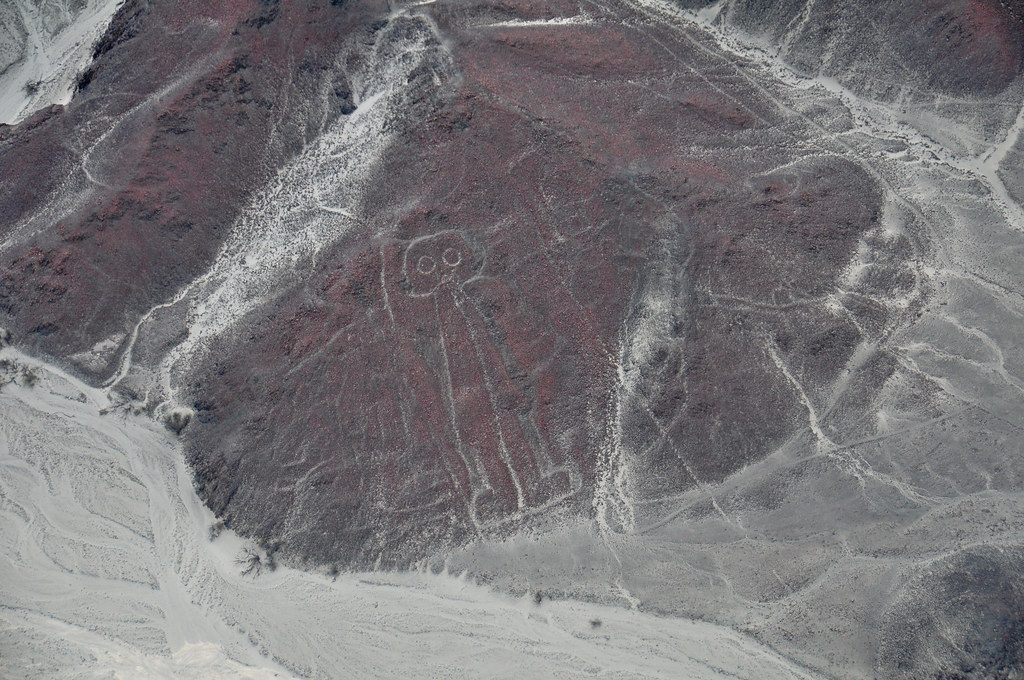
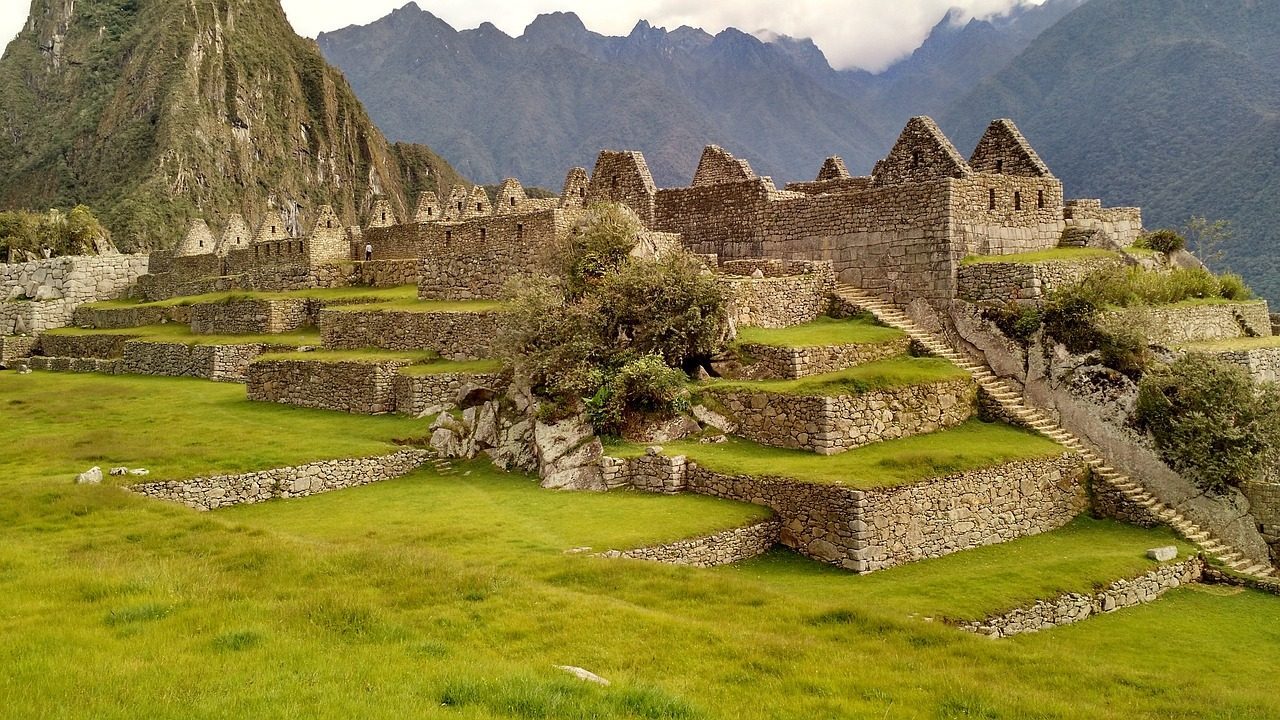
The larger geoglyphs might have served communal purposes during sacred journeys. Researchers believe these larger figures were used in rituals as part of sacred journeys to the Cahuachi Temple, a major ceremonial center of the Nazca people, with the study authors noting that it is probable that ceremonial activities related to these animals were performed during pilgrimages.
The giant line-type figurative geoglyphs mainly depict wild animals (64%), and their regular spacing suggests that they were probably built and used on a community level for ritual activities. This idea of collective religious expression makes sense. Creating these massive images required coordination, planning, and shared belief.
Meanwhile, the smaller relief-type figures tell a different story. Relief-type geoglyphs are smaller and more intricate, often representing humans, domesticated animals, or scenes of human activity, typically found near informal footpaths, which suggests they may have served a more localized or communicative purpose, possibly designed to share information about human activities with small groups of travelers.
Threats and Preservation Challenges
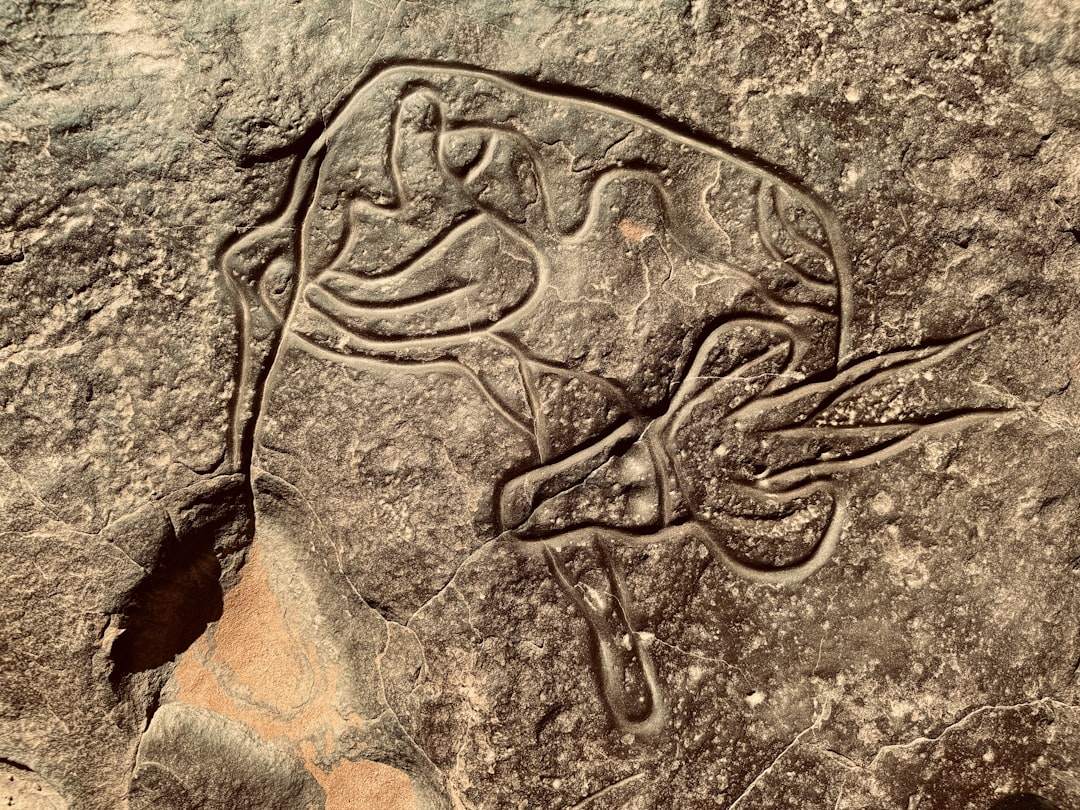
These ancient wonders face modern dangers. Climate change poses new threats to Nazca geoglyphs today, amplifying extreme weather events and potentially triggering more devastating flash floods in desert areas. After surviving two thousand years, the lines now confront risks they were never designed to withstand.
The Nazca Lines face ongoing threats from natural and human activities, and while the dry climate has protected them for centuries, recent human developments and environmental challenges pose risks, with increasing tourism, urban expansion, and climate-related changes potentially affecting the delicate top layer of soil that preserves the lines’ visibility.
AI accelerates discoveries in archaeology, even in a region as well known as the UNESCO World Heritage site of Nazca. Researchers estimate that there could be as many as 250 additional geoglyphs awaiting discovery in the Nazca Desert. There’s hope that finding them quickly will allow for better protection before they’re lost forever.
Conclusion: An Enduring Enigma
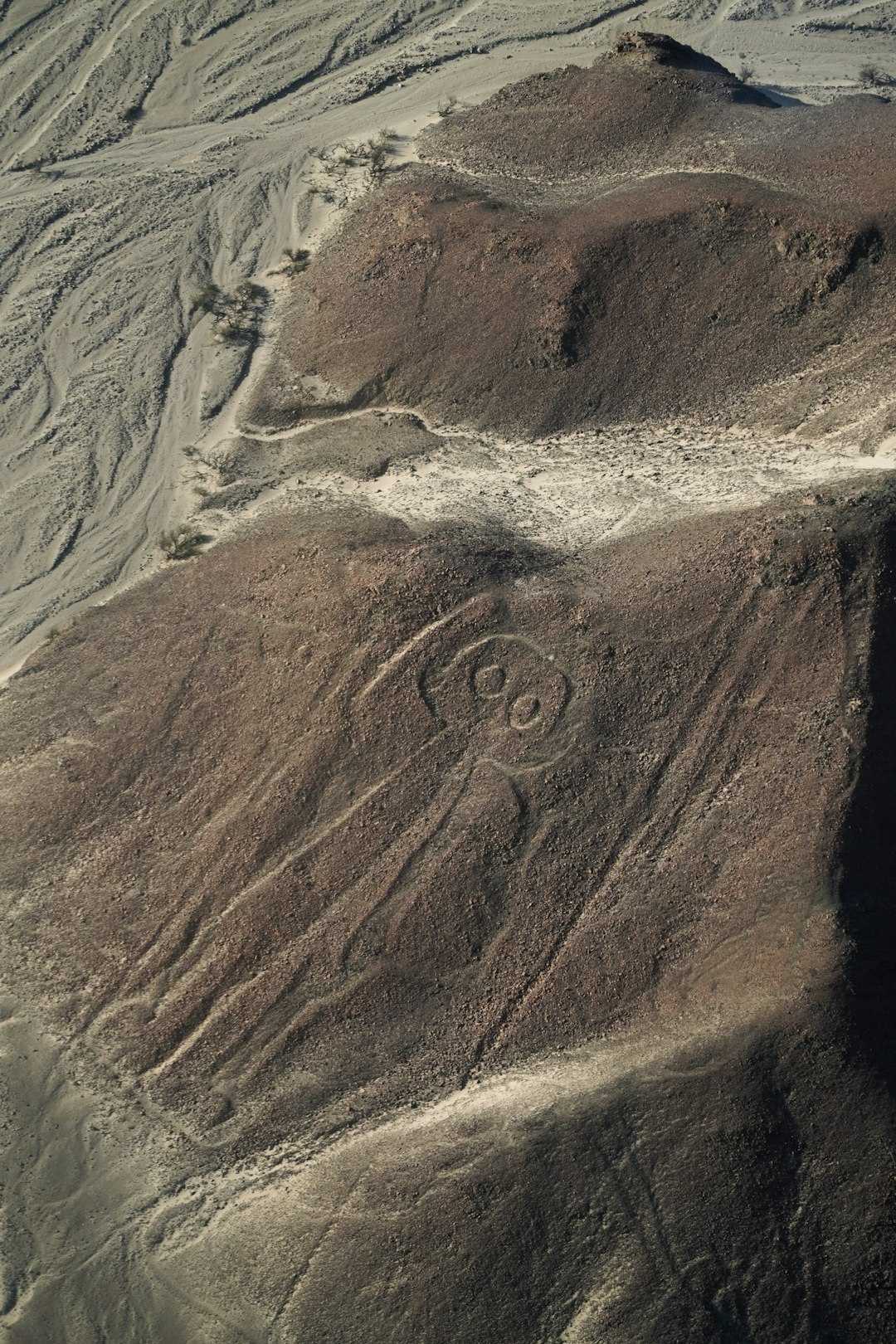
The Nazca Lines remain one of archaeology’s most captivating puzzles. Despite decades of research and cutting-edge technology revealing hundreds of new geoglyphs, we still can’t say with absolute certainty why they were created. Were they prayers etched into stone? Sacred paths for pilgrims? An astronomical guide? Perhaps all of these at once.
What we do know is that the Nazca people possessed extraordinary vision and determination. They created art on a scale that defies imagination, using nothing more than stones, stakes, and rope. They left us a legacy that continues to inspire wonder, debate, and discovery thousands of years later.
As AI continues to uncover hidden figures and researchers piece together fragments of evidence, we inch closer to understanding the minds behind these desert masterpieces. Yet maybe part of their magic lies in the mystery itself. What do you think drove them to create such monumental works they could never fully see? Tell us in the comments.
