

California stretches from coastal cliffs to towering mountains, from sun-baked deserts to lush valleys. Somewhere between all that geographic chaos, nature got creative. Really creative. This state happens to hold more endemic species than any other in the nation, meaning critters that exist here and absolutely nowhere else on Earth. It’s hard to say for sure, but it seems like California became a living laboratory for evolution, where isolation and diverse ecosystems gave birth to animals that defy expectations.
Some of these creatures you’ve probably never heard of. Others might surprise you simply because you didn’t realize they were exclusive to California. Let’s be real, when you think of California wildlife, you might picture bears or sea otters, but the truly unique animals are often the ones hiding in plain sight. So let’s dive in.
Channel Islands Fox
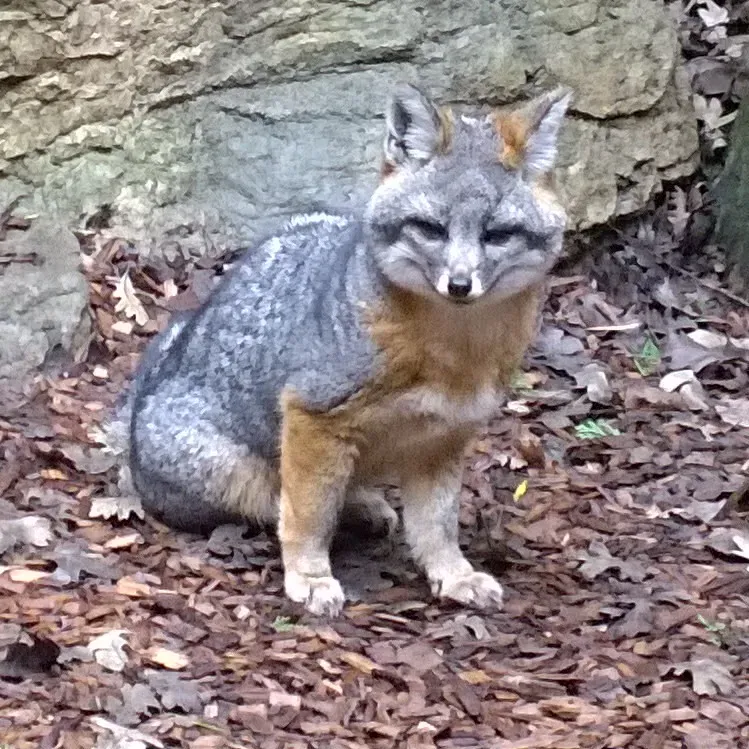
The Channel Islands fox is a small fox that is found on the Channel Islands off the coast of Southern California. This sweet-looking but ferocious fox is an omnivore and eats a variety of plants and animals on the hills and coasts around the Channel Islands National Park. Picture a miniature mainland gray fox, then shrink it even more.
Three mammals are endemic to the archipelago: the Channel Islands fox, the deer mouse, and the Channel Islands spotted skunk. These foxes evolved separately on different islands, developing distinct characteristics depending on where they lived. Their small size is actually an adaptation to limited food resources on the islands. Each island has its own subspecies, which is pretty remarkable when you think about it.
Despite their size, these foxes are scrappy survivors. They’ve bounced back from near extinction after golden eagles nearly wiped them out in the 1990s. Conservation efforts brought them back from the brink, and today you can spot them roaming freely across the Channel Islands. They’re curious, bold, and surprisingly unafraid of humans.
San Joaquin Kit Fox
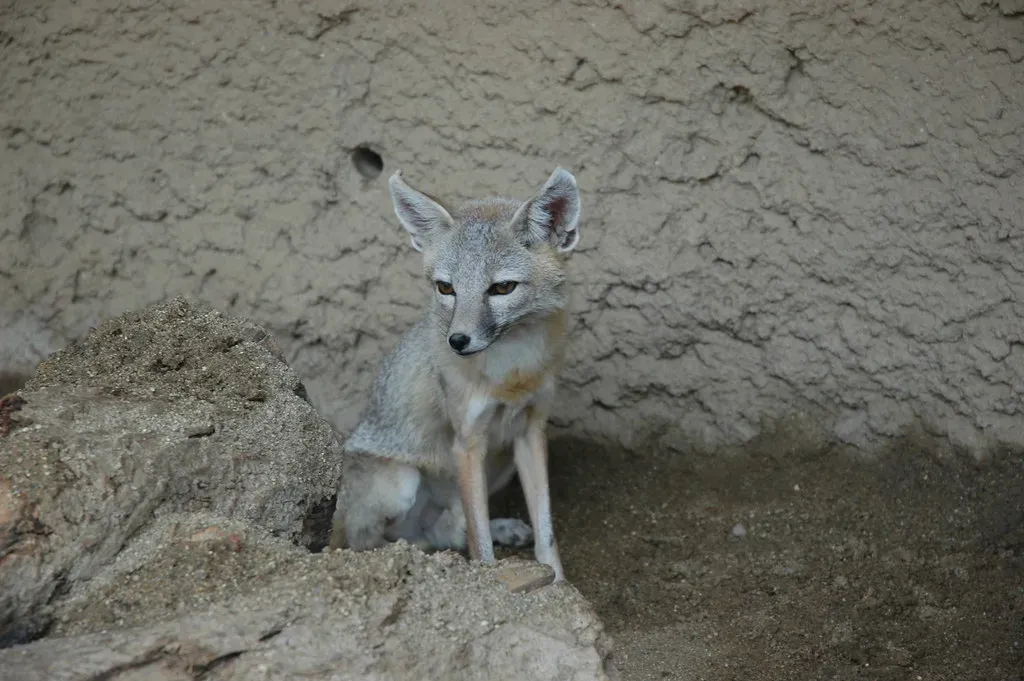
San Joaquin kit foxes are the smallest foxes in North America.They have big ears and long bushy tails and are named after California’s San Joaquin Valley, where they are endemic, meaning they do not live anywhere else in the world. With large, pointed ears, grayish-orange fur and a pointed nose, this sweet little fox can only be found in the San Joaquin Valley where it hunts small rodents and birds.
Honestly, these little guys need all the help they can get. Unfortunately, this species has been endangered since 1967, when urban and industrial development began to eat away at its natural habitat. The population is continuing to decline with recent estimates suggesting fewer than 3,000 left in the world. The expansion of agriculture, urban sprawl, and even solar farms have carved up their territory into fragments.
The San Joaquin kit fox is nocturnal, hunting at night and resting most of the day in their dens. The dens help the fox escape the desert heat and provide shelter and cover from predators. They’re also dealing with threats from larger predators like coyotes, disease outbreaks, and even rodenticides that poison their prey. It’s a tough life for such a small creature.
Tule Elk
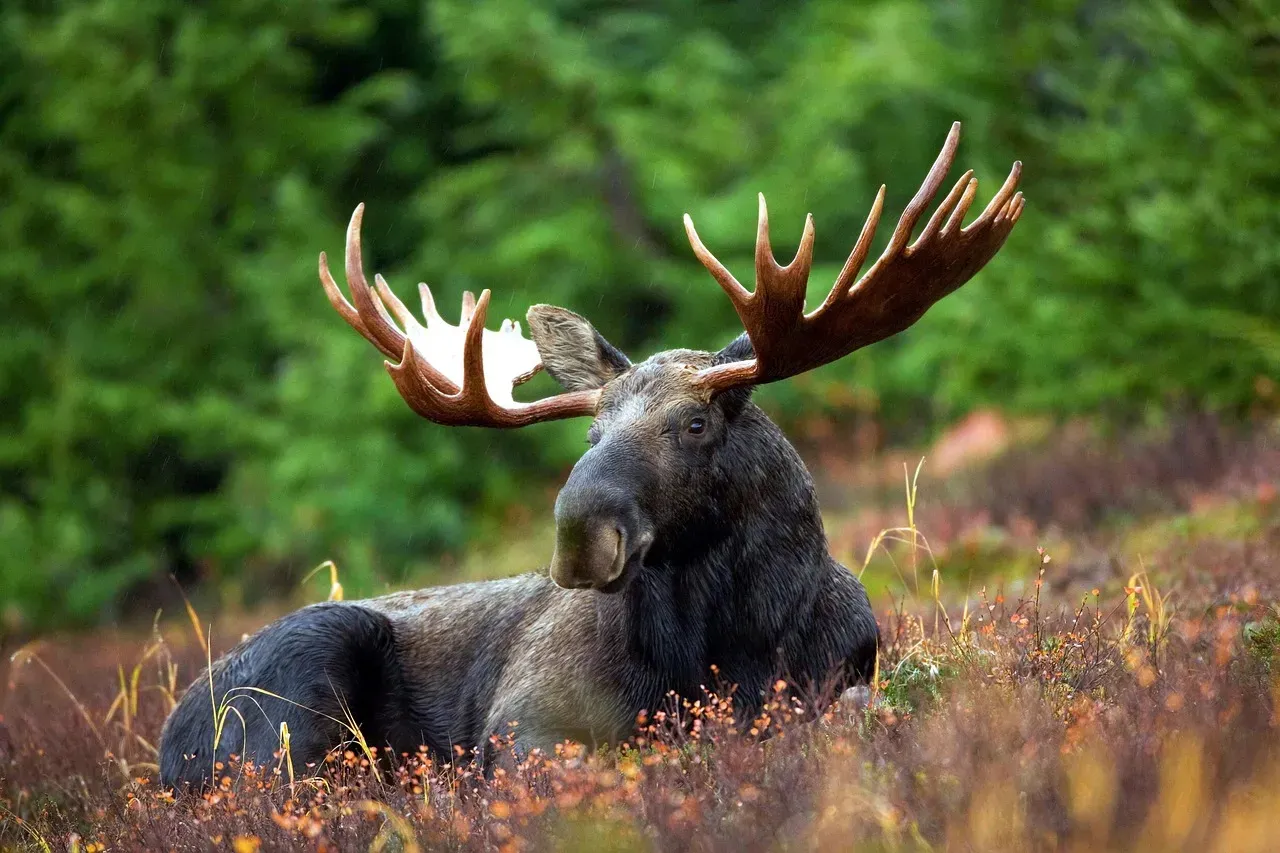
In the 19th century, Californians thought they’d wiped out the last of this Californian subspecies of elk, but a single pair were then found hiding in the tule marshes of Buena Vista Lake in Kern County in 1874. Talk about a close call. All of the 4,000 or so tule elk alive today descend directly from that pair, the tule elk’s Adam and Eve.
Where once there were 500,000 of California’s only elk species roaming the state, now there are 4,000. That’s a staggering drop, but at least they’re still here. These elk are smaller than their Rocky Mountain cousins but still impressive to see in person. They’re California’s largest native land mammal after the black bear.
And of all California’s endemic wildlife species, tule elk are among the most easily seen, with populations planted up and down the state. The Tule Elk State Reserve near Tupman in Kern County is a reliable viewing spot, as is Tomales Point in Point Reyes National Seashore in the Bay Area. Watching these majestic animals roam free feels like glimpsing California’s wild past.
Sierra Nevada Bighorn Sheep
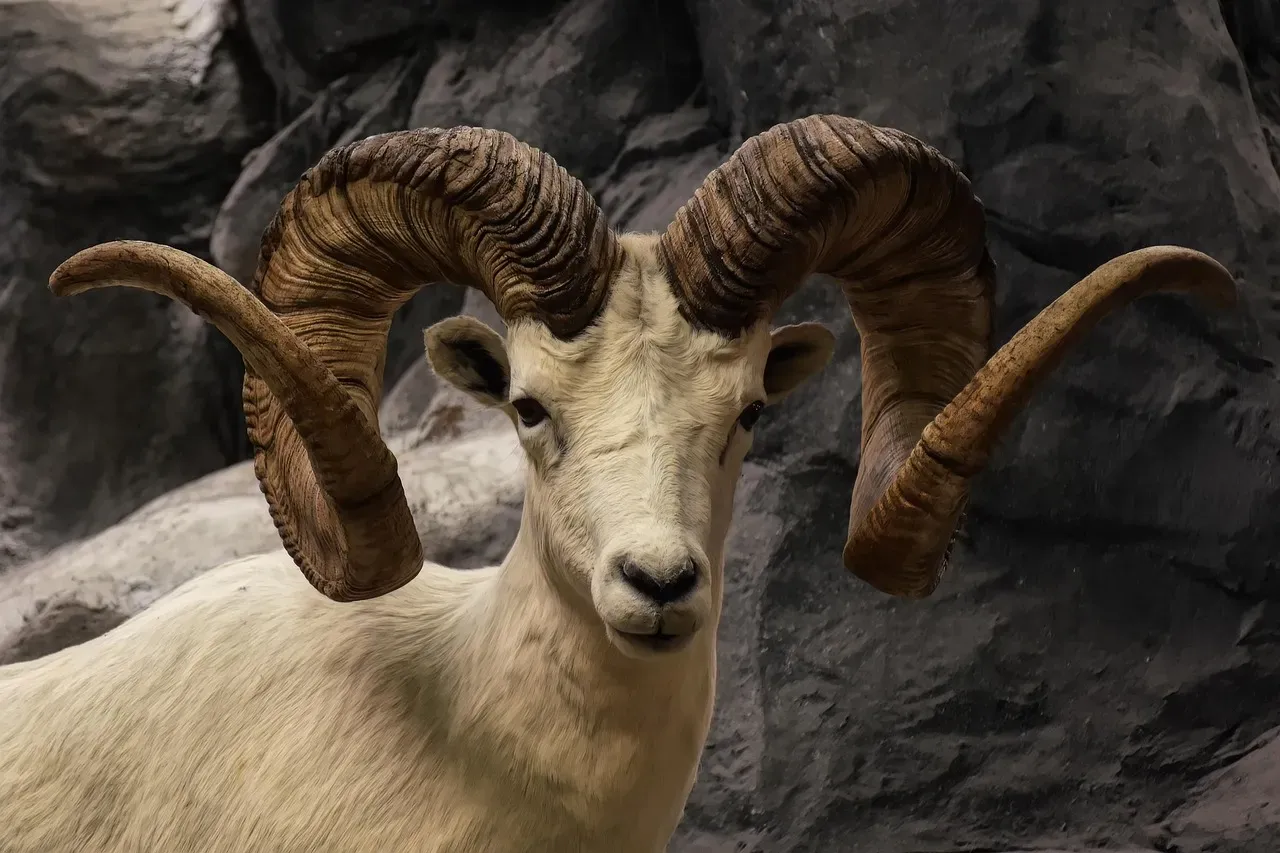
The Sierra Nevada bighorn sheep (Ovis canadensis sierrae) is subspecies of bighorn sheep unique to the Sierra Nevada mountains of California. These animals are built for extreme terrain. Sierra bighorn inhabit open areas where the land is rocky, sparsely vegetated, and characterized by steep slopes and canyons. They’re basically mountain acrobats with hooves.
Their story is one of dramatic decline and cautious recovery. By the 1970s about 250 animals remained, occupying only two small areas of their former vast range. Translocations by the California Department of Fish and Wildlife (CDFW) helped to reestablish bighorn herds in historic habitat, but in spite of these efforts the population hit a low of about 100 total individuals in 1995.
Since then conditions have been particularly favorable for population growth, with the total number of individuals reaching about 250 by 2002 and about 600 in 2016. Yet the threat persists. However, in 2023, more recent studies indicate that the population has dropped to approximately half, or 300. This is due to high levels of mountain lion predation combined with heavy snowfall, threatening the species even further. They’re still fighting for survival in California’s high country.
Salt Marsh Harvest Mouse
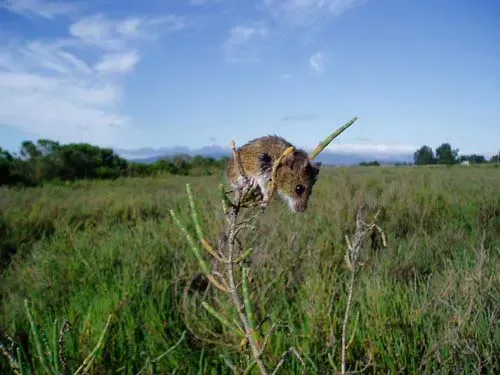
The salt marsh harvest mouse (Reithrodontomys raviventris ), also known as the red-bellied harvest mouse, is an endangered rodent endemic to the San Francisco Bay Area salt marshes in California. This tiny mouse lives in one of the most densely populated regions in the state, yet most people have never seen one. They’re secretive, nocturnal, and perfectly adapted to marshland life.
These mice have a reddish belly and can actually swim when tides flood their marsh habitat. They build nests in pickleweed and other salt marsh plants, staying above the waterline. Their survival depends entirely on the health of Bay Area wetlands, which have been reduced by roughly 90 percent since the 1800s due to development and draining.
The two distinct subspecies are both endangered and listed together on federal and state endangered-species lists. Protecting them means protecting the entire salt marsh ecosystem they depend on. It’s a reminder that even the smallest creatures play vital roles in California’s environmental balance.
Devil’s Hole Pupfish
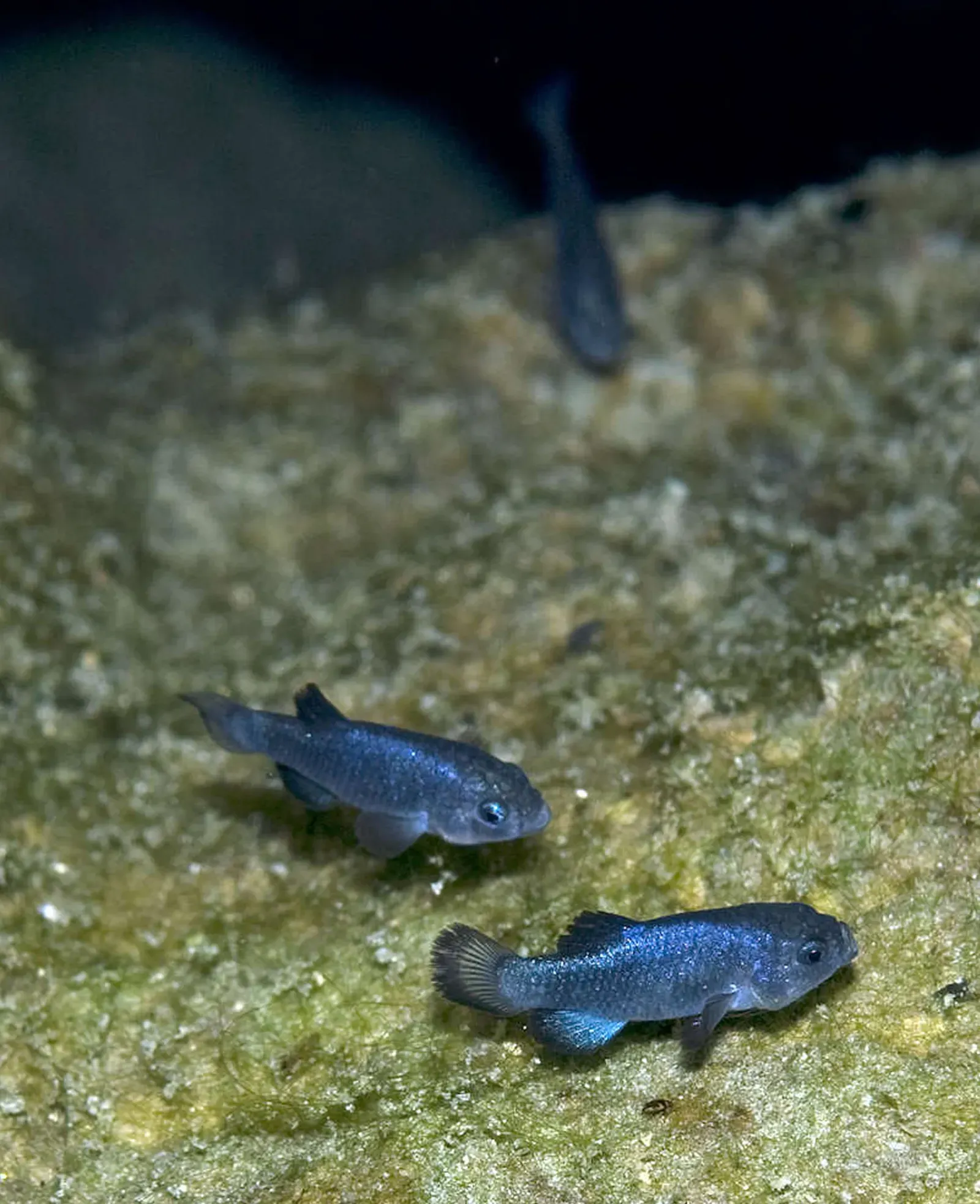
The Devil’s Hole pupfish is a tiny, goldfish-like fish that can only be found in the Devil’s Hole Oasis, an extensive warm-water system that creates almost unlivable conditions that the fish have adjusted to. Devil’s Hole is a limestone cavern in the Mojave Desert, part of Death Valley National Park. The entire world population of this species lives in one shallow pool.
If you have the chance to see them at all, then count yourself lucky – they are an endangered species and their population is declining. These fish survive in water that hovers around 92 degrees Fahrenheit with extremely low oxygen levels. How they ended up there is a geological mystery involving ancient waterways and isolation over thousands of years.
Their habitat is so specific and fragile that even slight changes in water level or temperature can threaten their existence. Conservation efforts have been intense, including legal battles over groundwater pumping rights. It’s hard to imagine a fish with such a precarious existence, yet they persist.
California Condor
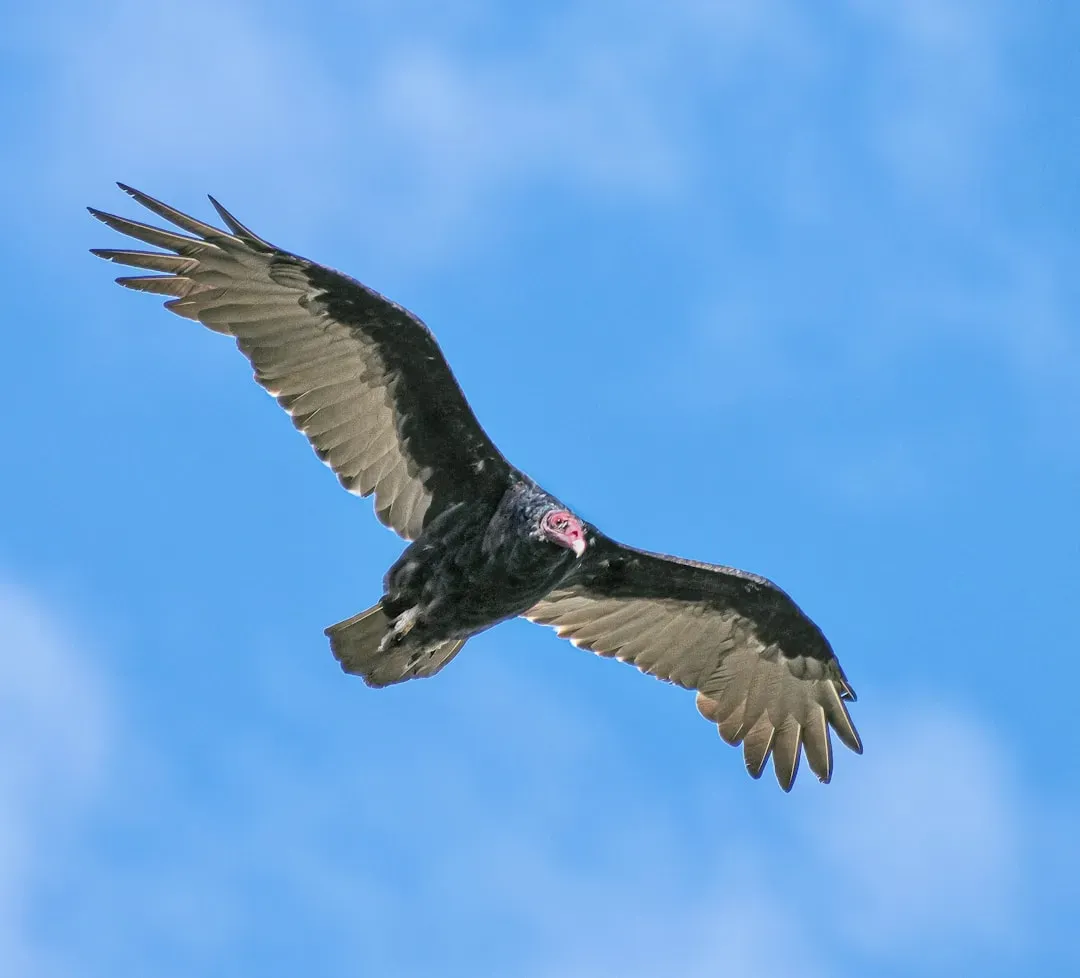
The California condor is a large bird of prey with a wingspan of up to a whopping 9.5 feet – making it the largest land bird on the continent. It has a black body with a white neck ruff and a bald neck and head, and it can be found nesting, hunting and gliding in the mountains and foothills of California. Seeing one of these massive birds soaring overhead is genuinely awe-inspiring. They look prehistoric because, in a way, they are.
California condors nearly went extinct by the 1980s. The entire remaining population was captured for a captive breeding program, and at one point only 27 birds existed. Thanks to intensive conservation efforts, they’ve been slowly reintroduced to the wild, including in California’s Central Coast and southern mountains.
They’re scavengers, feeding on carrion, and face threats from lead poisoning when they consume animals shot with lead ammunition. Microtrash ingestion is another problem. Their recovery is ongoing, and every bird counts. It’s one of conservation’s most dramatic success stories, though challenges remain.
Santa Cruz Long-Toed Salamander
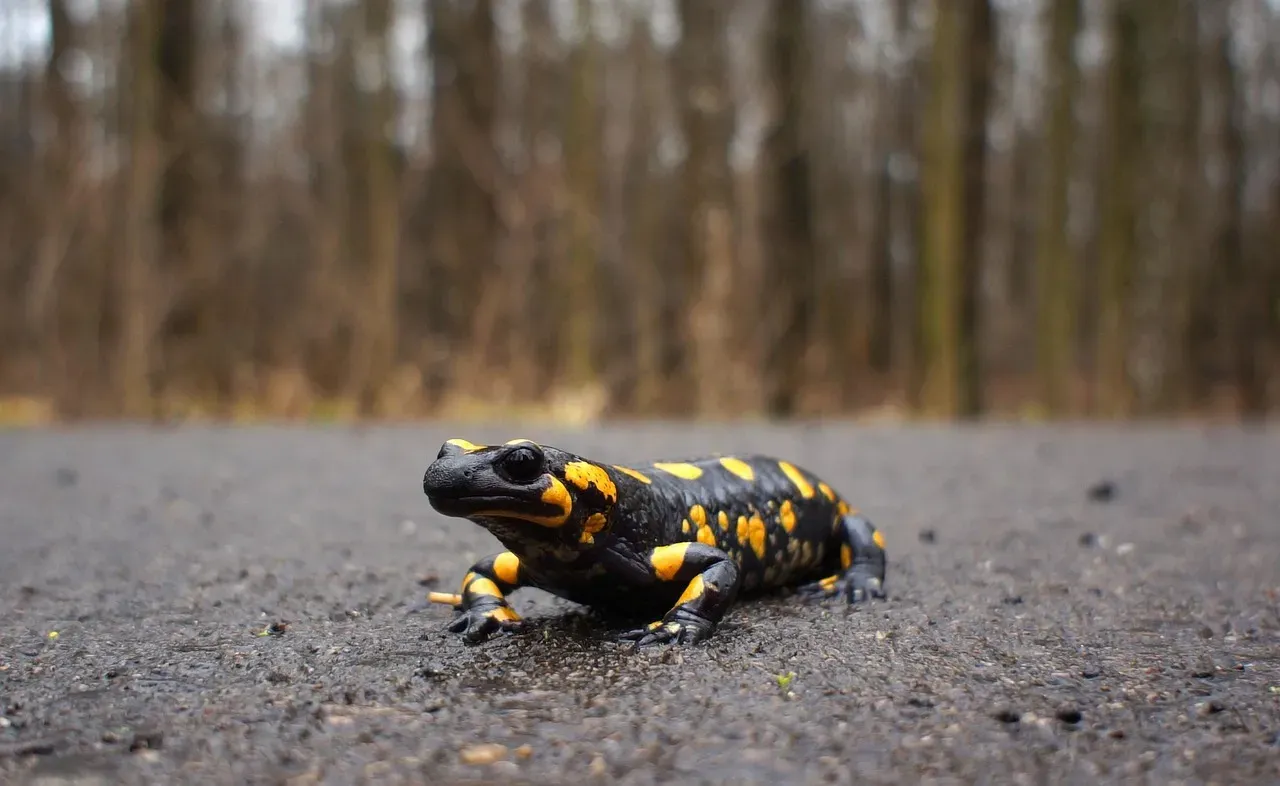
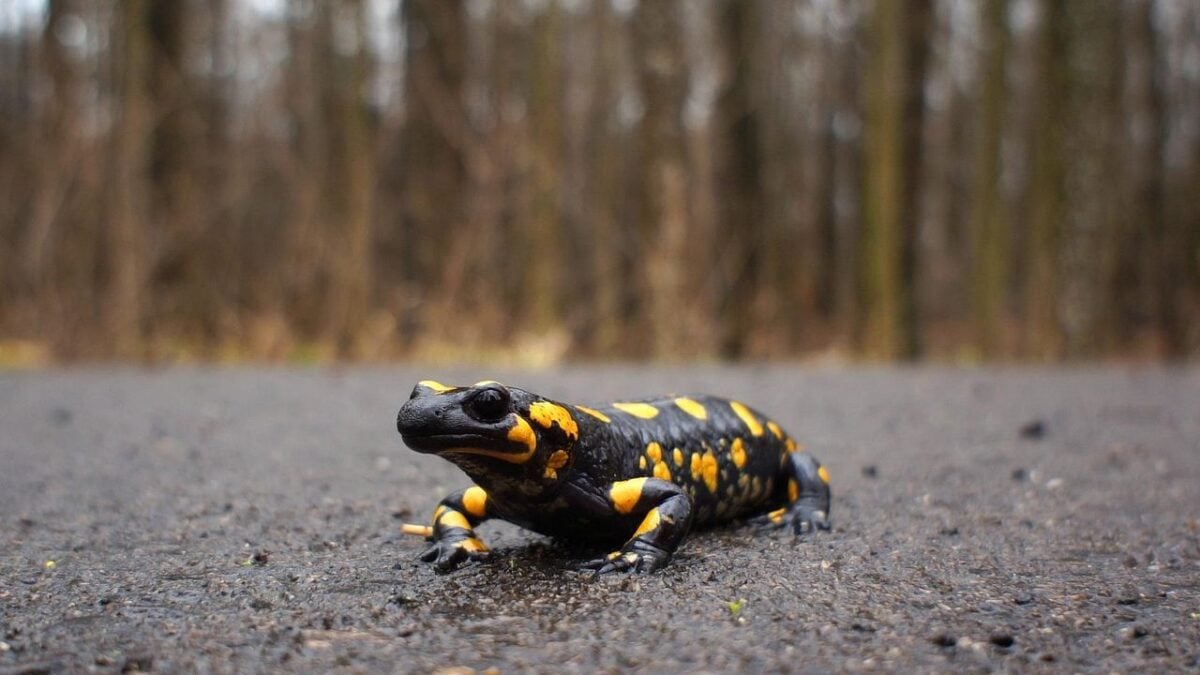
The Santa Cruz long-toed salamander (Ambystoma macrodactylum croceum ) is an endangered subspecies of the long-toed salamander, which is found only close to a few isolated ponds in Santa Cruz and Monterey Counties in California. It has a black body, broken yellow or orange irregular striping along its spine, and a tail fin well evolved for swimming.
Located along the central coast of California in southern Santa Cruz and northern Monterey counties, the Santa Cruz long-toed salamander is glossy black with metallic orange or yellow markings on its backside. While distinctive in appearance, it is very secretive, and spends most of its adult life underground in small mammal burrows, under leaf litter and among the root systems of trees. You could walk right past one and never know it.
When the salamander was initially discovered, only two breeding populations were known to exist: Valencia Lagoon and Ellicott Pond. The salamander was one of the first species to gain federal protection under the Endangered Species Preservation Act on 1967, a precursor to the Endangered Species Act. Today, conservation efforts have expanded their habitat slightly, but they remain incredibly vulnerable.
Mohave Ground Squirrel
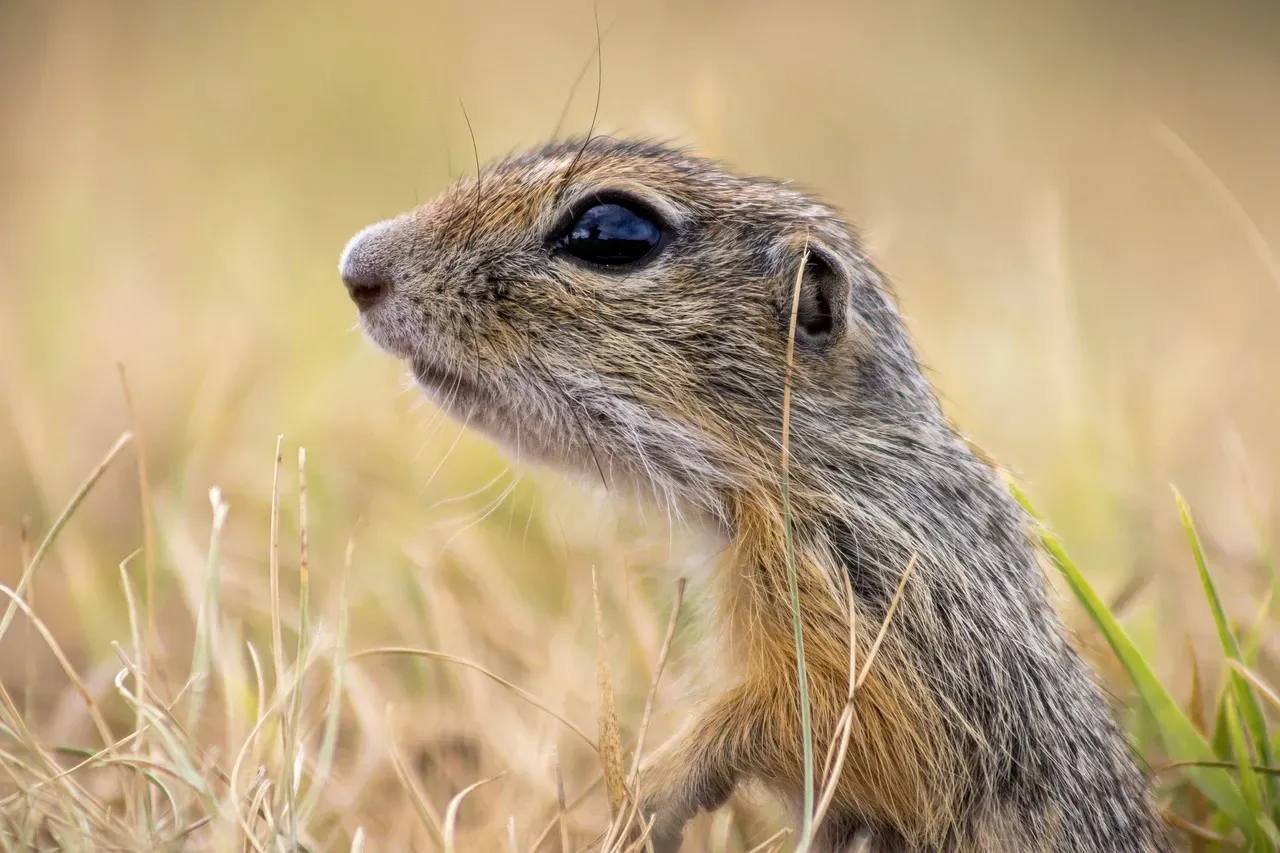
The Mohave ground squirrel (Xerospermophilus mohavensis ) is a species of ground squirrel found only in the Mojave Desert in California. This little squirrel looks unremarkable at first glance, but it’s uniquely adapted to one of the harshest environments on Earth. They spend most of the year underground, avoiding extreme heat and cold.
It is listed as a threatened species under the California Endangered Species Act, but not under the federal Endangered Species Act. The IUCN lists this species as near threatened. Their habitat is under constant pressure from renewable energy projects, military activities, and urban expansion in the desert.
These squirrels are active only during the cooler months, usually from late winter through early summer. The rest of the year they’re in a state of estivation, a type of hibernation for hot weather. It’s a strategy that works until their burrows are destroyed by development.
Giant Kangaroo Rat
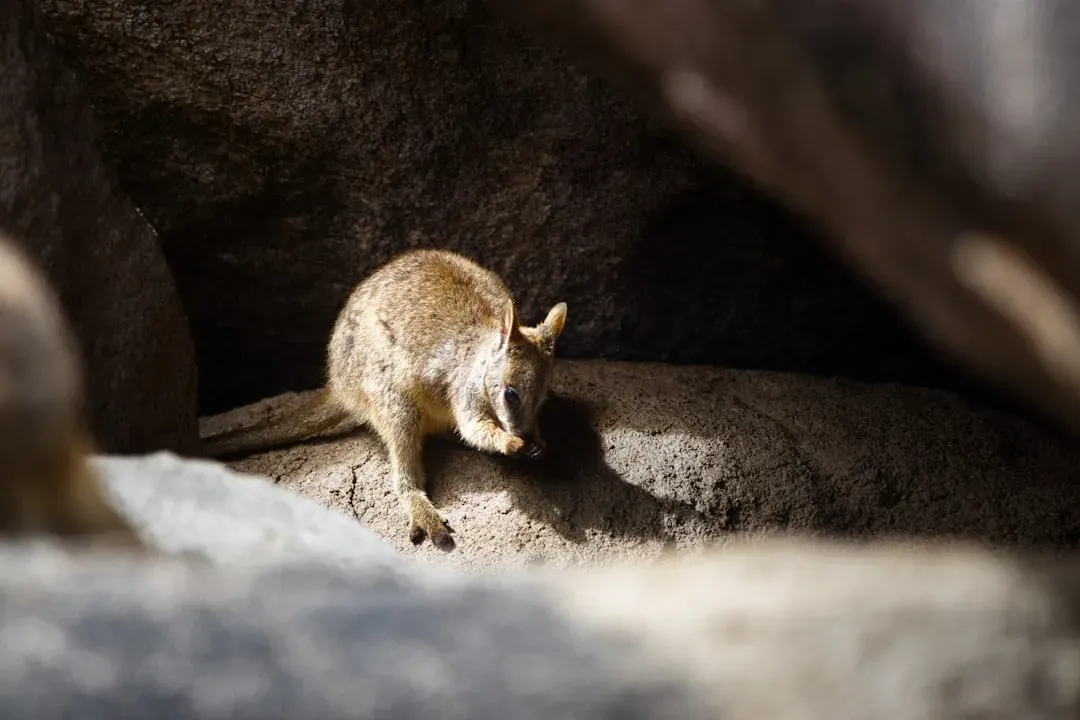
The giant kangaroo rat (Dipodomys ingens ) is an endangered species of heteromyid rodent endemic to California. Despite the name, it’s not actually giant, just the largest of the kangaroo rat species. They hop around on powerful hind legs like tiny kangaroos, which is where they get their name.
These rats are ecosystem engineers. They create extensive burrow systems that provide shelter for other animals, and their foraging helps disperse seeds across the grasslands. They live primarily in the San Joaquin Valley, in areas with specific soil types suitable for burrowing.
Habitat loss from agriculture has decimated their populations. They need large expanses of undisturbed grassland, which is increasingly rare in California’s Central Valley. Conservation efforts focus on protecting remaining habitat and restoring degraded areas, but it’s an uphill battle.
Blunt-Nosed Leopard Lizard
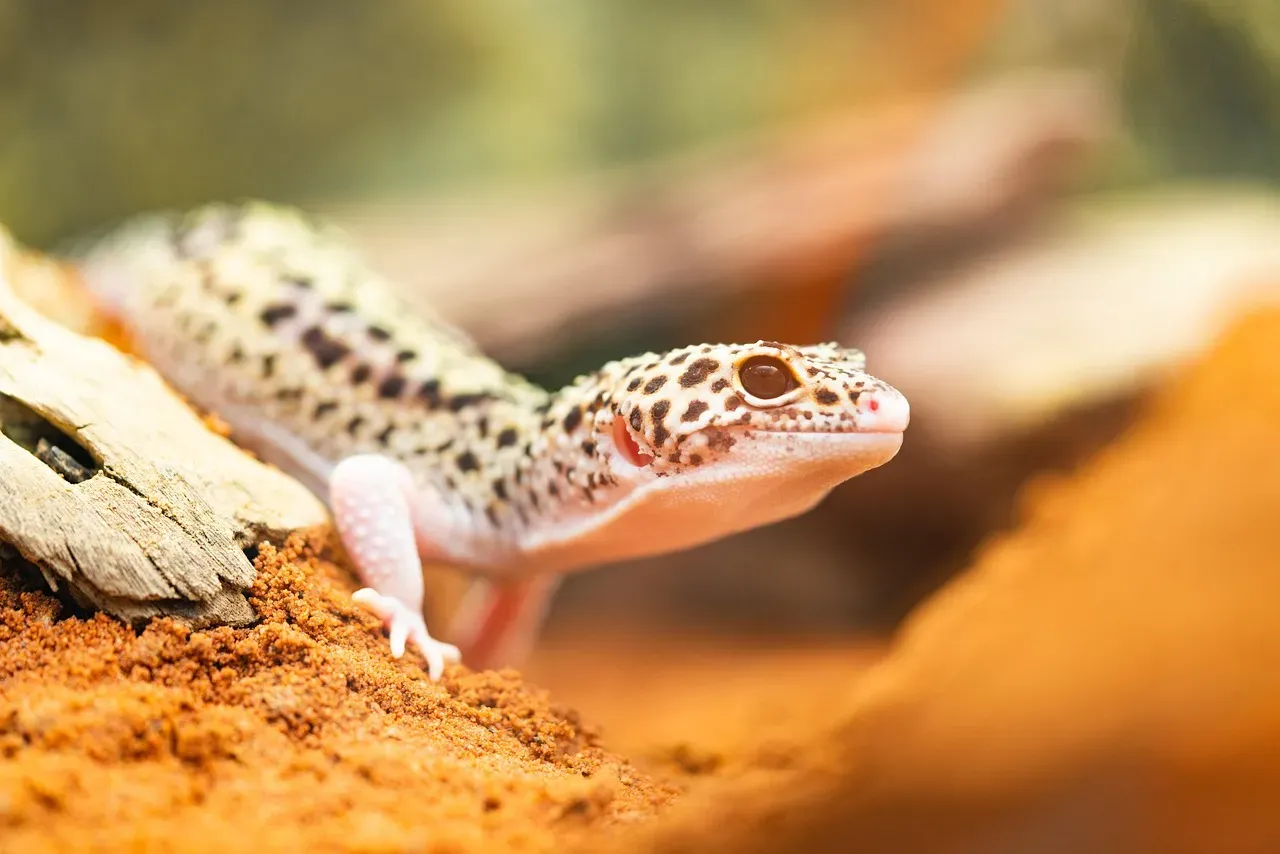
Gambelia sila, commonly known as the blunt-nosed leopard lizard, is a species of lizard in the family Crotaphytidae. The species is endemic to southern California. This lizard is a fierce predator despite its modest size. It feeds mostly on insects but will also eat other lizards when given the chance.
This endangered lizard lives in the southern San Joaquin Valley and its surrounding foothills. It lives in grassland and desert habitats with insects consisting of 97 percent of its diet. They’re built for speed, darting across open terrain to catch prey or escape threats. Their blunt snout and leopard-like spots make them easy to identify if you’re lucky enough to see one.
Like so many California endemics, habitat loss is the primary threat. The San Joaquin Valley has been almost entirely converted to agriculture, leaving only fragments of suitable lizard habitat. They’re holding on, but barely. Seeing one in the wild is increasingly rare, making every sighting feel like a small victory for conservation.
Conclusion
California’s unique animals tell stories of survival, adaptation, and resilience. From foxes smaller than house cats to birds with wingspans wider than most people are tall, these creatures exist nowhere else on the planet. That makes them irreplaceable. Losing them would mean losing a piece of California’s natural heritage forever.
Many of these species are struggling. Habitat loss, climate change, and human encroachment continue to push them toward the edge. Yet conservation efforts have shown that recovery is possible when we commit to protecting what remains. The tule elk and California condor prove that even species on the brink can come back.
What strikes me most is how many of these animals live right under our noses, hidden in marshes, deserts, and mountains most people never visit. They’re reminders that California’s wild side still exists, even as cities sprawl and farmland expands. Protecting them means protecting the ecosystems we all depend on, whether we realize it or not. Have you ever encountered any of these incredible creatures in the wild?

As a little kid, I fell in love with nature, wildlife, and animals. Living in the USA, South Africa, Italy, China and Germany gave me the opportunity to discover the world's Wildlife. My favorite animals are Mountain Gorillas, Siberian Tigers, and Great White Sharks.
I'm a certified PADI Open Water Diver, went to Everest Base Camp and Trekked Gorillas in Uganda. I hold a Master of Science in Economics and Finance.
Please send any feedback to feedback@animalsaroundtheglobe.com
- 10 Unique Animals You Can Find Only In California - July 21, 2026
- 10 Loudest Animals on Land - July 21, 2026
- 13 Animals With Extra Limbs or Heads - July 21, 2026