
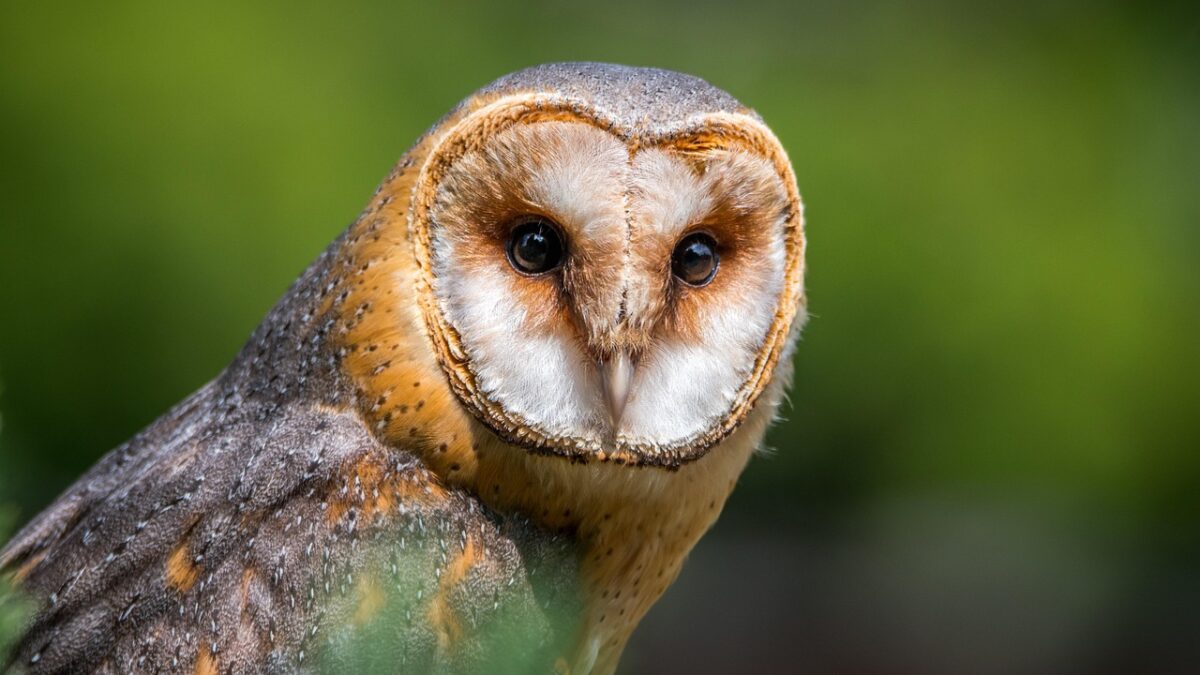
Ever wondered what makes an owl so captivating beyond its haunting call in the night? These mysterious birds of prey have ruled the darkness for millions of years, mastering skills that seem almost supernatural. From their impossibly silent flight to abilities that would make any superhero jealous, owls are packed with surprises that most people never learn about. Let’s dive into the hidden world of these nocturnal hunters and uncover secrets that will change the way you think about them forever.
Their Eyes Are Actually Tubes, Not Eyeballs
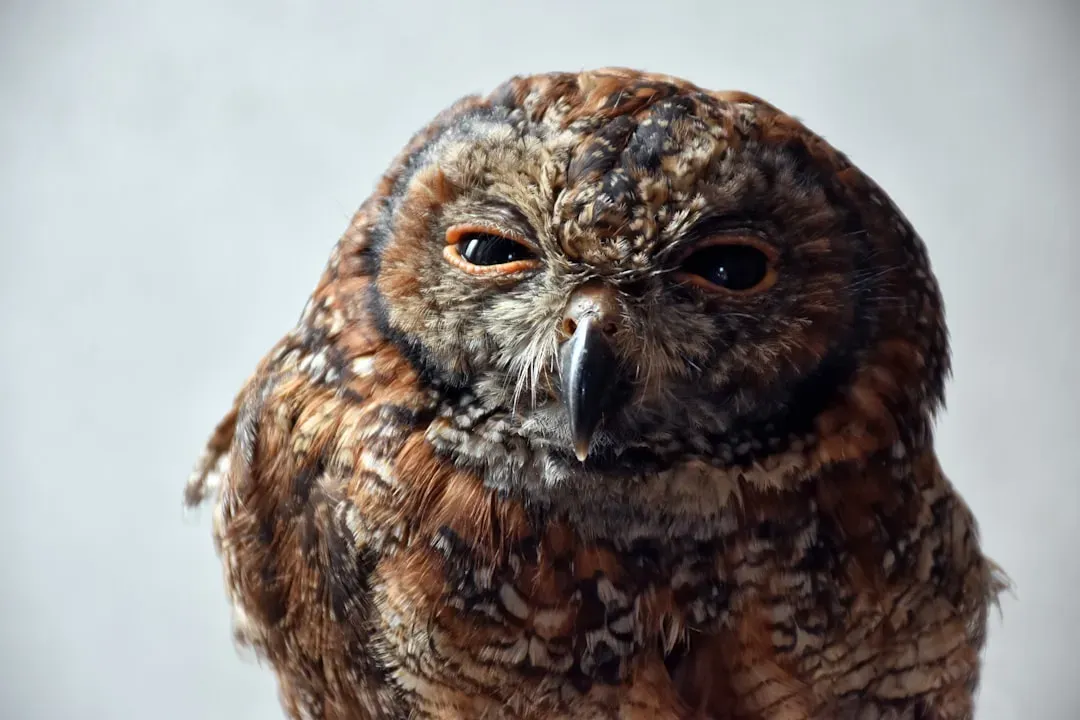
When you look into an owl’s face, you’re not seeing eyeballs at all but tube-shaped eyes that are completely immobile. This unusual structure evolved to maximize their vision in darkness. Think about holding a pair of binoculars; that’s essentially what’s happening inside an owl’s skull. These tubular eyes provide incredible binocular vision and exceptional depth perception, allowing them to judge distances with pinpoint accuracy when diving for prey.
Human eyes take up about 5 percent of the space inside our skulls, whereas owl eyes occupy roughly 75 percent of theirs. This leaves hardly any room for eye movement, which is why they developed that famous head rotation ability. These incredible nighttime hunters can spot a mouse more than 50 feet away on a night with no moonlight.
They Can Rotate Their Heads 270 Degrees Without Dying
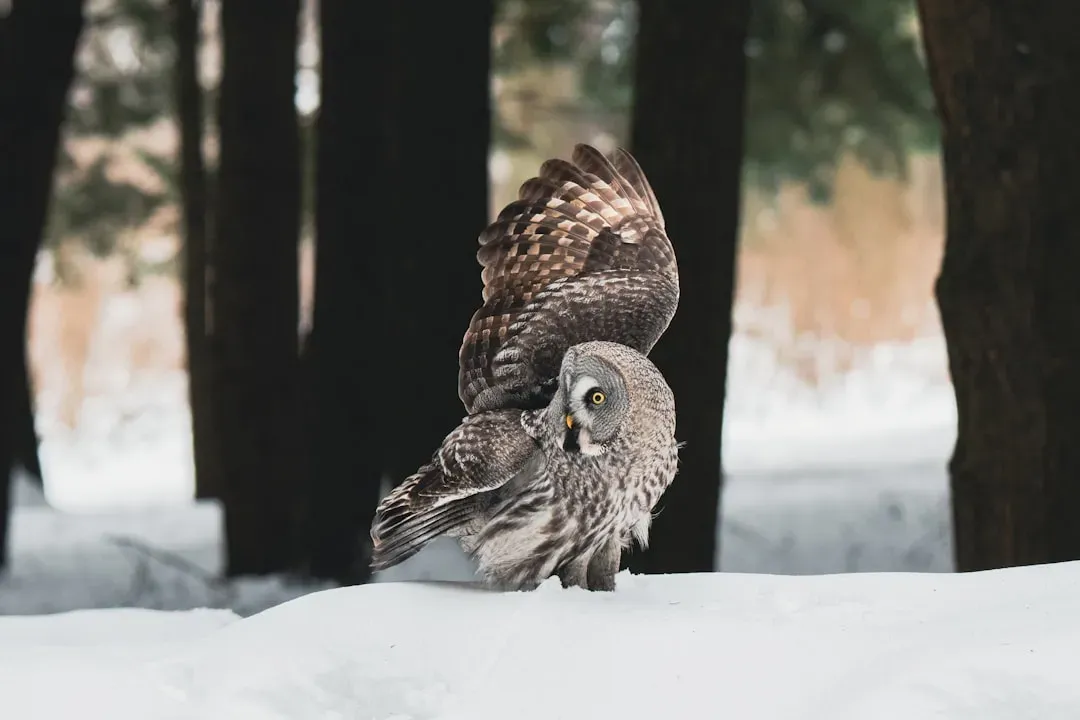
Here’s the thing: most people assume owls can spin their heads all the way around, which isn’t quite true. Owls can rotate their necks 270 degrees, which is still more than three-quarters of a full circle. This seems physically impossible, yet they pull it off multiple times daily.
The secret lies in their anatomy. Owls have 14 neck vertebrae compared to the seven that humans possess, and their vertebral circulatory systems are specially adapted to prevent cutting off blood flow to the brain. A blood-pooling system collects blood to power their brains and eyes when neck movement cuts off circulation. Without these adaptations, an owl turning its head like that would essentially give itself a stroke. Nature really thought this one through.
Their Flight Is Silent Enough to Be Below Human Hearing
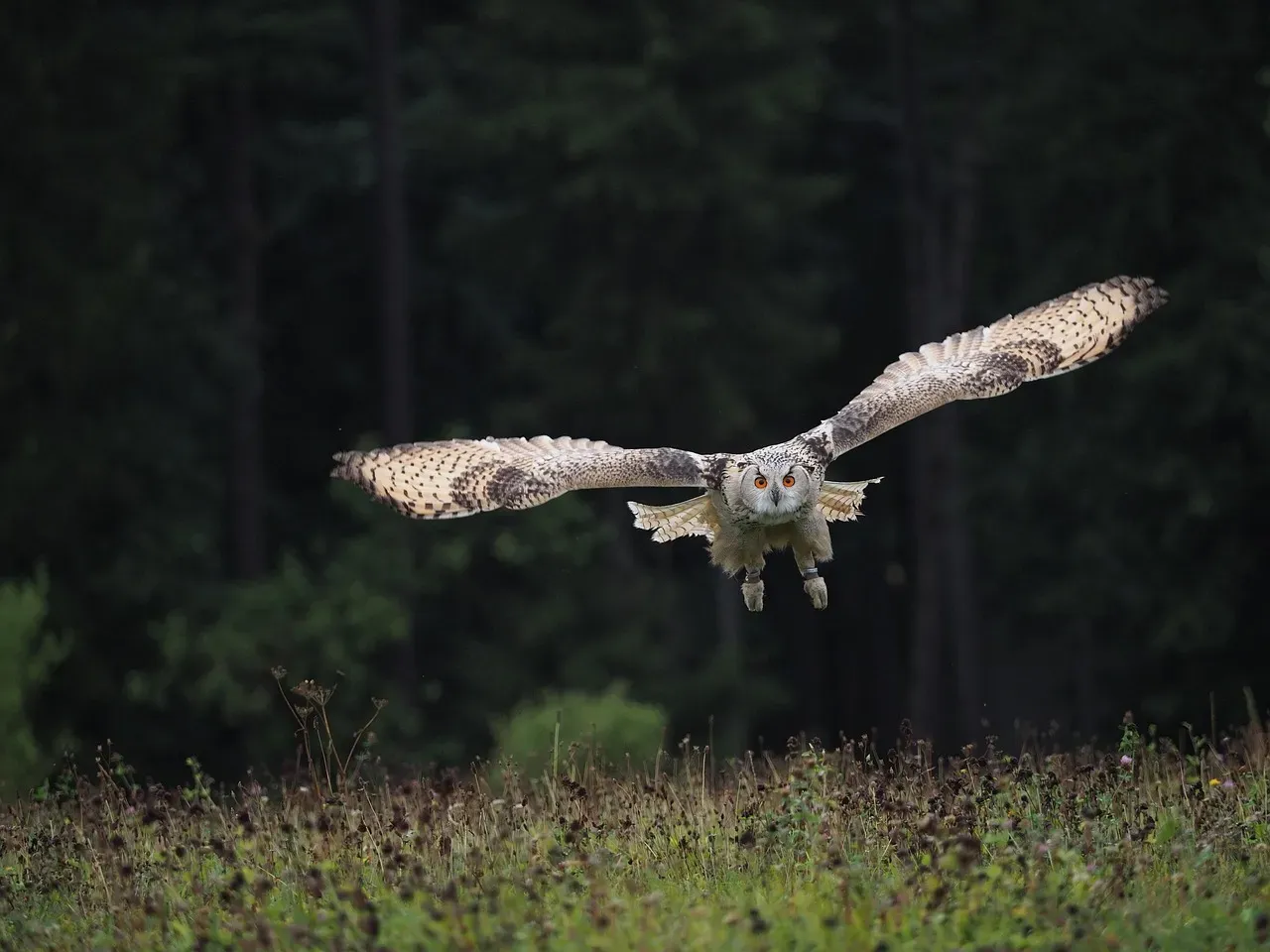
An owl in flight is so quiet that the sound remains below the threshold of human hearing until the owl is just 3 feet away. Imagine a bird with a wingspan of several feet gliding past you in complete silence. It sounds like science fiction.
This stealth technology comes from three specialized wing features. Comb-like serrations on the leading edge of wing feathers break up the turbulent air that typically creates a swooshing sound. The trailing edges have soft, ragged fringes, while the entire wing surface is covered in velvety feathers that absorb sound. Owls can mute their flight at frequencies higher than 1600 Hz, which is not surprisingly the threshold of hearing for rodents. They’ve essentially evolved to be invisible to their prey’s ears.
Their Ears Are Asymmetrical for 3D Sound Tracking
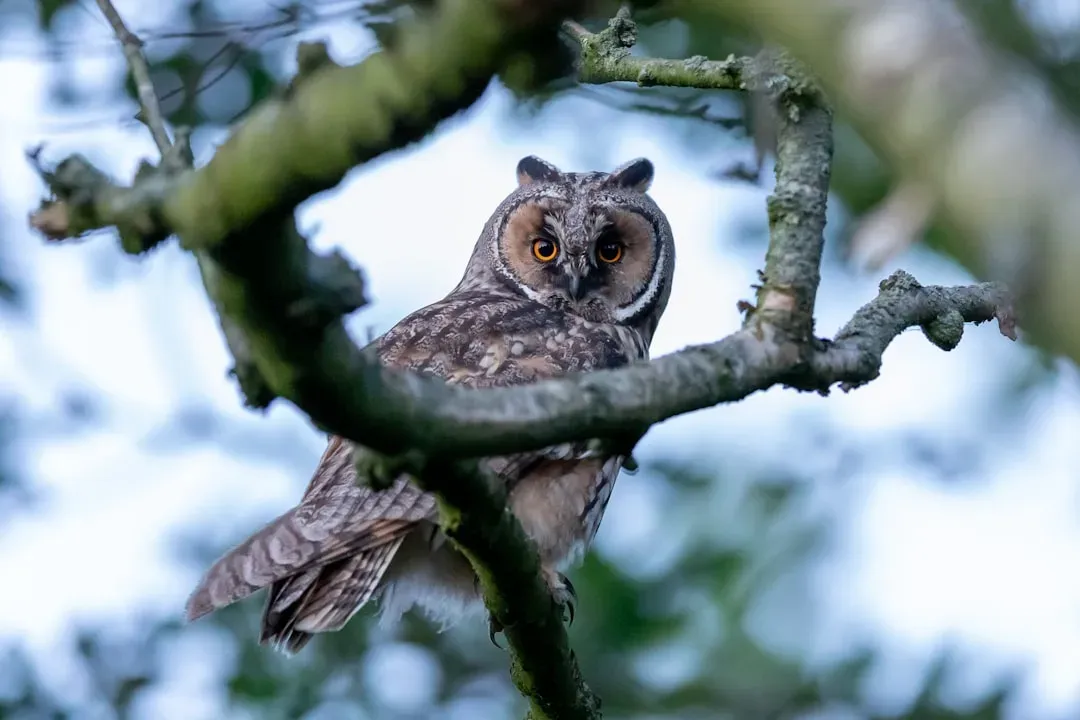
Most people never realize that owls hunt primarily with their ears, not their eyes. The unique, asymmetric structure of their ears features the left ear positioned about an inch higher and pointing downward, while the right ear sits lower but points upward, allowing them to pinpoint the exact location of prey.
Their asymmetrical ear openings permit sounds to be perceived in only a fraction of a second, as little as three one-hundred-thousandths of a second. This gives owls essentially three-dimensional hearing. When combined with their facial disc, which acts like a satellite dish to funnel sound waves directly into their ear openings, they can detect the tiniest movements. This incredible ability allows them to hear mice scurrying under the snow in winter.
A Group of Owls Is Called a Parliament
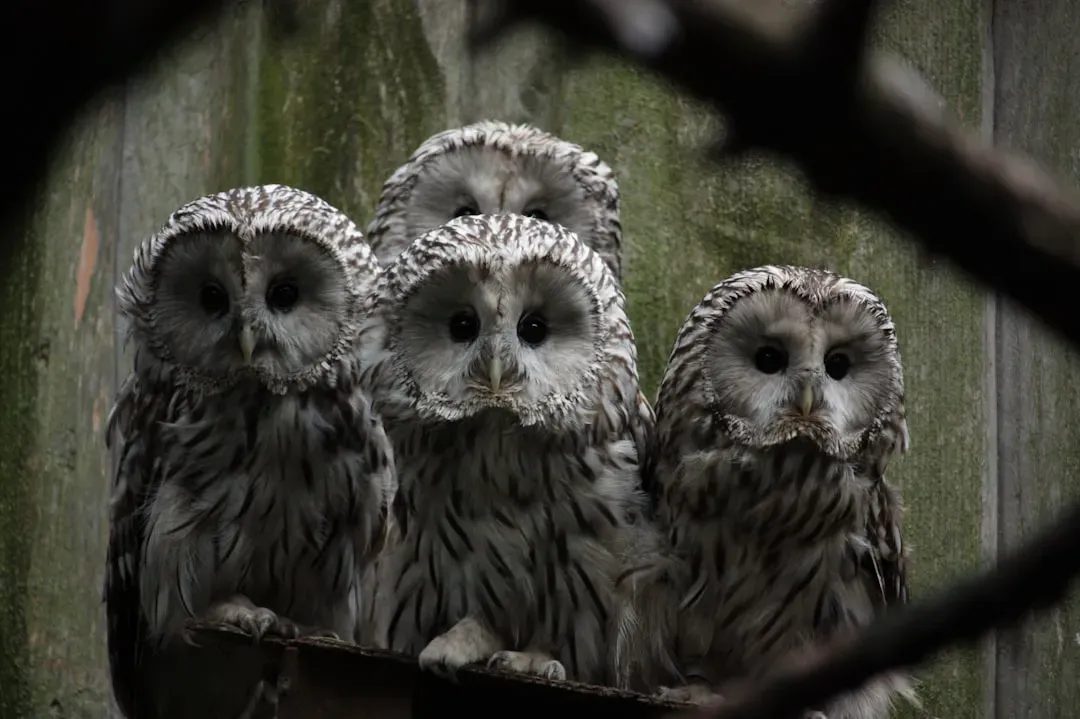
This delightful term has a surprisingly whimsical origin. A group of owls is called a parliament, which originates from C.S. Lewis’ description of a meeting of owls in The Chronicles of Narnia.
The name stuck because it perfectly captures the wise, dignified appearance owls project when gathered together. Honestly, if you’ve ever seen multiple owls perched in the same tree, staring with those enormous, knowing eyes, the term makes perfect sense. They do look like they’re holding some sort of important council meeting, deciding the fate of the forest. It’s one of those rare instances where a literary invention became accepted scientific terminology.
They Swallow Prey Whole and Cough Up the Bones
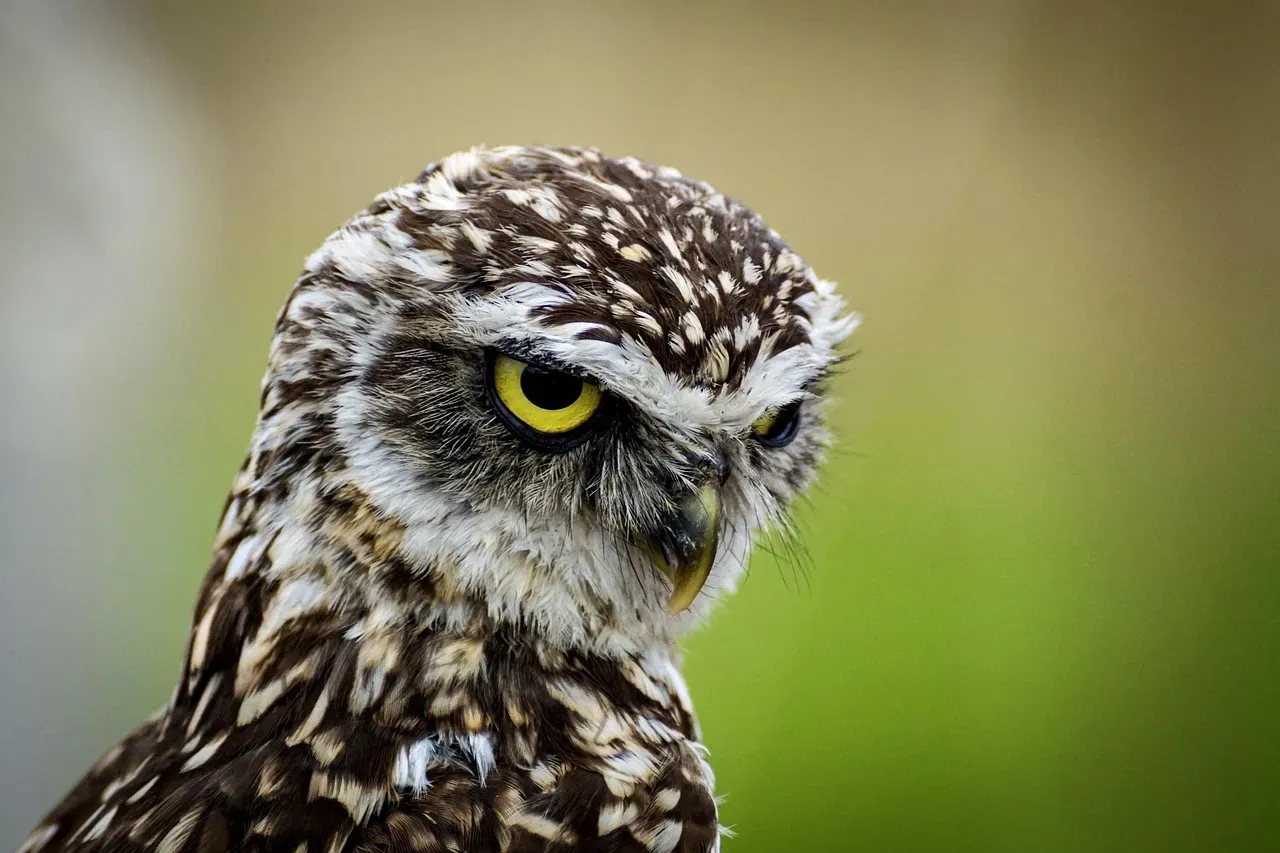
Barn Owls swallow their prey whole, including skin, bones, and all, and they consume up to 1,000 mice each year. Since owls can’t chew, they simply gulp down their victims in one go if they’re small enough.
What happens next is genuinely fascinating. Scientists studying owl diets are helped by their habit of regurgitating the indigestible parts of their prey, such as bones, scales, and fur, in the form of pellets. These compact bundles of remains are coughed up roughly once a day. This process takes about 10 hours. Schools often purchase these pellets for biology classes, where students dissect them to learn what owls have been eating. It’s like opening a time capsule of the owl’s recent meals.
Some Species Hunt Other Owls
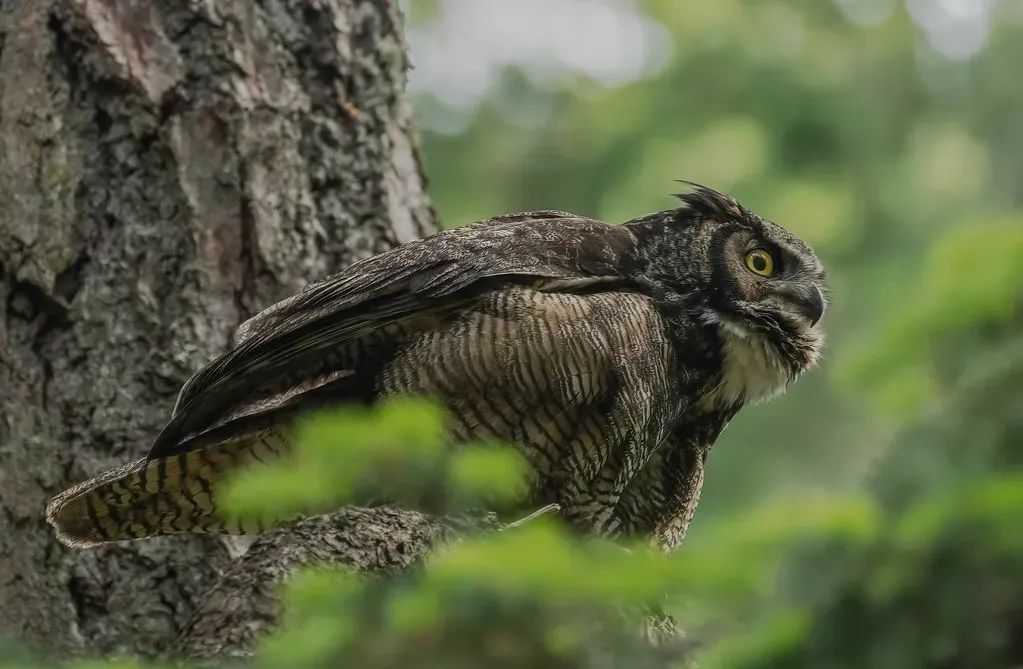
Let’s be real, the owl world isn’t all wisdom and nobility. Owls hunt other owls, with Great Horned Owls being the top predator of the smaller Barred Owl. This might seem brutal, yet it’s simply nature’s way of maintaining balance.
Great Horned Owls are incredibly opportunistic hunters with a diverse palate. Great Horned Owls have been known to eat skunks, moles, squirrels, porcupines, opossums, and even young alligators. When you’re that dominant as a predator, smaller owl species unfortunately become just another item on the menu. Size matters in the raptor world, and the Great Horned Owl uses that advantage without mercy. It’s a reminder that even within the same family, competition for resources can be fierce.
Their Feet Can Grip With a Force of 28 Pounds
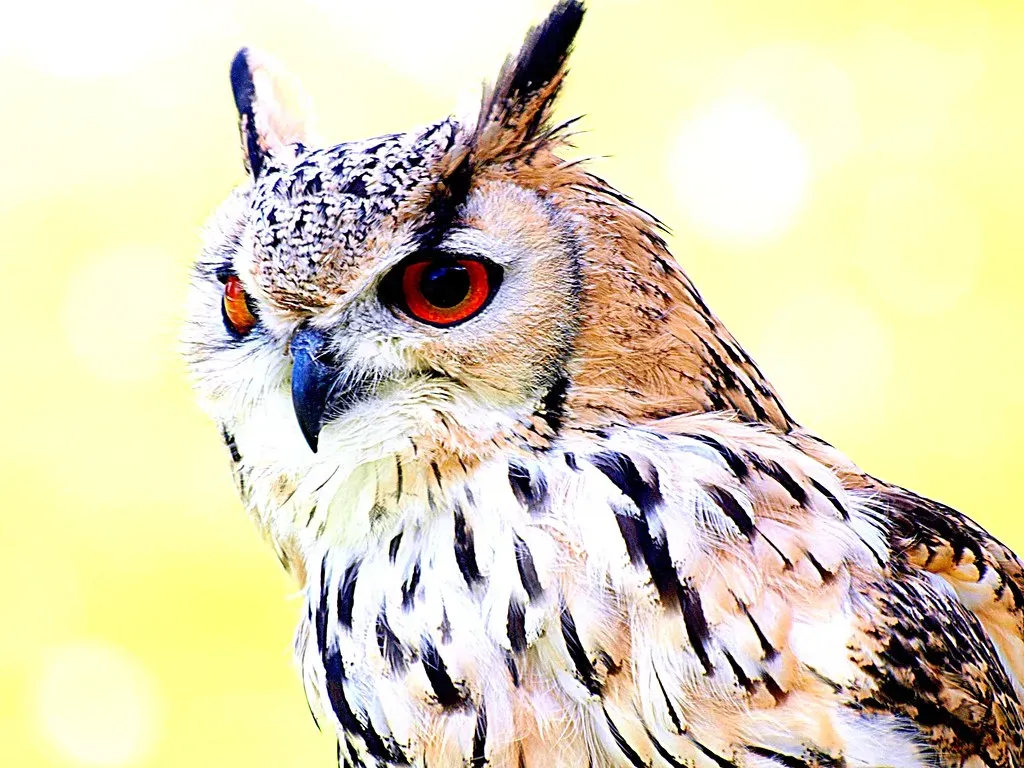
Owls’ feet have two forward-facing toes and two backward-facing toes, which categorizes them as zygodactyl, though unlike most other zygodactyl birds, owls can pivot one of their back toes forward to help them grip or walk. This gives them incredible versatility when snatching prey or perching.
The real shock comes when you consider their grip strength. When clenched, a Great Horned Owl’s strong talons require a force of 28 pounds to open. That’s an astonishing amount of pressure for a bird that typically weighs only three to five pounds. Once those talons lock onto something, escape becomes nearly impossible. Combined with their razor-sharp claws, this makes owls devastatingly effective hunters capable of taking down prey several times their own weight.
Conclusion
Owls truly stand apart in the bird kingdom, combining adaptations that seem almost impossibly perfect for their nocturnal hunting lifestyle. From tubular eyes that see in near darkness to silent wings that make them invisible to prey, these remarkable creatures have spent millions of years perfecting the art of the night hunt. Their asymmetrical ears, powerful talons, and ability to rotate their heads to impossible angles all work together to create one of nature’s most efficient predators. Whether it’s their parliament gatherings or their habit of dining on fellow owls, every aspect of their lives reveals something unexpected. Next time you hear that haunting hoot in the darkness, you’ll know there’s far more happening than meets the eye. What do you think is the most surprising owl adaptation? We’d love to hear your thoughts in the comments.
