
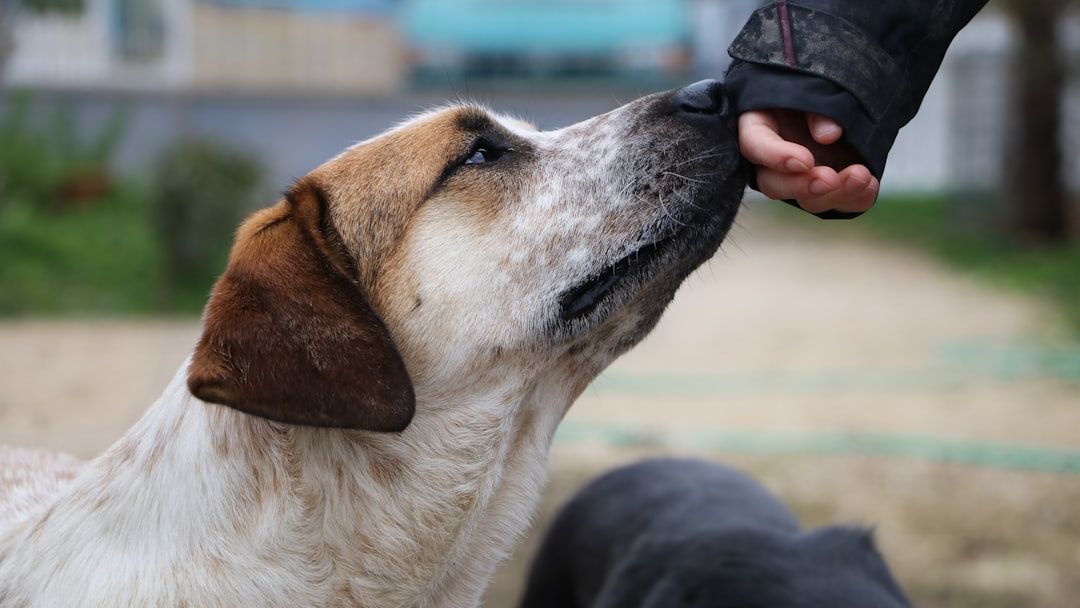
Ever wondered what it takes for a dog who’s spent years living in terror to suddenly look at a human with affection? It’s not an overnight transformation, and honestly, it’s far more complex than most people realize. These animals carry invisible wounds that run deep, shaped by neglect, isolation, or outright cruelty.
The path to trust is winding and unpredictable. Some dogs hide in corners for months, refusing food in daylight hours, while others mask their trauma beneath defensive growls. What makes one dog finally approach a gentle hand while another retreats?
The answers might surprise you. The journey from fear to trust reveals as much about canine resilience as it does about what these animals truly need to heal.
The Weight of Past Trauma Stays With Them
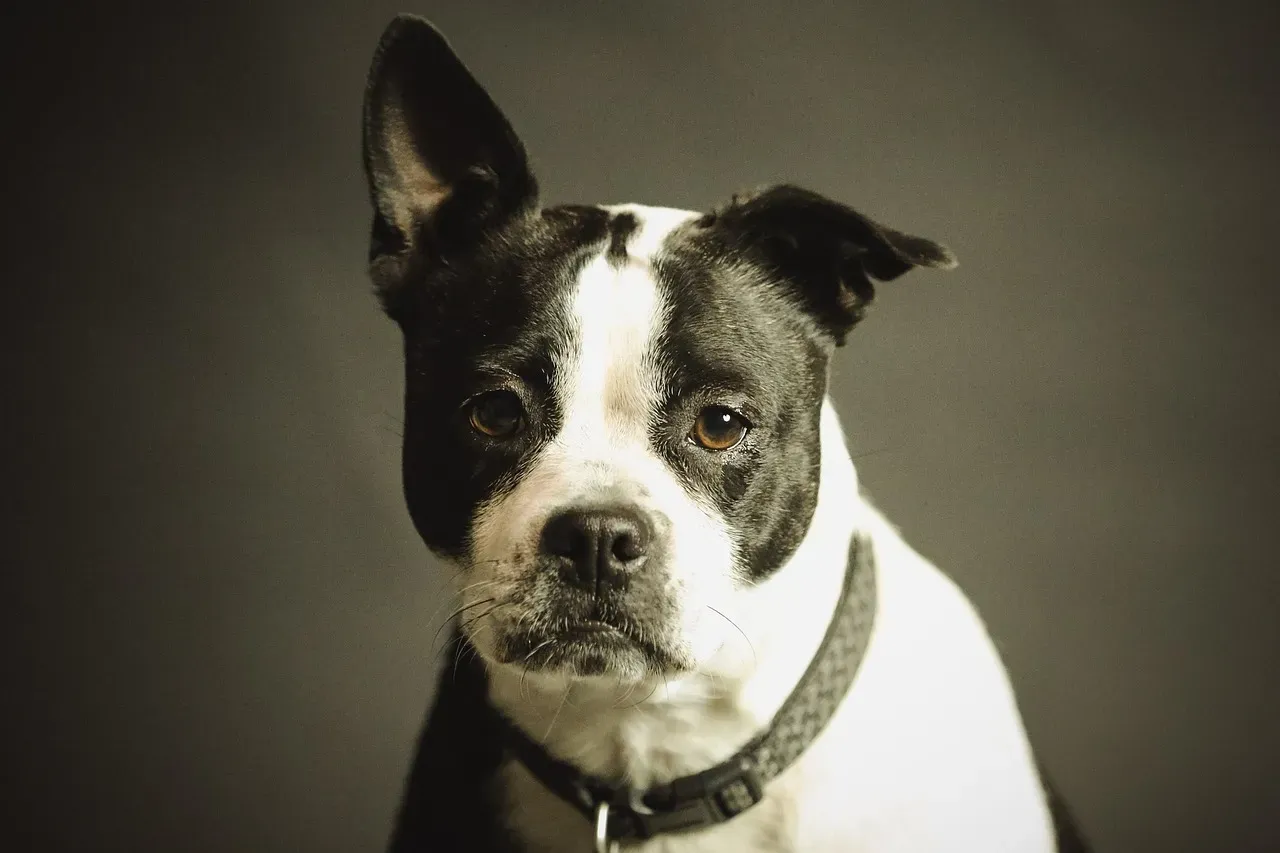
Fear develops from trauma experienced and trauma passed down by stress in the womb, making recovery challenging. Many rescue dogs have experienced trauma, uncertainty, or neglect, which can make them hesitant or fearful in new environments. These experiences create lasting behavioral patterns that don’t simply vanish with time.
Rescue dogs’ behaviors stem from a lack of socialization and past trauma. They develop logical behaviors based on how their lives work. A dog who once fought for scraps will bury food under bedding, even when bowls overflow. Another who survived harsh punishment may flinch at raised voices or sudden movements for years afterward.
An animal who has suffered trauma might react to stimuli in an exaggerated way, showing responses that seem disproportionate to the trigger. This hypersensitivity isn’t stubbornness or misbehavior. It’s the brain protecting itself from perceived threats, real or imagined.
The biology of trauma complicates recovery further. Stress alters brain chemistry and immune function, making these dogs more vulnerable to illness and emotional setbacks. Their nervous systems remain on high alert, scanning constantly for danger even in safe environments.
It takes time for dogs to learn they are no longer in that life. The past lingers in their reactions, their body language, their reluctance to trust.
Structured Behavior Modification Works When Done Right
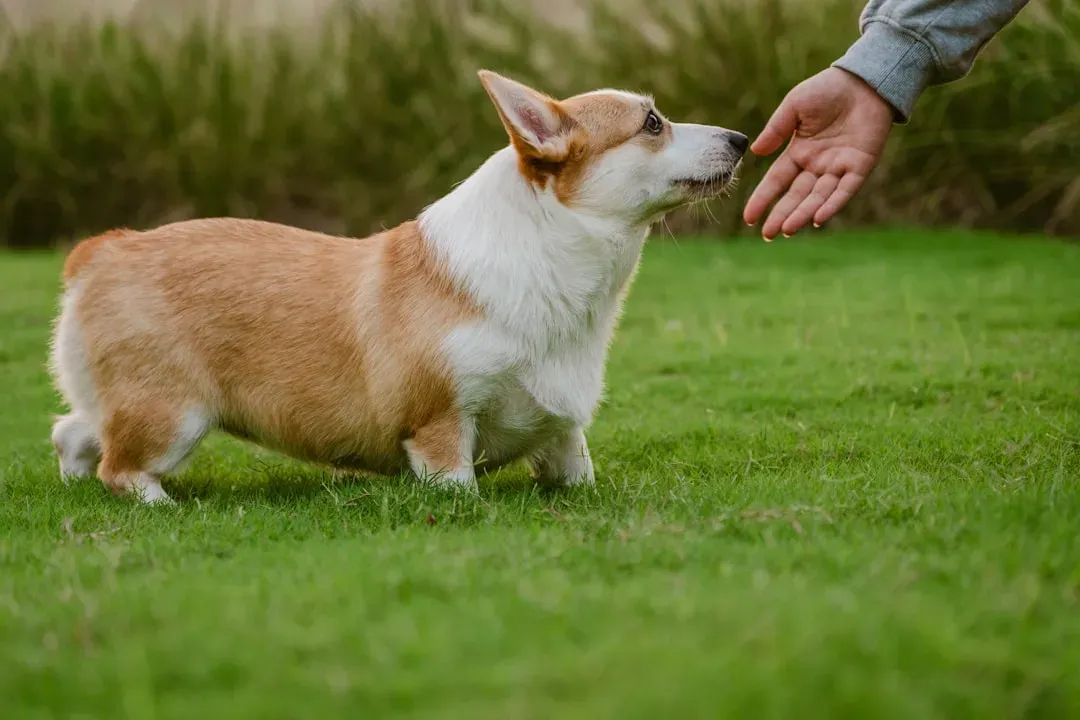
Let’s be real, you can’t love away trauma. Despite showing high levels of fear on intake that initially prevent them from thriving in adoptive homes, evidence shows that structured behavior modification works. At the BRC, 86% of dogs treated graduated from the program, and 99% of those graduates were adopted. That’s not magic or wishful thinking.
Treatment protocols using behavior modification techniques such as desensitization, counterconditioning and operant conditioning were developed to reduce fear. These methods systematically teach dogs that previously scary situations won’t harm them. The process requires patience and precision, not grand emotional gestures.
Dogs who started treatment sooner showed faster reductions in fear, suggesting that early intervention matters significantly. Waiting for dogs to naturally adjust often prolongs suffering rather than easing it.
This requires patience and lots of time – animals at the center stay as long as they’re making progress, however small – to prepare them for adoption. Progress doesn’t follow a neat timeline. One dog might need three months while another requires six or more. Rushing the process undermines everything achieved so far.
Center staff members are “trauma-informed” – they recognize the impact of trauma on dog behavior and strive not to traumatize the animals further. This awareness shapes every interaction, preventing setbacks that could unravel weeks of careful work.
Positive Reinforcement Rebuilds Broken Connections
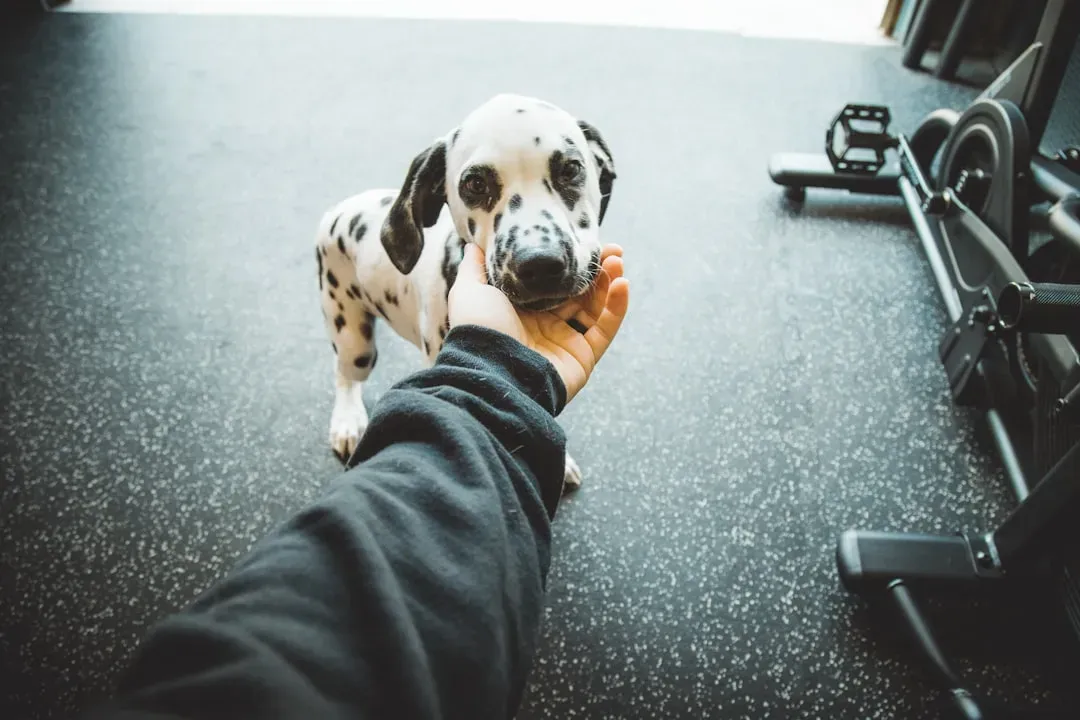
A 2022 AVMA study found that dogs who experienced gentle positive reinforcement built trust 50% faster than those exposed to force-based correction. Think about what that means for a dog who already associates humans with pain or fear. Punishment destroys whatever fragile trust exists.
It is essential never to use punishment for behavioral issues. Punishment destroys trust and is more likely to cause problems. A fearful dog doesn’t need discipline for cowering or hiding. They need evidence that safety is real and consistent.
Use positive reinforcement and treats to create a calm environment when encountering fearful situations. Small rewards for tiny victories build confidence incrementally. A dog who accepts a treat from three feet away might take months to eat from your hand, but that distance matters.
Providing comfort and rewarding small successes when a dog feels insecure creates a positive association with training. These moments stack up over weeks and months. Eventually, the dog stops anticipating punishment and starts expecting good things instead.
Here’s the thing though – positive reinforcement requires impeccable timing and consistency. Rewards given too late or inconsistently confuse rather than reassure. Trainers and owners must learn to read subtle cues, catching moments of bravery before fear overtakes the dog again.
Routine and Predictability Become Lifelines
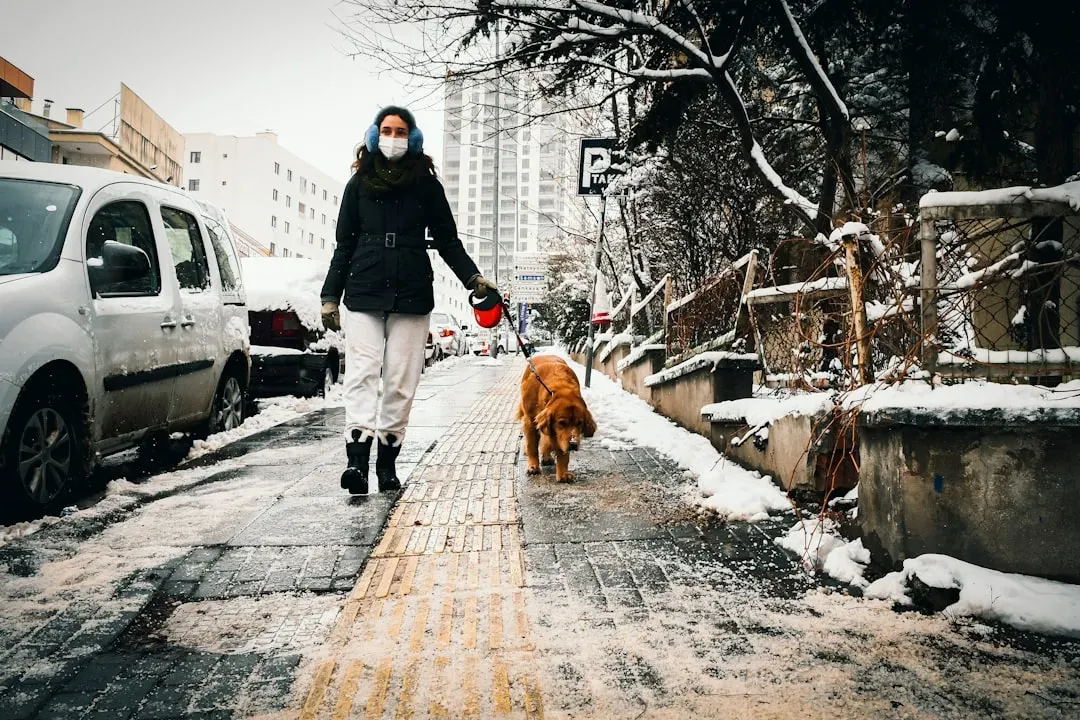
When helping a new canine companion adjust, structure is everything. A predictable, calm home can make a long way in reducing signs of stress. Fearful dogs crave knowing what happens next because uncertainty amplifies anxiety.
Feeding at the same time daily, walking the same routes, maintaining consistent sleep schedules – these patterns create mental anchors. The dog learns that morning means breakfast, not starvation. That closed doors don’t mean abandonment. That footsteps approaching signal companionship, not violence.
Set up a reliable routine for arrivals and departures that lets the dog know you will return. This predictability counters separation anxiety, one of the most common issues in traumatized dogs. Short absences that always end in return teach the dog that being alone is temporary, not permanent.
Disruptions to routine can trigger regressions. A dog making steady progress might suddenly hide again after a schedule change or unexpected visitor. That doesn’t mean all progress was lost – it means the dog’s coping mechanisms remain fragile and need continued support.
Honestly, humans underestimate how much dogs rely on patterns to feel secure. We adapt to chaos relatively well. Dogs experiencing fear don’t have that flexibility.
Gradual Exposure Replaces Overwhelming Situations
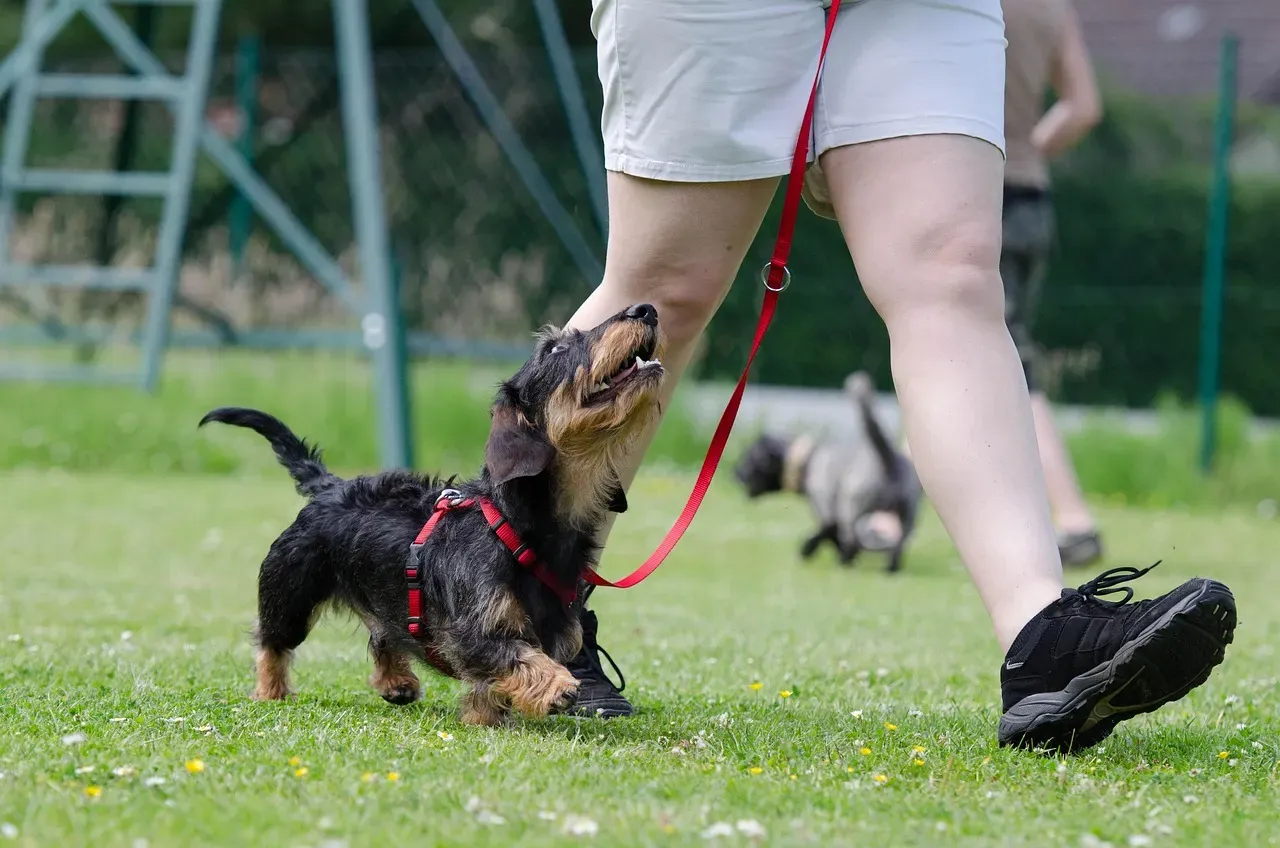
Systematic desensitization involves the repeated, controlled exposure to the stimulus, starting at a low level that does not cause fear and then gradually increasing exposure over time. This technique prevents flooding, which can make fearful dogs worse rather than better.
Slowly try to desensitize the dog to their fears. Use positive reinforcement and treats to create a calm environment when encountering fearful situations. The key word is slowly. Pushing too fast overwhelms the dog’s capacity to cope, reinforcing their belief that the world is dangerous.
Imagine a dog terrified of other animals. First exposure might involve seeing another dog from across a large field while receiving treats. Only after dozens of successful sessions at that distance would the gap narrow slightly. Eventually, months later, the dogs might pass each other on a path without panic.
Counterconditioning alters a pet’s emotional response to a stimulus from a negative one to a positive one. Over time, your dog’s response to hats will change from fear to joy because of the positive association between the hat-wearer and the treat. The feared thing starts predicting good outcomes instead of bad ones.
Gradual exposure to new environments, people, and experiences helps break down those fears. Take things slow and celebrate small victories. A dog who makes eye contact for the first time deserves recognition. So does one who stops hiding when visitors arrive, even if they don’t approach yet.
Time and Patience Yield Transformations Nobody Expected
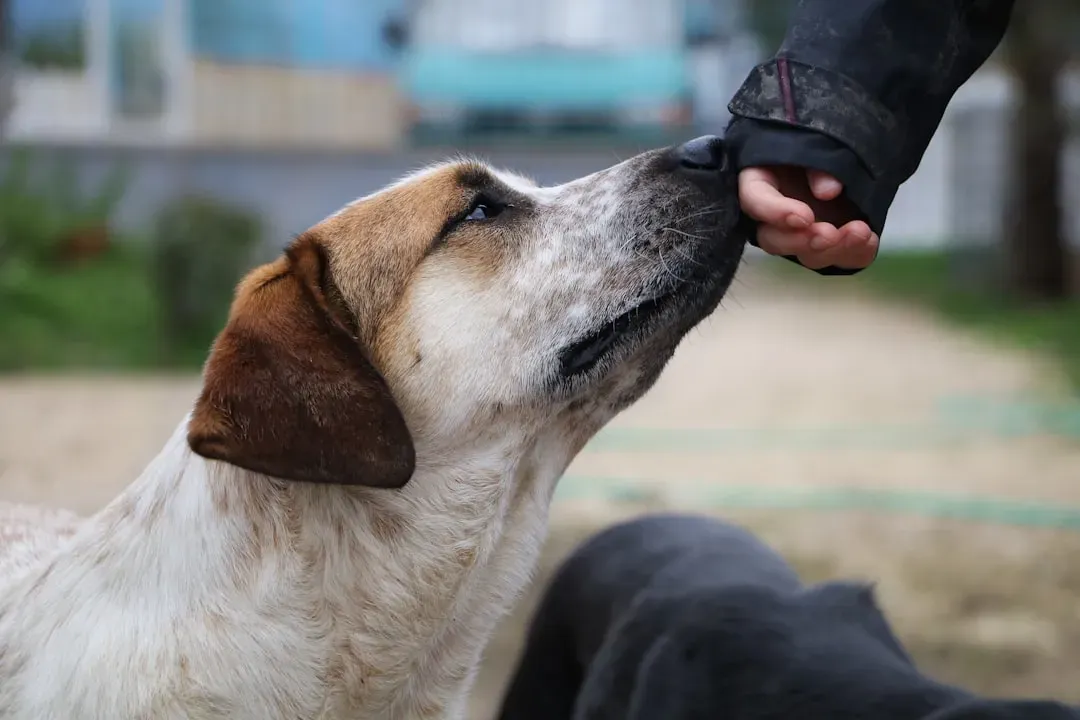
When Nanook and Dexter arrived at our Rehab Center, they hid at the back of their runs, trembling at the sight of us and showing no interest in other dogs, toys or even food. They refused to eat during the day in sight of our staff and kept a nocturnal schedule, daring to eat only at night. They had never been walked on a leash and were terrified of it. They didn’t make eye contact with us, never wagged their tails, had no interest in exploring or playing, and spent most of the day hiding. Their fear seemed absolute and permanent.
After several months of intensive rehabilitation, Nanook and Dexter made significant improvements. Shortly after being placed with these shelters, we were thrilled to hear that Nanook and Dexter were adopted into safe and loving homes. These transformations happen, but they demand extraordinary commitment.
Most fearful dogs gradually improve with time, training, and trust. That improvement isn’t linear. Dogs have good weeks and terrible days. They take steps forward and then retreat. Progress happens in spirals, not straight lines.
Bailee learned to trust people, play with toys, make friends with other dogs, and enjoy car rides, becoming unrecognizable from the terrified animal who first arrived. These success stories prove that even severely traumatized dogs can reclaim joy and confidence.
I know it sounds crazy, but the transformations sometimes shock even experienced behaviorists. Dogs written off as unadoptable end up thriving in homes, forming bonds nobody thought possible. Their resilience exceeds our expectations again and again.
Conclusion
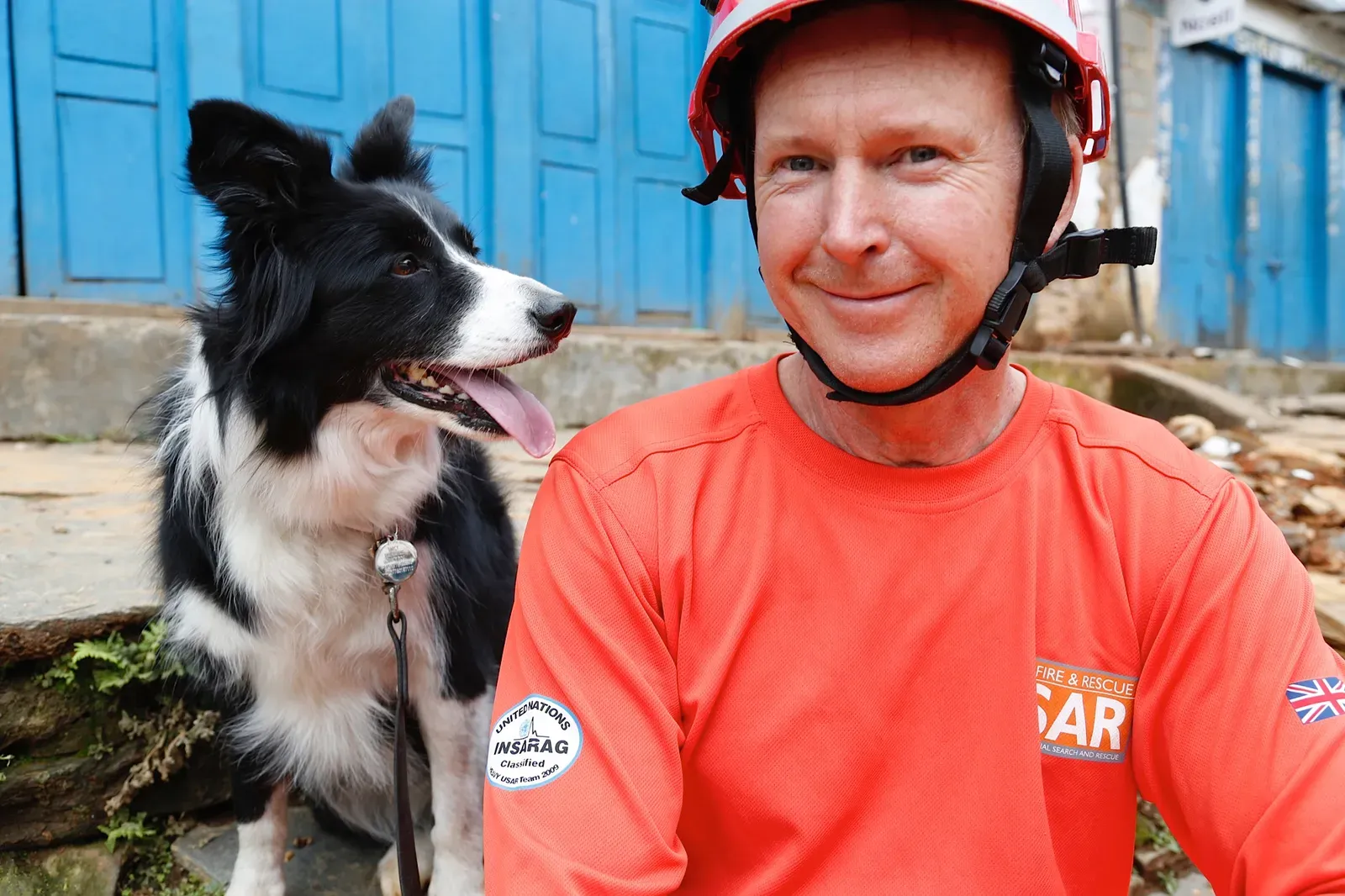
The journey from fear to trust isn’t about one magical moment or breakthrough. It’s built from countless small interactions, each one proving that safety exists and kindness is real. These dogs carry scars that may never completely fade, yet they somehow find the courage to try again.
With the right training, patience, and support, even the most anxious rescue dog can learn to trust again. That truth deserves recognition because it offers hope to both dogs and the humans who love them. Rehabilitation requires dedication that many people can’t sustain, which makes every successful adoption that much more meaningful.
The dogs who relearn trust teach us something profound about resilience and second chances. They prove that past trauma doesn’t have to define future possibilities. Their transformations remind us that healing, though slow and difficult, remains possible even after years of suffering.
What’s your experience with fearful dogs? Have you witnessed a transformation that changed your understanding of what’s possible?
