
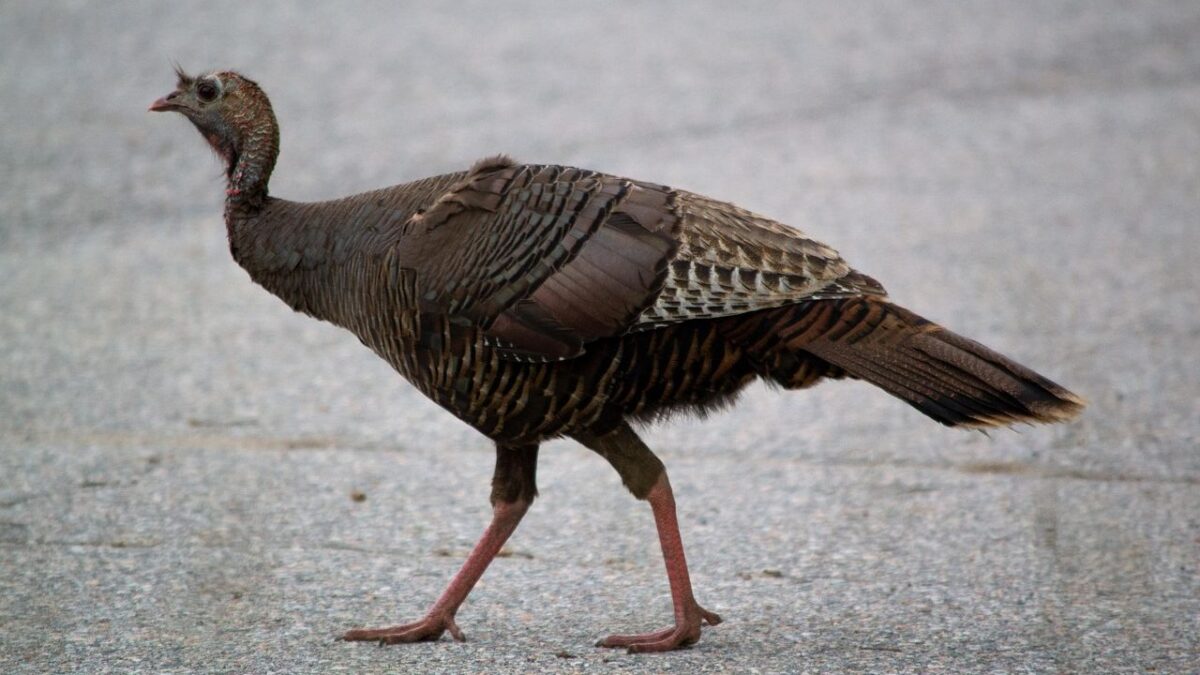
Picture a large bird strutting through the autumn leaves, its bronzed feathers catching the morning light. Wild turkeys are among America’s most remarkable conservation success stories, bouncing back from near extinction to thrive in forests and fields across the nation. These intelligent birds once nearly vanished from the landscape, but today they roam freely in almost every state. Yet some places have become absolute turkey havens, where these impressive birds flourish in numbers that might surprise you.
If you’ve ever wondered where the biggest flocks are building their territories, you’re in for a treat. From sprawling ranch lands to dense hardwood forests, certain states have created perfect conditions for wild turkey populations to explode. Let’s dive in and discover which six states are leading the pack when it comes to wild turkey numbers.
Texas: The Lone Star Turkey Kingdom
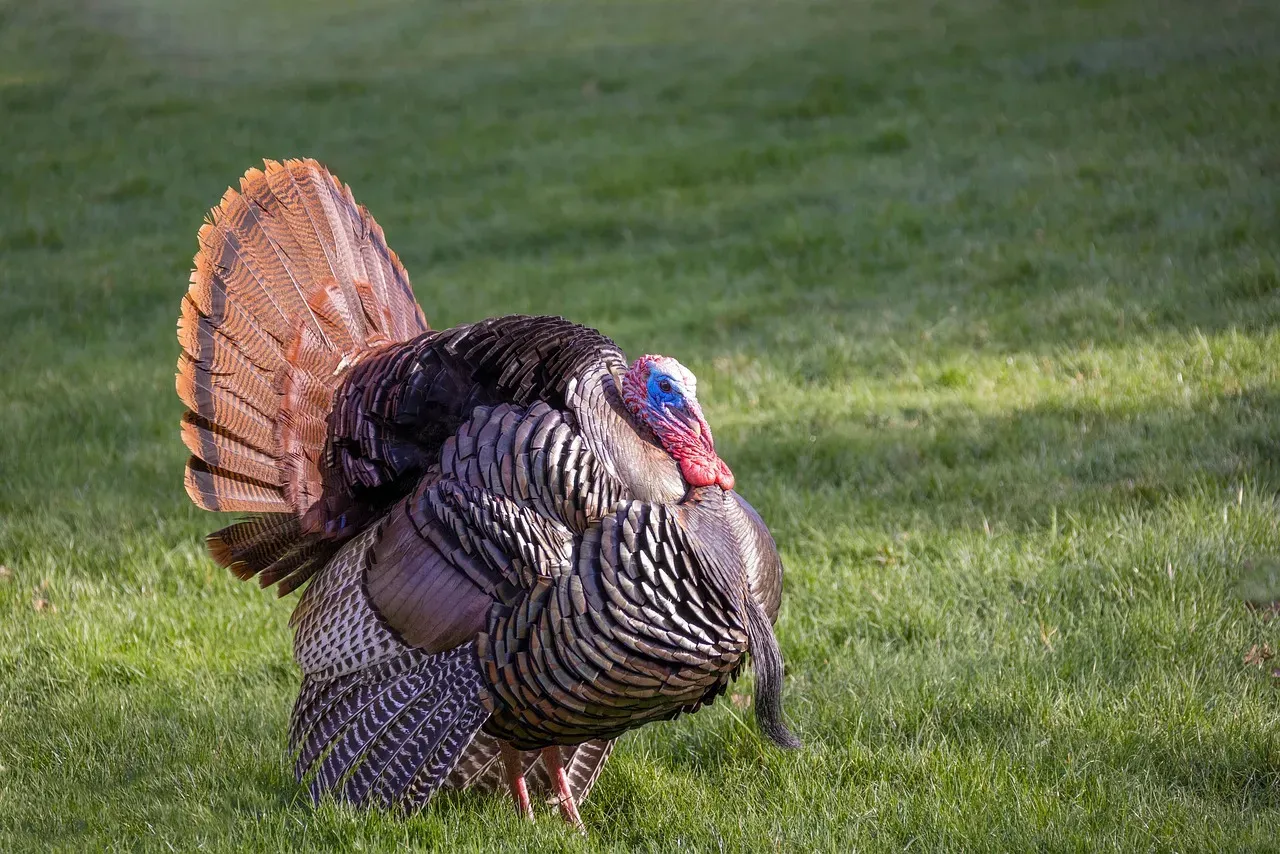
Texas leads the pack with an impressive population of 510,500 wild turkeys, making it the undisputed champion of turkey territory in America. The sheer size of Texas gives these birds plenty of room to spread out, and honestly, everything really is bigger in the Lone Star State, including its commitment to wildlife management.
The type of turkey that roams around in Texas is primarily the Rio Grande turkey, found in great numbers throughout the state. These subspecies have adapted beautifully to the diverse landscapes, from scrubby brushlands to oak savannas. The vast open spaces mixed with pockets of woodland create ideal habitat where turkeys can forage, nest, and raise their young without too much competition for resources.
California: Golden State Turkey Paradise
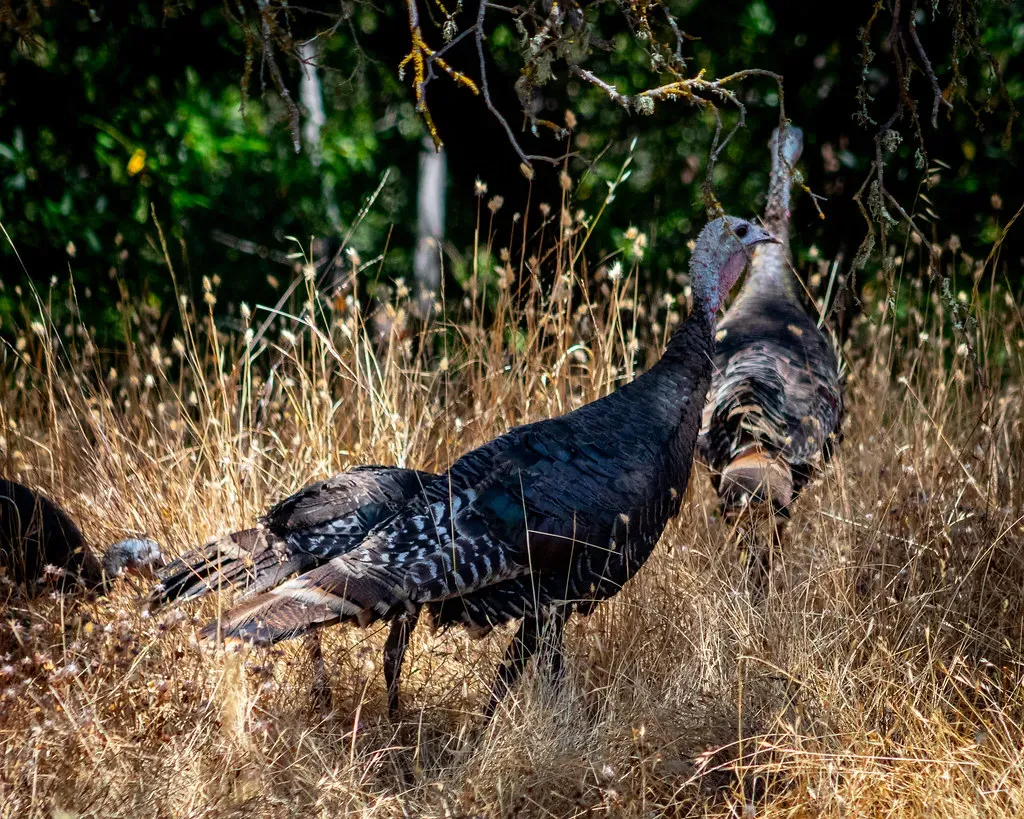
California boasts a substantial population ranging between 300,000 to 400,000 turkeys, with diverse habitats providing ample opportunities for these birds to thrive. It’s hard to say for sure, but California’s varied terrain seems almost custom-made for wild turkeys.
The state’s turkey population really took off after intentional introductions during the 1960s and 1970s. Now you can spot these birds from the Sierra Nevada foothills to the coastal ranges, munching on acorns in oak woodlands and wandering through mixed conifer forests. They’ve become such a common sight in some areas that residents barely give them a second glance anymore.
Kentucky: Bluegrass Turkey Territory
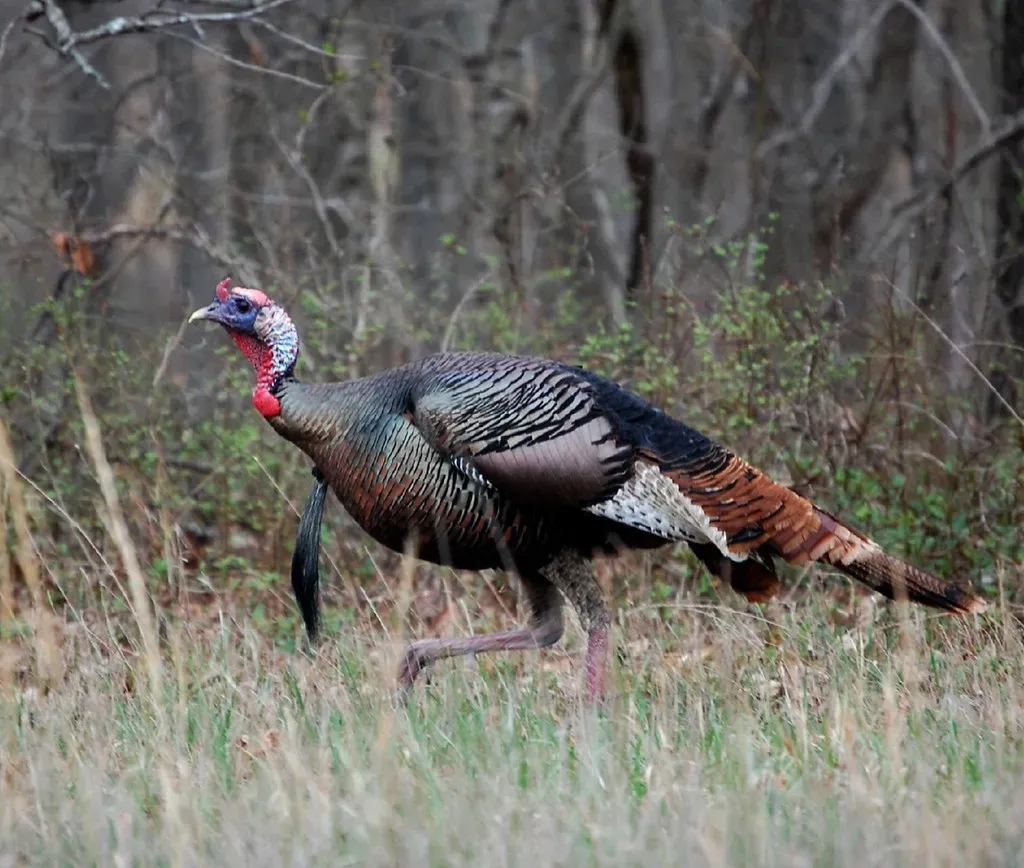
Kentucky maintains a wild turkey population ranging between 250,000 to 400,000, with turkeys living in all 120 counties of the state. The Commonwealth’s rolling hills, mixed forests, and agricultural lands create an almost perfect patchwork of habitat that turkeys absolutely love.
Kentucky’s dedication to turkey conservation is nothing short of impressive. The state’s rich natural landscapes provide everything turkeys need: hardwood forests for roosting, open areas for displaying and feeding, and enough diversity to support healthy populations through changing seasons. Around 30,000 of these birds are harvested annually by hunters, yet the population remains robust.
Missouri: Show-Me State Turkey Success
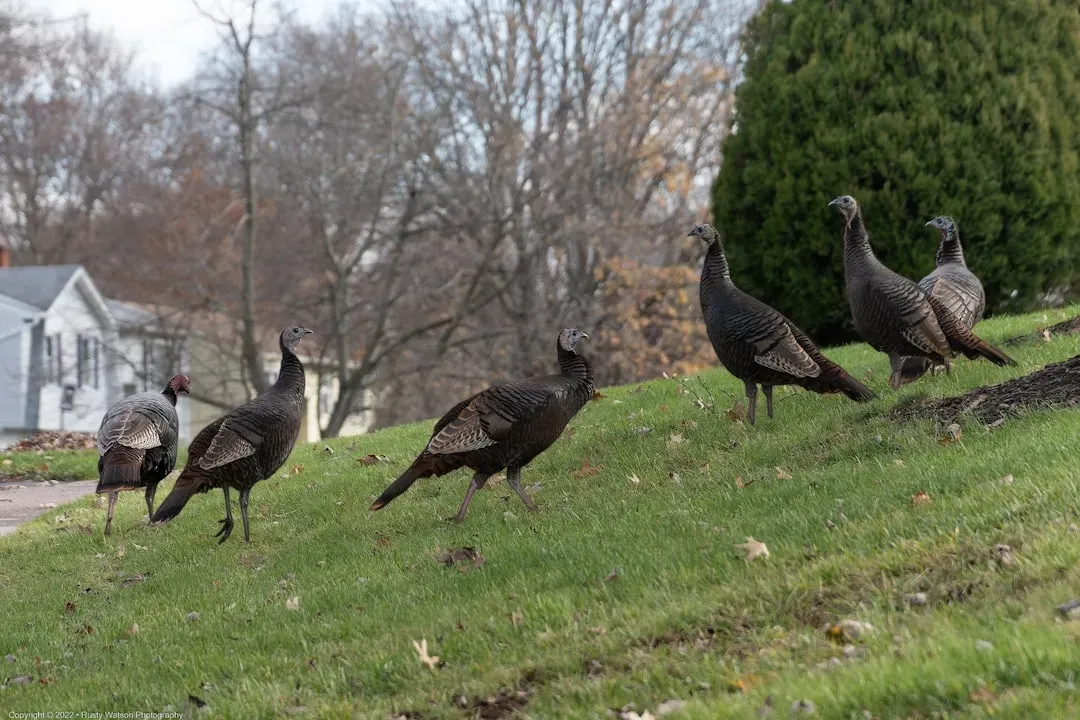
Missouri has established itself as a turkey powerhouse, with populations consistently reported at over 500,000 birds across the state. The mixture of forests, grasslands, and agricultural zones creates that ideal turkey habitat mosaic. You’ll find these birds wandering through oak-hickory forests one moment and scratching around field edges the next.
What’s really interesting is how Missouri’s conservation efforts have paid off over the decades. The state went from having virtually no turkeys in the early 1900s to becoming one of the top turkey states in the nation. That’s the kind of conservation comeback story that deserves some serious recognition.
Alabama: Heart of Dixie Turkey Country
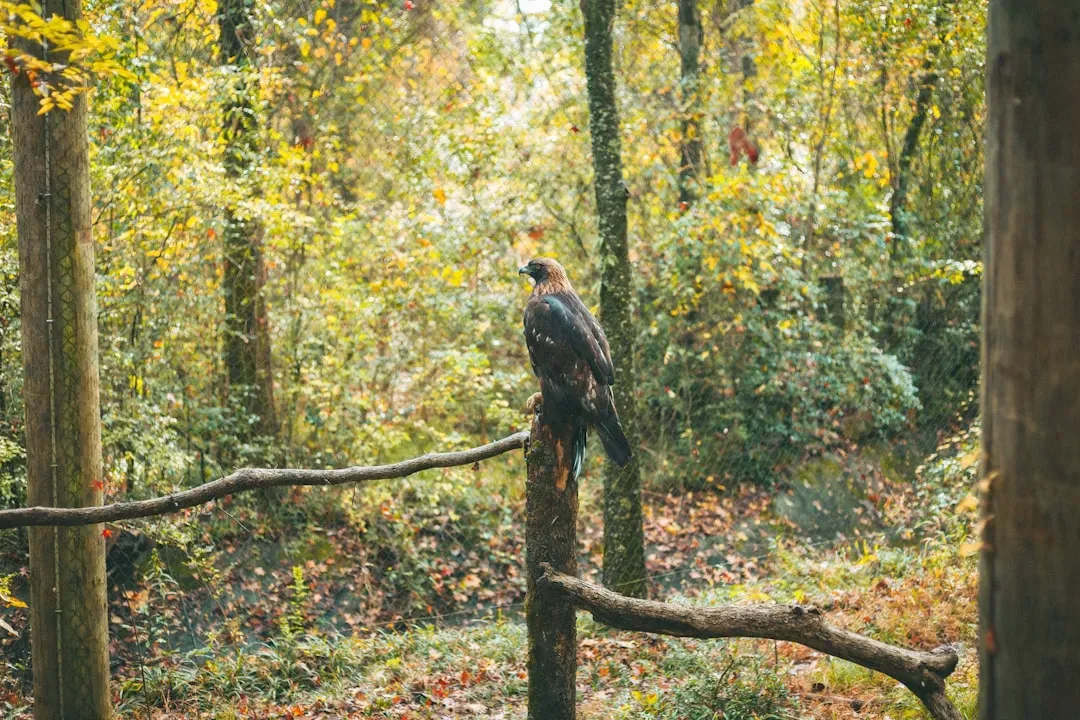
Alabama maintains a wild turkey population of 365,000, with an average annual harvest of 25,000. Many consider Alabama the king of turkey hunting in the Southeast, and those numbers back up that reputation pretty convincingly.
The state’s diverse ecosystems ranging from Appalachian foothills to coastal plain swamps provide varied habitats that support strong turkey populations. Eastern wild turkeys dominate Alabama’s landscape, thriving in the mixed pine-hardwood forests that blanket much of the state. Success rates for turkey hunters can reach more than 40 percent here, which speaks volumes about how healthy and abundant the population really is.
Mississippi: Magnolia State Gobbler Haven
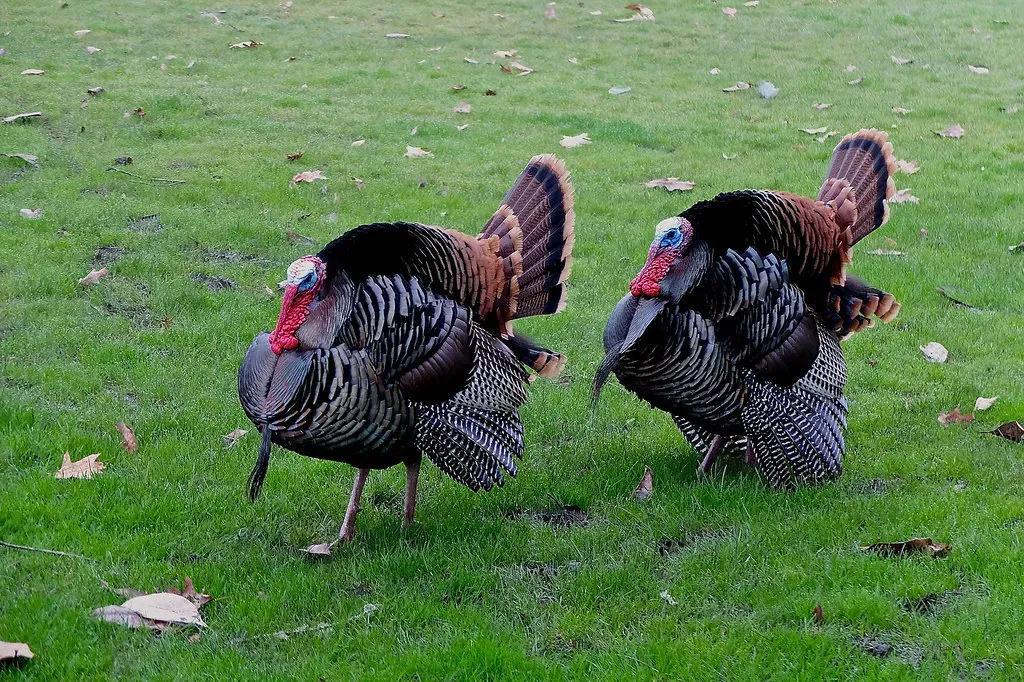
Mississippi supports between 225,000 to 275,000 wild turkeys, and over the last three decades, the state has consistently boasted one of the largest turkey populations in the country. From the Mississippi Delta to the Gulf Coast, you’ll find these impressive birds strutting their stuff.
With a quarter of a million birds from the Delta to the Gulf, hunters should have no problem finding a gobbler in the Magnolia State. Mississippi’s commitment to turkey management shows in their dedicated Wild Turkey Program and the thundering long-bearded gobblers that have become a point of state pride. The mix of bottomland hardwoods, pine forests, and agricultural lands creates primo turkey territory.
Conclusion
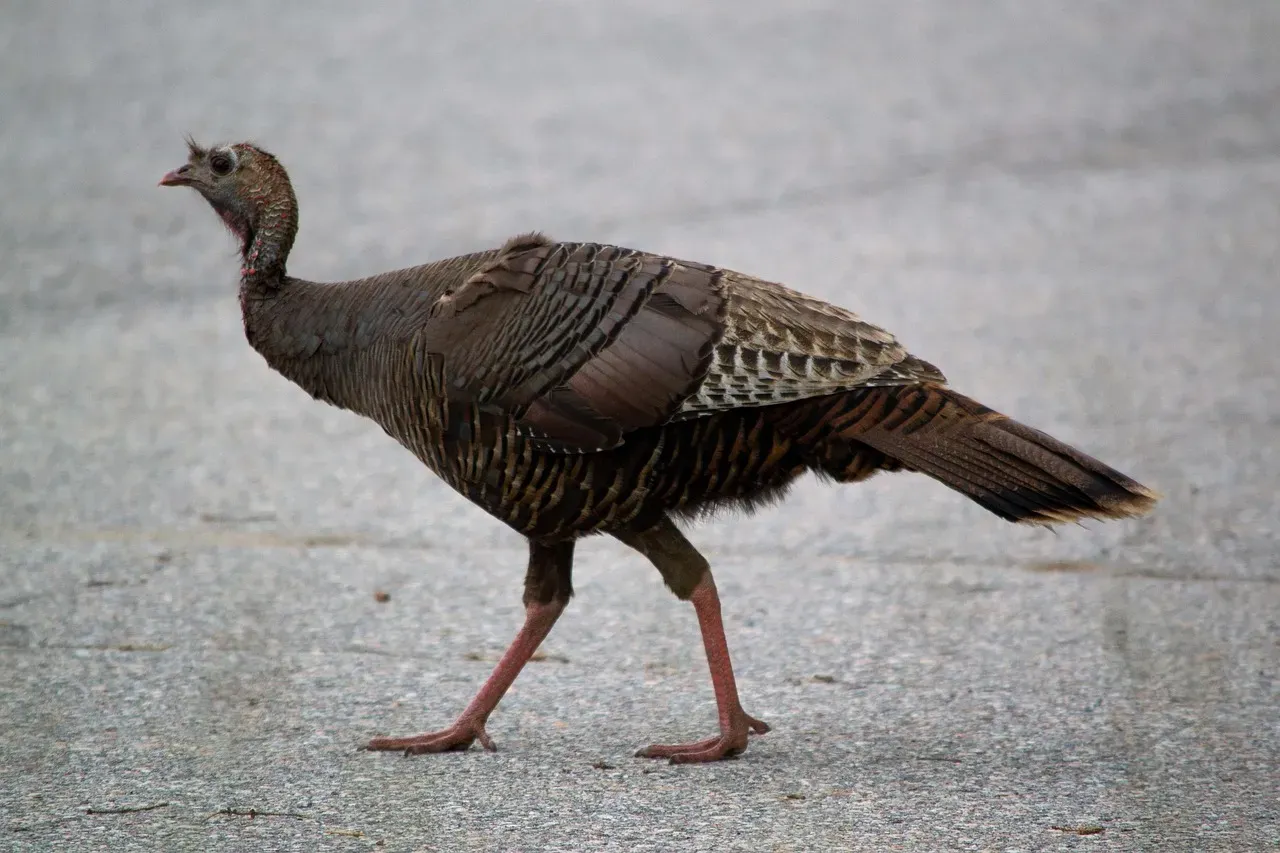
These six states showcase what’s possible when conservation efforts meet suitable habitat and dedicated wildlife management. Wild turkeys were once on the brink of disappearing forever, with populations dipping to dangerous lows in the early twentieth century. Today, thanks to trap-and-transfer programs and careful stewardship, millions of these magnificent birds roam America’s landscapes.
Texas reigns supreme with its massive Rio Grande turkey flocks, while states like California, Kentucky, Missouri, Alabama, and Mississippi have all created thriving turkey populations through different approaches tailored to their unique environments. It’s a testament to what we can achieve when we prioritize wildlife conservation and habitat preservation. So next time you spot a wild turkey crossing the road or strutting through the woods, take a moment to appreciate this remarkable comeback story.

- 7 Scents That Help Keep Ants Out of Your Kitchen Naturally - June 27, 2026
- 8 Native Plants That Naturally Attract Monarch Butterflies - June 27, 2026
- 10 Signs Your Cat Sees Your Home as Safe Territory - June 27, 2026