

There’s something almost magical about walking past homes in December, catching glimpses of glittering paper beneath twinkling trees. We rush through crowded stores, clicking endless checkboxes on online wishlists, all in preparation for that single morning when ribbons get torn and faces light up. It’s exhausting, honestly. Yet every single year, we do it again.
Why exactly do we feel compelled to participate in this ritual of wrapping, giving, and hoping our choices land just right? The answer isn’t as simple as you might think. Beneath all that festive paper lies a fascinating mix of ancient customs, religious transformation, psychological wiring, and yes, a healthy dose of modern commercialism. Let’s peel back the layers.
Ancient Roots That Predate Christianity

Gift-giving might have occurred near the winter solstice in ancient Rome during the Saturnalia holiday, where gifts were exchanged to honor the god Saturn and give thanks for bounty. This wasn’t some minor festival either. Saturnalia was widely celebrated throughout Roman territories with a carefree atmosphere, generous gift-giving, and lavish entertainments that people loved.
Think about it. Our ancestors were swapping presents long before anyone had heard of Christmas trees or Santa’s sleigh. Ancient Romans gave “strenae,” gifts of various kinds to celebrate Sol Invictus during the winter solstice period. These weren’t elaborate Amazon packages though. Early gifts were simple tokens like branches from sacred groves, root crops, vegetables, and wheat products honoring the goddess of fertility, Strenia.
How Christianity Absorbed the Tradition

Here’s where things get interesting. When Christianity began spreading through the Roman Empire, early church leaders faced a problem. People loved the pagan custom of exchanging gifts so much they refused to give it up. What’s a religious authority to do when the population won’t abandon a beloved tradition?
Simple. Rebrand it. Church leaders looked for Christian justification and found it in the three wise men’s act of bearing gifts to baby Jesus, as well as the concept that Jesus was God’s gift to humankind. Around 336 AD, December 25 became established as Jesus’s birth, and gift-giving was tied to the Biblical Magi bringing gifts to baby Jesus. It was brilliant strategy, really. Take what people already love, give it new meaning, keep everyone happy.
The Saint Nicholas Connection
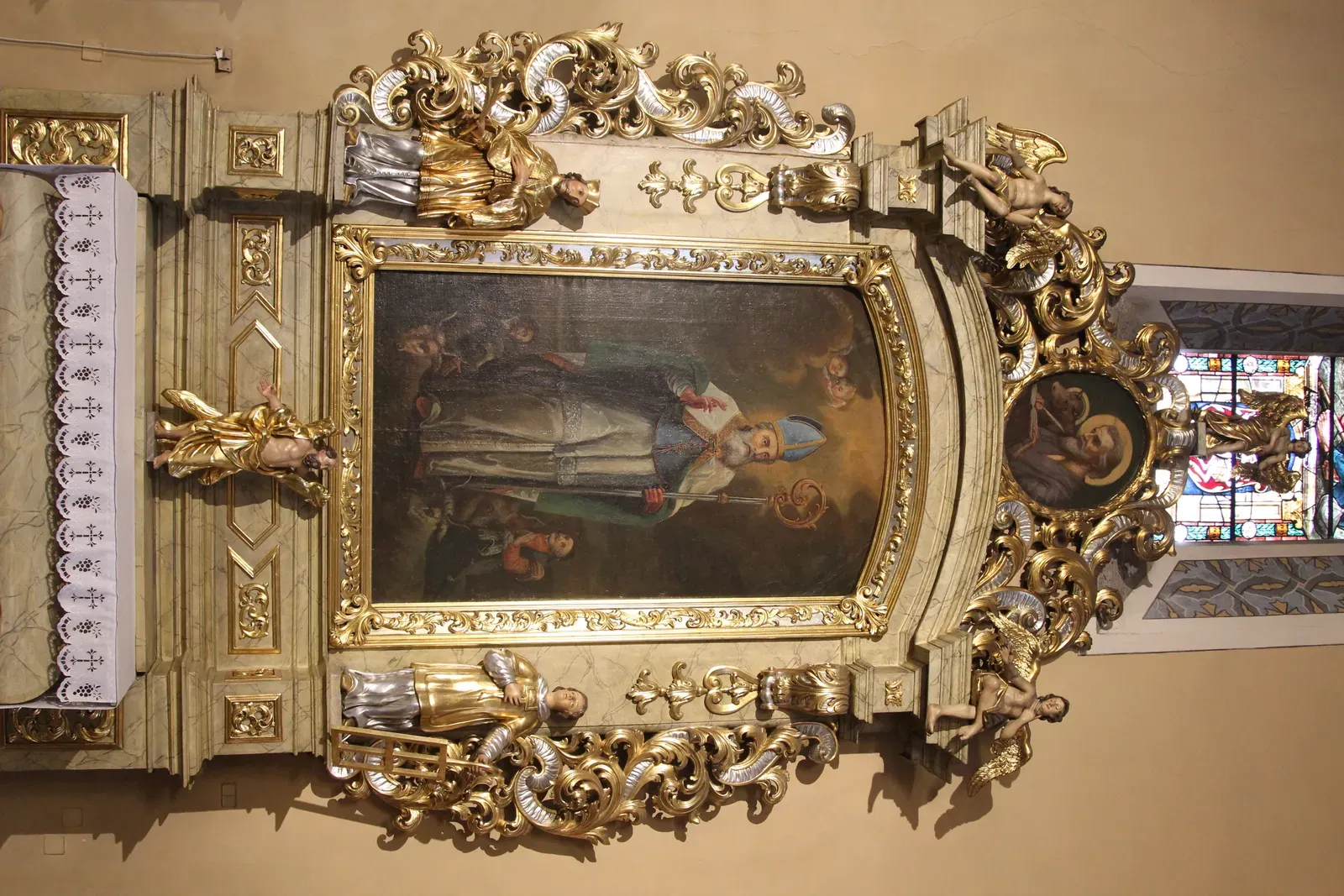
Another Christian narrative describes the gift-giving habits of Saint Nicholas, a fourth-century bishop of Myra, who was linked to miracles and became the inspiration for Father Christmas and Santa Claus. This wasn’t just some folklore figure dreamed up for children’s stories. Saint Nicholas was a real person whose reputation for generosity became legendary.
Saint Nicholas reportedly gave surprise gifts to the poor, hiding them in shoes left in front of doors. Over centuries, this historical bishop morphed into the jolly, red-suited character we recognize today. Known as Sinterklaas in Dutch and Père Noël in France, this figure has played an important role in European folklore since medieval times. The transformation from religious saint to cultural icon shows how traditions evolve while maintaining their core generosity.
Victorian Revival and Modern Sentimentality

Fast forward to the nineteenth century. The Victorian era saw a revival of Christmas traditions including gift-giving, popularized by Queen Victoria and Prince Albert who exchanged elaborate gifts. Literature played a huge role too. Charles Dickens’ “A Christmas Carol” depicted values of charity and generosity to others, while poems about gift-bearing figures captured public imagination.
At first, gift-giving in the 1800s was small in scale, consisting of handmade trinkets, carved wood pieces, sewed items and food. Laura Ingalls Wilder famously described finding a shiny tin cup, peppermint candy, heart-shaped cake, and a new penny in her stocking. Imagine that being the highlight of your Christmas. Times have certainly changed. With the Industrial Revolution, manufactured goods became less expensive and gifts more affordable for middle classes.
The Psychology Behind Our Giving Impulse

Let’s be real, there’s more happening in our brains than just holiday spirit when we buy gifts. Gift-giving is motivated by a complex array of psychological factors including altruism, reciprocity, and social status, with altruism being a key driver. When we give, we’re not just being nice. Prosocial, altruistic acts release dopamine, serotonin, and oxytocin – neurotransmitters associated with happiness, bonding, and stress reduction.
It gets even more fascinating. Research found that the more generous participants were in dividing money, the more their brain’s reward system activated, specifically the Ventromedial Prefrontal Cortex, and giving also activated brain areas managing empathy. We’re literally hardwired to feel good about giving. Giving activates a brain region associated with social bonding. This isn’t just cultural conditioning. It’s evolution at work.
Social Bonds and Evolutionary Advantages
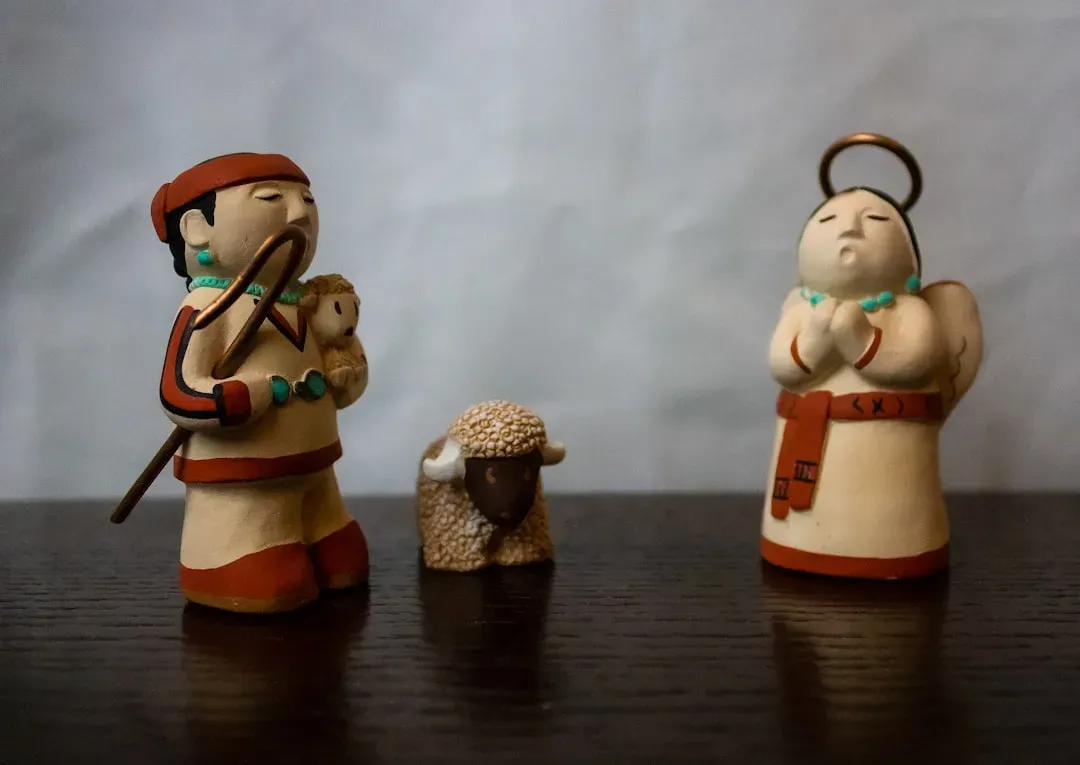
Archaeological evidence suggests early humans engaged in gift exchanges as social rituals, giving food, tools, or valuable items to strengthen social bonds, establish alliances, or mark important community events. Our caveman ancestors figured out that giving stuff to each other made the tribe stronger. Smart move.
Humans are especially helpful to family members as we share genes with them, meaning helping them survive eventually passes on shared genes – this is the basis of kin selection. This principle applies to Christmas gift-giving, where biggest and best presents often come from closest relatives like parents and grandparents rather than distant cousins. Notice how you probably spend more on immediate family? That’s millions of years of evolution talking, not just sentiment.
Commerce, Capitalism, and Modern Excess

Macy’s opened its first store in 1858, and by late nineteenth century shopkeepers began marketing gifts for holidays, with Christmas shopping becoming a major driver in the U.S. economy by early twentieth century. Retailers embraced the tradition as the weeks before Christmas became very profitable, directing marketing efforts at children to entice parents to buy more goods.
For many today, Christmas gift-giving feels overly commercial and overwhelming, though this isn’t a new concern – early twentieth century writers already lamented the burden compared to twenty-five years prior. We’re not the first generation to feel stressed by holiday expectations. The pressure to create perfect holiday experiences coupled with emphasis on gift-giving and materialism creates unrealistic expectations and stress. Social media hasn’t helped matters either.
Conclusion: More Than Meets the Eye

So what’s ? It’s not one thing. It’s everything. Ancient winter celebrations merged with Christian symbolism, wrapped in psychological needs for connection, driven by evolutionary impulses toward reciprocity, and amplified by commercial interests. Each layer built upon the last, creating the complex ritual we participate in today.
A well-received gift can improve relationship quality by increasing feelings of connection, bonding, and commitment, while a poorly received gift can do the opposite. That’s why we stress about getting it right. When we give gifts, we experience pleasure and satisfaction from neurotransmitter release, and research suggests spending money on others brings more happiness than spending it on ourselves.
Maybe the real gift isn’t the物理object at all. It’s the evolutionary, psychological, and social threads binding us together as humans. Next time you’re frantically searching for the perfect present, remember you’re participating in something that stretches back thousands of years, hardwired into your brain, and fundamental to human connection. Pretty remarkable when you think about it, right? What do you think drives your own gift-giving – tradition, obligation, or genuine joy in giving?
