
Standing on the ground where history unfolded is an experience that no textbook can replicate. There’s something almost magical about visiting a place where decisions were made that changed the course of a nation, or walking through spaces that witnessed both triumph and tragedy. The United States is home to countless such places, each one whispering tales from different chapters of American life.
From battlefields where soldiers fought for freedom to monuments that commemorate both heroes and heartbreak, these historic sites offer us a window into the complex tapestry of the nation’s past. Let’s explore ten landmarks that don’t just sit silently in the landscape but actively tell the incredible, sometimes surprising stories that shaped America.
The Statue of Liberty: A Beacon for Millions of Dreams
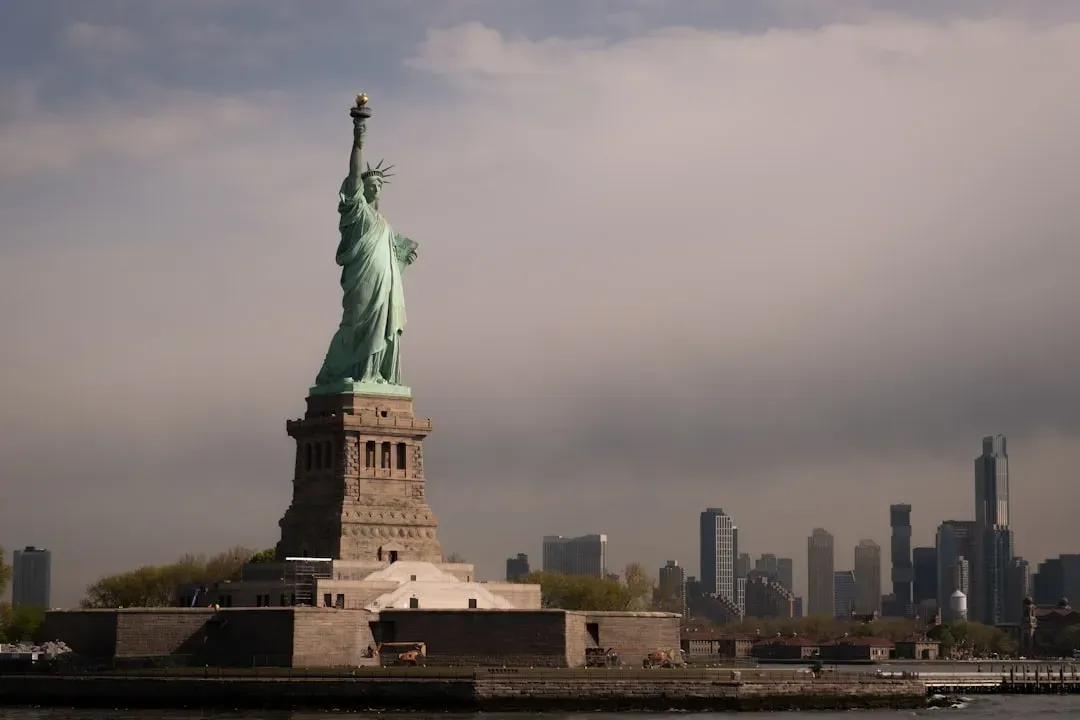
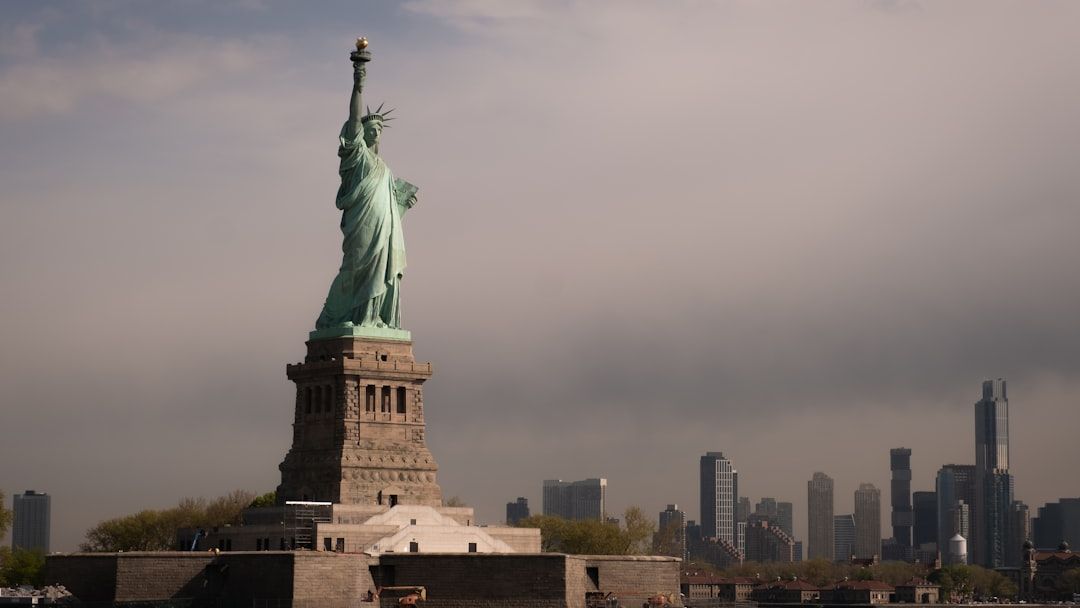
The Statue of Liberty is an iconic figure of freedom and democracy across the globe. It was presented by France in 1886 and now towers over the waters of New York Harbor on Liberty Island. Here’s the thing: this massive copper lady holding a torch wasn’t just a gift between nations. She became the first glimpse of hope for millions of immigrants arriving by ship, a symbol that their arduous journey was finally reaching its end.
What many don’t realize is that the statue’s design carries deep symbolism. The face of the Statue of Liberty was modeled after sculptor Frédéric Auguste Bartholdi’s mother, Charlotte Bartholdi. The broken shackles at her feet represent freedom from oppression, while her torch symbolizes enlightenment. Standing roughly as tall as a 30-story building, she continues to welcome visitors who want to climb inside and see the city from her crown.
Ellis Island: Gateway to a New World
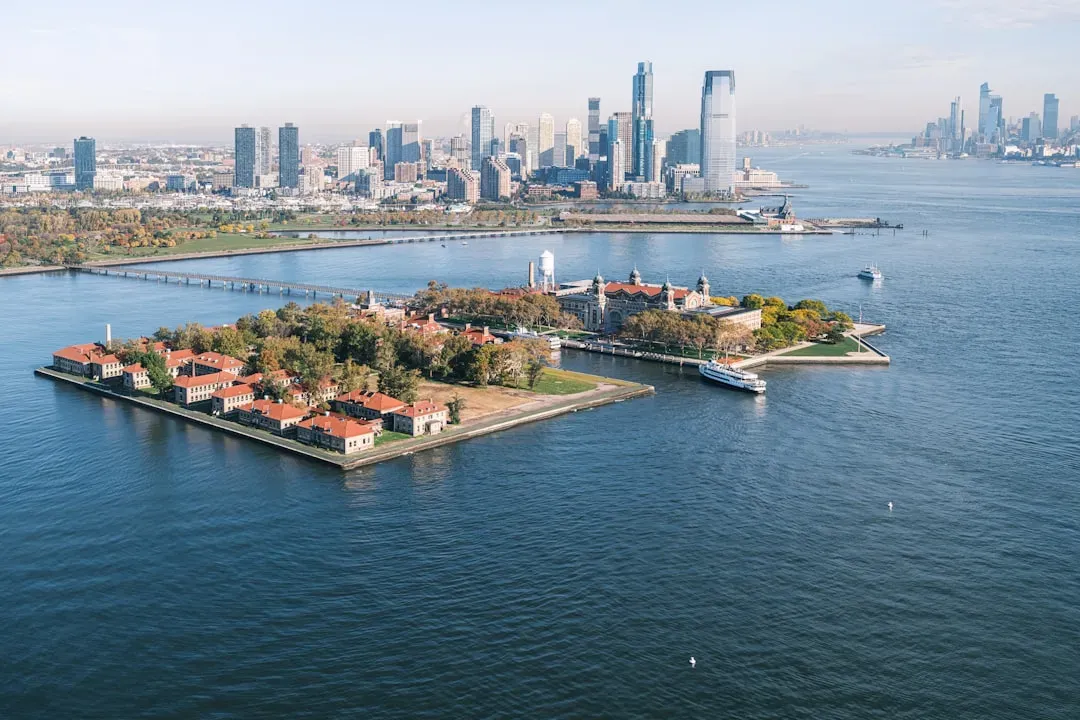
From 1892 to 1954, nearly 12 million immigrants arriving at the Port of New York and New Jersey were processed there; as many as two-fifths of Americans may be descended from these immigrants. Think about that for a moment. Nearly half of all Americans today can trace their family tree back to someone who stood nervously in the Great Hall of Ellis Island, hoping they’d pass inspection and be allowed to start their new life.
From 1900 to 1914 – the peak years of Ellis Island’s operation – an average of 1,900 people passed through the immigration station every day. Most successfully passed through in a matter of hours, but others could be detained for days or weeks. The experience was bewildering and terrifying for many newcomers who spoke little English. Some called it the Island of Tears because families could be separated if one member failed a medical exam.
Independence Hall: The Birthplace of American Democracy
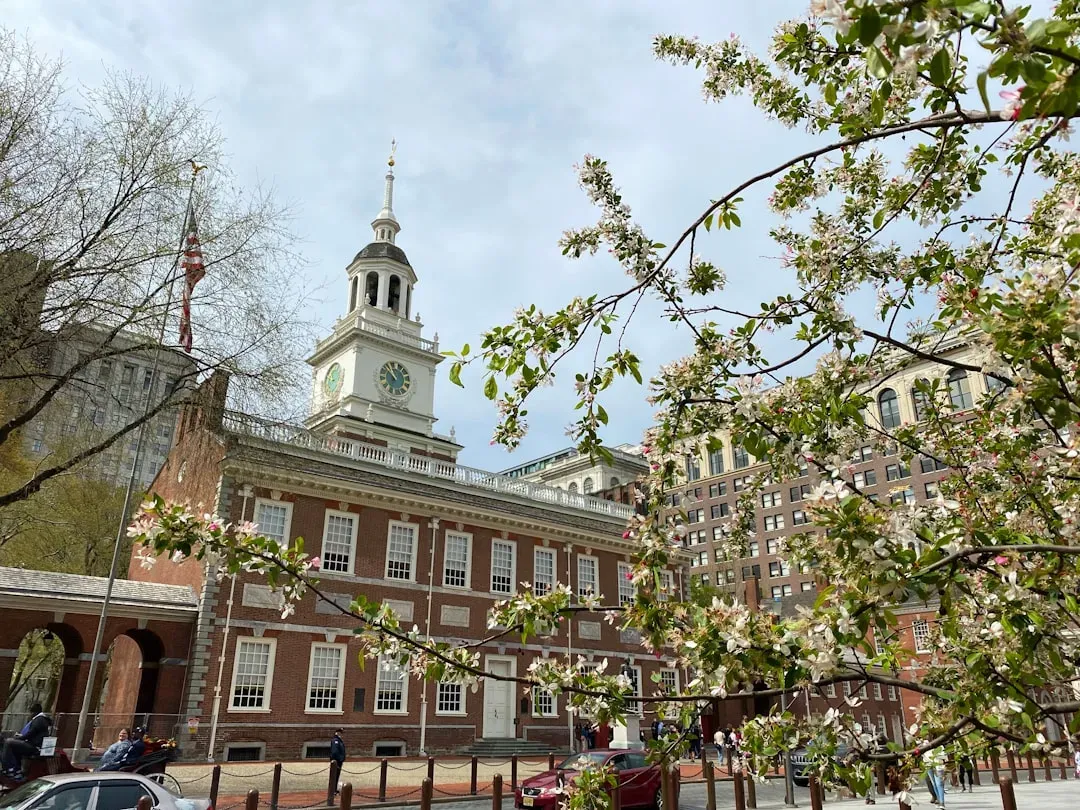
Independence Hall is a historic civic building in Philadelphia, Pennsylvania, where both the Declaration of Independence and the Constitution of the United States were debated and adopted by the Founding Fathers of the United States. Walking into the Assembly Room is like stepping into a time capsule. You can almost hear the heated debates echoing off the walls as delegates argued over the future of a nation that didn’t yet exist.
The Philadelphia Convention voted to keep deliberations secret, and to keep the Hall’s windows shut throughout the hot summer. Imagine sweating through the Philadelphia heat in heavy colonial clothing while crafting a constitution. It’s a reminder that the founding of America wasn’t some effortless, romantic endeavor but hard, uncomfortable work. The building itself has been preserved since the early 1800s and designated a World Heritage Site.
Gettysburg National Military Park: Where the Tide Turned
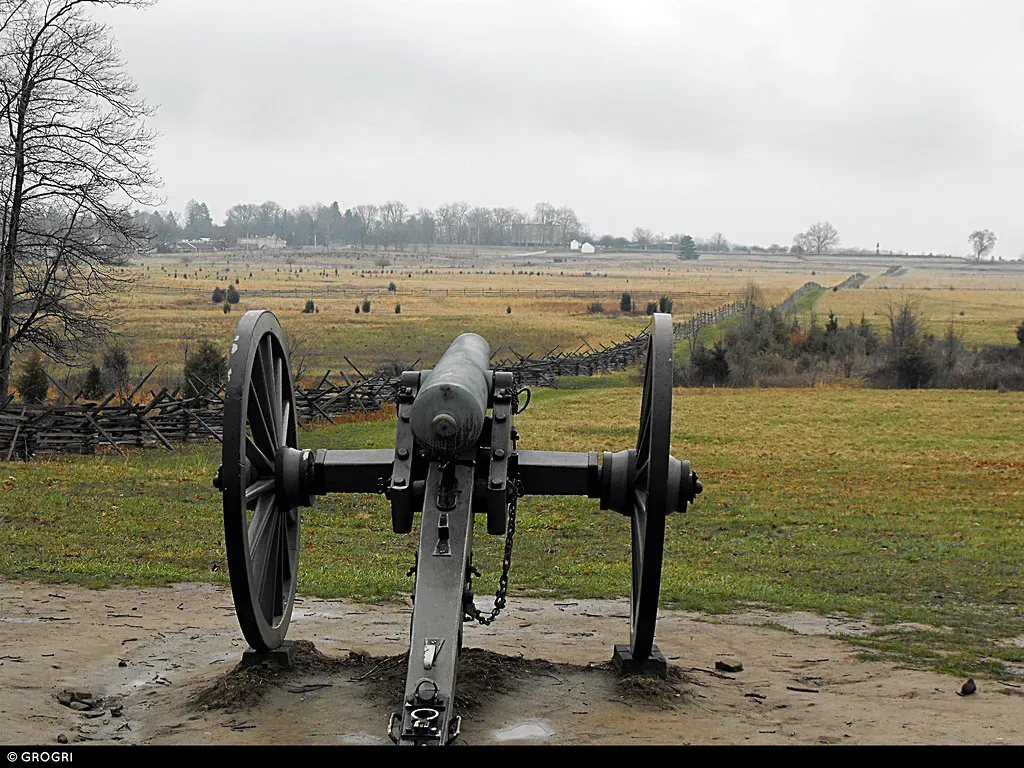
History buffs will know that the turning point in the Civil War happened at the Battle of Gettysburg from July 1 to July 3, 1863. Travelers who visit the Gettysburg National Military Park can find the battlefield, numerous monuments, and the Gettysburg National Cemetery. The sheer scale of the battle is difficult to comprehend until you’re standing on those fields. This wasn’t just a skirmish; it was three days of brutal combat that claimed tens of thousands of lives.
A very significant speech was given at this cemetery – the Gettysburg Address by President Abraham Lincoln. Those few hundred words, delivered in just a couple of minutes, redefined what the war meant and transformed the cemetery into hallowed ground. Today, you can walk the same paths where soldiers charged, pausing at the countless monuments that mark where regiments stood and fell.
Alcatraz Island: America’s Most Notorious Prison
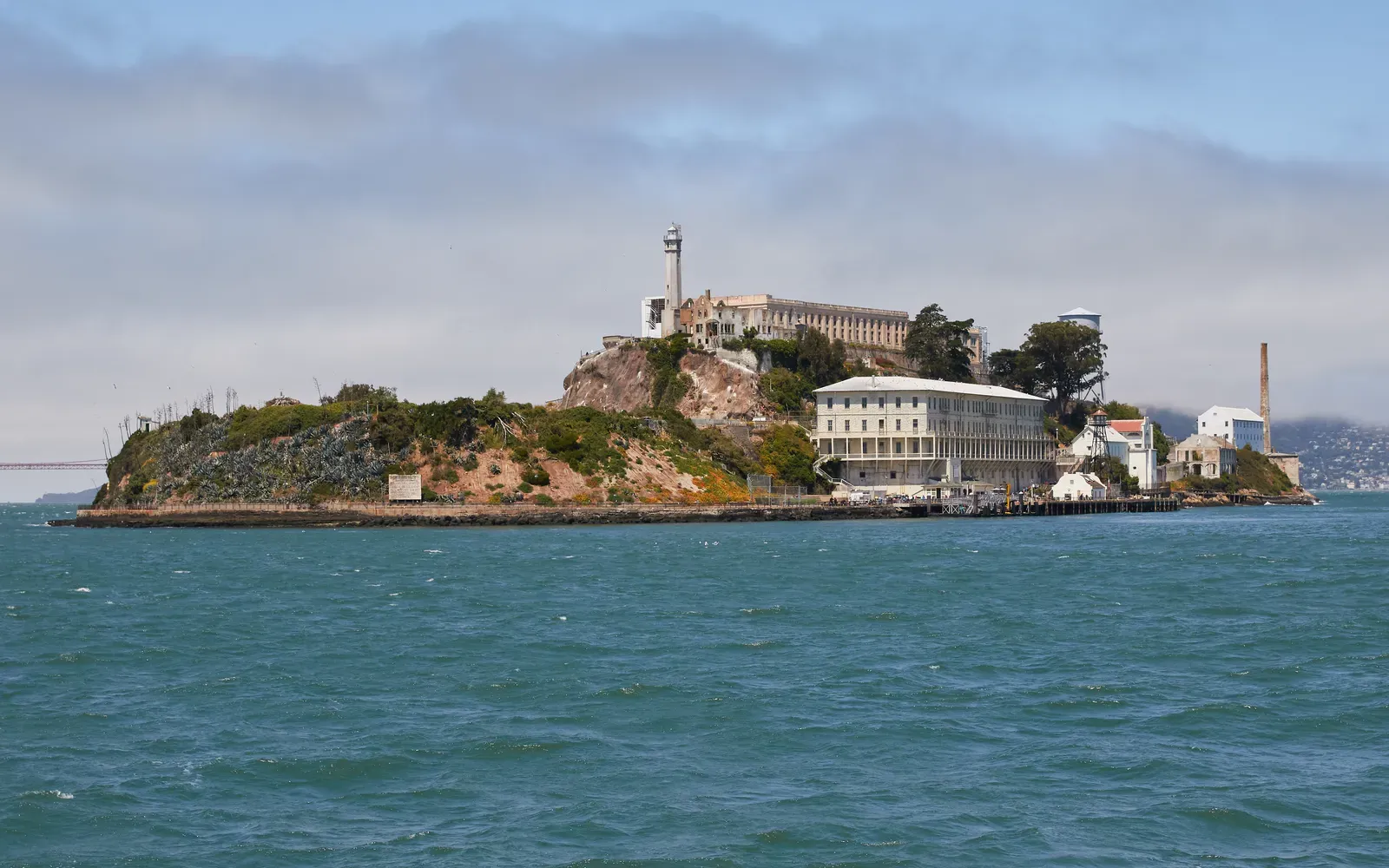
Alcatraz Island in San Francisco, California houses the infamous prison of the same name. It was used as a military prison and later as a federal penitentiary from 1934 to 1963. Notorious inmates include Al Capone and the “Birdman of Alcatraz” Rober Stroud. Let’s be real, the legend surrounding Alcatraz is almost as thick as the fog that rolls through San Francisco Bay. This island prison housed some of America’s most dangerous criminals in conditions that were deliberately harsh.
The rocky island sits less than two miles from the mainland, yet the freezing waters and treacherous currents made escape nearly impossible. Several prisoners tried, creating one of the great mysteries in American criminal history when three inmates vanished in 1962 and were never found. Today, ferry tours take visitors to explore the cell blocks, and honestly, the audio tour narrated by former guards and inmates is absolutely chilling.
Pearl Harbor National Memorial: A Day That Changed Everything
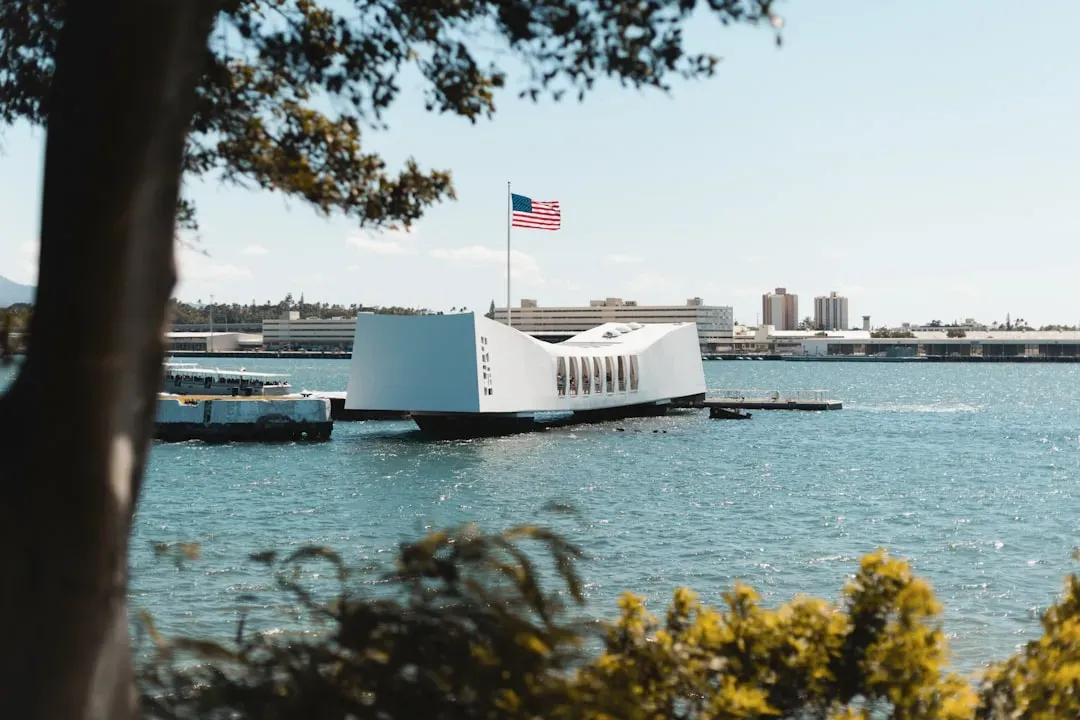
The USS Arizona, which calls the Pearl Harbor National Memorial home, symbolizes an important day in American history: the attack on Pearl Harbor. On December 7, 1941, the USS Arizona was hit by Japanese bombers and sank, killing more than 1,000 people. The memorial built above the sunken battleship is a somber reminder of how quickly peace can shatter. Oil still seeps from the wreckage below, creating what some call the tears of the Arizona.
Visit the memorial and learn about the people who died that day and how Pearl Harbor was a catalyst for the United States’ entry into World War II. The attack transformed America from a reluctant observer to an active participant in the global conflict. Walking through the memorial, you can see the names of those who perished etched into marble, each one representing a life cut short and a family forever changed.
Mount Rushmore: Faces Carved in Controversy
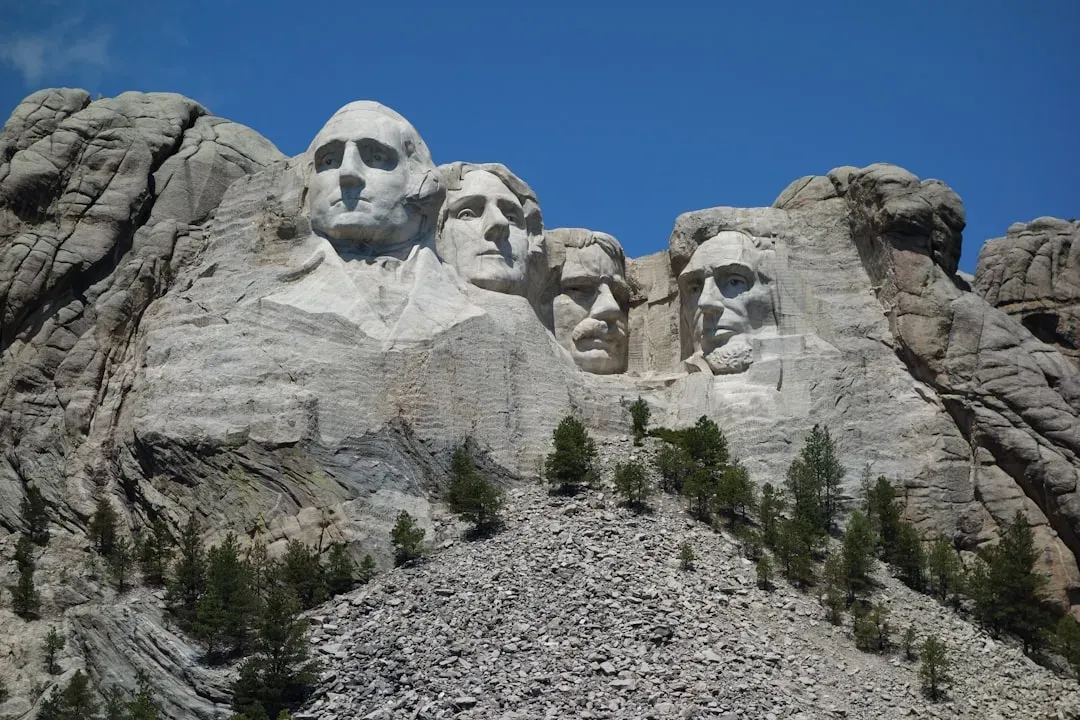
A bucket list item for every history buff should be Mount Rushmore in South Dakota. The heads of Presidents George Washington, Thomas Jefferson, Theodore Roosevelt and Abraham Lincoln stand at a surreal 60 feet high. The sheer audacity of the project is staggering. Sculptor Gutzon Borglum and his team carved these massive presidential portraits into solid granite using dynamite and jackhammers, working from 1927 to 1941.
However, The mountain, known as Six Grandfathers by the Lakota Indians, was a sacred place for them. The United States requisitioned the land, allegedly reneging on the Treaty of Fort Laramie of 1868, and many Native Americans saw this and the subsequent carving of the mountain into a monument to American presidents as outrageous. This complexity is important to acknowledge. Beauty and controversy can occupy the same space.
The Alamo: Symbol of Courage and Resistance
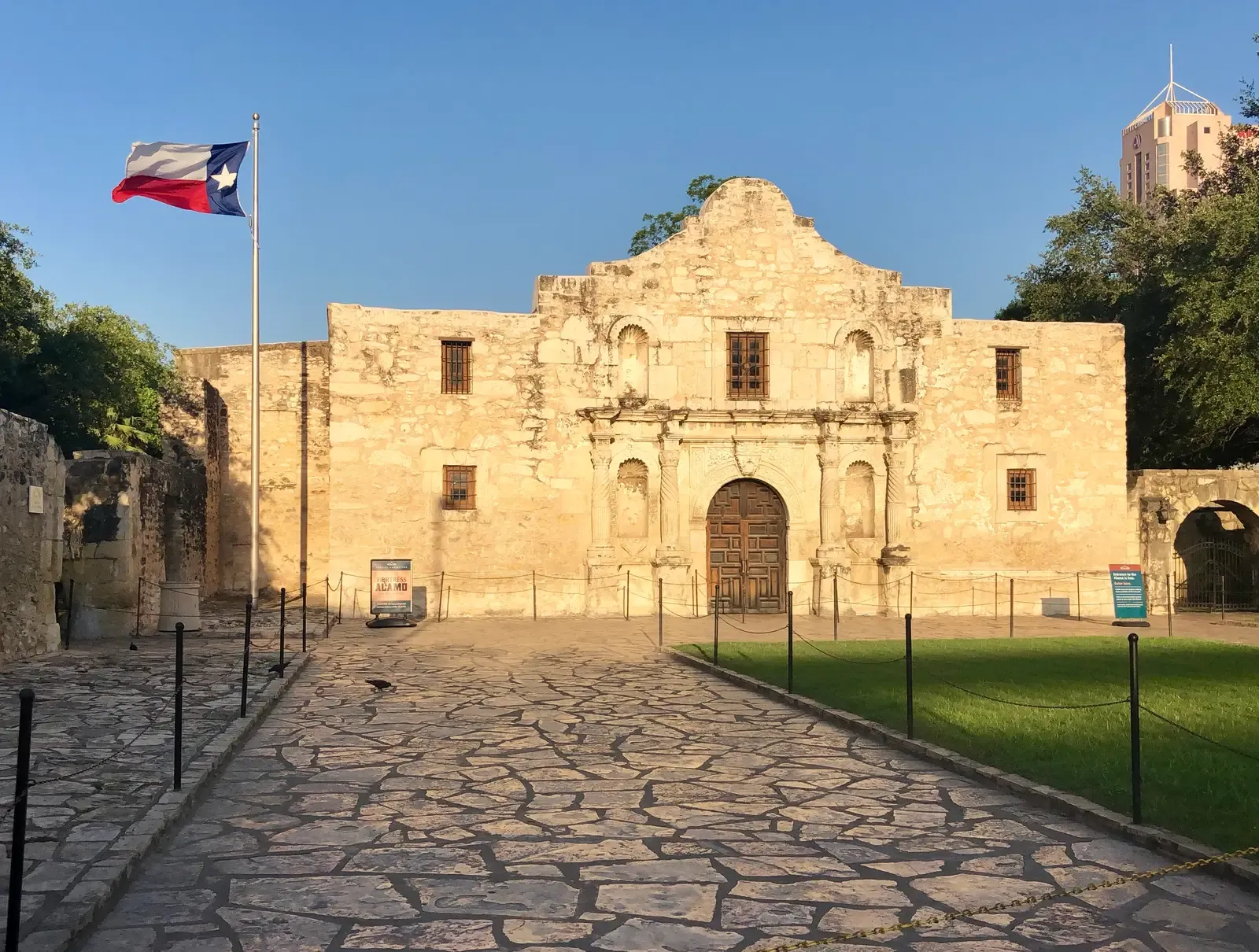
One of the most distinguished and iconic landmarks to see in Texas is the Alamo. Located in San Antonio, the building was the site of the Battle of the Alamo in 1836, where a small group of Texan defenders fought against the Mexican army during the Texas Revolution. The story of the Alamo has been romanticized in countless films and books, yet the reality was far more complex and brutal than Hollywood typically shows.
Roughly 200 defenders held off thousands of Mexican troops for 13 days before the fortress fell. While the Alamo today is a museum, it also stands as a symbol of independence and bravery. The mission’s weathered stone walls still stand in the heart of modern San Antonio, a stark contrast to the surrounding skyscrapers and tourist shops, reminding visitors of the blood spilled for Texas independence.
Colonial Williamsburg: Living History Brought to Life
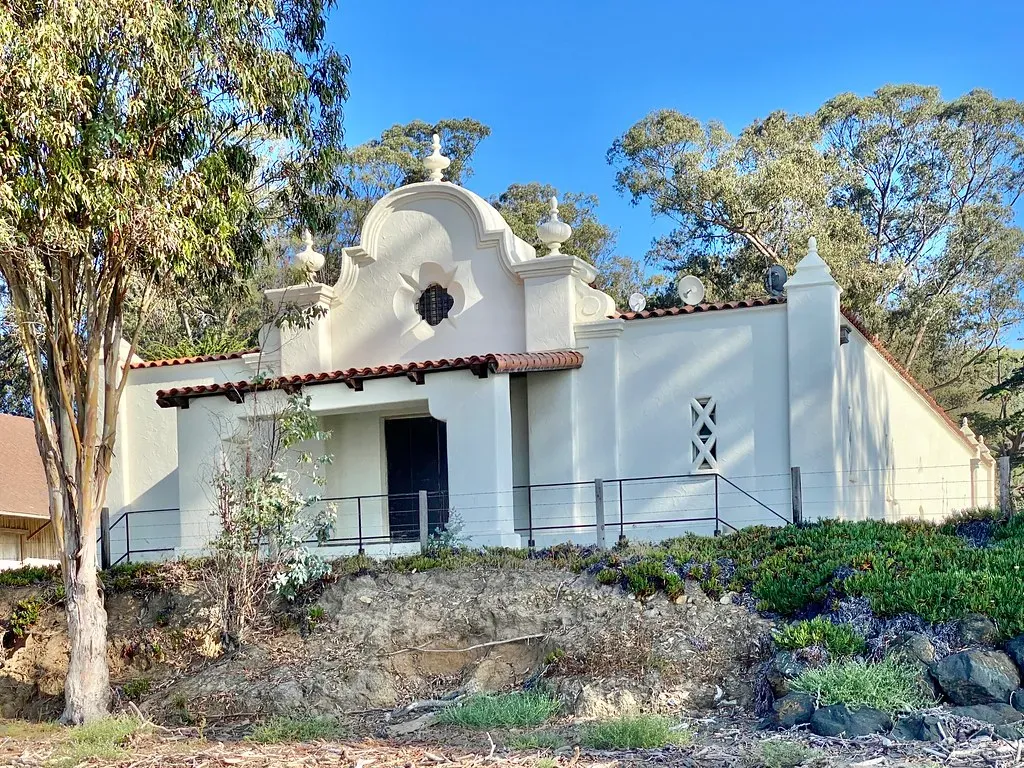
Walk through a town of living time capsules in the historic district of Williamsburg, Virginia, encompassing 301 acres with restored and reconstructed buildings from the 18th century. Buildings include the Governor’s Palace and the Capitol, plus tons of shops, homes, and taverns staffed by costumed interpreters to explain colonial life. This isn’t just a museum; it’s an immersive experience where blacksmiths hammer away at their forges and interpreters debate politics as if the Revolution might happen tomorrow.
Walking down Duke of Gloucester Street, you can watch tradespeople practice authentic colonial crafts using period tools and techniques. The attention to historical accuracy is remarkable, from the language the interpreters use to the heirloom seeds planted in the gardens. It’s hard to say for sure, but spending a day here probably teaches you more about colonial life than a semester of history class ever could.
Martin Luther King Jr. Memorial: A Stone of Hope
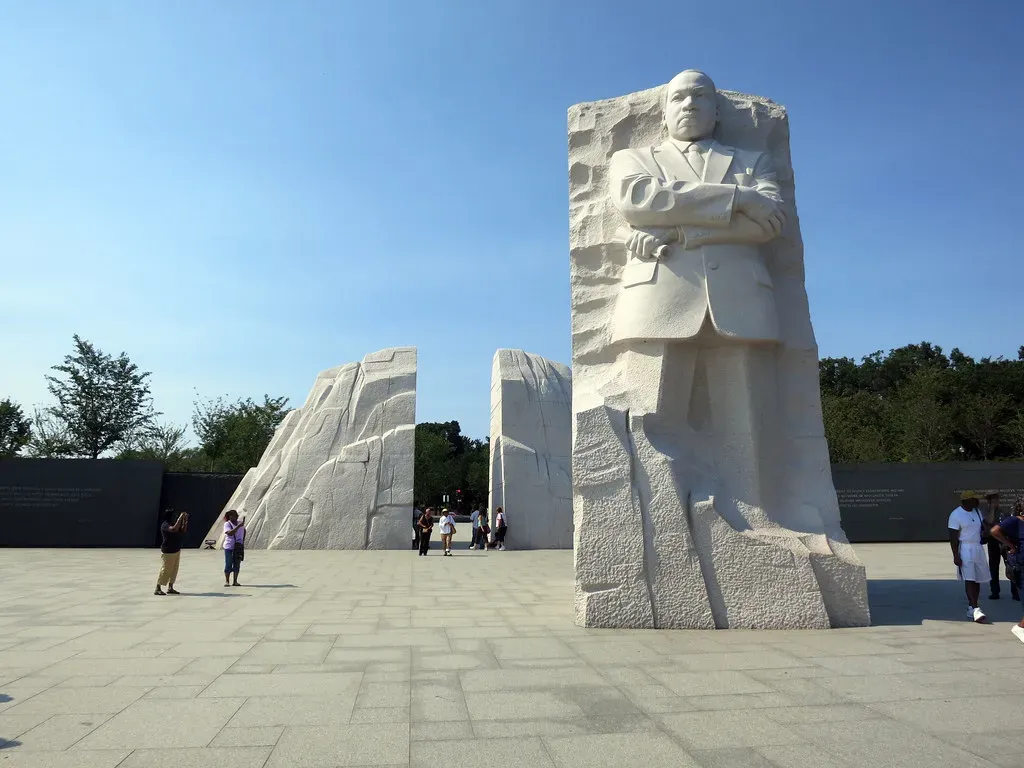
Conveniently located in a prime spot on the Tidal Basin in Washington, D.C., the Martin Luther King Jr. Memorial is a fitting monument to one of the most important activists in the history of the American civil rights movement. The life-size monument, made out of rough-hewn stone, depicts King stepping out of a large bolder, which serves as a metaphor for his commitment and the lasting impact of his legacy. The design is powerful in its simplicity.
The spot is also ringed by some of King’s most memorable quotes, emphasizing his vision of equality and justice. Reading his words while standing before the monument creates a profound connection to the struggles and triumphs of the civil rights movement. The memorial reminds us that the fight for equality wasn’t abstract or distant; it was waged by real people who risked everything for justice. Did you know the memorial wasn’t completed until 2011, more than 40 years after King’s assassination?
Crazy Horse Monument
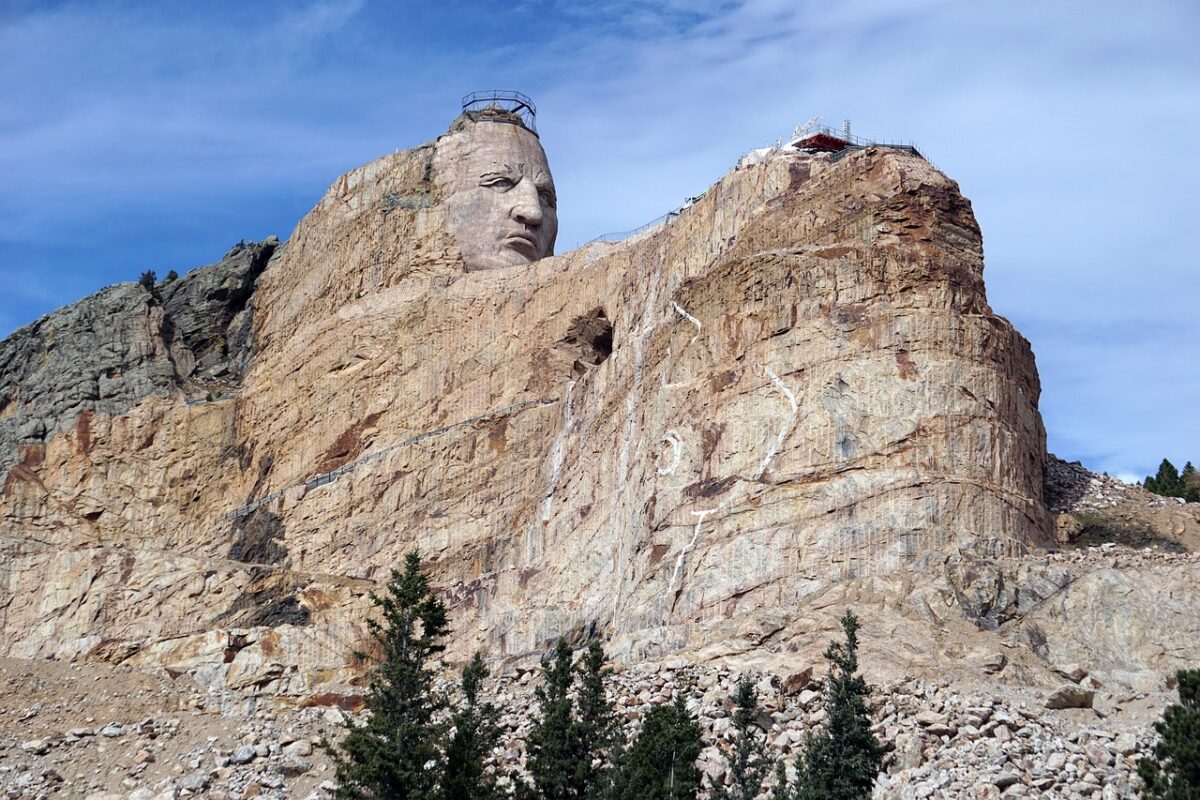
The Crazy Horse Memorial, carved into the granite of South Dakota’s Black Hills, stands as one of the most powerful and complex monuments in American history. Begun in 1948 by sculptor Korczak Ziolkowski at the request of Lakota leaders, the memorial honors Crazy Horse, the 19th-century Lakota warrior who resisted U.S. government efforts to force Native tribes onto reservations and famously led resistance at battles such as Little Bighorn. Unlike Mount Rushmore nearby, which many Native Americans view as a symbol of colonization on sacred land, the Crazy Horse Memorial was envisioned as a statement of Indigenous pride, resilience, and self-determination. Still unfinished after decades, the monument deliberately rejects federal funding and relies on private donations, reflecting the very independence Crazy Horse stood for. More than a sculpture, it represents the ongoing story of Native American survival, cultural identity, and the unresolved legacy of America’s westward expansion.
Conclusion: History Lives Where We Choose to Remember
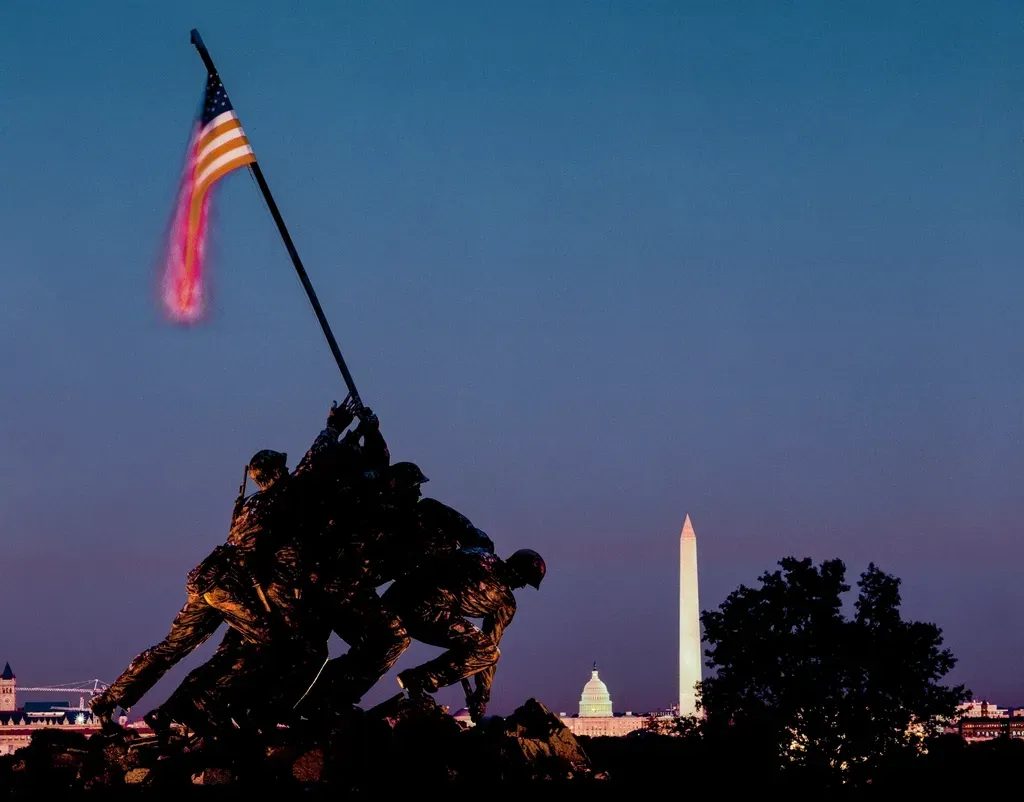
These ten landmarks represent just a fraction of the historical treasures scattered across America. Each one offers a different perspective on the nation’s journey, from its founding ideals to its ongoing struggles with living up to those principles. They remind us that history isn’t just about dates and names in textbooks but about real people making difficult choices in challenging times.
Visiting these places can be transformative. Standing where history happened connects us to the past in ways that reading about it never quite can. These landmarks preserve not just buildings and battlefields but the stories of courage, sacrifice, innovation, and sometimes tragedy that shaped the country. Which of these historic sites has captured your imagination? Have you visited any of them, or is there one calling out to you for your next adventure?
