
There’s something almost otherworldly about standing at the base of a massive bridge, feeling completely dwarfed by steel and stone that somehow manages to defy gravity. Honestly, these structures aren’t just ways to cross water or valleys. They’re monuments to human audacity, to the kind of stubborn determination that looks at an impossible gap and says, “Watch me cross that.”
Throughout America’s history, builders have pushed boundaries and reimagined what’s possible. Some of these bridges were constructed when engineers didn’t have computers or modern machinery, just grit, mathematical genius, and workers who risked everything. Let’s be real, many of these structures shouldn’t exist based on the tools available at the time. Yet here they stand, decades or even centuries later, still carrying traffic and capturing imaginations.
From fog-shrouded coastal spans to death-defying canyon crossings, each bridge tells its own story. So let’s dive in.
Brooklyn Bridge: The Steel Cable Pioneer
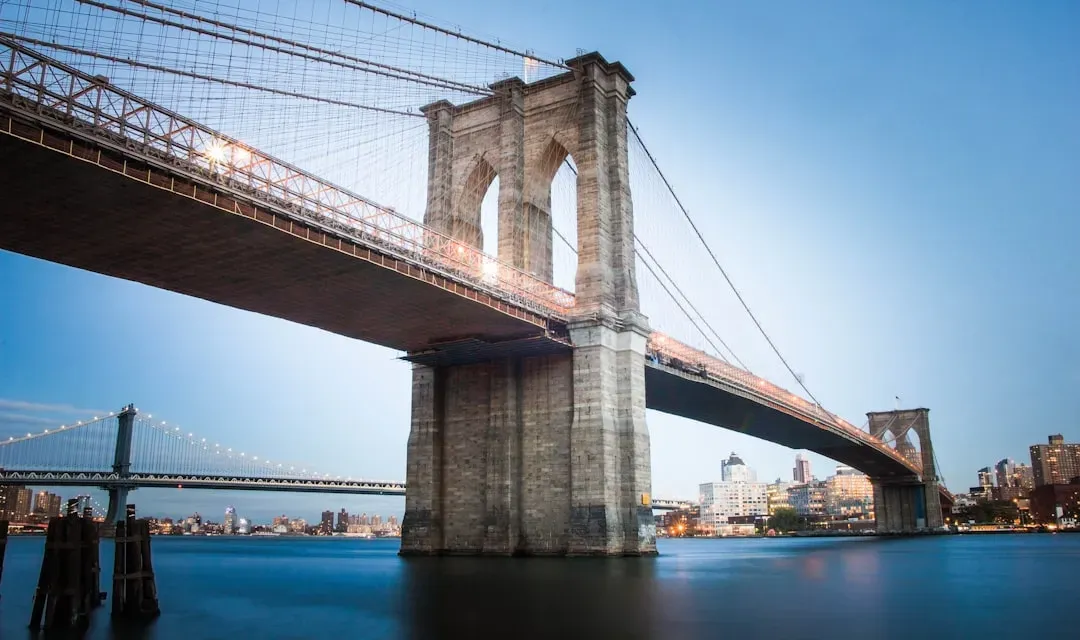
The Brooklyn Bridge, which opened in 1883, was the first suspension bridge to use steel cables and became a National Historic Civil Engineering Landmark in 1972, pioneering engineering innovation with its use of large pneumatic caissons and steel-wire suspension cables. Stretching 1.1 miles, it links Manhattan and Brooklyn through striking Gothic-style towers.
What makes this bridge particularly remarkable isn’t just its technical achievements. Designer John A. Roebling died before construction began, leaving his son Washington in charge until illness forced him to step back, after which Emily Warren Roebling studied engineering and became a central figure in daily operations. Here’s the thing, caisson disease struck down the chief engineer, and his wife essentially took over one of the most ambitious engineering projects of the 19th century.
Workers endured dangerous conditions, yet the bridge rose as a symbol of resilience, and today it serves as a National Historic Landmark and an icon of unity. Walking across it now, you’re treading the same path that generations have used to connect two of New York’s most vibrant boroughs. The Gothic arches still pierce the skyline like stone prayers.
Golden Gate Bridge: The International Orange Icon
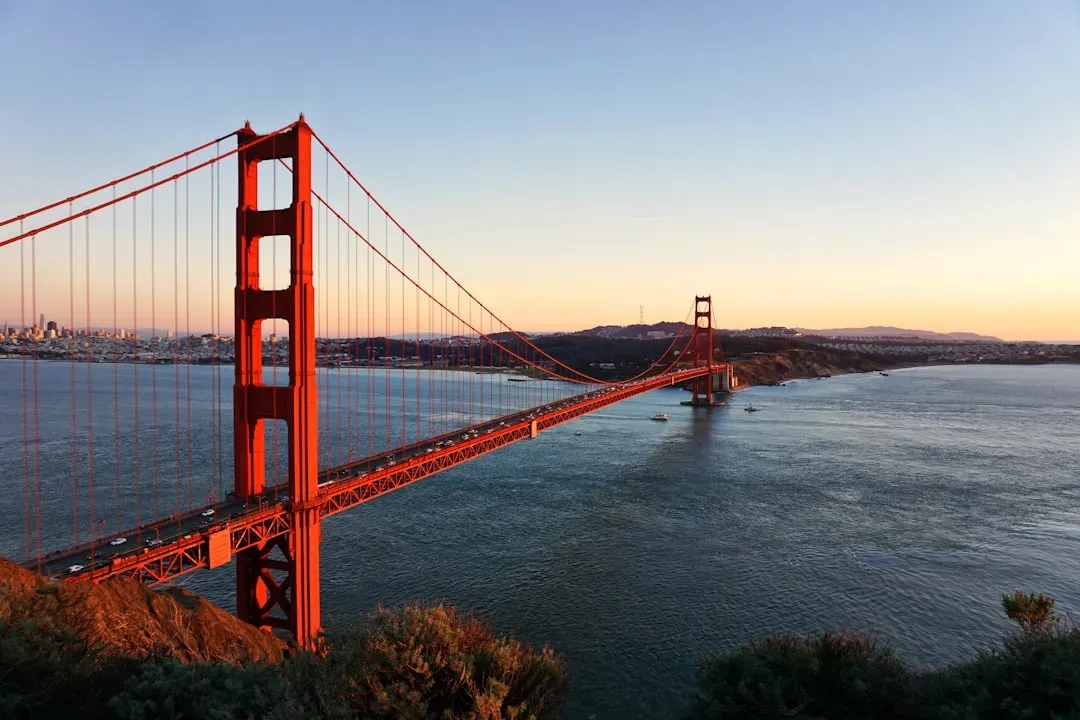
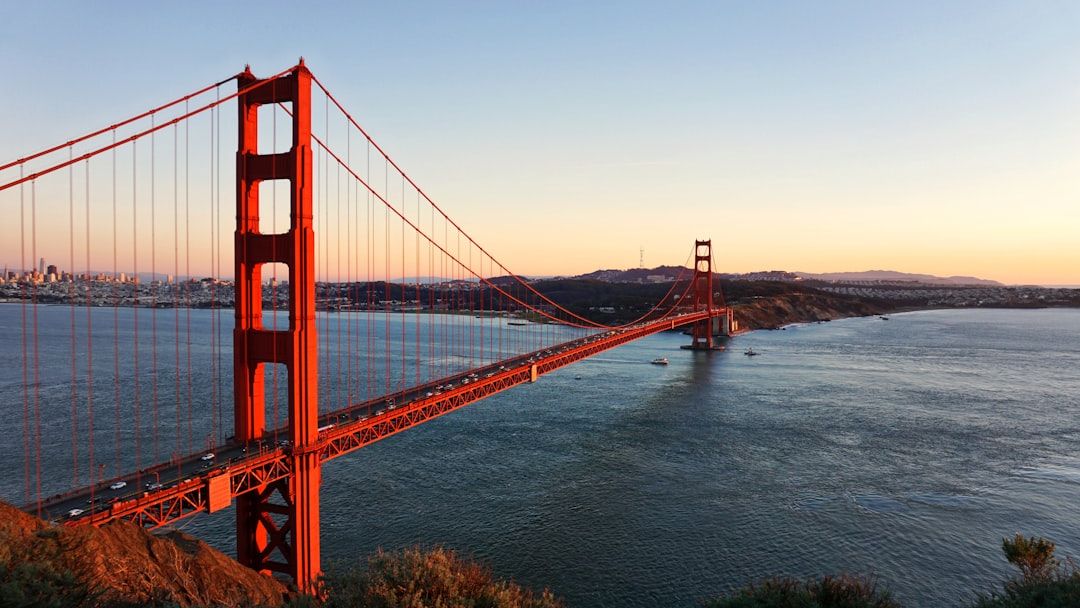
Completed in 1937, the Golden Gate Bridge once held the title of the longest suspension span in the world, with its vivid orange towers soaring 746 feet high, piercing the fog above San Francisco Bay. It’s hard to say for sure, but this might be the most photographed bridge on the planet.
Thousands of steel wires form cables strong enough to carry relentless daily traffic, with construction being perilous as workers endured high winds and icy tides. A safety net saved 19 lives, though 11 were still lost, but built during the Great Depression, the bridge became a powerful symbol of progress. Think about that for a moment. Nearly a dozen men died building a bridge meant to connect people.
Joseph Strauss served as chief engineer for the project, with Leon Moisseiff, Irving Morrow and Charles Ellis making significant contributions to its design, and the bridge opened to the public on May 27, 1937. That distinctive color wasn’t originally planned, you know. The orange hue was meant to be a primer, but architects realized it contrasted beautifully against the perpetual fog.
Chesapeake Bay Bridge-Tunnel: The Hybrid Wonder
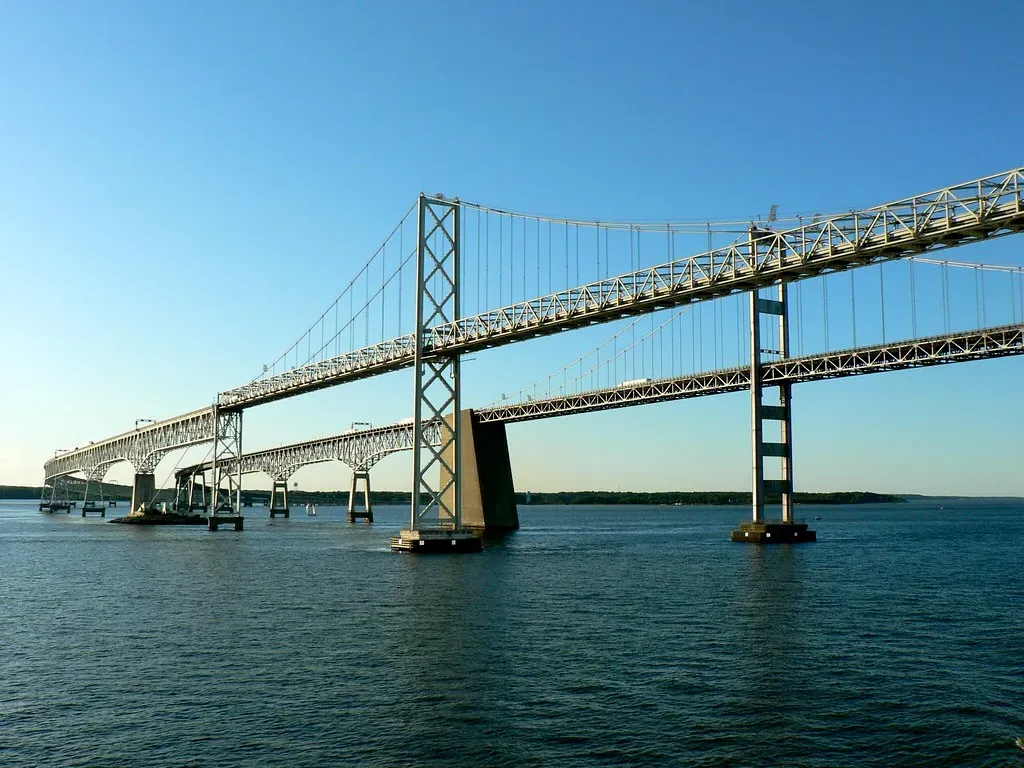
The Chesapeake Bay Bridge-Tunnel is a true feat of engineering, stretching an astonishing 17.6 miles across the mouth of the Chesapeake Bay, opened in 1964. This isn’t just a bridge. It’s a bridge-tunnel complex that dips underwater to let massive ships pass overhead.
It combines lengthy bridge spans with underwater tunnels to overcome daunting geographic barriers, connecting Virginia’s Eastern Shore with the mainland, and this unique blend of design solutions made it a model for complex infrastructure worldwide. Picture driving along, watching the bay spread out around you, then suddenly descending into a tunnel beneath the waves. It’s surreal.
The 17.6-mile-long bridge-tunnel complex is a marvel of modern engineering, incorporating low-level trestles, high-level bridges, artificial islands, and two one-mile-long tunnels, and since opening in 1964, it has served as both a vital commercial route and a scenic drive. Shortly after its opening, the American Society of Civil Engineers honored the structure with the “Outstanding Civil Engineering Achievement” award. Honestly, crossing this bridge feels like you’re traveling through three different worlds.
Mackinac Bridge: Michigan’s Mighty Mac
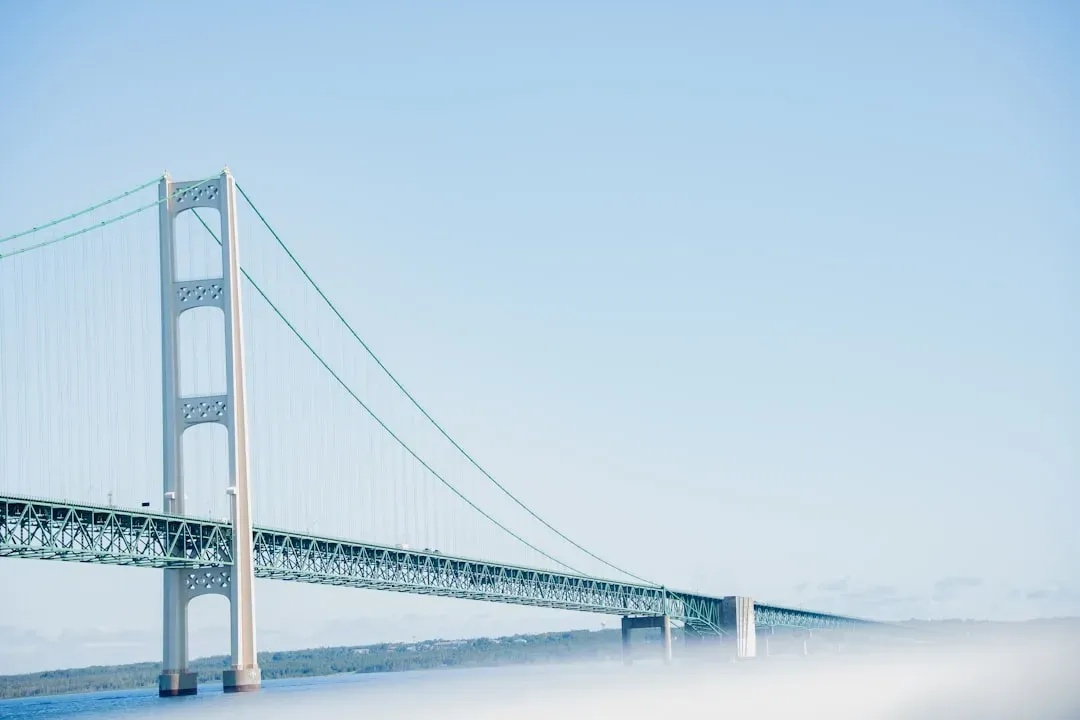
Stretching an impressive five miles, the Mackinac Bridge stands as one of the world’s longest suspension bridges, completed in 1957, boldly linking Michigan’s Upper and Lower Peninsulas, overcoming the formidable Straits of Mackinac. Before this bridge existed, people had to take ferries, and during harsh winters, the peninsulas were essentially cut off from each other.
This engineering marvel is a monument to mid-century American ambition, transforming regional travel and commerce, and the bridge’s graceful lines and sheer scale have made it an enduring symbol of Michigan pride. The locals call it “Mighty Mac,” and for good reason. It’s built to withstand ferocious winds that sweep across the straits.
The bridge revolutionized life in Michigan’s Upper Peninsula. Communities that once felt isolated suddenly had direct access to the rest of the state. Commerce flourished. Families reunited more easily. Sometimes infrastructure isn’t just about steel and concrete; it’s about stitching together human lives.
Sunshine Skyway Bridge: Florida’s Yellow Marvel
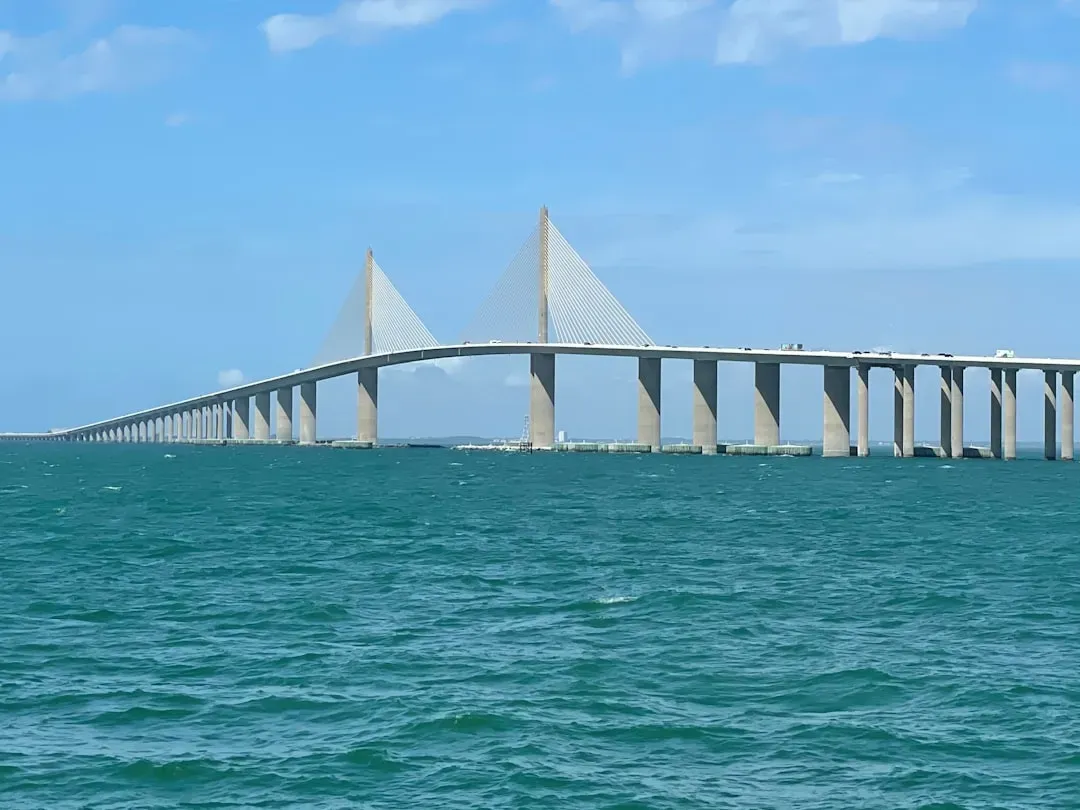
Florida’s Sunshine Skyway Bridge, completed in 1987, stands out for its elegant cable-stayed design and vibrant yellow cables stretching across Tampa Bay, built to replace a span lost to tragedy. The original bridge was destroyed by a freighter collision that killed 35 people.
Its soaring lines and distinctive silhouette have earned it acclaim as one of the world’s most beautiful bridges, blending function with visual impact. The tragedy that necessitated its construction gave engineers a chance to rethink everything. The designers rebuilt the bridge with a large clearance so that even taller ships can pass under the middle safely.
Design-wise, the bridge has a central pylon and cables holding up the roadway deck, with attractive color-coded lights adorning the wires, and its wide lanes were designed for driver’s safety, while at either end fishing piers were thoughtfully built by repurposing part of the old bridge. Driving across it at sunset, with those yellow cables glowing against the Gulf sky, is genuinely breathtaking. The bridge rises and falls like a gentle wave.
Eads Bridge: The Mississippi River Pioneer
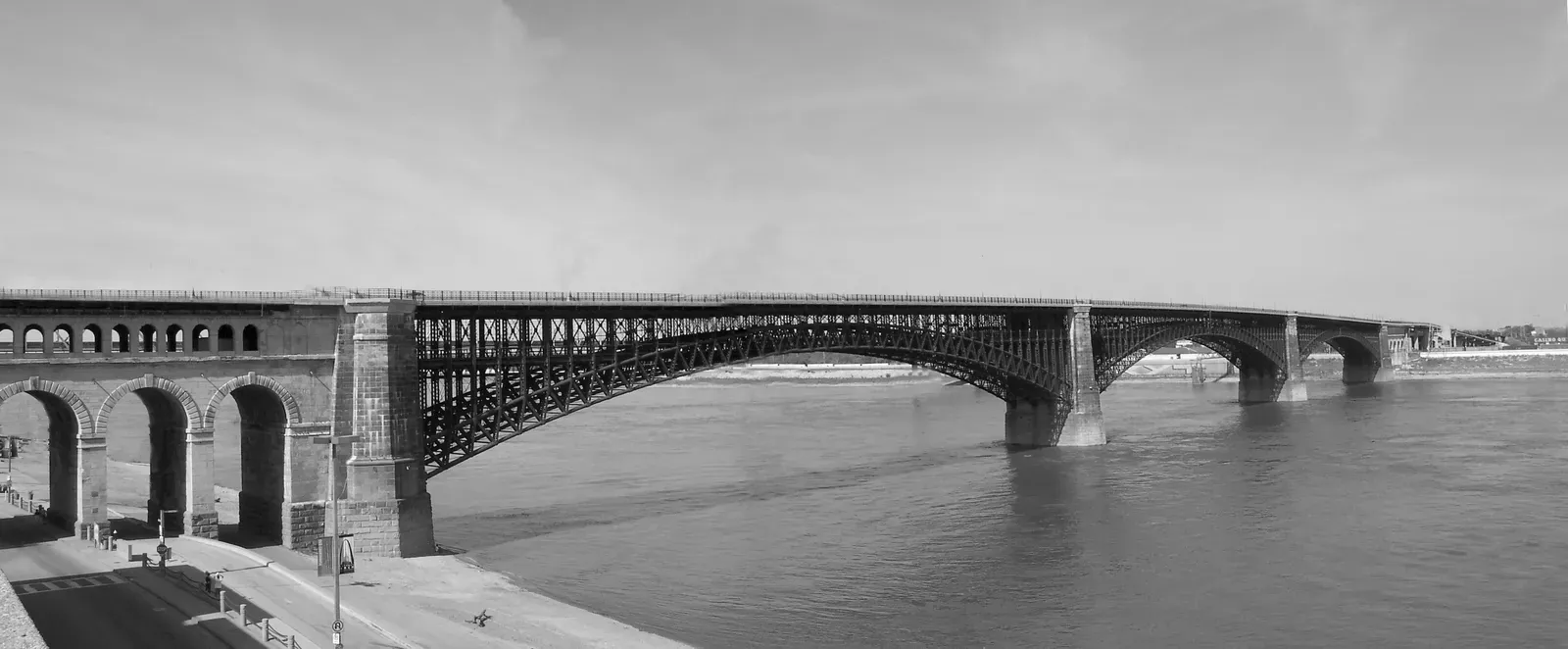
The Eads Bridge in St. Louis, Missouri, is considered the world’s first steel truss bridge, stretching 1,964 meters long and allowing both trains and cars to pass due to two overlapping decks. Built in the 1870s, this bridge was revolutionary.
That bridge is still standing today, with enormous granite-clad piers supporting three elegant arches and two decks, being the first to support railway tracks, the first to use tubular elements, and the first to rely entirely on cantilever construction for its superstructure, with pneumatic caissons used in the construction of the piers for the first time in the United States, excavated to an unprecedented depth of 38 meters. Think about workers descending nearly 125 feet underwater in pressurized chambers, in an era before anyone really understood decompression sickness.
Inaugurated on July 4, 1874, the Eads Bridge was declared a National Historic Landmark in 1964. The bridge proved skeptics wrong and opened up western expansion in ways people couldn’t have imagined. It’s still carrying traffic more than a century and a half later, which says everything about its construction quality.
George Washington Bridge: The Hudson River Giant
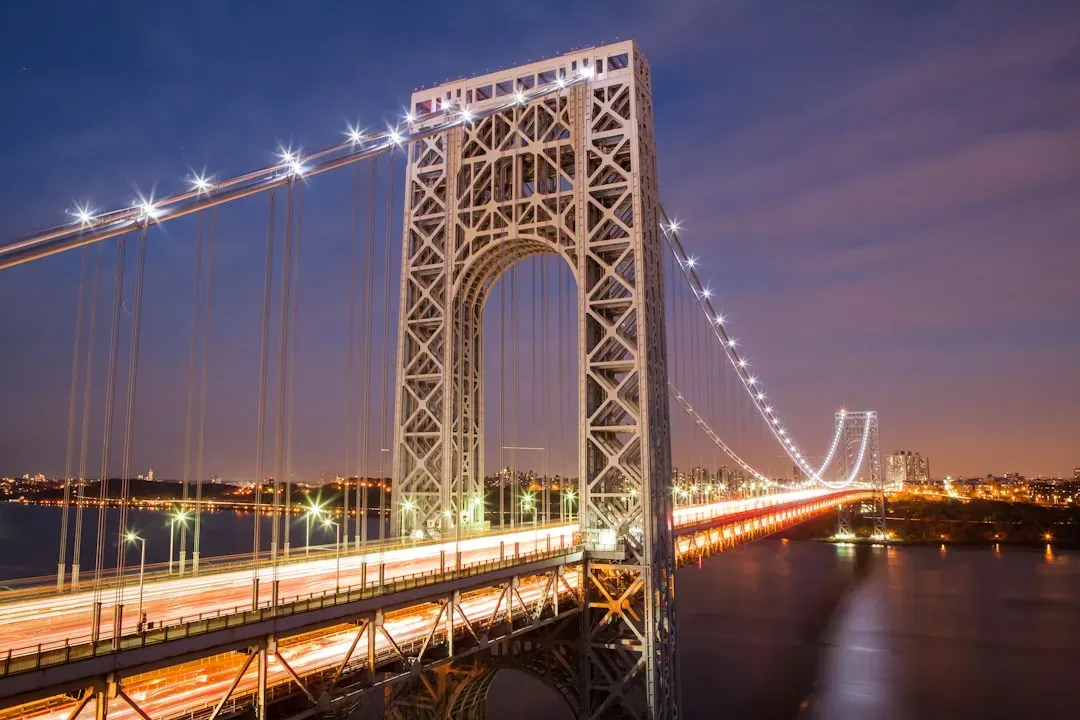
Spanning the Hudson River, the George Washington Bridge connects Upper Manhattan with Fort Lee, New Jersey, completed in 1931 and designed by Othmar Ammann, with this suspension bridge being the world’s longest at the time of its opening. It dominates the New York skyline like some modernist colossus.
Its design features a double-deck structure, with the upper level initially accommodating six lanes of traffic and the lower level added in 1962 to handle increasing traffic volumes, and the George Washington Bridge is renowned for its sleek design and functionality. Over 100 million vehicles cross it annually, making it one of the busiest motor vehicle bridges in the world.
What’s fascinating is that the towers were supposed to be clad in granite, but the exposed steel looked so striking during construction that they left it bare. Sometimes the best design choices happen by accident. The bridge handles commuter traffic during rush hours like few other structures can.
Mike O’Callaghan-Pat Tillman Memorial Bridge: The Hoover Dam Bypass
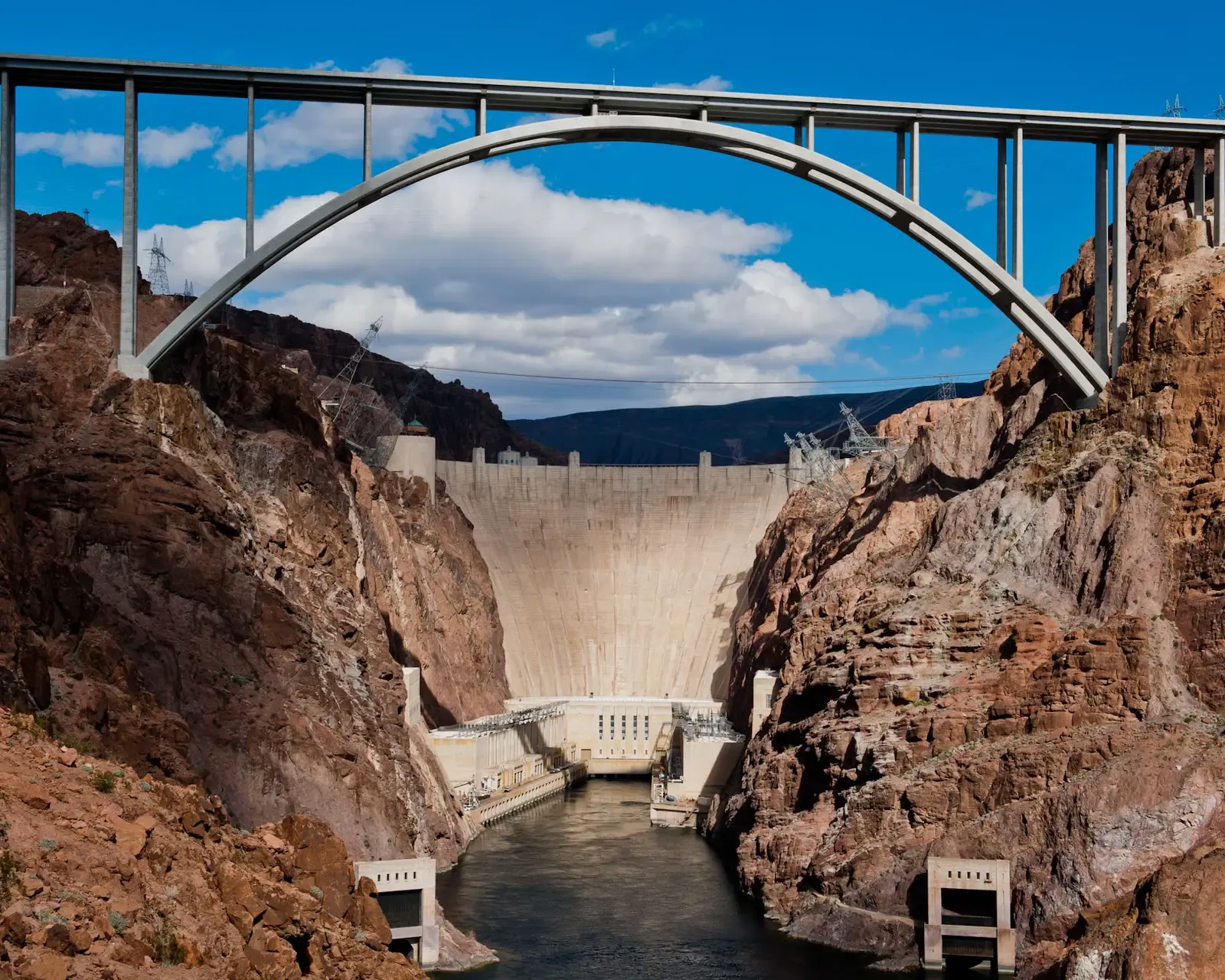
The Mike O’Callaghan-Pat Tillman Memorial Bridge, also known as the Hoover Dam Bypass, is a dramatic concrete arch bridge spanning the Colorado River between Nevada and Arizona, opened in 2010, standing as the second highest bridge in the United States, soaring 890 feet above the river below. Looking down from that height makes your stomach flip.
Designed to relieve traffic congestion from the historic Hoover Dam, it represents a new era of American infrastructure, combining safety, efficiency, and breathtaking design. Its open structure was designed to withstand winds, earthquakes and heavy service loads without encroaching on the views of the dam or surrounding area.
The bridge is a fitting tribute to the two war heroes it’s named after: Mike O’Callaghan was a former Nevada governor and Korean War veteran, and Pat Tillman was an Arizona Cardinals football player who lost his life in Afghanistan, aged 27. The names carry weight, reminding travelers of sacrifice while they marvel at engineering achievement.
Navajo Bridge: The Colorado River Crossing
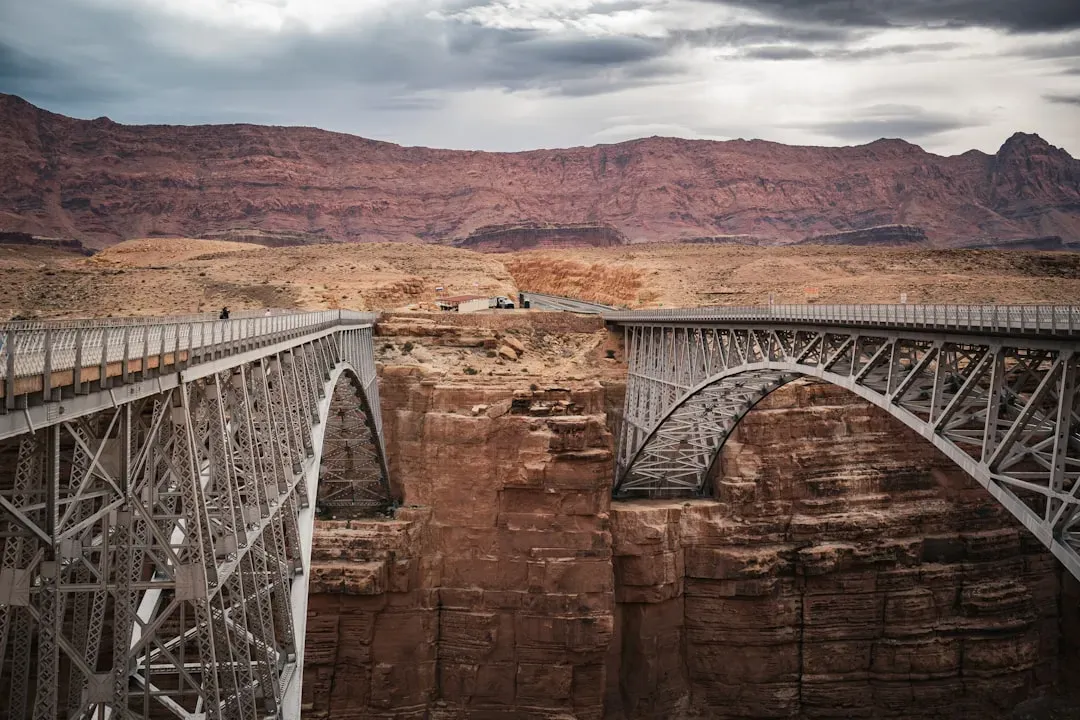
High above Marble Canyon, the Navajo Bridge opened in 1929, carrying travelers 470 feet above the Colorado River, and at the time, it was one of the highest bridges in the world, linking remote desert regions otherwise divided by treacherous terrain. Before this bridge, crossing this area meant dangerous detours spanning hundreds of miles.
In 1995, a second span was built nearby to handle heavier traffic, leaving the original bridge for pedestrians, and visitors crossing today enjoy breathtaking canyon views while reading displays about Navajo culture, local history, and wildlife. The old bridge now serves as a perfect viewing platform, letting you experience the vertigo without traffic rushing past.
The canyon walls drop away beneath you in bands of ancient rock, each layer telling millions of years of geological history. It’s one of those places where infrastructure enhances rather than detracts from natural beauty.
Penobscot Narrows Bridge: Maine’s Cable-Stayed Beauty
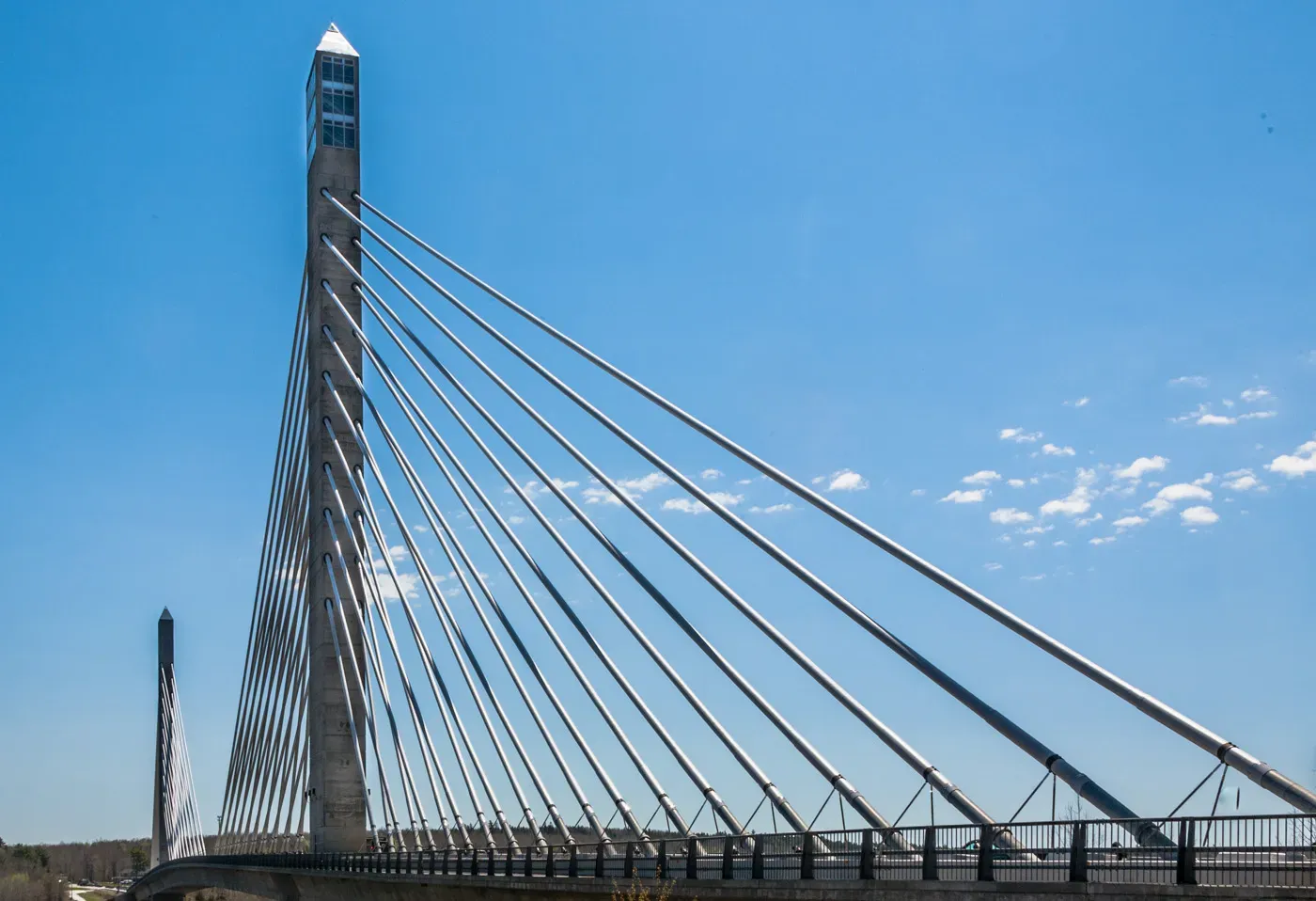
The Penobscot Narrows Bridge connecting Prospect Island and Verona Island in Maine is a stunning example of cable-stayed bridge architecture, and its design complements the surrounding landscape. The carbon composite cables were an engineering first, fanning out from two narrow, tapering concrete pillars that form the highest part of the bridge.
The western tower’s observation deck, also known as the Penobscot Narrows Bridge Observatory, stands 420 feet high, making it the highest public bridge observatory in the world, allowing visitors to enjoy a bird’s-eye view of the bridge and its surroundings, including Penobscot Bay. You can take an elevator up inside the tower and look down on boats passing beneath like tiny toys.
It is neighbored by the ancient military fort, Fort Knox, which played a pivotal role in defending the Penobscot River during the American Civil War, and it was awarded the Gustav Lindenthal Medal by the International Bridge Conference in 2007 for its groundbreaking engineering. The bridge cost roughly 85 million dollars, which seems like a bargain considering its innovation and beauty.
Benjamin Franklin Bridge: Philadelphia’s Delaware River Span
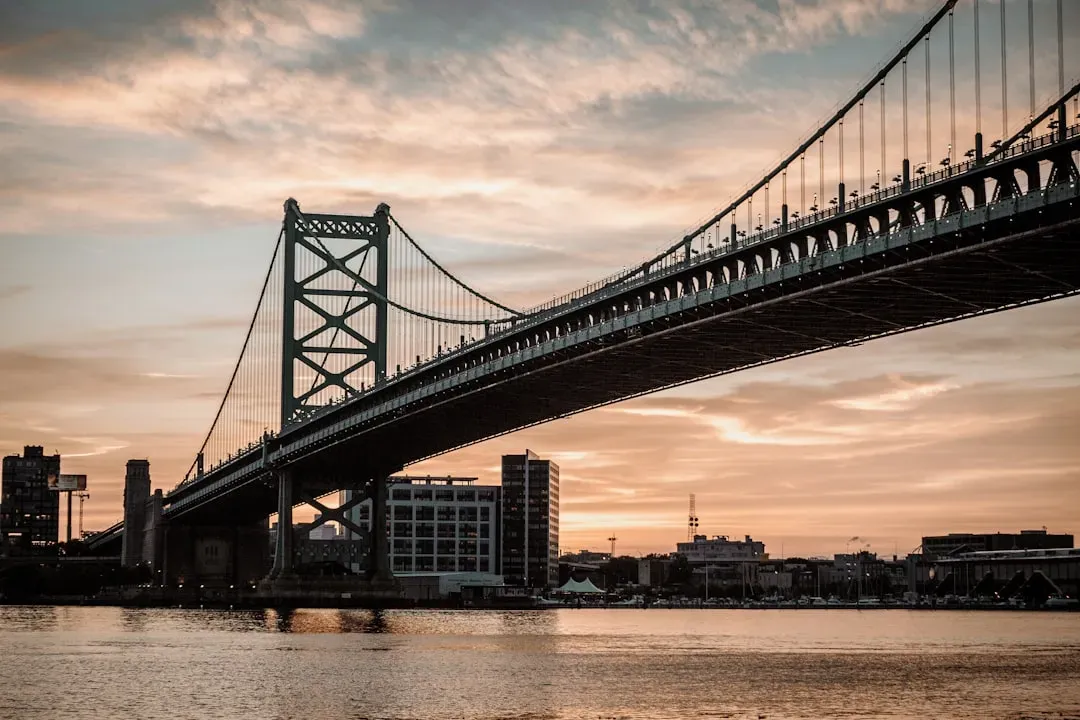
The Benjamin Franklin Bridge, connecting Philadelphia, Pennsylvania, to Camden, New Jersey, is more than just a means of crossing the Delaware River, completed in 1926 as the longest suspension bridge in the world at the time, stretching 1,750 feet between its two towers, and designed by architect Paul Philippe Cret and engineer Ralph Modjeski. At night, it’s illuminated with LED lights that can display different colors.
The bridge transformed the relationship between Philadelphia and its New Jersey neighbors. Communities that had been separated by the Delaware suddenly found themselves minutes apart rather than a ferry ride away. Improvements include the addition of bike lanes and pedestrian walkways, making the bridge more accessible to all users.
It’s one of those structures that defines a city’s identity. When you see it rising against the Philadelphia skyline, you know exactly where you are. The bridge carries commuter rail lines, vehicle traffic, and pedestrians all at once, serving as a genuine multi-modal transportation hub.
Conclusion: Monuments to Human Ambition
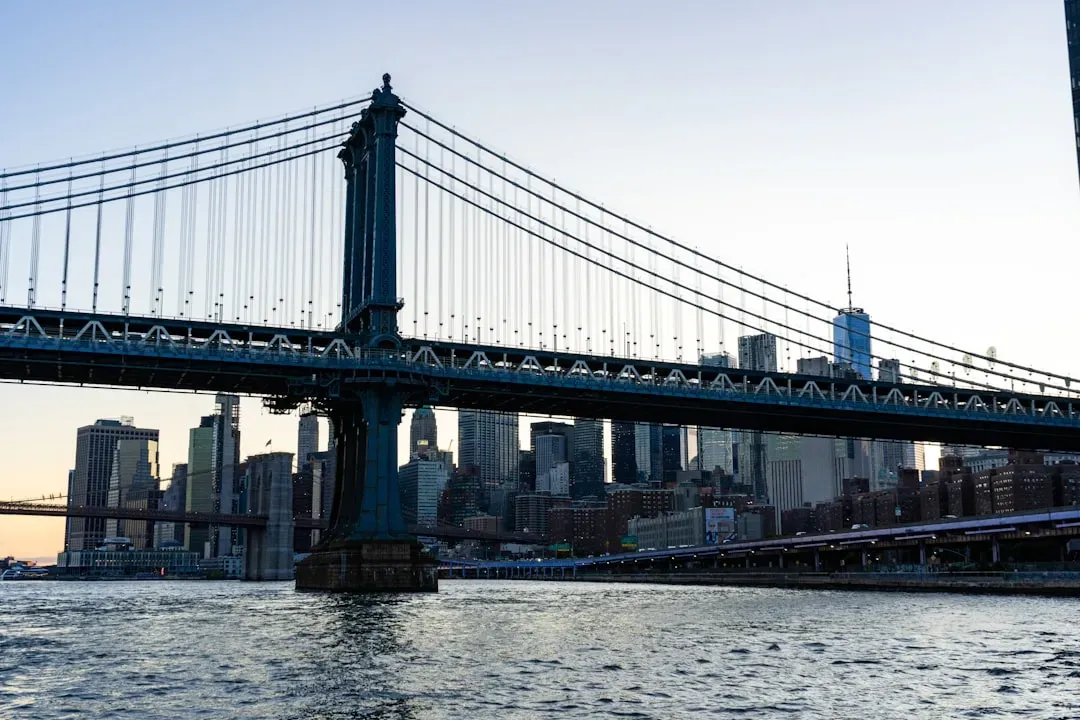
These bridges represent more than just engineering calculations and construction techniques. They’re physical manifestations of belief, the idea that impossible gaps can be bridged with enough determination, ingenuity, and courage. Each one pushed the boundaries of what people thought achievable at the time.
Workers died building several of these structures. Engineers staked their reputations on untested designs. Communities invested fortunes with no guarantee of success. Yet they persisted, driven by the conviction that connecting people and places was worth the risk.
Standing beneath any of these bridges today, you can feel the weight of that ambition. These structures have outlasted their creators, serving generations who never knew the names of the people who made their crossing possible. They’ve become so integrated into daily life that we sometimes forget they’re miracles of human achievement.
What’s your favorite bridge to cross? Have you ever stopped to really look at one of these engineering marvels and appreciate the sheer audacity it took to build it?
